Also known as Alder · 26 saves
Alnus
Alnus, the genus most gardeners know as alder. We track 4 varieties; the ones most used by real gardeners.
The 4 most-saved Alnus varieties
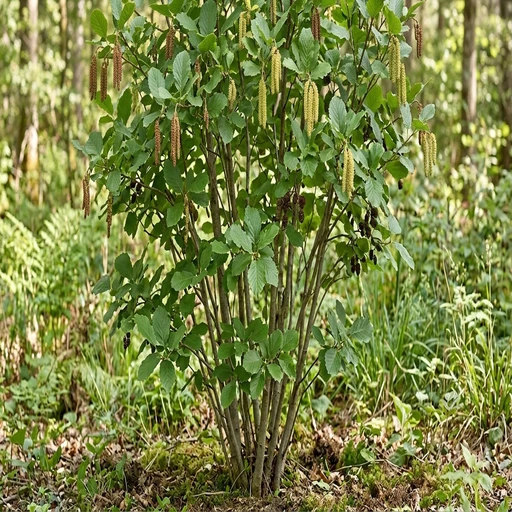
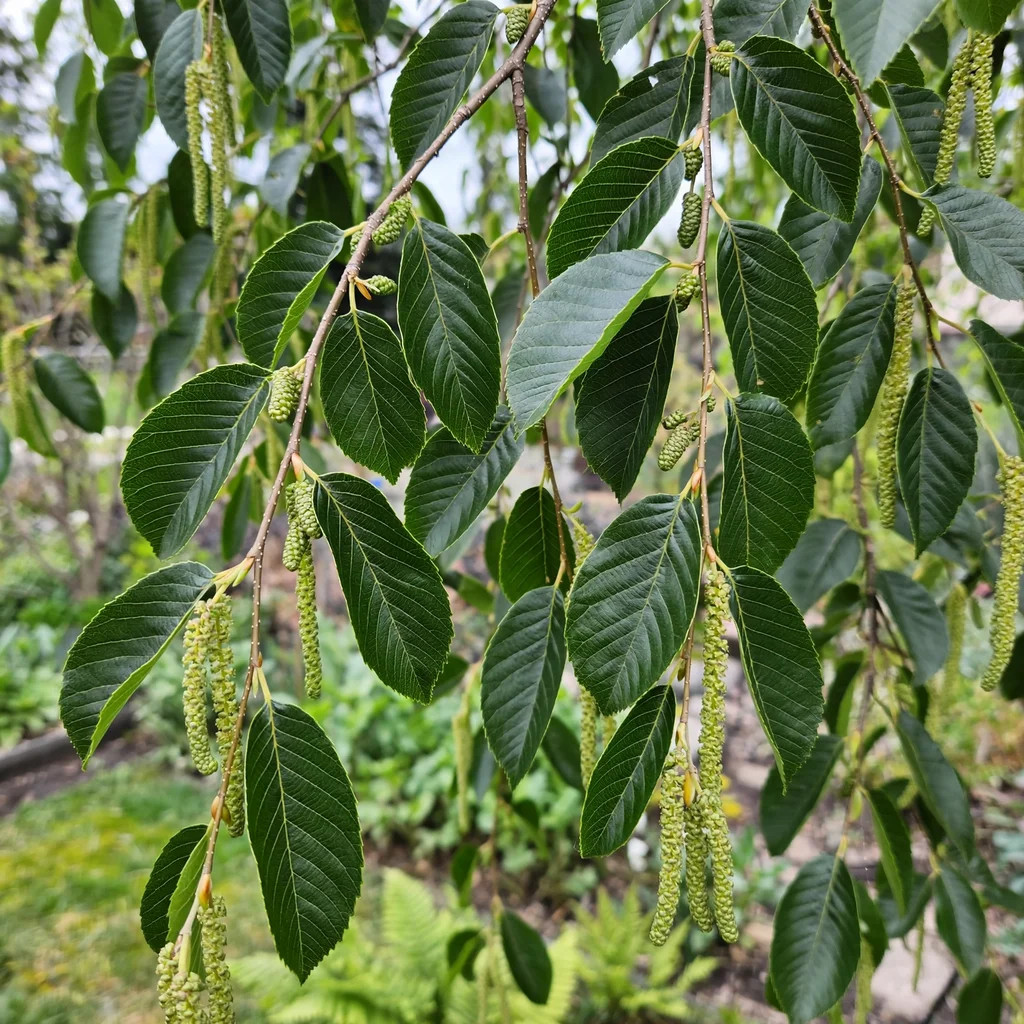
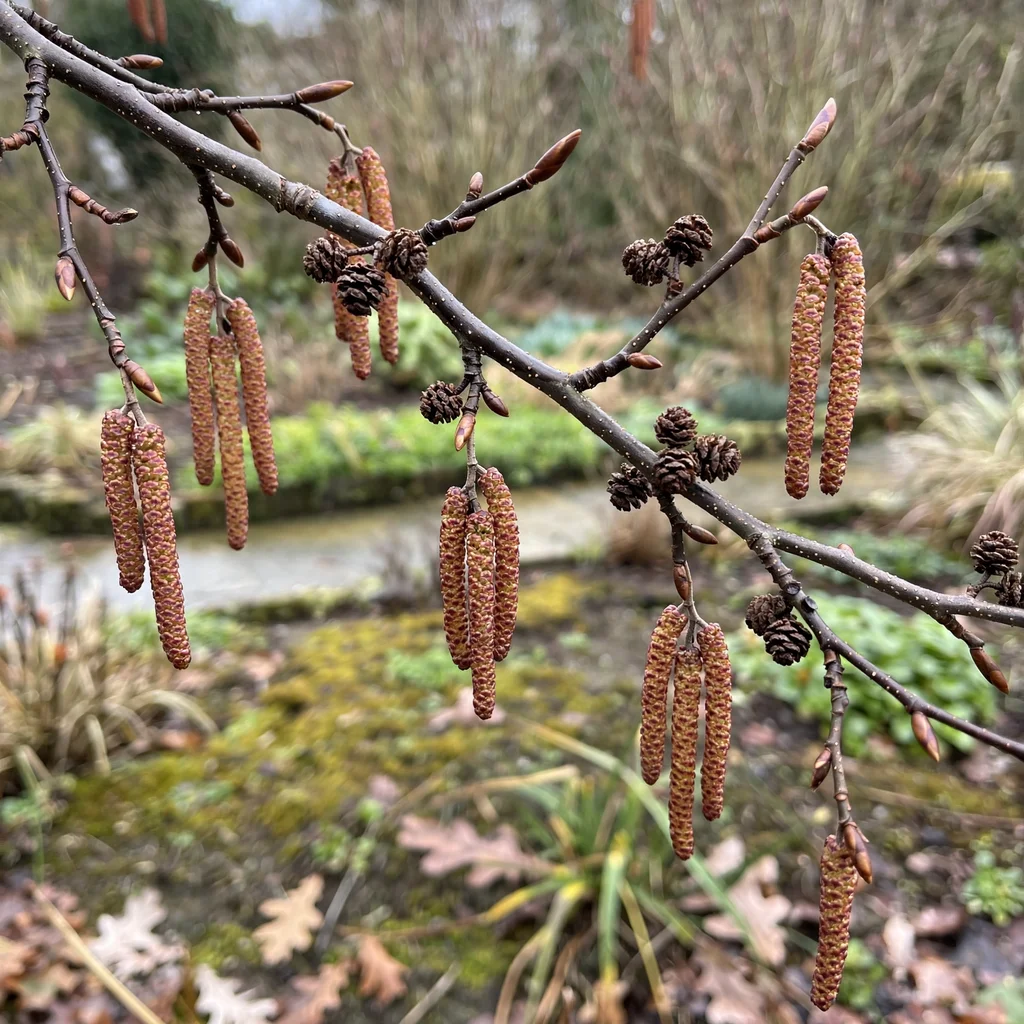
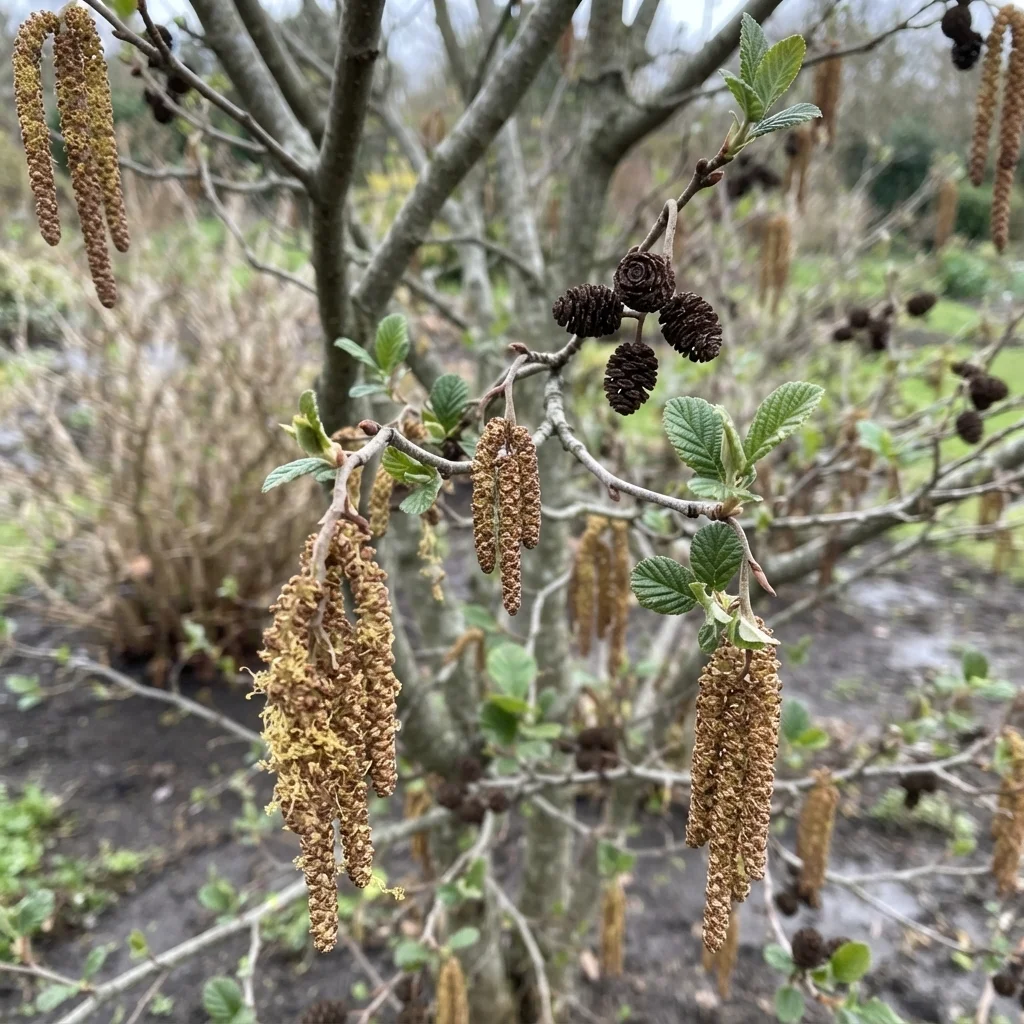
3 species of Alnus
Each one is a parent of the varieties above.
Track your Alnus in Sow
Save the Alnus you grow and get care reminders timed to your zone.
How to grow Alnus
Whats common across all Alnus varieties in our catalog — drawn from the care records of the 4 most-grown of them.
The Alnus year
- PruneJanuary–March100% of varieties
Prune lightly to remove dead or damaged wood and maintain structural clearance.
- Check for PestsJune and July75% of varieties
Inspect foliage for aphids, spider mites, and tent caterpillars.
- PlantMarch, April, October and November75% of varieties
Plant bare-root or container-grown trees during the cool spring or fall months.
- MulchMay50% of varieties
Apply a thick layer of organic mulch to retain soil moisture and protect roots.


Do
- Provide regular deep watering during dry summer periods to support the tree's high moisture requirements.
- Plant in areas with wet soil or poor drainage where other tree species fail to establish.
- Protect young trees from severe, icy winter winds which can damage foliage and kill tender stems.
- Prune during winter dormancy to shape the canopy and control suckers.
- Plant in wet areas, rain gardens, or boggy sites where other trees struggle.
Avoid
- Do not plant near sewer pipes, septic fields, drains, or concrete foundations.
- Do not apply nitrogen-heavy fertilizers, as the tree hosts symbiotic bacteria that fix their own nitrogen.
- Do not prune heavily into old, leafless wood, which results in slow and patchy regrowth.
- Do not plant in dry, upland landscape beds where the tree will suffer from drought stress.
What goes wrong with Alnus
| Problem | What you'll see | What to do |
|---|---|---|
| Tent caterpillars | Silken webs in branch forks and rapid defoliation of young shoots. | Prune out and destroy the webs when caterpillars are inside, or apply Bacillus thuringiensis (Bt) to affected foliage. |
| Aphids | Distorted or curling leaves accompanied by sticky honeydew and black sooty mold. | Blast the foliage with a strong stream of water or apply insecticidal soap to the undersides of leaves. |
| Japanese beetles | Skeletonized foliage and severe leaf defoliation during mid-summer. | Apply targeted horticultural oils or insecticidal soaps, or hand-pick beetles into soapy water. |
| Woolly alder aphids | White, cottony masses on branches and sticky honeydew on foliage. | Encourage beneficial insects or apply targeted horticultural oils or insecticidal soaps. |
| Powdery mildew | White, talcum-like powdery coating on leaf surfaces, causing premature leaf drop. | Improve air circulation around the canopy and avoid overhead watering to keep foliage dry. |
| Cankers | Sunken, discolored areas on branches or trunk, often oozing sap or causing localized dieback. | Prune away infected branches well below the canker, sterilizing tools between cuts, and minimize environmental stress. |
| Root rot | Wilting leaves, branch dieback, and decay at the soil line, often caused by Phytophthora species. | Ensure proper site selection and avoid planting in compacted, poorly aerated soils if water is stagnant. |
Making more Alnus
Seed
- Collect mature cones in fall and extract the small winged seeds.
- Sow seeds directly onto the surface of a moist, sterile seed-starting mix.
- Provide light and maintain constant moisture at room temperature for germination.
- Pot up seedlings into individual containers once they develop two sets of true leaves.
Cuttings
- Take semi-hardwood cuttings in mid-summer, ensuring each cutting has at least three nodes.
- Dip the cut base into a rooting hormone powder.
- Insert the cuttings into a moist, well-draining medium of perlite and peat.
- Keep under high humidity or mist until roots establish, then transition to individual pots.
Alnus questions
How many types of Alnus are there?
The Sow catalog tracks 4 distinct Alnus varieties. The most popular — ranked by 26 real gardeners — are shown first above.
What zones does Alnus grow in?
Across its varieties, Alnus covers USDA Zones 4–10. Individual varieties differ — each plant page lists its exact range, and Sow filters the catalog to your zone automatically.
When does Alnus bloom?
Most Alnus varieties bloom in late winter, spring, early spring. Staggering early, mid, and late varieties extends the genus's season in one bed.
Which Alnus should I choose?
Start from the most-saved varieties above — popularity across thousands of gardens is a strong signal of reliability — then filter by your zone and sun. In the Sow app you can preview any of them in a photo of your actual yard before you buy.