Also known as Chestnut · 43 saves
Castanea
Castanea, the genus most gardeners know as chestnut. We track 3 varieties; the ones most used by real gardeners.
The 3 most-saved Castanea varieties
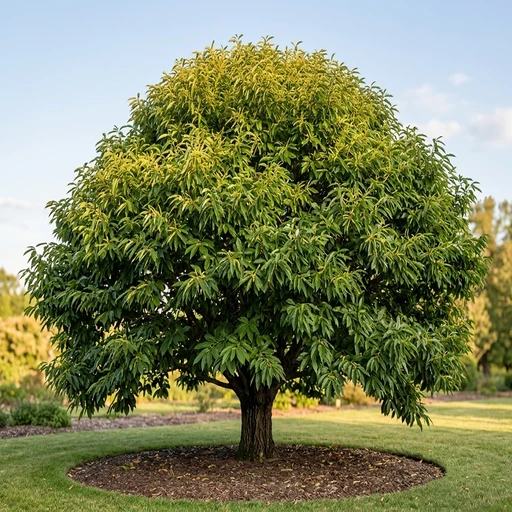
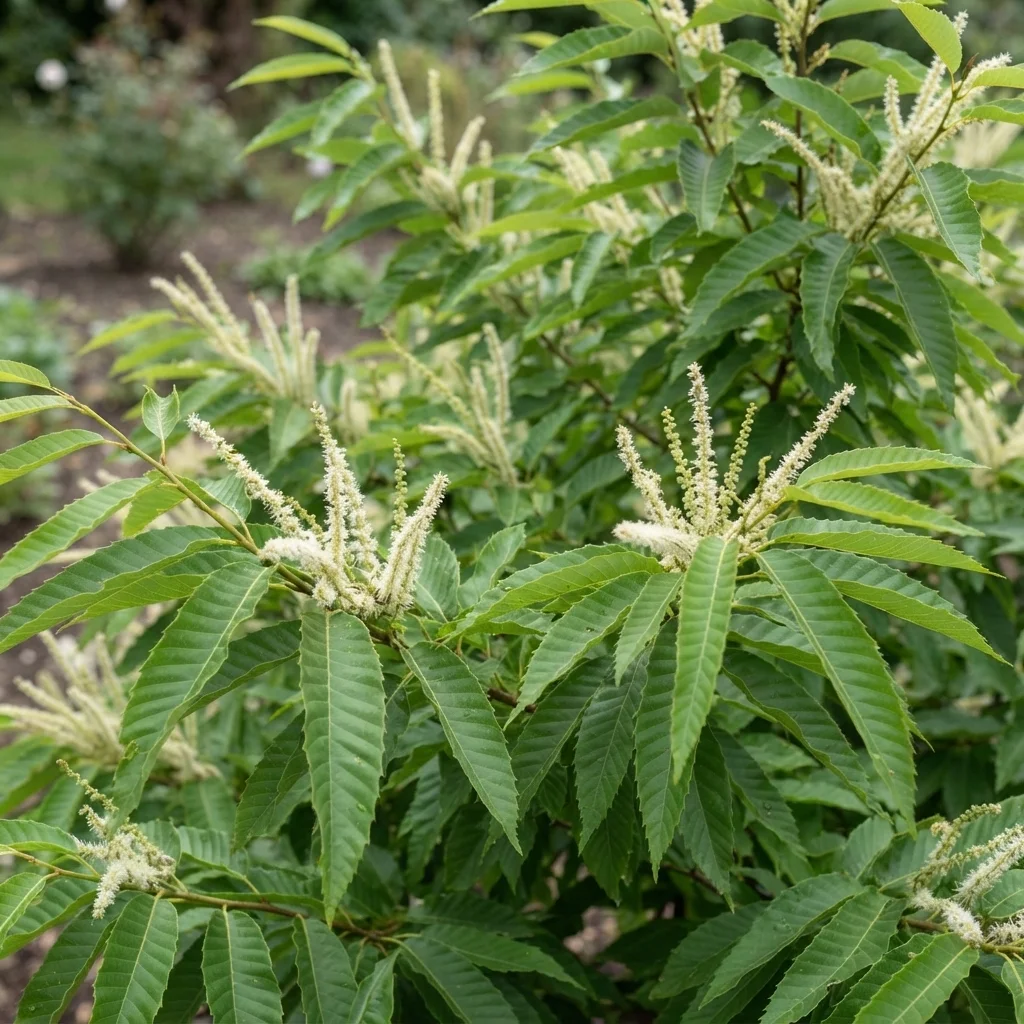
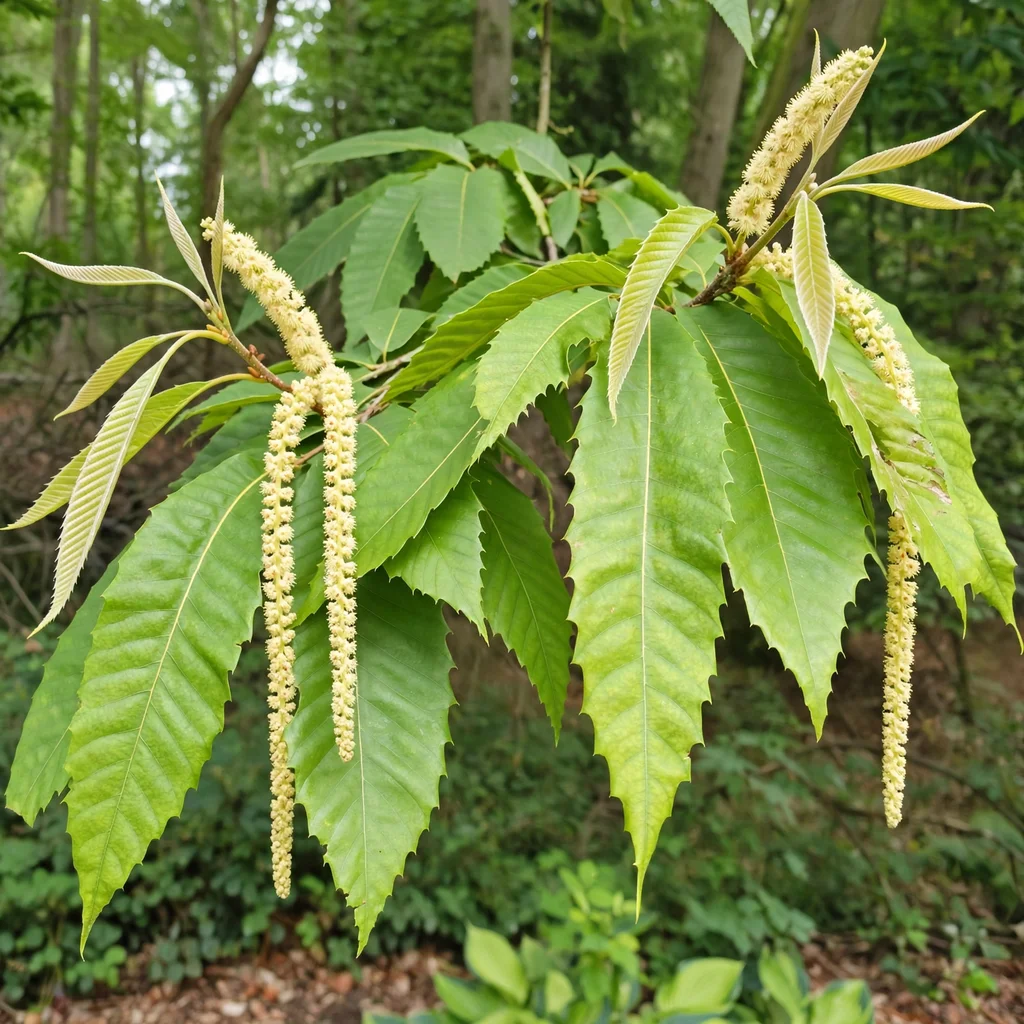
2 species of Castanea
Each one is a parent of the varieties above.
Track your Castanea in Sow
Save the Castanea you grow and get care reminders timed to your zone.
How to grow Castanea
Whats common across all Castanea varieties in our catalog — drawn from the care records of the 3 most-grown of them.
The Castanea year
- PruneFebruary100% of varieties
Prune out dead, diseased, or crossing branches during winter dormancy.
- HarvestSeptember and October100% of varieties
Collect fallen nuts daily using thick gloves to avoid the spiny burs.
- Check for PestsJune and July67% of varieties
Inspect foliage for Japanese beetles and aphids, treating infestations early.
- FertilizeApril67% of varieties
Apply a balanced fertilizer in early spring if growth is poor.


Do
- Prune during winter dormancy to remove dead, diseased, or crossing branches.
- Water young trees regularly during dry spells until their root systems are fully established.
- Wear heavy leather gloves when harvesting nuts to protect hands from the sharp spines of the fallen burs.
- Provide full sun all day for best growth and nut production.
- Ensure the soil is well-drained; chestnuts hate 'wet feet'.
Avoid
- Do not plant in heavy, poorly drained clay soils that hold water and trigger root rot.
- Do not prune heavily into old, leafless wood, as regrowth from old wood is slow and patchy.
- Do not plant near high-traffic walkways or patios where the dropping spiny burs will create a physical hazard.
- Don't plant in heavy clay or poorly drained soils.
What goes wrong with Castanea
| Problem | What you'll see | What to do |
|---|---|---|
| Chestnut Gall Wasp | Green or pinkish galls forming on new shoots and leaves, stunting growth. | Some cultivars are resistant. Biological controls (predatory wasps) are effective. Prune and destroy galls before wasps emerge. |
| Chestnut weevils | Small holes in the developing nuts and tunneling larvae inside the kernels. | Gather and destroy fallen nuts promptly to interrupt the larval life cycle before they enter the soil. |
| Japanese beetles | Skeletonized foliage with only the leaf veins remaining. | Hand-pick beetles into soapy water in early morning or apply organic insecticidal soap for heavy infestations. |
| Aphids | Curled leaves and sticky honeydew deposits on the foliage. | Blast the undersides of leaves with a strong stream of water or apply horticultural oil. |
| Chestnut Blight | Sunken, orange-colored cankers on the bark, leading to wilting and death of branches above the canker. | Chinese Chestnut is highly resistant, not immune. Plant resistant cultivars and maintain tree vigor. No chemical cure. |
| Anthracnose | Brown spots on leaves and premature defoliation during wet springs. | Rake and destroy fallen leaves in autumn to reduce overwintering fungal spores. |
| Twig and stem cankers | Sunken, discolored areas on branches causing localized dieback. | Prune out infected branches several inches below the visible canker during dry winter weather. |
Making more Castanea
Seed
- Collect fresh nuts in fall before they dry out completely.
- Subject the seeds to cold, moist stratification at 34-38°F for 90 to 120 days.
- Sow the stratified seeds in deep containers filled with a well-drained, acidic potting mix.
- Keep the medium moist and place in a warm, bright location to induce germination.
Grafting
- Collect dormant scion wood from desired cultivars in late winter.
- Select healthy, vigorous one-year-old seedling rootstocks.
- Perform a whip-and-tongue or cleft graft in early spring as buds begin to swell.
- Secure the union with grafting tape and seal with grafting wax to prevent desiccation.
Castanea questions
How many types of Castanea are there?
The Sow catalog tracks 3 distinct Castanea varieties. The most popular — ranked by 43 real gardeners — are shown first above.
What zones does Castanea grow in?
Across its varieties, Castanea covers USDA Zones 4–8. Individual varieties differ — each plant page lists its exact range, and Sow filters the catalog to your zone automatically.
When does Castanea bloom?
Most Castanea varieties bloom in early summer, late spring, summer. Staggering early, mid, and late varieties extends the genus's season in one bed.
Which Castanea should I choose?
Start from the most-saved varieties above — popularity across thousands of gardens is a strong signal of reliability — then filter by your zone and sun. In the Sow app you can preview any of them in a photo of your actual yard before you buy.