Also known as Mulla Mulla · 5 saves
Ptilotus
Ptilotus, the genus most gardeners know as mulla mulla. We track 3 varieties; the ones most used by real gardeners.
The 3 most-saved Ptilotus varieties
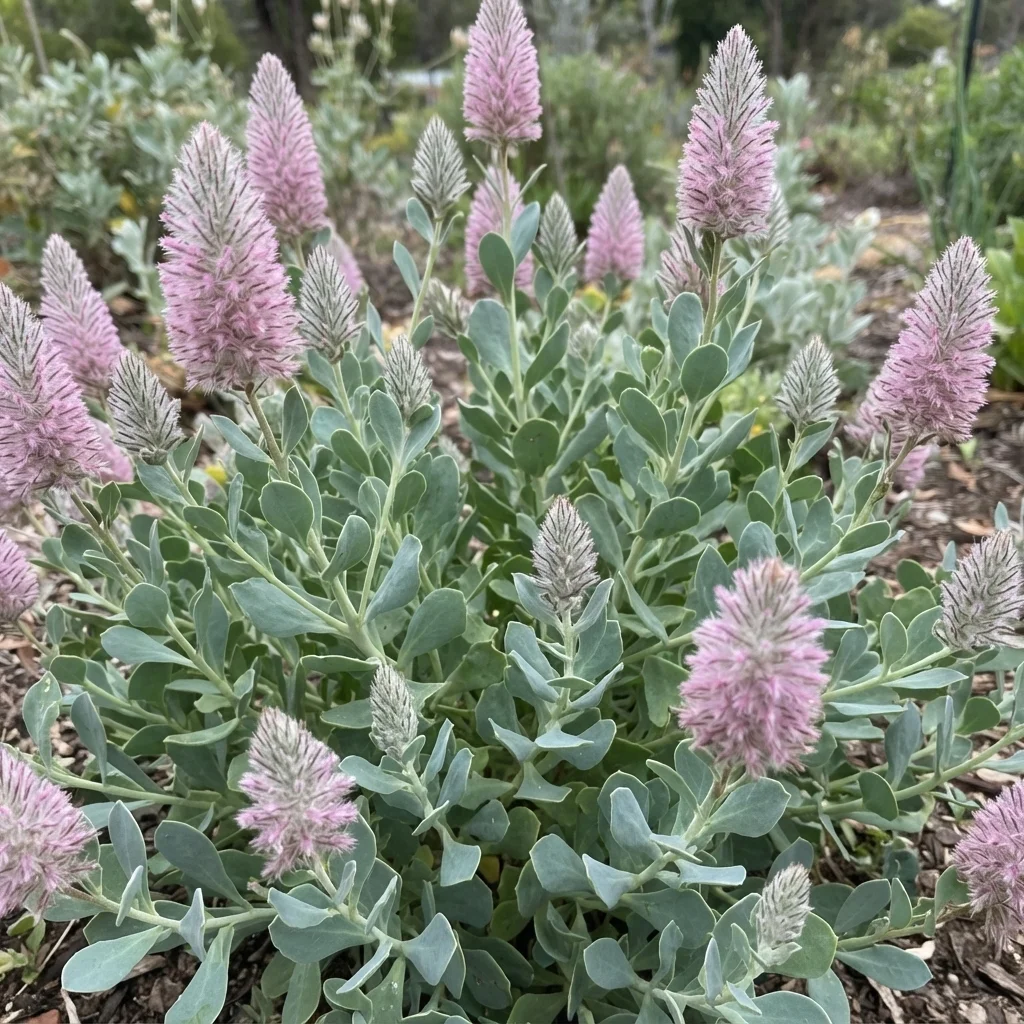
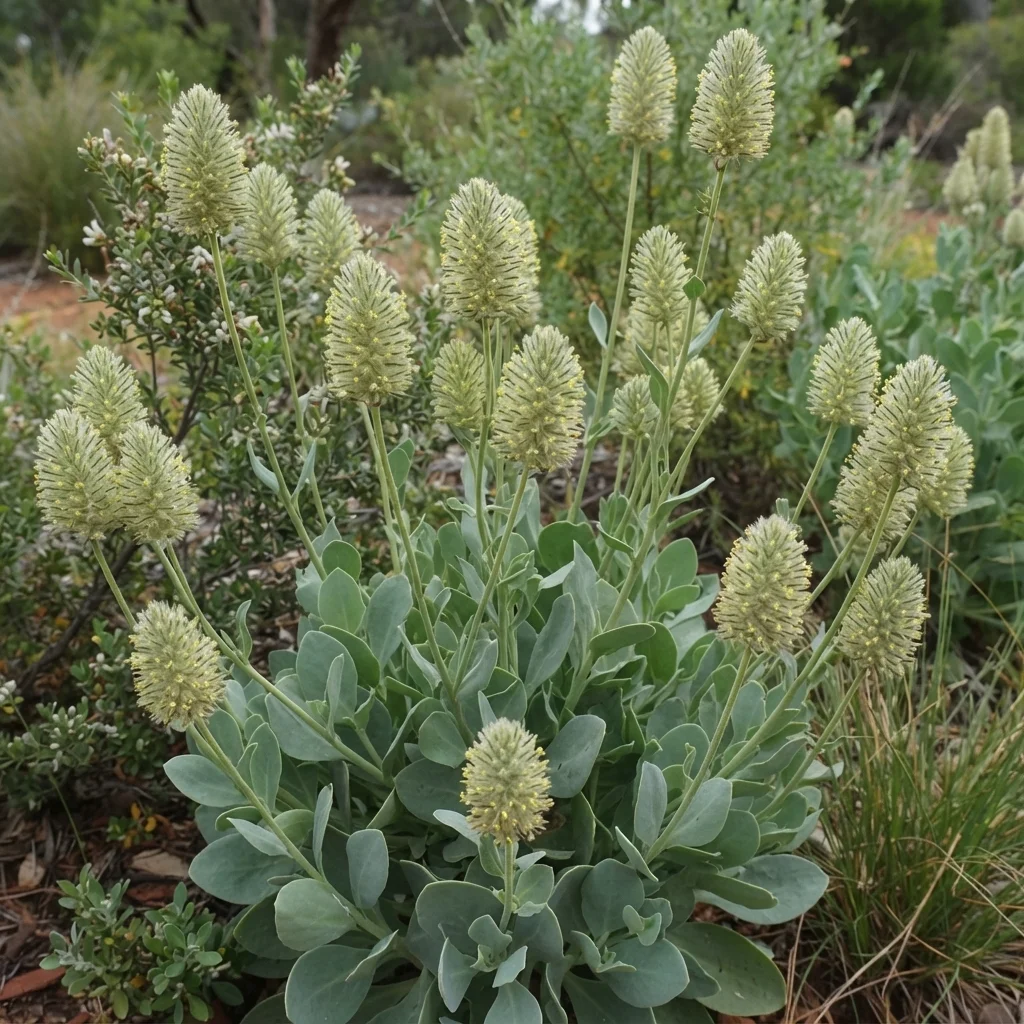
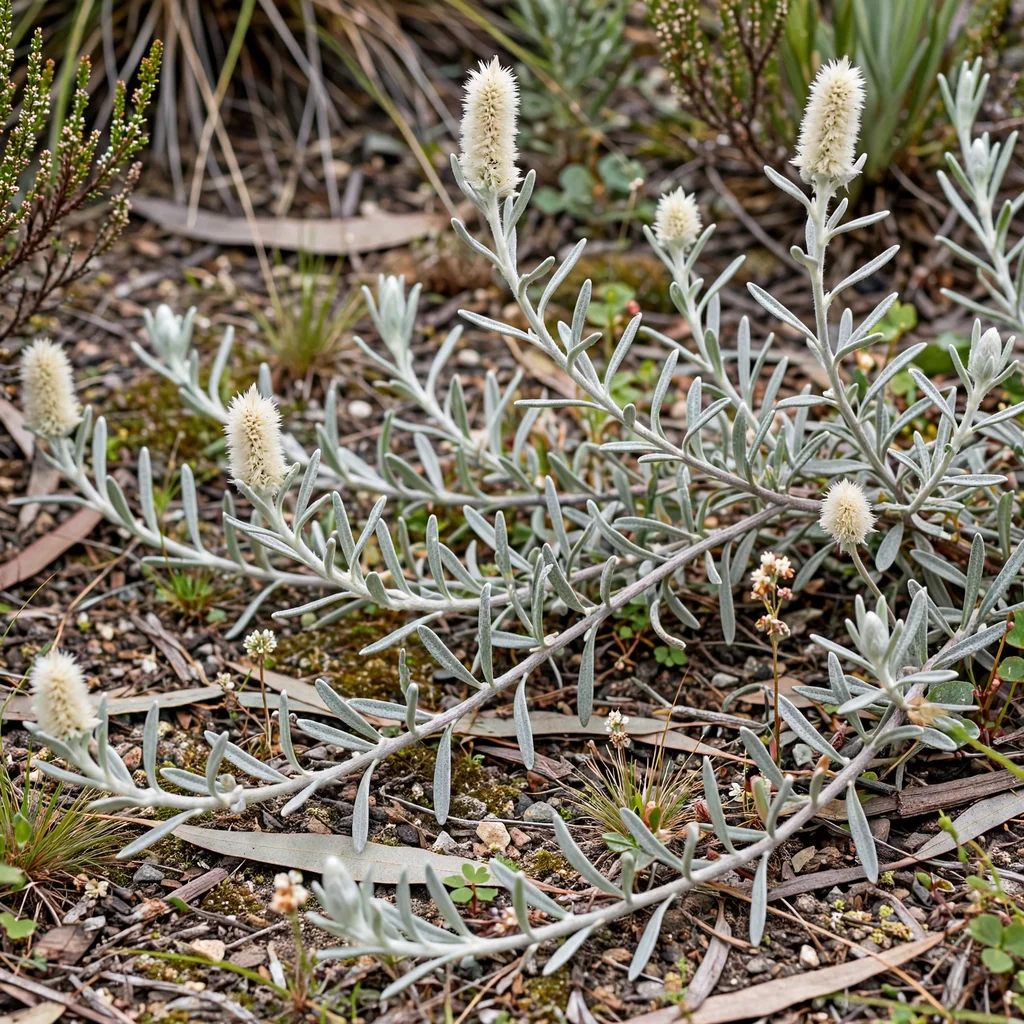
3 species of Ptilotus
Each one is a parent of the varieties above.
Track your Ptilotus in Sow
Save the Ptilotus you grow and get care reminders timed to your zone.
How to grow Ptilotus
Whats common across all Ptilotus varieties in our catalog — drawn from the care records of the 3 most-grown of them.
The Ptilotus year
- FertilizeJune100% of varieties
Apply a very low-phosphorus native fertilizer at a fraction of the recommended strength.
- Check for PestsJune–August100% of varieties
Inspect the woolly new growth for aphids or signs of fungal distress.
- PlantMay and June67% of varieties
Transplant plugs or sow seeds directly outdoors once soil temperatures are warm.
- DeadheadJuly–September67% of varieties
Remove spent flower spikes to encourage continuous blooming and maintain a neat habit.


Do
- Grow in highly porous, well-drained soil mixtures.
- Provide maximum sunlight to maintain compact, erect growth.
- Protect the root system from waterlogged conditions.
- Provide full, unobstructed sunlight for at least six hours daily.
- Use highly porous, sand- or grit-heavy potting mixes for container specimens.
Avoid
- Do not overwater or allow the plant to sit in standing water.
- Do not prune heavily into old, leafless wood.
- Do not apply standard high-phosphorus garden fertilizers.
- Do not overwater or allow the soil to remain saturated.
What goes wrong with Ptilotus
| Problem | What you'll see | What to do |
|---|---|---|
| Aphids | Soft-bodied insects clustering on new woolly growth, causing leaf curling. | Apply a sharp spray of water or use insecticidal soap if infestations persist. |
| Spider mites | Fine webbing and stippled foliage under dry greenhouse conditions. | Blast the foliage with a strong water spray or apply a targeted miticide. |
| Deer and rabbits | Browsed succulent foliage and damaged stems. | Install physical fencing or apply chemical repellents around the planting area. |
| Spider Mites | Fine webbing on leaf undersides and stippled, yellowing foliage under hot, dry indoor or greenhouse conditions. | Increase local ventilation and spray with a miticide or neem oil solution. |
| Root Rot | Wilting, yellowing foliage and stem collapse due to soggy soil. | Improve soil drainage immediately and strictly limit watering. |
| Root rot / Pythium | Sudden wilting and collapse of the plant due to overwatering. | Use sterile, fast-draining potting media and reduce watering frequency significantly. |
| Powdery mildew | White powdery fungal patches on leaves in humid environments. | Improve air circulation around the plants and apply sulfur-based fungicides. |
Making more Ptilotus
Seed
- Sow seeds in a highly porous, sandy seed-raising mix.
- Cover lightly with a thin layer of fine grit or sand.
- Water from below to keep the medium damp but not saturated.
- Maintain warm temperatures and high light levels for germination.
Ptilotus questions
How many types of Ptilotus are there?
The Sow catalog tracks 3 distinct Ptilotus varieties. The most popular — ranked by 5 real gardeners — are shown first above.
What zones does Ptilotus grow in?
Across its varieties, Ptilotus covers USDA Zones 9–10. Individual varieties differ — each plant page lists its exact range, and Sow filters the catalog to your zone automatically.
When does Ptilotus bloom?
Most Ptilotus varieties bloom in summer. Staggering early, mid, and late varieties extends the genus's season in one bed.
Which Ptilotus should I choose?
Start from the most-saved varieties above — popularity across thousands of gardens is a strong signal of reliability — then filter by your zone and sun. In the Sow app you can preview any of them in a photo of your actual yard before you buy.