Also known as Grass Tree · 17 saves
Xanthorrhoea
Xanthorrhoea, the genus most gardeners know as grass tree. We track 4 varieties; the ones most used by real gardeners.
The 4 most-saved Xanthorrhoea varieties
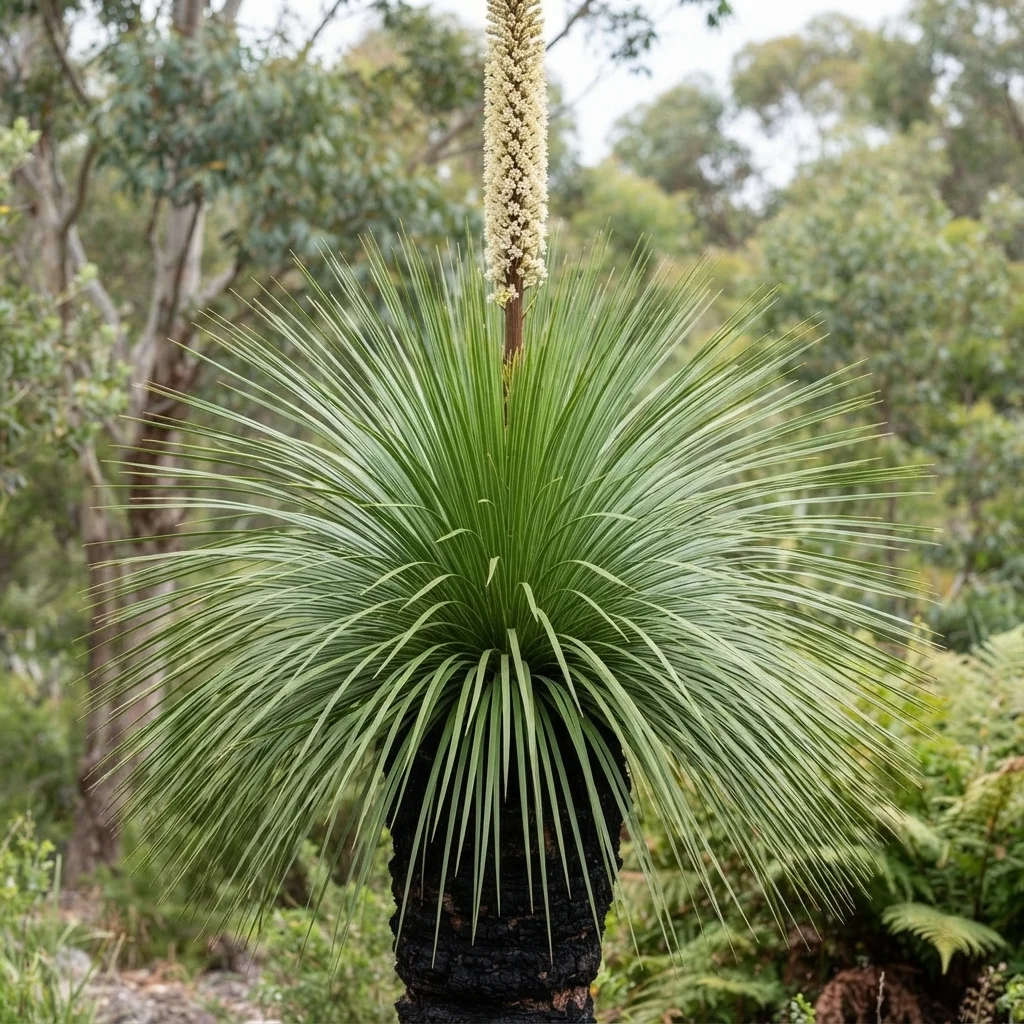
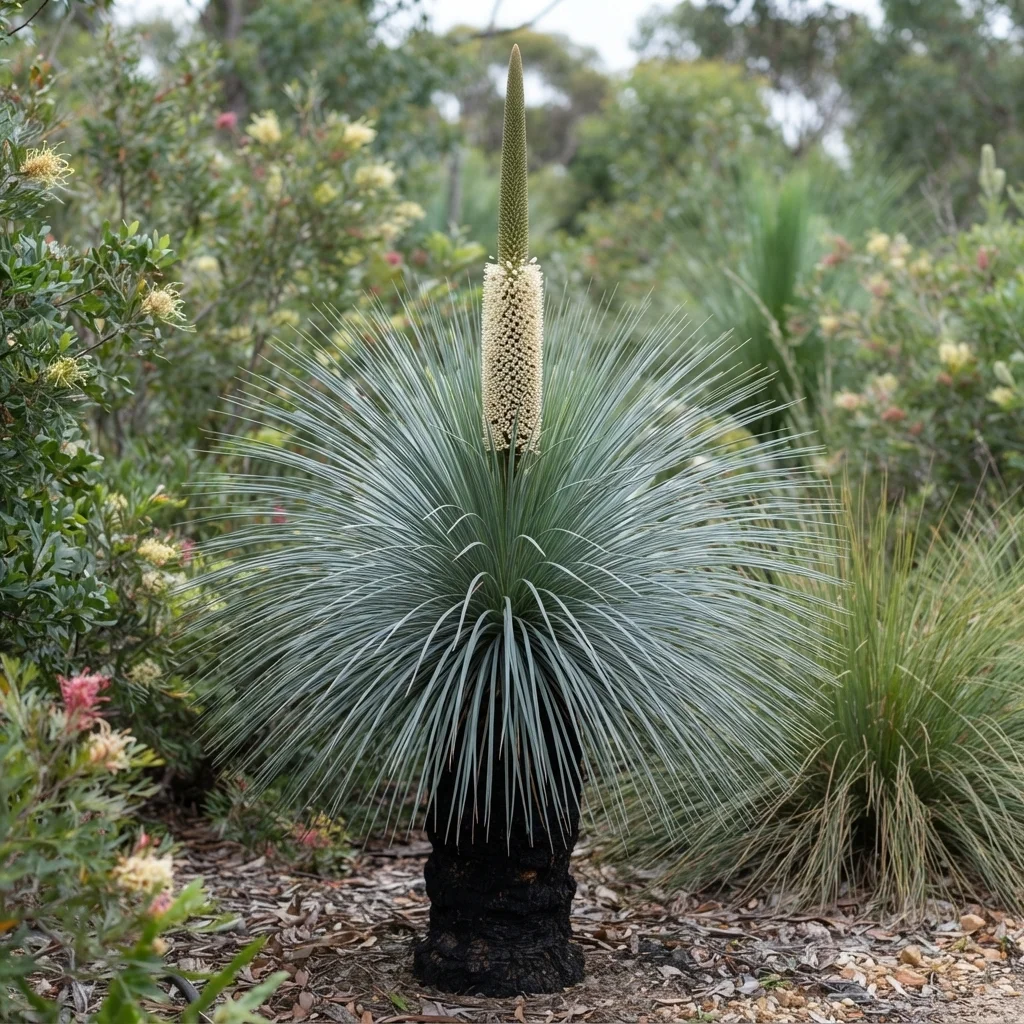
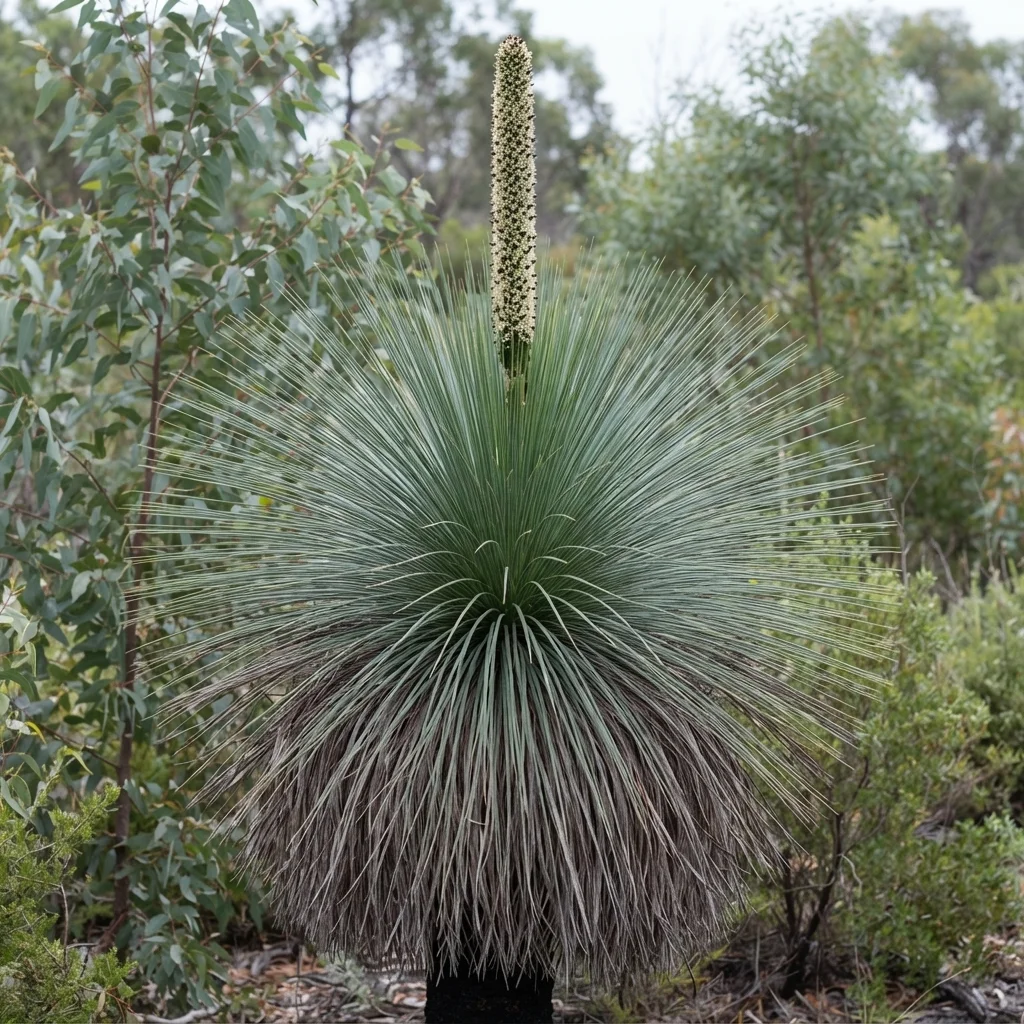
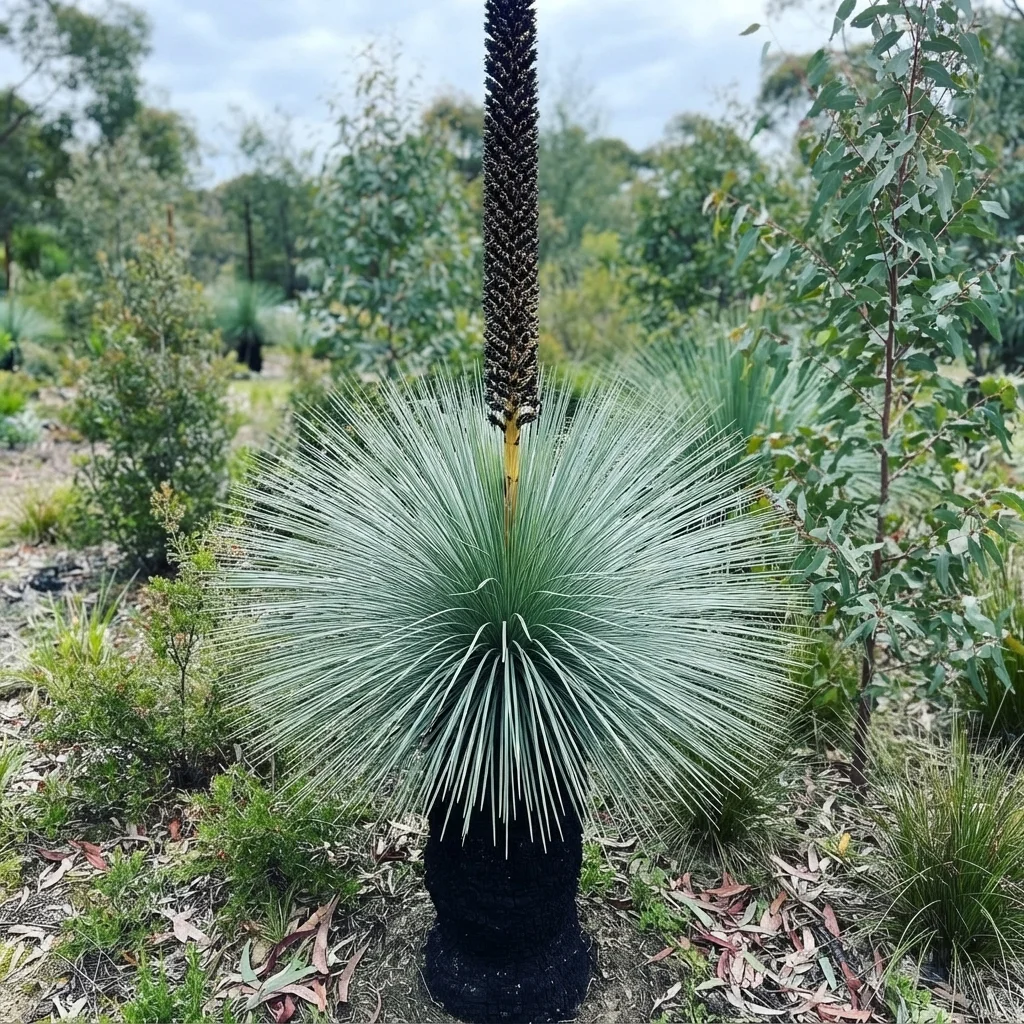
4 species of Xanthorrhoea
Each one is a parent of the varieties above.
Track your Xanthorrhoea in Sow
Save the Xanthorrhoea you grow and get care reminders timed to your zone.
How to grow Xanthorrhoea
Whats common across all Xanthorrhoea varieties in our catalog — drawn from the care records of the 4 most-grown of them.
The Xanthorrhoea year
- FertilizeMarch and April100% of varieties
Apply a highly diluted, low-phosphorus native fertilizer if growth is sluggish.
- Check for PestsJune–August100% of varieties
Inspect the deep crevices of the leaf crown for mealybugs and scale insects.
- Winter PrepNovember and December100% of varieties
Protect the crown from heavy winter wetness in marginal climates.
- Spring CleanupMarch50% of varieties
Gently remove completely dead, hanging lower leaves from the skirt if they present a fire hazard, otherwise leave them intact.


Do
- Allow the soil to dry out completely between waterings once the plant is established.
- Plant in a raised bed or mound if your garden soil contains clay or drains slowly.
- Use a specialized, low-phosphorus fertilizer formulated for Australian native plants if feeding is necessary.
- Allow the soil to dry out completely between waterings once the root system is established.
- Provide exceptional soil drainage to prevent root rot.
Avoid
- Never overwater or allow water to pool around the base, which triggers fatal root rot.
- Do not apply standard garden fertilizers, as excess phosphorus causes severe root damage.
- Never attempt to transplant an established specimen, as they do not tolerate root disturbance.
- Do not apply standard high-phosphorus garden fertilizers.
What goes wrong with Xanthorrhoea
| Problem | What you'll see | What to do |
|---|---|---|
| Spider mites | Fine webbing and stippled, dusty-looking foliage under dry, dusty greenhouse conditions. | Increase ventilation and mist the foliage occasionally, or apply a miticide if the infestation persists. |
| Scale insects | Small, raised brown bumps on the leaf blades, often accompanied by sticky honeydew. | Apply horticultural oil or insecticidal soap during the crawler stage, ensuring thorough coverage of the dense foliage. |
| Mealybugs | White, cottony masses tucked deep within the leaf bases or crown. | Blast with a sharp stream of water or apply a systemic insecticide formulated for container plants if infestations are severe. |
| Aphids | Small insects clustering on new growth, causing minor leaf distortion. | Wipe off manually or apply insecticidal soap. |
| Phytophthora root rot | Sudden wilting, yellowing of the crown, and a loose, rocking trunk indicating decayed roots. | Prevent by planting in highly drained, sandy soil; there is no cure once the main trunk is infected. |
| Root rot | Sudden yellowing and collapse of the crown, caused by Phytophthora or Pythium species. | Ensure perfect soil drainage and strictly avoid overwatering; chemical treatments are rarely effective once rot sets in. |
| Pythium root rot | Stunted growth and mushy, blackened roots caused by waterlogged soil. | Immediately cease watering and improve drainage; drench with a copper-based fungicide in early stages. |
Making more Xanthorrhoea
Seed
- Sow fresh seeds in a sterile, free-draining sandy seed-raising mix.
- Cover lightly with a thin layer of fine gravel or sand.
- Keep the medium damp but never wet, placing the tray in a warm, bright position.
- Be patient, as germination is irregular and can take several weeks to several months.
Xanthorrhoea questions
How many types of Xanthorrhoea are there?
The Sow catalog tracks 4 distinct Xanthorrhoea varieties. The most popular — ranked by 17 real gardeners — are shown first above.
What zones does Xanthorrhoea grow in?
Across its varieties, Xanthorrhoea covers USDA Zones 8–10. Individual varieties differ — each plant page lists its exact range, and Sow filters the catalog to your zone automatically.
When does Xanthorrhoea bloom?
Most Xanthorrhoea varieties bloom in spring, winter. Staggering early, mid, and late varieties extends the genus's season in one bed.
Which Xanthorrhoea should I choose?
Start from the most-saved varieties above — popularity across thousands of gardens is a strong signal of reliability — then filter by your zone and sun. In the Sow app you can preview any of them in a photo of your actual yard before you buy.