The Story
Plant Bio
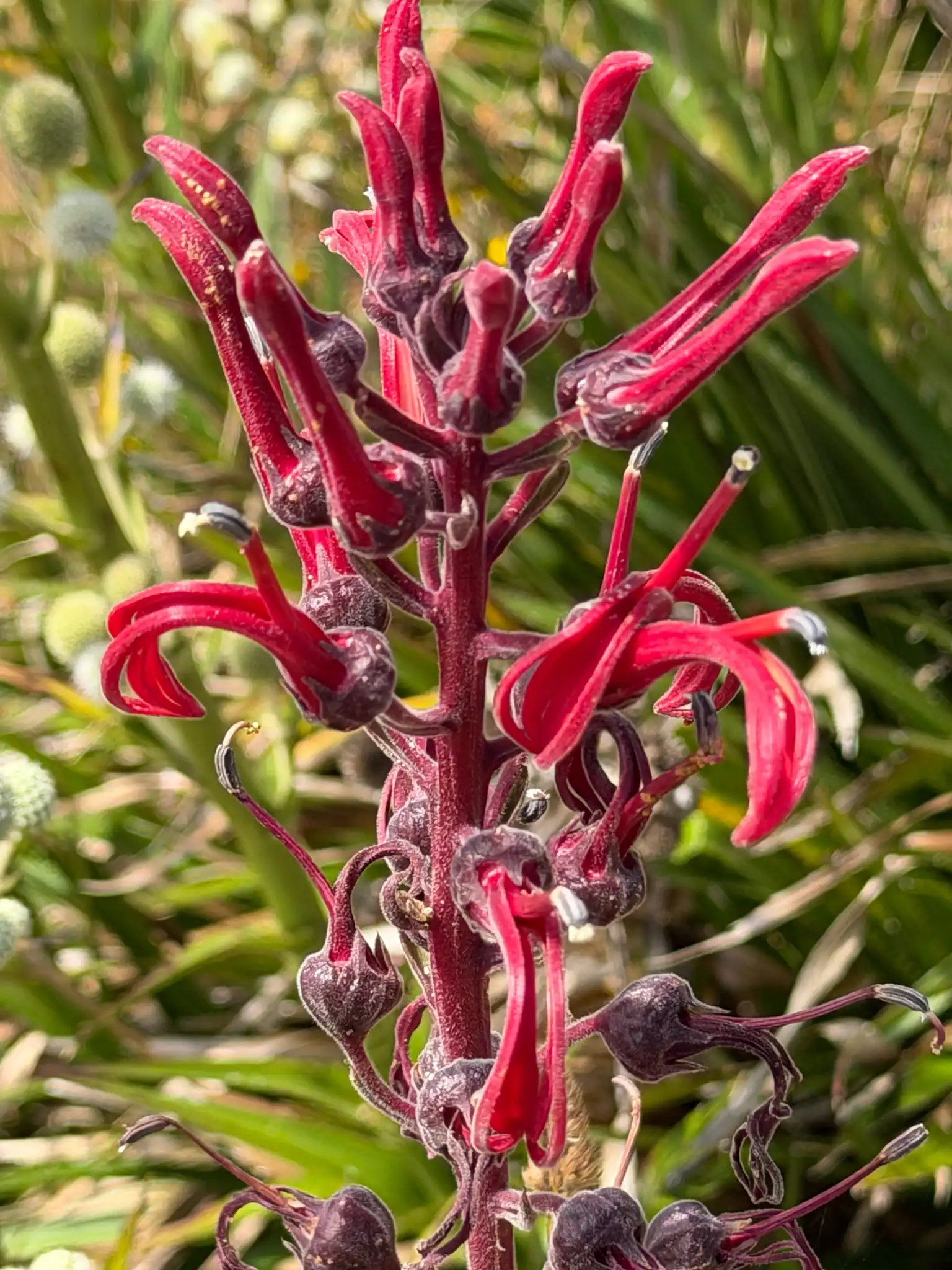
Lobelia tupa is a woody-based evergreen perennial from central to southern Chile that forms an upright clump of stout stems to six feet tall. The narrow gray-green leaves reach twelve inches long with a dense felt of hairs, and the fleshy tubular flowers are borne in dense terminal racemes to three feet long.
This species is set apart by scarlet to brick-red tubular flowers one and a half to two and a half inches long, held upright in summer to fall for hummingbird pollination. The stems rise from a persistent woody base that resprouts after winter dieback, and all parts exude a milky latex containing nicotine-like alkaloids.
Uses & Benefits:
Essentials
At a Glance
Plant Type
Perennial
Height
72"
Width
48"
Light
Full Sun, Partial Sun
Zones
7, 8, 9, 10
Water
Low
Humidity
Unknown
Lifespan
Perennial
Native To
Chile
Toxicity
Toxic if ingested
Bloom period
Summer – Fall
In flower about 6 months of the year
Planting
How to Grow
- Plant in spring after last frost in full sun with shelter from cold wind.
- Set the crown at soil level in sharply drained sandy or loamy soil; mound on clay.
- Water deeply at planting, then water sparingly once established, allowing soil to dry between waterings.
- Mulch lightly with gravel around but not over the crown to keep it dry.
- Cut spent flower spikes to leafy growth and leave the woody base intact over winter.
Pro Tip
Give it full sun and sharp drainage and shelter from hard frost; cut spent spikes back to leafy growth and keep overhead water off the crown to prevent rot.
Keep It Thriving
Care Guide
Do
- Plant in full sun in sharply drained soil
- Protect from hard frost below 15F with a warm wall and winter mulch
- Check young growth for slugs and snails in spring
Don't
- Do not plant in wet or poorly drained soil
- Do not overhead water or keep the crown wet
- Do not ingest or smoke any part; all parts are poisonous
Seasonal Care Calendar
| Task | Jan | Feb | Mar | Apr | May | Jun | Jul | Aug | Sep | Oct | Nov | Dec |
|---|---|---|---|---|---|---|---|---|---|---|---|---|
| Deadhead | ||||||||||||
| Pest Check | ||||||||||||
| Plant | ||||||||||||
| Prune | ||||||||||||
| Winter Prep |
Watch Out For
Pests & Diseases
Common Pests
Common Diseases
In the Garden
Landscape Uses & Companions
Landscape Uses
Multiply
Propagation Methods
Good to Know
Common Questions
Devil's Tobacco questions
What zones can Devil's Tobacco grow in?
Devil's Tobacco is hardy in USDA Zones 7–10: in that range it survives winter in the ground. Colder than Zone 7, grow it in a container you can move to shelter for the winter, or as an annual.
When does Devil's Tobacco bloom?
Devil's Tobacco typically blooms from summer to fall. Exact timing shifts a week or two with your zone — Sow's bloom calendar maps it to your garden.
Does Devil's Tobacco need full sun?
Devil's Tobacco does best in full sun to part shade. In hot climates, afternoon shade keeps blooms fresher longer.
Is Devil's Tobacco drought tolerant?
Yes — once established (usually after the first full season), Devil's Tobacco handles dry spells with minimal watering. Water deeply its first year to build the root system that makes that possible.
More Lobelia to compare
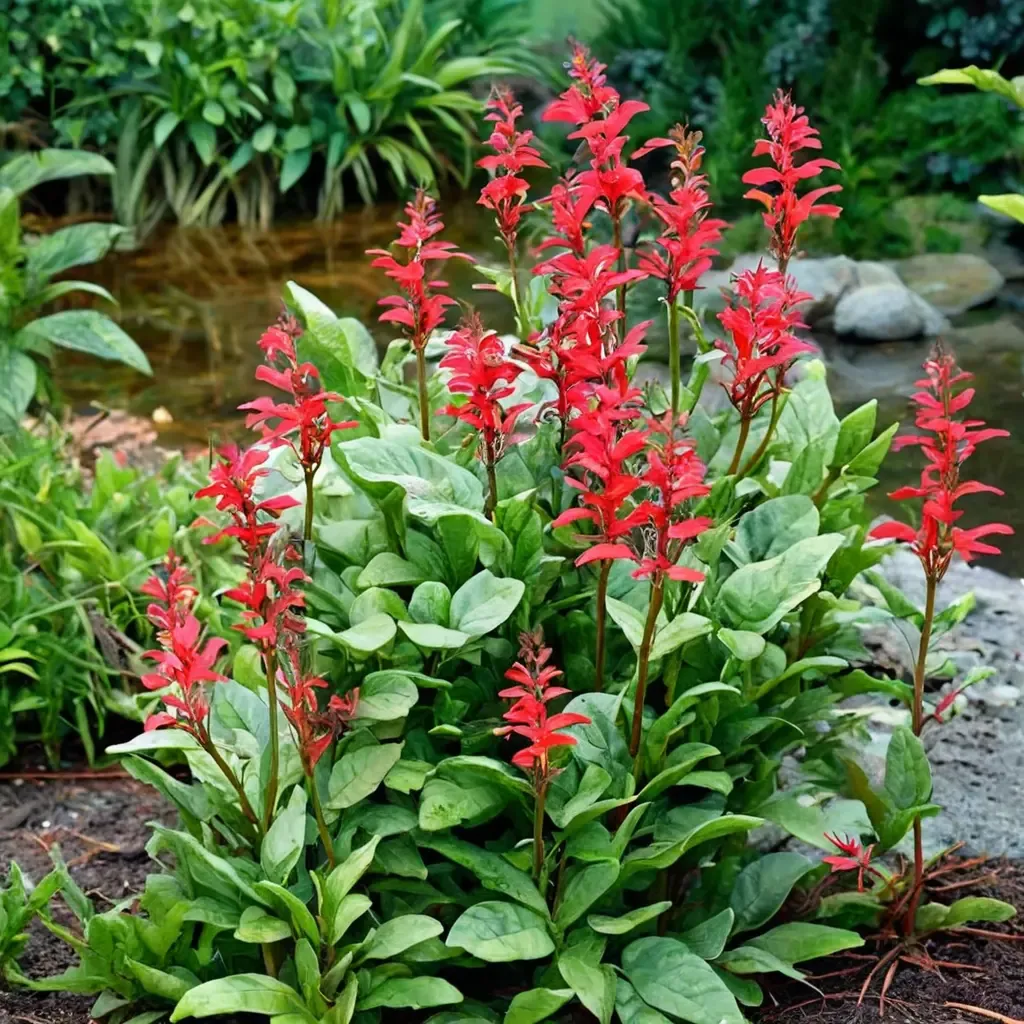
Cardinal Flower
Lobelia cardinalis
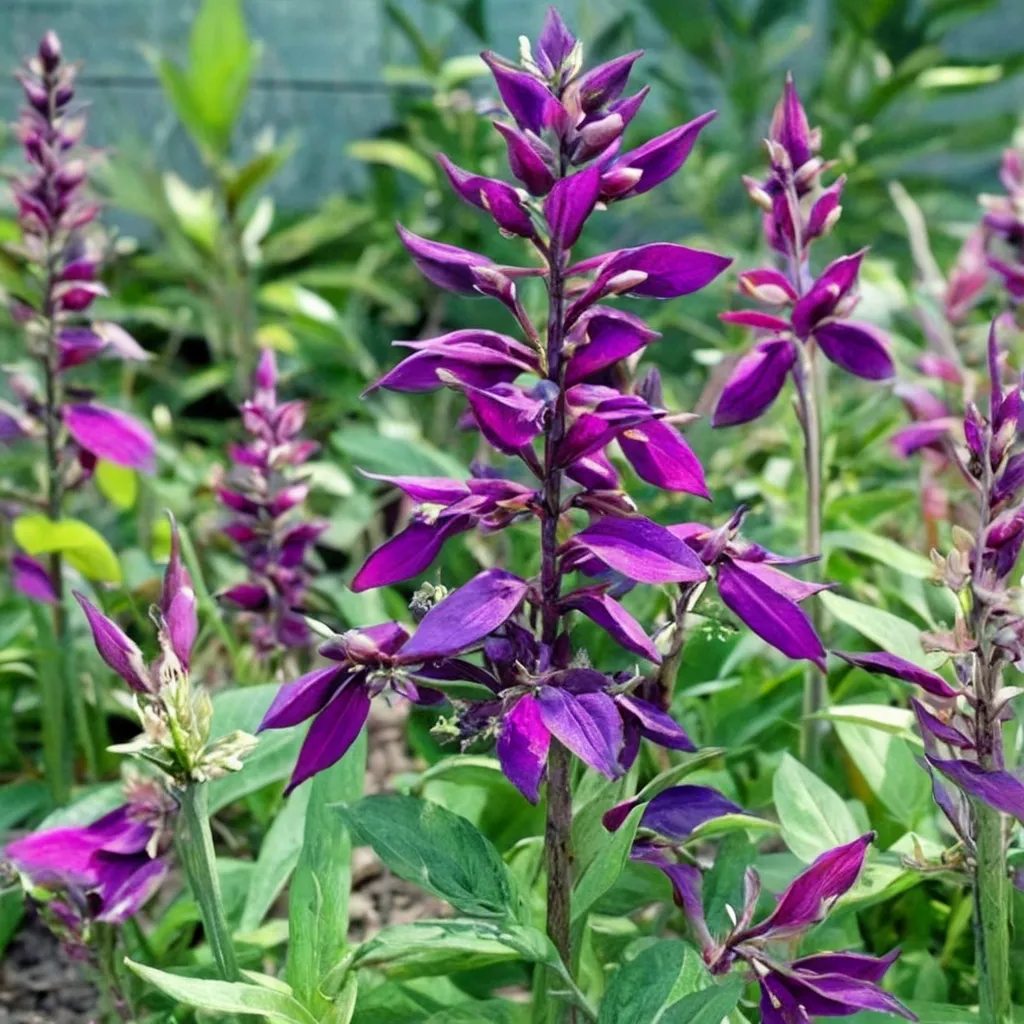
Hybrid Cardinal Flower
Lobelia speciosa 'Compliment Violet'
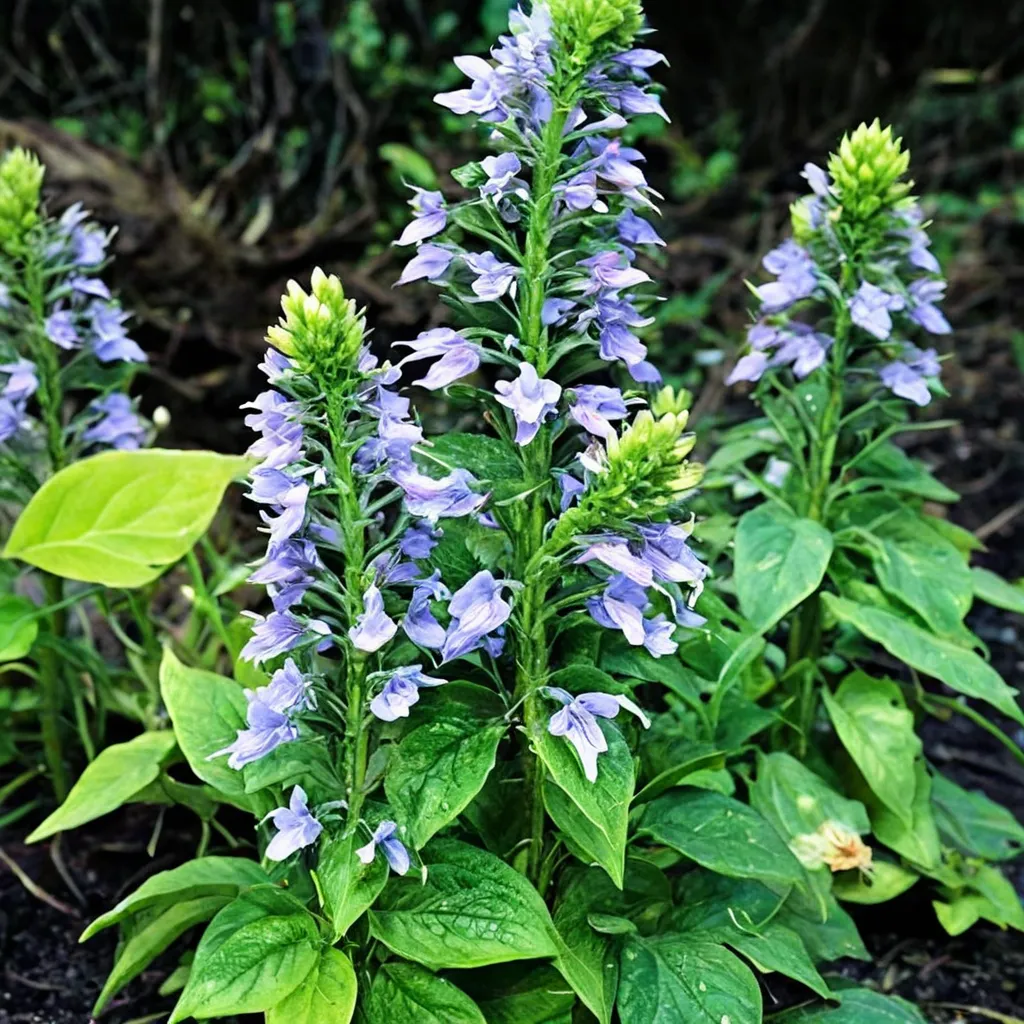
Lilac Candles Great Blue Lobelia
Lobelia siphilitica 'Lilac Candles'
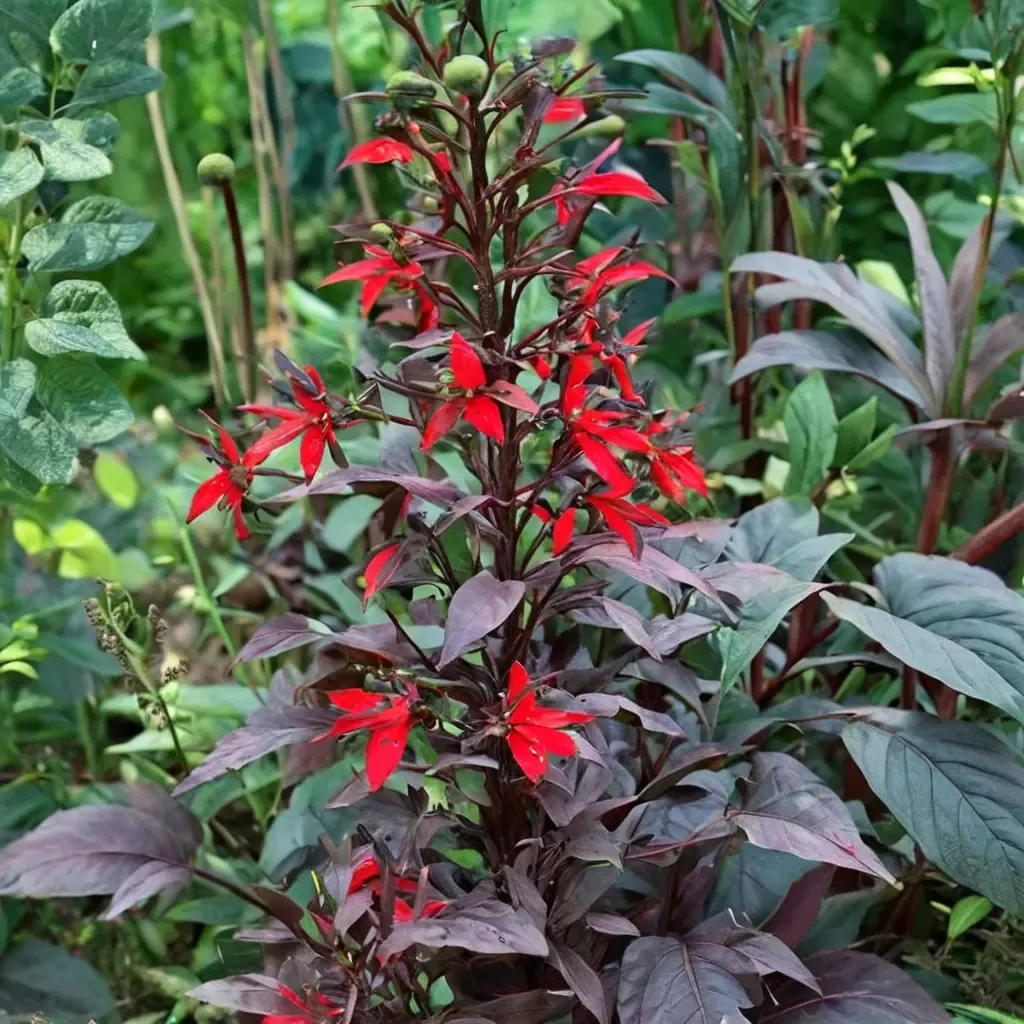
Cardinal Flower 'Black Truffle'
Lobelia cardinalis 'Black Truffle'
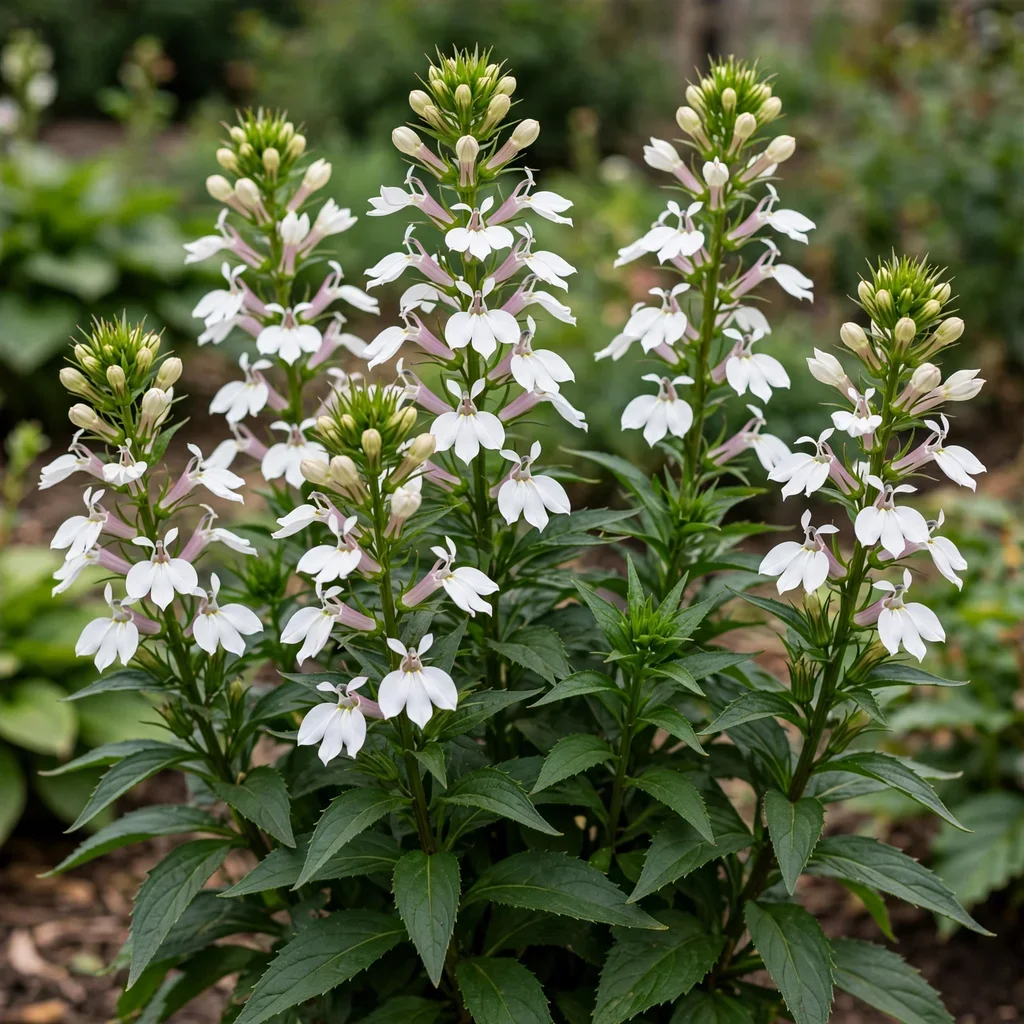
Perrys White Cardinal Flower
Lobelia cardinalis 'Perrys White'
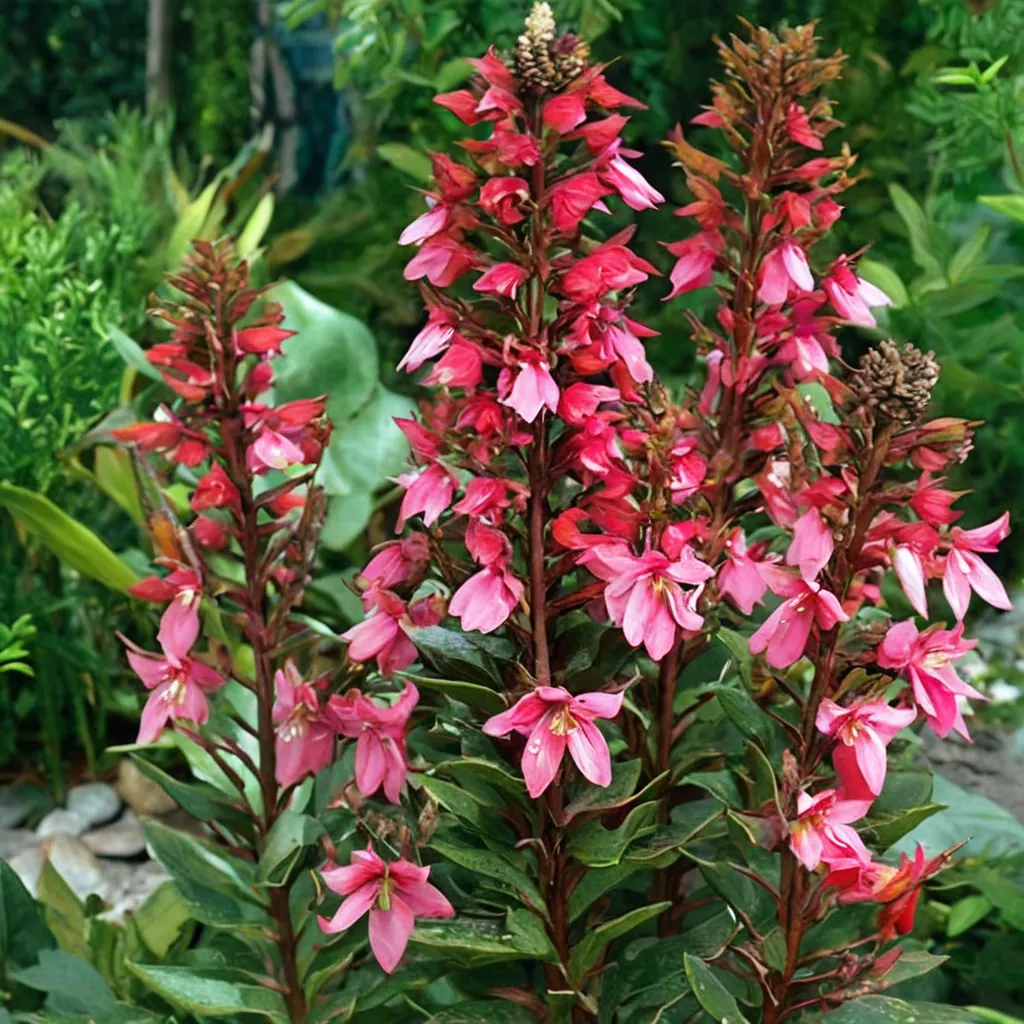
Fan Cinnabar Rose Lobelia
Lobelia speciosa 'Fan Cinnabar Rose'
Keep exploring
Explore the genus
Hardy in your zone?
Grow Devil's Tobacco with confidence
See it in a design of your actual yard, get zone-matched care reminders, and track it season by season in your garden journal.