The Story
Plant Bio
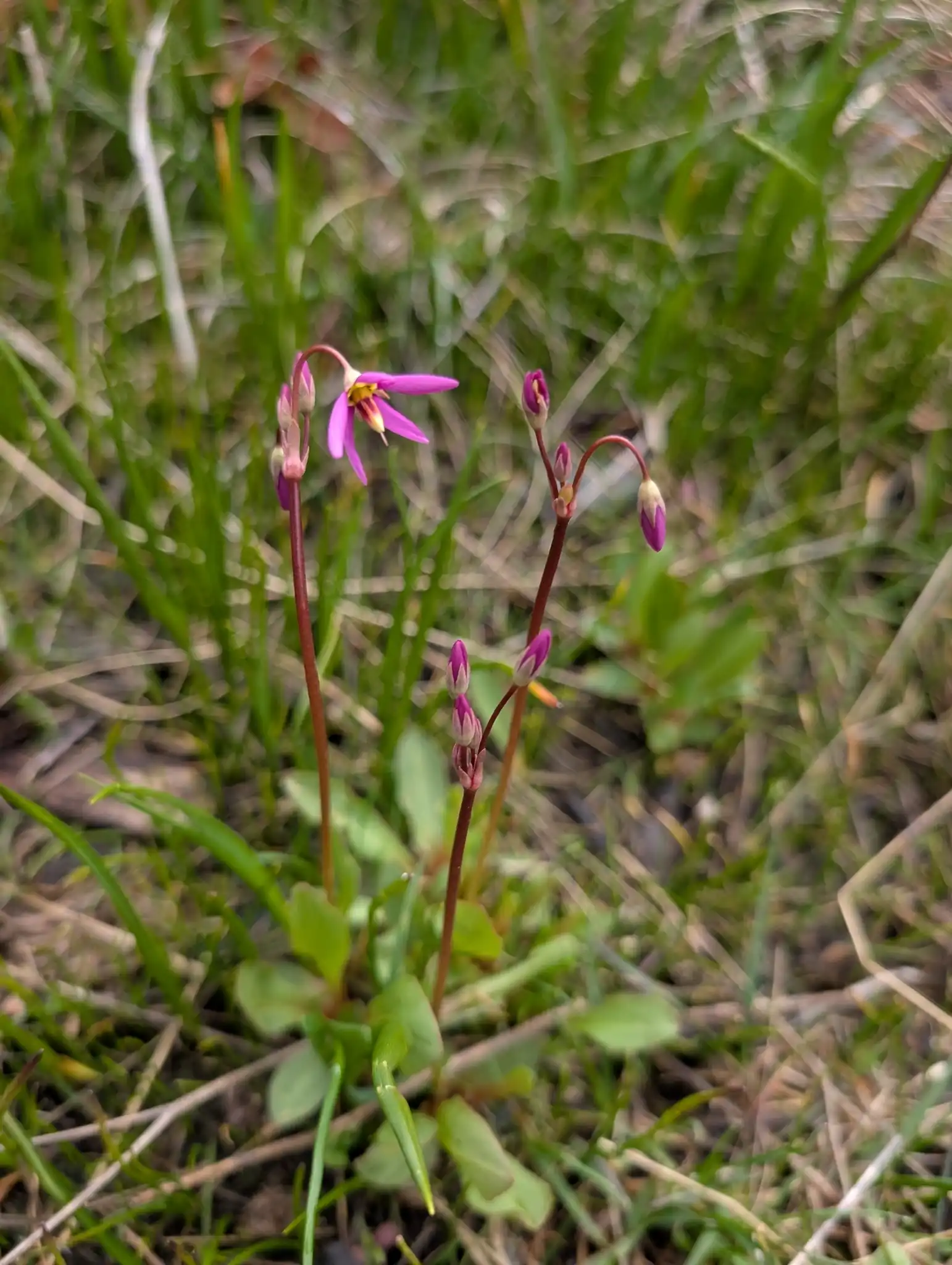
Primula pauciflora is an herbaceous perennial native to western North America, forming a compact basal rosette of smooth or glandular-pubescent leaves up to six inches long. In spring, erect leafless scapes rise to sixteen inches, carrying nodding terminal umbels of magenta to pink flowers with sharply reflexed petals.
The flowers feature a prominent pointing cone of dark anthers encircled by a yellow-and-white throat band, structurally adapted for buzz pollination by native bees. Following seed set, the top foliage naturally dies back completely as part of an obligatory summer dormancy.
Uses & Benefits:
Essentials
At a Glance
Plant Type
Perennial
Height
16"
Width
12"
Light
Full Sun, Partial Sun
Zones
4, 5, 6, 7, 8
Water
Moderate
Humidity
Moderate
Lifespan
Perennial
Native To
North America
Toxicity
Toxic if ingested, skin irritant
Bloom period
Spring – Summer
In flower about 6 months of the year
Planting
How to Grow
- Select a planting site receiving full sun in cool climates or dappled shade in warmer areas, with humus-rich, free-draining soil.
- Plant bare-root crowns or potted rosettes in spring or fall, placing the crown level with the soil surface.
- Water thoroughly after planting and maintain consistent moisture throughout the active spring growth and flowering period.
- Allow foliage to turn yellow and dry naturally in early summer; do not cut back green leaves prematurely.
- Apply an autumn mulch of leaf mold over dormant crowns to protect root zones without trapping excess moisture.
Pro Tip
Cease supplemental watering once leaves yellow in early summer; warm, stagnant moisture around dormant crowns causes fungal decay.
Keep It Thriving
Care Guide
Do
- Keep soil evenly moist from early spring through flowering.
- Provide dappled shade in regions with dry or hot late-spring weather.
- Clear dead leaves in late winter before new rosettes emerge.
Don't
- Do not overwater or irrigate heavily while crowns are summer-dormant.
- Do not plant in poorly drained, clay soils that hold standing winter water.
- Do not apply heavy nitrogen fertilizers, which spur foliage rot.
Seasonal Care Calendar
| Task | Jan | Feb | Mar | Apr | May | Jun | Jul | Aug | Sep | Oct | Nov | Dec |
|---|---|---|---|---|---|---|---|---|---|---|---|---|
| Divide | ||||||||||||
| Fertilize | ||||||||||||
| Pest Check | ||||||||||||
| Spring Cleanup |
Watch Out For
Pests & Diseases
Common Pests
Common Diseases
In the Garden
Landscape Uses & Companions
Landscape Uses
Multiply
Propagation Methods
Good to Know
Common Questions
Dark-throated Shootingstar questions
What zones can Dark-throated Shootingstar grow in?
Dark-throated Shootingstar is hardy in USDA Zones 4–8: in that range it survives winter in the ground. Warmer than Zone 8, winter isn't the problem: it prefers colder winters, and summer heat can shorten its life.
Is Dark-throated Shootingstar deer resistant?
Not reliably. Deer may browse Dark-throated Shootingstar, especially tender spring growth — plan on repellents or fencing where pressure is high.
When does Dark-throated Shootingstar bloom?
Dark-throated Shootingstar typically blooms from spring to summer. Exact timing shifts a week or two with your zone — Sow's bloom calendar maps it to your garden.
Does Dark-throated Shootingstar need full sun?
Dark-throated Shootingstar does best in full sun to part shade. In hot climates, afternoon shade keeps blooms fresher longer.
More Primula to compare
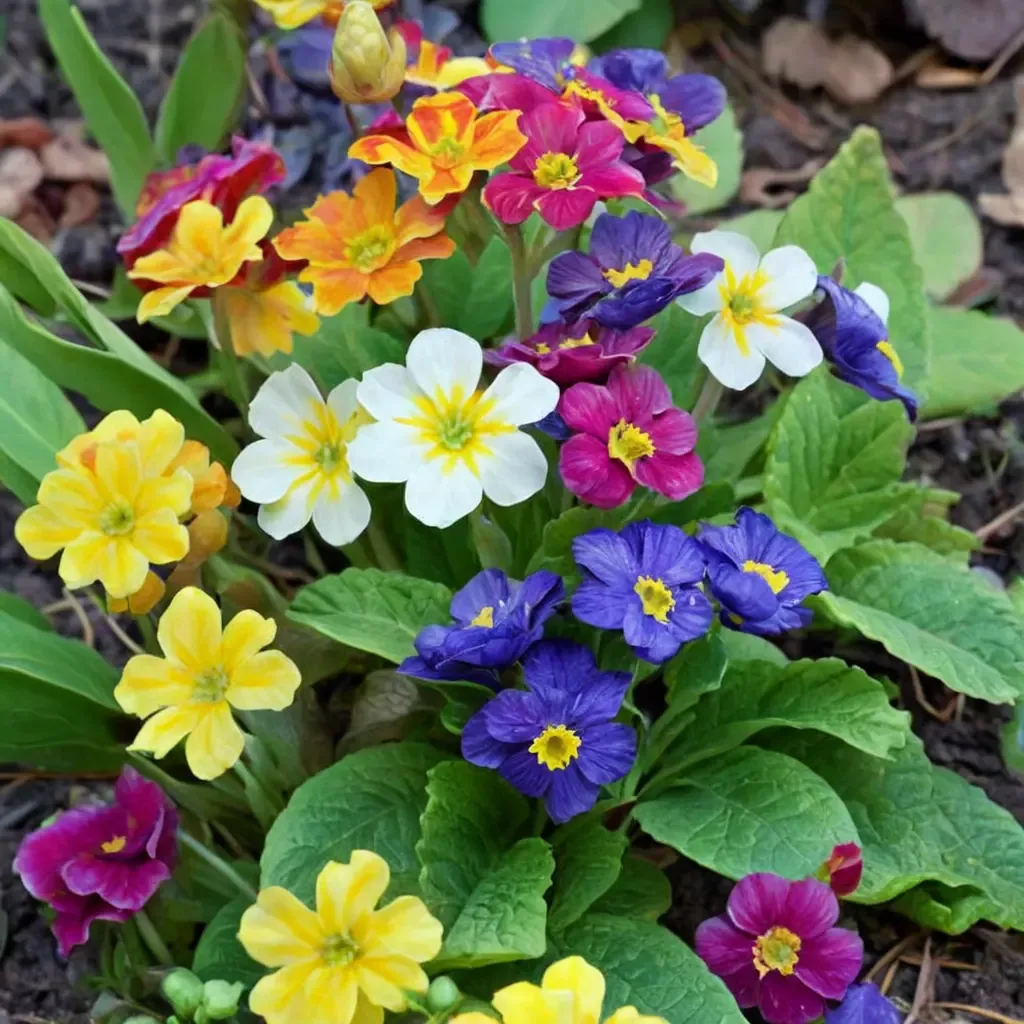
Pacific Hybrids Primrose
Primula x polyantha 'Pacific Hybrids'
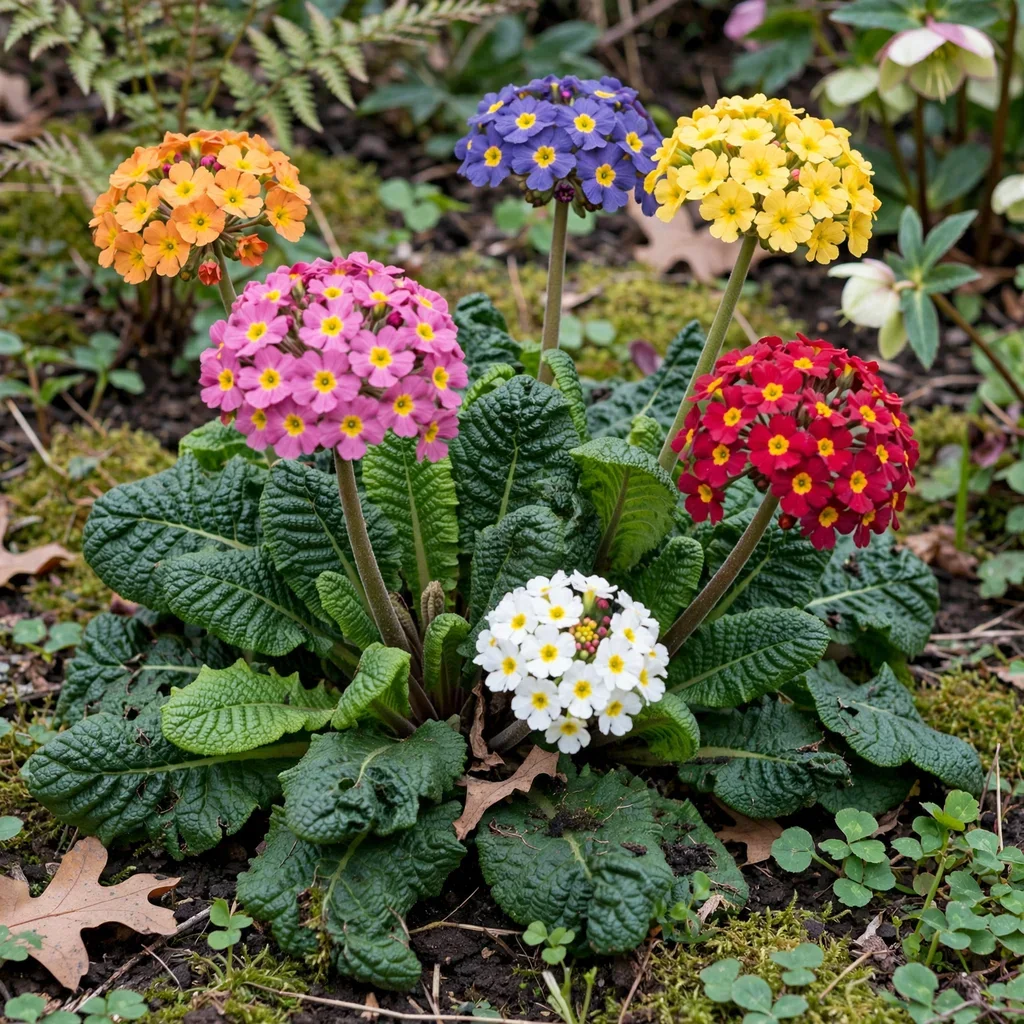
Primula Crescendo Mix
Primula x polyantha 'Crescendo Mix'
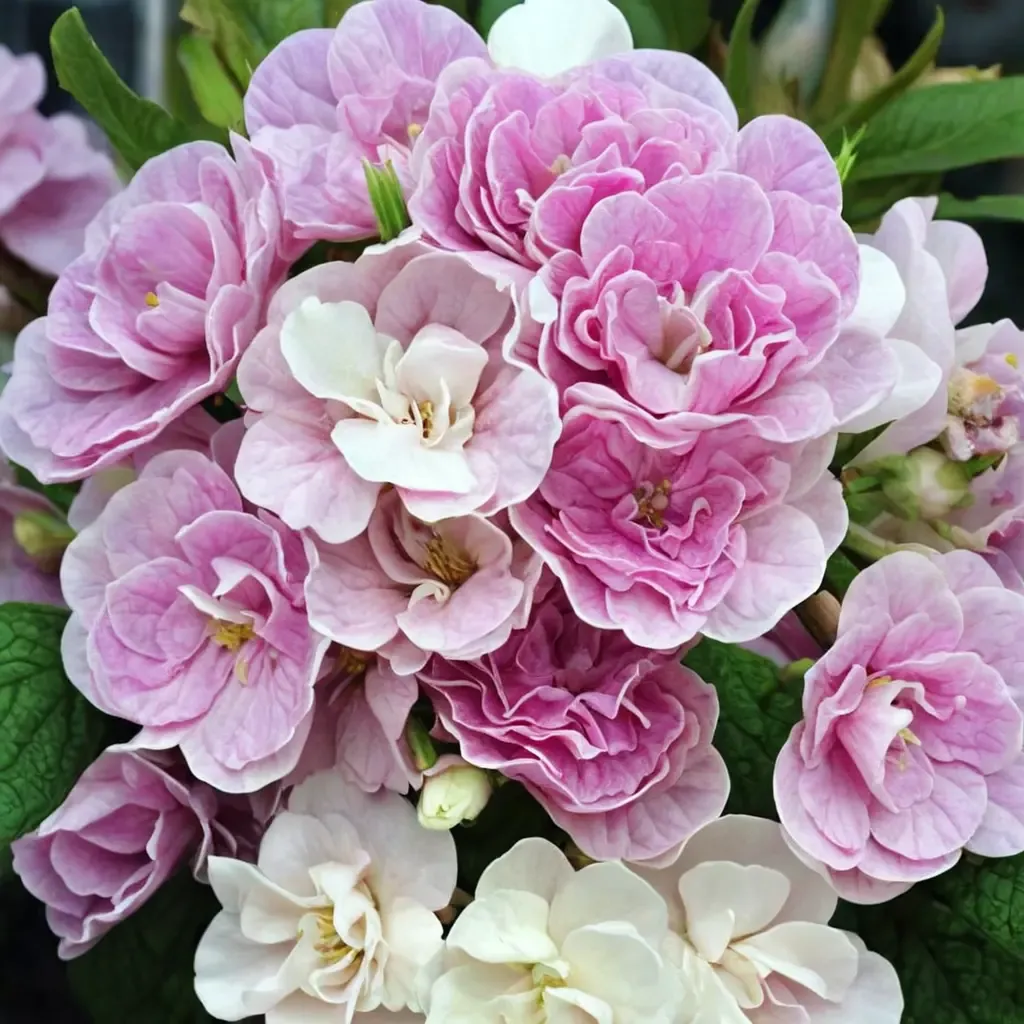
Belarina Pink Ice Primrose
Primula vulgaris 'Belarina Pink Ice'
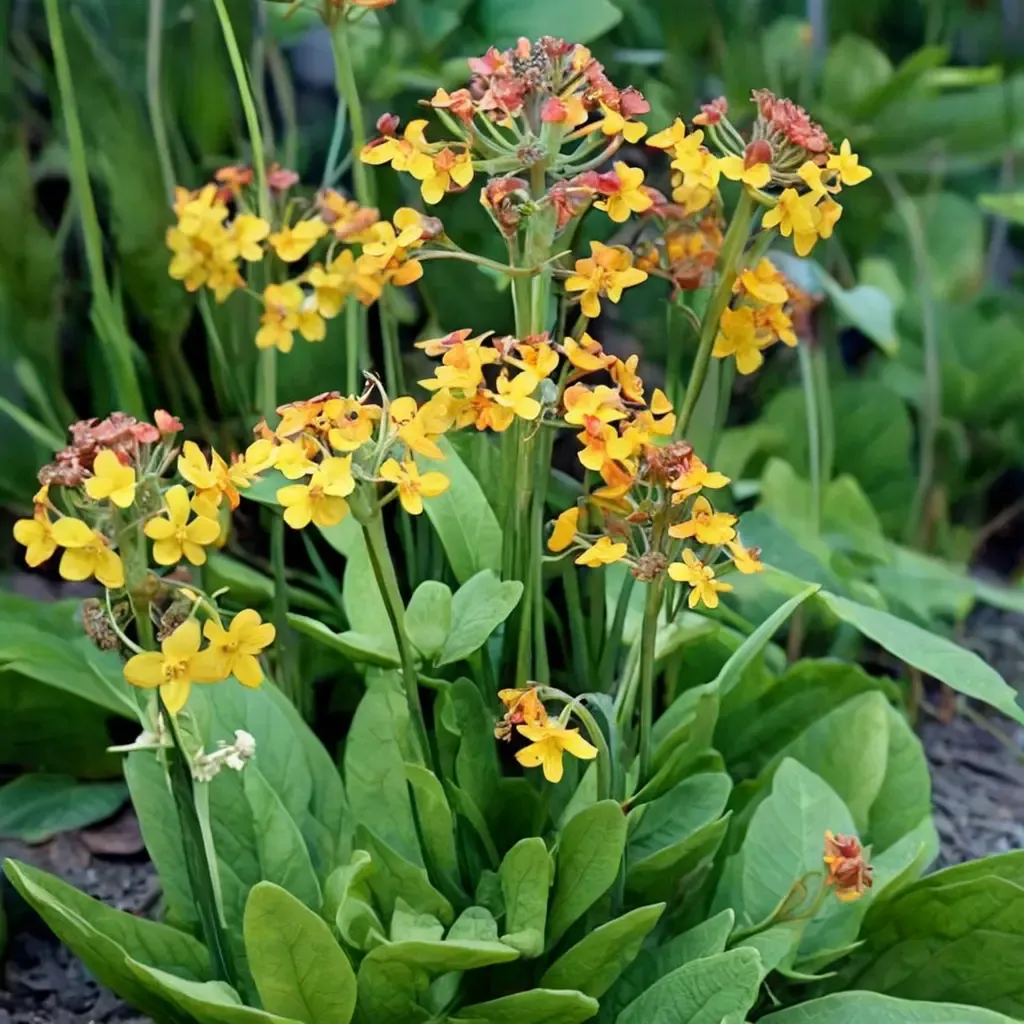
Bulley's Primrose
Primula bulleyana
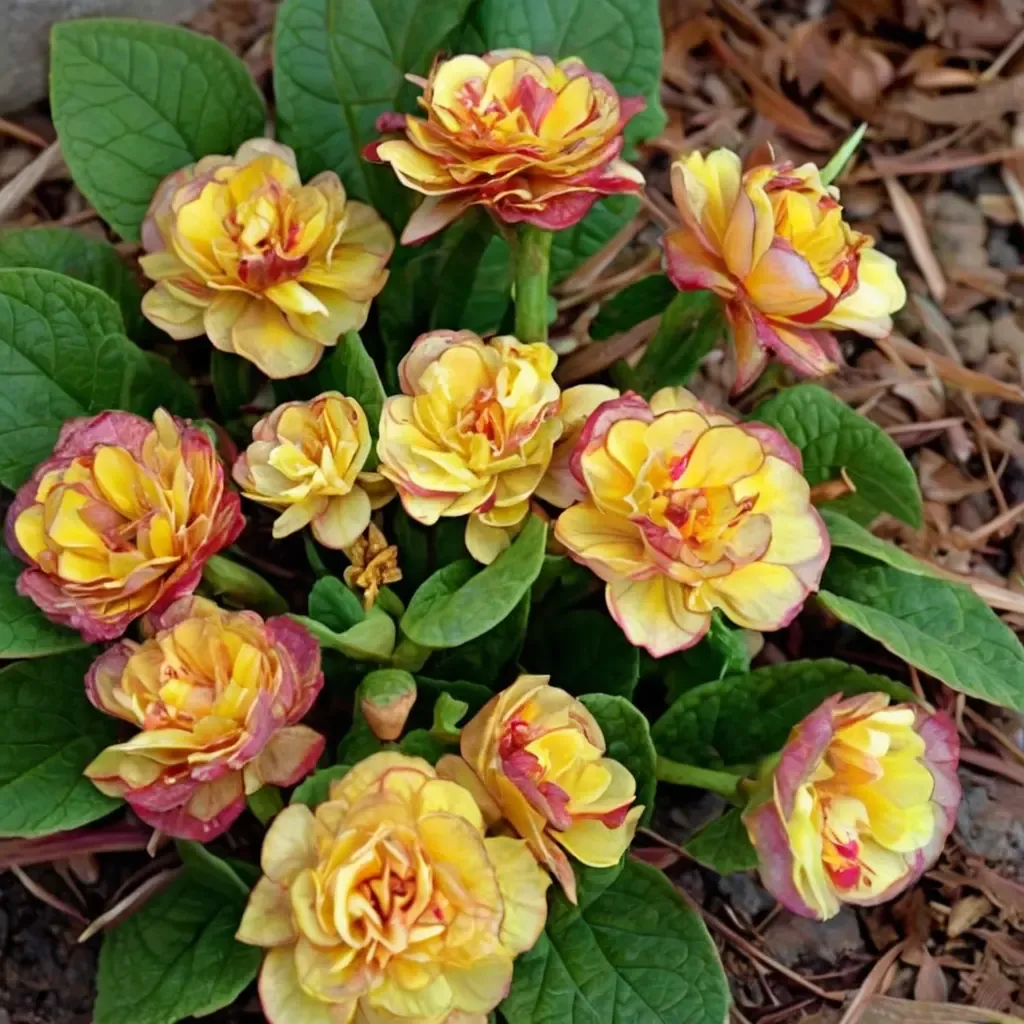
Nectarine Cowslip
Primula veris 'Nectarine'
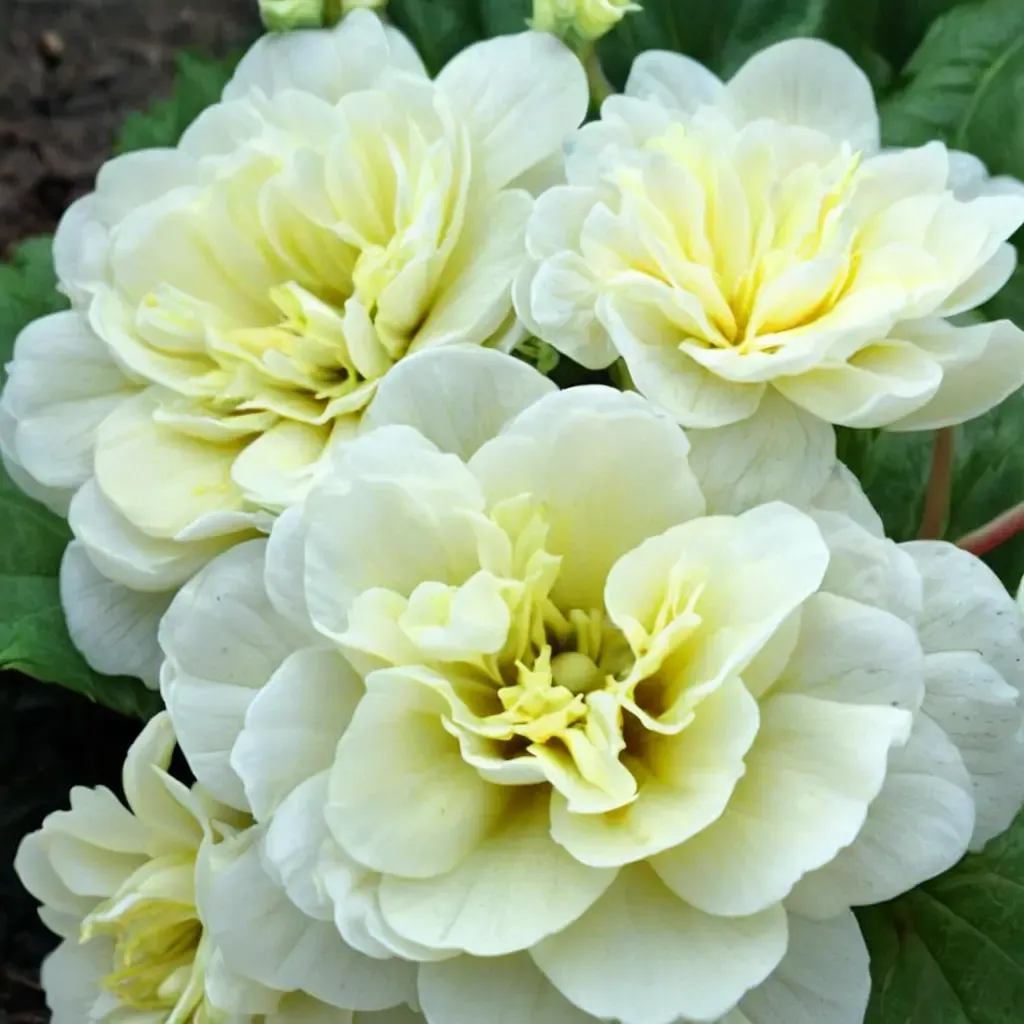
Belarina Cream Primrose
Primula veris 'Belarina Cream'
Keep exploring
Explore the genus
Hardy in your zone?
Grow Dark-throated Shootingstar with confidence
See it in a design of your actual yard, get zone-matched care reminders, and track it season by season in your garden journal.