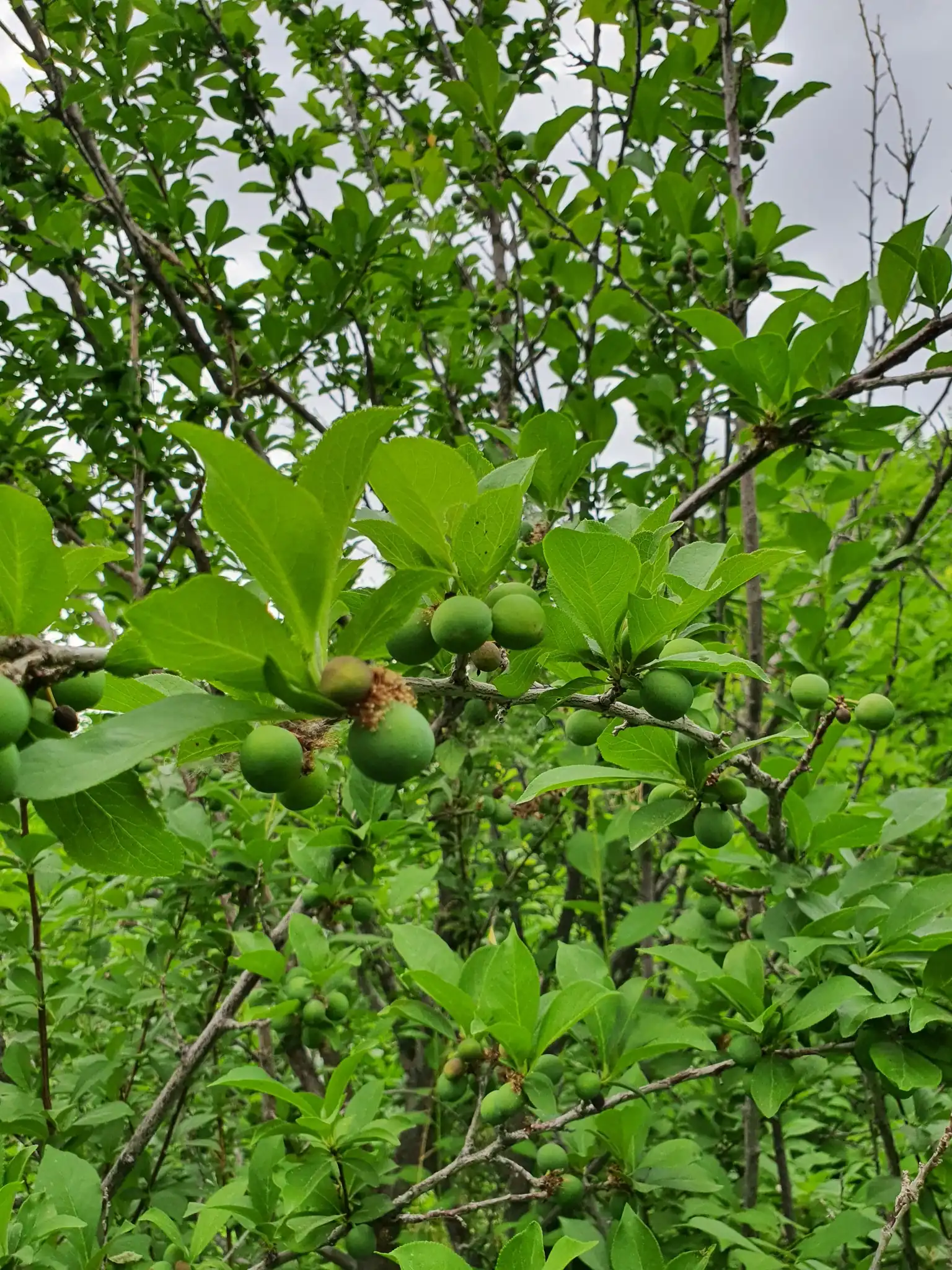
2 named cultivars

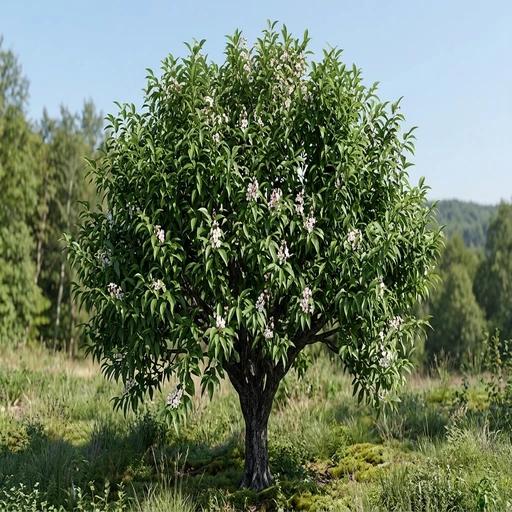
The Story
Plant Bio
Prunus salicina, the Japanese plum, is a rounded deciduous fruit tree from China, reaching twenty to thirty-three feet on its own roots. White five-petalled flowers open on bare branches in early spring, serrated leaves two to four inches long follow, and juicy red to purple drupes with yellow-pink flesh ripen from midsummer.
Nearly all Japanese plums need a second, different cultivar flowering at the same time to set fruit — a single tree, however healthy, will often flower beautifully and crop nothing. Check the pollination group before buying. It also flowers very early, so late frosts are the other common reason a tree blooms and then sets no plums.
Uses & Benefits:
Essentials
At a Glance
Plant Type
Fruit Vegetable
Height
318"
Width
210"
Light
Full Sun
Zones
5, 6, 7, 8, 9
Water
Moderate
Humidity
Moderate
Lifespan
Perennial
Native To
China
Toxicity
Fruit edible; leaves and pits contain cyanogenic compounds
Marketplace
Where to Buy
Shipping costs Year-round shipping Free shipping
Planting
How to Grow
- Buy two compatible cultivars for cross-pollination.
- Plant in full sun in well-drained soil.
- Choose a site not prone to late frost pockets.
- Thin the young fruit to improve size and prevent breakage.
- Prune only in dry summer weather, never in winter.
- Remove damaged wood promptly to limit canker.
Pro Tip
Thin the young fruit to about four inches apart — unthinned branches break under the weight and the plums stay small.
Keep It Thriving
Care Guide
Do
- Plant two compatible cultivars 🌳
- Prune only in dry summer weather ✂️
- Thin young fruit in early summer 🍑
- Choose a site clear of frost pockets 🌡️
Don't
- Rely on a single tree for fruit ❌
- Prune in winter or wet weather ❌
- Leave a heavy crop unthinned ❌
Seasonal Care Calendar
| Task | Jan | Feb | Mar | Apr | May | Jun | Jul | Aug | Sep | Oct | Nov | Dec |
|---|---|---|---|---|---|---|---|---|---|---|---|---|
| Prune | ||||||||||||
| Thin |
Watch Out For
Pests & Diseases
Common Pests
Common Diseases
In the Garden
Landscape Uses & Companions
Landscape Uses
Multiply
Propagation Methods
Good to Know
Common Questions
Japanese Plum questions
What zones can Japanese Plum grow in?
Japanese Plum is hardy in USDA Zones 5–9. Inside that range it survives winter in the ground; outside it, grow it as an annual or a container plant you protect.
Is Japanese Plum deer resistant?
Not reliably. Deer may browse Japanese Plum, especially tender spring growth — plan on repellents or fencing where pressure is high.
When does Japanese Plum bloom?
Japanese Plum typically blooms in early spring through mid-spring. Exact timing shifts a week or two with your zone — Sow's bloom calendar maps it to your garden.
Does Japanese Plum need full sun?
Japanese Plum does best in full sun (6+ hours).
Is Japanese Plum drought tolerant?
Yes — once established (usually after the first full season), Japanese Plum handles dry spells with minimal watering. Water deeply its first year to build the root system that makes that possible.
More Prunus to compare
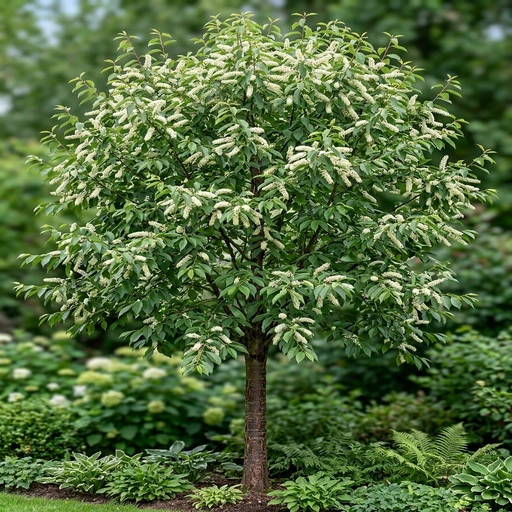
Black Cherry
Prunus serotina
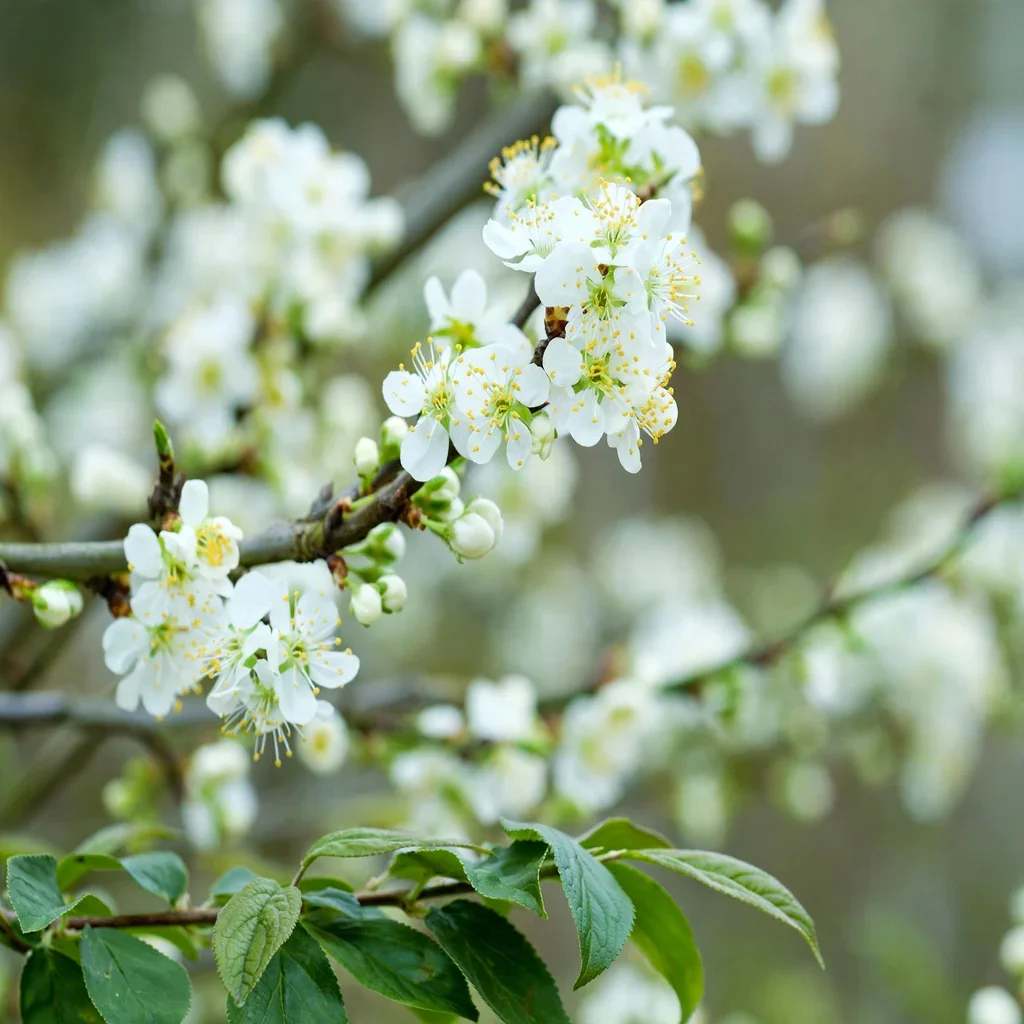
Sugar Plum
Prunus domestica 'Sugar Plum'
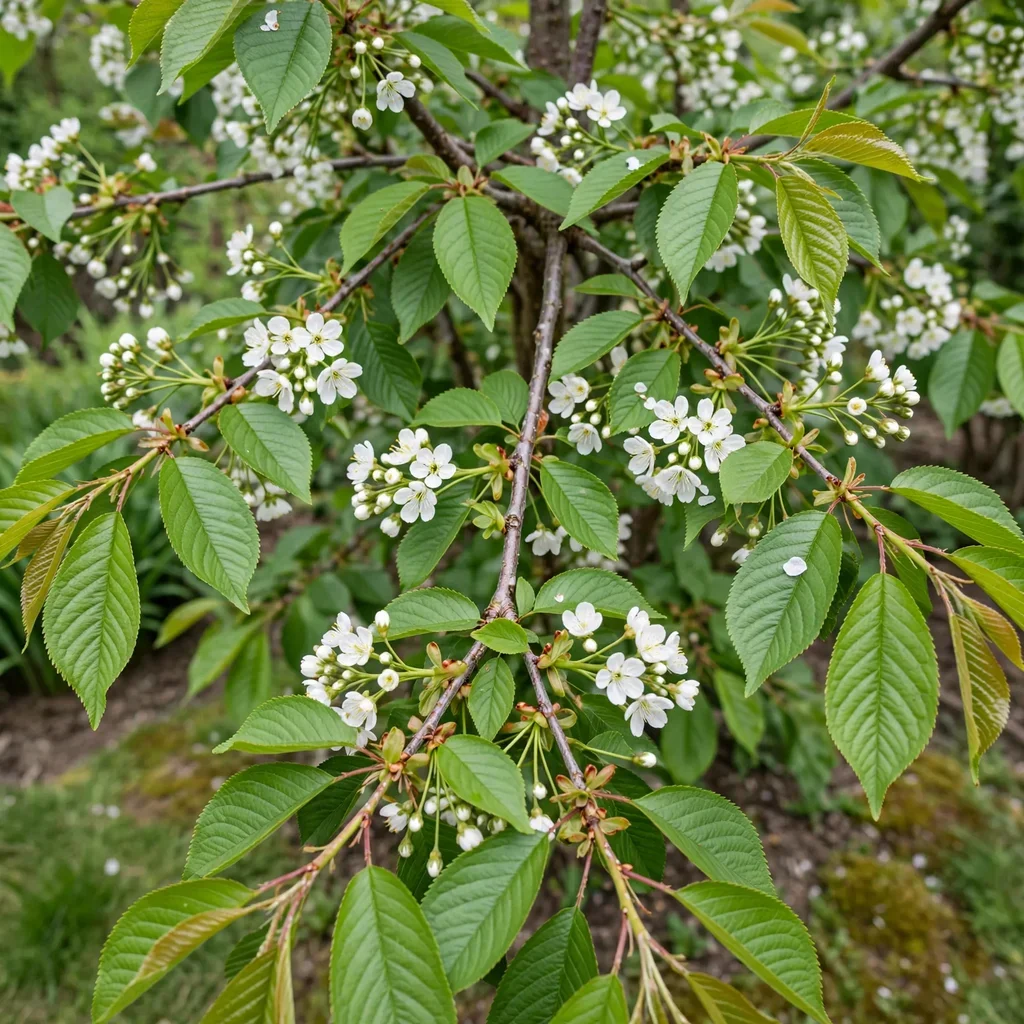
Sweet Cherry
Prunus avium 'Mix'
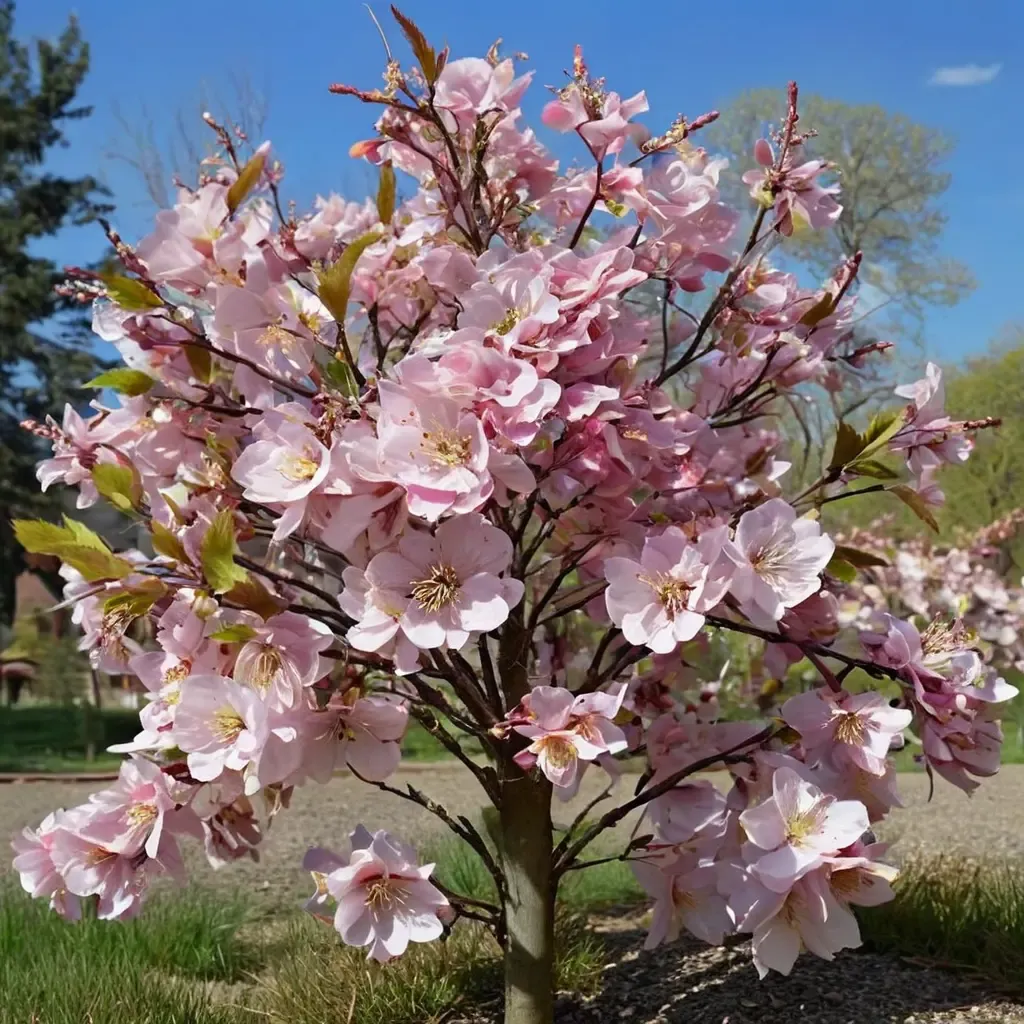
Japanese Flowering Cherry
Prunus serrulata
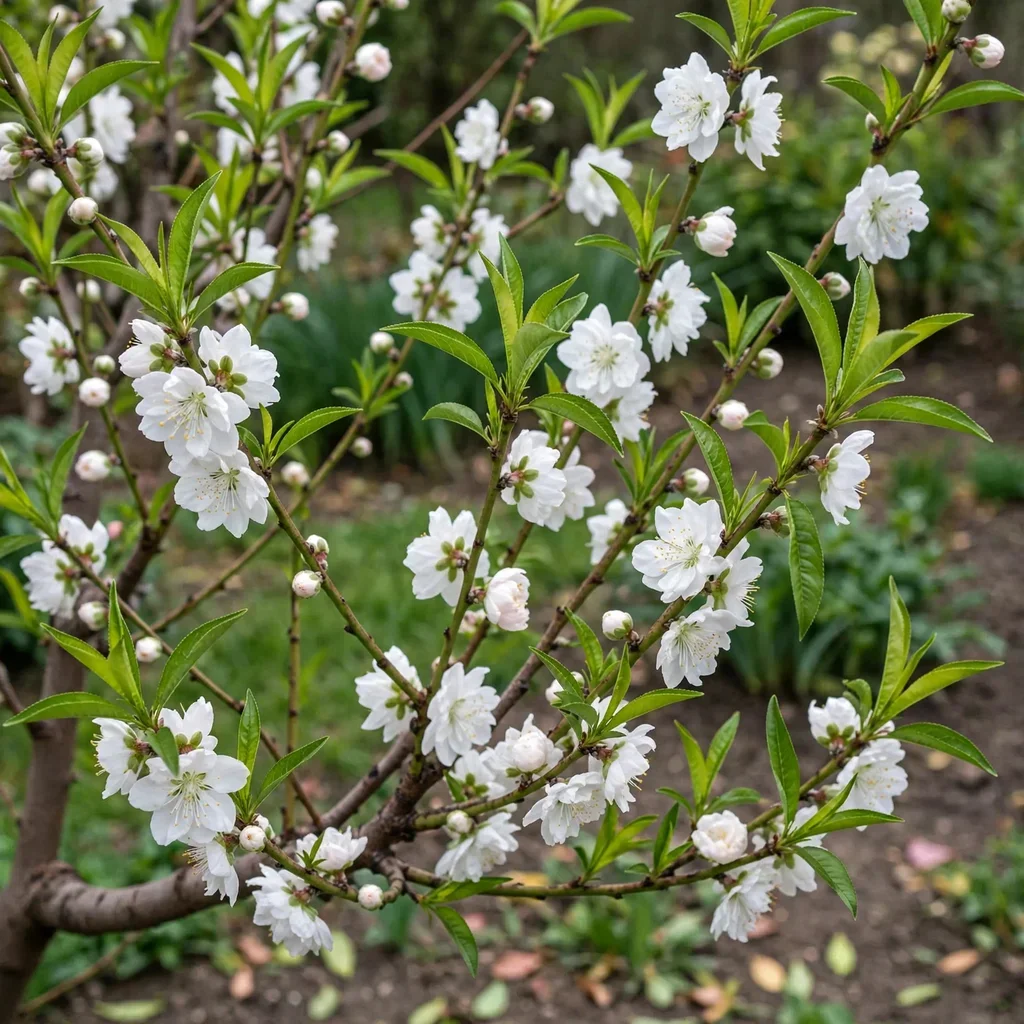
Feiching Tao White Peach
Prunus persica 'Feiching Tao White'
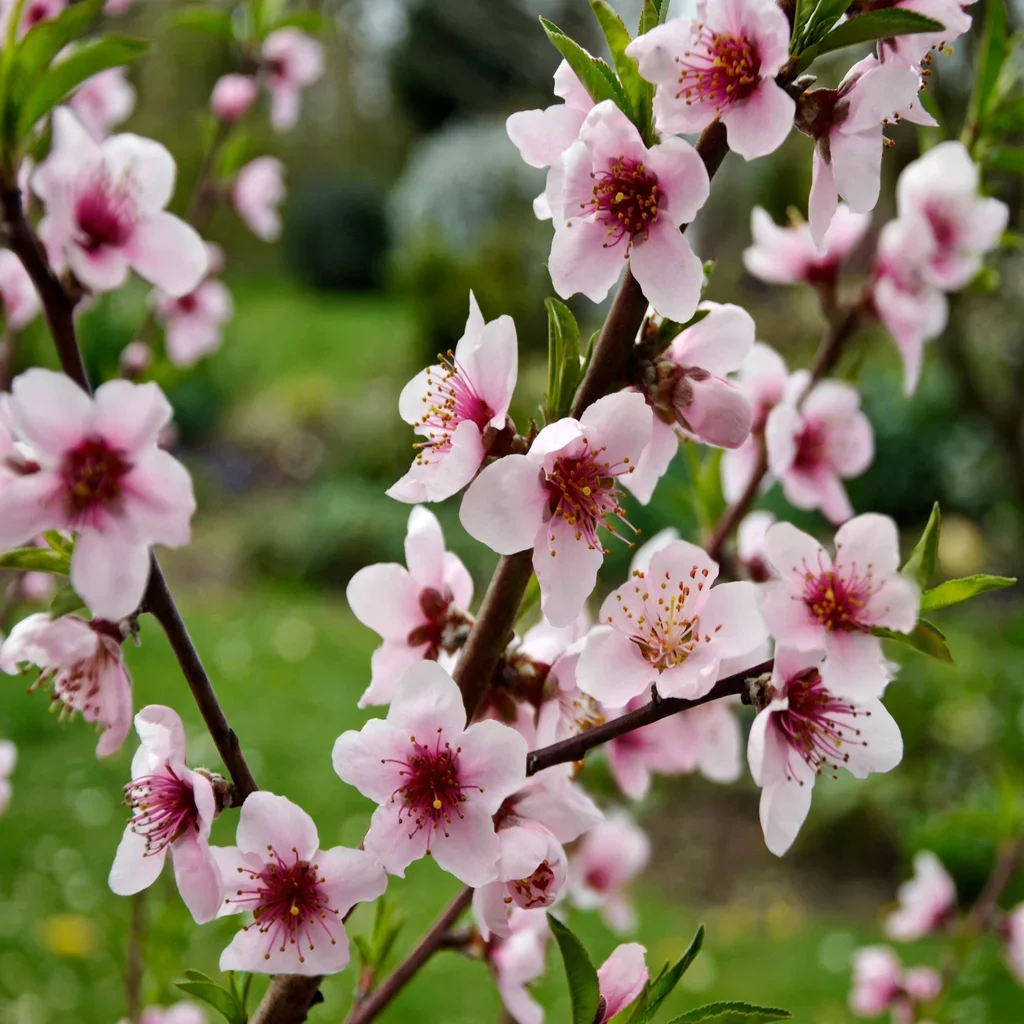
Hale Haven Peach
Prunus persica 'Hale Haven'
Keep exploring
Explore the genus
Hardy in your zone?
Grow Japanese Plum with confidence
See it in a design of your actual yard, get zone-matched care reminders, and track it season by season in your garden journal.