The Story
Plant Bio
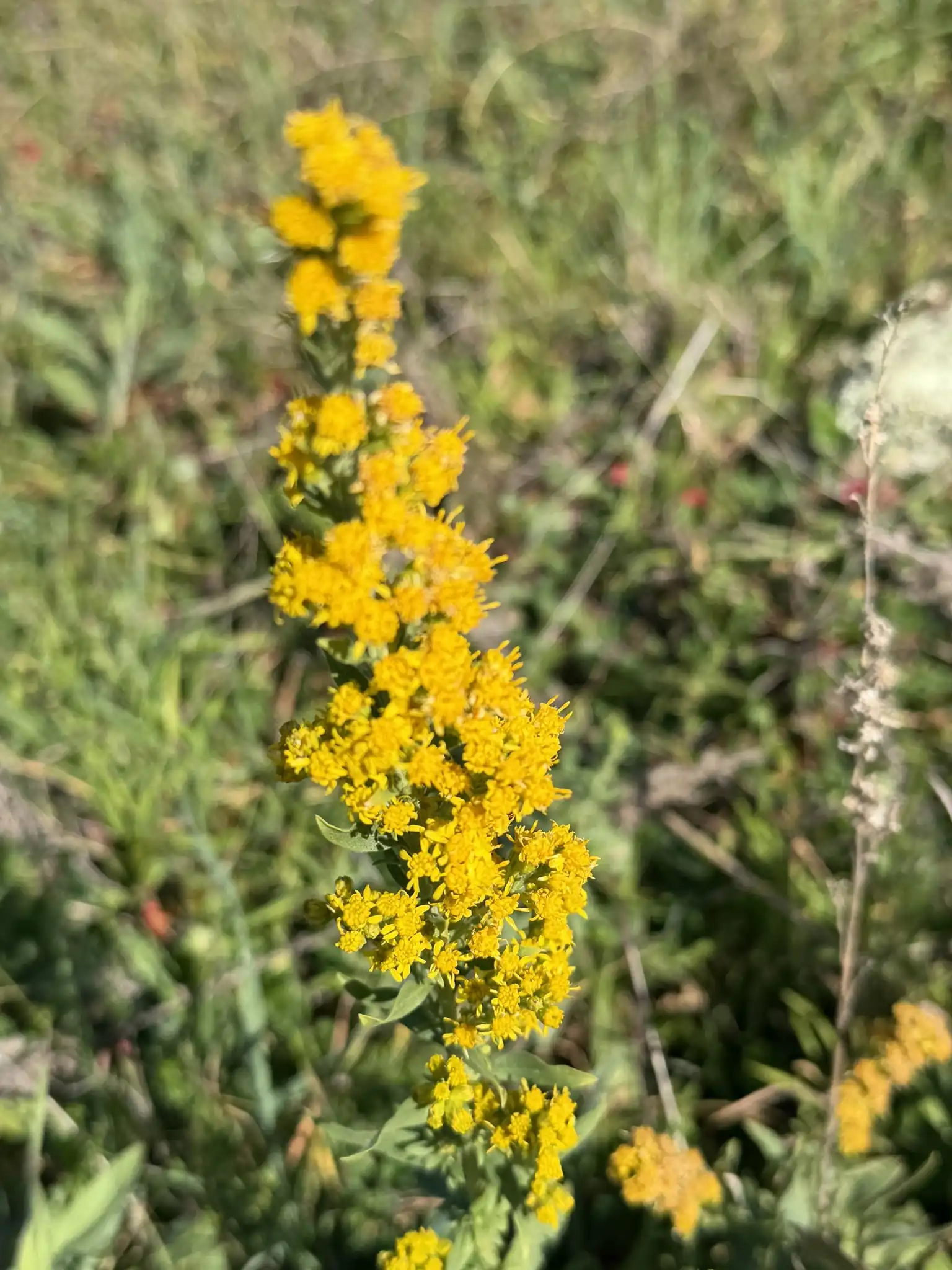
Solidago, the goldenrods, are rhizomatous North American perennials that spread by underground stems and bloom on unbranched stalks in late summer and fall. The color comes not from petals but from dense clusters of small composite heads, each with ray and disk florets that open in sequence over several weeks.
California goldenrod forms many leafy, hairy stems from creeping rhizomes, reaching two to five feet tall with fuzzy gray-green foliage and wand-like stalks of golden-yellow heads from summer into fall. It stays evergreen in mild-winter areas and dies back to the rhizomes in cold winters, widening to about a foot and a half across and sold in the trade as Solidago californica though current floras place it as Solidago velutina subsp. californica.
Uses & Benefits:
Essentials
At a Glance
Plant Type
Perennial
Height
59"
Width
18"
Light
Full Sun, Partial Sun
Water
Low
Humidity
Unknown
Lifespan
Perennial
Native To
Western USA: California, Oregon, Nevada
Toxicity
Unknown
Bloom period
Summer – Fall
In flower about 6 months of the year
Planting
How to Grow
- Plant in full sun to light shade in well-drained clay, loam or sand.
- Set crowns at soil level in early spring and water in deeply.
- Water regularly the first summer, then cut back to monthly or no summer water once established.
- Cut dead stalks to the ground in winter and divide congested clumps in spring.
Pro Tip
Give it winter moisture and a dry summer with no more than monthly water once established; cut spent wands to the basal leaves to keep new buds coming.
Keep It Thriving
Care Guide
Do
- Plant in full sun for the sturdiest wands.
- Provide winter moisture with sharp drainage.
- Deadhead spent wands to prolong bloom.
Don't
- Do not water more than once a month in summer once established.
- Do not plant in soggy soil that stays wet.
- Do not cut divisions too small; each piece needs roots and a shoot bud.
Seasonal Care Calendar
| Task | Jan | Feb | Mar | Apr | May | Jun | Jul | Aug | Sep | Oct | Nov | Dec |
|---|---|---|---|---|---|---|---|---|---|---|---|---|
| Deadhead | ||||||||||||
| Divide | ||||||||||||
| Plant | ||||||||||||
| Prune | ||||||||||||
| Spring Cleanup |
Watch Out For
Pests & Diseases
Common Pests
Common Diseases
In the Garden
Landscape Uses & Companions
Landscape Uses
Multiply
Propagation Methods
Good to Know
Common Questions
California Goldenrod questions
Is California Goldenrod deer resistant?
Not reliably. Deer may browse California Goldenrod, especially tender spring growth — plan on repellents or fencing where pressure is high.
When does California Goldenrod bloom?
California Goldenrod typically blooms from summer to fall. Exact timing shifts a week or two with your zone — Sow's bloom calendar maps it to your garden.
Does California Goldenrod need full sun?
California Goldenrod does best in full sun to part shade. In hot climates, afternoon shade keeps blooms fresher longer.
Is California Goldenrod drought tolerant?
Yes — once established (usually after the first full season), California Goldenrod handles dry spells with minimal watering. Water deeply its first year to build the root system that makes that possible.
More Solidago to compare
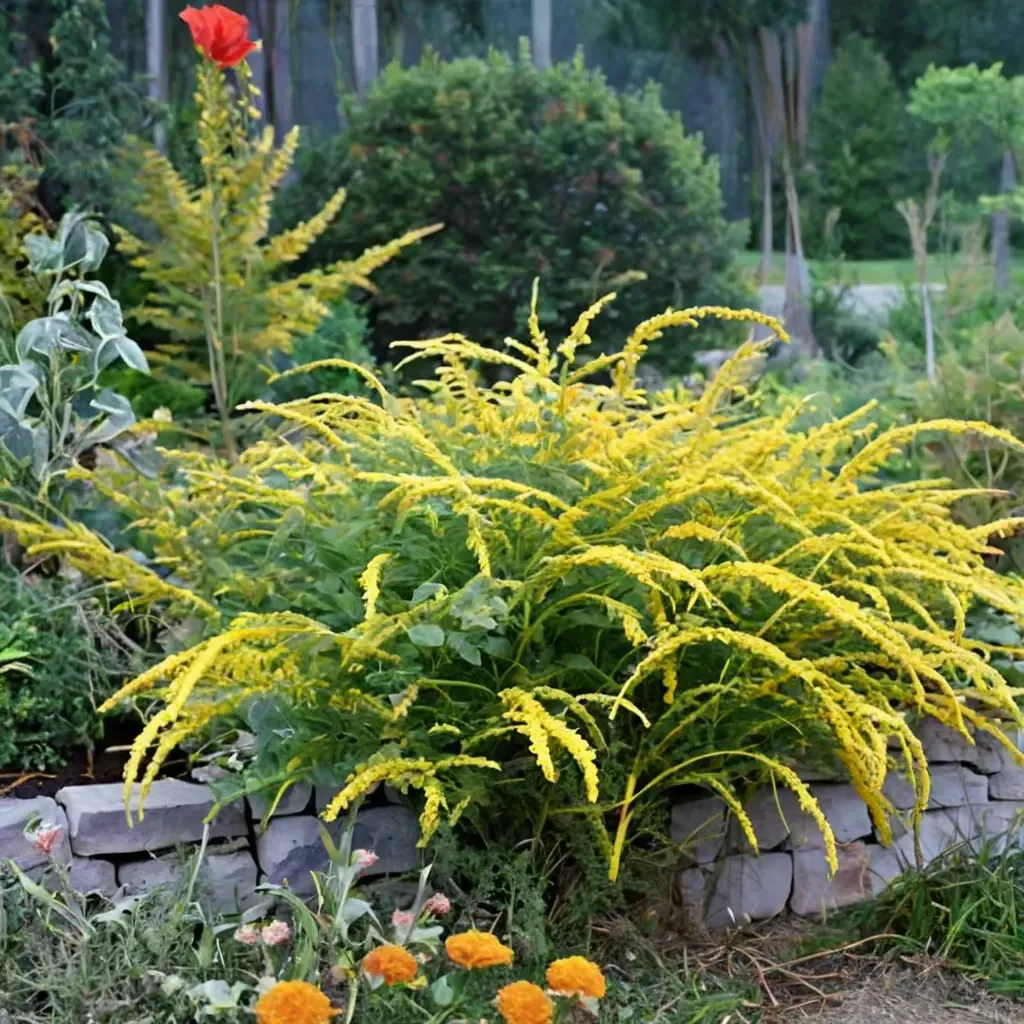
Fireworks Goldenrod
Solidago rugosa 'Fireworks'
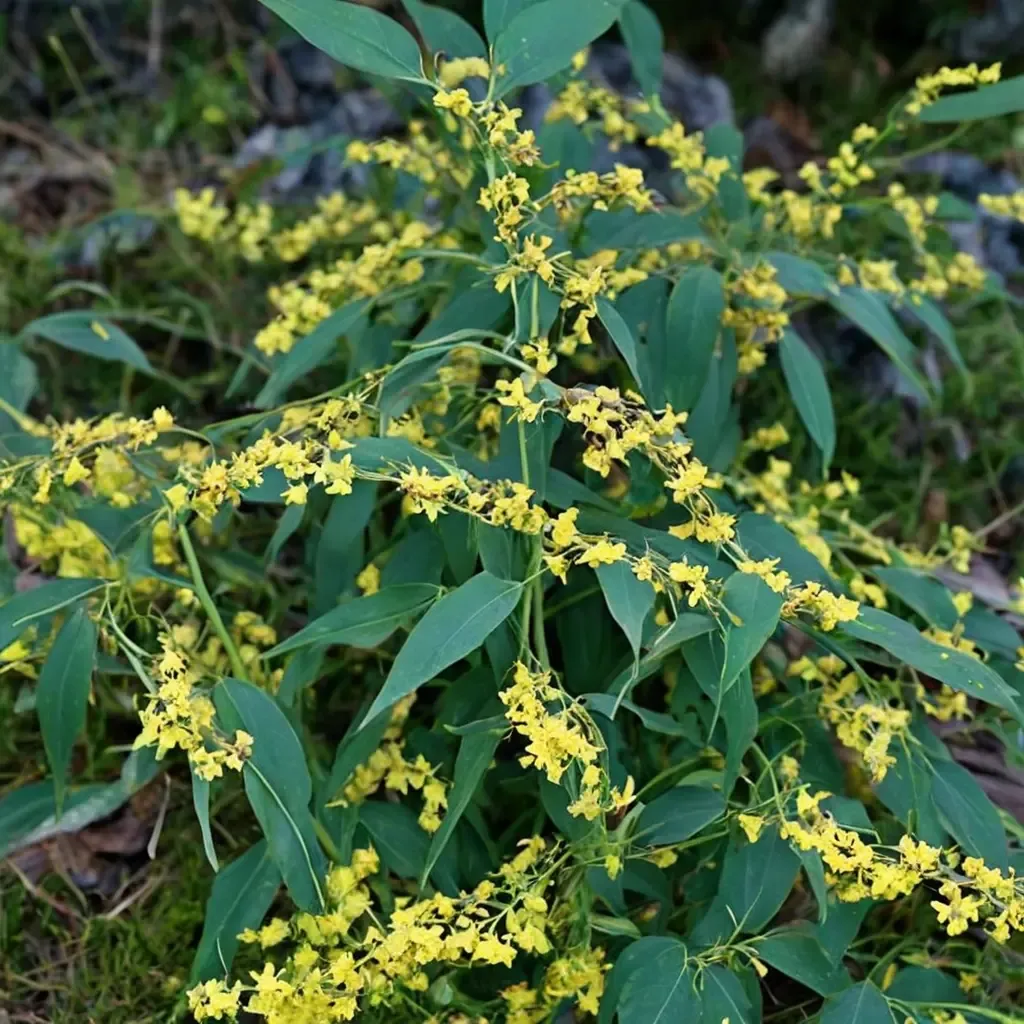
Bluestem Goldenrod
Solidago caesia
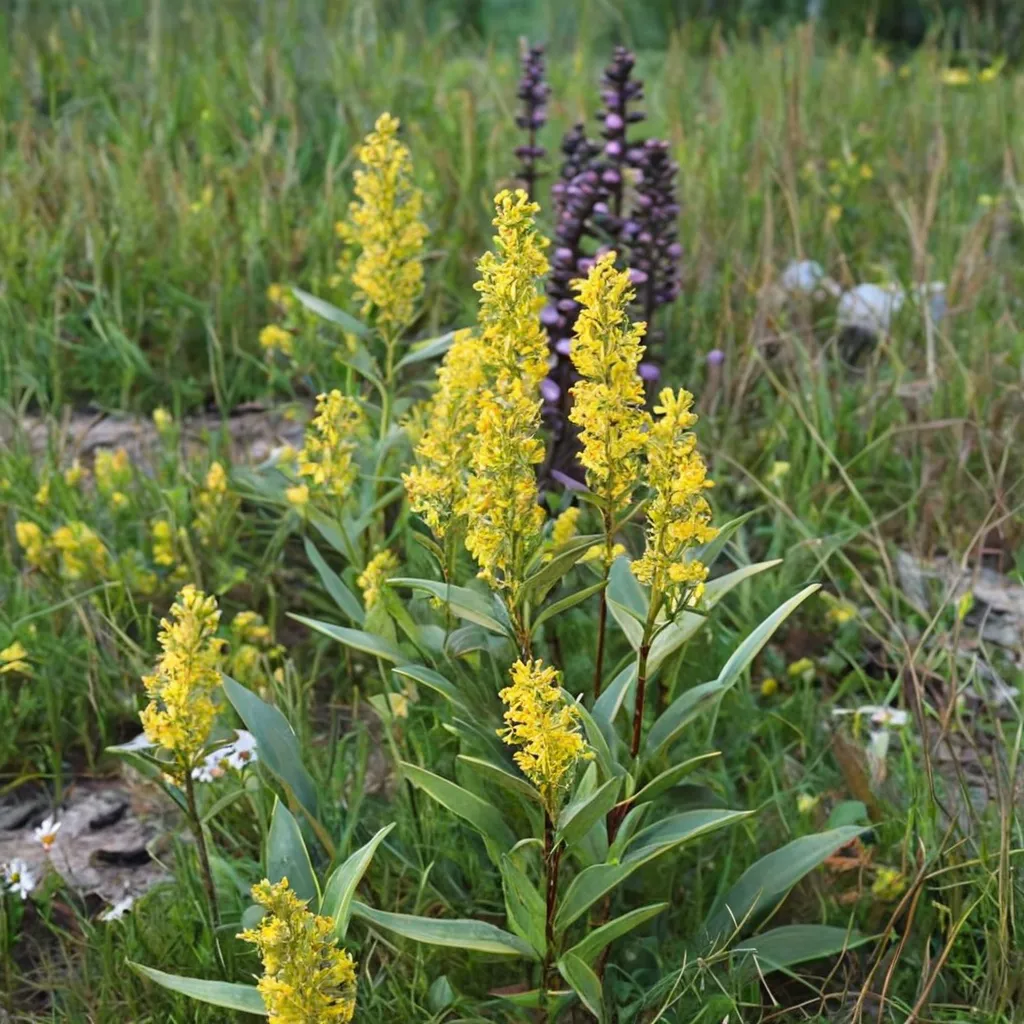
Showy Goldenrod
Solidago speciosa
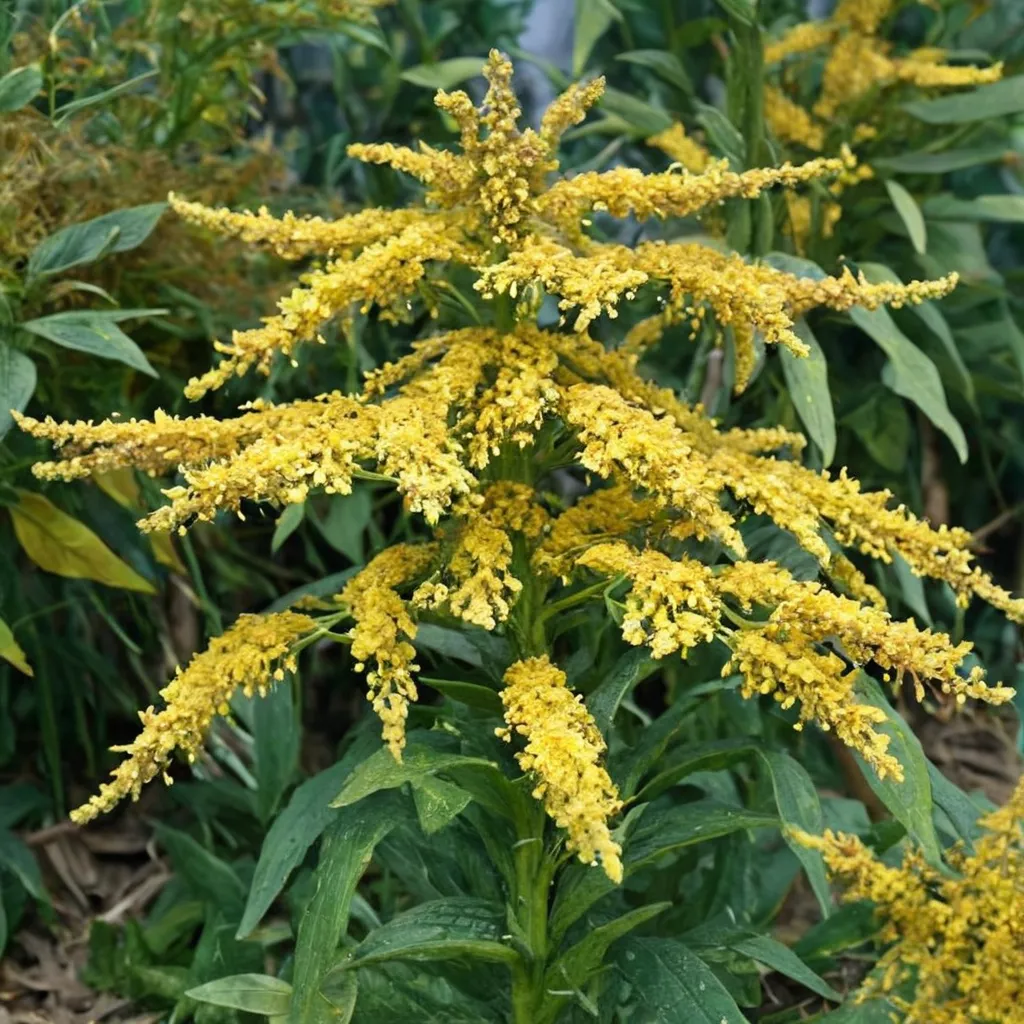
Goldenrod Peter Pan
Solidago x hybrida 'Peter Pan'
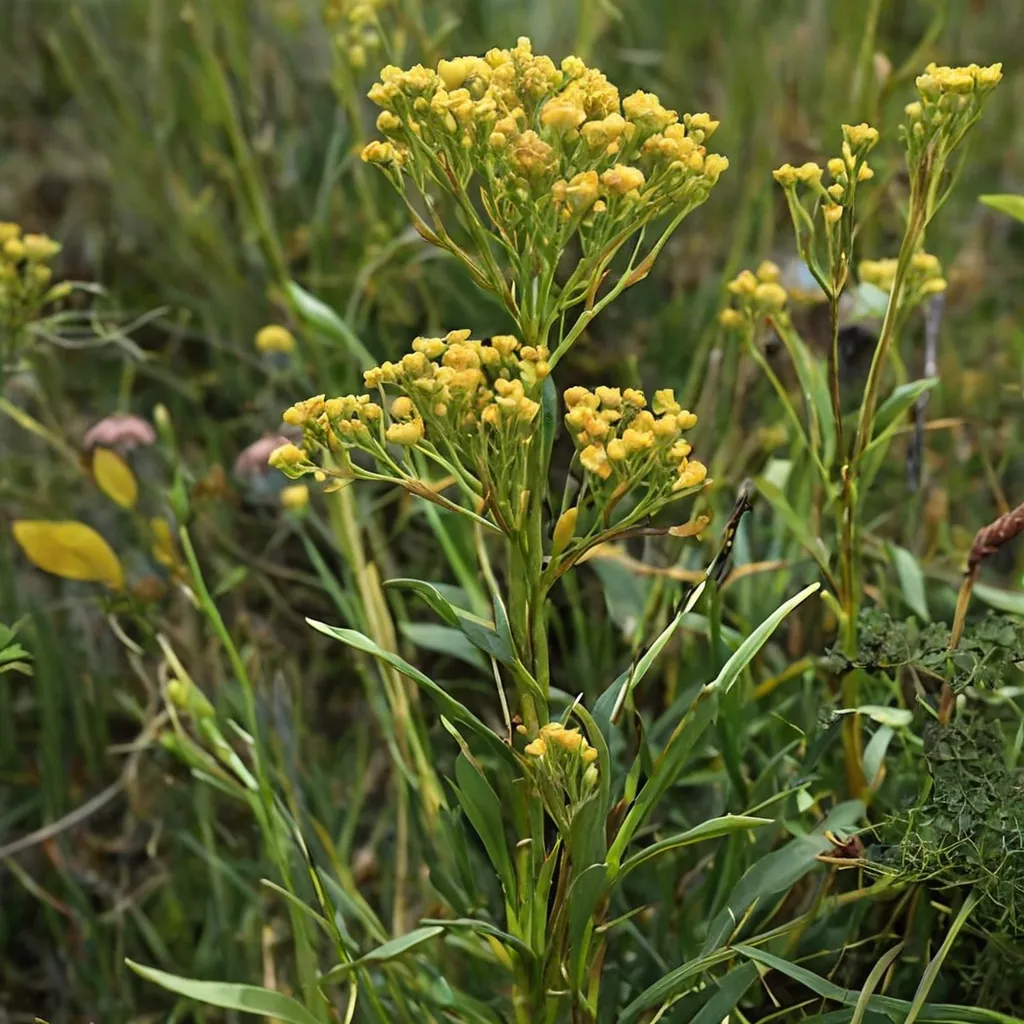
Ohio Goldenrod
Solidago ohioensis
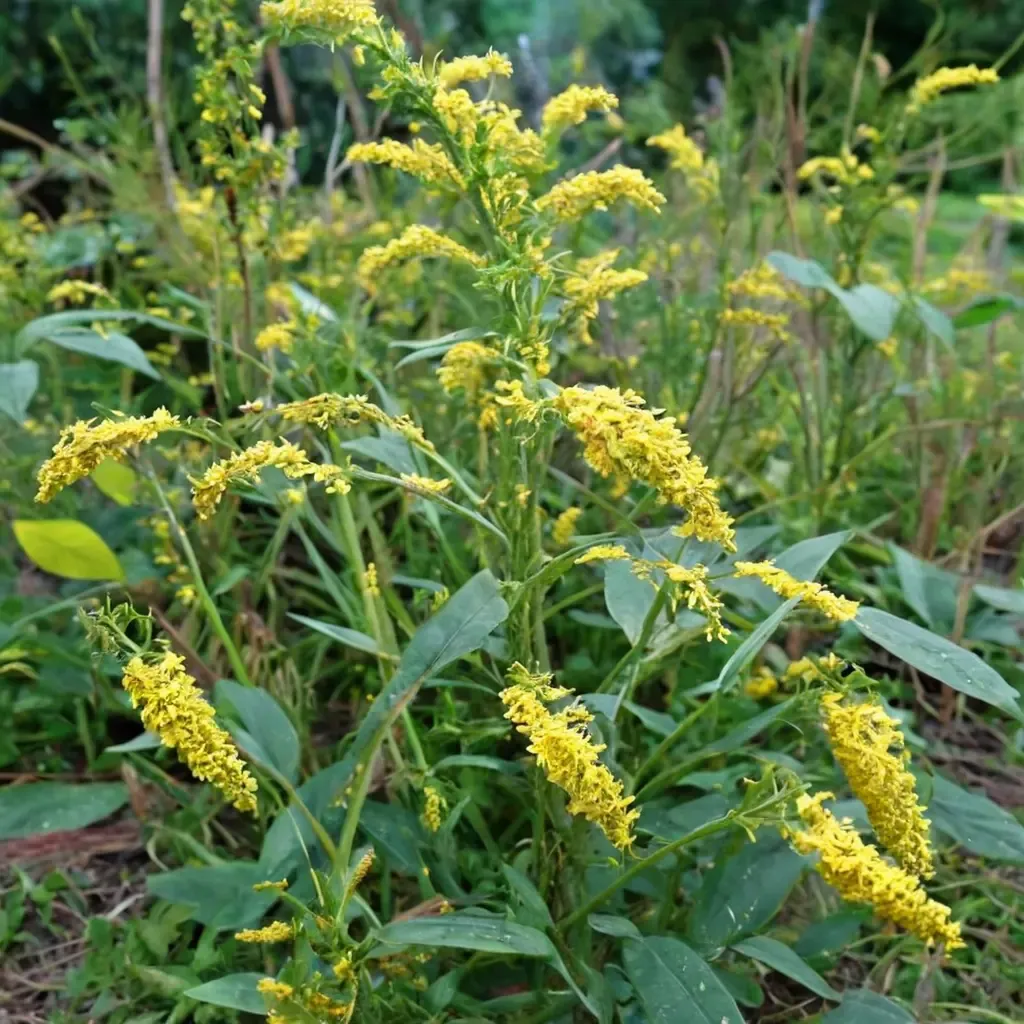
Wrinkleleaf Goldenrod
Solidago rugosa
Keep exploring
Explore the genus
Grow California Goldenrod with confidence
See it in a design of your actual yard, get zone-matched care reminders, and track it season by season in your garden journal.