The Story
Plant Bio
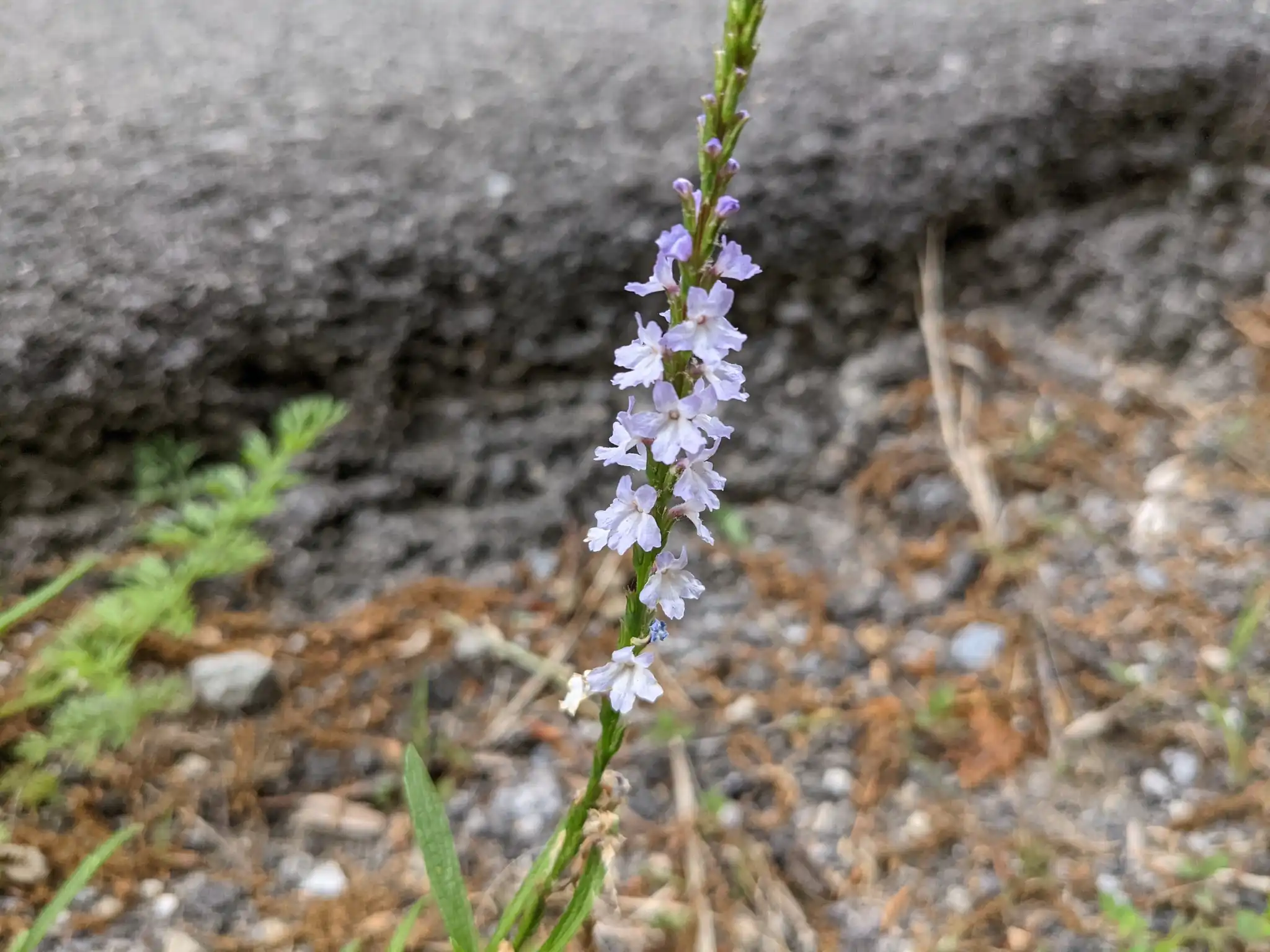
Verbena simplex is a slender, upright herbaceous perennial native to North American prairies, glades, and rocky barrens. Its narrow, lance-shaped leaves carry fine teeth along the margins, supporting elongated terminal spikes of small, five-petaled lavender flowers that bloom progressively upward in summer.
Unlike sprawling garden verbenas, this species maintains an unbranched, ascending growth habit reaching up to thirty inches tall. Its tolerance for gritty, alkaline, and nutrient-poor soils allows it to thrive in harsh environments where richer border plants fail.
Uses & Benefits:
Essentials
At a Glance
Plant Type
Perennial
Height
30"
Width
18"
Light
Full Sun
Zones
4, 5, 6, 7, 8
Water
Low
Humidity
Tolerant
Lifespan
Perennial
Native To
North America
Toxicity
Non-toxic
Bloom period
Summer
In flower about 3 months of the year
Planting
How to Grow
- Select a site in full sun with gritty, sandy, or gravelly soil that drains rapidly.
- Sow seeds outdoors in autumn or cold-stratify them before spring planting to break dormancy.
- Water sparingly during initial root establishment and withhold supplemental irrigation once settled.
- Cut back dead stems cleanly to ground level in late winter or early spring.
Pro Tip
Plant in lean, rocky, or sandy soil in full sun, avoiding compost or nitrogen fertilizer that causes stems to flop and leads to crown rot.
Keep It Thriving
Care Guide
Do
- Provide full sun exposure to maintain upright, sturdy stem structure.
- Ensure soil has high drainage capability to prevent root rot.
- Allow soil to dry out thoroughly between waterings once plants establish.
Don't
- Do not apply heavy fertilizers, which induce weak and leggy stem growth.
- Do not plant in wet, waterlogged, or heavily amended garden soils.
- Do not over-water established plants during summer.
Seasonal Care Calendar
| Task | Jan | Feb | Mar | Apr | May | Jun | Jul | Aug | Sep | Oct | Nov | Dec |
|---|---|---|---|---|---|---|---|---|---|---|---|---|
| Divide | ||||||||||||
| Pest Check | ||||||||||||
| Plant | ||||||||||||
| Spring Cleanup |
Watch Out For
Pests & Diseases
Common Pests
Common Diseases
In the Garden
Landscape Uses & Companions
Landscape Uses
Multiply
Propagation Methods
Good to Know
Common Questions
Narrow-leaved Vervain questions
What zones can Narrow-leaved Vervain grow in?
Narrow-leaved Vervain is hardy in USDA Zones 4–8: in that range it survives winter in the ground. Warmer than Zone 8, winter isn't the problem: it prefers colder winters, and summer heat can shorten its life.
Is Narrow-leaved Vervain deer resistant?
Not reliably. Deer may browse Narrow-leaved Vervain, especially tender spring growth — plan on repellents or fencing where pressure is high.
When does Narrow-leaved Vervain bloom?
Narrow-leaved Vervain typically blooms in summer. Exact timing shifts a week or two with your zone — Sow's bloom calendar maps it to your garden.
Does Narrow-leaved Vervain need full sun?
Narrow-leaved Vervain does best in full sun (6+ hours).
Is Narrow-leaved Vervain drought tolerant?
Yes — once established (usually after the first full season), Narrow-leaved Vervain handles dry spells with minimal watering. Water deeply its first year to build the root system that makes that possible.
More Verbena to compare
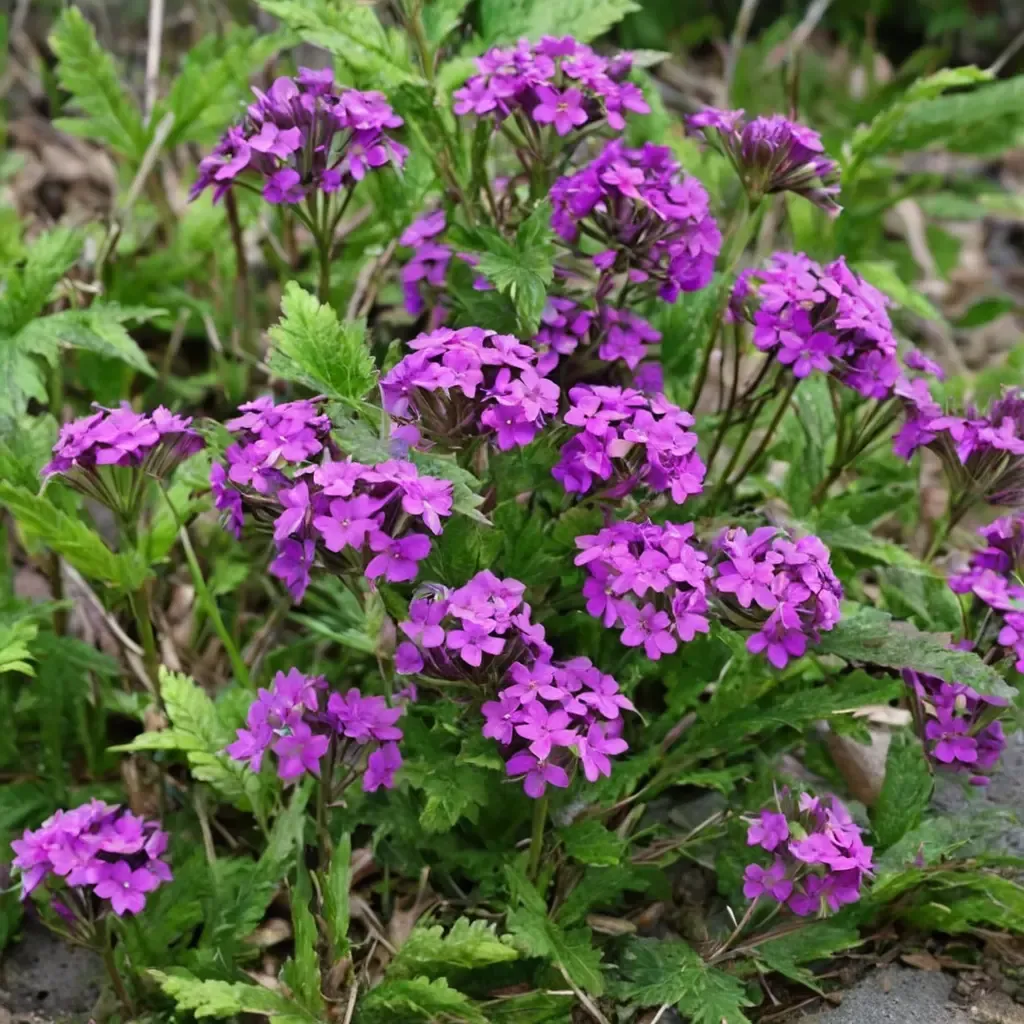
Rose Verbena
Verbena canadensis
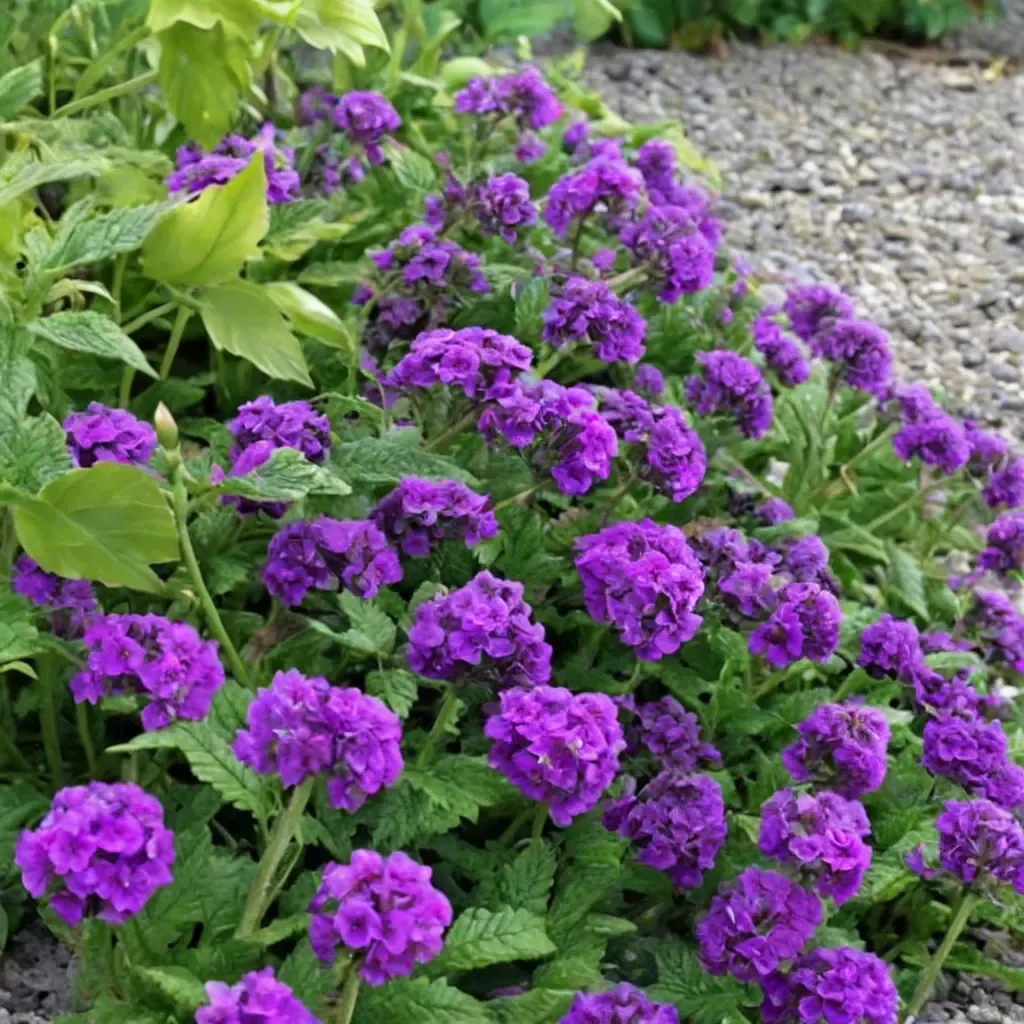
Homestead Purple Verbena
Verbena canadensis 'Homestead Purple'
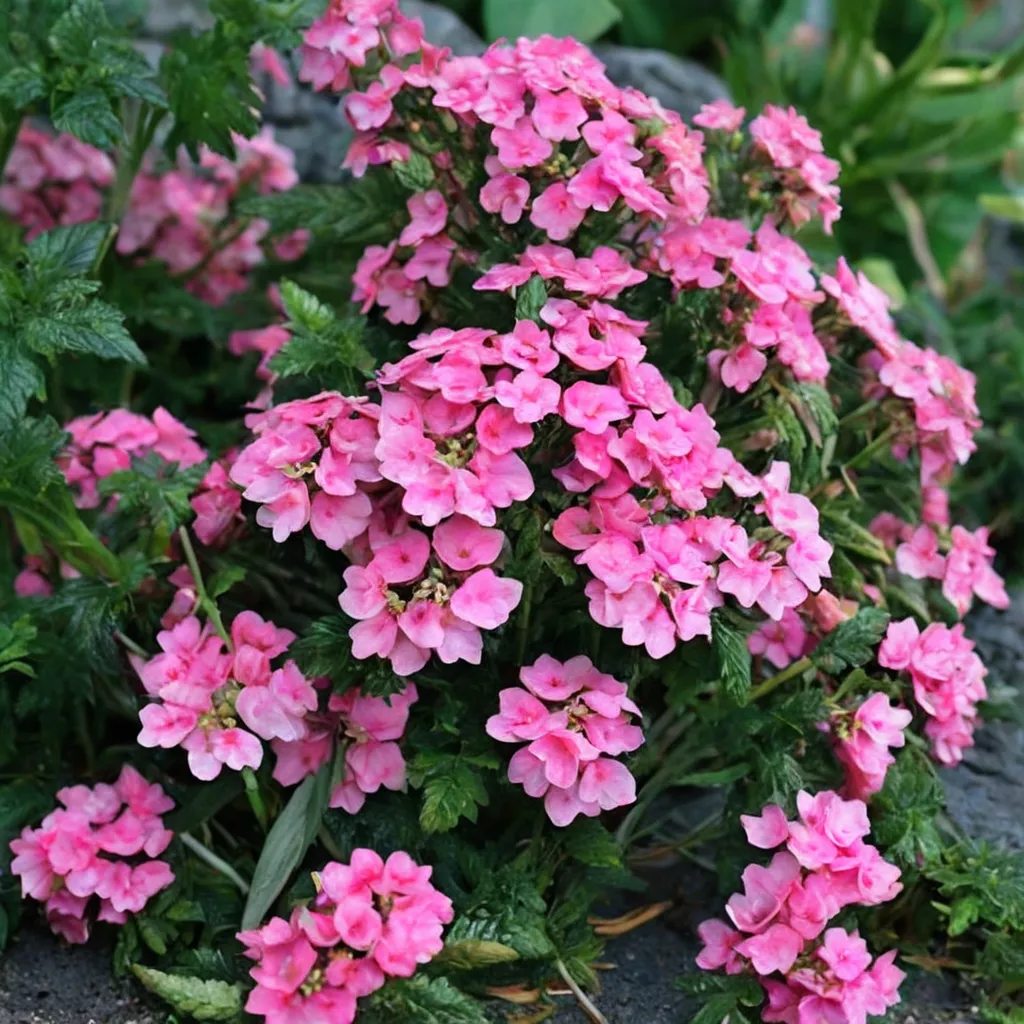
Pink Sunrise Verbena
Verbena x hybrida 'Pink Sunrise'
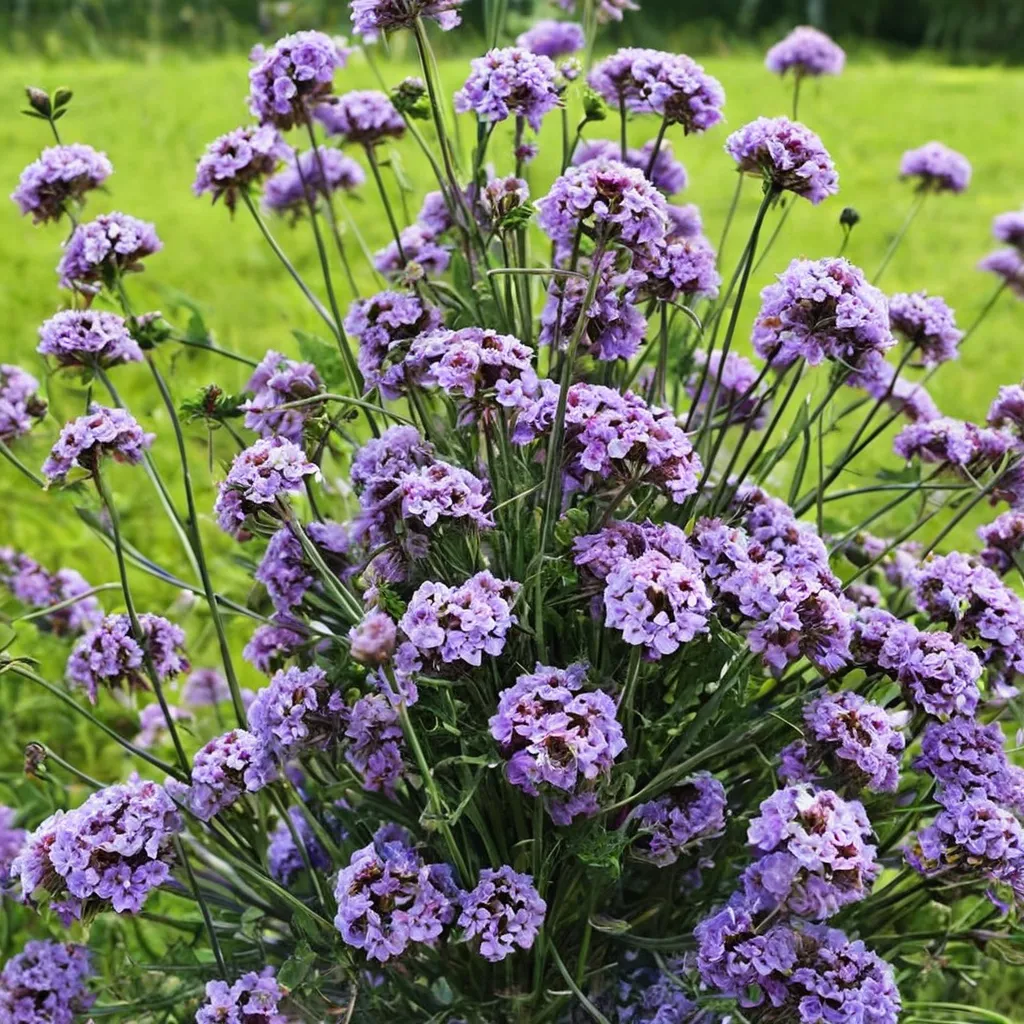
Meteor Shower Tall Verbena
Verbena bonariensis 'Meteor Shower'
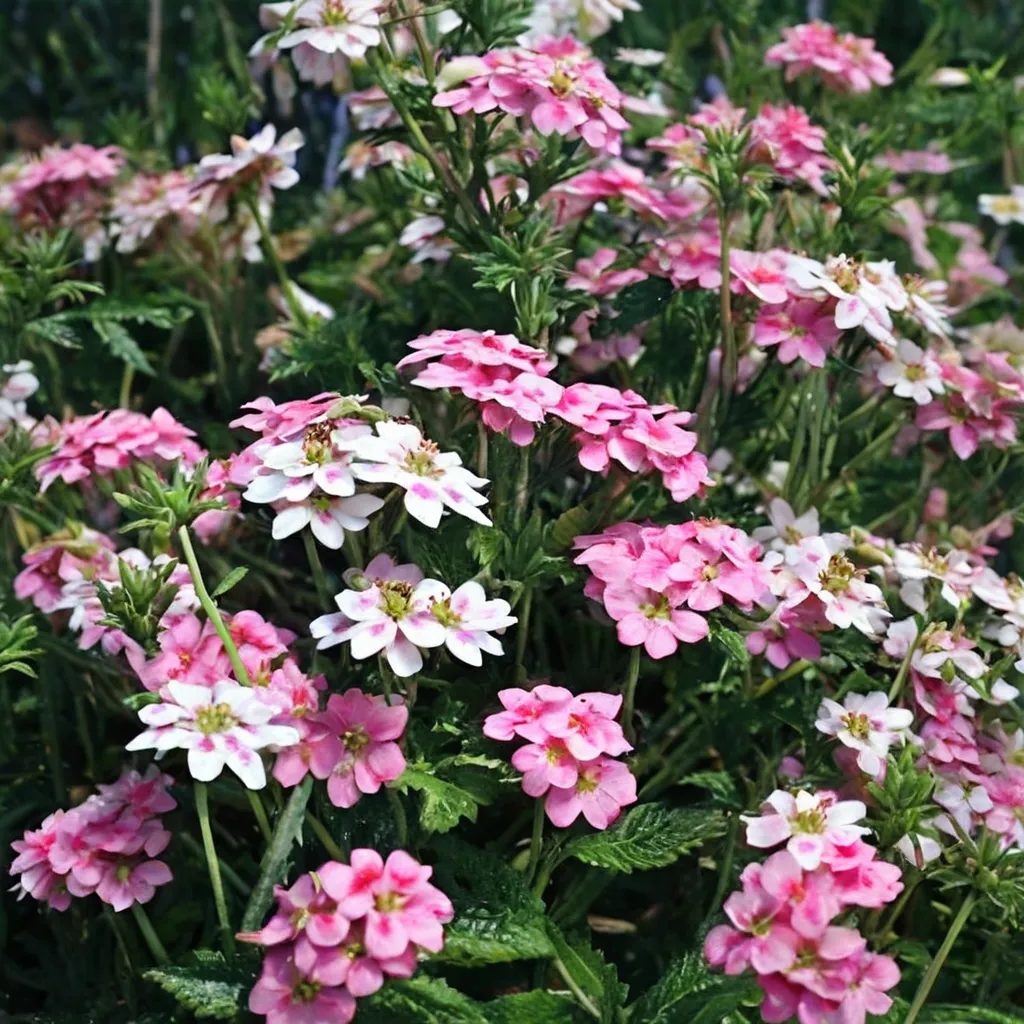
Apple Blossom Verbena
Verbena x hybrida 'Apple Blossom'
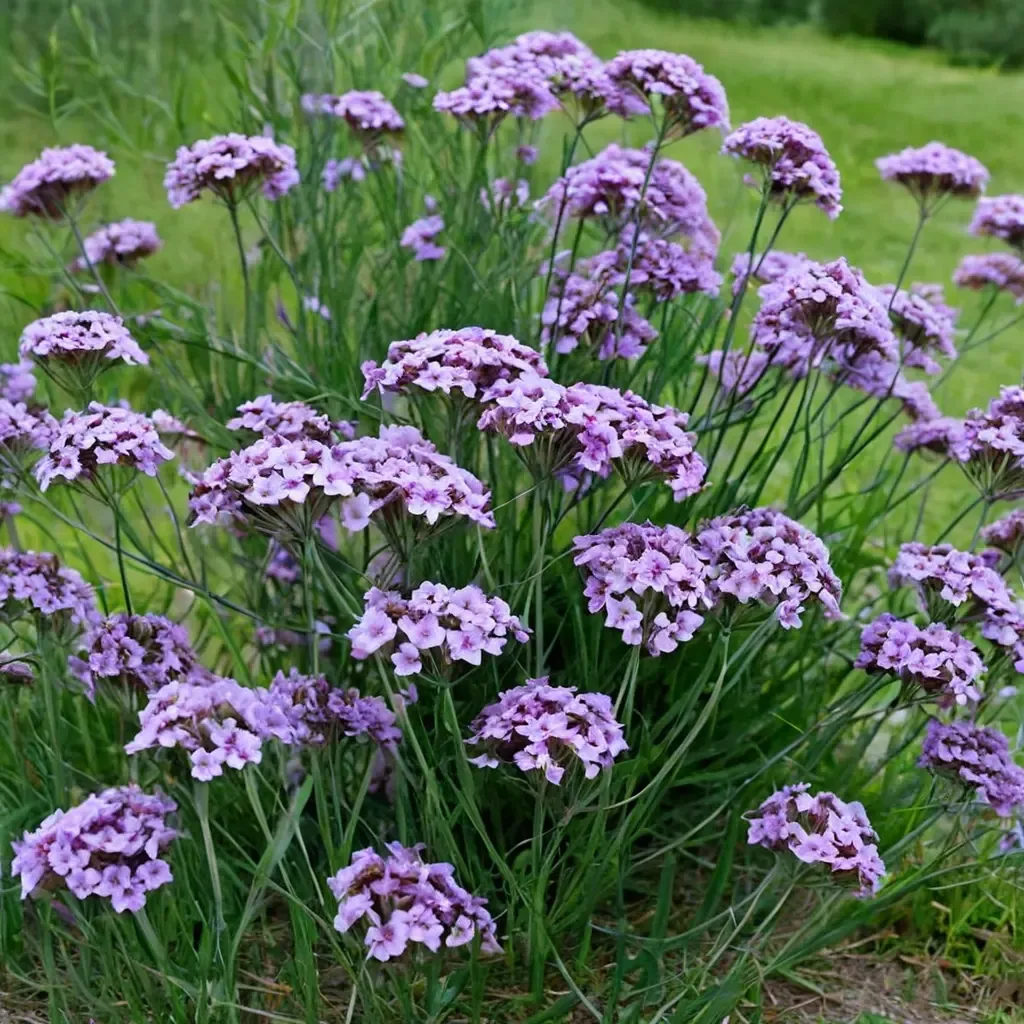
Purpletop Vervain
Verbena bonariensis
Keep exploring
Explore the genus
Hardy in your zone?
Grow Narrow-leaved Vervain with confidence
See it in a design of your actual yard, get zone-matched care reminders, and track it season by season in your garden journal.