The Story
Plant Bio
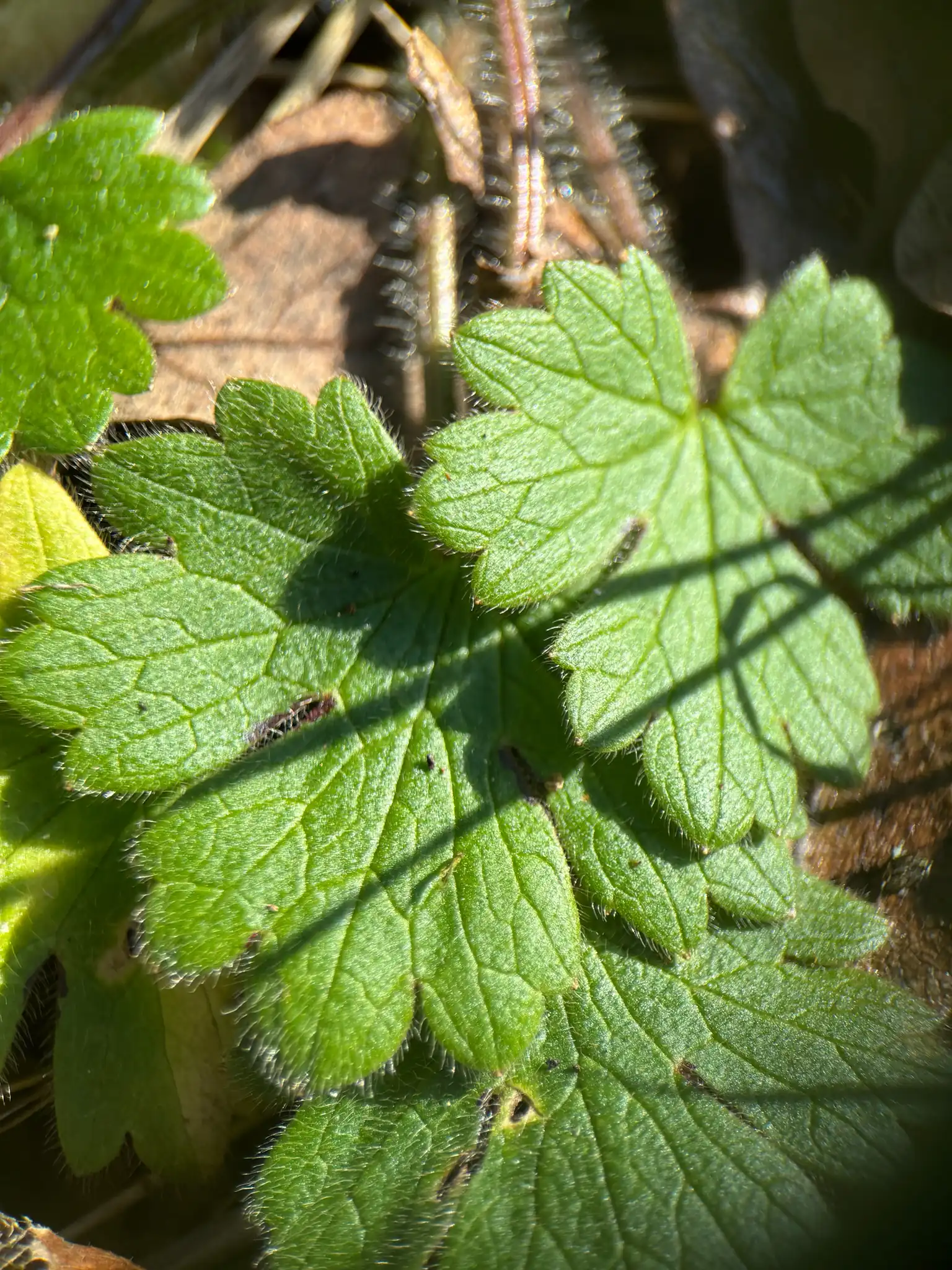
Ranunculus occidentalis is an herbaceous perennial native to western North America, forming a low basal rosette of deeply lobed, light green leaves. In spring, slender erect to reclining stems rise six to twenty-four inches high, bearing open flowers with bright, glossy petals.
Distinguished by its five to fourteen reflective yellow petals and reflexed sepals, this species tolerates winter wet and enters complete summer dormancy as soils dry. Acrid chemical compounds within the foliage make the plant toxic and strongly unpalatable to deer and rabbits.
Uses & Benefits:
Essentials
At a Glance
Plant Type
Perennial
Height
24"
Width
12"
Light
Full Sun, Partial Sun
Zones
5, 6, 7, 8, 9
Water
Moist in spring, dry in summer
Humidity
Moderate
Lifespan
Perennial
Native To
Western North America
Toxicity
Toxic if ingested, skin irritant
Bloom period
Spring – Early summer
In flower about 4 months of the year
Planting
How to Grow
- Sow seeds or set out potted plants in full sun or light woodland shade during spring or fall.
- Maintain consistent soil moisture throughout the spring growing and flowering period.
- Allow seed heads to mature fully and foliage to die back naturally as warm summer weather arrives.
- Cease watering during summer dormancy to permit the dormant crowns to dry out safely.
Pro Tip
Withhold irrigation entirely once the foliage begins turning yellow in early summer, as warm, wet soil rapidly induces crown rot.
Keep It Thriving
Care Guide
Do
- Provide ample moisture during early spring active growth.
- Allow foliage to complete its natural cycle and yellow fully before tidying.
- Wear protective gloves when handling plants to avoid sap skin contact.
Don't
- Do not irrigate through summer while the plant is dormant.
- Do not cut back green, active foliage prematurely.
- Do not plant in areas accessible to browsing livestock or pets.
Seasonal Care Calendar
| Task | Jan | Feb | Mar | Apr | May | Jun | Jul | Aug | Sep | Oct | Nov | Dec |
|---|---|---|---|---|---|---|---|---|---|---|---|---|
| Pest Check | ||||||||||||
| Plant | ||||||||||||
| Propagate | ||||||||||||
| Prune |
Watch Out For
Pests & Diseases
Common Pests
Common Diseases
In the Garden
Landscape Uses & Companions
Landscape Uses
Multiply
Propagation Methods
Good to Know
Common Questions
Western Buttercup questions
What zones can Western Buttercup grow in?
Western Buttercup is hardy in USDA Zones 5–9: in that range it survives winter in the ground. Colder than Zone 5, grow it in a container you can move to shelter for the winter, or as an annual. Warmer than Zone 9, winter isn't the problem: it prefers colder winters, and summer heat can shorten its life.
Is Western Buttercup deer resistant?
Yes — Western Buttercup is rated deer-resistant. Deer typically pass it over, though extreme hunger can override any plant's defenses.
When does Western Buttercup bloom?
Western Buttercup typically blooms from early spring to early summer. Exact timing shifts a week or two with your zone — Sow's bloom calendar maps it to your garden.
Does Western Buttercup need full sun?
Western Buttercup does best in full sun to part shade. In hot climates, afternoon shade keeps blooms fresher longer.
Is Western Buttercup drought tolerant?
Yes — once established (usually after the first full season), Western Buttercup handles dry spells with minimal watering. Water deeply its first year to build the root system that makes that possible.
More Ranunculus to compare
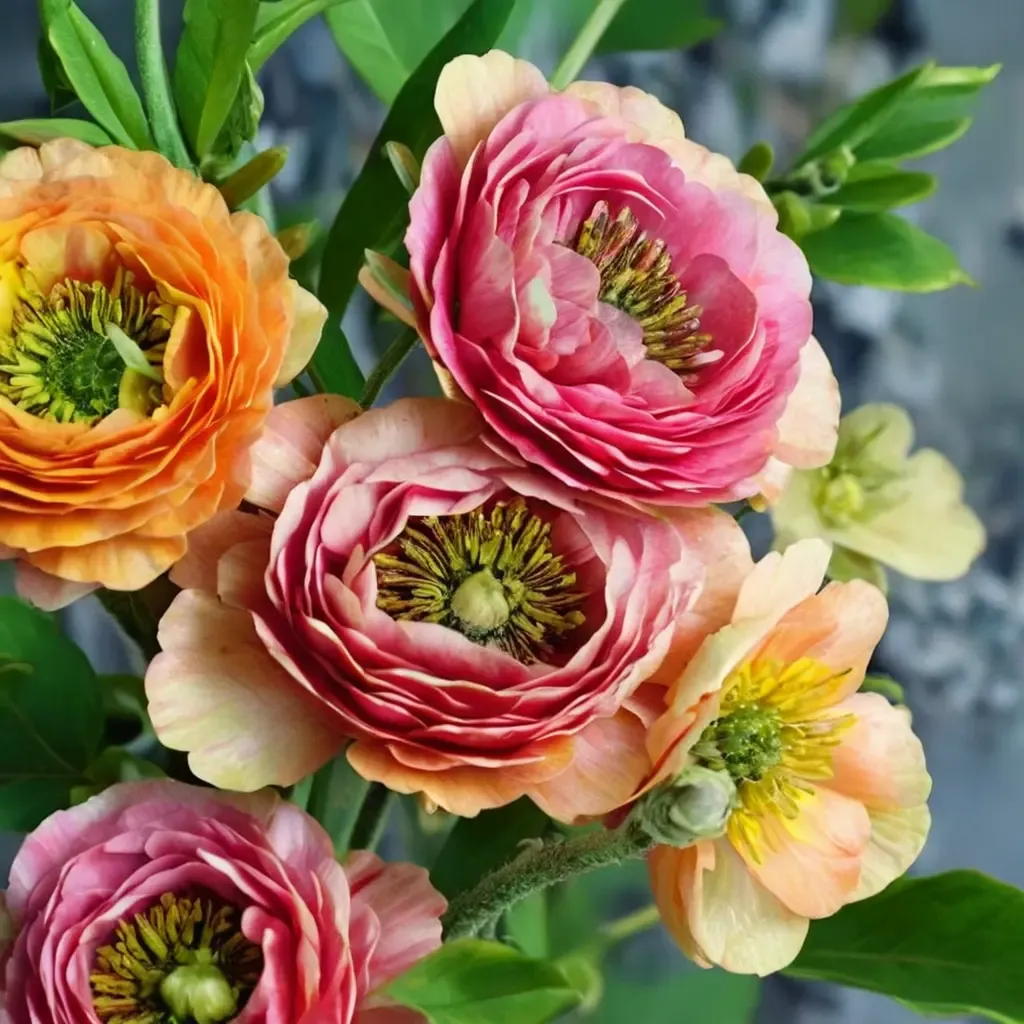
Greater Spearwort
Ranunculus lingua
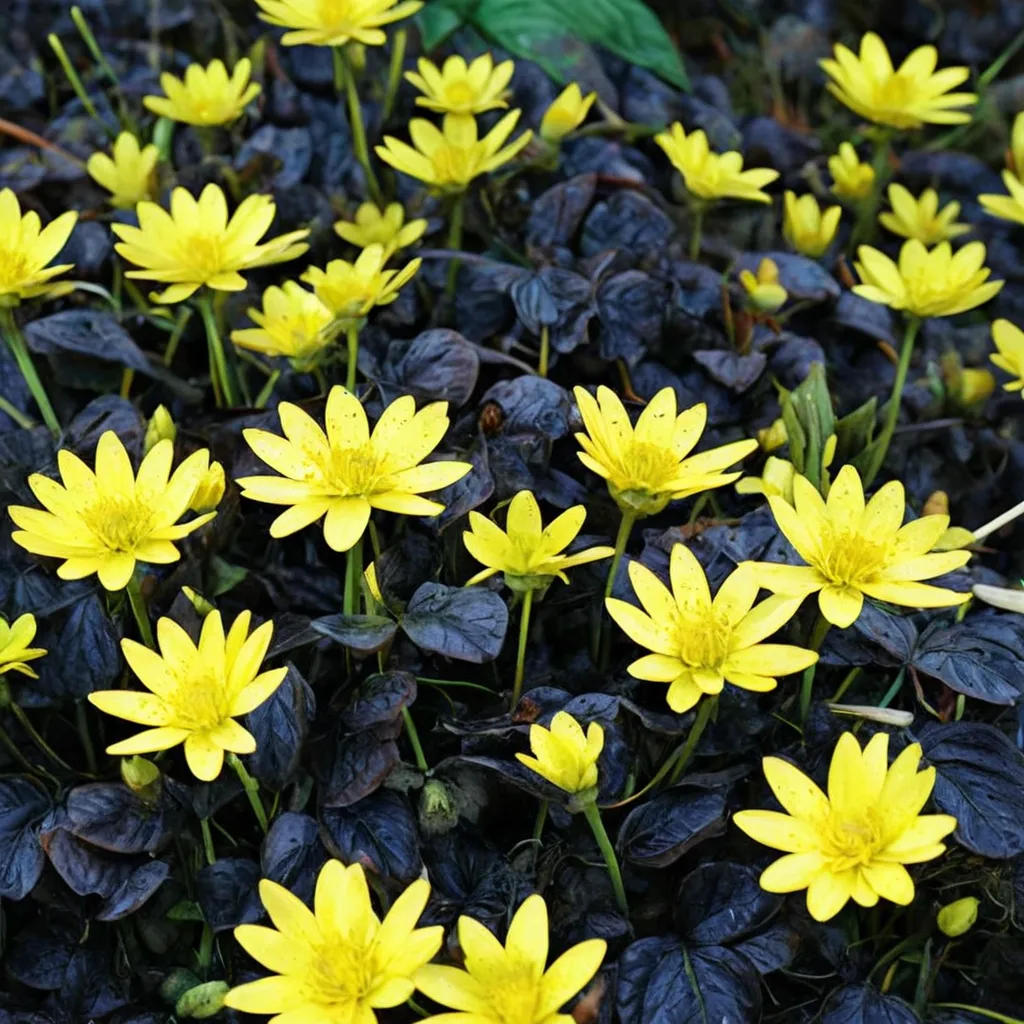
'Brazen Hussy' Lesser Celandine
Ranunculus ficaria 'Brazen Hussy'
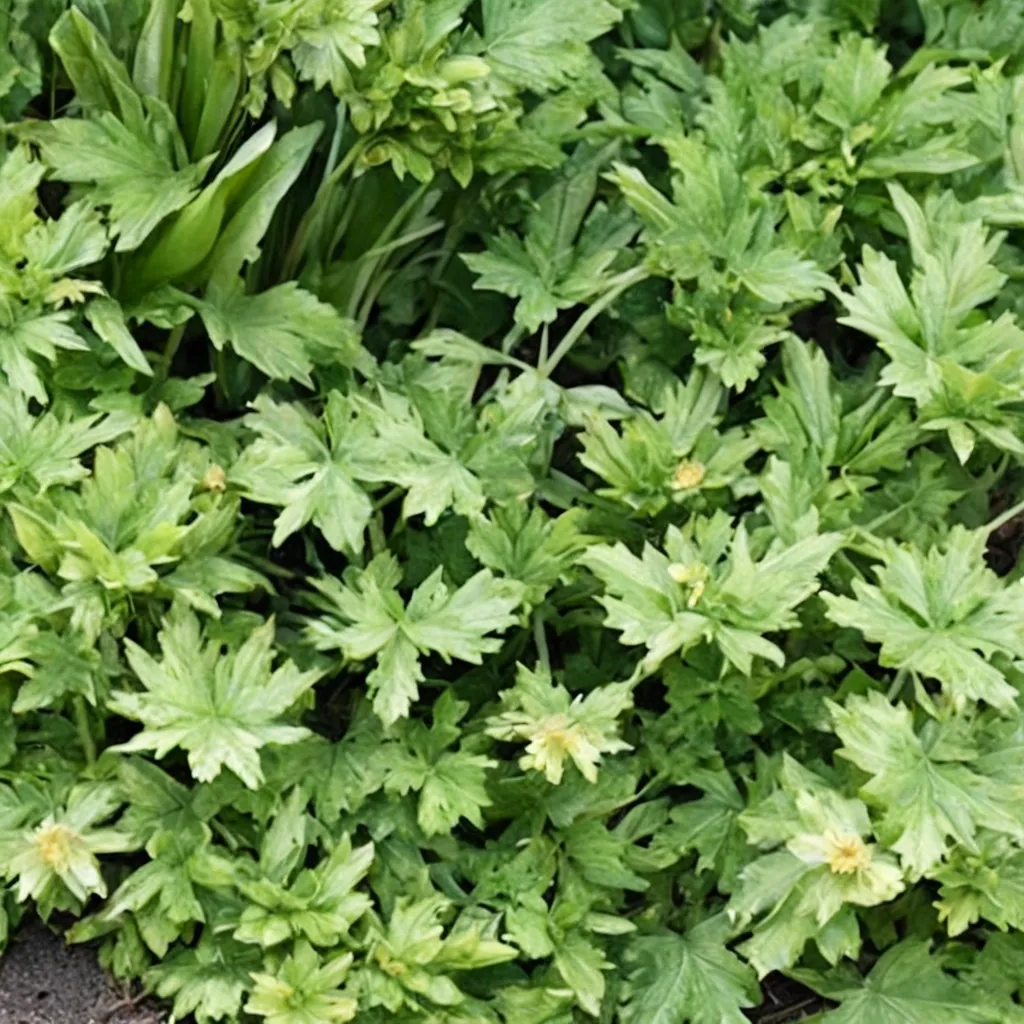
'Buttered Popcorn' Creeping Buttercup
Ranunculus repens 'Buttered Popcorn'
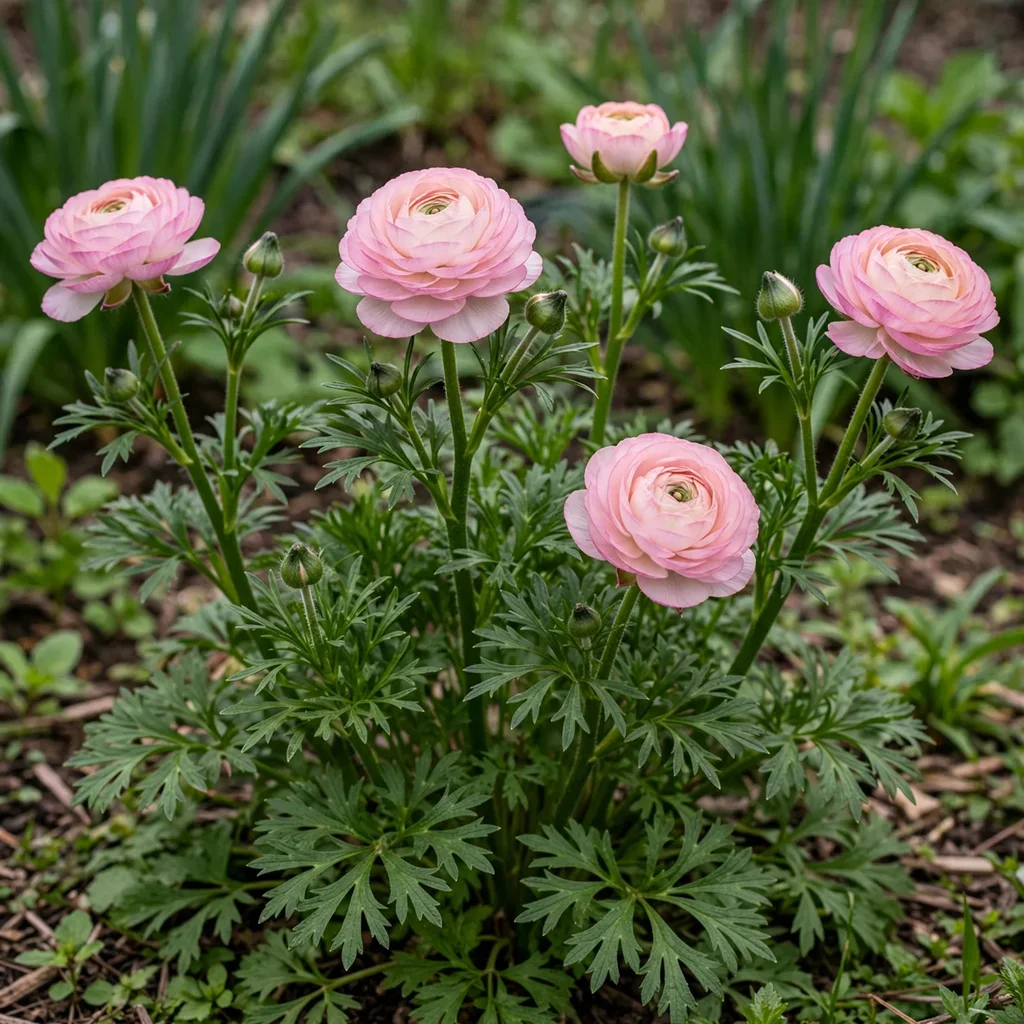
Persian Buttercup 'Amandine Pastel Pink'
Ranunculus asiaticus 'Amandine Pastel Pink'
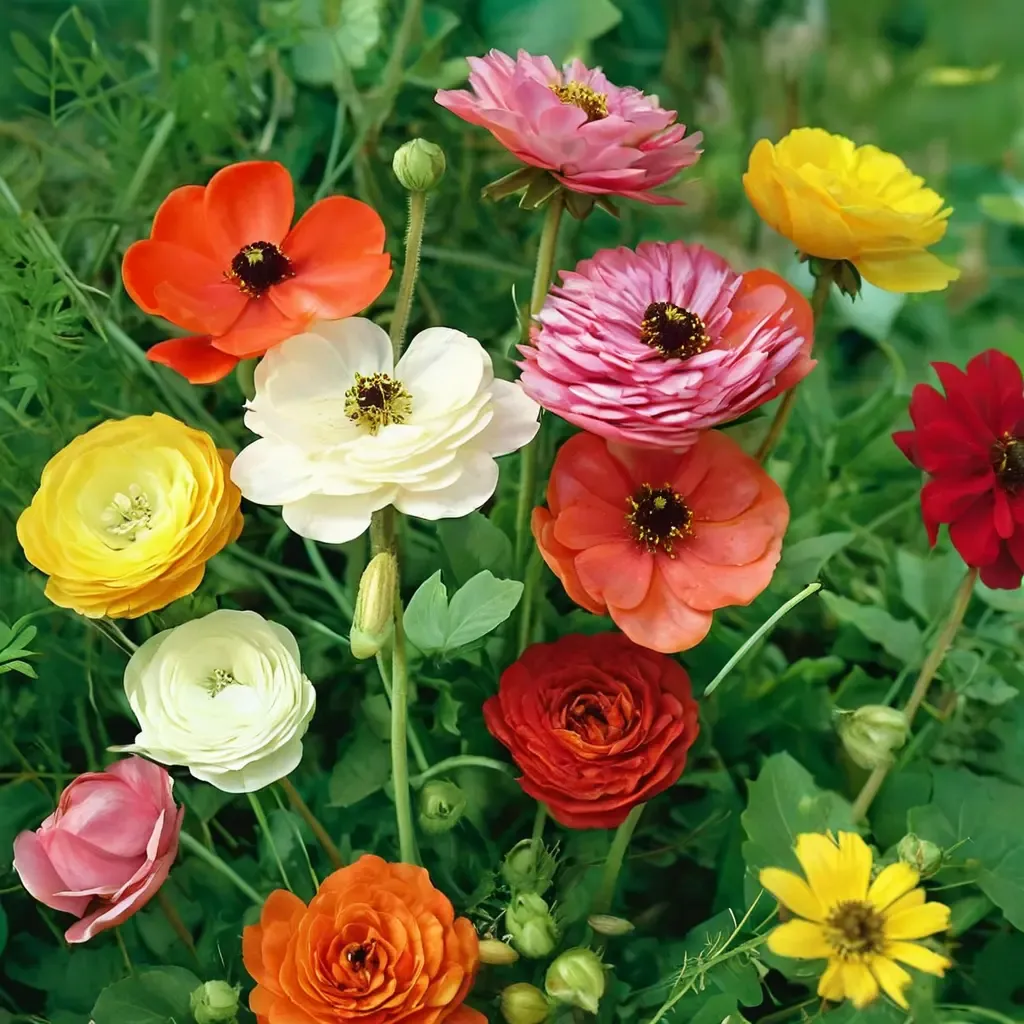
Persian Buttercup
Ranunculus asiaticus
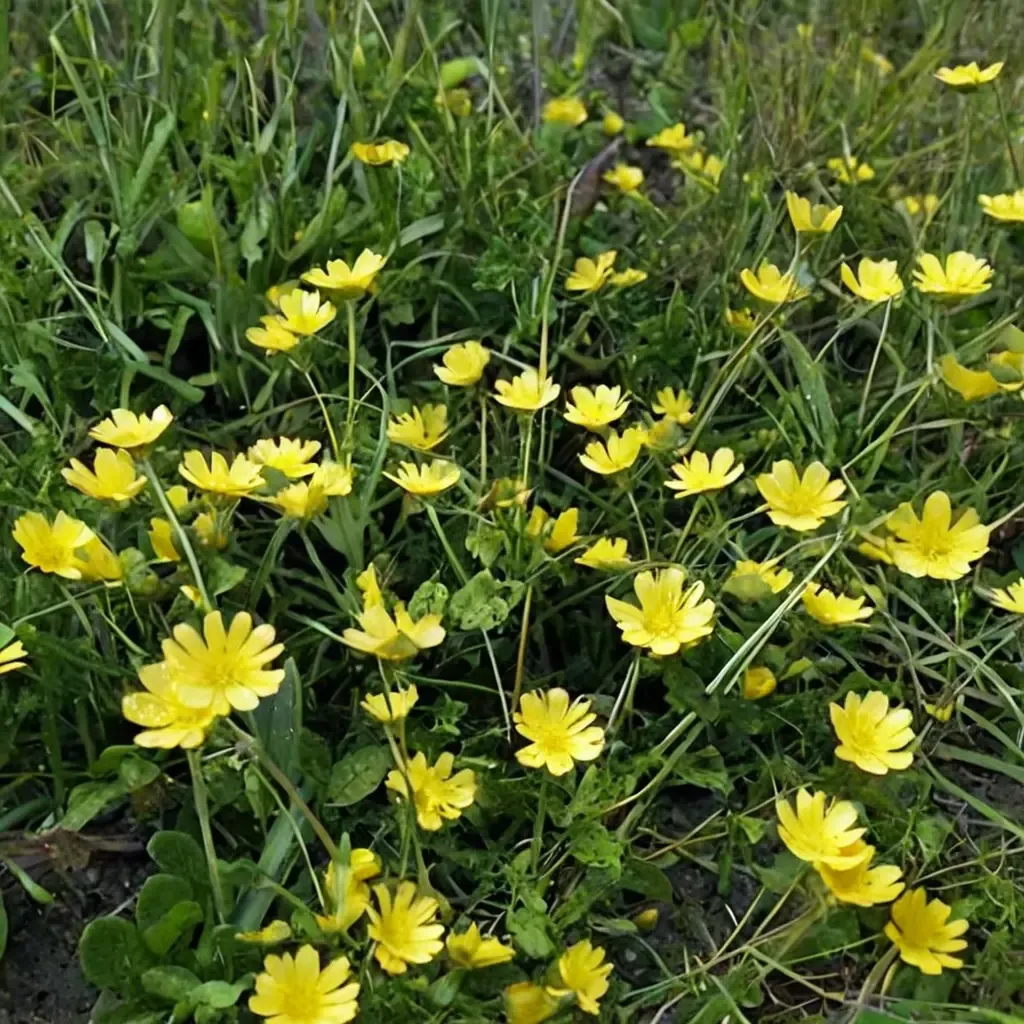
California Buttercup
Ranunculus californicus
Keep exploring
Explore the genus
Hardy in your zone?
Grow Western Buttercup with confidence
See it in a design of your actual yard, get zone-matched care reminders, and track it season by season in your garden journal.