
The Story
Plant Bio
Buddleja crispa is a deciduous to semi-evergreen multistemmed shrub from dry riverbeds and stony slopes of the Himalaya and western China, reaching 4 to 10 feet tall and 6 to 7 feet wide with an upright spreading frame. Leaves are ovate-lanceolate to triangular 2 to 5 inches long with wavy-toothed margins, white-felted on new growth and silver-gray above with woolly white undersides.
It is distinguished from common butterfly bush by dense star-shaped hairs that keep the foliage silver through summer and by short terminal panicles 3 to 4 inches long of fragrant lilac to violet-purple flowers with an orange throat. Bloom forms on current-season wood, so plants left unpruned turn straggly while plants cut hard each spring stay dense and flower from spring to fall.
Uses & Benefits:
Essentials
At a Glance
Plant Type
Shrub
Height
118"
Width
79"
Light
Full Sun
Zones
6, 7, 8, 9, 10
Water
Low
Humidity
Low; needs airflow, mildew in humidity
Lifespan
Woody shrub, long-lived with annual pruning
Native To
Iran, Afghanistan, Pakistan, N. India, Nepal, Bhutan, western China
Toxicity
Unknown
Bloom period
Spring – Fall
In flower about 9 months of the year
Planting
How to Grow
- Plant in full sun against a sheltered wall in ordinary to enriched soil with sharp drainage.
- Set the crown level with the soil and water in once; keep soil moist but never soggy through the first summer.
- Prune hard each spring to 4 feet or lower to force strong current-season flowering wood.
- Deadhead spent panicles as they form to extend bloom into fall.
- Hold fertilizer and extra water once established; overfeeding produces soft straggly growth.
Pro Tip
Plant against a sheltered south or west wall in sharply drained soil; winter wet kills roots faster than cold kills tops.
Keep It Thriving
Care Guide
Do
- Give full sun and shelter from winter wind.
- Ensure sharp drainage with gravel or slope.
- Space 5 to 6 feet apart for airflow.
Don't
- Do not plant in low wet soil or heavy clay.
- Do not overhead water or pile mulch on the crown.
- Do not overwater or overfeed once established.
Seasonal Care Calendar
| Task | Jan | Feb | Mar | Apr | May | Jun | Jul | Aug | Sep | Oct | Nov | Dec |
|---|---|---|---|---|---|---|---|---|---|---|---|---|
| Deadhead | ||||||||||||
| Pest Check | ||||||||||||
| Plant | ||||||||||||
| Prune | ||||||||||||
| Winter Prep |
Watch Out For
Pests & Diseases
Common Pests
Common Diseases
In the Garden
Landscape Uses & Companions
Landscape Uses
Multiply
Propagation Methods
Good to Know
Common Questions
Himalayan Butterfly Bush questions
What zones can Himalayan Butterfly Bush grow in?
Himalayan Butterfly Bush is hardy in USDA Zones 6–10: in that range it survives winter in the ground. Colder than Zone 6, grow it in a container you can move to shelter for the winter.
Is Himalayan Butterfly Bush deer resistant?
Yes — Himalayan Butterfly Bush is rated deer-resistant. Deer typically pass it over, though extreme hunger can override any plant's defenses.
When does Himalayan Butterfly Bush bloom?
Himalayan Butterfly Bush typically blooms from spring to fall. Exact timing shifts a week or two with your zone — Sow's bloom calendar maps it to your garden.
Does Himalayan Butterfly Bush need full sun?
Himalayan Butterfly Bush does best in full sun (6+ hours).
Is Himalayan Butterfly Bush drought tolerant?
Yes — once established (usually after the first full season), Himalayan Butterfly Bush handles dry spells with minimal watering. Water deeply its first year to build the root system that makes that possible.
More Buddleja to compare
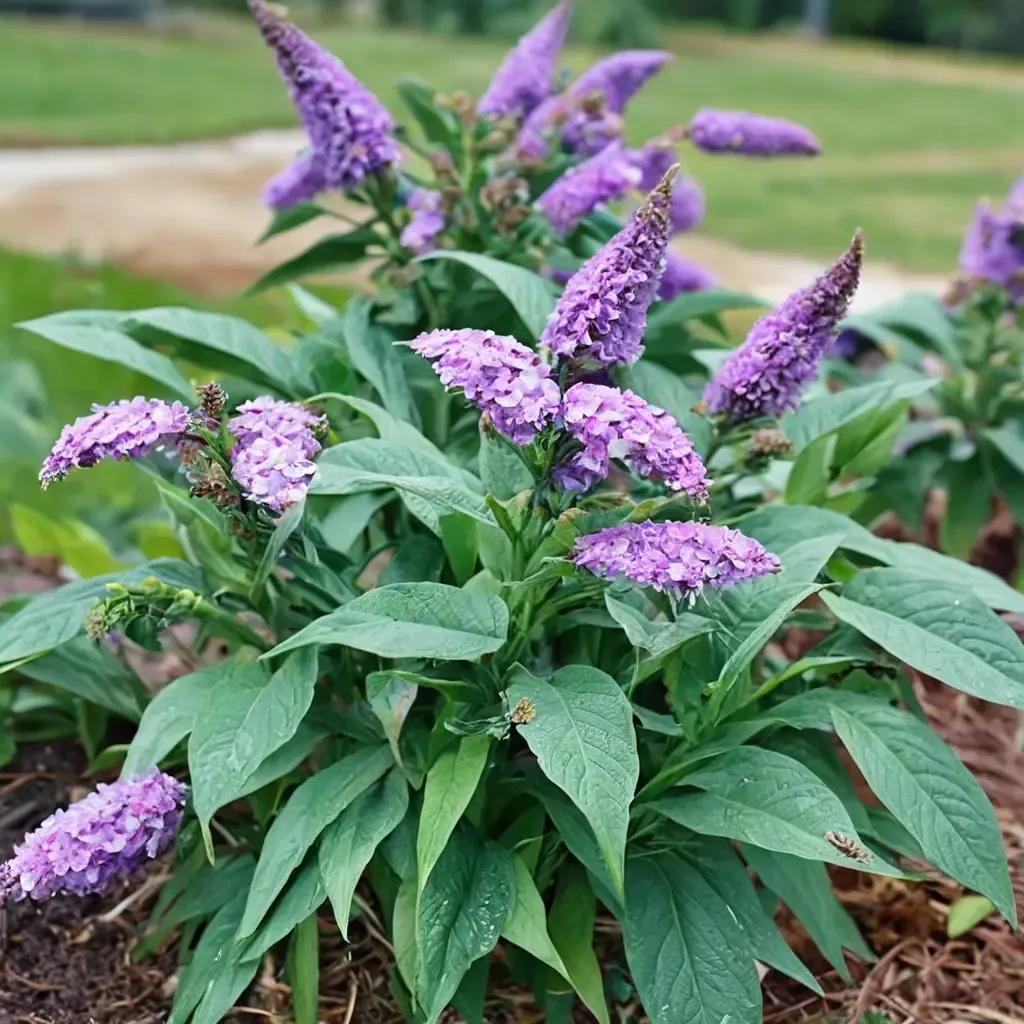
Pugster Amethyst Butterfly Bush
Buddleja davidii 'Pugster Amethyst'
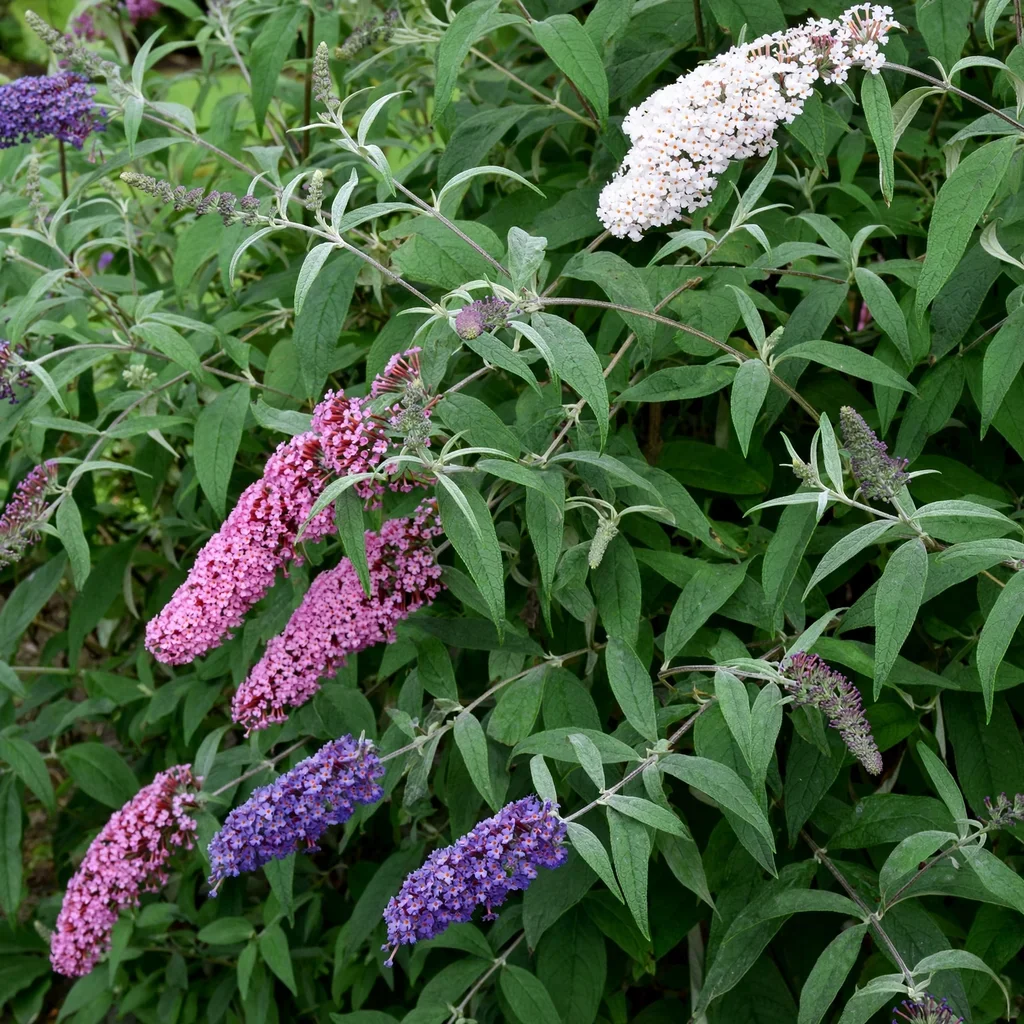
Trio Butterfly Bush
Buddleja davidii 'Trio'
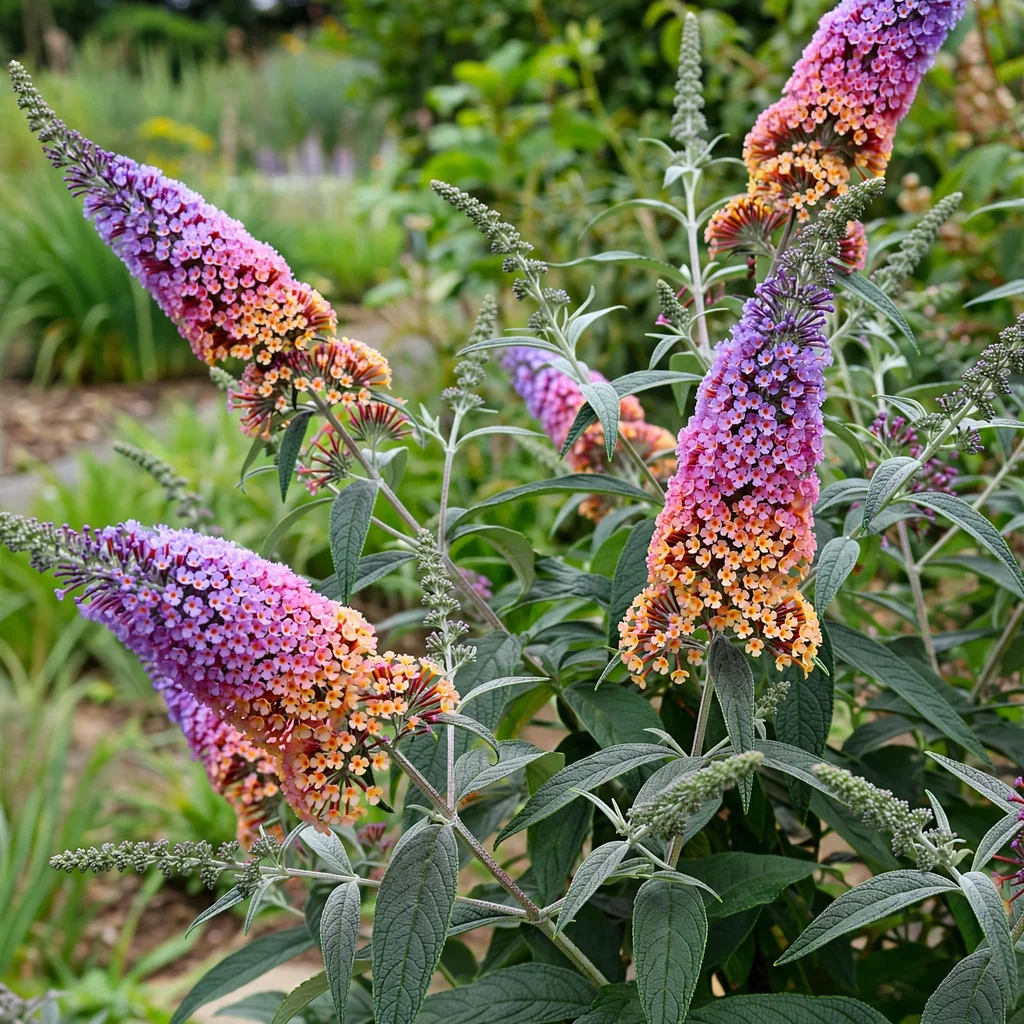
Bicolor Butterfly Bush
Buddleja davidii 'Bicolor'
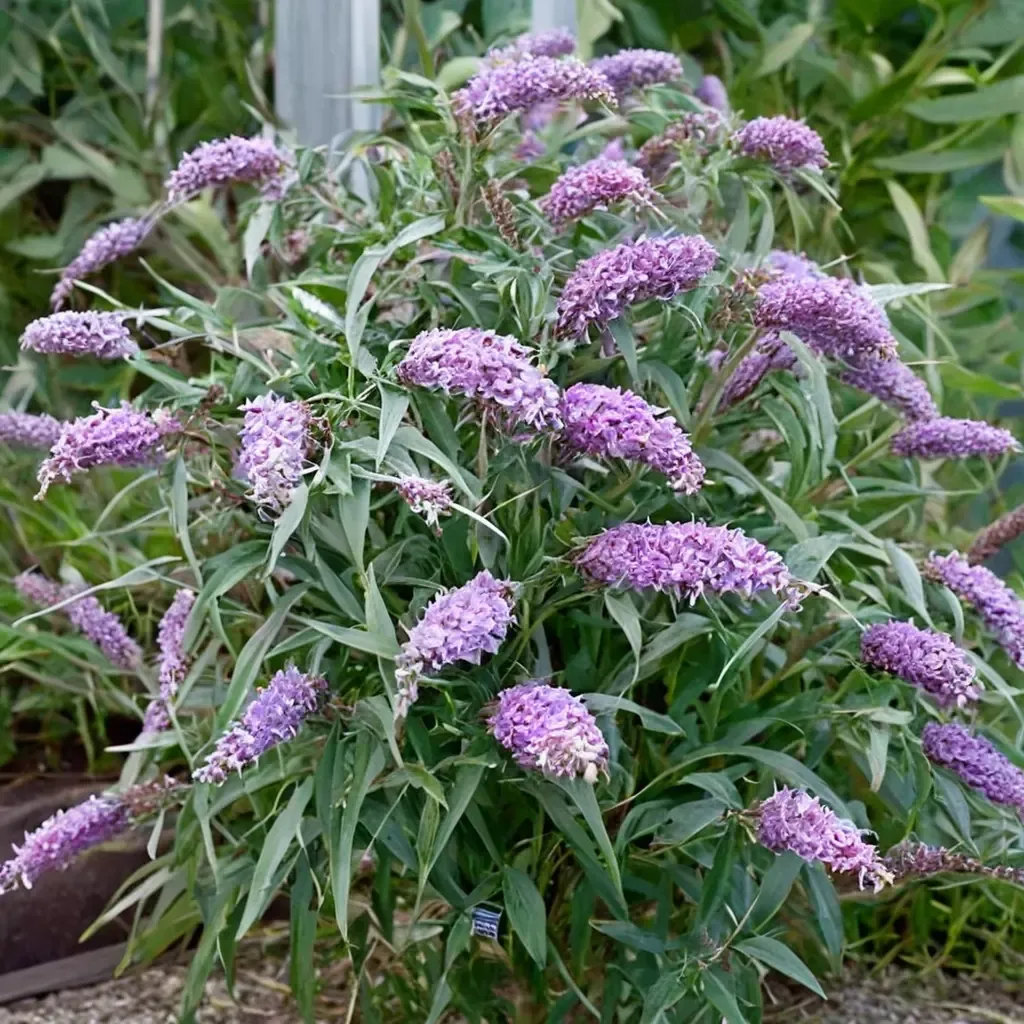
Butterfly Bush
Buddleja davidii
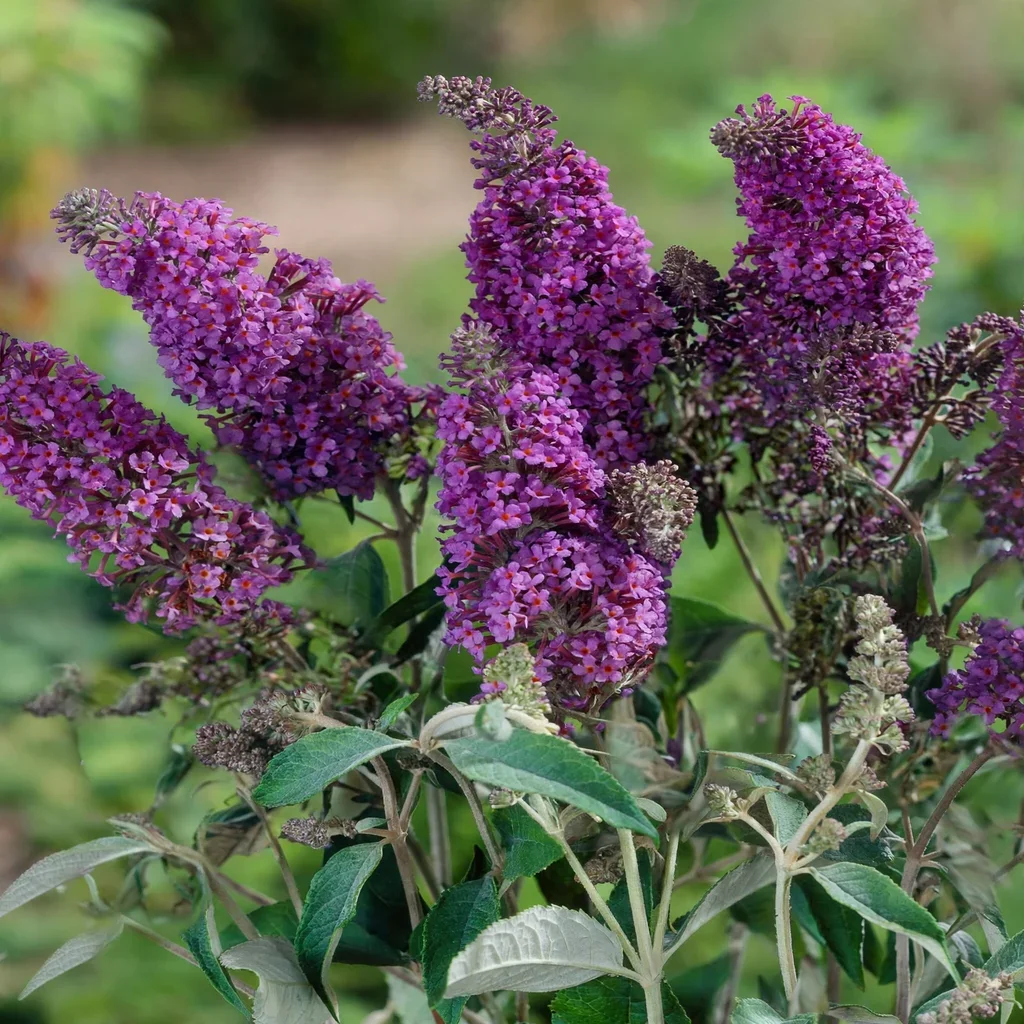
Butterfly Bush Purple Prince
Buddleja davidii 'Purple Prince'
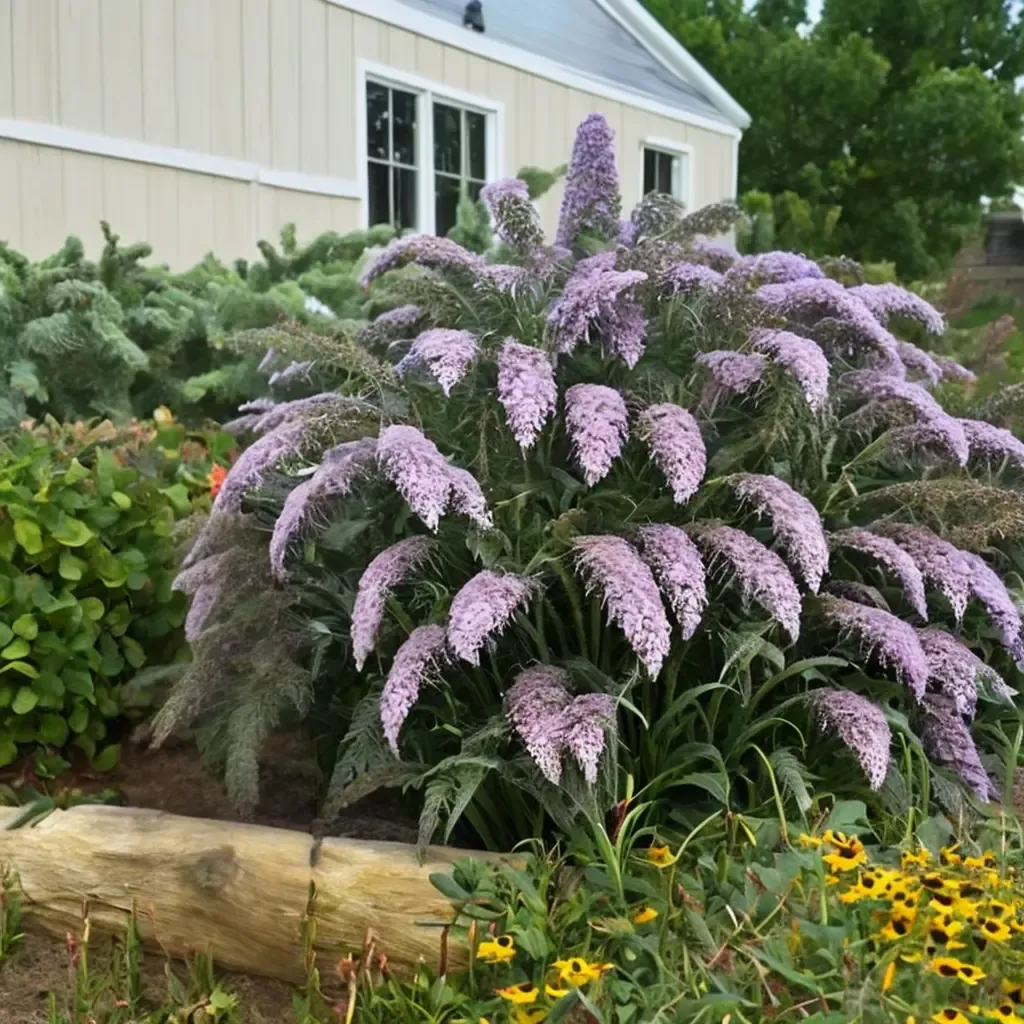
Grand Cascade Butterfly Bush
Buddleja davidii 'Grand Cascade'
Keep exploring
Hardy in your zone?
Grow Himalayan Butterfly Bush with confidence
See it in a design of your actual yard, get zone-matched care reminders, and track it season by season in your garden journal.