The Story
Plant Bio
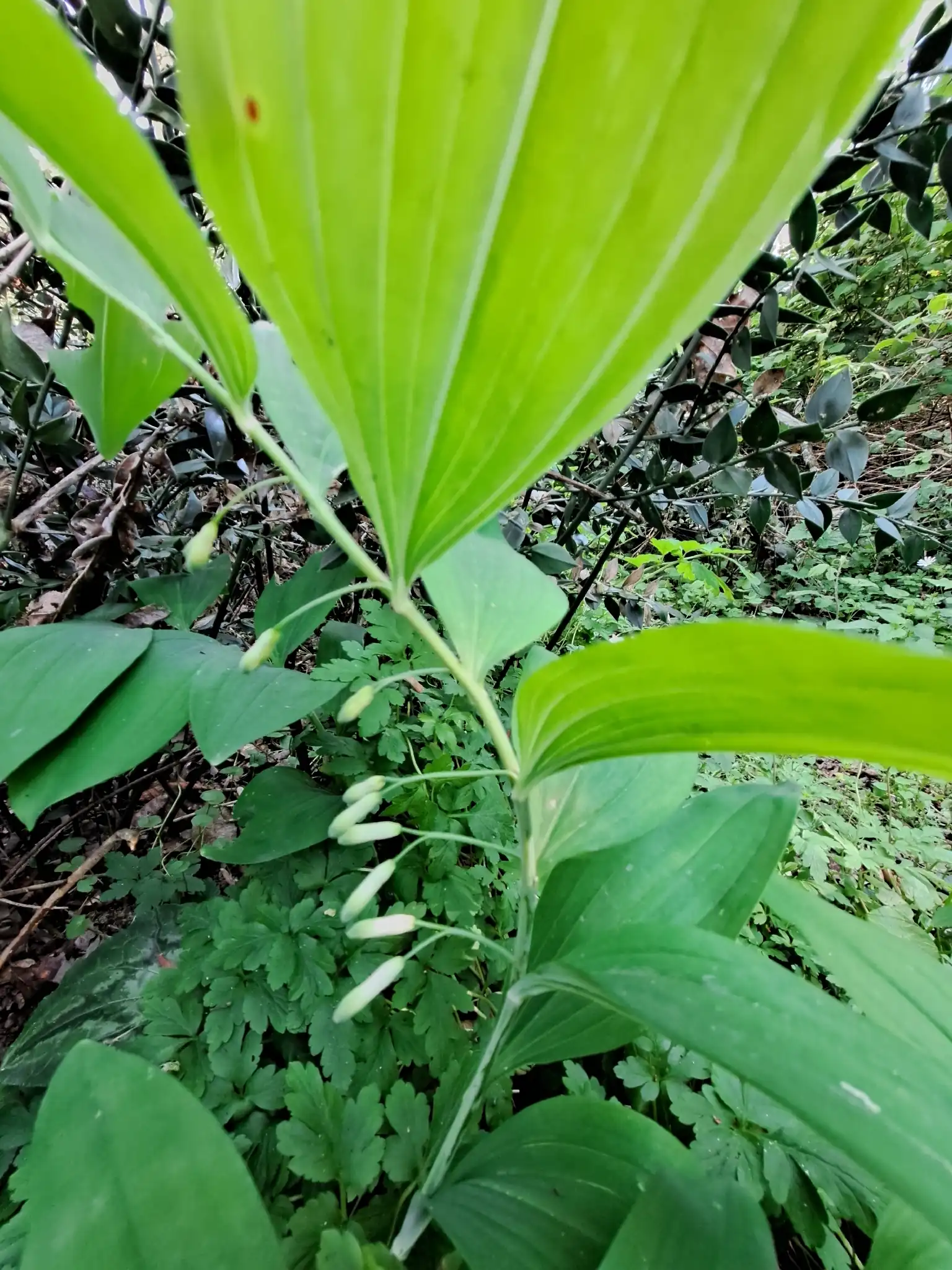
Polygonatum multiflorum is a rhizomatous herbaceous perennial forming clumps of unbranched, arching stems lined with smooth, oval green leaves arranged in two neat rows. In late spring, small clusters of pendulous, tubular white flowers with green-tipped lobes hang beneath the foliage along the stem undersides.
This Eurasian species produces flowers in axillary clusters of two to six, distinguishing it from species with solitary blooms. Pollinated flowers develop into dark blue-black berries in fall, though all plant tissues contain toxic cardiac glycosides and saponins.
Uses & Benefits:
Essentials
At a Glance
Plant Type
Perennial
Height
47"
Width
35"
Light
Partial Sun, Shade
Zones
4, 5, 6, 7, 8
Water
Moderate
Humidity
Moderate to High
Lifespan
Perennial
Native To
Europe and Temperate Asia
Toxicity
Toxic if ingested
Bloom period
Late spring – Early summer
In flower about 2 months of the year
Planting
How to Grow
- Select a planting site in partial to full shade with rich, organic soil that drains freely.
- Plant horizontal rhizomes two inches deep, laying them flat with buds pointing upward.
- Water thoroughly after planting and maintain consistent moisture throughout the active growing season.
- Apply a two-inch layer of organic leaf mold or compost annually in early spring to cool roots and preserve moisture.
Pro Tip
Allow arching stems to turn yellow and die back naturally in fall before cutting them to ground level, as premature pruning deprives underground rhizomes of stored energy.
Keep It Thriving
Care Guide
Do
- Keep soil consistently moist, especially during summer heat.
- Provide protection from harsh, direct afternoon sun.
- Top-dress clumps with leaf mold or compost each spring.
Don't
- Do not cut down green stems immediately after flowering finishes.
- Avoid waterlogged sites where horizontal rhizomes remain saturated.
- Do not plant in dry, exposed soils without supplemental irrigation.
Seasonal Care Calendar
| Task | Jan | Feb | Mar | Apr | May | Jun | Jul | Aug | Sep | Oct | Nov | Dec |
|---|---|---|---|---|---|---|---|---|---|---|---|---|
| Divide | ||||||||||||
| Pest Check | ||||||||||||
| Spring Cleanup | ||||||||||||
| Winter Prep |
Watch Out For
Pests & Diseases
Common Pests
Common Diseases
In the Garden
Landscape Uses & Companions
Landscape Uses
Multiply
Propagation Methods
Good to Know
Common Questions
Common Solomon's Seal questions
What zones can Common Solomon's Seal grow in?
Common Solomon's Seal is hardy in USDA Zones 4–8: in that range it survives winter in the ground. Warmer than Zone 8, winter isn't the problem: it prefers colder winters, and summer heat can shorten its life.
Is Common Solomon's Seal deer resistant?
Not reliably. Deer may browse Common Solomon's Seal, especially tender spring growth — plan on repellents or fencing where pressure is high.
When does Common Solomon's Seal bloom?
Common Solomon's Seal typically blooms from late spring to early summer. Exact timing shifts a week or two with your zone — Sow's bloom calendar maps it to your garden.
Does Common Solomon's Seal need full sun?
Common Solomon's Seal does best in part shade.
More Polygonatum to compare
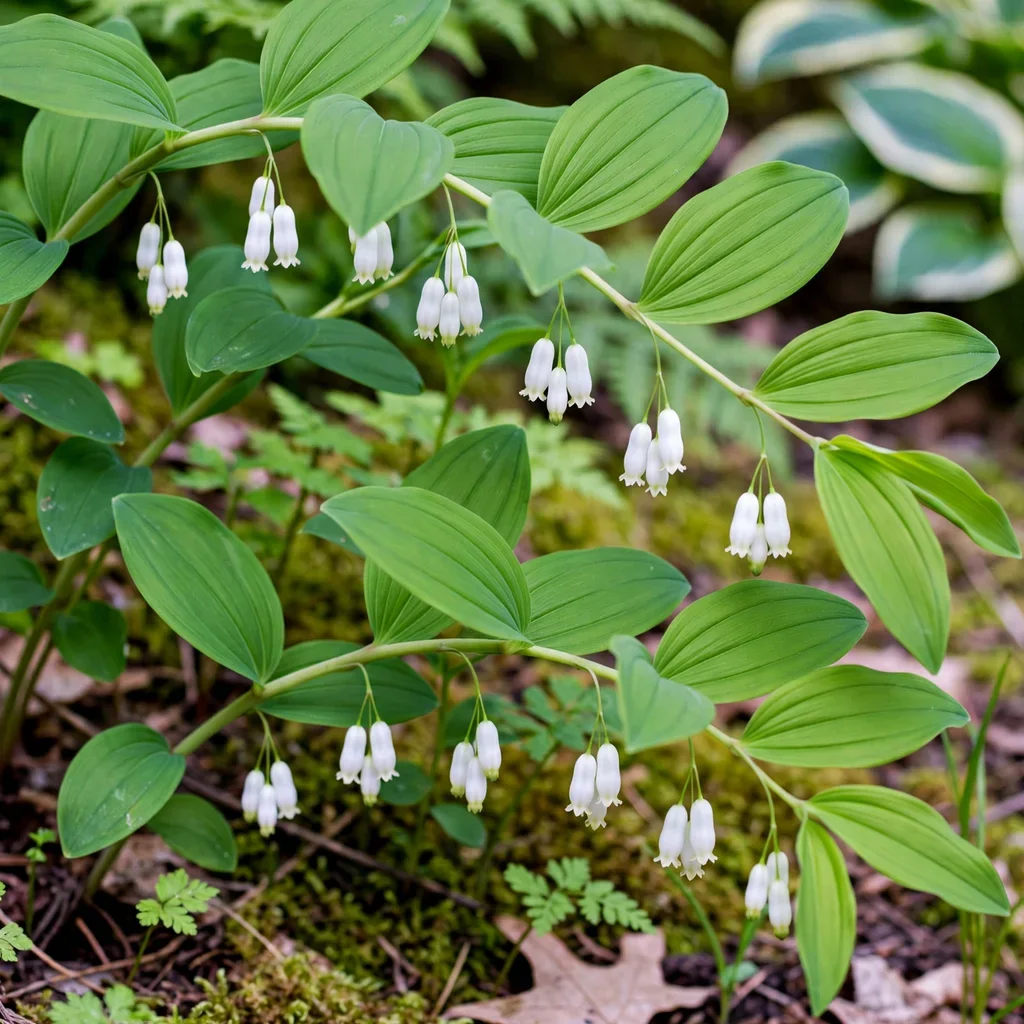
Solomon's Seal
Polygonatum biflorum
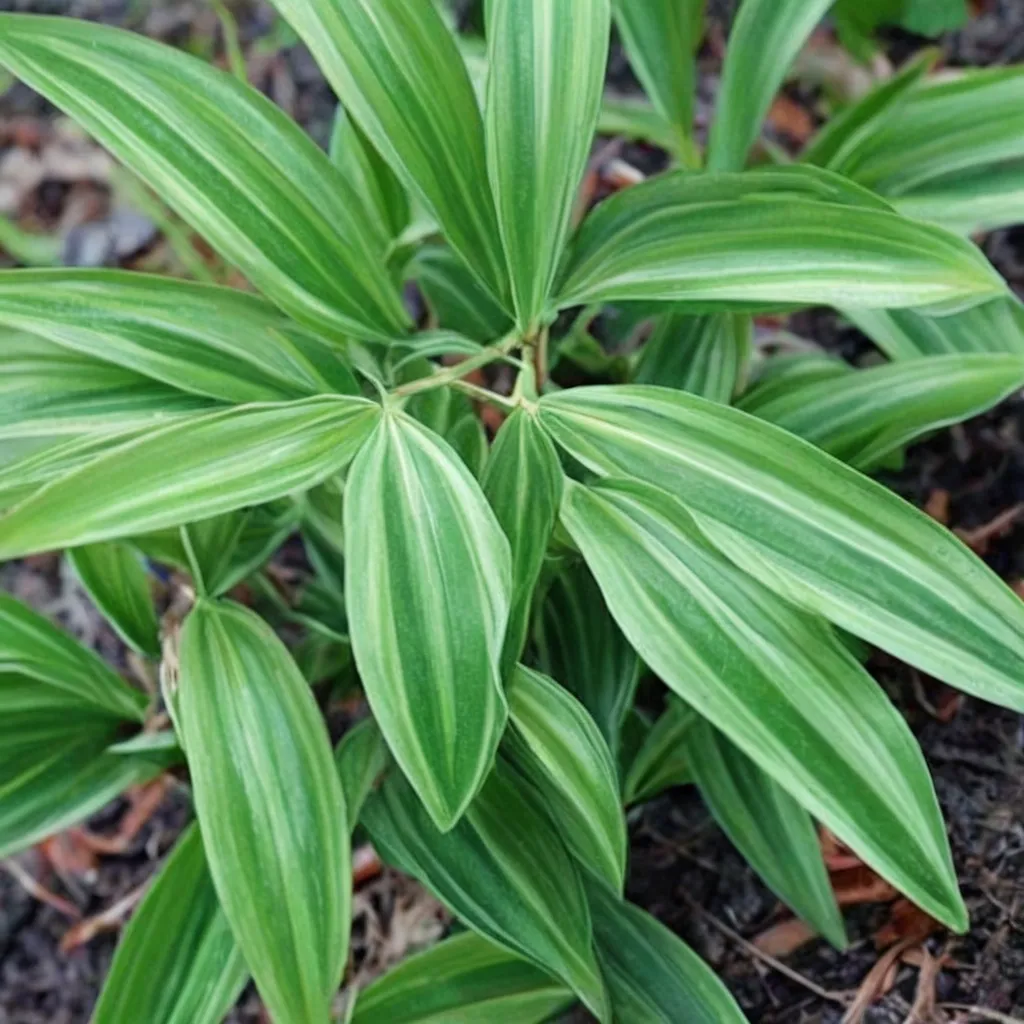
Falcate Solomon's Seal Silver Lining
Polygonatum falcatum 'Silver Lining'
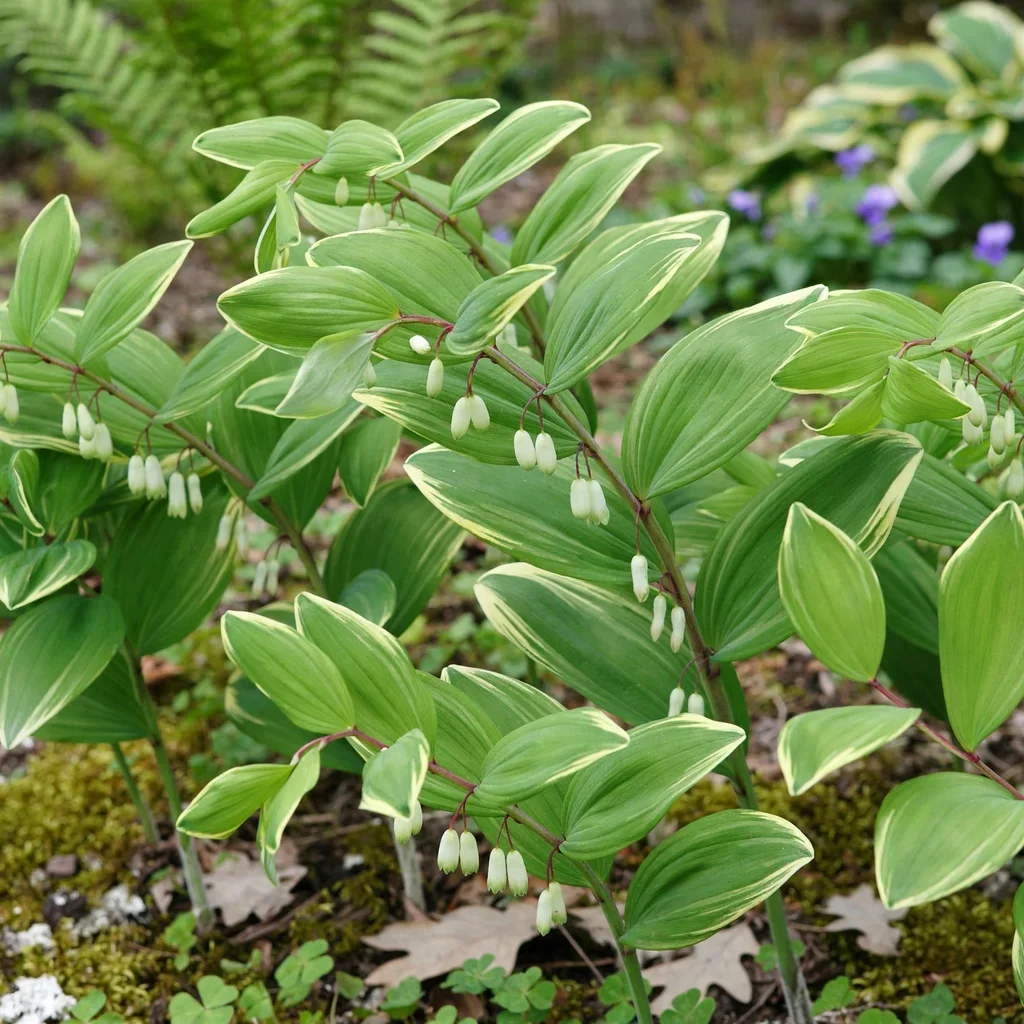
Variegated Solomon's Seal
Polygonatum odoratum 'Variegatum'
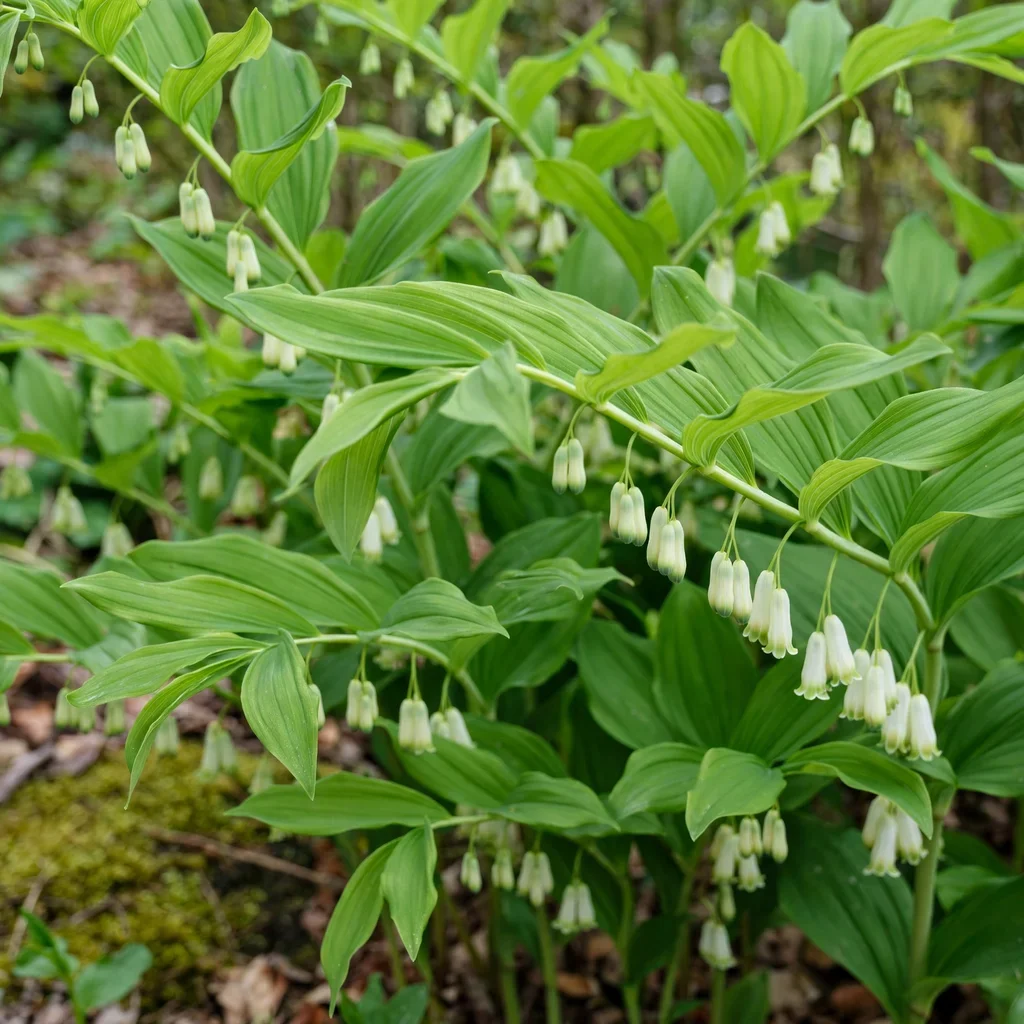
Great Solomon's Seal
Polygonatum biflorum 'commutatum'
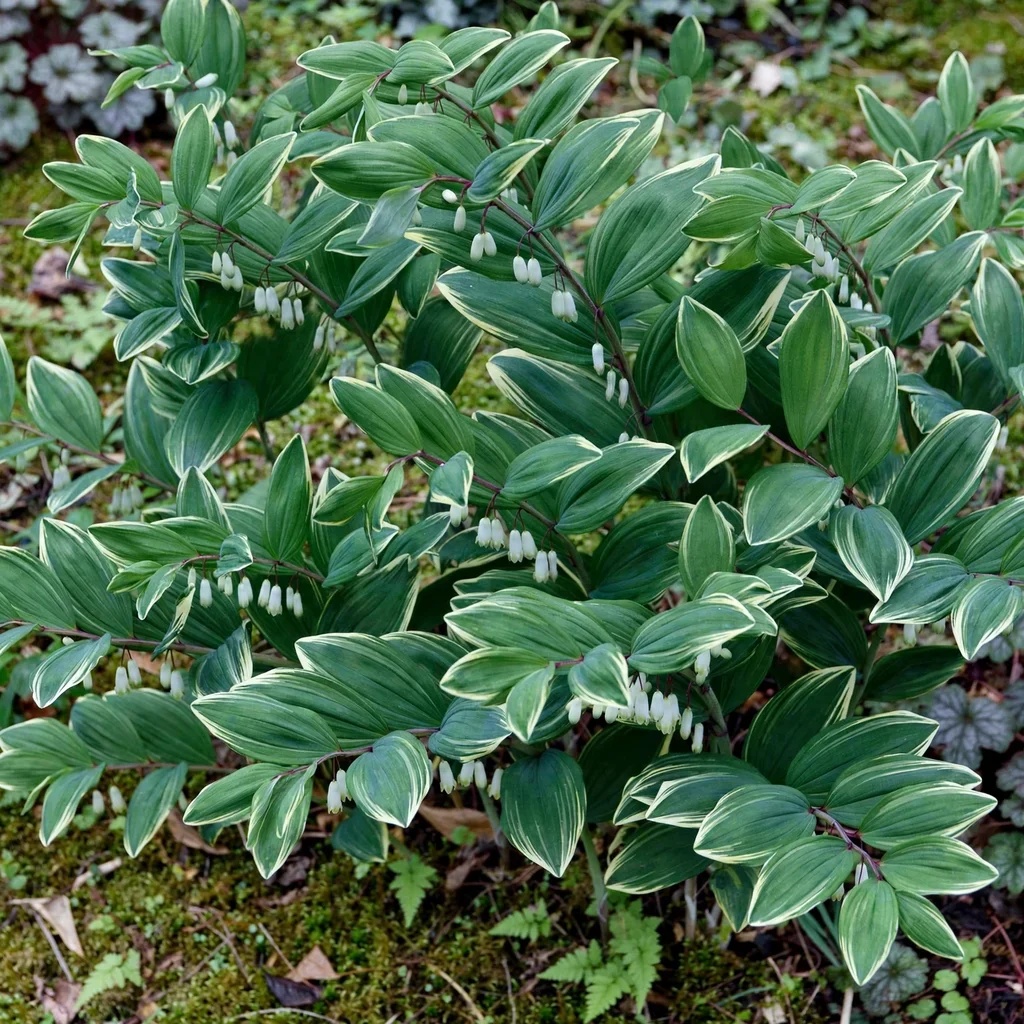
Solomon's Seal Grace Barker
Polygonatum x hybridum 'Grace Barker'
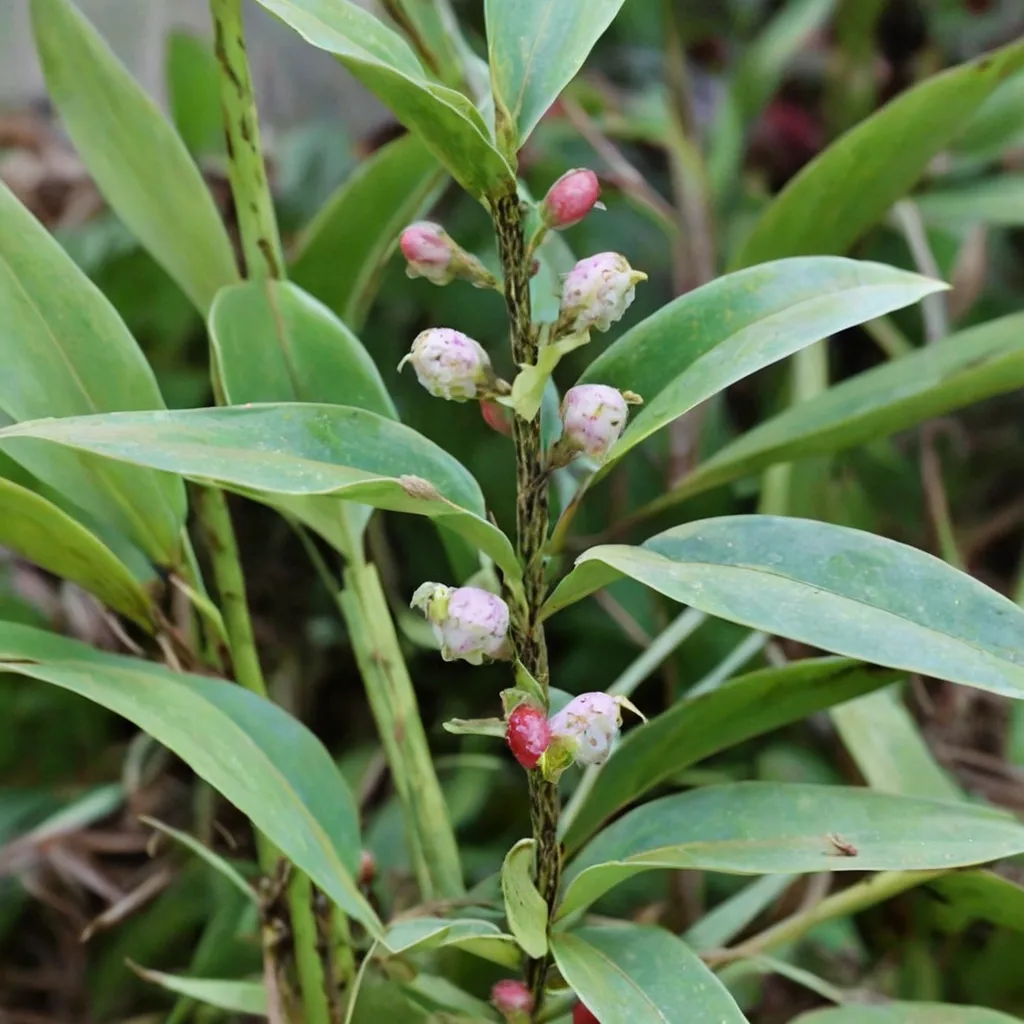
Spotted Solomon's Seal
Polygonatum punctatum 'BSWJ2395'
Keep exploring
Explore the genus
Hardy in your zone?
Grow Common Solomon's Seal with confidence
See it in a design of your actual yard, get zone-matched care reminders, and track it season by season in your garden journal.