The Story
Plant Bio
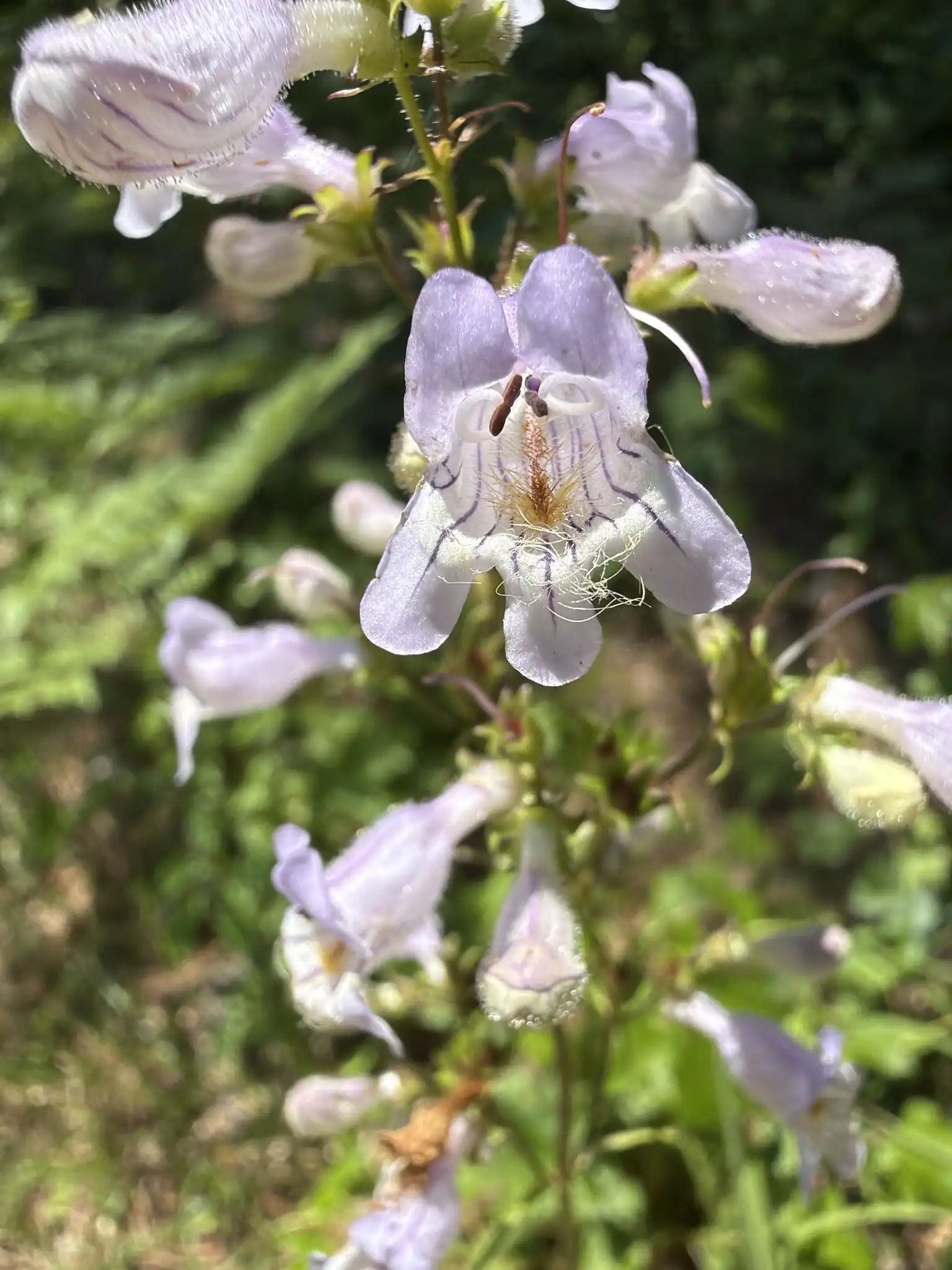
Penstemon laevigatus, the eastern smooth beardtongue, is an erect herbaceous perennial forming a basal rosette with upright green to burgundy-red stems one to four feet tall. The dark green oblong-lanceolate leaves are carried in opposite pairs along the stems, and open racemes of tubular flowers line the upper stems in early summer.
The flowers are pale purple to lavender-purple tubes with a hairy lower lip that admits long-tongued bees and bumblebees, separating it from white-flowered Penstemon digitalis with hairy anthers and a smaller corolla. It accepts rich moist loam better than most beardtongues, though crowns rot where water stands over winter.
Uses & Benefits:
Essentials
At a Glance
Plant Type
Perennial
Height
36"
Width
24"
Light
Full Sun, Partial Sun
Zones
5, 6, 7, 8, 9
Water
Medium
Humidity
Average
Lifespan
Perennial
Native To
Eastern United States
Toxicity
Unknown
Bloom period
Late spring – Summer
In flower about 4 months of the year
Planting
How to Grow
- Plant in full sun to partial shade in rich, moist loam that drains after rain.
- Set the crown at soil level and water in, then keep evenly moist through the first summer.
- Cut spent flower stems back to the basal foliage after bloom to limit self-sowing.
- Leave the rosette through fall and clear only damaged leaves in early spring.
Pro Tip
Set crowns slightly high in loam that drains after rain; winter wet kills more plants than cold.
Keep It Thriving
Care Guide
Do
- Grow in moist, organic loam with air movement around the foliage.
- Deadhead after the main flush if you do not want seedlings.
- Divide or replant from seed every few years to renew vigor.
Don't
- Do not plant in low spots where water stands over winter.
- Do not overwater or fertilize heavily to force soft growth.
- Do not cut back the basal rosette hard in fall.
Seasonal Care Calendar
| Task | Jan | Feb | Mar | Apr | May | Jun | Jul | Aug | Sep | Oct | Nov | Dec |
|---|---|---|---|---|---|---|---|---|---|---|---|---|
| Deadhead | ||||||||||||
| Pest Check | ||||||||||||
| Plant | ||||||||||||
| Propagate | ||||||||||||
| Spring Cleanup |
Watch Out For
Pests & Diseases
Common Pests
Common Diseases
In the Garden
Landscape Uses & Companions
Landscape Uses
Multiply
Propagation Methods
Good to Know
Common Questions
Eastern Smooth Beardtongue questions
What zones can Eastern Smooth Beardtongue grow in?
Eastern Smooth Beardtongue is hardy in USDA Zones 5–9: in that range it survives winter in the ground. Colder than Zone 5, grow it in a container you can move to shelter for the winter, or as an annual. Warmer than Zone 9, winter isn't the problem: it prefers colder winters, and summer heat can shorten its life.
Is Eastern Smooth Beardtongue deer resistant?
Yes — Eastern Smooth Beardtongue is rated deer-resistant. Deer typically pass it over, though extreme hunger can override any plant's defenses.
When does Eastern Smooth Beardtongue bloom?
Eastern Smooth Beardtongue typically blooms from late spring to late summer. Exact timing shifts a week or two with your zone — Sow's bloom calendar maps it to your garden.
Does Eastern Smooth Beardtongue need full sun?
Eastern Smooth Beardtongue does best in full sun to part shade. In hot climates, afternoon shade keeps blooms fresher longer.
More Penstemon to compare
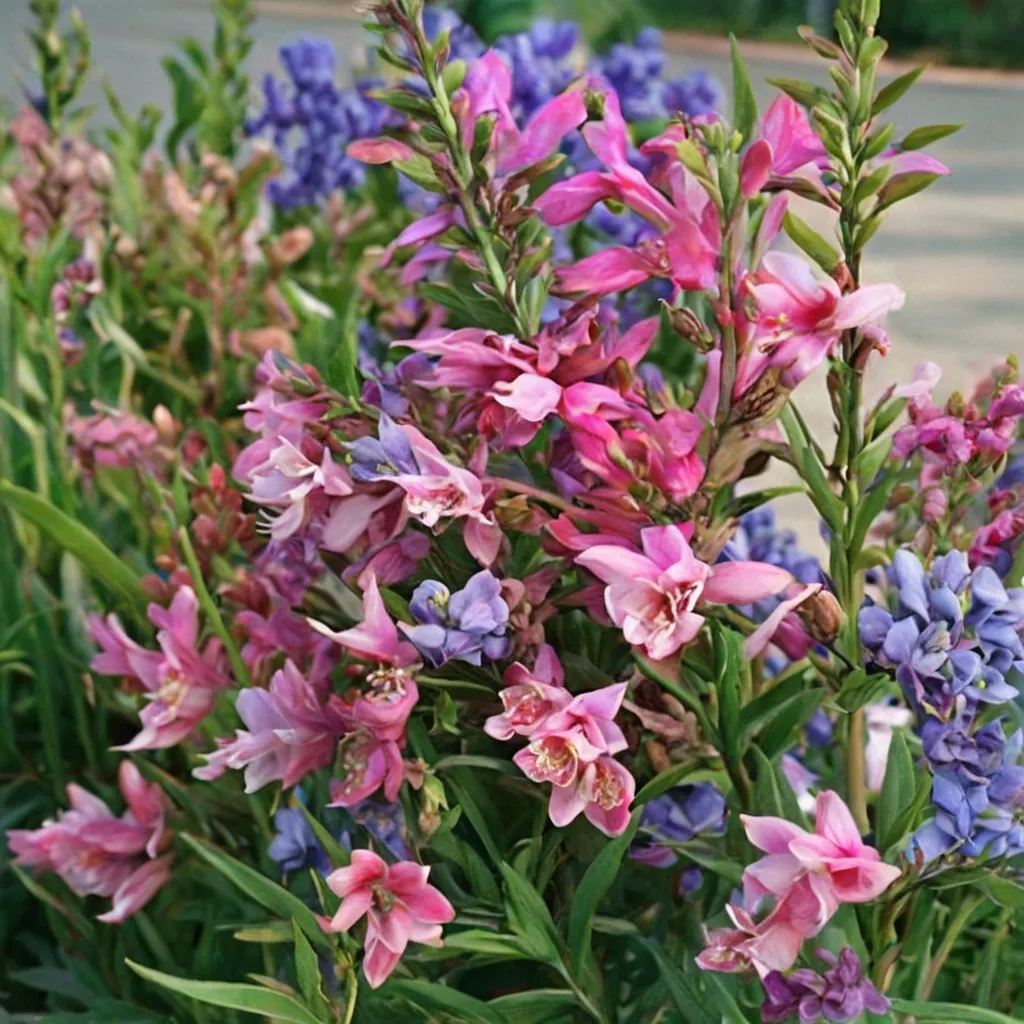
Beardtongue Rondo
Penstemon barbatus 'Rondo'
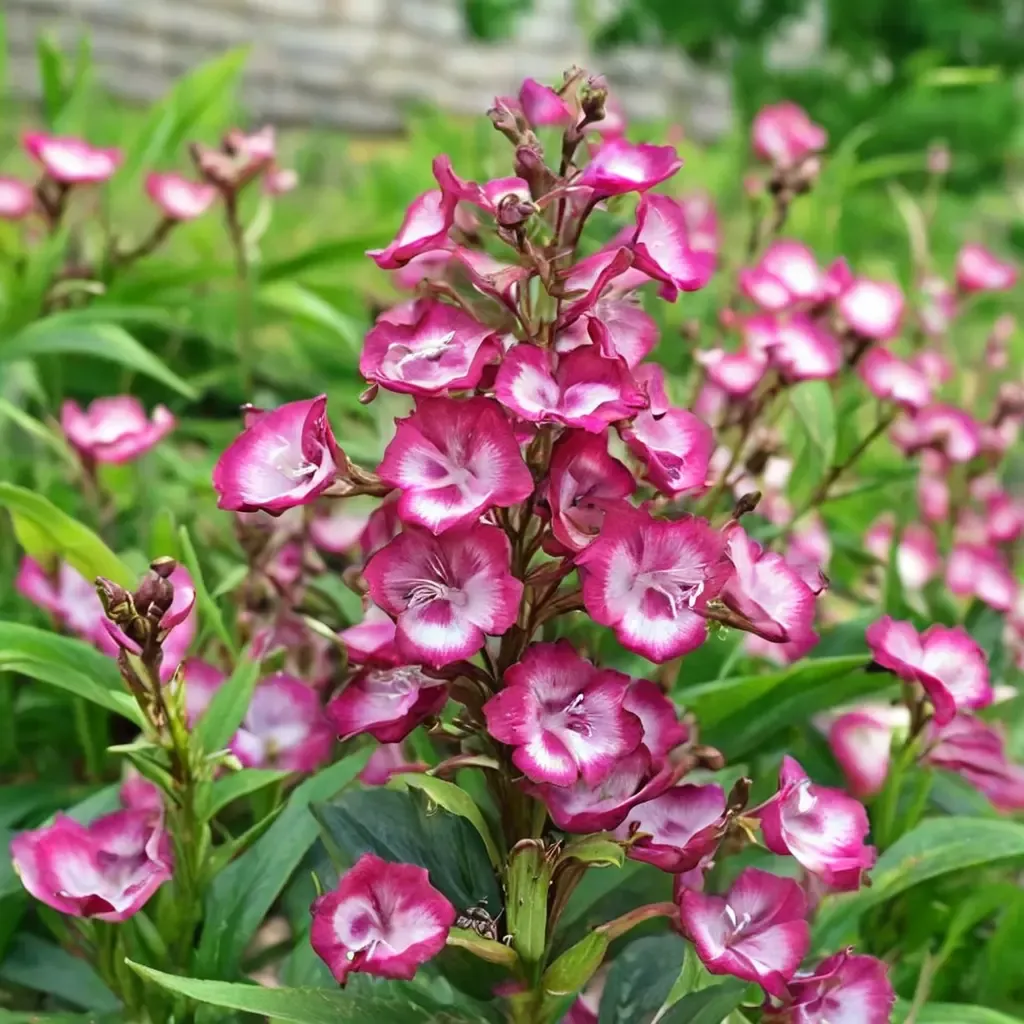
George Home Penstemon
Penstemon digitalis 'George Home'
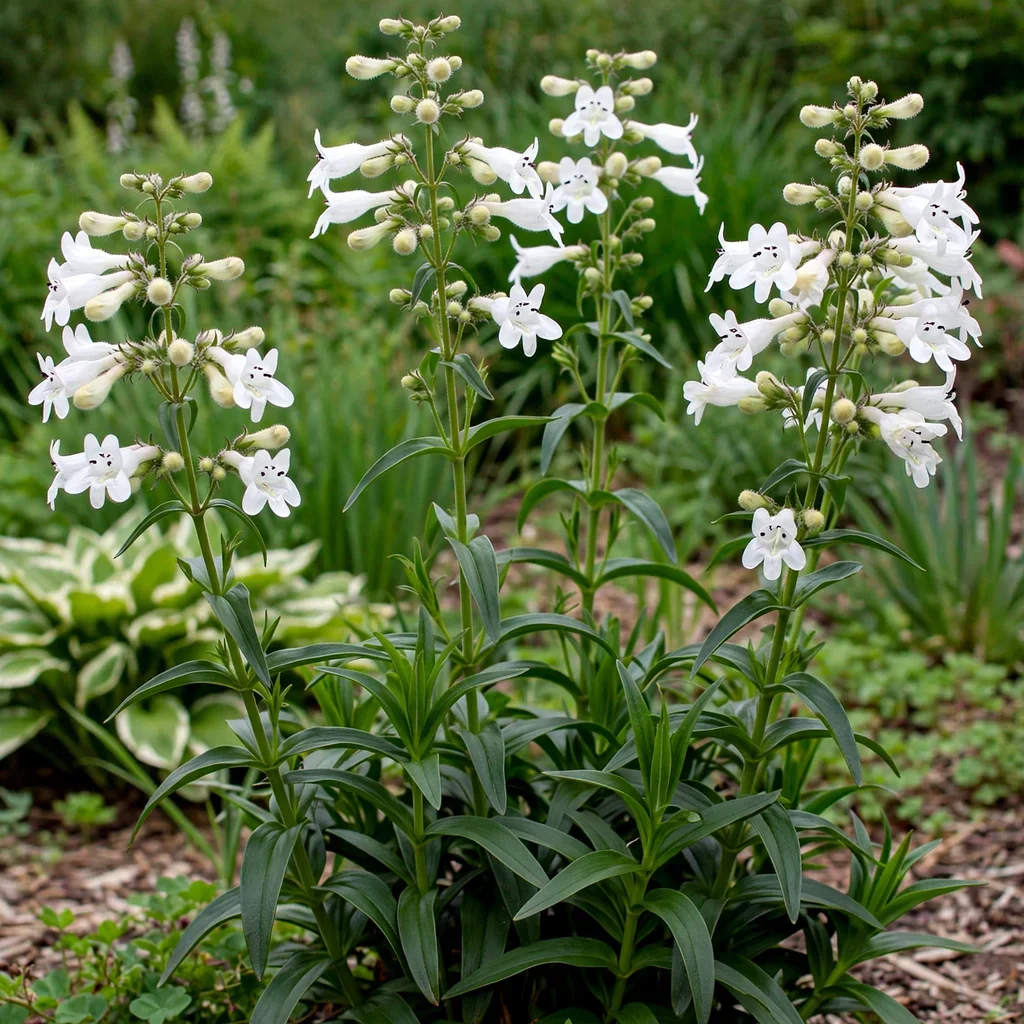
Foxglove Beardtongue
Penstemon digitalis
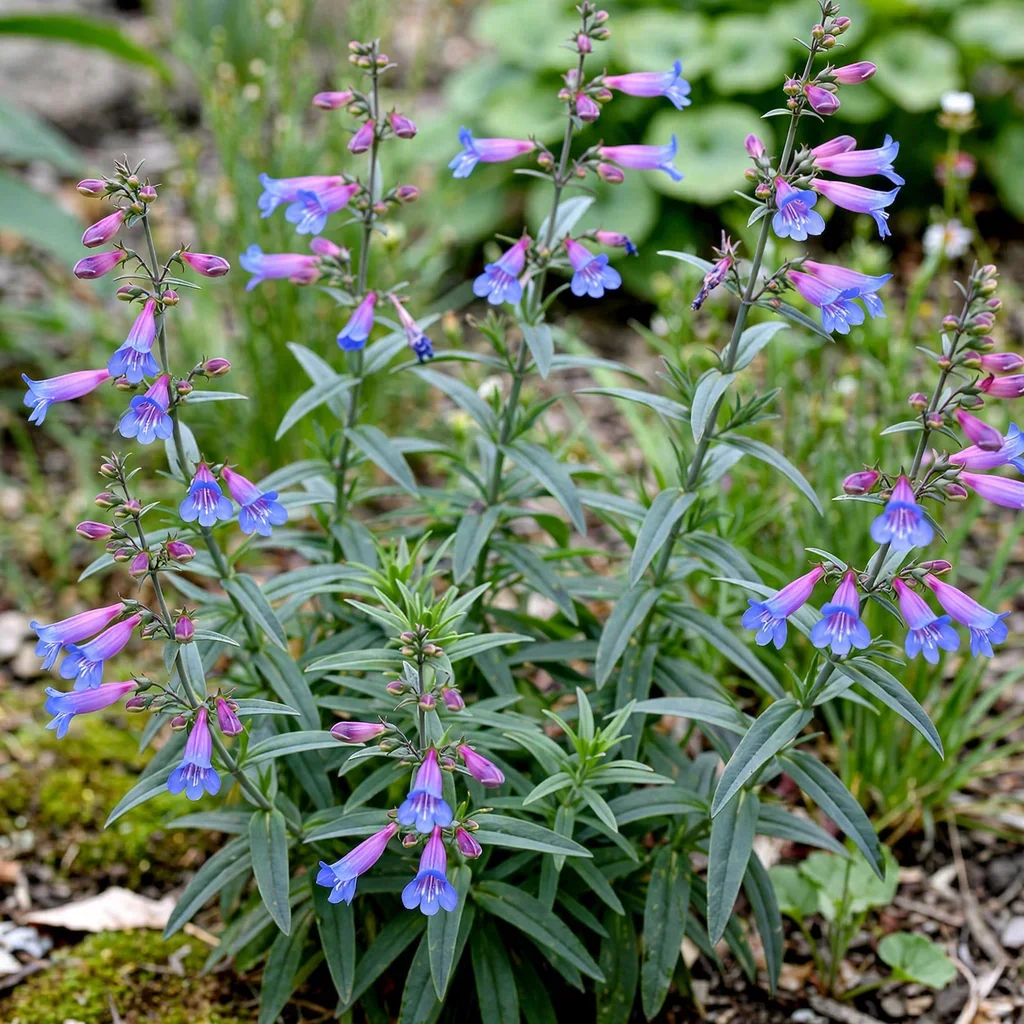
Blue Springs Penstemon
Penstemon heterophyllus 'Blue Springs'
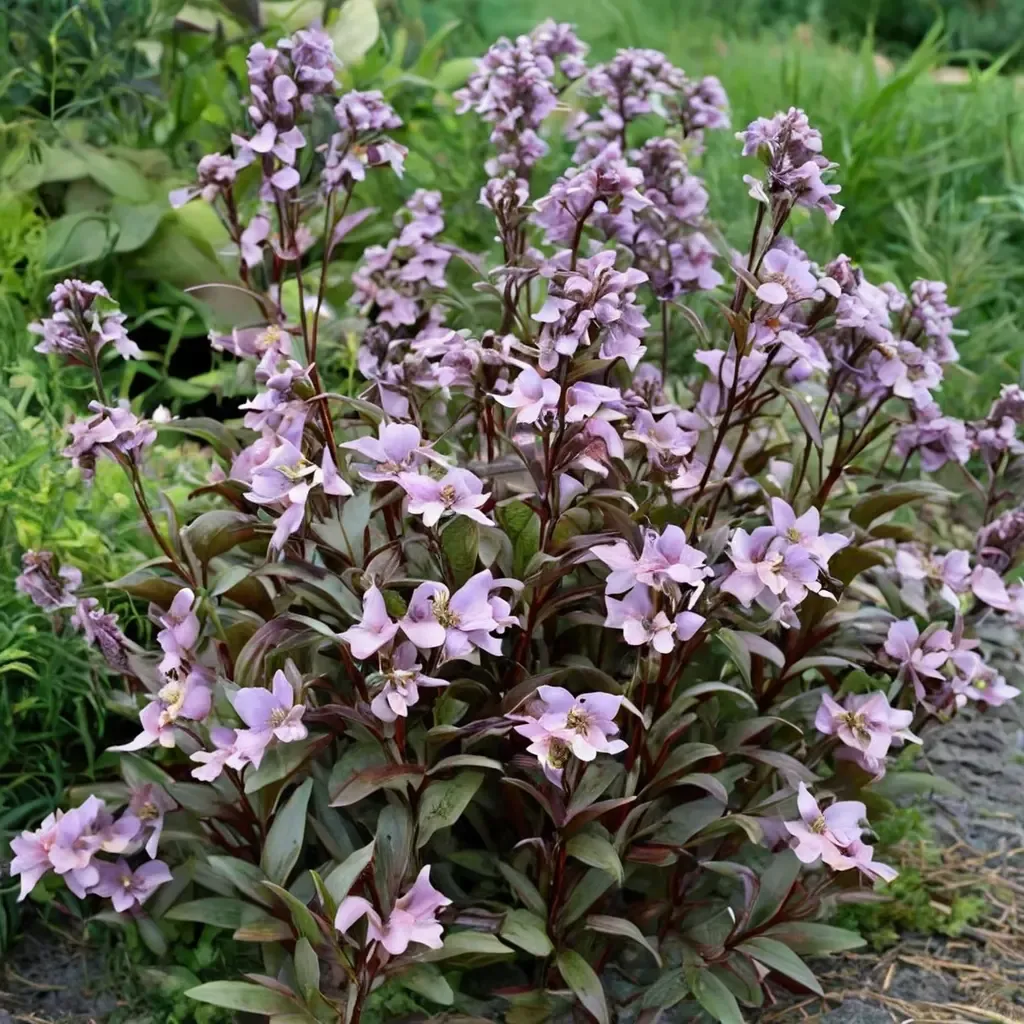
Blackbeard Beardtongue
Penstemon digitalis 'Blackbeard'
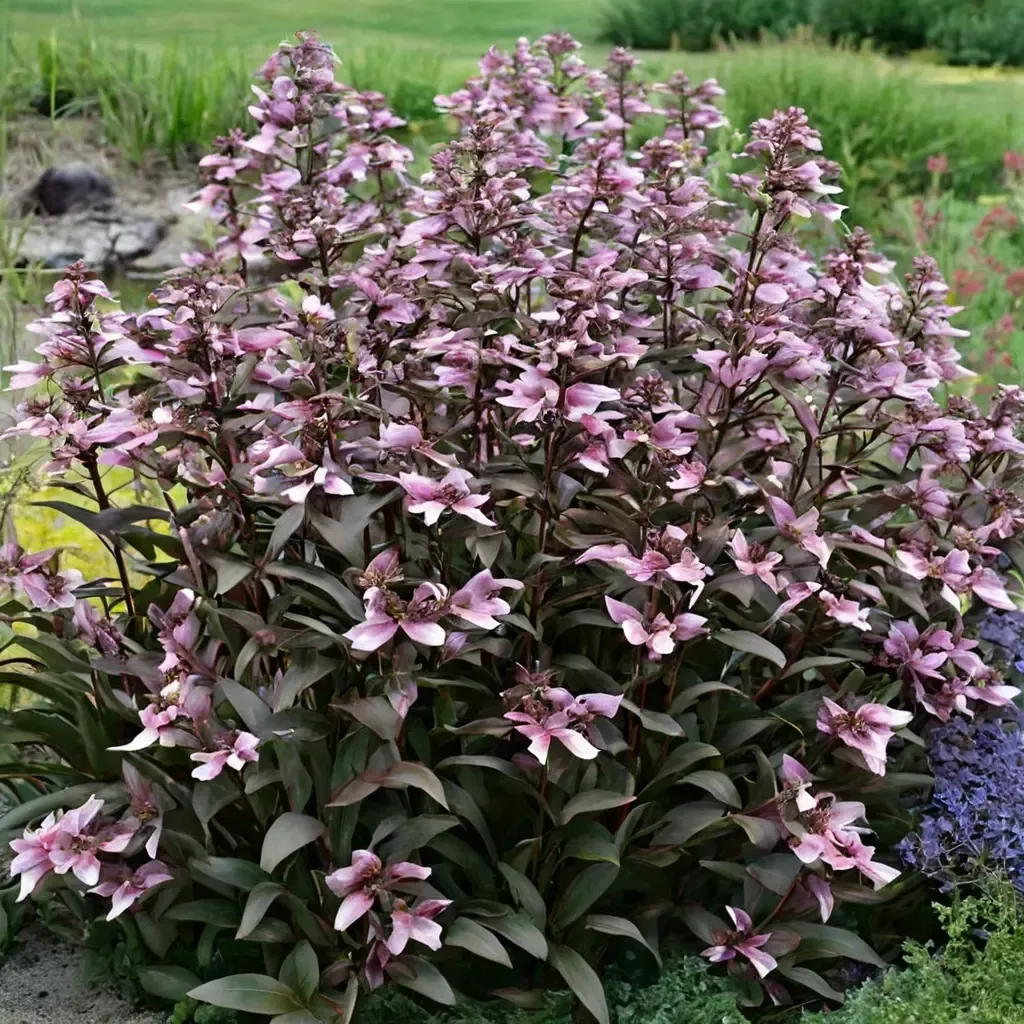
Dark Towers Penstemon
Penstemon digitalis 'Dark Towers'
Keep exploring
Explore the genus
Hardy in your zone?
Grow Eastern Smooth Beardtongue with confidence
See it in a design of your actual yard, get zone-matched care reminders, and track it season by season in your garden journal.