
The Story
Plant Bio
Ipomoea indica is a vigorous perennial twining vine from tropical America, native in the southeast United States from Florida west to Texas. It climbs 15 to 20 feet in a season on stems that root where they touch the ground, with heart-shaped, three-lobed, velvety green leaves.
Sold in the trade as Ipomoea acuminata or Ipomoea acuminata 'Blue Dawn', it bears cymes of 3 to 5 funnel-shaped flowers 2 to 4 inches across, electric blue to violet-blue with a white throat. Each flower fades to purple-pink through the day; do not confuse this perennial vine with the annual common morning glory, Ipomoea purpurea.
Uses & Benefits:
Essentials
At a Glance
Plant Type
Vine
Height
240"
Width
36"
Light
Full Sun
Zones
9, 10
Water
Medium
Humidity
Average
Lifespan
Perennial vine
Native To
Tropical America; native in southeast USA from Florida to Texas
Toxicity
Toxic if ingested - seeds poisonous
Bloom period
Early summer – Fall
In flower about 6 months of the year
Planting
How to Grow
- Plant in full sun in humus-rich soil after all frost danger has passed, spacing 3 feet from other plantings.
- Set a sturdy trellis, arbor, or stake at planting time and tie the first shoots to it until they twine on their own.
- Water to establish, then keep soil evenly moist through summer bloom.
- Redirect or trim stems that arch to the ground before they root.
Pro Tip
Train new shoots onto a trellis early and lift or cut stems that touch bare soil to stop them rooting beyond their support.
Keep It Thriving
Care Guide
Do
- Grow in full sun for the strongest blue color and heaviest bloom
- Provide a strong trellis or wire support that holds 20 feet of vine
- Scout leaf undersides weekly in summer for aphids, whiteflies, and mites
Don't
- Do not let stems root into surrounding beds or lawn where they can smother neighbors
- Do not ingest seeds, which are poisonous
- Do not leave frost-killed top growth to mat over the crown through winter
Seasonal Care Calendar
| Task | Jan | Feb | Mar | Apr | May | Jun | Jul | Aug | Sep | Oct | Nov | Dec |
|---|---|---|---|---|---|---|---|---|---|---|---|---|
| Pest Check | ||||||||||||
| Plant | ||||||||||||
| Prune | ||||||||||||
| Stake | ||||||||||||
| Winter Prep |
Watch Out For
Pests & Diseases
Common Pests
Common Diseases
In the Garden
Landscape Uses & Companions
Landscape Uses
Companion Plants
Multiply
Propagation Methods
Good to Know
Common Questions
Blue Dawn Morning Glory questions
What zones can Blue Dawn Morning Glory grow in?
Blue Dawn Morning Glory is hardy in USDA Zones 9–10: in that range it survives winter in the ground. Colder than Zone 9, grow it in a container you can move to shelter for the winter, or as an annual.
When does Blue Dawn Morning Glory bloom?
Blue Dawn Morning Glory typically blooms from summer to fall. Exact timing shifts a week or two with your zone — Sow's bloom calendar maps it to your garden.
Does Blue Dawn Morning Glory need full sun?
Blue Dawn Morning Glory does best in full sun (6+ hours).
More Ipomoea to compare
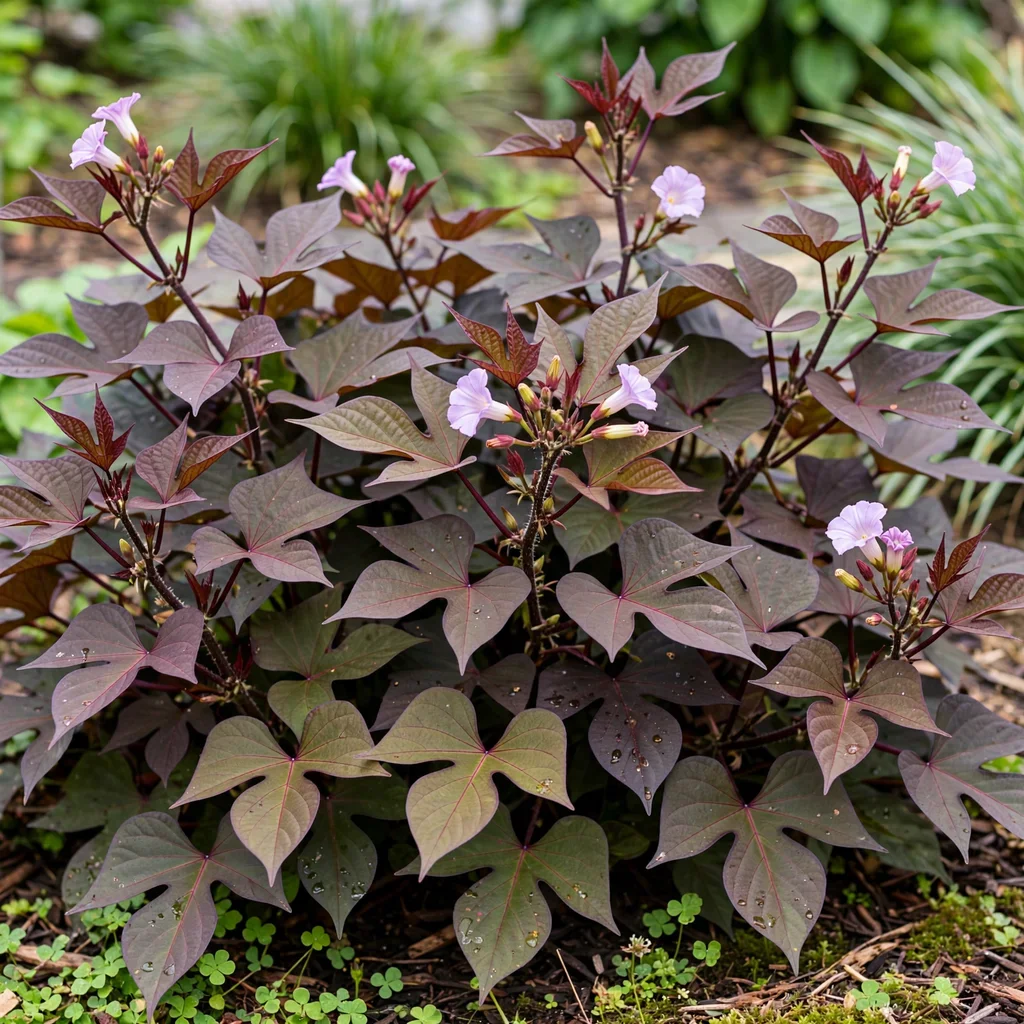
Sweet Potato
Ipomoea batatas 'Sweet Georgia Bronze'
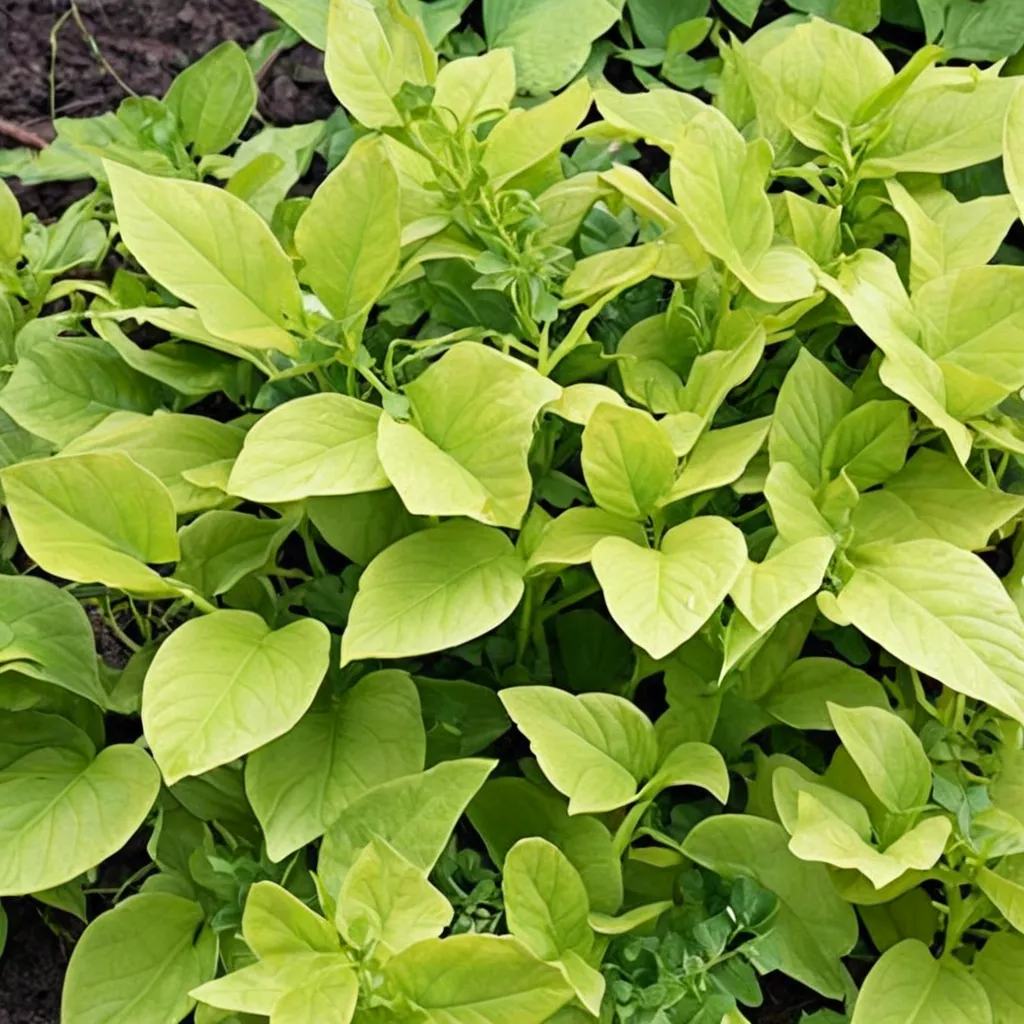
Margarita Sweet Potato Vine
Ipomoea batatas 'Margarita'
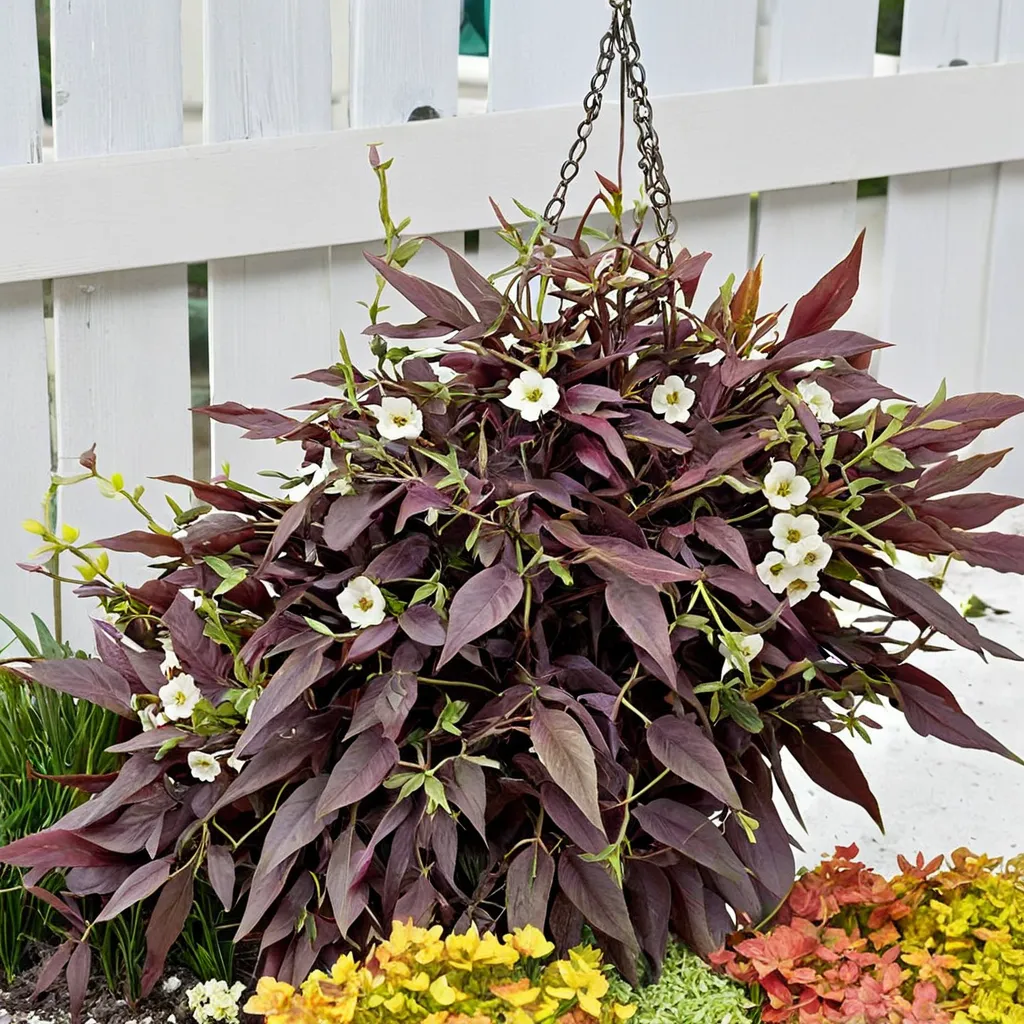
Sweet Caroline Upside Black Coffee Sweet Potato Vine
Ipomoea batatas 'Sweet Caroline Upside Black Coffee'
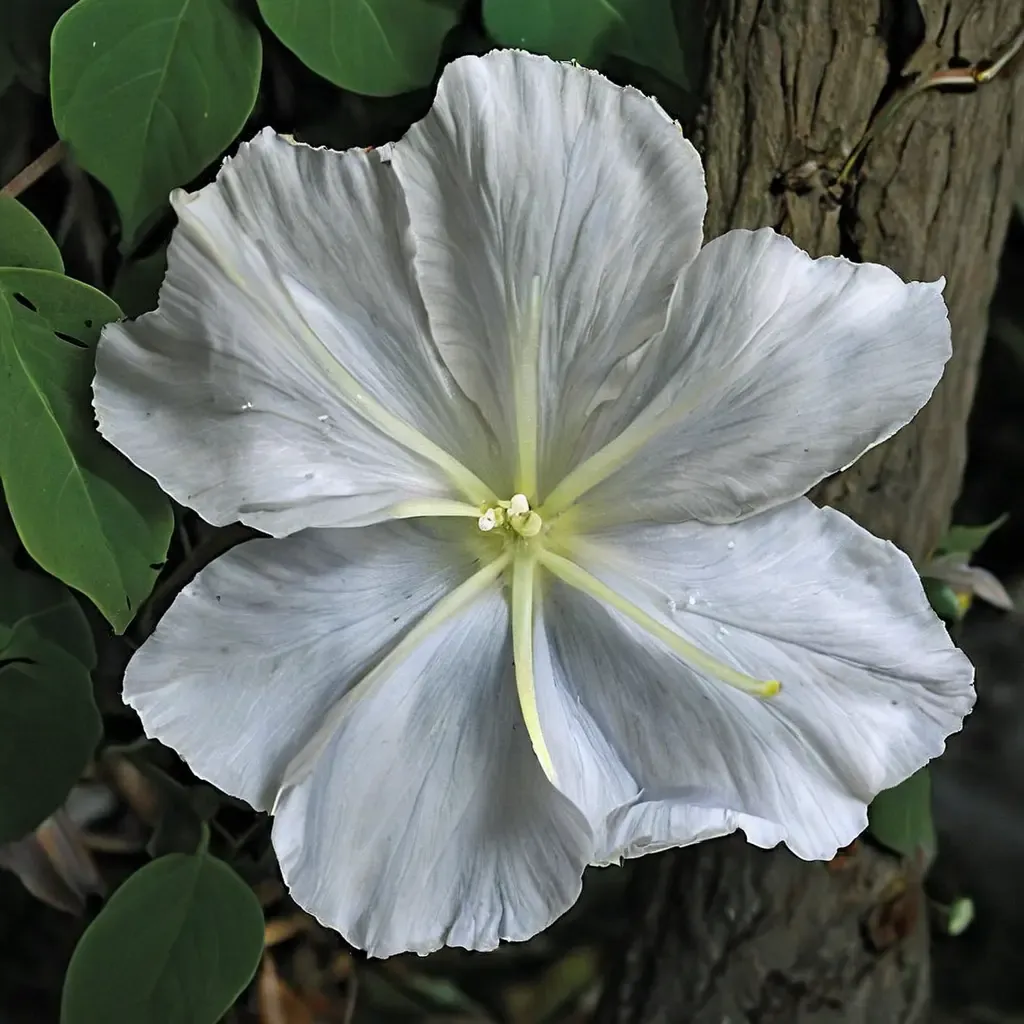
Moonflower
Ipomoea alba
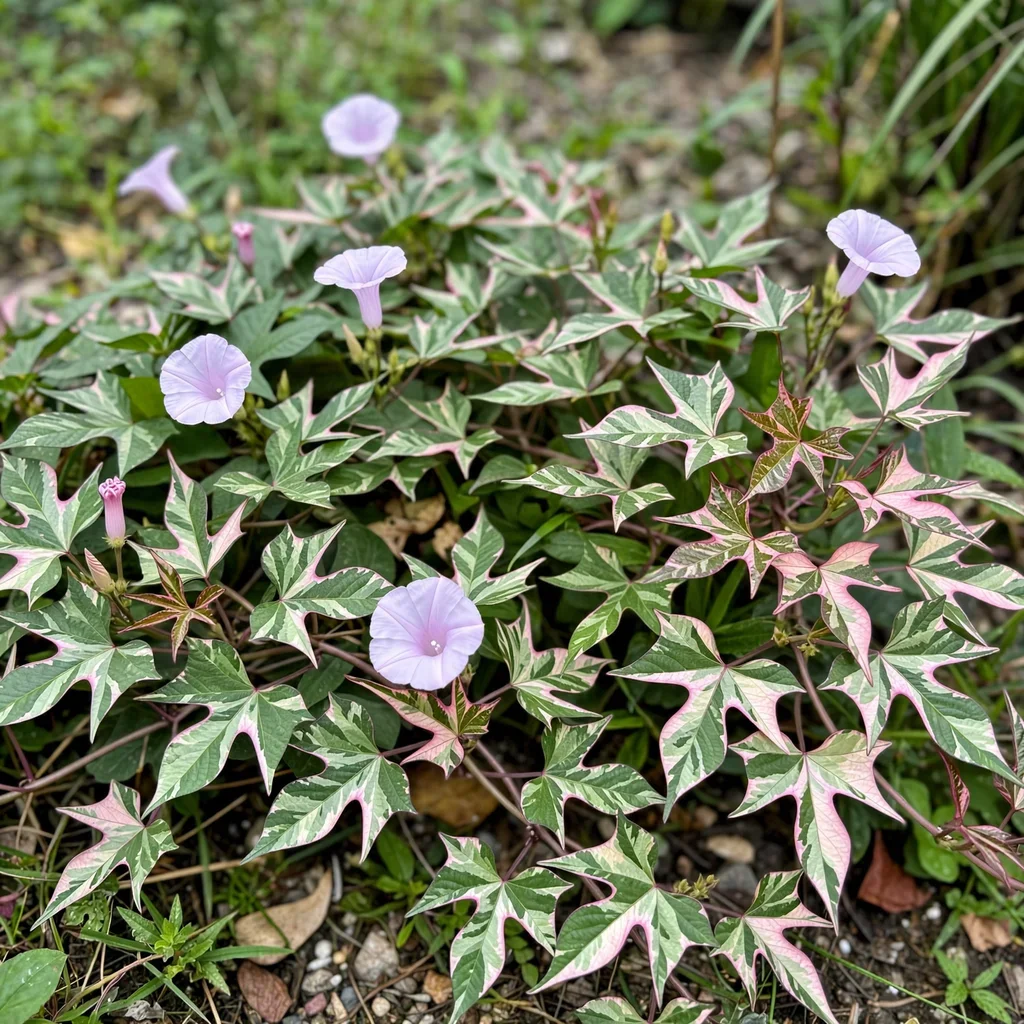
Tricolor Sweet Potato Vine
Ipomoea batatas 'Tricolor'
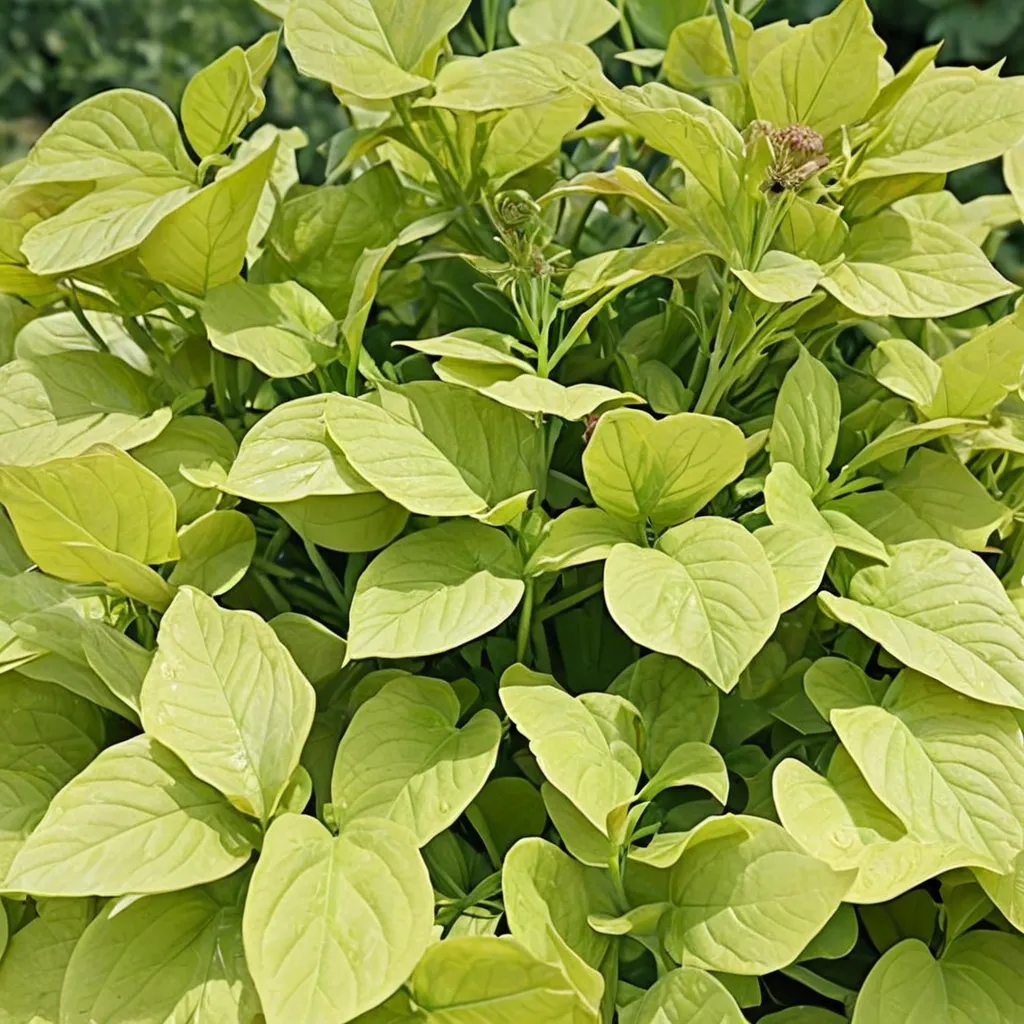
Sweet Potato Vine 'Sweet Caroline Sweetheart Lime'
Ipomoea batatas 'Sweet Caroline Sweetheart Lime'
Keep exploring
Explore the genus
Hardy in your zone?
Grow Blue Dawn Morning Glory with confidence
See it in a design of your actual yard, get zone-matched care reminders, and track it season by season in your garden journal.