The Story
Plant Bio
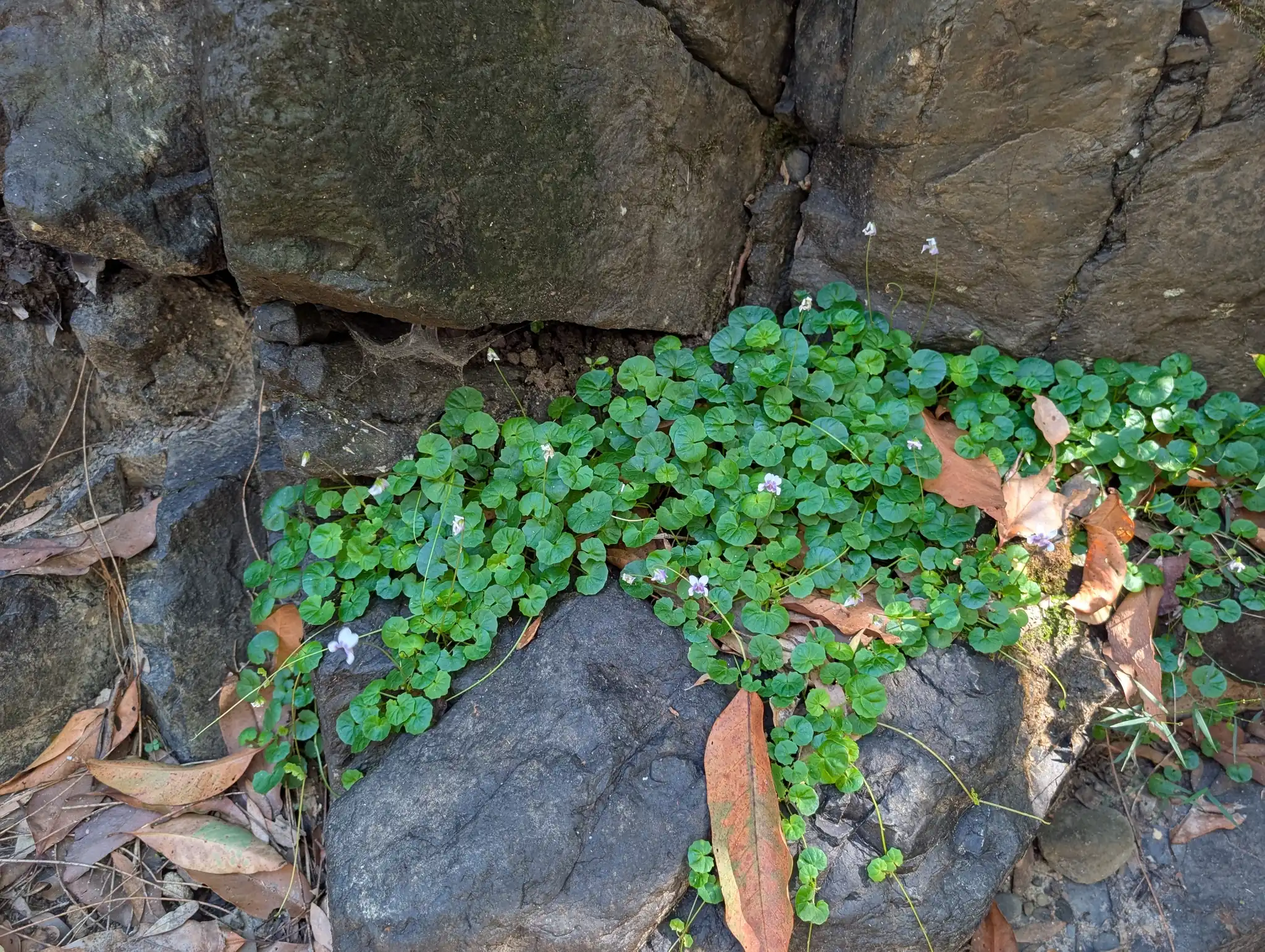
Viola banksii is an evergreen, creeping perennial groundcover native to coastal eastern Australia, spreading by stolons that root at the nodes. It forms a bright green leafy mat up to eight inches tall and produces small bicoloured violet-and-white flowers continuously from spring to fall.
Unlike the similar Viola hederacea, this species features deep violet petal centres that contrast sharply with bright white petal tips, and its lateral petals are distinctly twisted. Its broad, kidneyshaped leaves have a tight V-shaped notch at the base and form tight rosettes along trailing runners.
Uses & Benefits:
Essentials
At a Glance
Plant Type
Groundcover
Height
8"
Width
36"
Light
Full Sun, Partial Sun, Shade
Zones
9, 10
Water
High
Humidity
High
Lifespan
Perennial
Native To
Eastern Australia
Toxicity
Non-toxic
Bloom period
Spring – Fall
In flower about 9 months of the year
Planting
How to Grow
- Select a planting site in partial or deep shade with moisture-retentive, organic-rich soil.
- Space plants 12 to 18 inches apart to allow trailing stolons room to creep and root.
- Water thoroughly at planting and keep soil consistently damp during establishment.
- Apply a light layer of organic mulch around young plants to conserve ground moisture.
Pro Tip
Maintain consistent soil moisture throughout hot weather; letting the roots dry out completely causes rapid foliage collapse, whereas damp or boggy soil causes no harm.
Keep It Thriving
Care Guide
Do
- Keep soil constantly moist, especially during hot summer periods.
- Trim untidy or frost-affected leaves lightly in early spring.
- Provide shade in high-heat zones to prevent foliage scorching.
Don't
- Do not allow the root zone to dry out completely.
- Do not prune hard into old, leafless leafless runners.
- Do not plant in alkaline or heavy, unamended clay soils.
Seasonal Care Calendar
| Task | Jan | Feb | Mar | Apr | May | Jun | Jul | Aug | Sep | Oct | Nov | Dec |
|---|---|---|---|---|---|---|---|---|---|---|---|---|
| Divide | ||||||||||||
| Fertilize | ||||||||||||
| Pest Check | ||||||||||||
| Spring Cleanup |
Watch Out For
Pests & Diseases
Common Pests
Common Diseases
In the Garden
Landscape Uses & Companions
Landscape Uses
Companion Plants
Multiply
Propagation Methods
Good to Know
Common Questions
Australian Native Violet questions
What zones can Australian Native Violet grow in?
Australian Native Violet is hardy in USDA Zones 9–10: in that range it survives winter in the ground. Colder than Zone 9, grow it in a container you can move to shelter for the winter, or as an annual.
Is Australian Native Violet deer resistant?
Not reliably. Deer may browse Australian Native Violet, especially tender spring growth — plan on repellents or fencing where pressure is high.
When does Australian Native Violet bloom?
Australian Native Violet typically blooms from spring to fall. Exact timing shifts a week or two with your zone — Sow's bloom calendar maps it to your garden.
Does Australian Native Violet need full sun?
Australian Native Violet does best in full sun to part shade. In hot climates, afternoon shade keeps blooms fresher longer.
More Viola to compare
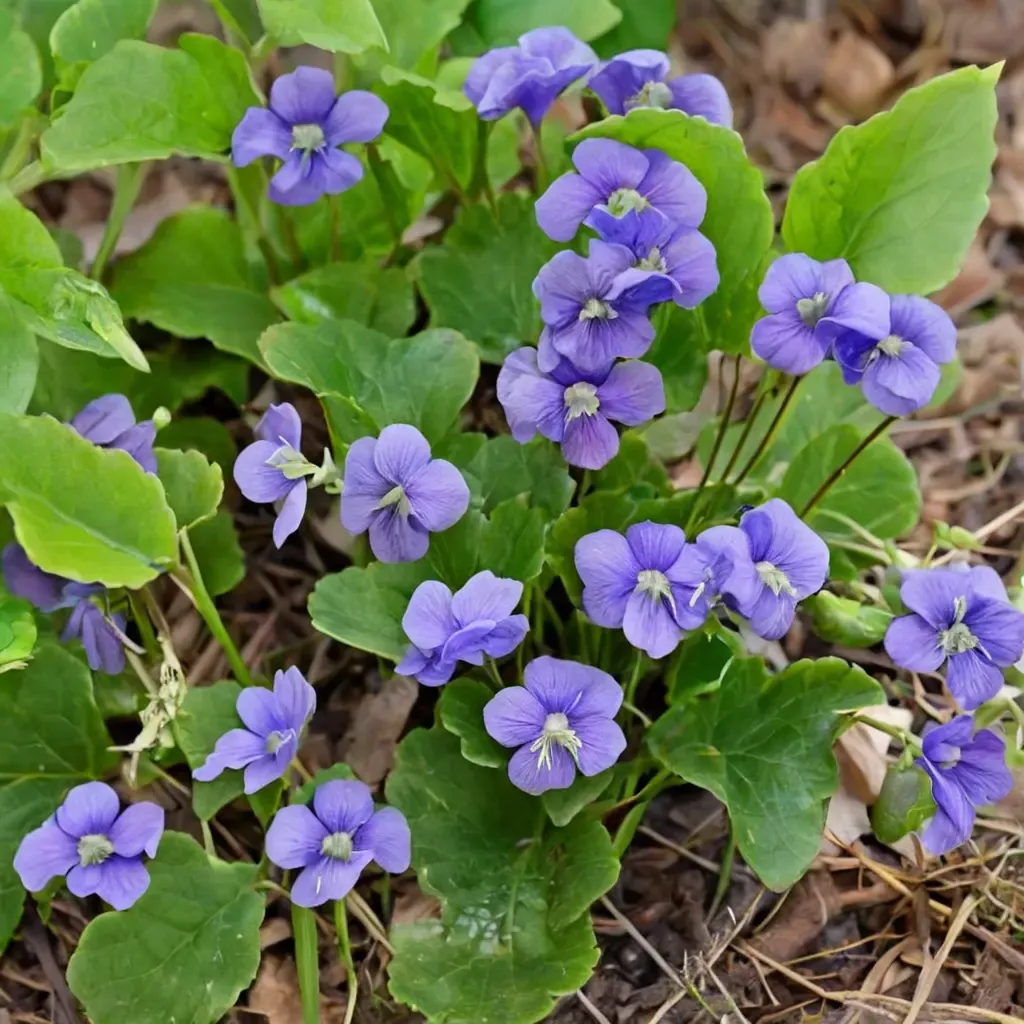
Common Blue Violet
Viola sororia
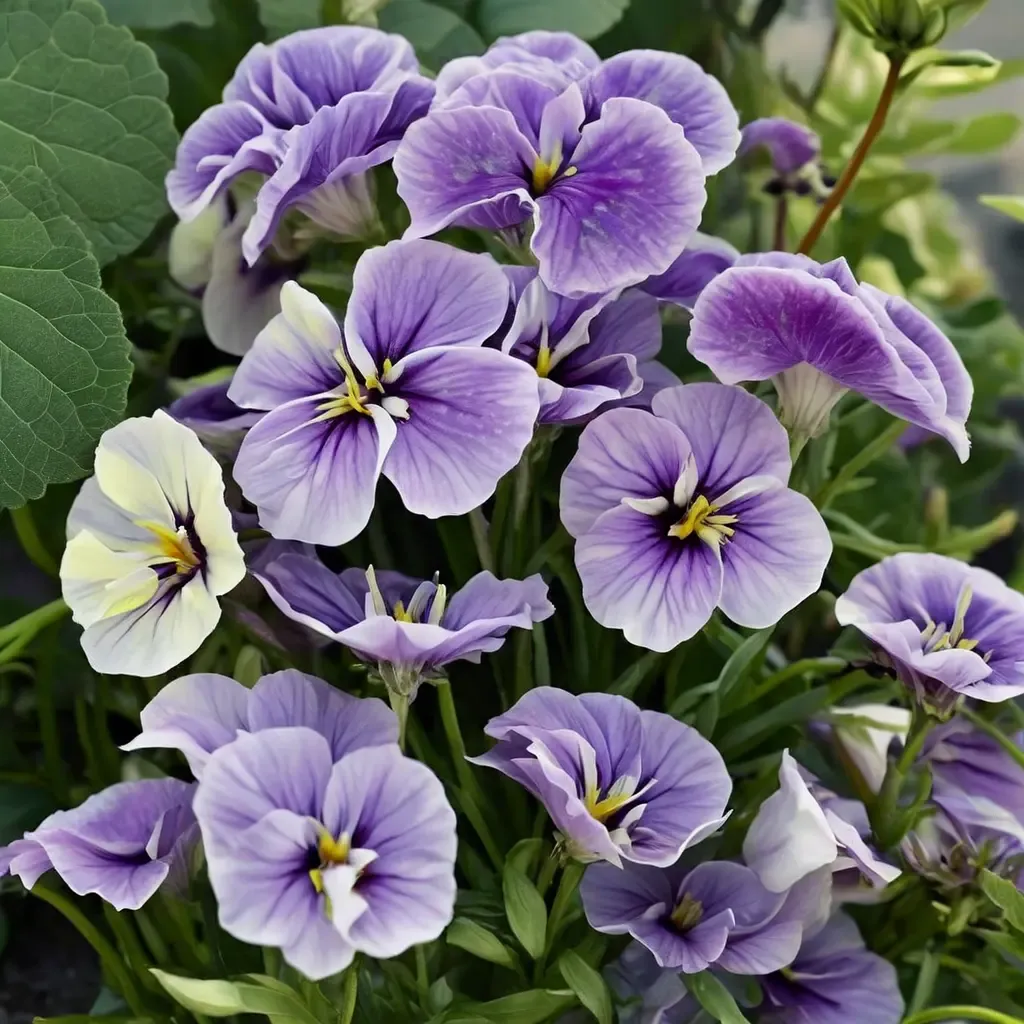
Painted Porcelain Pansy
Viola x wittrockiana 'Painted Porcelain'
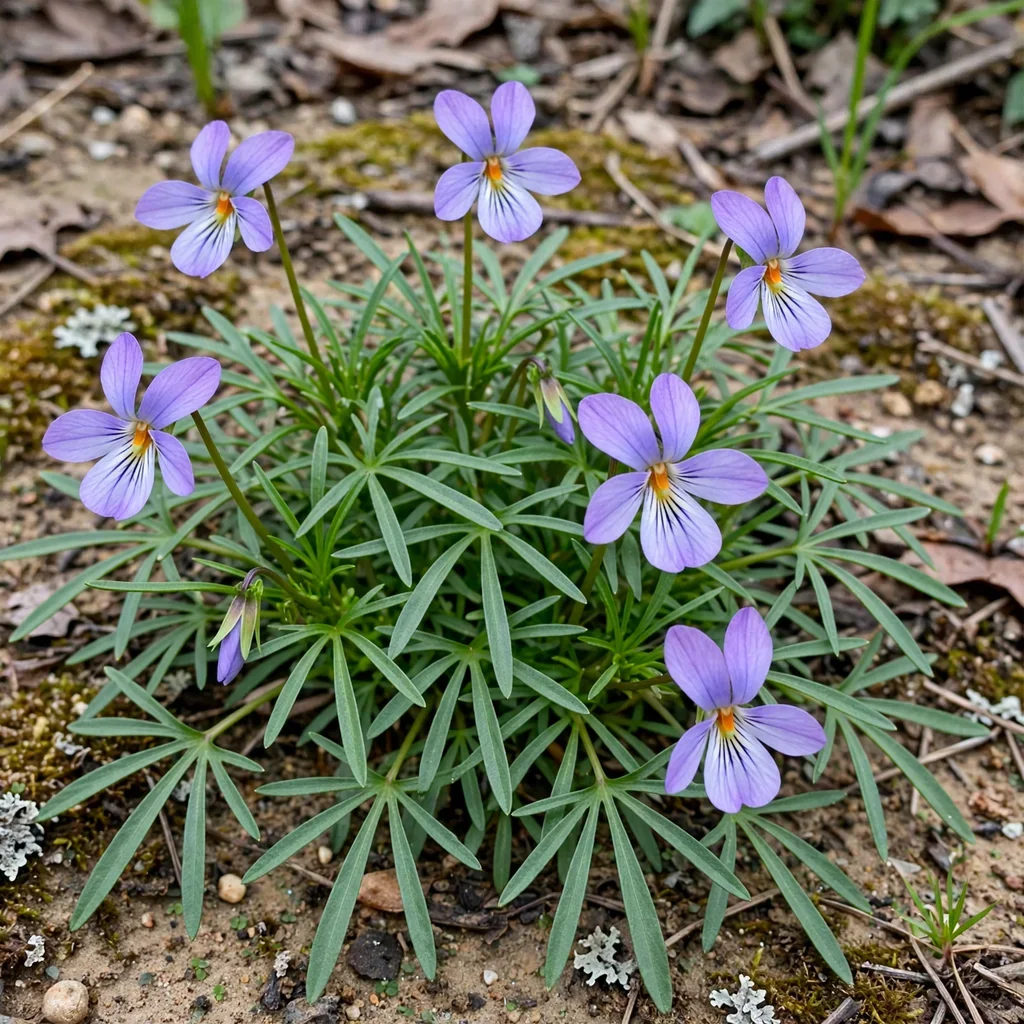
Bird's Foot Violet
Viola pedata
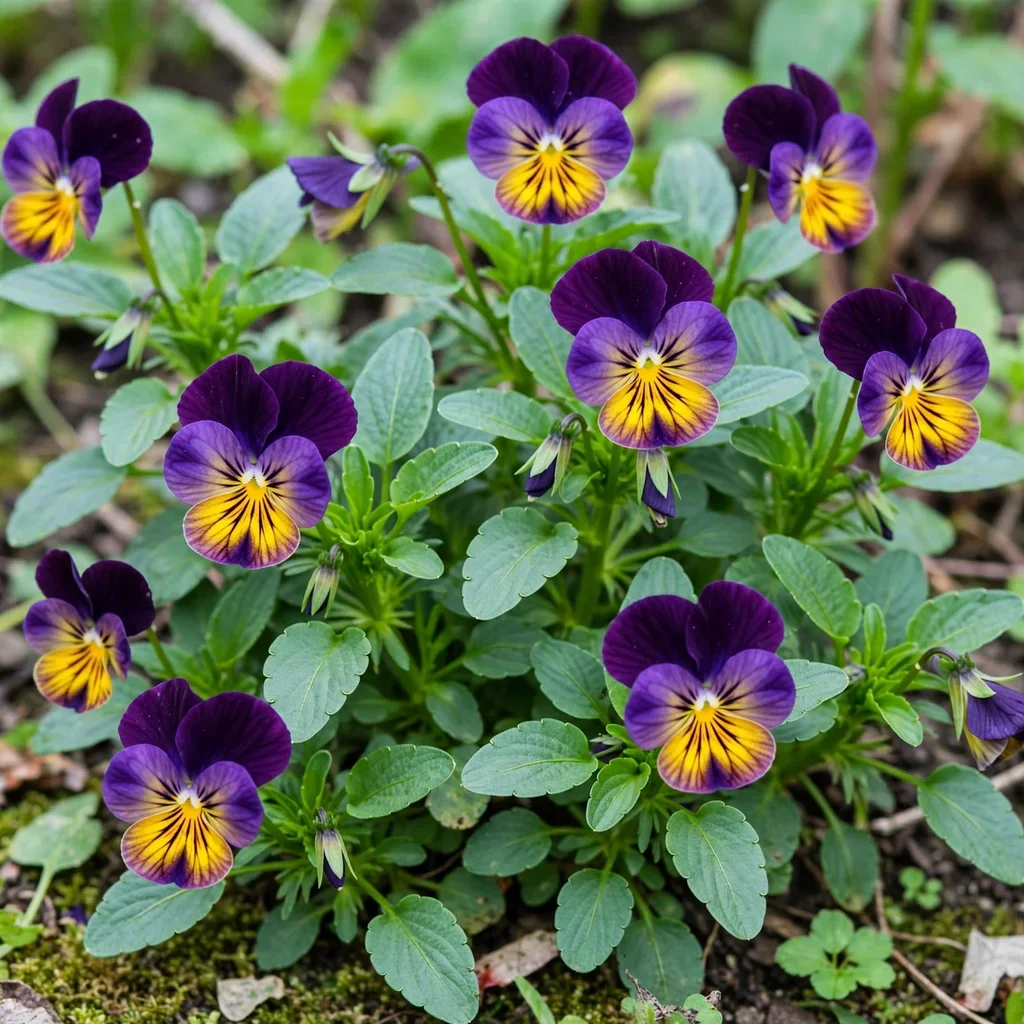
Northern Lights Horned Violet
Viola cornuta 'Northern Lights'
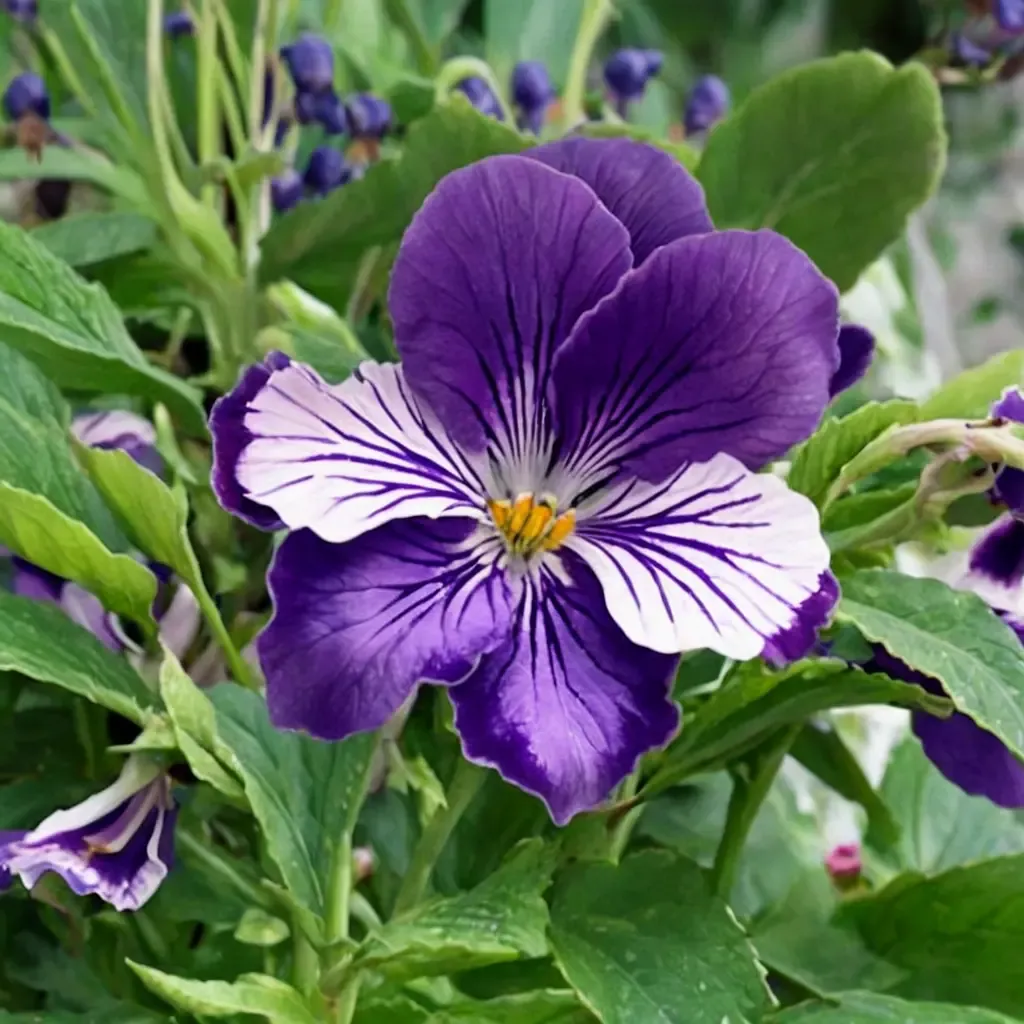
Whopping Purple Whiskers Pansy
Viola tricolor 'Whopping Purple Whiskers'
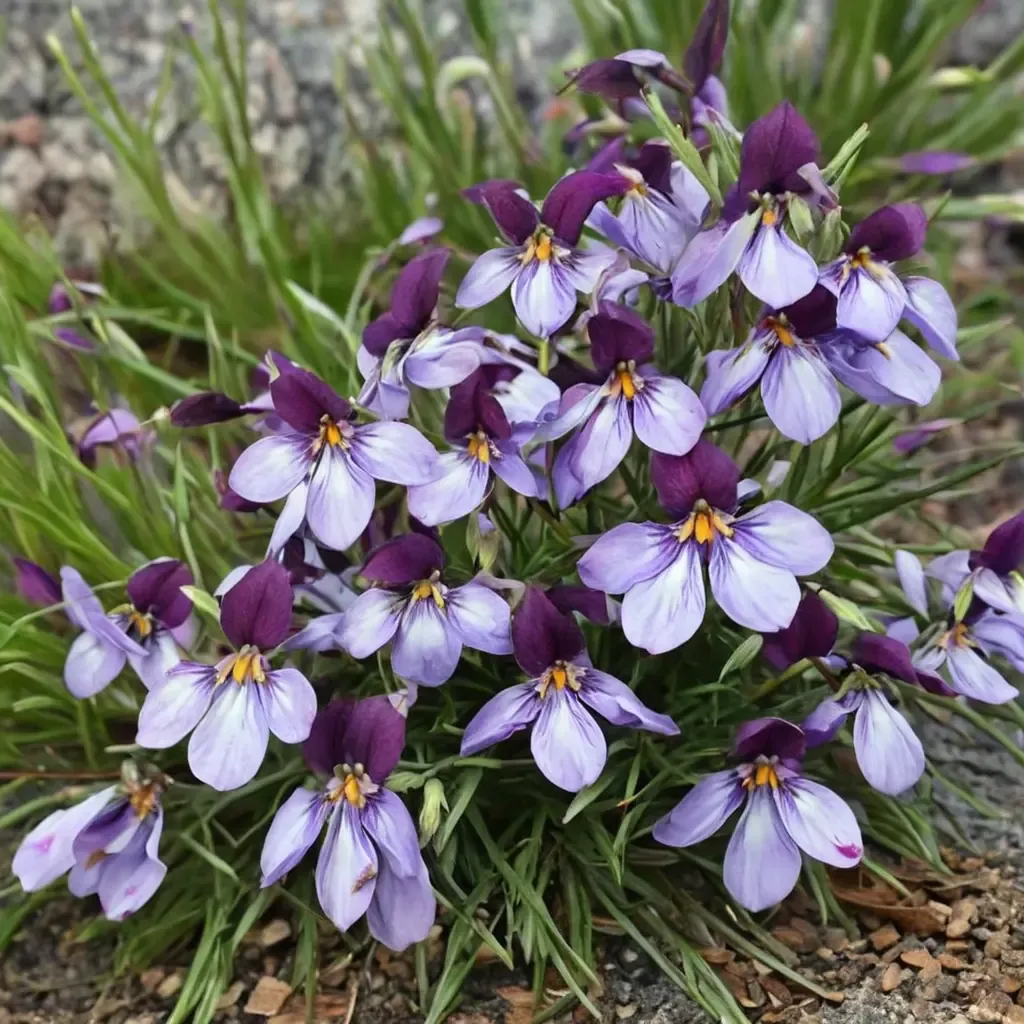
Birdfoot Violet
Viola pedata 'Eco Artist Palette'
Keep exploring
Explore the genus
Hardy in your zone?
Grow Australian Native Violet with confidence
See it in a design of your actual yard, get zone-matched care reminders, and track it season by season in your garden journal.