The Story
Plant Bio
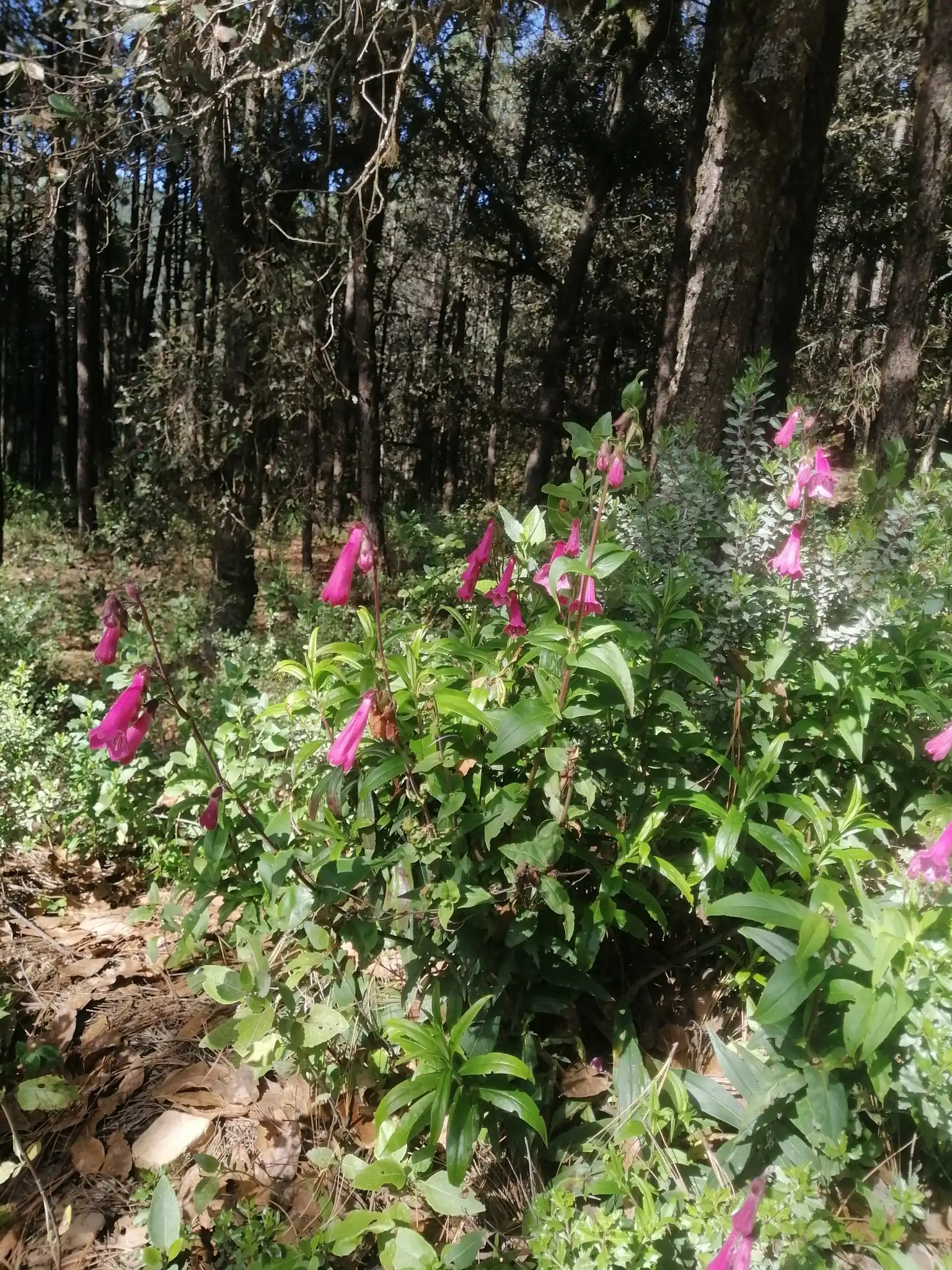
Penstemon hartwegii, Hartweg's beardtongue, is a bushy clump-forming semi-evergreen perennial from the highland pine-oak forests of central Mexico, reaching about 28 inches tall and 12 inches across on erect purple stems with narrow mid-green leaves. Its slender 1.5 inch tubes of bright crimson to rose-red with a white-marked throat open in loose panicles from summer into fall.
This is the wild species behind most large-flowered shop penstemons, crossed with Penstemon cobaea and others to yield pink, white and picotee garden strains. It is not toxic like foxglove despite the resemblance, but it fails fast in soggy soil where crown and root rot starve the tops for water.
Uses & Benefits:
Essentials
At a Glance
Plant Type
Perennial
Height
28"
Width
12"
Light
Full Sun, Partial Sun
Zones
6, 7, 8, 9, 10
Water
Moderate
Humidity
Low
Lifespan
Short-lived perennial
Native To
Central Mexico
Toxicity
Non-toxic
Bloom period
Summer – Fall
In flower about 6 months of the year
Planting
How to Grow
- Plant after last frost in full sun to partial shade in sharply drained loam or sand.
- Set the crown level with the soil surface and water once to settle.
- Water sparingly, letting soil dry between waterings to prevent root rot.
- Deadhead spent spikes to extend bloom from summer into fall.
- Leave the basal rosette over winter and cut dead tops in early spring.
Pro Tip
Plant high in sharply drained soil and withhold extra water once established; north of zone 6 grow it as a summer annual and replant each spring.
Keep It Thriving
Care Guide
Do
- Give full sun and sharp drainage
- Deadhead to prolong bloom into fall
- Allow soil to dry between waterings
Don't
- Do not plant in soggy or heavy winter-wet soil
- Do not overwater or apply heavy fertilizer
- Do not overhead water in humid weather
Seasonal Care Calendar
| Task | Jan | Feb | Mar | Apr | May | Jun | Jul | Aug | Sep | Oct | Nov | Dec |
|---|---|---|---|---|---|---|---|---|---|---|---|---|
| Deadhead | ||||||||||||
| Pest Check | ||||||||||||
| Plant | ||||||||||||
| Winter Prep |
Watch Out For
Pests & Diseases
Common Pests
Common Diseases
In the Garden
Landscape Uses & Companions
Landscape Uses
Multiply
Propagation Methods
Good to Know
Common Questions
Hartweg's Beardtongue questions
What zones can Hartweg's Beardtongue grow in?
Hartweg's Beardtongue is hardy in USDA Zones 6–10: in that range it survives winter in the ground. Colder than Zone 6, grow it in a container you can move to shelter for the winter, or as an annual.
When does Hartweg's Beardtongue bloom?
Hartweg's Beardtongue typically blooms from summer to fall. Exact timing shifts a week or two with your zone — Sow's bloom calendar maps it to your garden.
Does Hartweg's Beardtongue need full sun?
Hartweg's Beardtongue does best in full sun to part shade. In hot climates, afternoon shade keeps blooms fresher longer.
Is Hartweg's Beardtongue drought tolerant?
Yes — once established (usually after the first full season), Hartweg's Beardtongue handles dry spells with minimal watering. Water deeply its first year to build the root system that makes that possible.
More Penstemon to compare
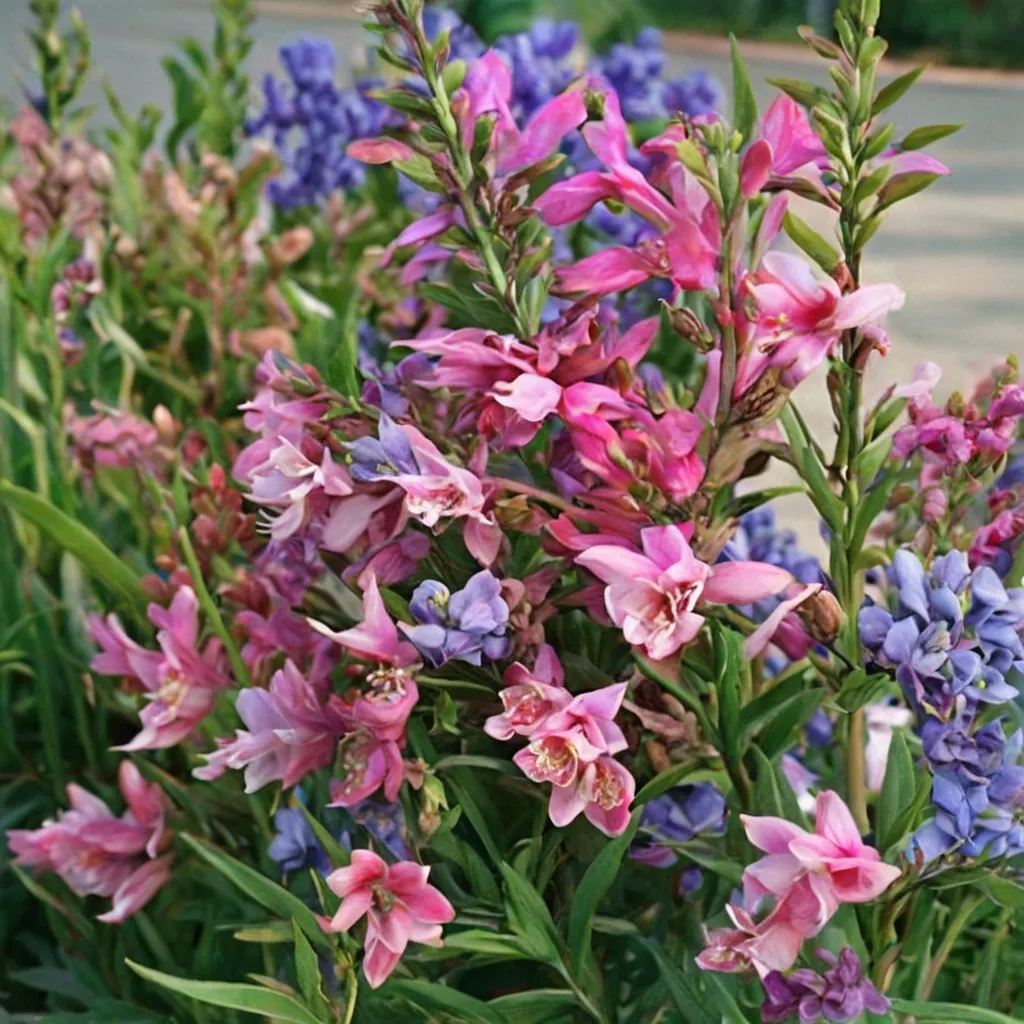
Beardtongue Rondo
Penstemon barbatus 'Rondo'
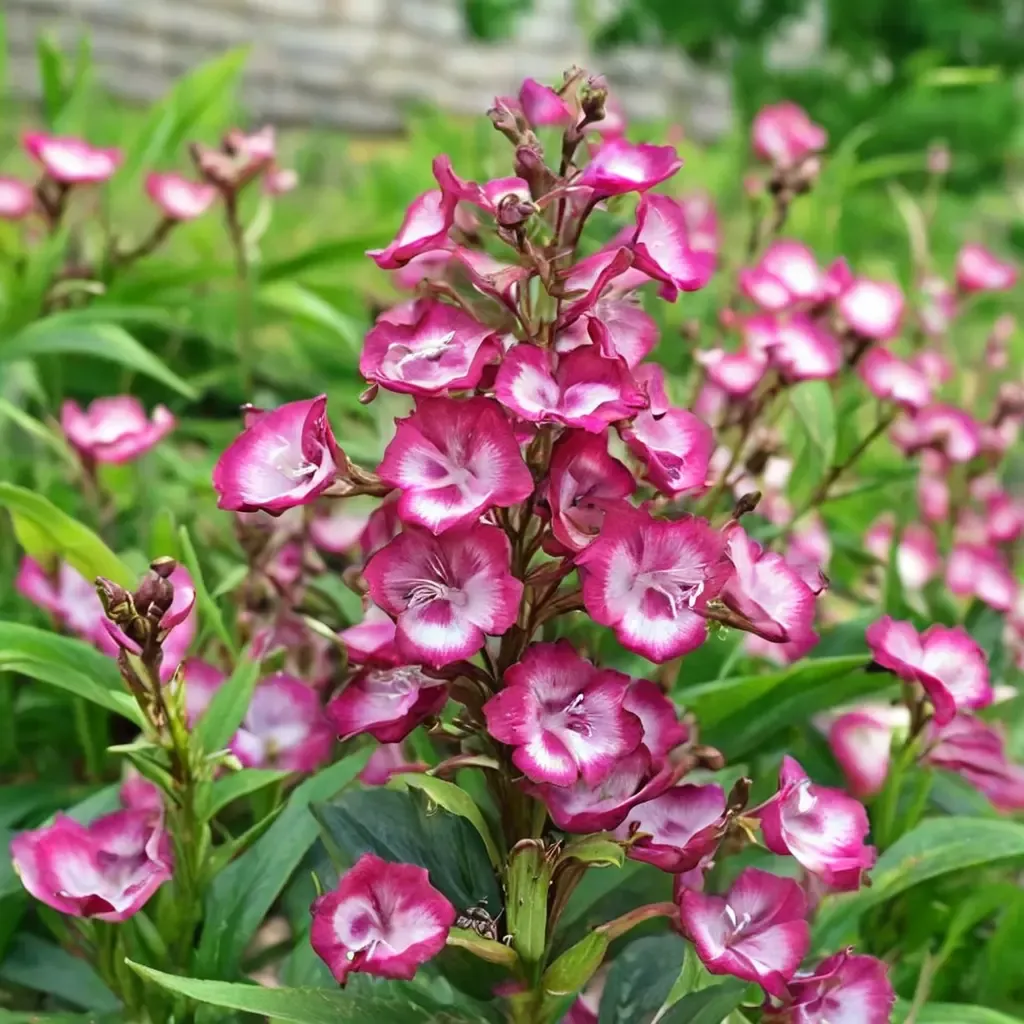
George Home Penstemon
Penstemon digitalis 'George Home'
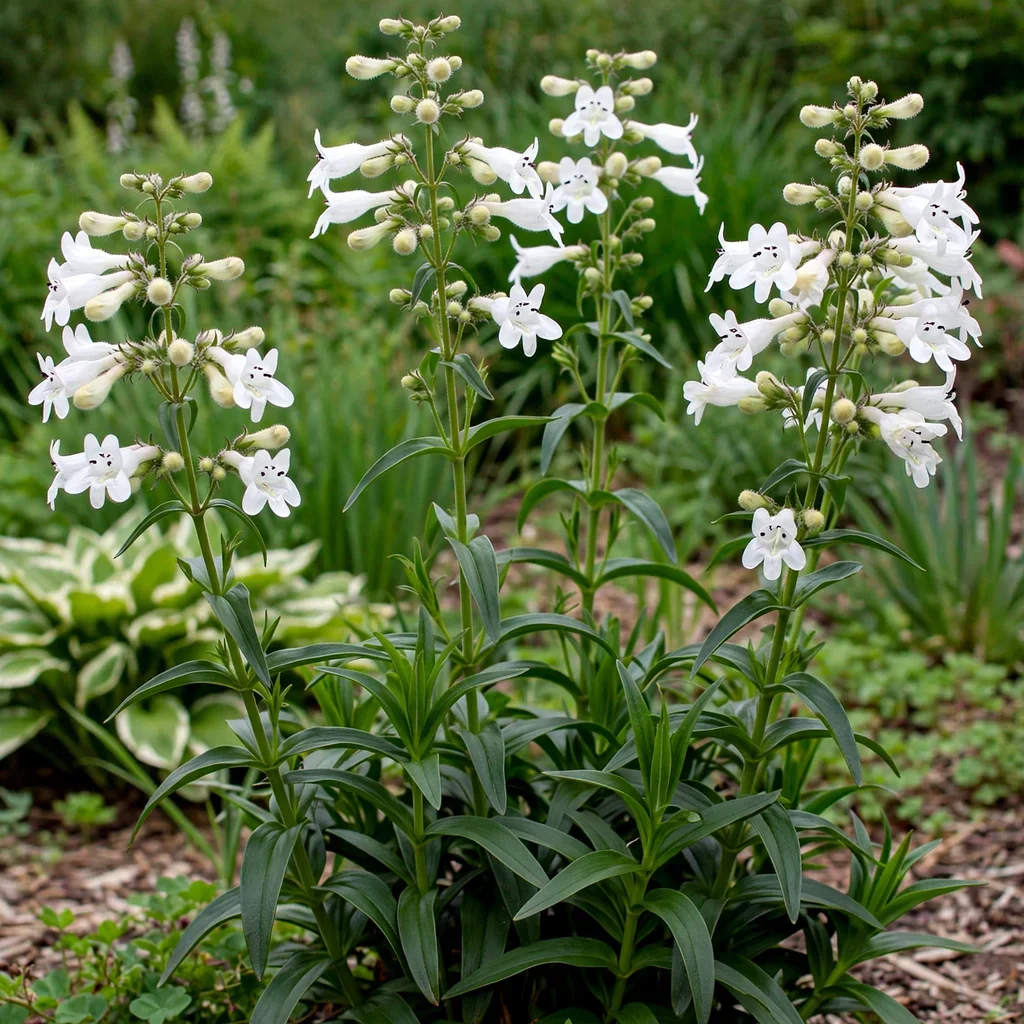
Foxglove Beardtongue
Penstemon digitalis
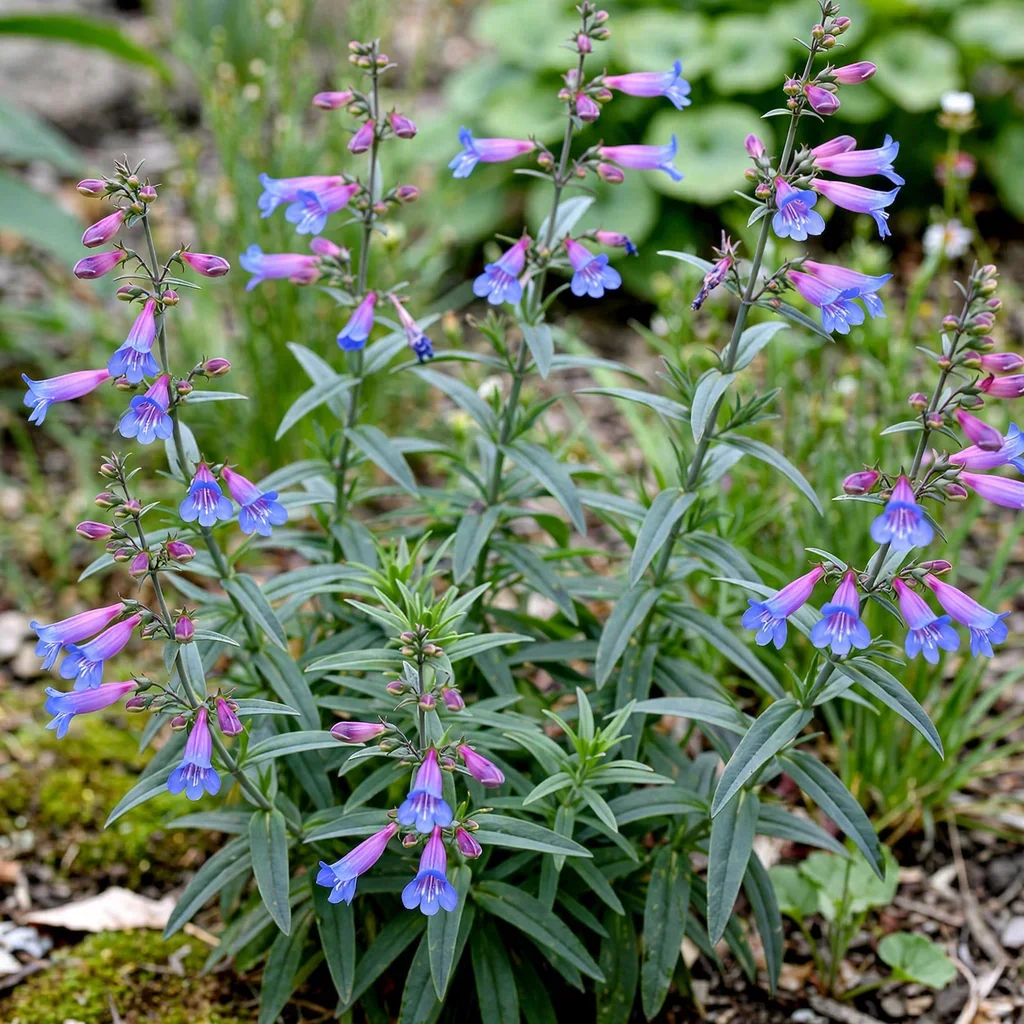
Blue Springs Penstemon
Penstemon heterophyllus 'Blue Springs'
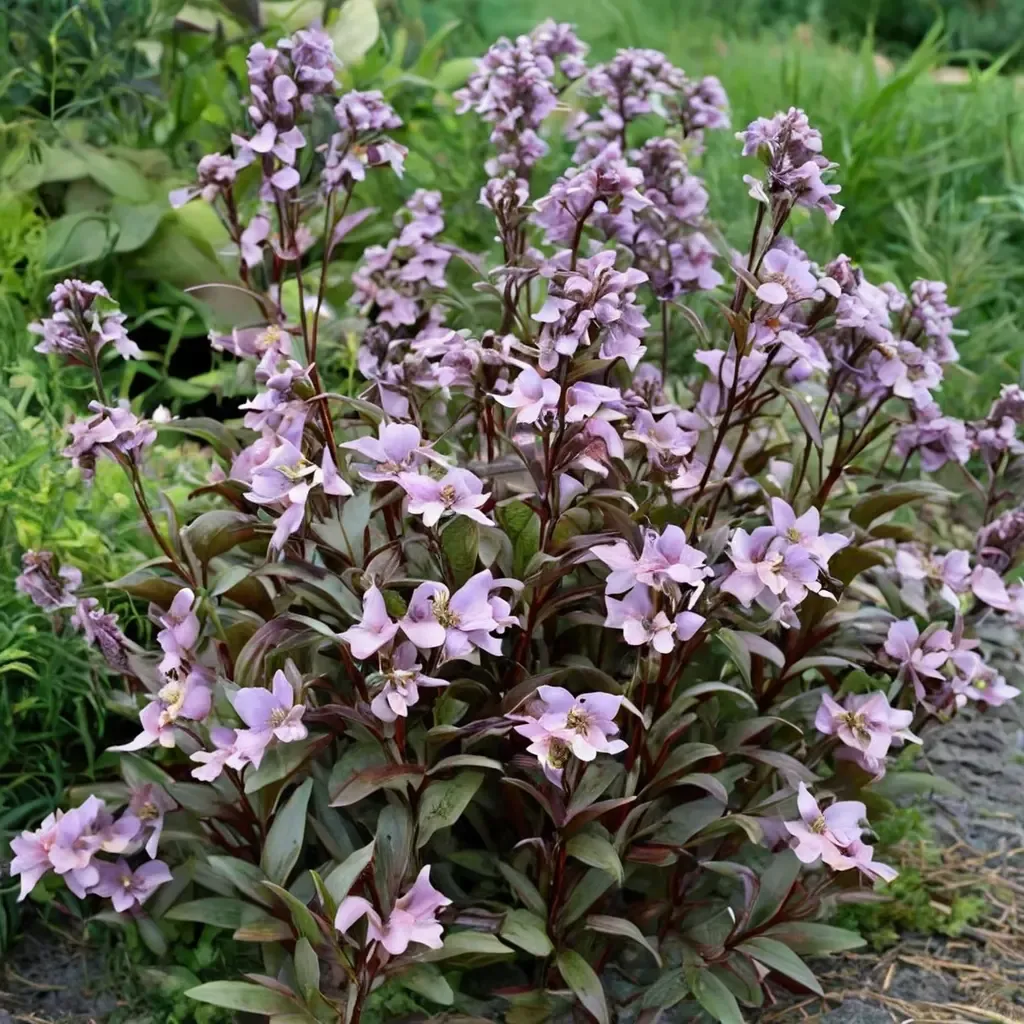
Blackbeard Beardtongue
Penstemon digitalis 'Blackbeard'
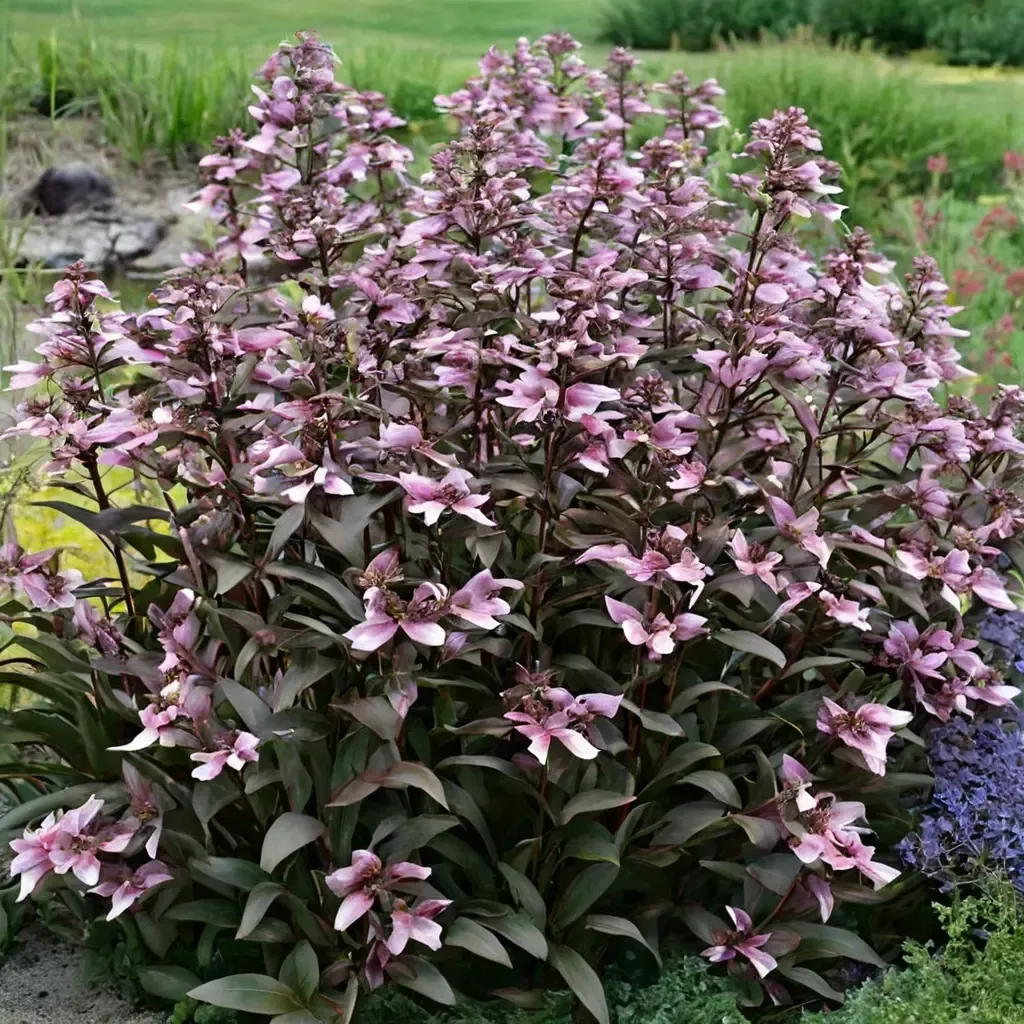
Dark Towers Penstemon
Penstemon digitalis 'Dark Towers'
Keep exploring
Explore the genus
Hardy in your zone?
Grow Hartweg's Beardtongue with confidence
See it in a design of your actual yard, get zone-matched care reminders, and track it season by season in your garden journal.