The Story
Plant Bio
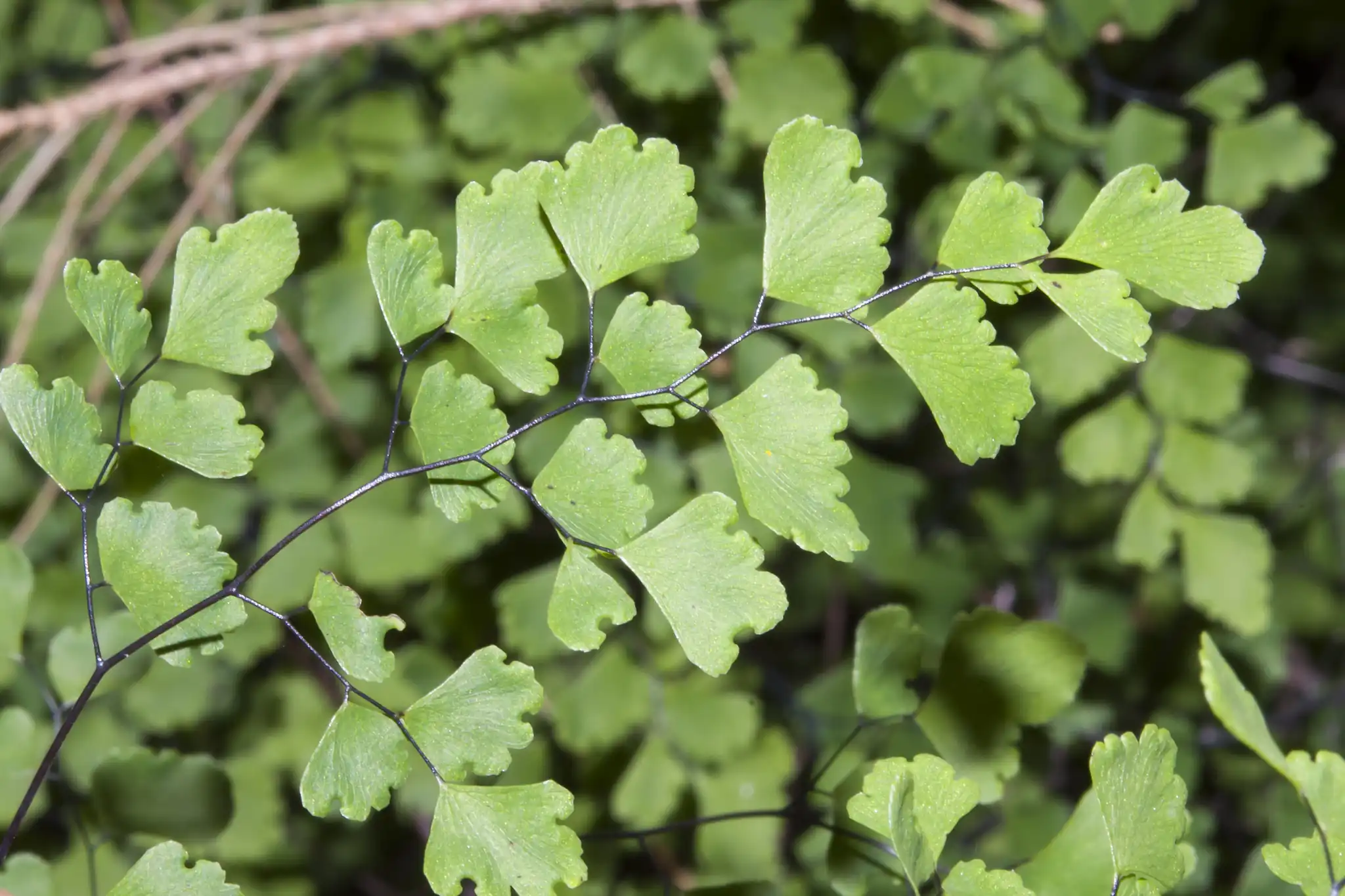
Adiantum aethiopicum is a creeping, terrestrial fern that forms dense mats of fine, bright green fronds on wiry dark brown stipes. Spores are borne in discrete sori under folded flaps along the outer margins of the wedge-shaped pinnules.
This species spreads via long, creeping underground stolons that create broader, softer colonies than clumping maidenhairs. The contrast between the dark, glossy stalks and delicate light-green foliage gives the plant its distinctive texturing.
Uses & Benefits:
Essentials
At a Glance
Plant Type
Fern
Height
20"
Width
24"
Light
Partial Sun, Shade
Zones
9, 10
Water
High
Humidity
High
Lifespan
Perennial
Native To
Africa, Australasia
Toxicity
Non-toxic
Planting
How to Grow
- Select a position in partial to full shade protected from harsh afternoon sunlight and direct wind.
- Prepare humus-rich, well-draining soil amended with organic compost or leaf mold.
- Plant rhizomes shallowly, keeping the growing tips level with or slightly above the soil line.
- Water thoroughly to settle soil around the creeping stolons.
- Maintain consistent soil moisture without allowing the root zone to become waterlogged.
Pro Tip
Prune old or tattered fronds cleanly to ground level in late winter before new crosiers unfurl; avoid shearing active growth mid-season.
Keep It Thriving
Care Guide
Do
- Keep soil consistently moist using well-drained, humus-rich soil mixes.
- Provide high ambient humidity and shelter from dry, hot winds.
- Cut back dead or frosted fronds completely to the ground in early spring.
Don't
- Do not allow the root zone or potting media to dry out completely.
- Do not let the plant sit in stagnant, waterlogged water trays.
- Do not cut back into active green growth during peak summer flushes.
Seasonal Care Calendar
| Task | Jan | Feb | Mar | Apr | May | Jun | Jul | Aug | Sep | Oct | Nov | Dec |
|---|---|---|---|---|---|---|---|---|---|---|---|---|
| Fertilize | ||||||||||||
| Pest Check | ||||||||||||
| Propagate | ||||||||||||
| Prune |
Watch Out For
Pests & Diseases
Common Pests
Common Diseases
In the Garden
Landscape Uses & Companions
Landscape Uses
Companion Plants
Multiply
Propagation Methods
Good to Know
Common Questions
Common Maidenhair questions
What zones can Common Maidenhair grow in?
Common Maidenhair is hardy in USDA Zones 9–10: in that range it survives winter in the ground. Colder than Zone 9, grow it in a container you can move to shelter for the winter, or as an annual.
Does Common Maidenhair need full sun?
Common Maidenhair does best in part shade.
More Adiantum to compare
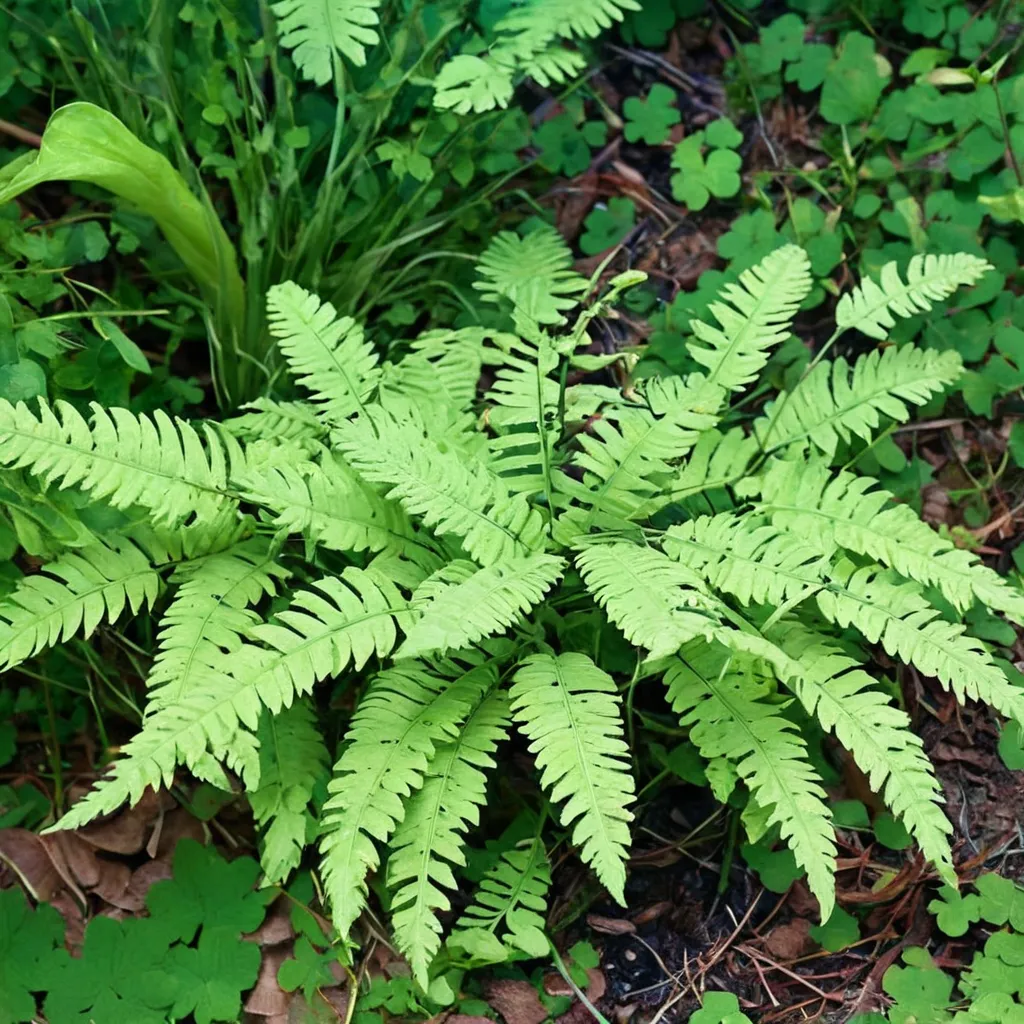
Northern Maidenhair Fern
Adiantum pedatum
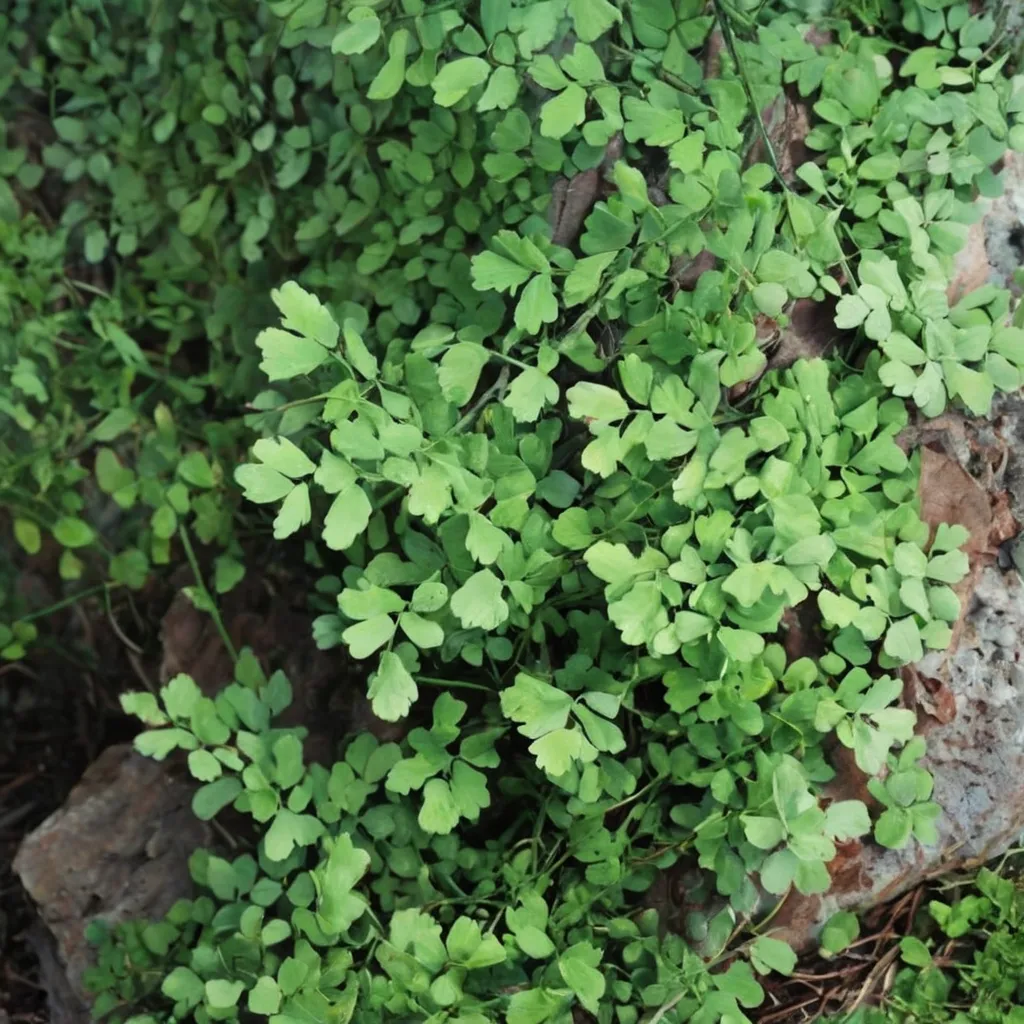
Maidenhair Fern
Adiantum capillus-veneris 'Rock Springs'
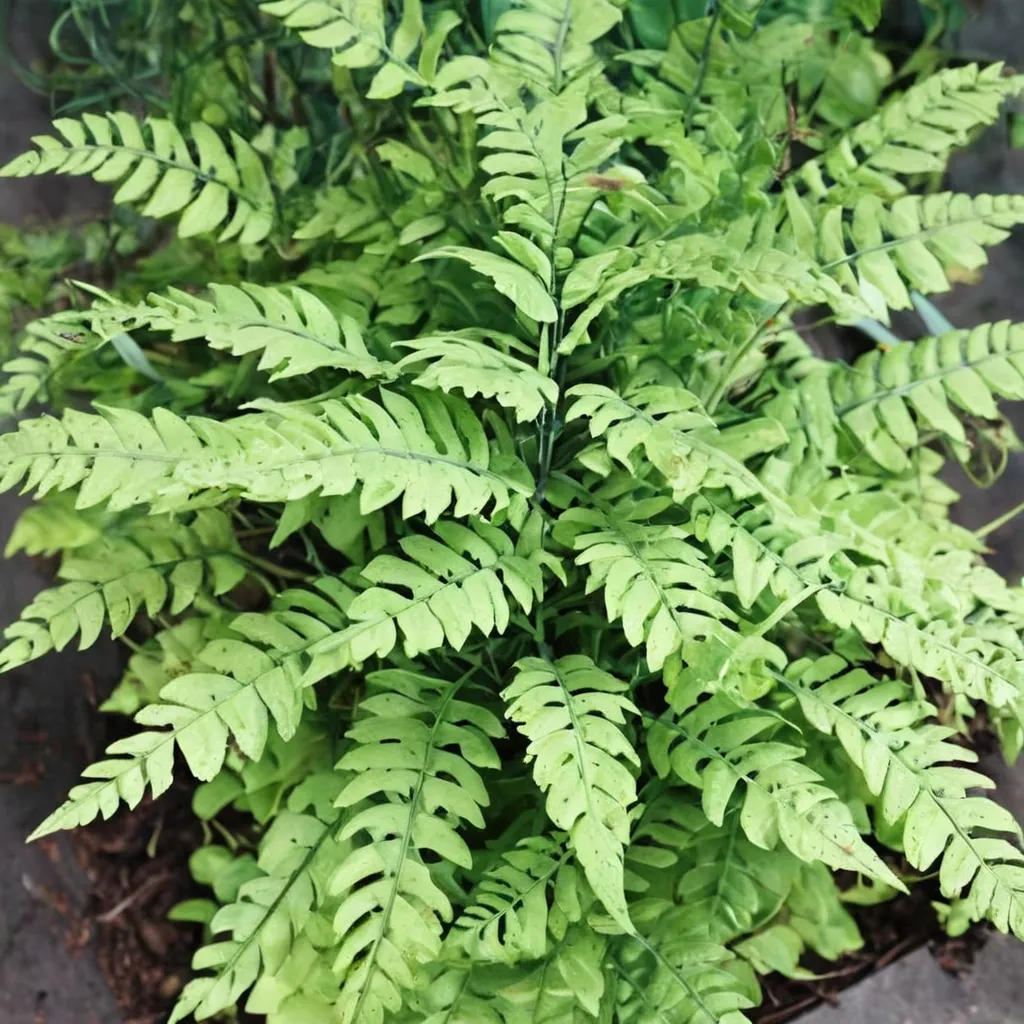
Maidenhair Fern Miss Sharples
Adiantum pedatum 'Miss Sharples'
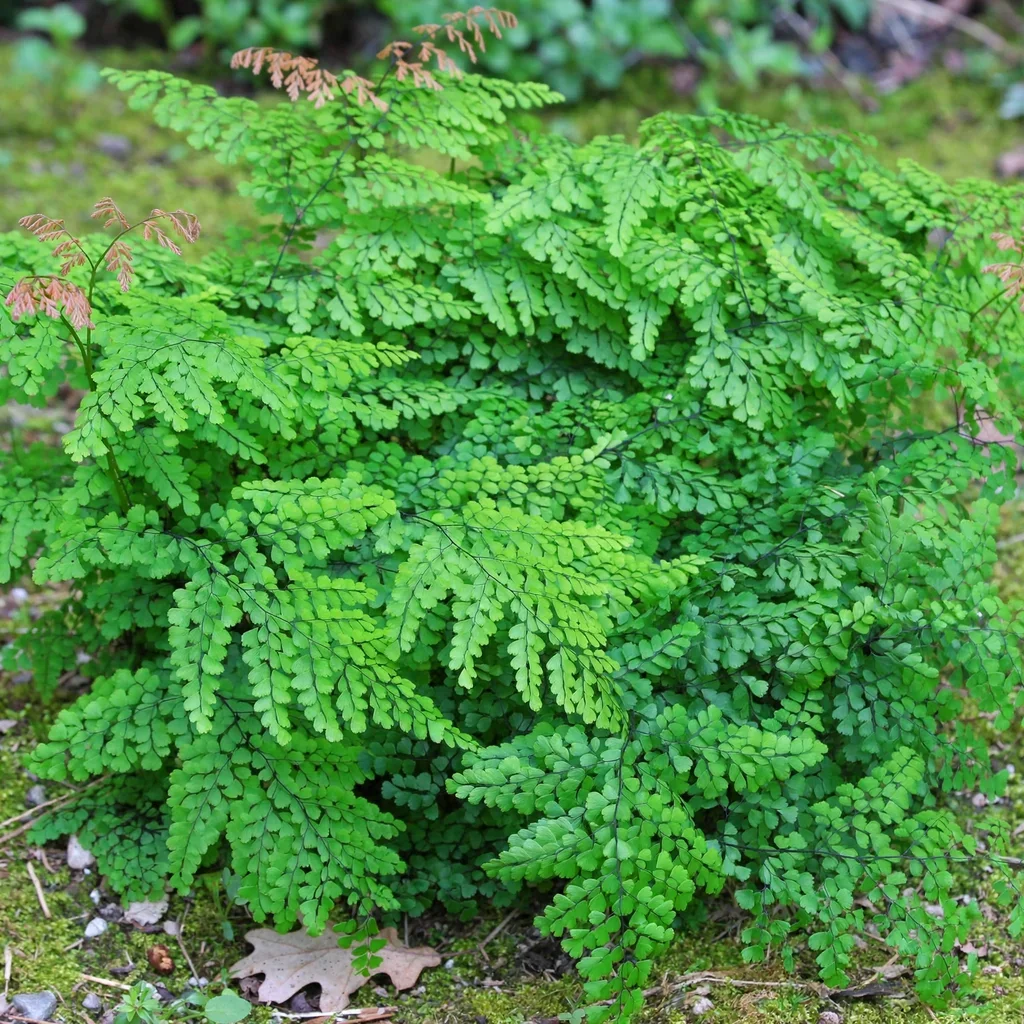
Himalayan Maidenhair Fern
Adiantum venustum
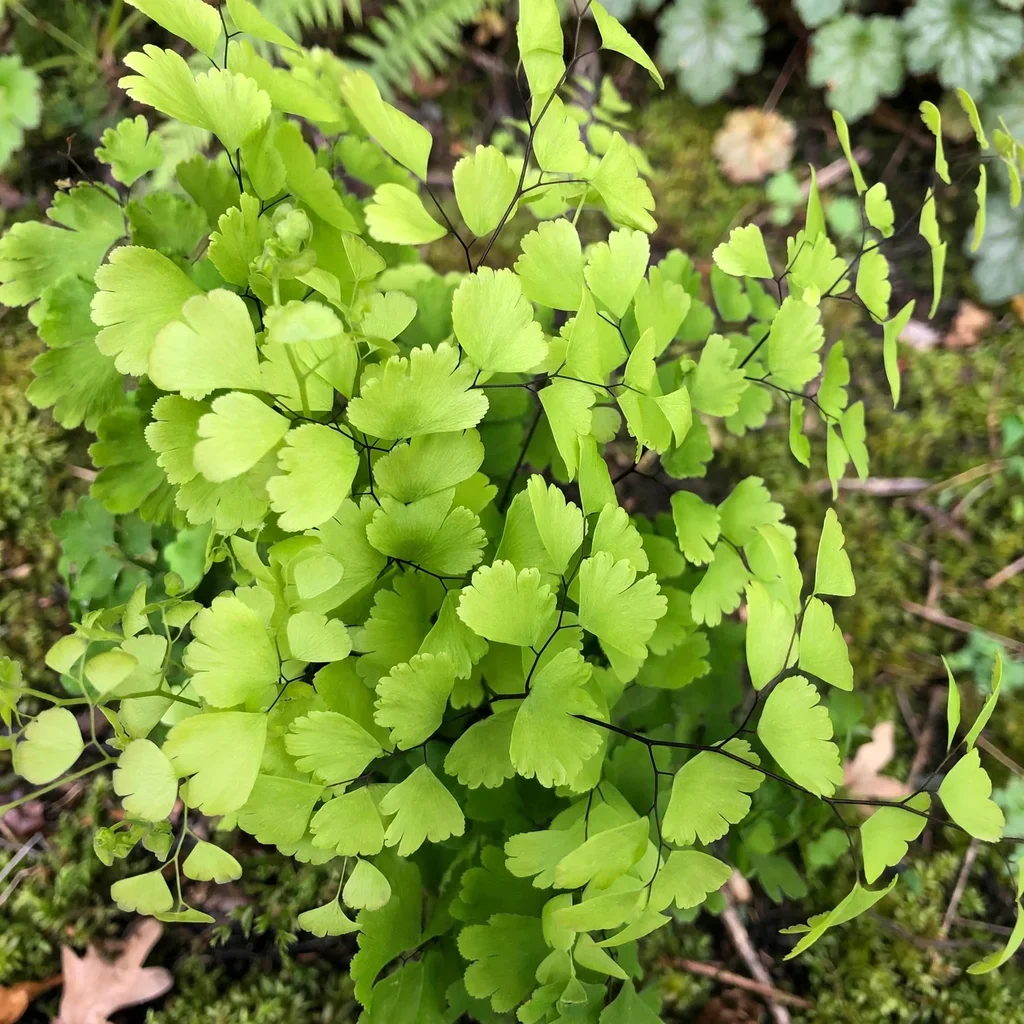
Mairis's Maidenhair Fern
Adiantum x mairisii
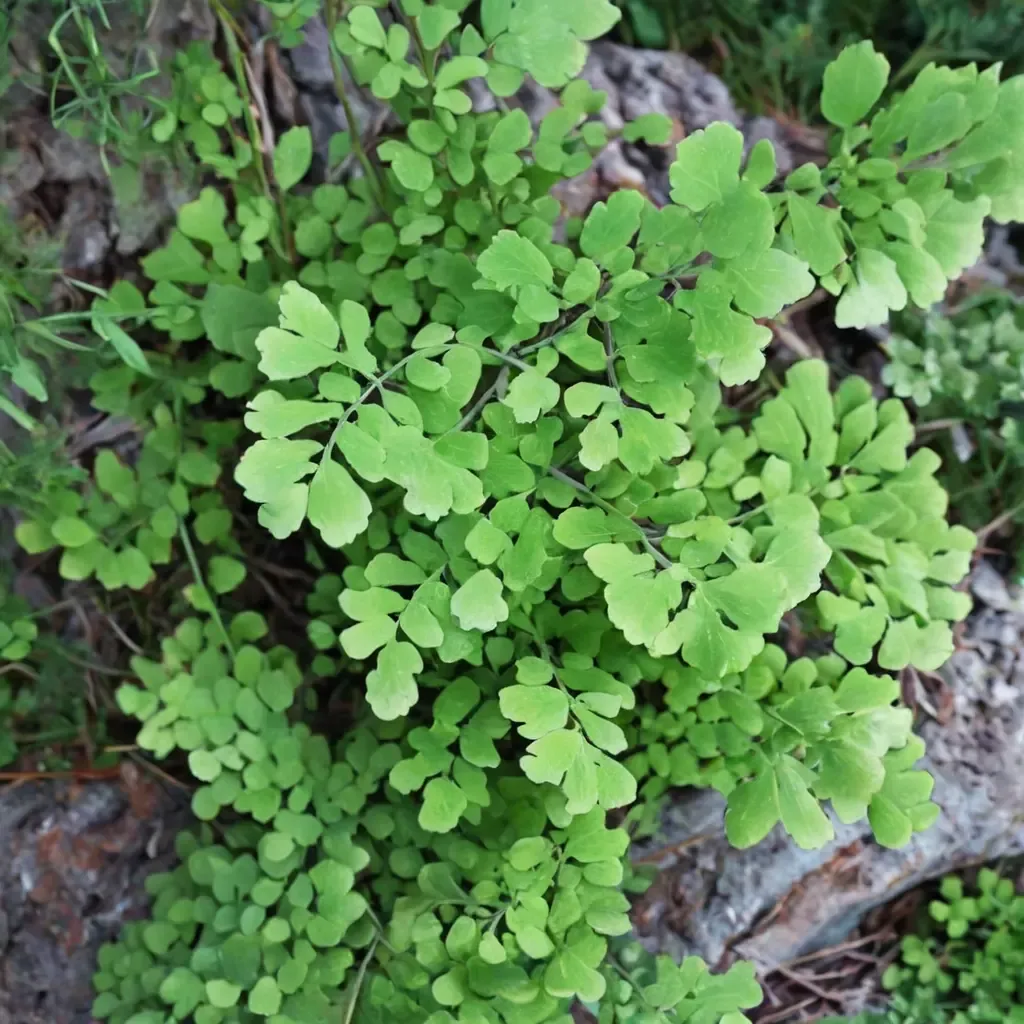
Southern Maidenhair Fern
Adiantum capillus-veneris
Keep exploring
Explore the genus
Hardy in your zone?
Grow Common Maidenhair with confidence
See it in a design of your actual yard, get zone-matched care reminders, and track it season by season in your garden journal.