The Story
Plant Bio
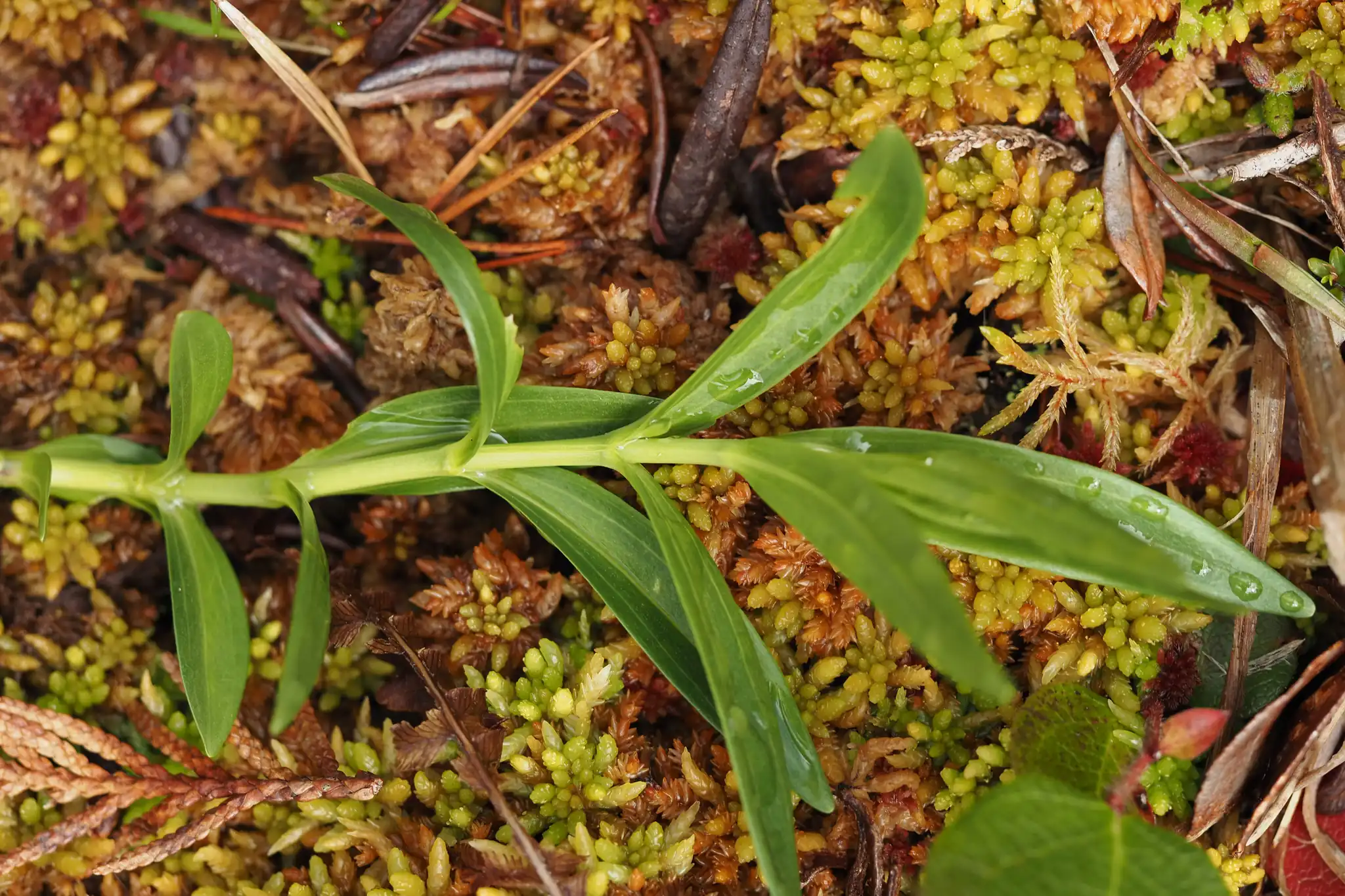
Gentiana sceptrum is an upright, clump-forming perennial native to wet coastal bogs, seeps, and stream margins of western North America. Unbranched stems carry pairs of glossy, dark green oval leaves that turn purplish before going dormant in fall.
Deep purplish-blue, funnel-shaped flowers bloom in terminal clusters from midsummer into early fall. The inside of each flower throat features distinct dark green streaks and mottling adapted for bee pollination.
Uses & Benefits:
Essentials
At a Glance
Plant Type
Perennial
Height
35"
Width
12"
Light
Partial Sun, Shade
Zones
6, 7, 8, 9, 10
Water
High / Consistently Wet
Humidity
High
Lifespan
Perennial
Native To
Western North America
Toxicity
Non-toxic
Bloom period
Summer – Autumn
In flower about 6 months of the year
Planting
How to Grow
- Select a planting location in partial shade with rich, humus-heavy, highly moisture-retentive acidic soil.
- Set plants at the same soil depth as their nursery container, settling organic mulch around the crown to retain soil moisture.
- Maintain constant soil moisture through supplemental irrigation during dry periods to simulate natural seep conditions.
- Cut spent flower stems cleanly back to the basal clump in late winter before new spring growth begins.
Pro Tip
Provide constantly moist, organic-rich soil in partial shade, as allowing the fleshy root system to dry out causes rapid foliage collapse.
Keep It Thriving
Care Guide
Do
- Keep soil consistently wet or moist throughout the growing season.
- Plant in acidic to neutral soil high in organic matter or peat.
- Cut dead stems to the base in late winter.
Don't
- Do not allow the soil or root system to dry out completely.
- Do not prune into old leafless stems during the active growing season.
- Do not apply heavy synthetic chemical fertilizers.
Seasonal Care Calendar
| Task | Jan | Feb | Mar | Apr | May | Jun | Jul | Aug | Sep | Oct | Nov | Dec |
|---|---|---|---|---|---|---|---|---|---|---|---|---|
| Mulch | ||||||||||||
| Pest Check | ||||||||||||
| Prune | ||||||||||||
| Spring Cleanup |
Watch Out For
Pests & Diseases
Common Pests
Common Diseases
In the Garden
Landscape Uses & Companions
Landscape Uses
Companion Plants
Multiply
Propagation Methods
Good to Know
Common Questions
King's Scepter Gentian questions
What zones can King's Scepter Gentian grow in?
King's Scepter Gentian is hardy in USDA Zones 6–10: in that range it survives winter in the ground. Colder than Zone 6, grow it in a container you can move to shelter for the winter, or as an annual.
Is King's Scepter Gentian deer resistant?
Yes — King's Scepter Gentian is rated deer-resistant. Deer typically pass it over, though extreme hunger can override any plant's defenses.
When does King's Scepter Gentian bloom?
King's Scepter Gentian typically blooms from summer to fall. Exact timing shifts a week or two with your zone — Sow's bloom calendar maps it to your garden.
Does King's Scepter Gentian need full sun?
King's Scepter Gentian does best in part shade.
More Gentiana to compare
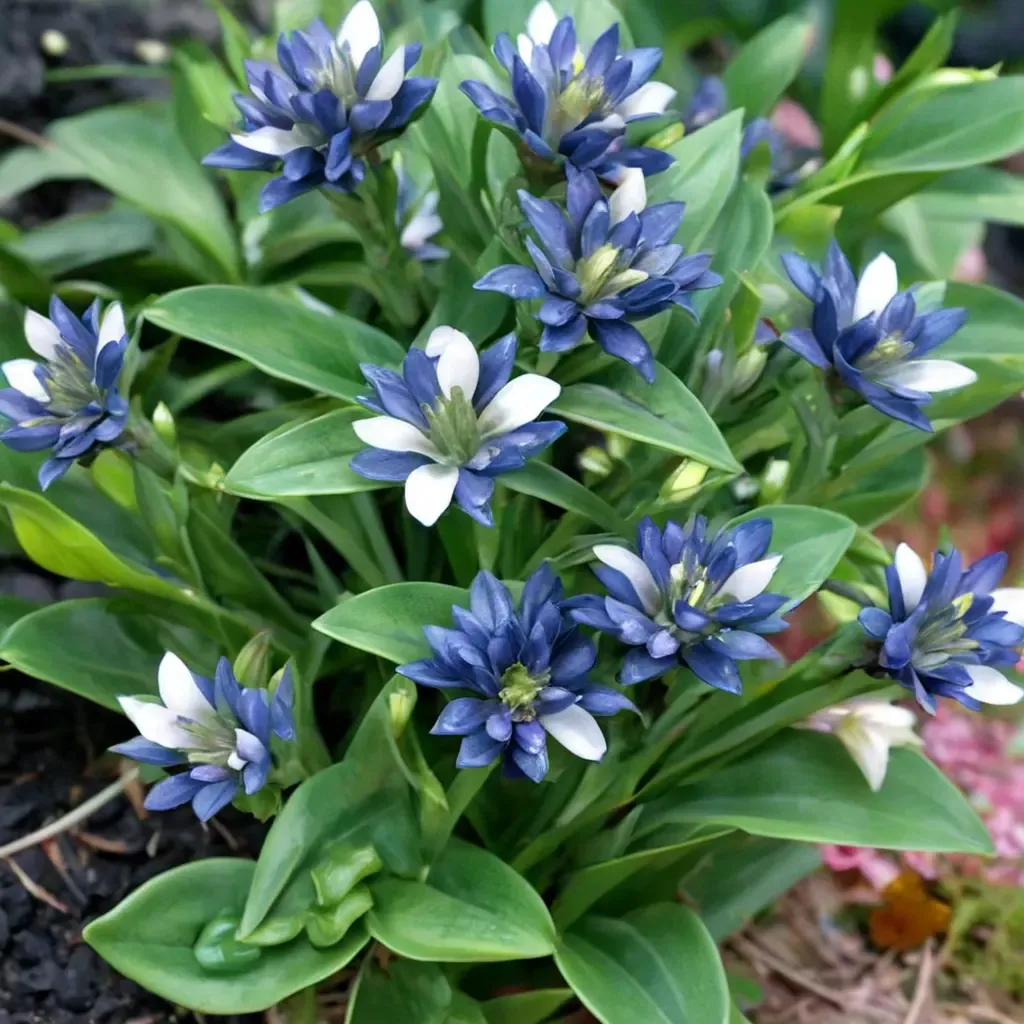
Cross Gentian
Gentiana cruciata 'Blue Cross Bottle Gentian'
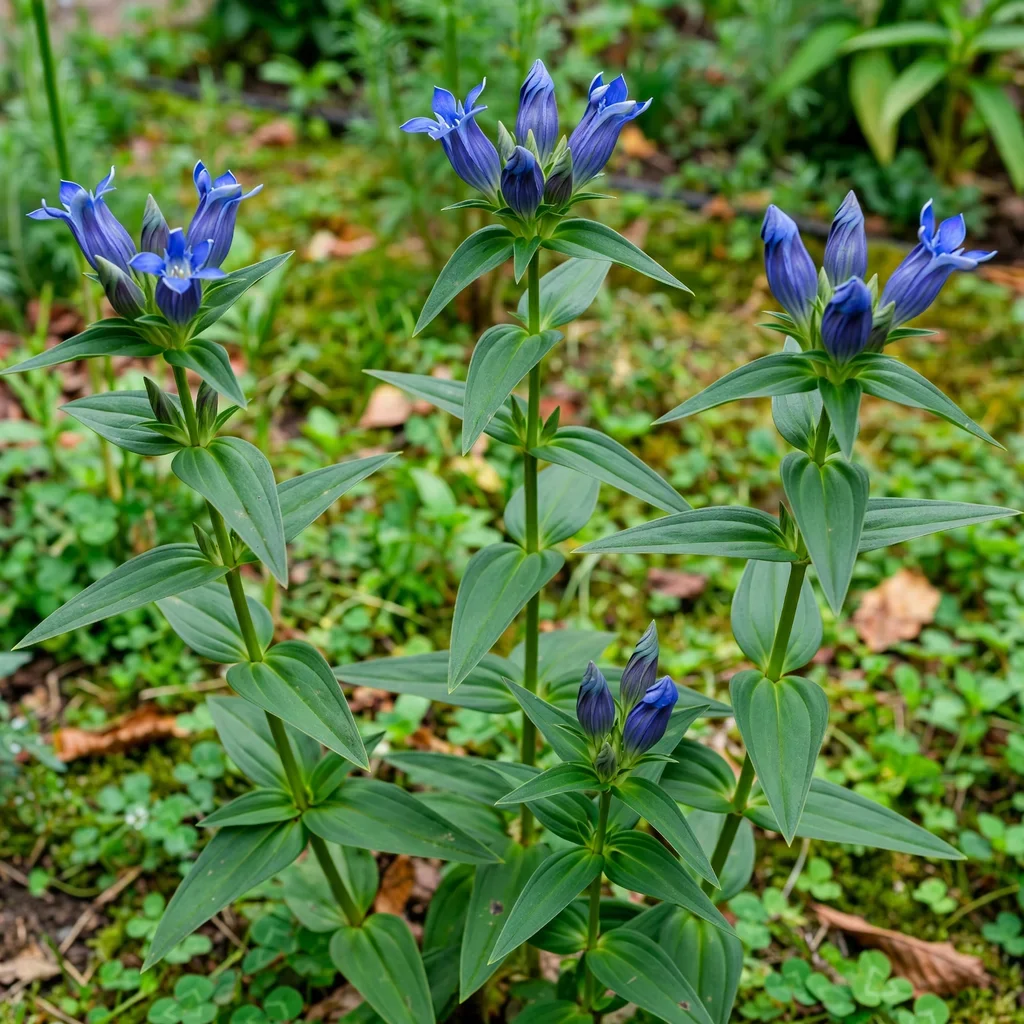
Soapwort Gentian
Gentiana saponaria
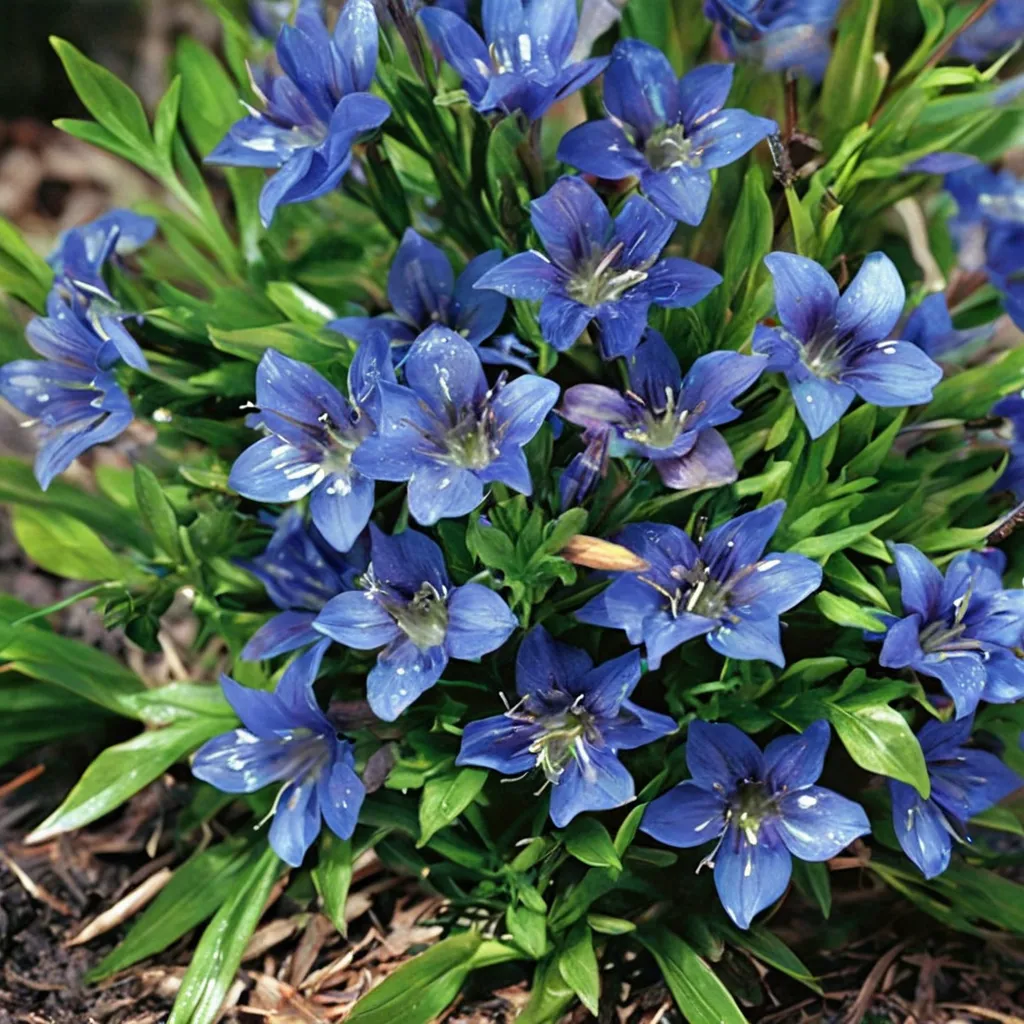
Crested Gentian
Gentiana septemfida 'lagodechiana'
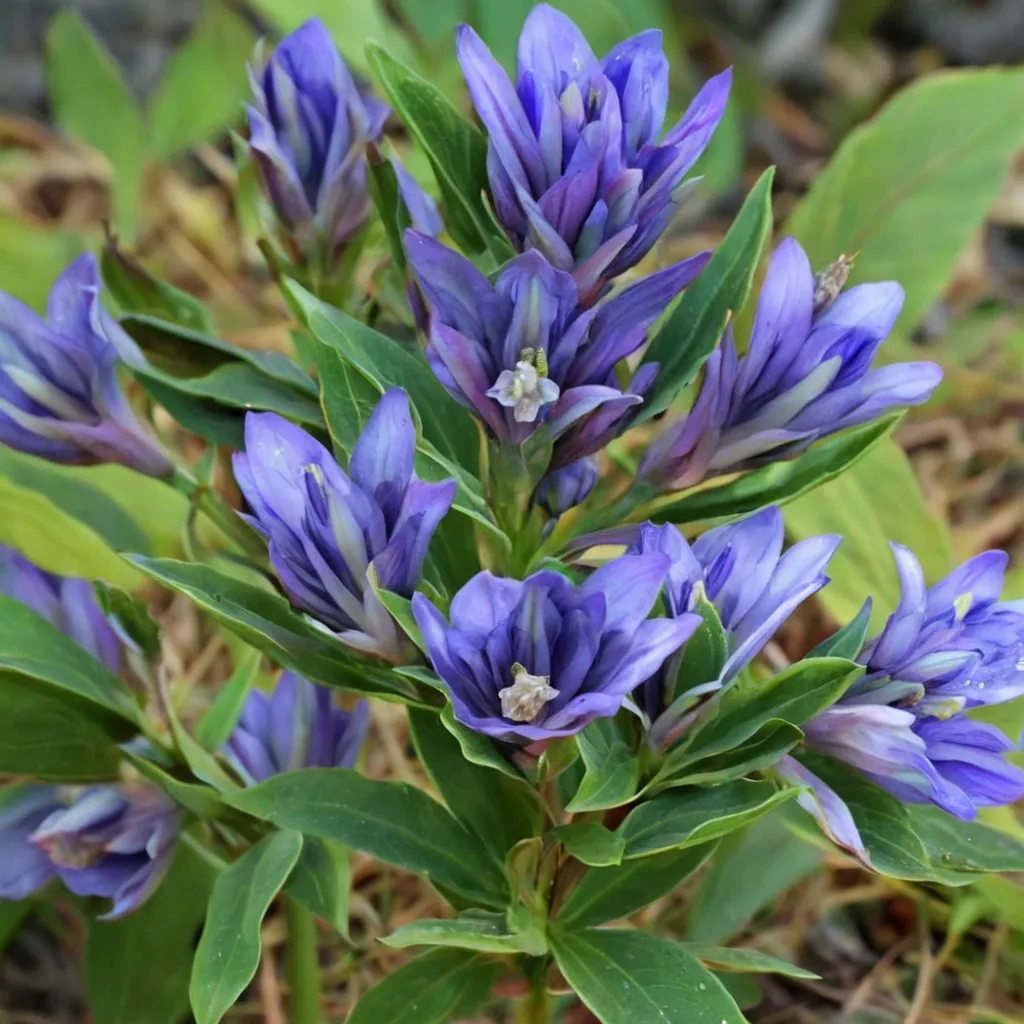
Catesby's Gentian
Gentiana catesbaei
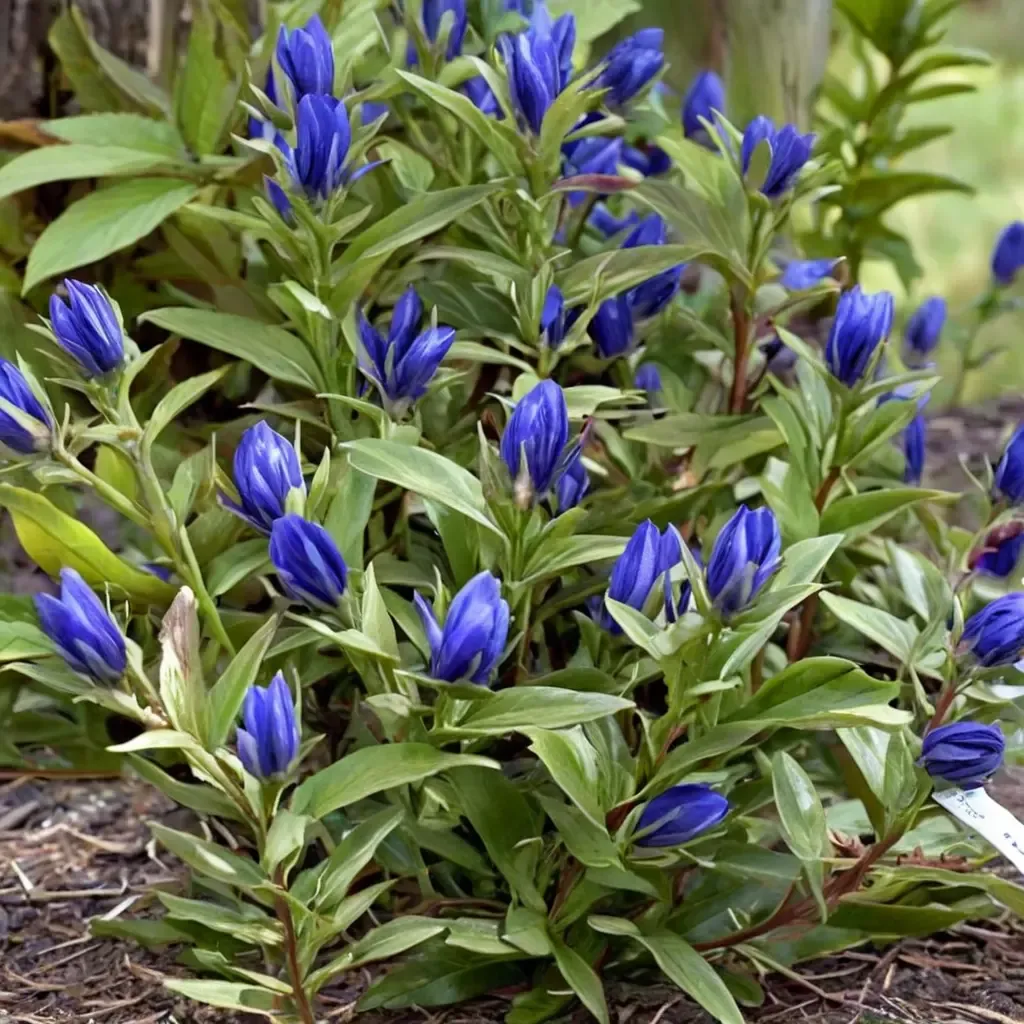
True Blue Gentian
Gentiana x hybrida 'True Blue'
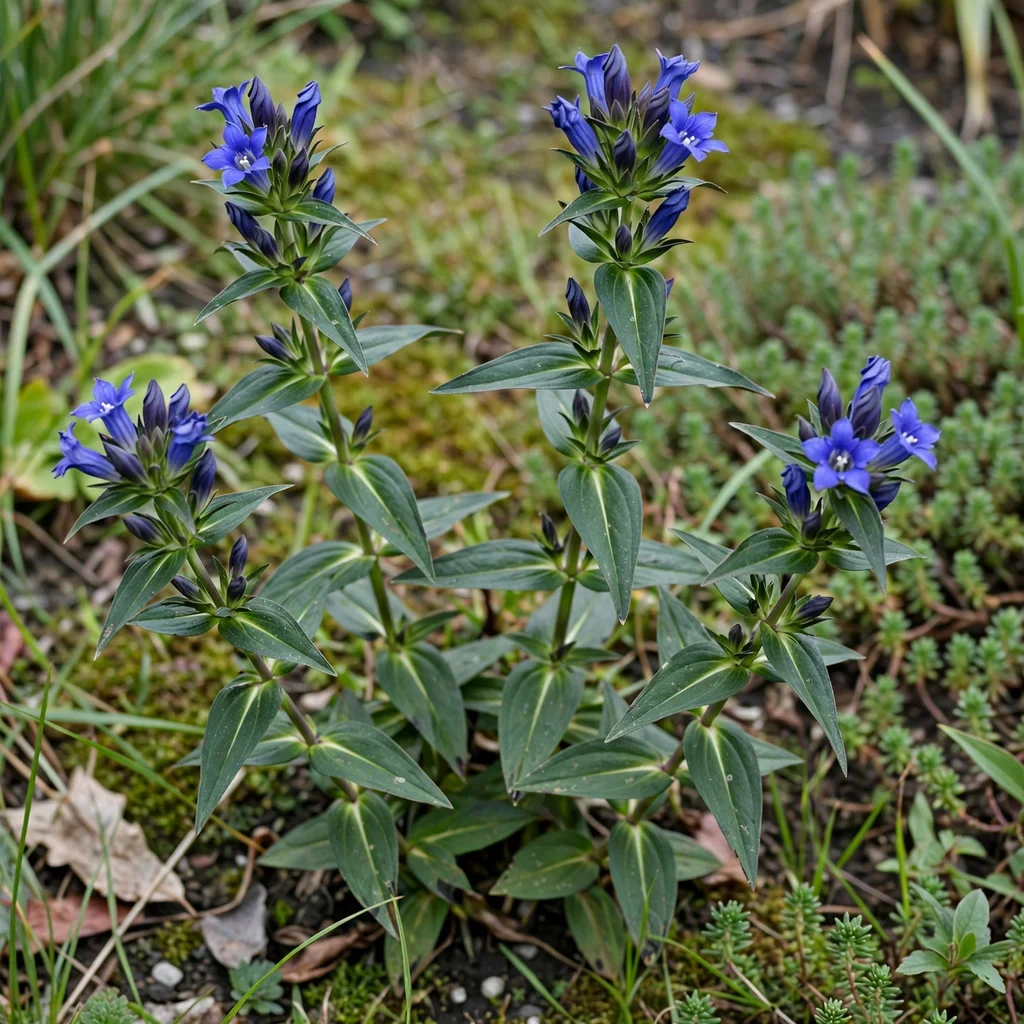
Japanese Gentian
Gentiana scabra
Keep exploring
Explore the genus
Hardy in your zone?
Grow King's Scepter Gentian with confidence
See it in a design of your actual yard, get zone-matched care reminders, and track it season by season in your garden journal.