The Story
Plant Bio
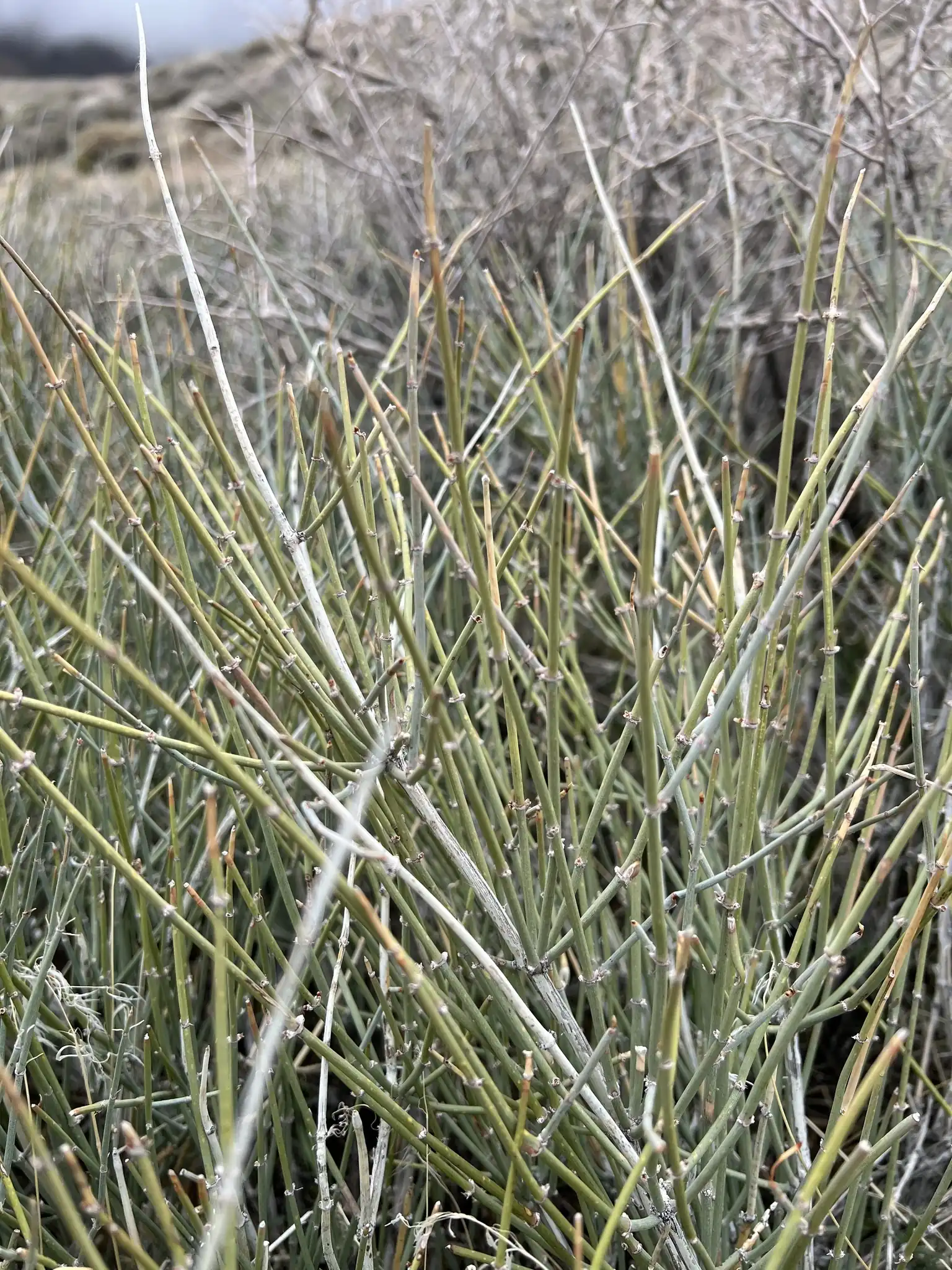
Ephedra nevadensis, the Nevada jointfir, is a dioecious evergreen shrub forming an erect-spreading broom of jointed, fluted stems to about four feet tall and wide. Leaves are reduced to tiny paired scales that split and fall early, leaving photosynthesis to the pale gray to bluish-green stems with yellow-green new growth.
It is distinguished by its gray, densely jointed habit and ovoid seed cones borne only on female plants, with oval pollen cones to 8 mm on males; wind does the pollination, so seed requires both sexes together. Unlike Asian Ephedra sinica it is very low in ephedrine and is often confused with Ephedra viridis, from which its grayer stems and smaller cones separate it.
Uses & Benefits:
Essentials
At a Glance
Plant Type
Shrub
Height
48"
Width
48"
Light
Full Sun, Partial Sun
Zones
5, 6, 7, 8, 9, 10
Water
Low
Humidity
Low
Lifespan
Long-lived shrub
Native To
Western USA deserts
Toxicity
Toxic if ingested
Bloom period
Early spring – Mid spring
In flower about 2 months of the year
Planting
How to Grow
- Choose a full-sun slope or raised bed with lean, sandy or rocky soil that drains instantly.
- Space plants 3 feet apart to allow their broom-like, spreading crowns to fill without crowding.
- Plant at nursery depth with the crown slightly high, backfill with native soil and gravel, and water in once.
- Water sparingly through the first summer, then taper to natural rainfall except in prolonged drought.
Pro Tip
Plant one male with several females in pure sand and gravel with no organic mulch against the crown; water to establish, then leave it dry — wet soil rots the roots faster than drought ever will.
Keep It Thriving
Care Guide
Do
- Give full sun and sharp drainage with sand and gravel around the crown.
- Leave male plants in place if you want seed on females.
- Use as winter browse cover and seed for quail and small mammals where appropriate.
Don't
- Do not plant in clay, low spots, or irrigated beds that stay wet.
- Do not fertilize or enrich the soil — it grows in low-nutrient desert soil.
- Do not shear into formal shapes or cut back into old leafless wood.
Seasonal Care Calendar
| Task | Jan | Feb | Mar | Apr | May | Jun | Jul | Aug | Sep | Oct | Nov | Dec |
|---|---|---|---|---|---|---|---|---|---|---|---|---|
| Mulch | ||||||||||||
| Pest Check | ||||||||||||
| Plant | ||||||||||||
| Propagate |
Watch Out For
Pests & Diseases
Common Pests
Common Diseases
In the Garden
Landscape Uses & Companions
Landscape Uses
Multiply
Propagation Methods
Good to Know
Common Questions
Nevada Jointfir questions
What zones can Nevada Jointfir grow in?
Nevada Jointfir is hardy in USDA Zones 5–10: in that range it survives winter in the ground. Colder than Zone 5, grow it in a container you can move to shelter for the winter.
Is Nevada Jointfir deer resistant?
Not reliably. Deer may browse Nevada Jointfir, especially tender spring growth — plan on repellents or fencing where pressure is high.
When does Nevada Jointfir bloom?
Nevada Jointfir typically blooms in early to mid-spring. Exact timing shifts a week or two with your zone — Sow's bloom calendar maps it to your garden.
Does Nevada Jointfir need full sun?
Nevada Jointfir does best in full sun to part shade. In hot climates, afternoon shade keeps blooms fresher longer.
Is Nevada Jointfir drought tolerant?
Yes — once established (usually after the first full season), Nevada Jointfir handles dry spells with minimal watering. Water deeply its first year to build the root system that makes that possible.
More Ephedra to compare
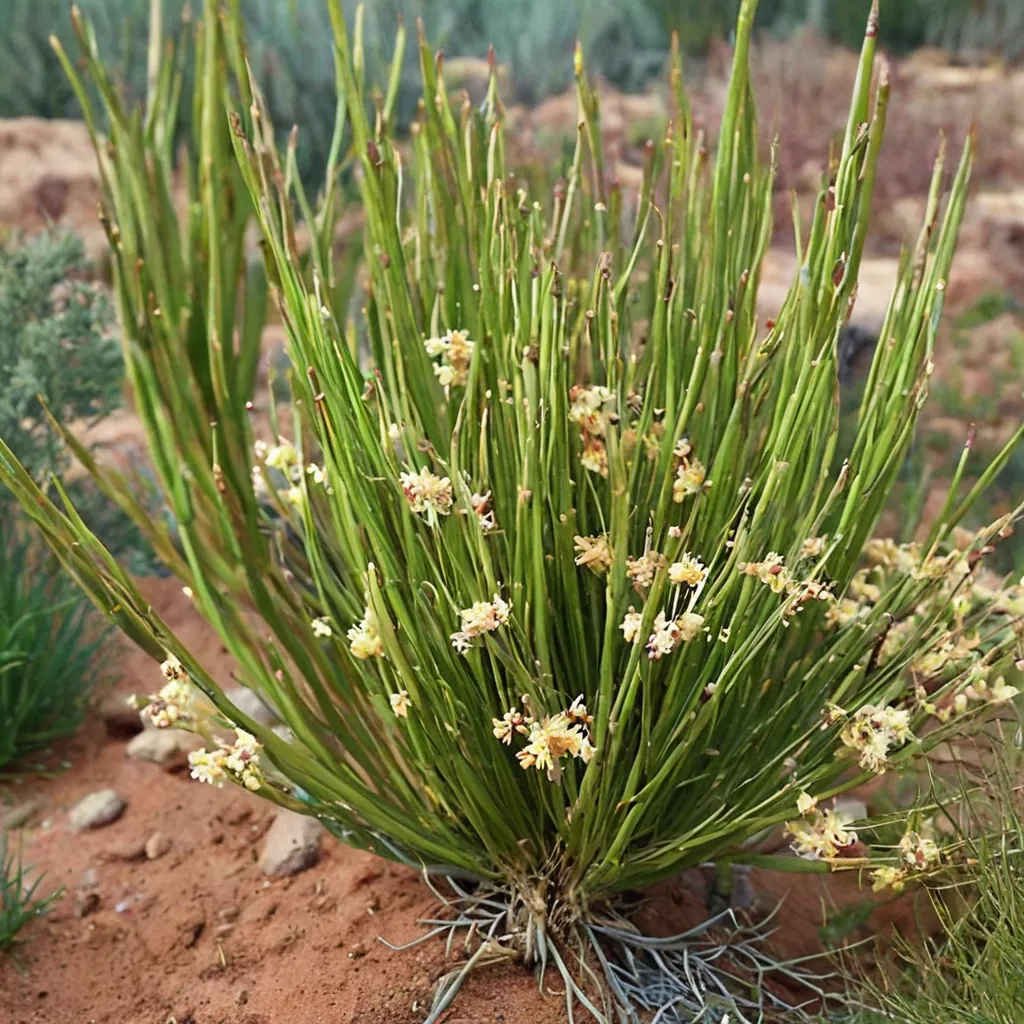
Green Ephedra
Ephedra viridis
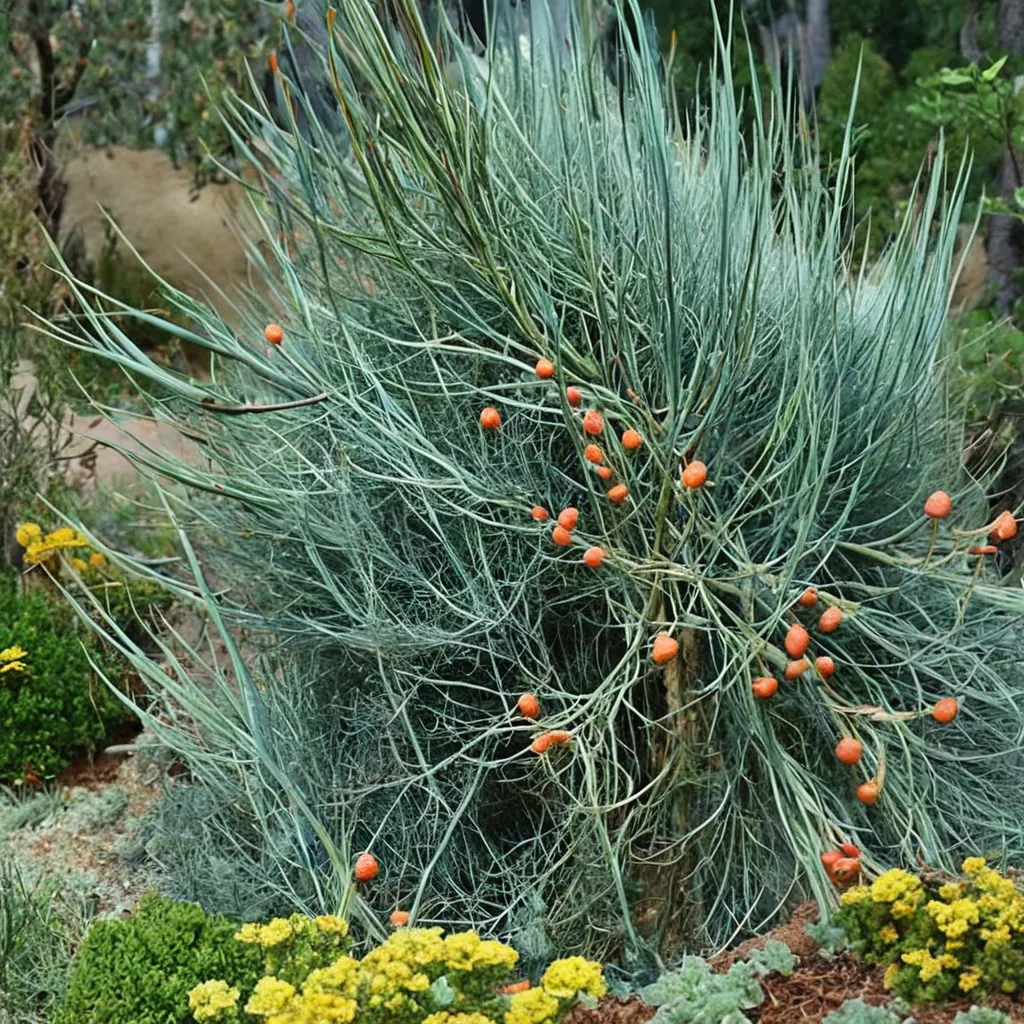
Bluestem Jointfir
Ephedra equisetina
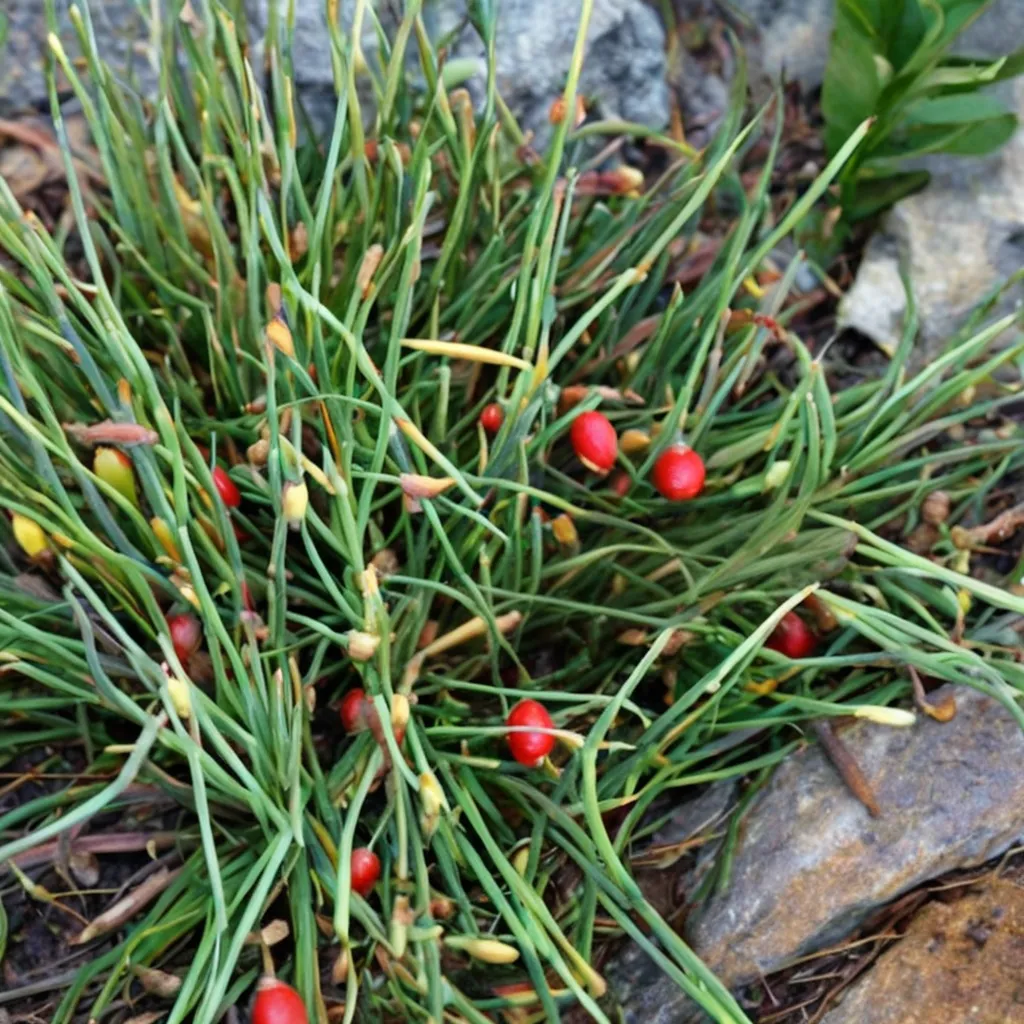
Minute Ephedra
Ephedra minuta
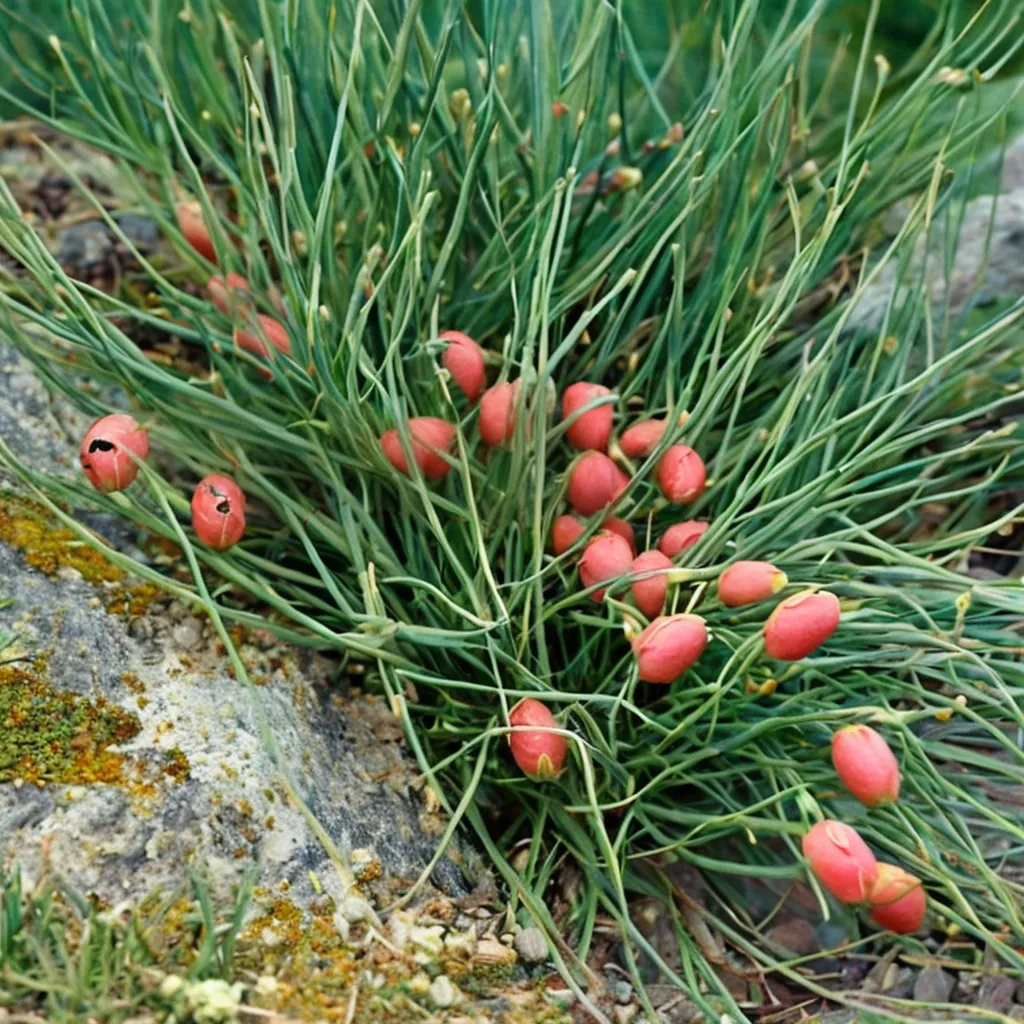
Mongolian Ephedra
Ephedra monosperma
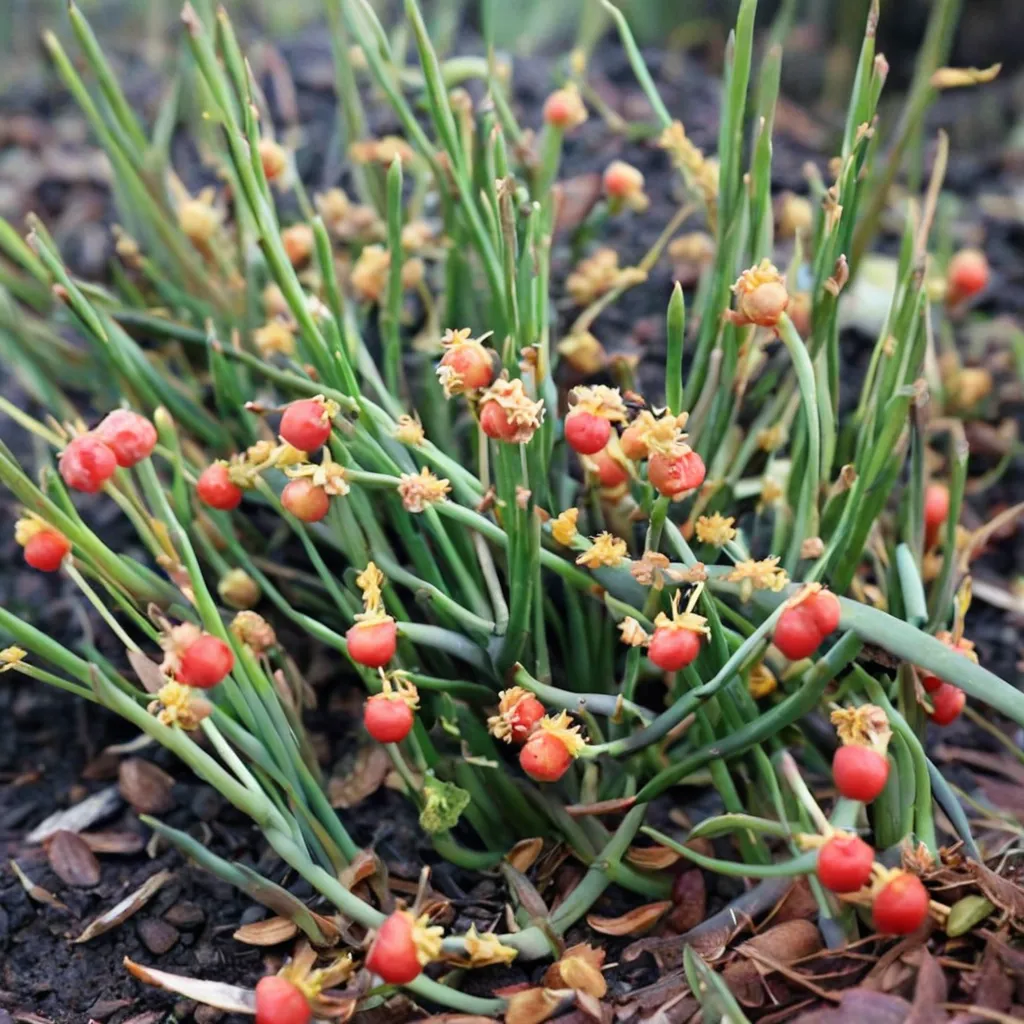
Ephedra regeliana
Ephedra regeliana
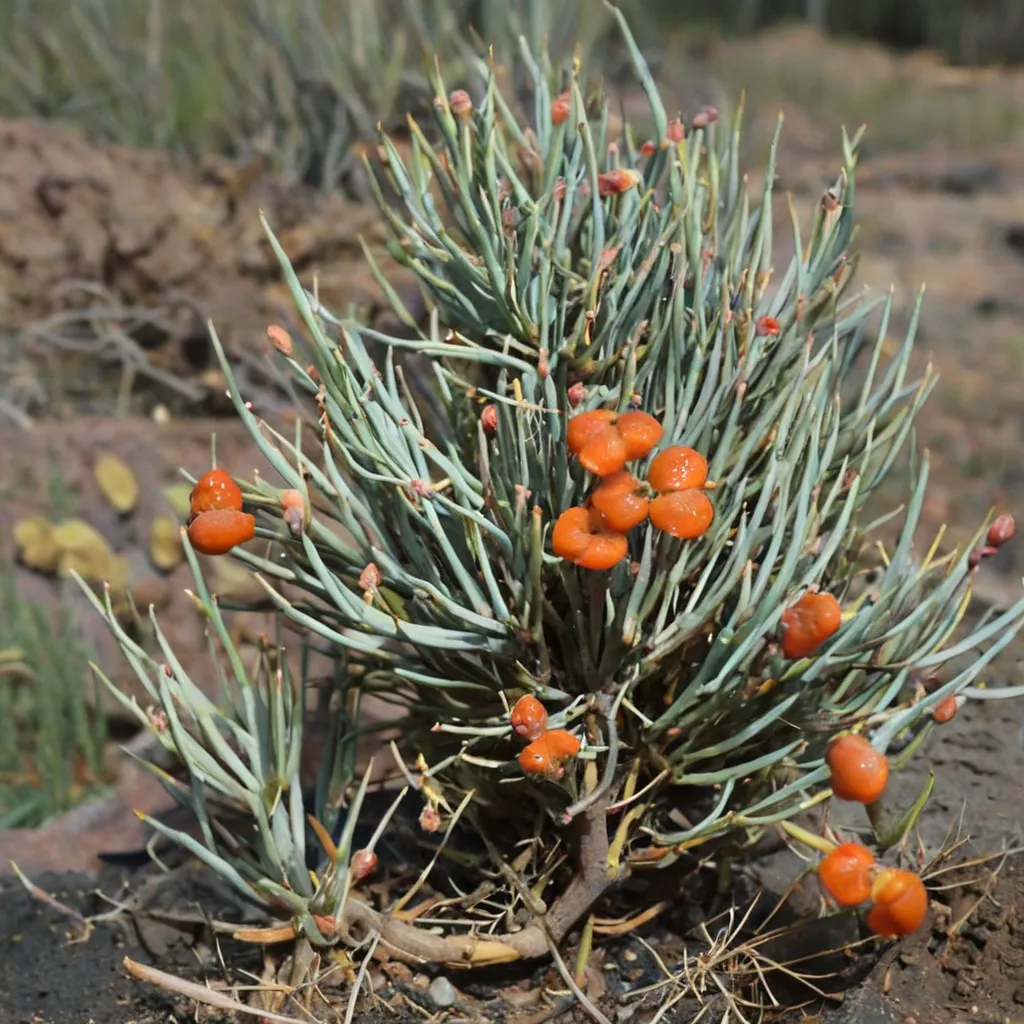
Blue Mormon Tea
Ephedra glauca
Keep exploring
Explore the genus
Grow Nevada Jointfir with confidence
See it in a design of your actual yard, get zone-matched care reminders, and track it season by season in your garden journal.