The Story
Plant Bio
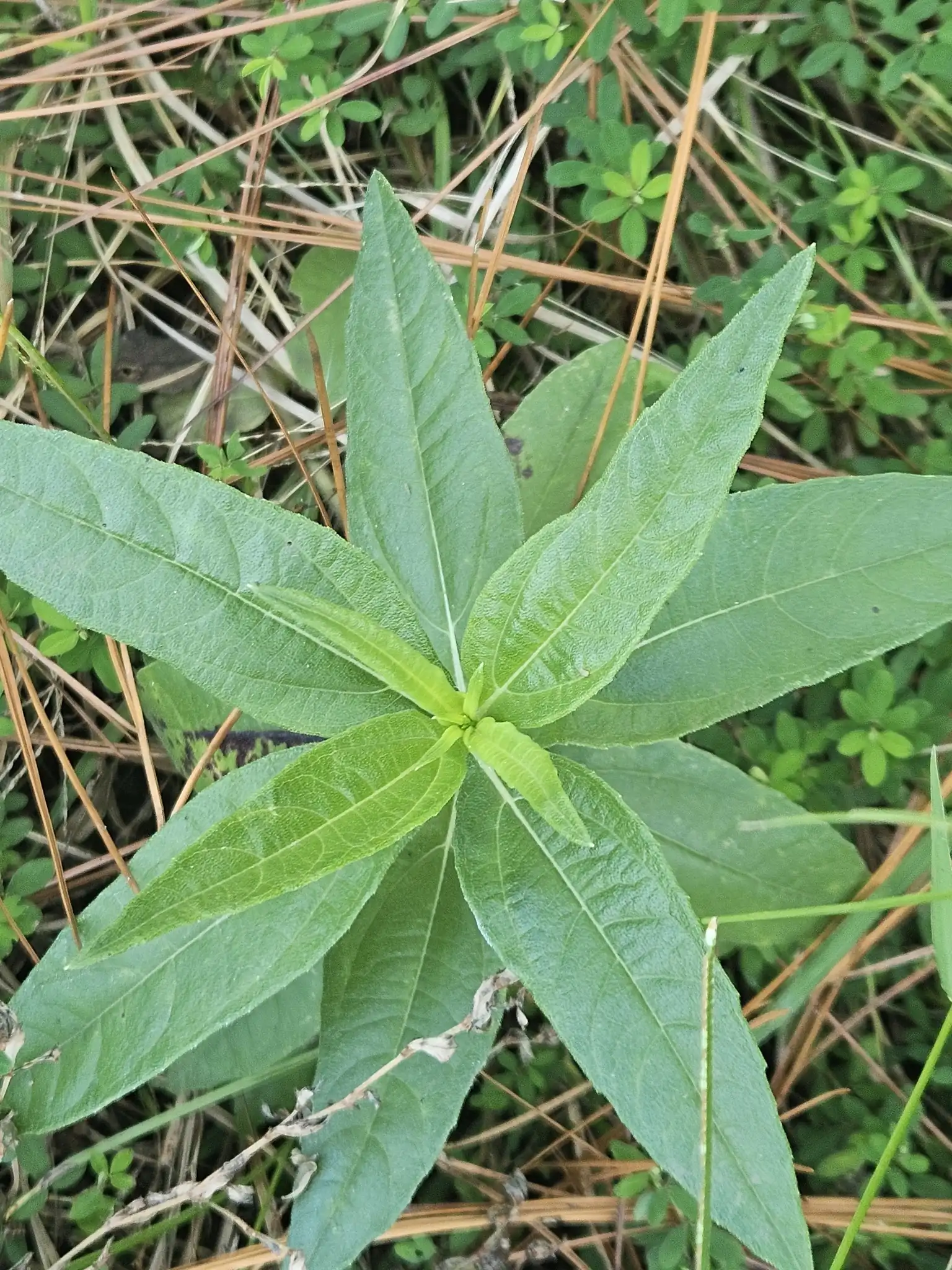
Helianthus simulans, the swamp sunflower, is a rhizomatous perennial sunflower from wet ground in the southeastern United States, reaching 3 to 8 feet in gardens with erect, spreading stems. It carries long, narrow, firm-hairy leaves and bears 1 to 15 sunflower heads with yellow rays around a purplish-red disk from late summer into fall.
It is separated from the similar narrow-leaf sunflowers by its more robust stature and larger leaves; plants with smaller leaves sold as H. angustifolius or shorter, broader leaves sold as H. floridanus are not this species. The central disk varies from yellow to reddish within the species, and established clumps spread densely by rhizomes and turn gangly if crowded in a regular bed.
Uses & Benefits:
Essentials
At a Glance
Plant Type
Perennial
Height
96"
Width
36"
Light
Full Sun, Partial Sun
Zones
8, 9, 10
Water
Medium to wet
Humidity
Tolerates heat and humidity
Lifespan
Long-lived perennial
Native To
Southeastern U.S.
Toxicity
Unknown
Bloom period
Late summer – Fall
In flower about 4 months of the year
Planting
How to Grow
- Plant in full sun in moist to saturated soil, pond edge or low ditch, spacing 30 to 36 inches to allow spreading.
- Dig the hole level with the rootball, backfill with native soil, and water deeply to settle out air pockets.
- Water consistently the first season to establish rhizomes; mulch 2 inches to hold moisture, kept back from crowns.
- Cut stems back by one-third in early summer if plants get leggy, and leave fall seed heads for birds before cutting to the ground in late winter.
Pro Tip
Cut back the stems by one-third in early summer to keep the clump bushier and shorter.
Keep It Thriving
Care Guide
Do
- Give it room to colonize in wet soil where spreading is wanted.
- Water during dry spells for better foliage and bloom, even once established.
- Divide congested clumps in early spring to renew vigor.
Don't
- Do not plant in a tight mixed border where its height and spread will crowd neighbors.
- Do not let seed heads self-sow unchecked if you want a contained clump.
- Do not cut back into bare woody bases late in the season; cut leafy stems only.
Seasonal Care Calendar
| Task | Jan | Feb | Mar | Apr | May | Jun | Jul | Aug | Sep | Oct | Nov | Dec |
|---|---|---|---|---|---|---|---|---|---|---|---|---|
| Deadhead | ||||||||||||
| Divide | ||||||||||||
| Pinch | ||||||||||||
| Plant | ||||||||||||
| Propagate |
Watch Out For
Pests & Diseases
Common Pests
Common Diseases
In the Garden
Landscape Uses & Companions
Landscape Uses
Multiply
Propagation Methods
Good to Know
Common Questions
Swamp Sunflower questions
What zones can Swamp Sunflower grow in?
Swamp Sunflower is hardy in USDA Zones 8–10: in that range it survives winter in the ground. Colder than Zone 8, grow it in a container you can move to shelter for the winter, or as an annual.
Is Swamp Sunflower deer resistant?
Yes — Swamp Sunflower is rated deer-resistant. Deer typically pass it over, though extreme hunger can override any plant's defenses.
When does Swamp Sunflower bloom?
Swamp Sunflower typically blooms from late summer to late fall. Exact timing shifts a week or two with your zone — Sow's bloom calendar maps it to your garden.
Does Swamp Sunflower need full sun?
Swamp Sunflower does best in full sun to part shade. In hot climates, afternoon shade keeps blooms fresher longer.
Is Swamp Sunflower drought tolerant?
Yes — once established (usually after the first full season), Swamp Sunflower handles dry spells with minimal watering. Water deeply its first year to build the root system that makes that possible.
More Helianthus to compare
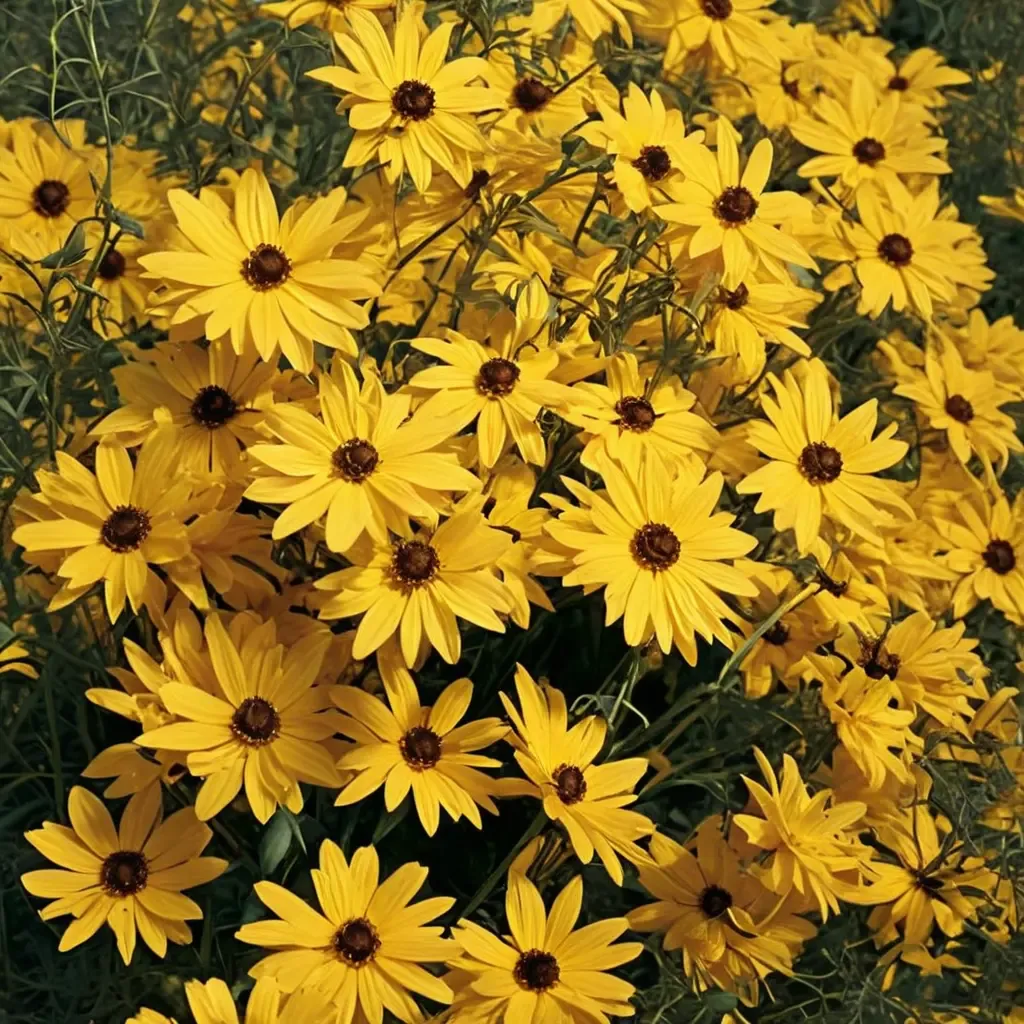
First Light Swamp Sunflower
Helianthus angustifolius 'First Light'
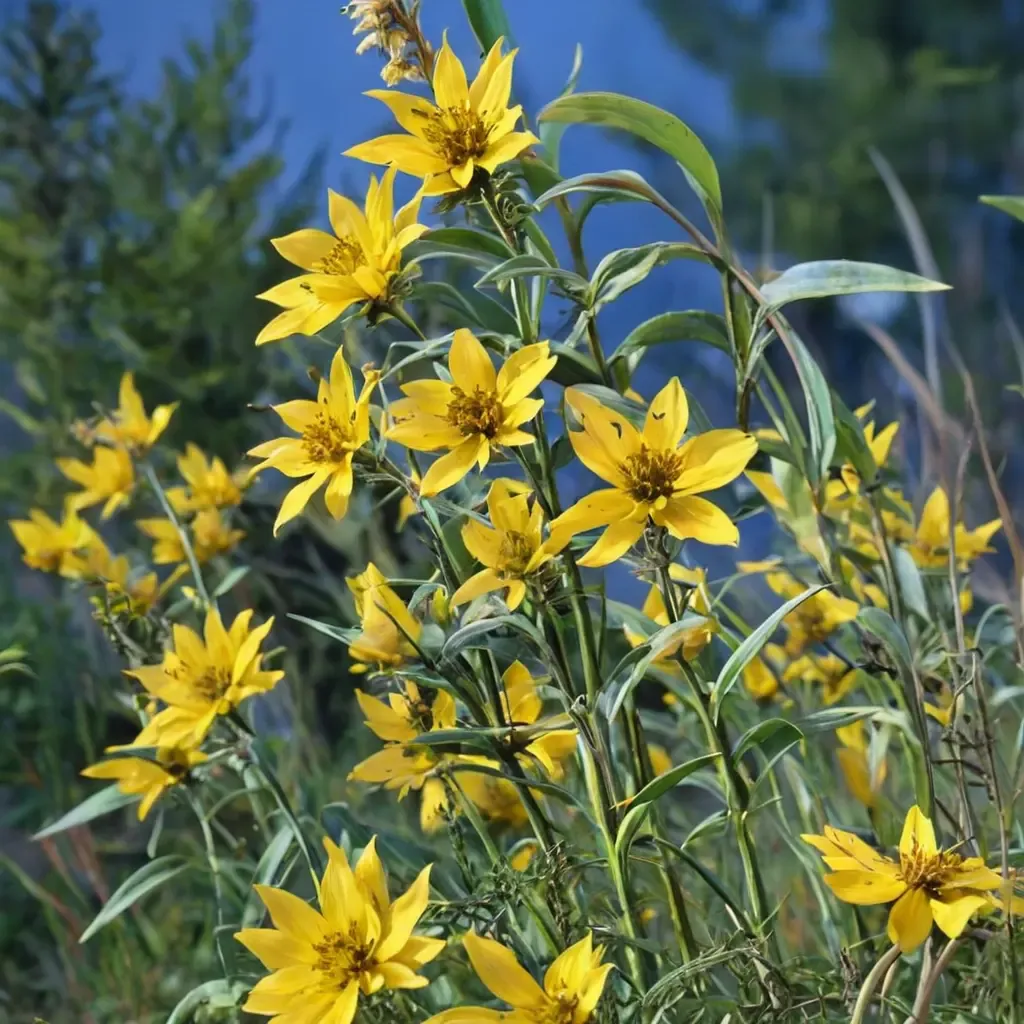
Maximilian sunflower
Helianthus maximiliani
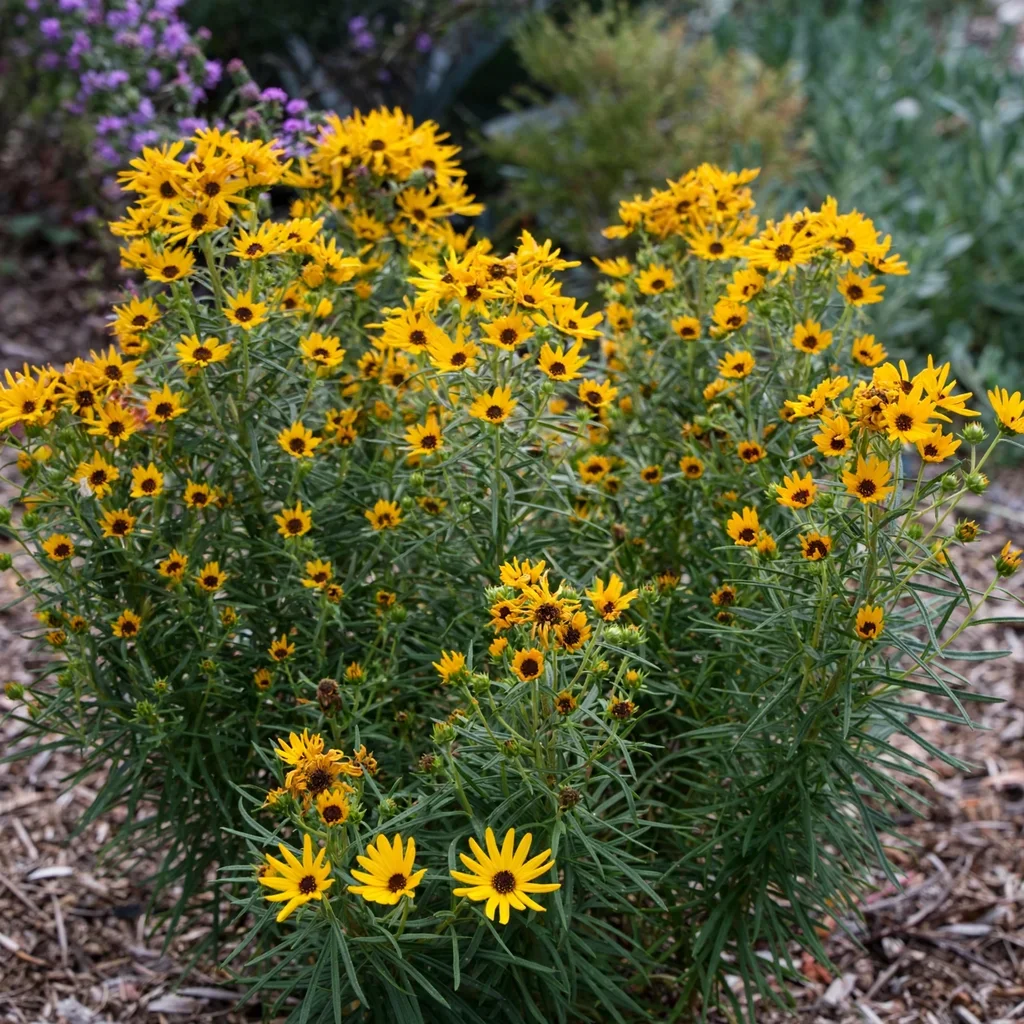
Narrow-Leaf Sunflower Low Down
Helianthus angustifolius 'Low Down'
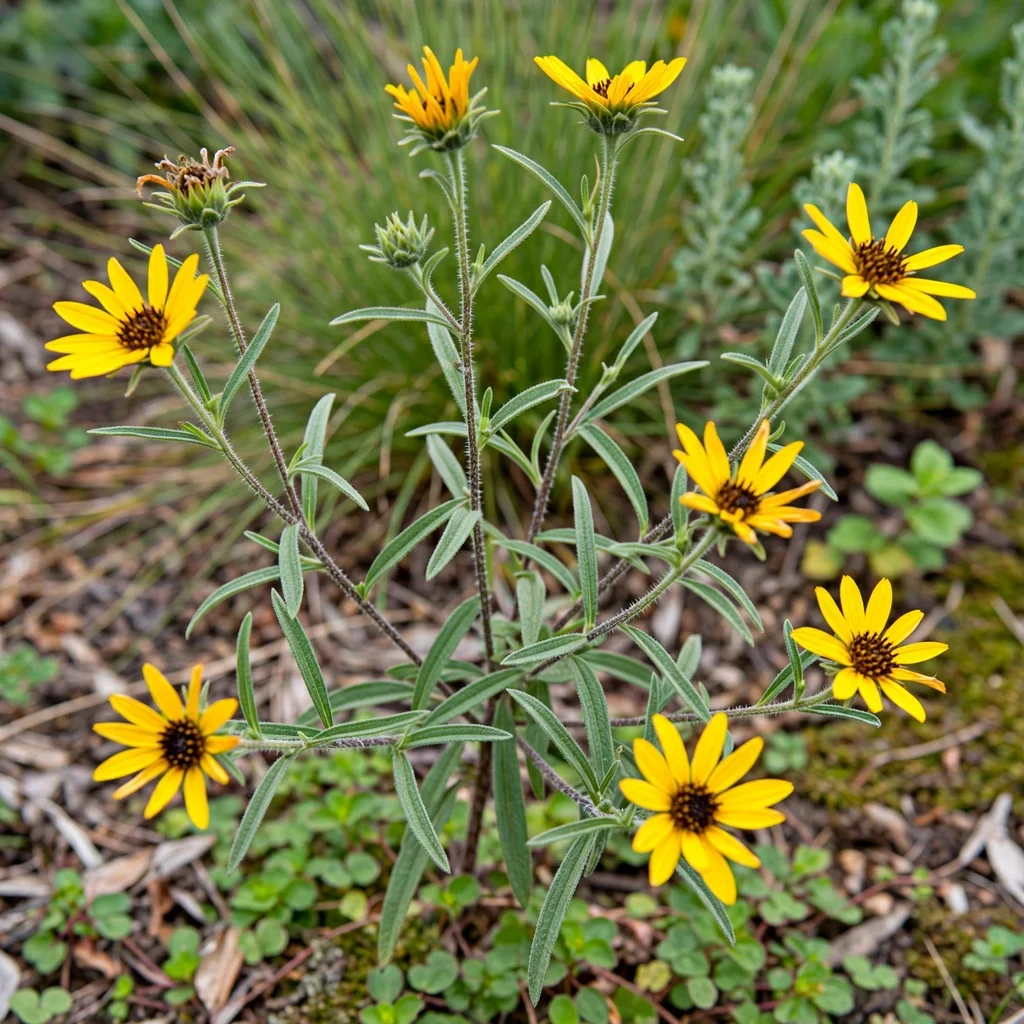
Bolander's Sunflower
Helianthus bolanderi
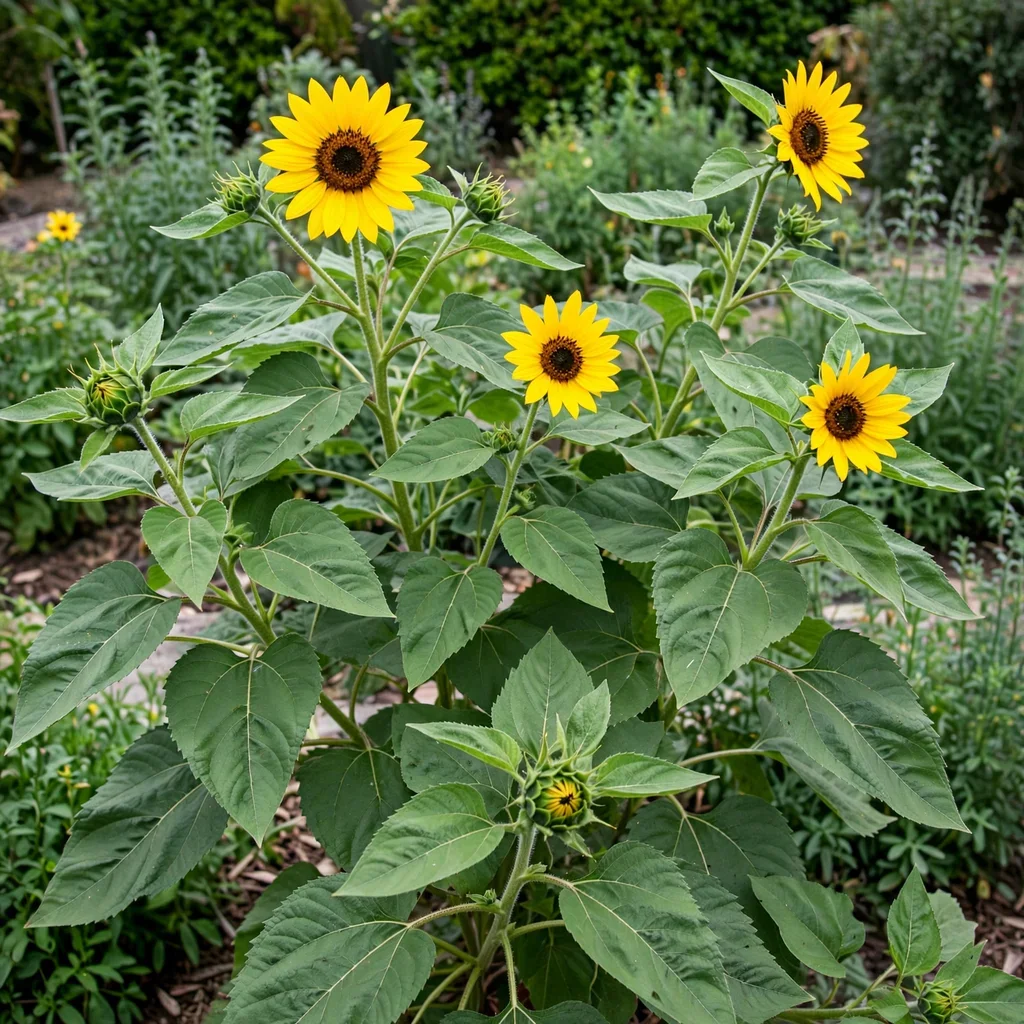
Table Mountain Sunflower
Helianthus annuus 'Table Mountain'
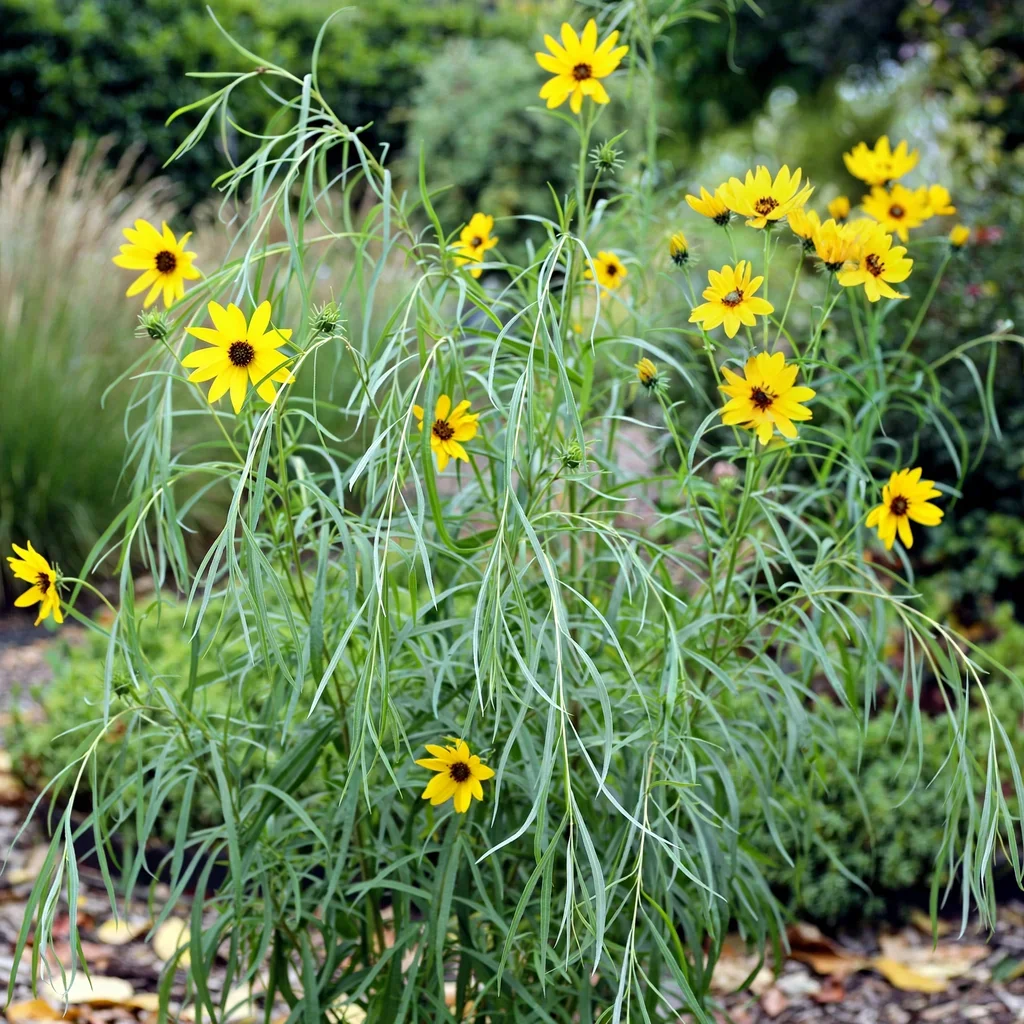
Salicifolius Sunflower Willowleaf Sunflower
Helianthus salicifolius
Keep exploring
Explore the genus
Hardy in your zone?
Grow Swamp Sunflower with confidence
See it in a design of your actual yard, get zone-matched care reminders, and track it season by season in your garden journal.