The Story
Plant Bio
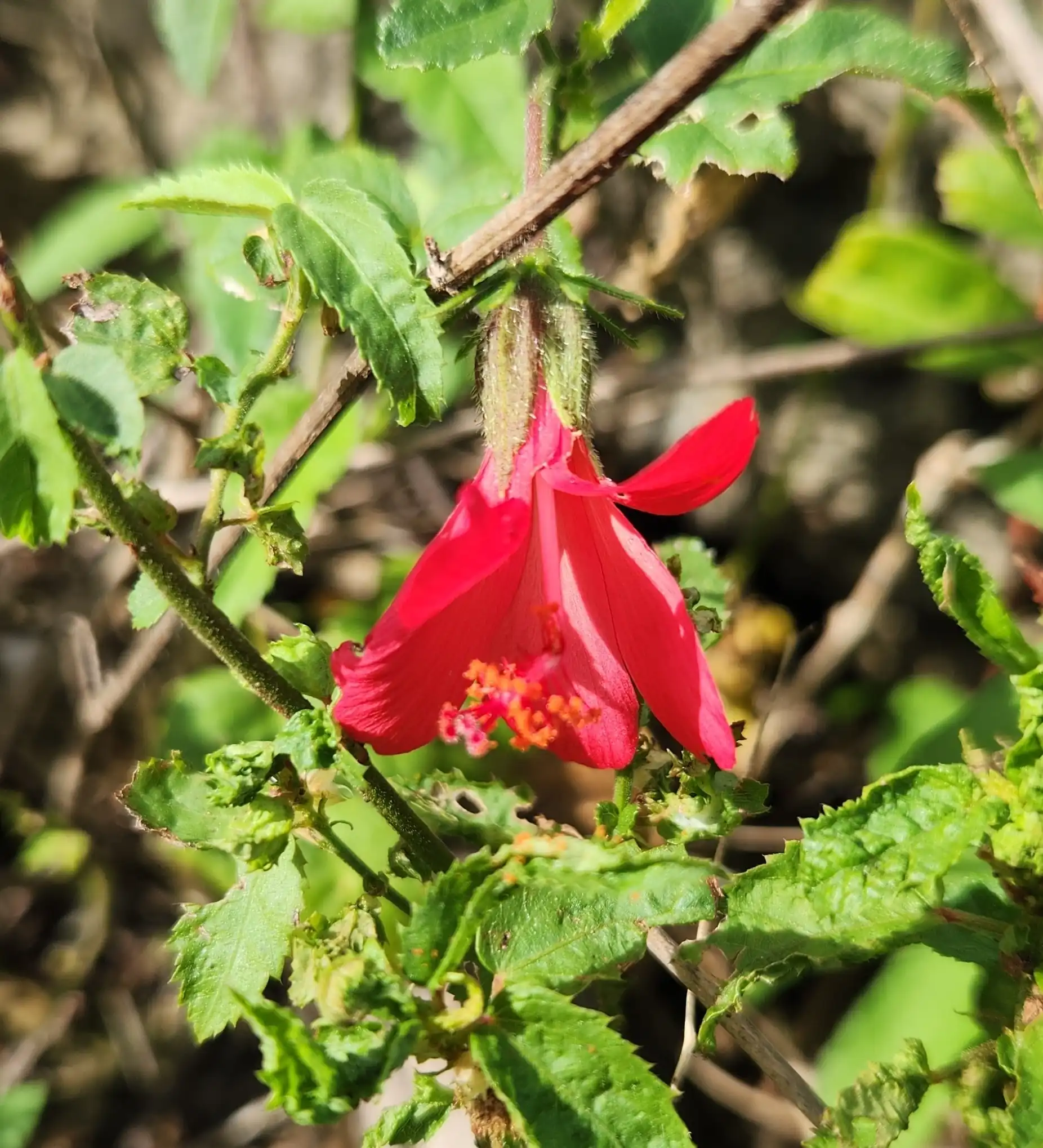
Hibiscus poeppigii is a dwarf, partly woody perennial with small, broadly ovate leaves that are usually three-lobed and coated in fine star-shaped hairs. It carries solitary, nodding red flowers with a narrow funnel of convolute petals and a long exserted staminal column tipped with pollen.
It is the smallest hibiscus native to Florida, forming a 1- to 4-foot subshrub that can flower when only six inches tall. Unlike the broad dinner-plate types, each bloom stays narrow and pendulous for a single day before forming a small round capsule.
Uses & Benefits:
Essentials
At a Glance
Plant Type
Shrub
Height
48"
Width
36"
Light
Full Sun, Partial Sun
Zones
10
Water
Medium
Humidity
High
Lifespan
Perennial
Native To
South Florida, Mexico, Caribbean
Toxicity
Unknown
Bloom period
Year round
In flower about 12 months of the year
Planting
How to Grow
- Plant in spring after nights stay above 50F in full sun to light shade.
- Dig a hole as deep as the pot in limestone sand and set the crown level with the soil surface.
- Backfill with native sand and lime rock, firm gently, and water in deeply.
- Mulch thinly with leaf litter, keeping mulch off the stem.
- Water to keep soil lightly moist the first season, then only during extended dry spells.
Pro Tip
Give it fast-draining limestone sand and bright light with afternoon relief; growth stalls below 40F, so hold potted plants in a warm sheltered spot during cold snaps and keep the crown dry.
Keep It Thriving
Care Guide
Do
- Do plant in fast-draining calcareous sand with the crown dry.
- Do monitor shoot tips for aphids and whiteflies and rinse with water.
- Do protect from frost below 40F with cover or by moving pots inside.
Don't
- Don't plant in heavy clay or soggy soil that holds water.
- Don't overwater or wet the foliage late in the day.
- Don't plant it for beachfront salt spray; it has low spray tolerance.
Seasonal Care Calendar
| Task | Jan | Feb | Mar | Apr | May | Jun | Jul | Aug | Sep | Oct | Nov | Dec |
|---|---|---|---|---|---|---|---|---|---|---|---|---|
| Mulch | ||||||||||||
| Pest Check | ||||||||||||
| Plant | ||||||||||||
| Propagate | ||||||||||||
| Winter Prep |
Watch Out For
Pests & Diseases
Common Pests
Common Diseases
In the Garden
Landscape Uses & Companions
Landscape Uses
Multiply
Propagation Methods
Good to Know
Common Questions
Fairy Hibiscus questions
What zones can Fairy Hibiscus grow in?
Fairy Hibiscus is hardy in USDA Zone 10: in that range it survives winter in the ground. Colder than Zone 10, grow it in a container you can move to shelter for the winter.
When does Fairy Hibiscus bloom?
Fairy Hibiscus typically blooms year-round. Exact timing shifts a week or two with your zone — Sow's bloom calendar maps it to your garden.
Does Fairy Hibiscus need full sun?
Fairy Hibiscus does best in full sun to part shade. In hot climates, afternoon shade keeps blooms fresher longer.
More Hibiscus to compare
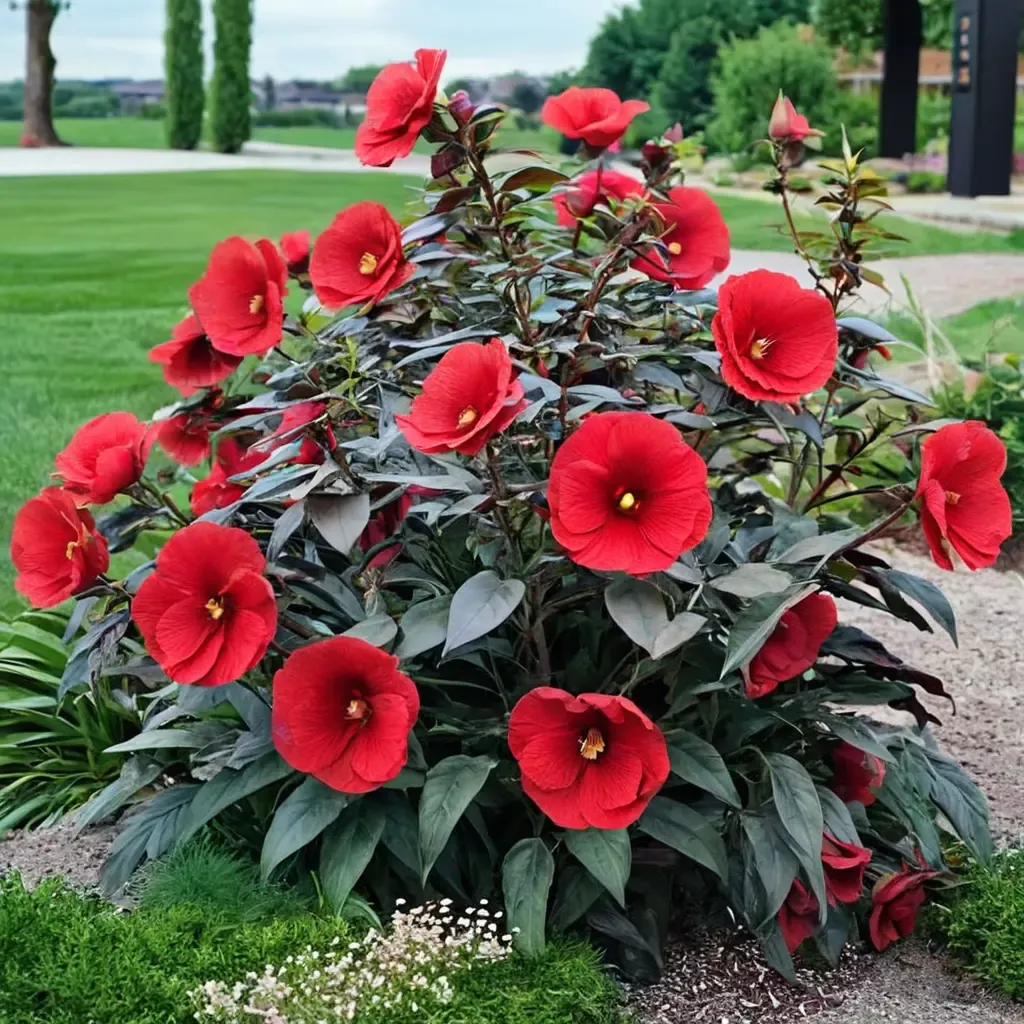
Midnight Marvel Swamp Hibiscus
Hibiscus moscheutos 'Midnight Marvel'
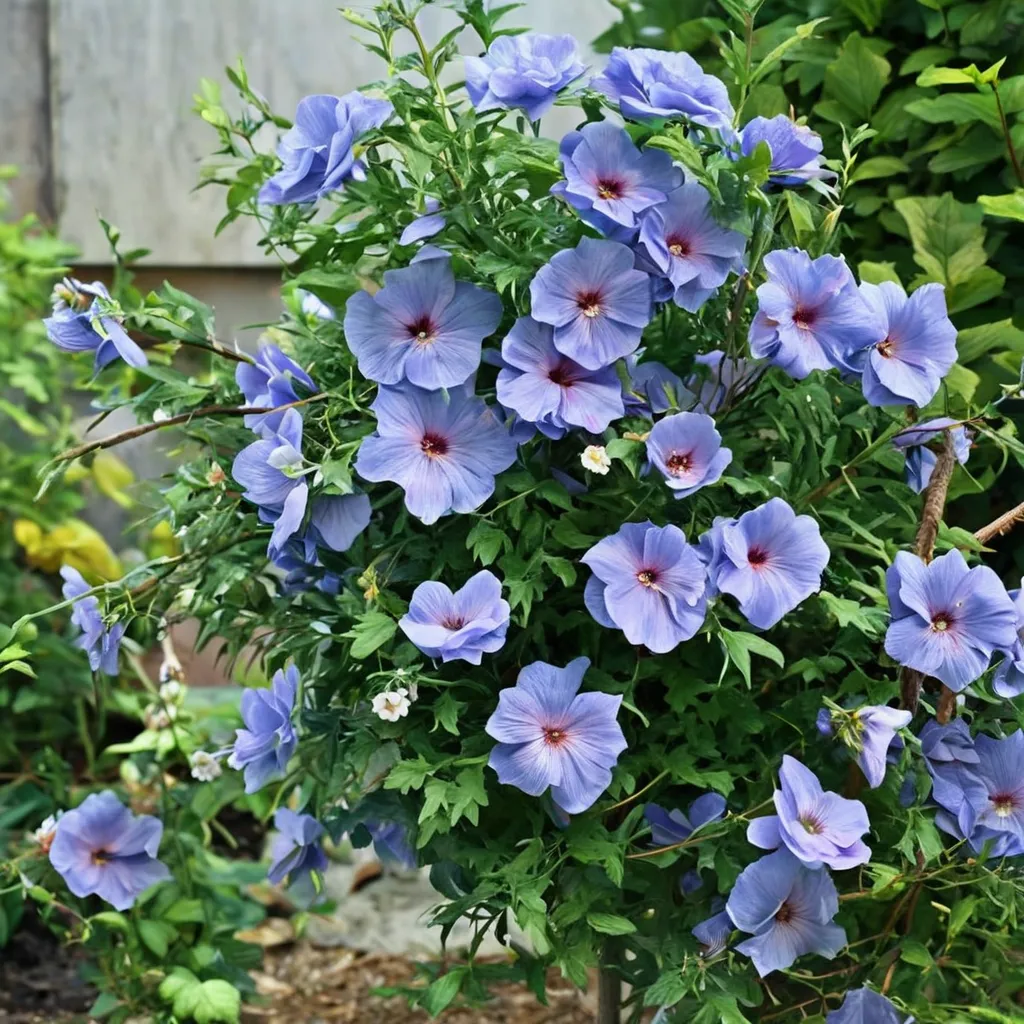
Rose of Sharon Hibiscus
Hibiscus syriacus 'Azurri Blue Satin'
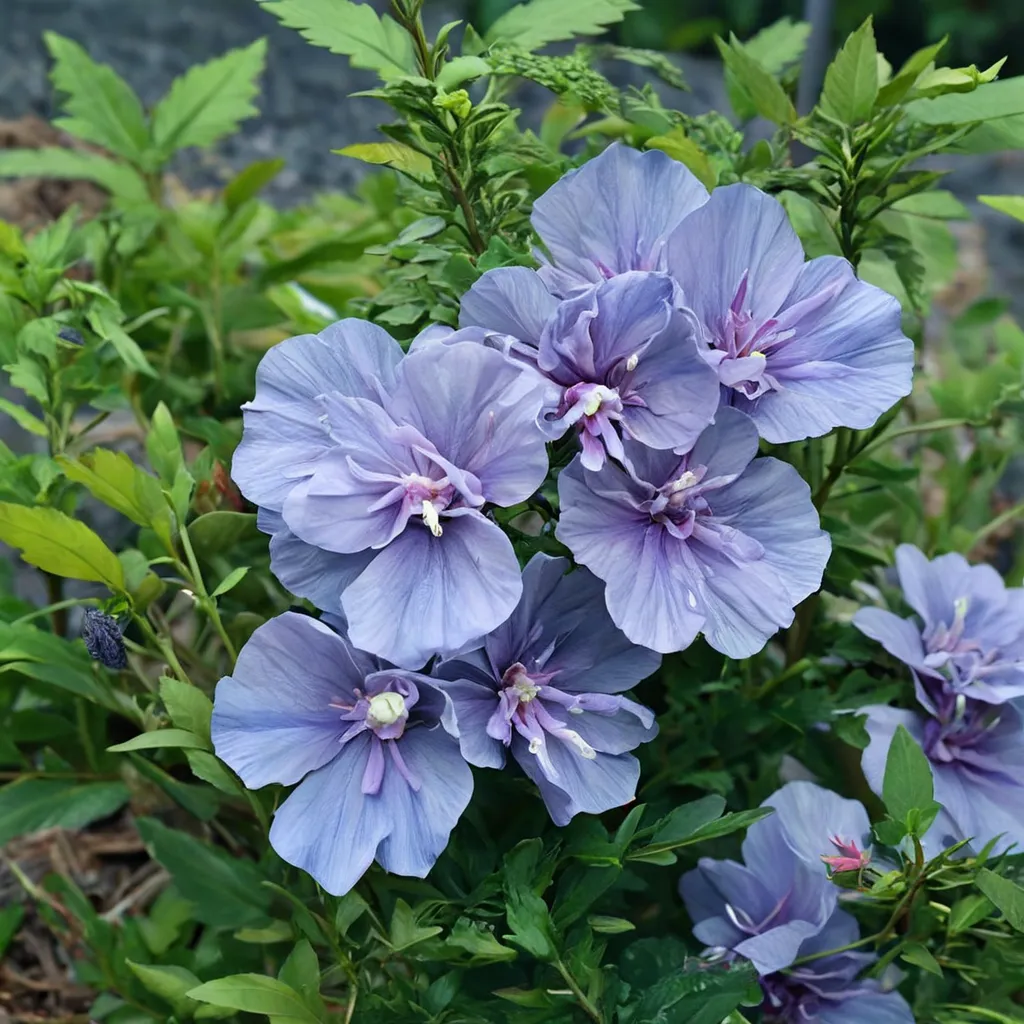
Blue Chiffon Rose of Sharon
Hibiscus syriacus 'Blue Chiffon'
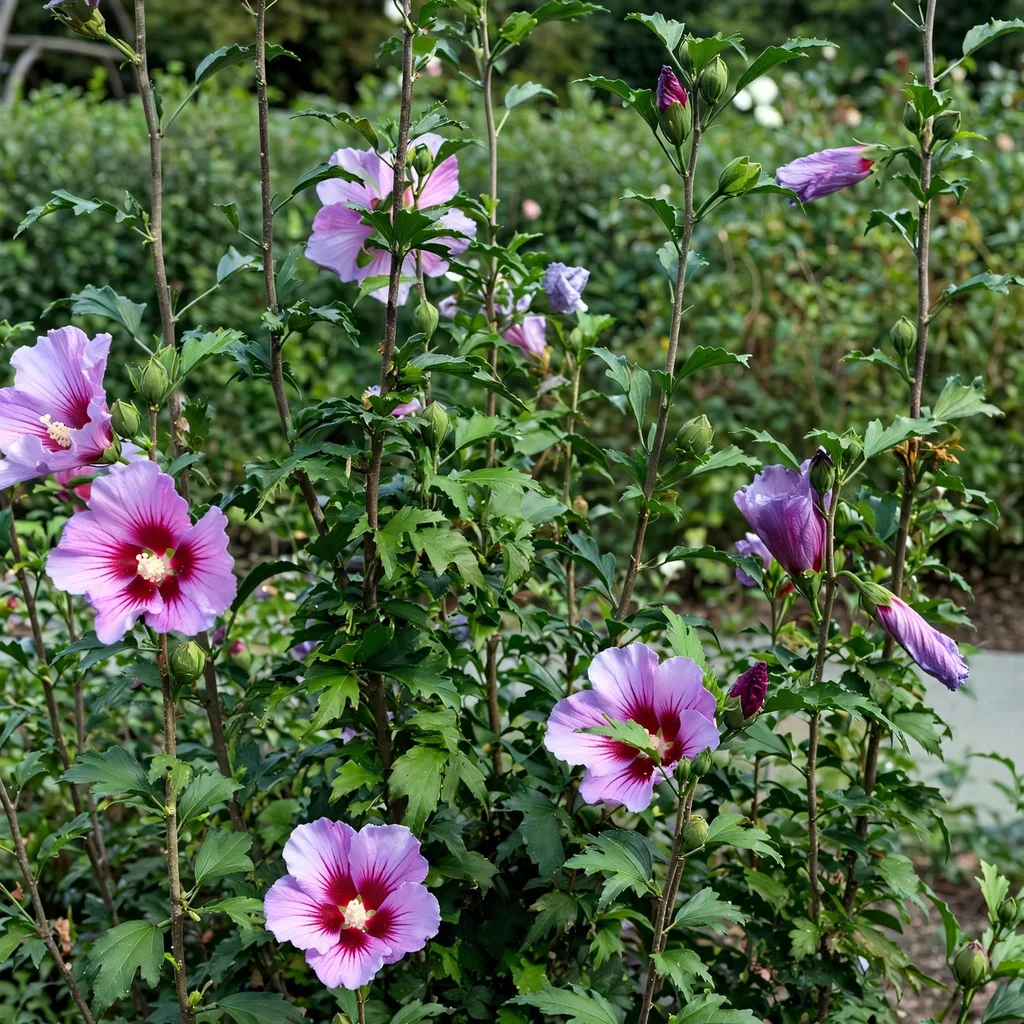
Purple Pillar Hibiscus
Hibiscus syriacus 'Purple Pillar'
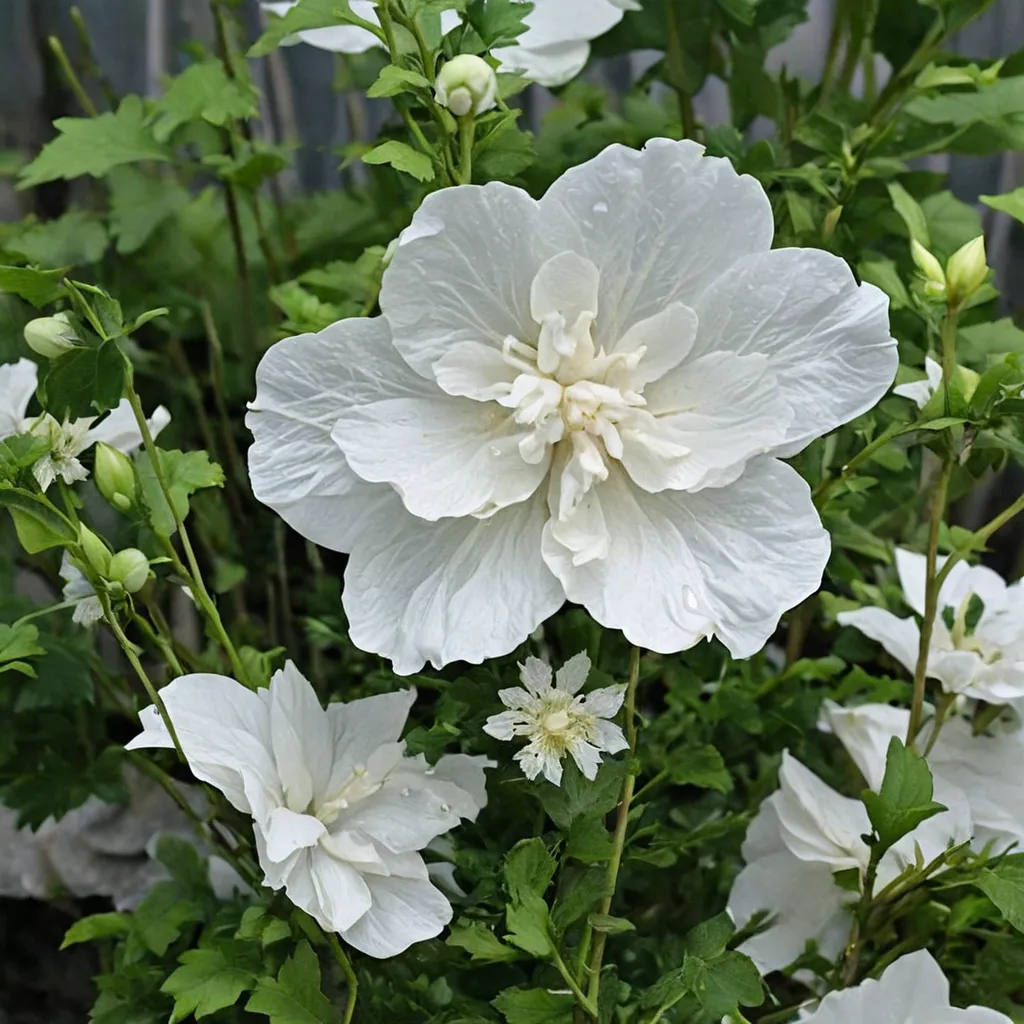
White Chiffon Hibiscus
Hibiscus syriacus 'White Chiffon'
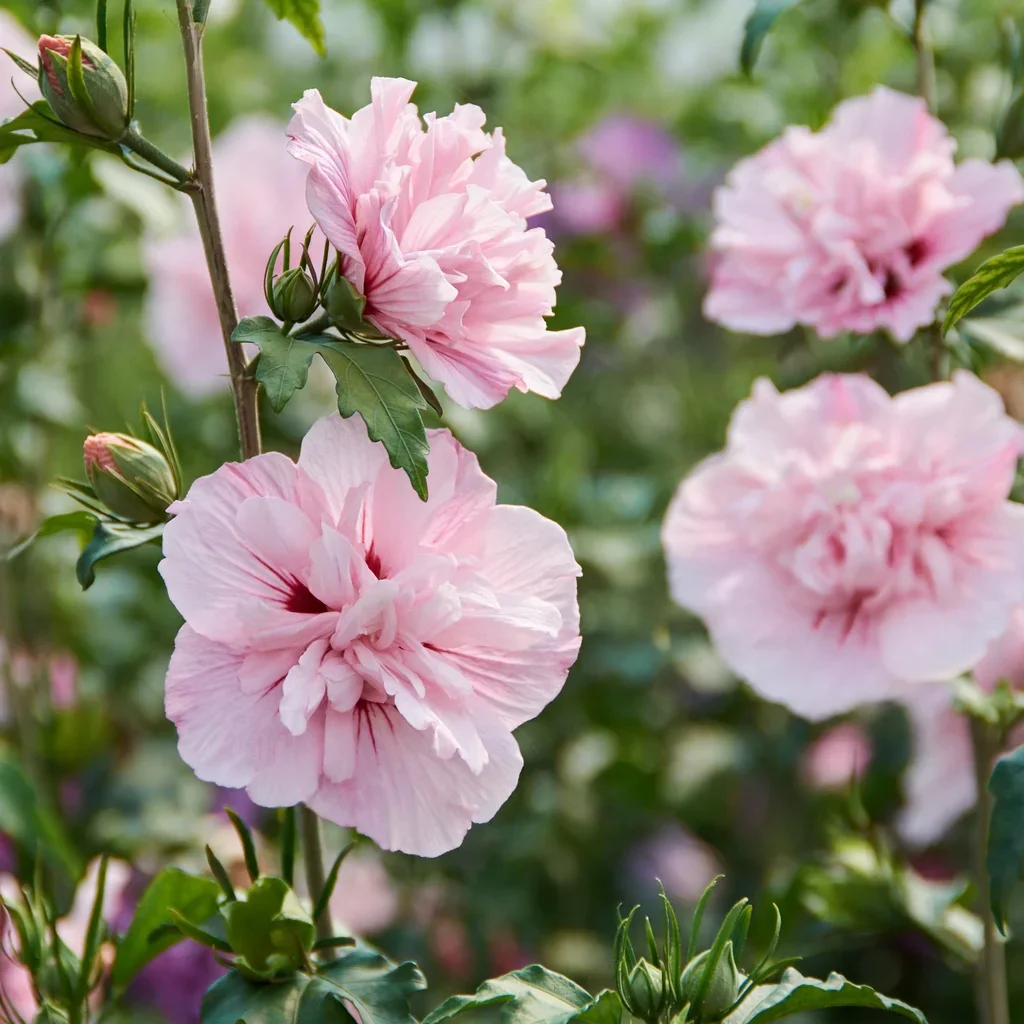
Pink Chiffon Rose of Sharon
Hibiscus syriacus 'Pink Chiffon'
Keep exploring
Hardy in your zone?
Grow Fairy Hibiscus with confidence
See it in a design of your actual yard, get zone-matched care reminders, and track it season by season in your garden journal.