Also known as Wild Coffee · 2 saves
Psychotria
Psychotria, the genus most gardeners know as wild coffee. We track 5 varieties; the ones most used by real gardeners.
The 5 most-saved Psychotria varieties
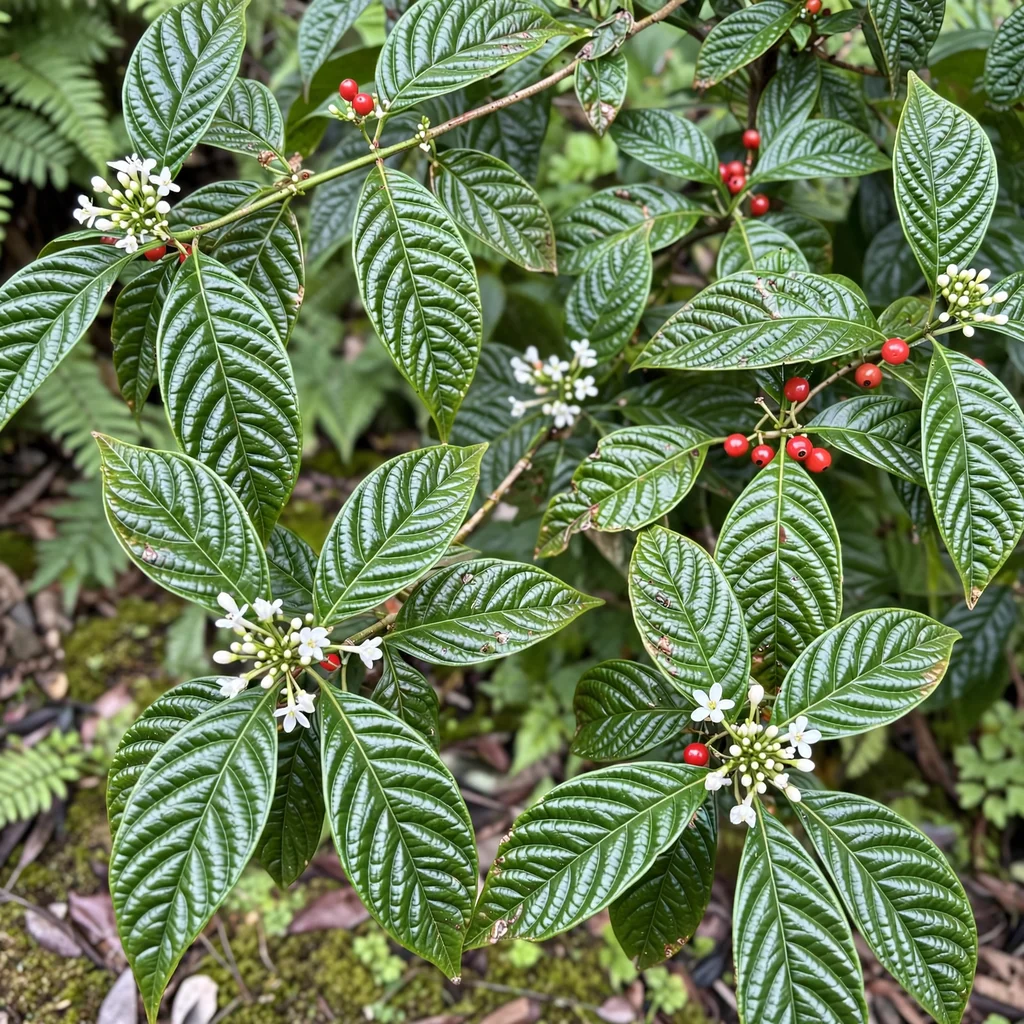
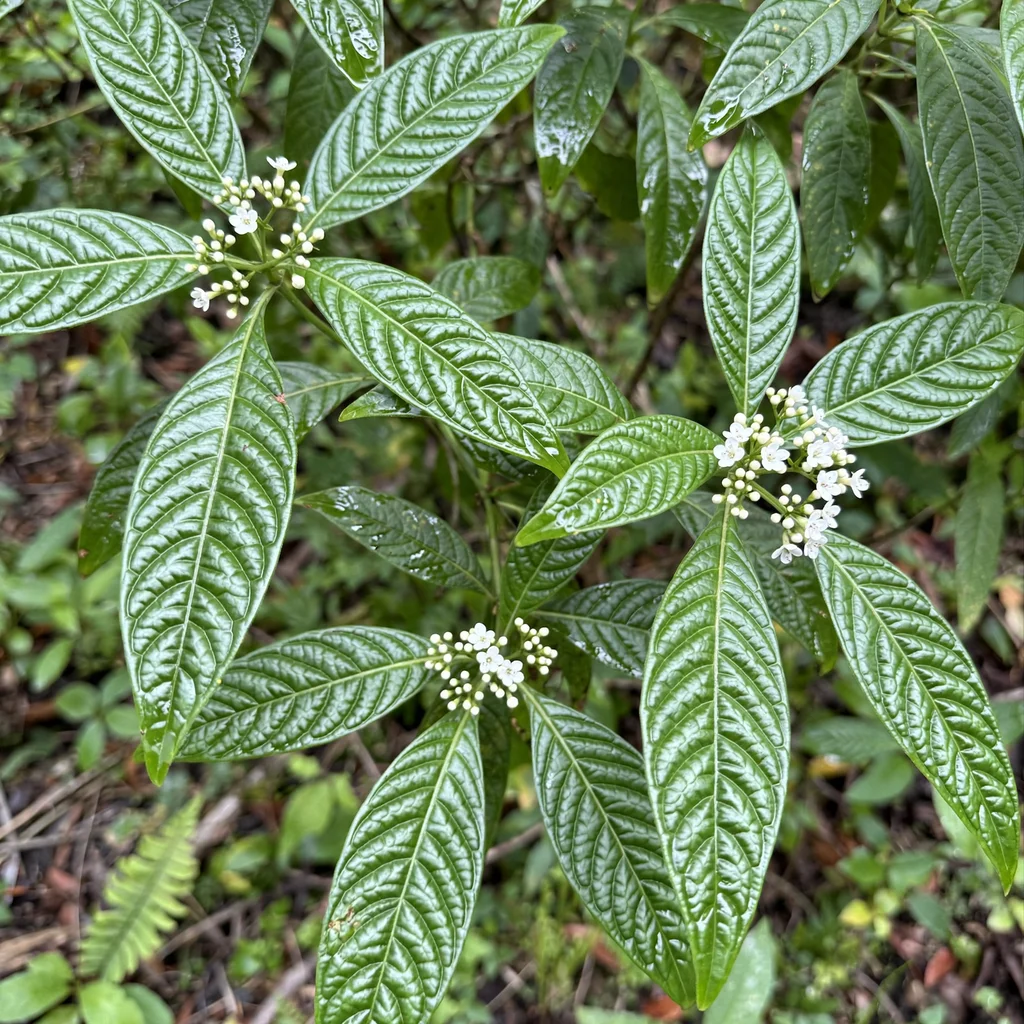
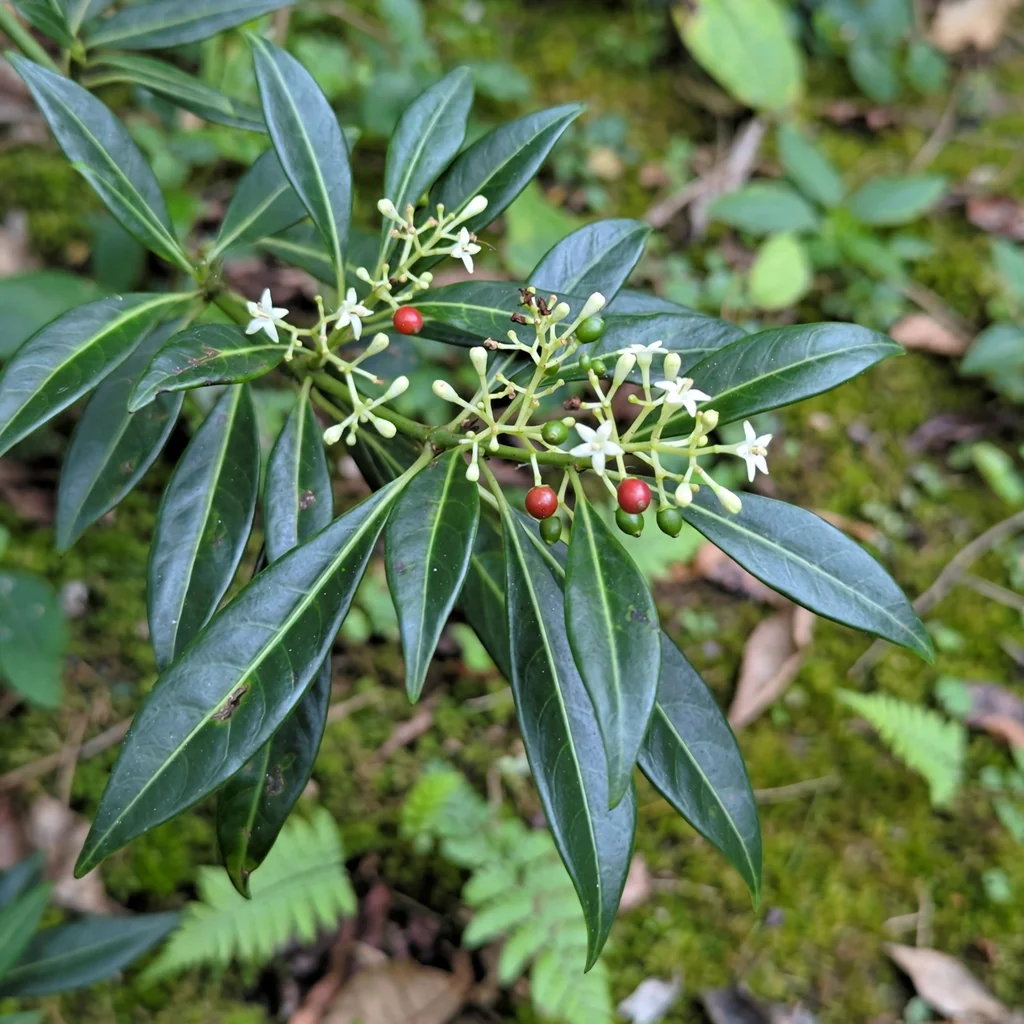
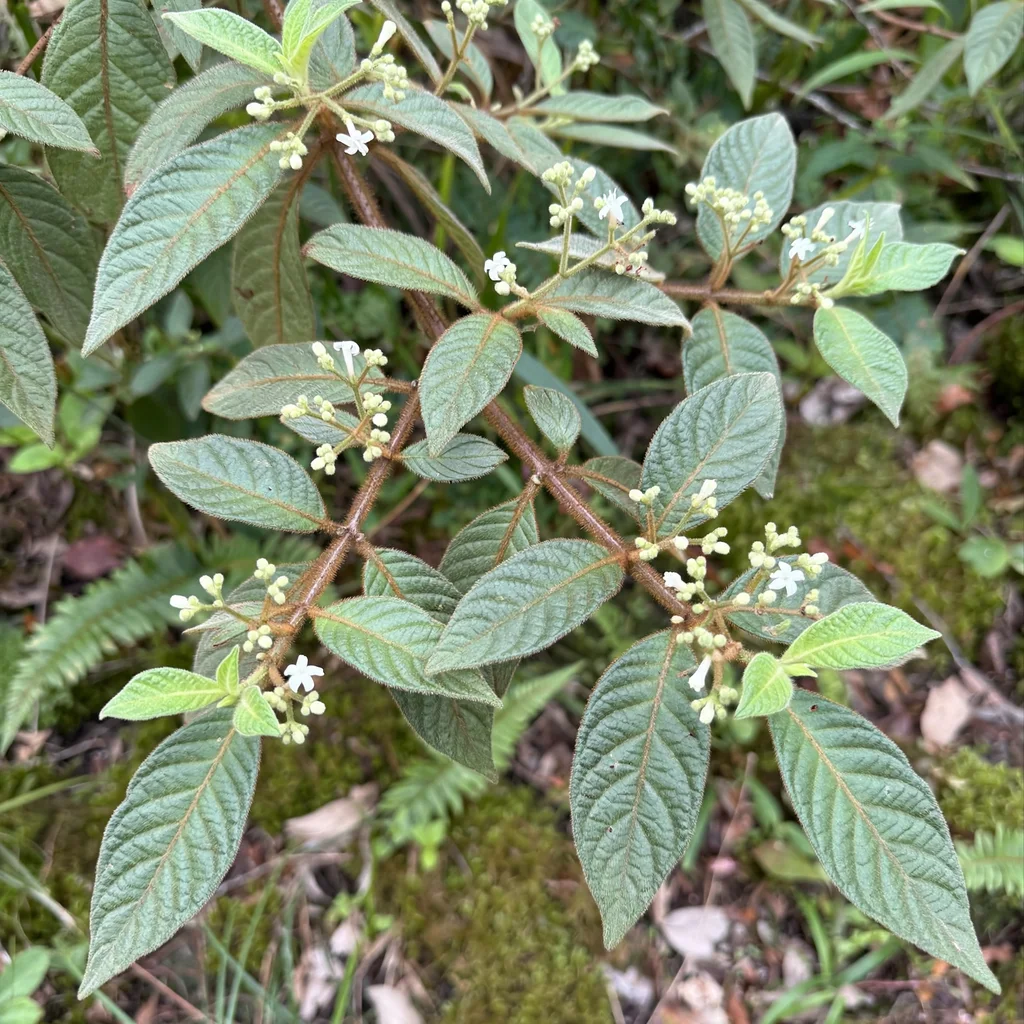
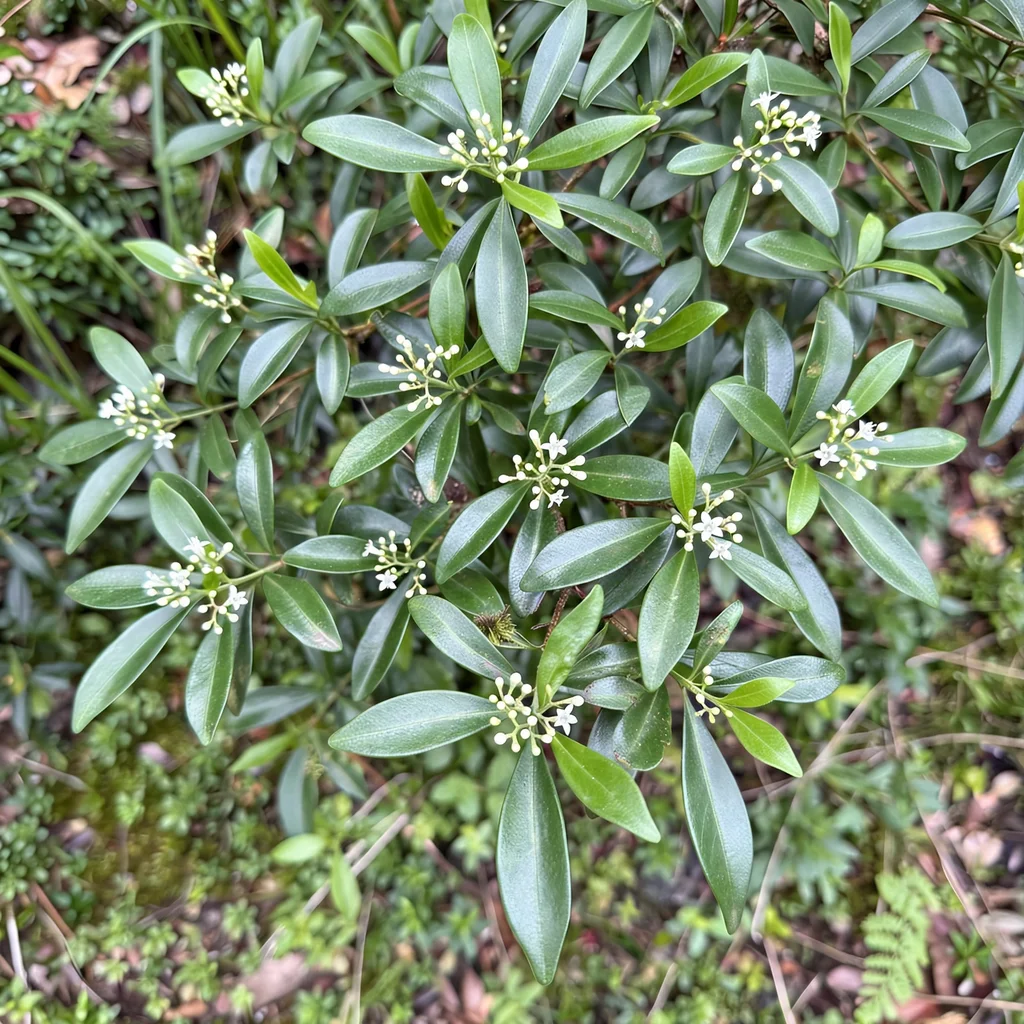
5 species of Psychotria
Each one is a parent of the varieties above.
Track your Psychotria in Sow
Save the Psychotria you grow and get care reminders timed to your zone.
How to grow Psychotria
Whats common across all Psychotria varieties in our catalog — drawn from the care records of the 5 most-grown of them.
The Psychotria year
- PruneMarch, April and August100% of varieties
Tip-prune after summer bloom to keep growth dense.
- Check for PestsJune–August100% of varieties
Check leaf undersides for scale and honeydew.
- MulchMarch80% of varieties
Renew mulch before summer heat to hold moisture.
- FertilizeMarch and April60% of varieties
Feed lightly with a balanced, low-dose liquid fertilizer during active growth.
- PlantMarch–May40% of varieties
Plant potted stock in spring in partial shade in moist well-drained soil.
- Winter PrepNovember40% of varieties
Move container specimens indoors to a warm, humid greenhouse or conservatory before outdoor night temperatures drop near freezing.


Do
- Do plant in partial shade with moist, well-drained soil
- Do water until established and in prolonged drought
- Do mulch to conserve moisture in hammock plantings
- Keep soil consistently moist, especially during dry warm periods.
- Provide a shaded position protected from hot afternoon sun and harsh winds.
Avoid
- Do not let plants sit in saturated soil or dry out hard for long periods
- Do not eat the berries; they are wildlife food, not human food
- Do not shear into old leafless wood; tip-prune to shape
- Do not allow the root ball to dry out completely between waterings.
What goes wrong with Psychotria
| Problem | What you'll see | What to do |
|---|---|---|
| Scale insects | Small bumps on stems and leaf undersides, sticky honeydew and sooty coating; rarely serious | Wash off light infestations with water, prune crowded shoots for air flow, apply horticultural oil if needed |
| Aphids | — | — |
| Spider Mites | — | — |
| Scale Insects | — | — |
| Leaf spot | Dark spots on leaves during wet weather | Avoid overhead watering, space for air flow, remove and discard spotted fallen leaves |
| Root rot | Wilting foliage, yellowing leaves, and a decaying root system despite wet soil conditions. | Improve soil drainage immediately, reduce watering frequency, and avoid planting in heavy, waterlogged soils. |
| Root Rot | — | — |
Making more Psychotria
Semi-hardwood cuttings
- Take 4-inch semi-hardwood cuttings from firm non-flowering shoots.
- Strip lower leaves and dip the cut base into liquid or gel rooting hormone.
- Insert cuttings into a gritty propagation mix under high humidity.
- Maintain shade and warm soil temperatures until roots develop.
Seed
- Harvest ripe, bright red drupes and remove the fleshy pulp to extract the seeds.
- Sow the clean, fresh seeds immediately into a moist, organic seed-starting mix.
- Maintain a warm environment with indirect light and keep the soil consistently damp.
- Transplant the seedlings into individual containers once they develop several sets of true leaves.
Psychotria questions
How many types of Psychotria are there?
The Sow catalog tracks 5 distinct Psychotria varieties. The most popular — ranked by 2 real gardeners — are shown first above.
What zones does Psychotria grow in?
Across its varieties, Psychotria covers USDA Zones 9–10. Individual varieties differ — each plant page lists its exact range, and Sow filters the catalog to your zone automatically.
When does Psychotria bloom?
Most Psychotria varieties bloom from spring to summer.
Which Psychotria should I choose?
Start from the most-saved varieties above — popularity across thousands of gardens is a strong signal of reliability — then filter by your zone and sun. In the Sow app you can preview any of them in a photo of your actual yard before you buy.