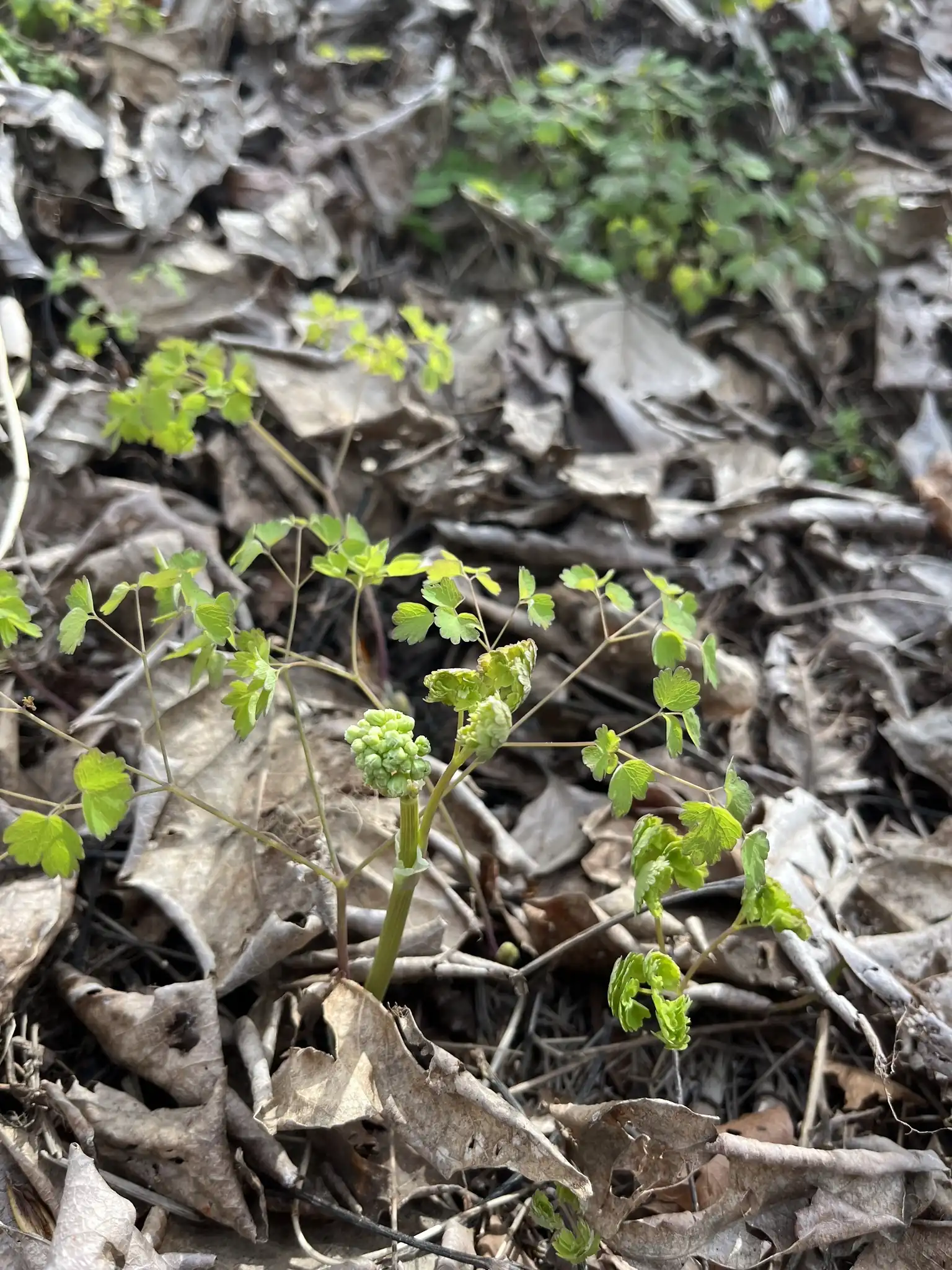
The Story
Plant Bio
Thalictrum occidentale is an erect, branched herbaceous perennial native to moist woodland understories and streambanks across western North America. It forms spreading colonies via short rhizomes, producing delicate, ternately compound foliage on purplish stems rising up to 48 inches.
The species is dioecious, bearing showy dangling male stamens with yellow to raspberry-red anthers on separate plants from the female flowers, which display bright red pistils. The blue-green leaflets closely resemble maidenhair fern foliage and unfurl in early spring.
Uses & Benefits:
Essentials
At a Glance
Plant Type
Perennial
Height
48"
Width
36"
Light
Partial Sun, Shade
Zones
4, 5, 6, 7, 8, 9
Water
Moderate to High
Humidity
Moderate
Lifespan
Perennial
Native To
North America
Toxicity
Contains ranunculin; mildly toxic if ingested raw
Bloom period
Spring – Summer
In flower about 6 months of the year
Planting
How to Grow
- Select a shaded site protected from intense afternoon sunlight.
- Work organic compost into moist, well-draining loamy soil.
- Plant crowns at soil level and water deeply to establish roots.
- Maintain consistent soil moisture throughout the summer growing season.
Pro Tip
Site in partial to full shade with organic, moisture-retentive soil, as midday sunlight and dry conditions cause foliage scorch and induce early summer dormancy.
Keep It Thriving
Care Guide
Do
- Keep soil consistently moist, especially during peak summer heat.
- Mulch annually with leaf mold or organic compost to retain moisture.
- Cut spent stems back to the base in late winter before new shoots emerge.
Don't
- Do not allow soil to dry out completely during summer.
- Do not plant in full sun or exposed, windy locations.
- Do not allow soil to sit in stagnant waterlogging.
Seasonal Care Calendar
| Task | Jan | Feb | Mar | Apr | May | Jun | Jul | Aug | Sep | Oct | Nov | Dec |
|---|---|---|---|---|---|---|---|---|---|---|---|---|
| Divide | ||||||||||||
| Mulch | ||||||||||||
| Propagate | ||||||||||||
| Spring Cleanup |
Watch Out For
Pests & Diseases
Common Pests
Common Diseases
In the Garden
Landscape Uses & Companions
Landscape Uses
Multiply
Propagation Methods
Good to Know
Common Questions
Western Meadow-rue questions
What zones can Western Meadow-rue grow in?
Western Meadow-rue is hardy in USDA Zones 4–9: in that range it survives winter in the ground. Warmer than Zone 9, winter isn't the problem: it prefers colder winters, and summer heat can shorten its life.
Is Western Meadow-rue deer resistant?
Yes — Western Meadow-rue is rated deer-resistant. Deer typically pass it over, though extreme hunger can override any plant's defenses.
When does Western Meadow-rue bloom?
Western Meadow-rue typically blooms from spring to summer. Exact timing shifts a week or two with your zone — Sow's bloom calendar maps it to your garden.
Does Western Meadow-rue need full sun?
Western Meadow-rue does best in part shade.
More Thalictrum to compare
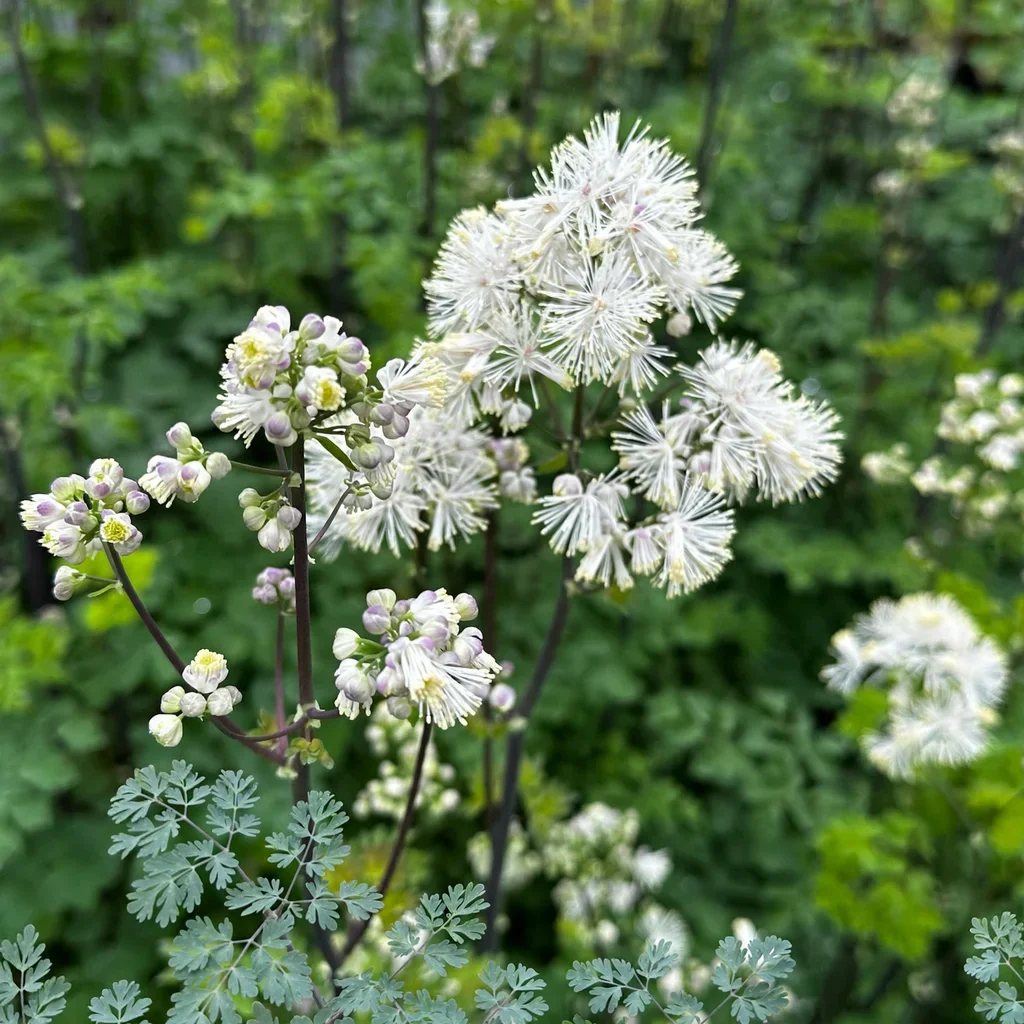
Nimbus White Meadow-rue
Thalictrum aquilegiifolium 'Nimbus White'
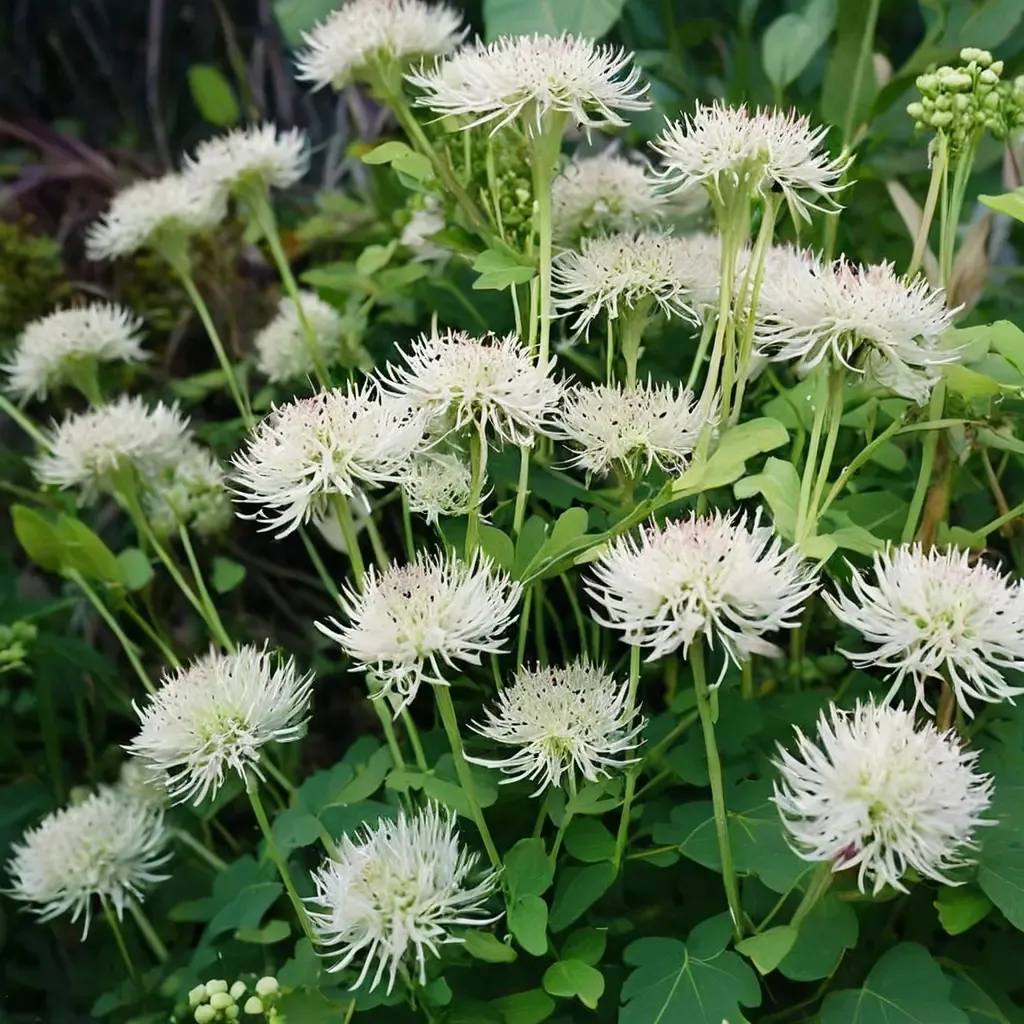
Album White Meadow Rue
Thalictrum aquilegiifolium 'Album'
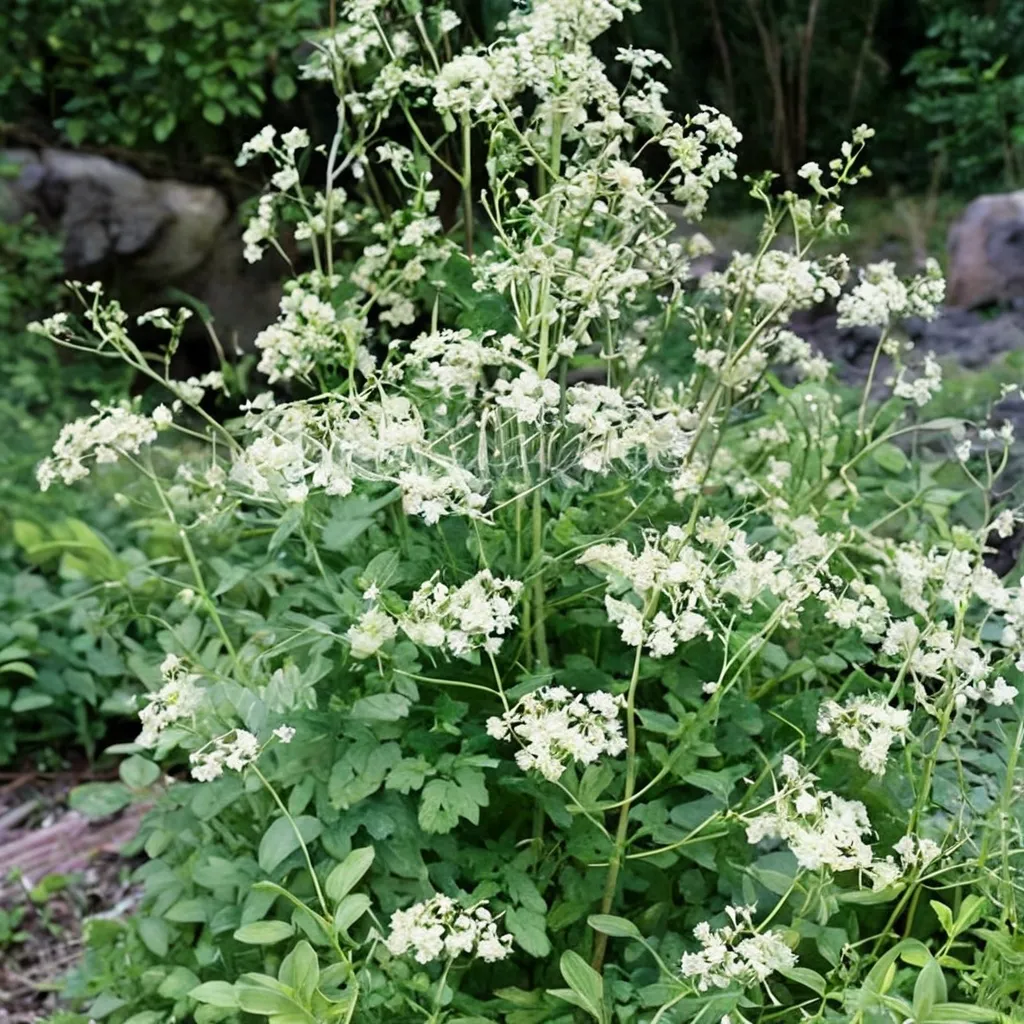
Tall Meadow-rue
Thalictrum polygamum
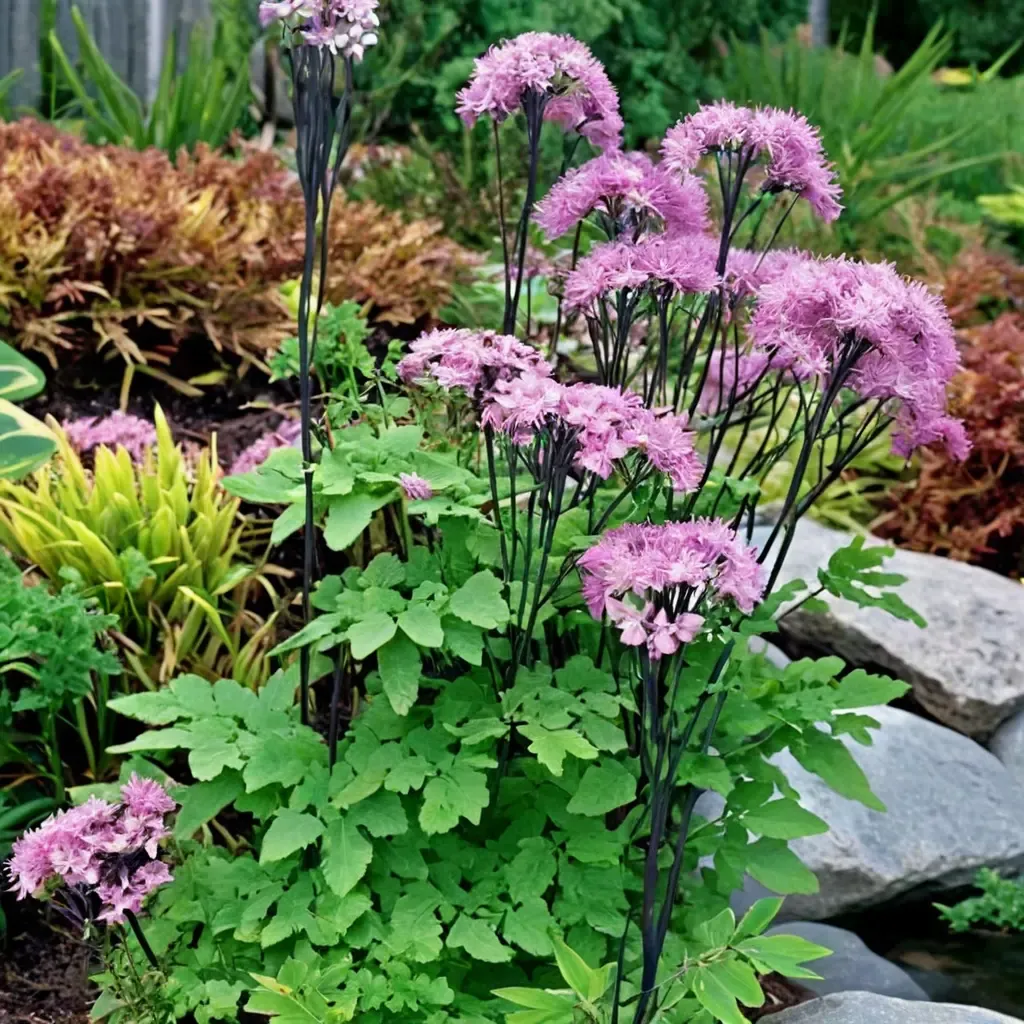
Black Stockings Meadow Rue
Thalictrum x hybrida 'Black Stockings'
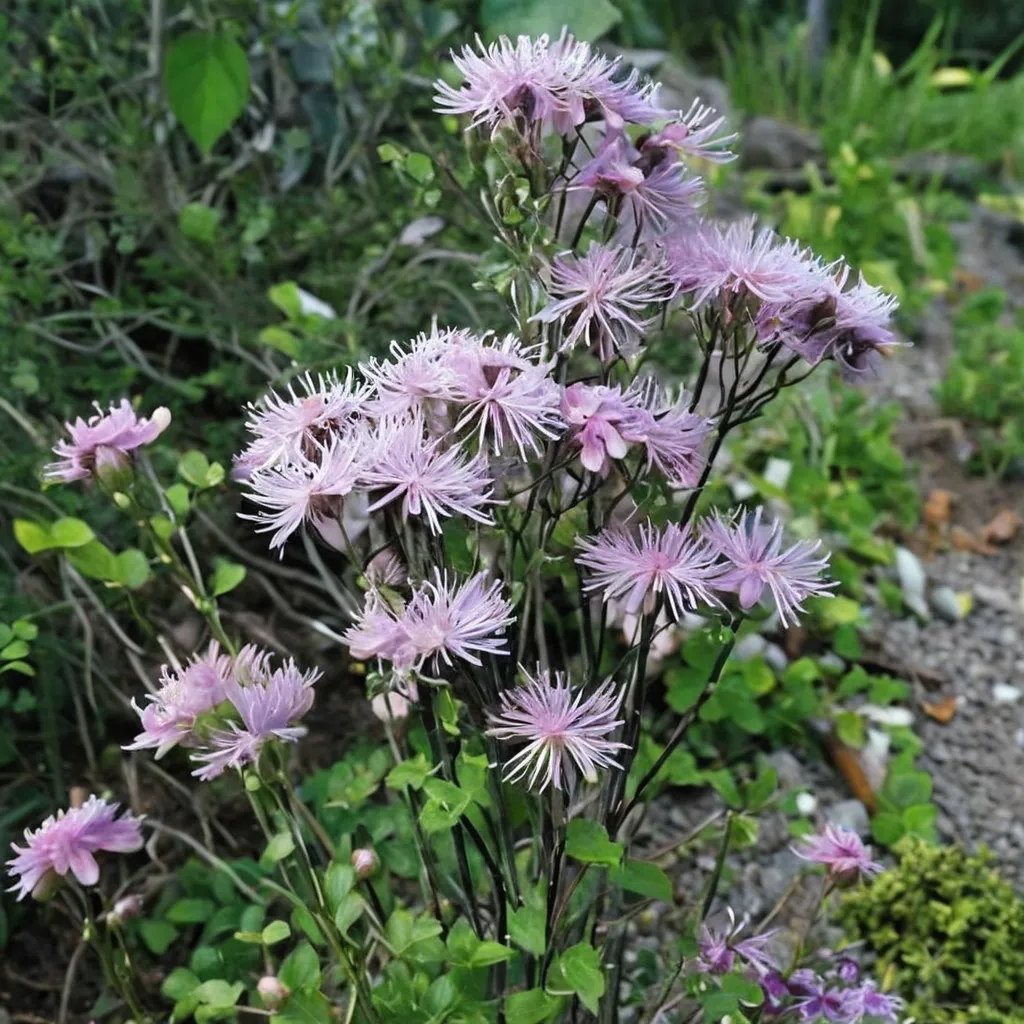
Hybrid Meadow Rue
Thalictrum x hybrida 'HH-03CH196'
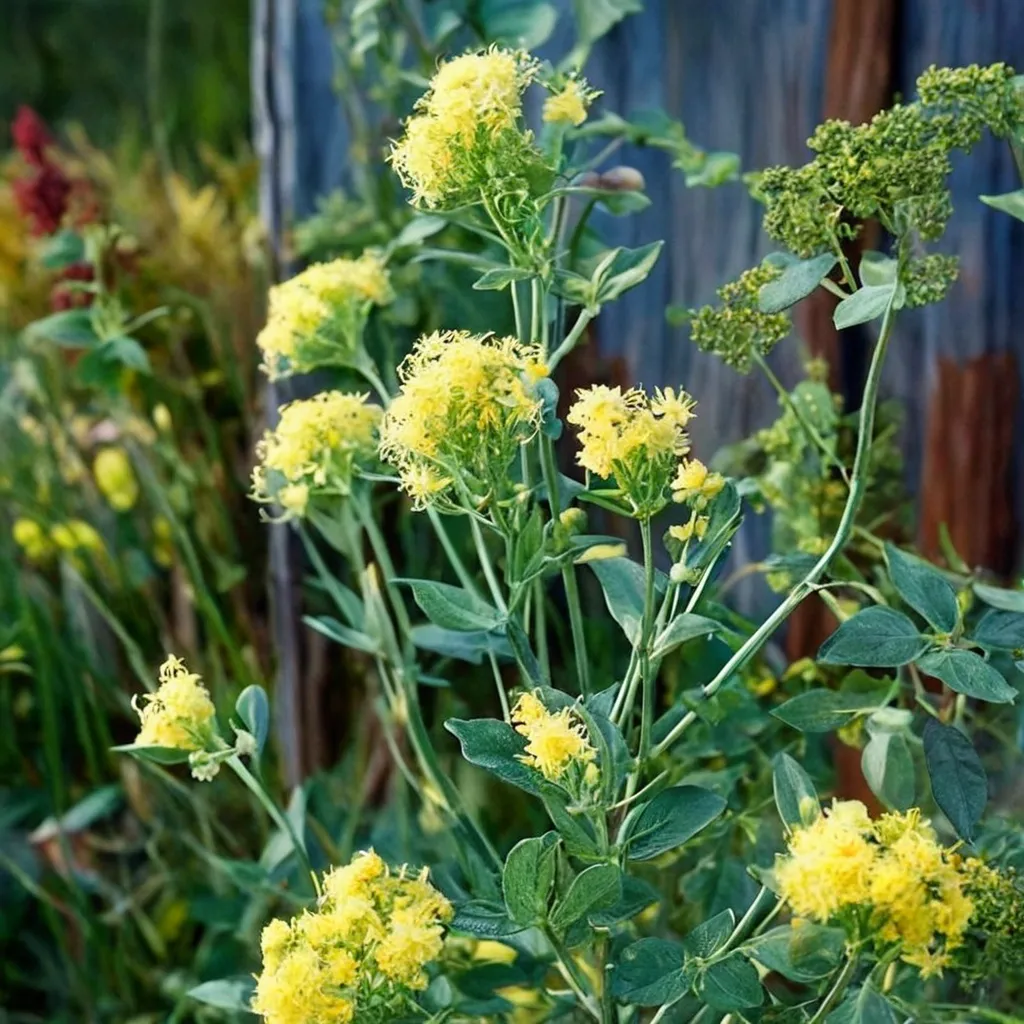
True Blue Yellow Meadow Rue
Thalictrum flavum 'True Blue'
Keep exploring
Explore the genus
Grow Western Meadow-rue with confidence
See it in a design of your actual yard, get zone-matched care reminders, and track it season by season in your garden journal.