The Story
Plant Bio
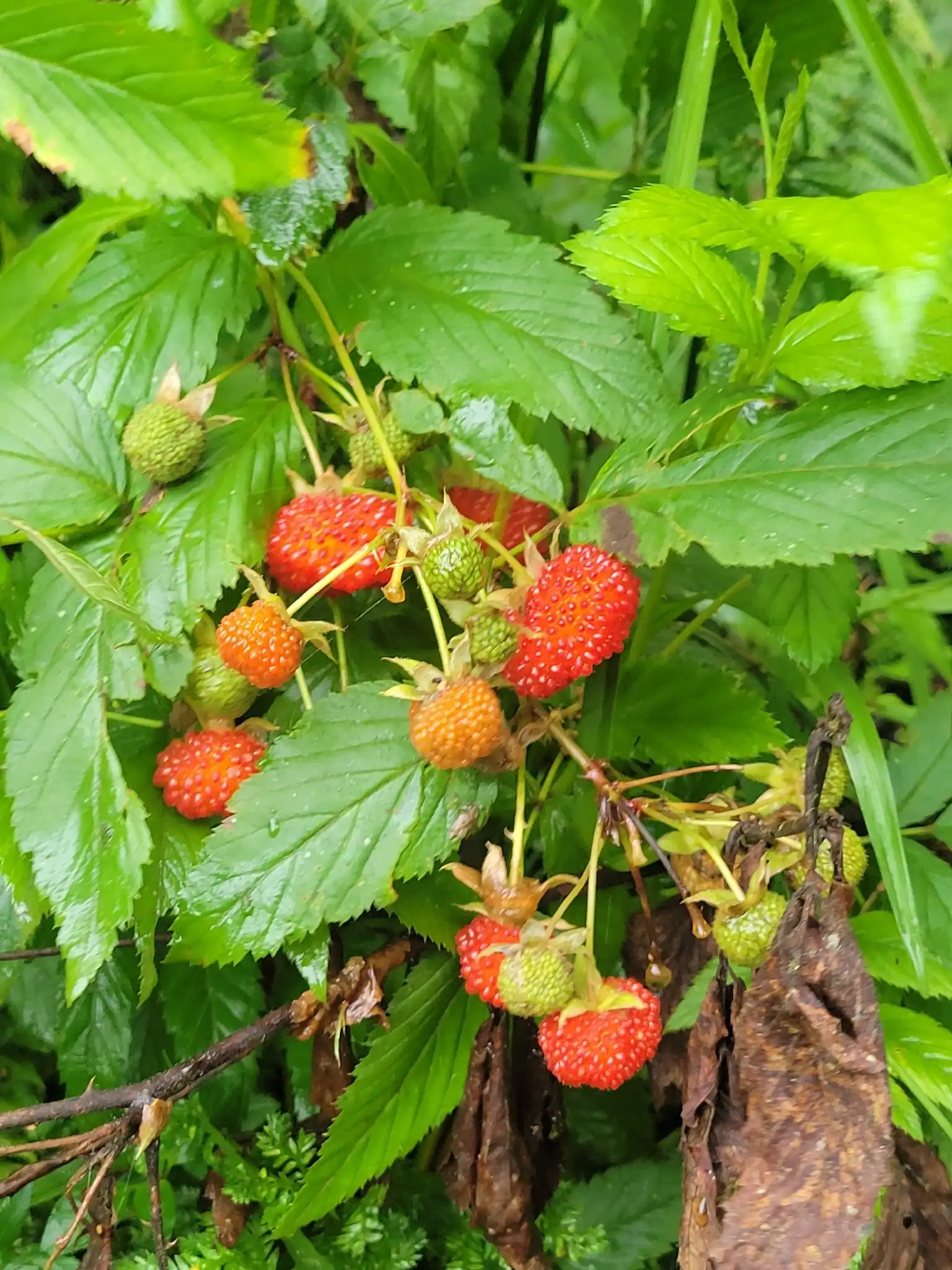
Rubus probus is a scrambling, semi-woody shrub native to Queensland rainforest margins that forms dense thickets of arching stems armed with recurved prickles. It produces terminal clusters of white five-petaled flowers followed by sweet, bright red aggregate fruits.
Unlike temperate raspberries that require winter chilling hours to fruit, this species flowers and sets fruit in warm subtropical and tropical climates. Its berries are noticeably wider than they are long and possess a sweet, rich flavor.
Uses & Benefits:
Essentials
At a Glance
Plant Type
Shrub
Height
79"
Width
79"
Light
Full Sun, Partial Sun
Zones
9, 10
Water
Moderate
Humidity
High
Lifespan
Perennial
Native To
Australia, Papua New Guinea
Toxicity
Non-toxic
Bloom period
Spring – Summer
In flower about 6 months of the year
Planting
How to Grow
- Select a planting site in full sun to partial shade with fertile, rich, well-draining soil.
- Plant in a location with ample space or install a sturdy trellis to control the scrambling canes.
- Water regularly to keep the soil consistently moist throughout the main spring and summer growing season.
- Apply a balanced organic fertilizer monthly during warm weather to support foliage growth and fruit production.
Pro Tip
Prune spent fruiting canes straight to the ground after harvest to suppress rampant thicket formation and stimulate fresh productive growth.
Keep It Thriving
Care Guide
Do
- Provide high-drainage soil to protect roots from rot.
- Prune old, woody canes back to the base after fruiting seasons.
- Wear thick leather gloves when handling or pruning stems due to sharp recurved thorns.
Don't
- Do not allow soil to waterlog or sit in stagnant moisture.
- Do not leave old, crowded canes unpruned, which reduces light penetration and fruit output.
- Do not expose plants to heavy or prolonged freezing temperatures.
Seasonal Care Calendar
| Task | Jan | Feb | Mar | Apr | May | Jun | Jul | Aug | Sep | Oct | Nov | Dec |
|---|---|---|---|---|---|---|---|---|---|---|---|---|
| Fertilize | ||||||||||||
| Harvest | ||||||||||||
| Pest Check | ||||||||||||
| Prune |
Watch Out For
Pests & Diseases
Common Pests
Common Diseases
In the Garden
Landscape Uses & Companions
Landscape Uses
Companion Plants
Multiply
Propagation Methods
Good to Know
Common Questions
Atherton Raspberry questions
What zones can Atherton Raspberry grow in?
Atherton Raspberry is hardy in USDA Zones 9–10: in that range it survives winter in the ground. Colder than Zone 9, grow it in a container you can move to shelter for the winter.
Is Atherton Raspberry deer resistant?
Not reliably. Deer may browse Atherton Raspberry, especially tender spring growth — plan on repellents or fencing where pressure is high.
When does Atherton Raspberry bloom?
Atherton Raspberry typically blooms from spring to summer. Exact timing shifts a week or two with your zone — Sow's bloom calendar maps it to your garden.
Does Atherton Raspberry need full sun?
Atherton Raspberry does best in full sun to part shade. In hot climates, afternoon shade keeps blooms fresher longer.
More Rubus to compare
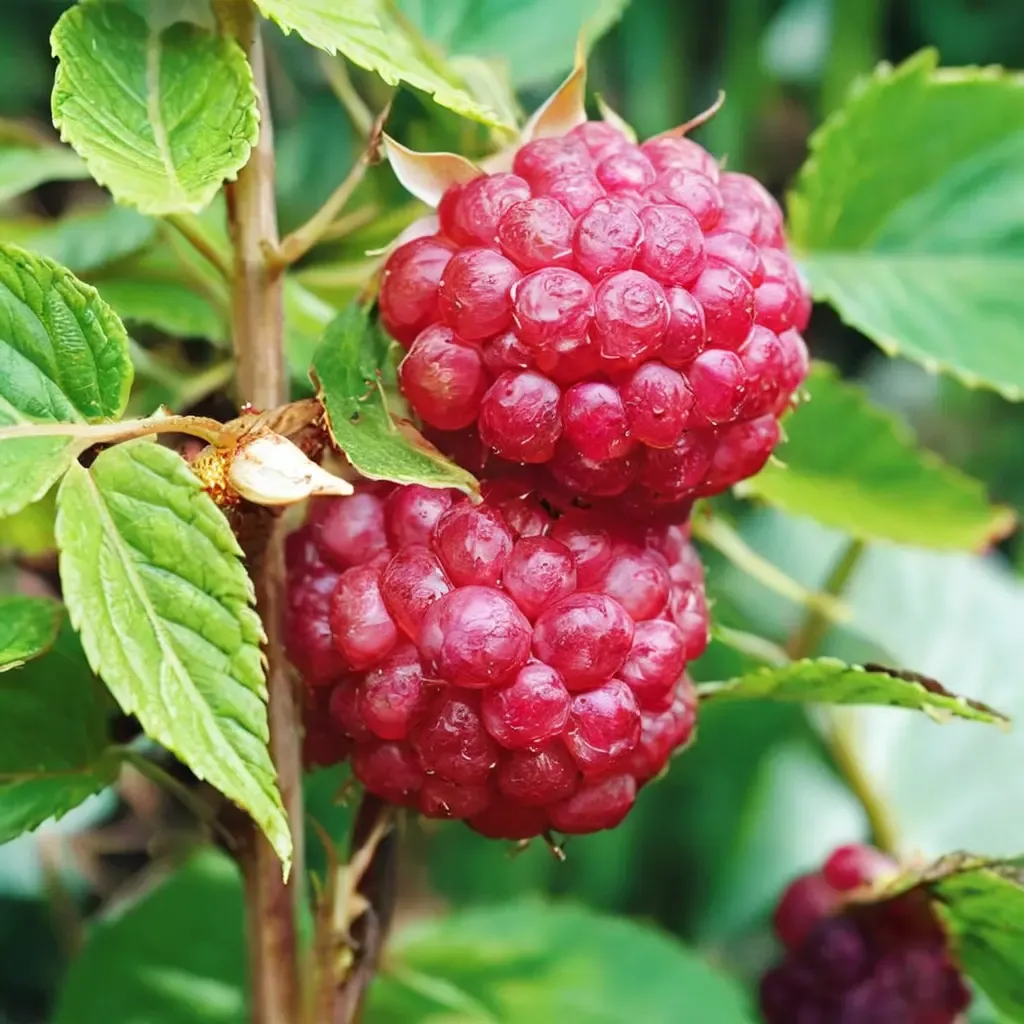
Mammoth Red Raspberry
Rubus idaeus 'Mammoth Red'
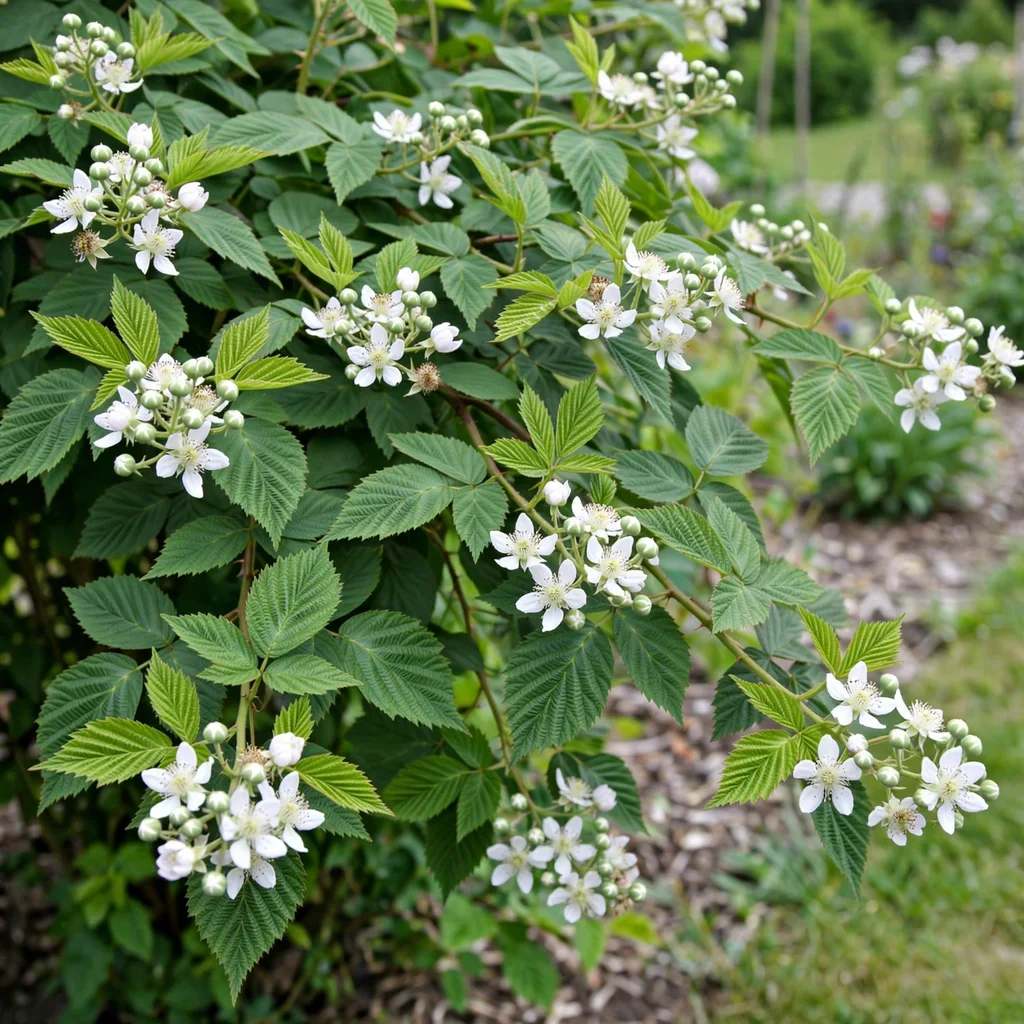
Triple Crown Blackberry
Rubus fruticosus 'Triple Crown'
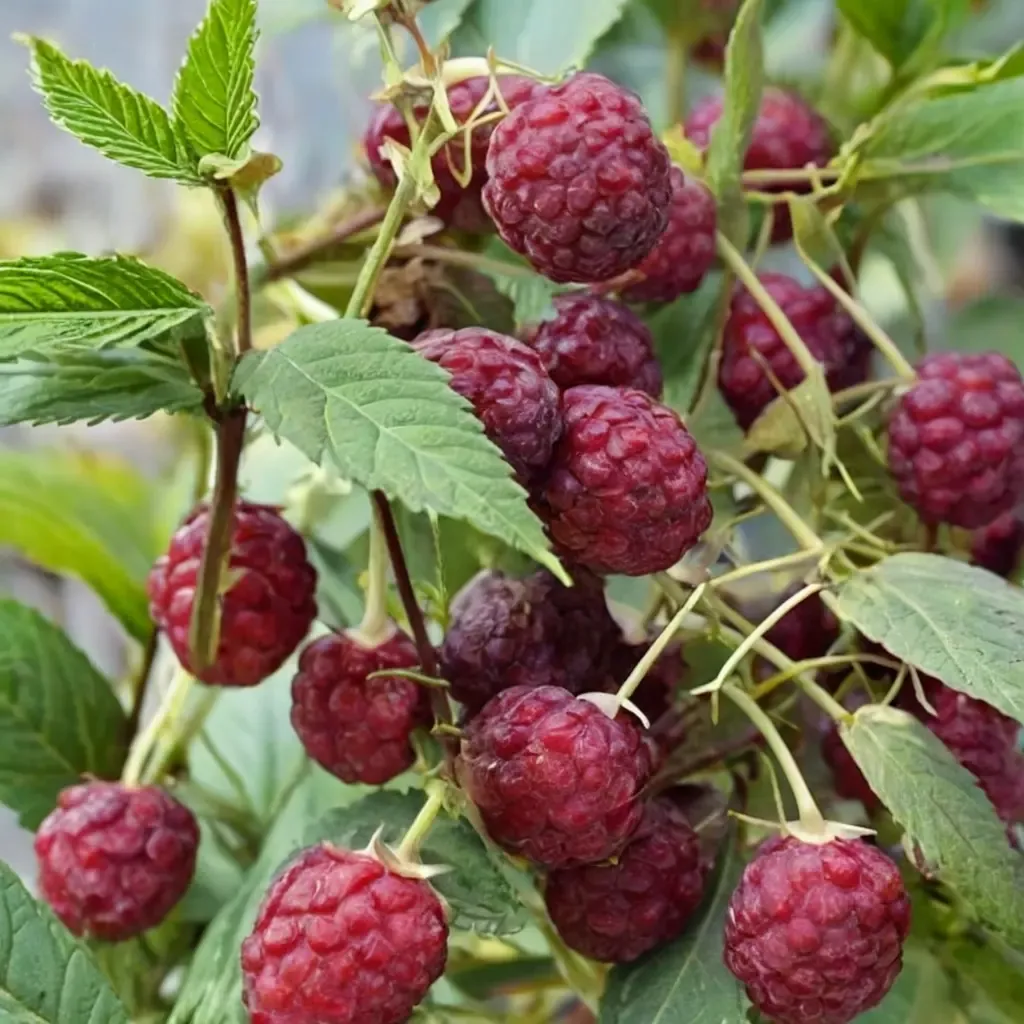
Crimson Night Raspberry
Rubus idaeus 'Crimson Night'
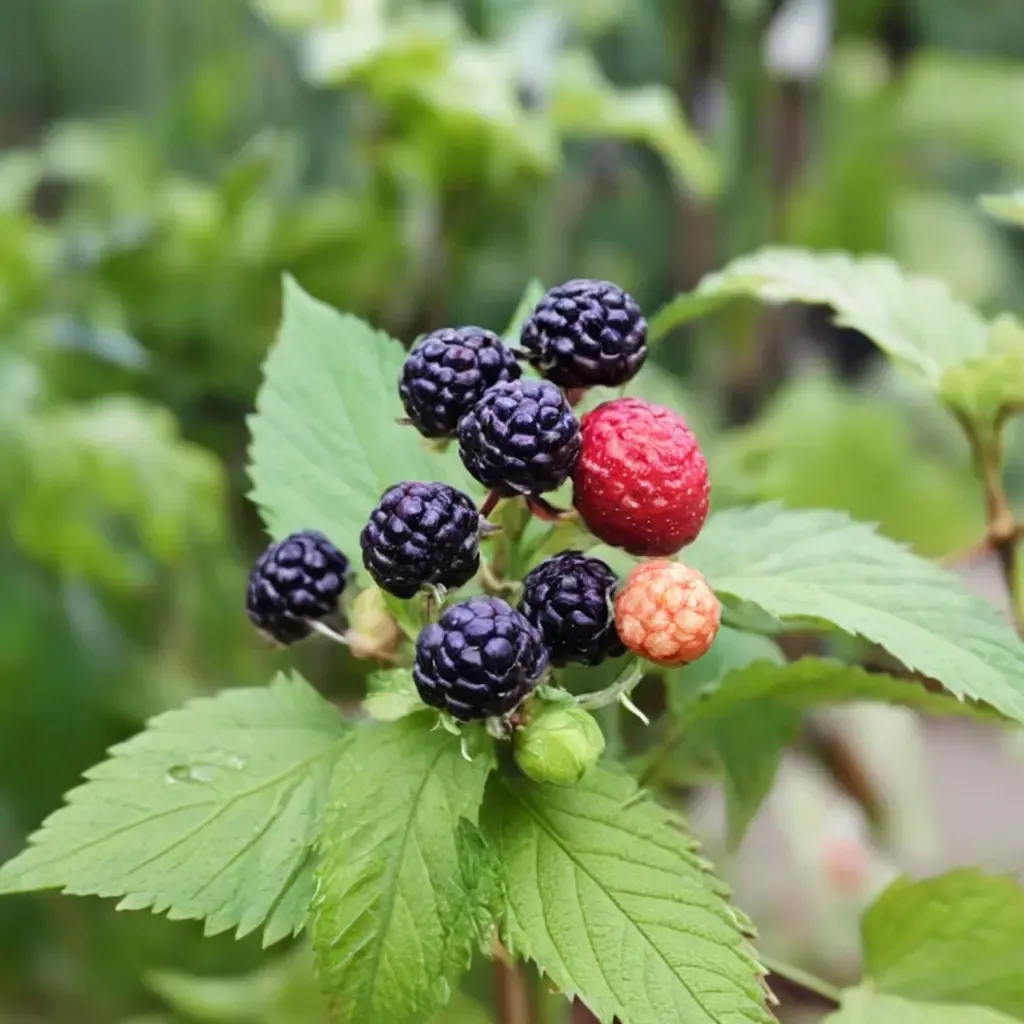
Jewel Black Raspberry
Rubus idaeus 'Jewel'
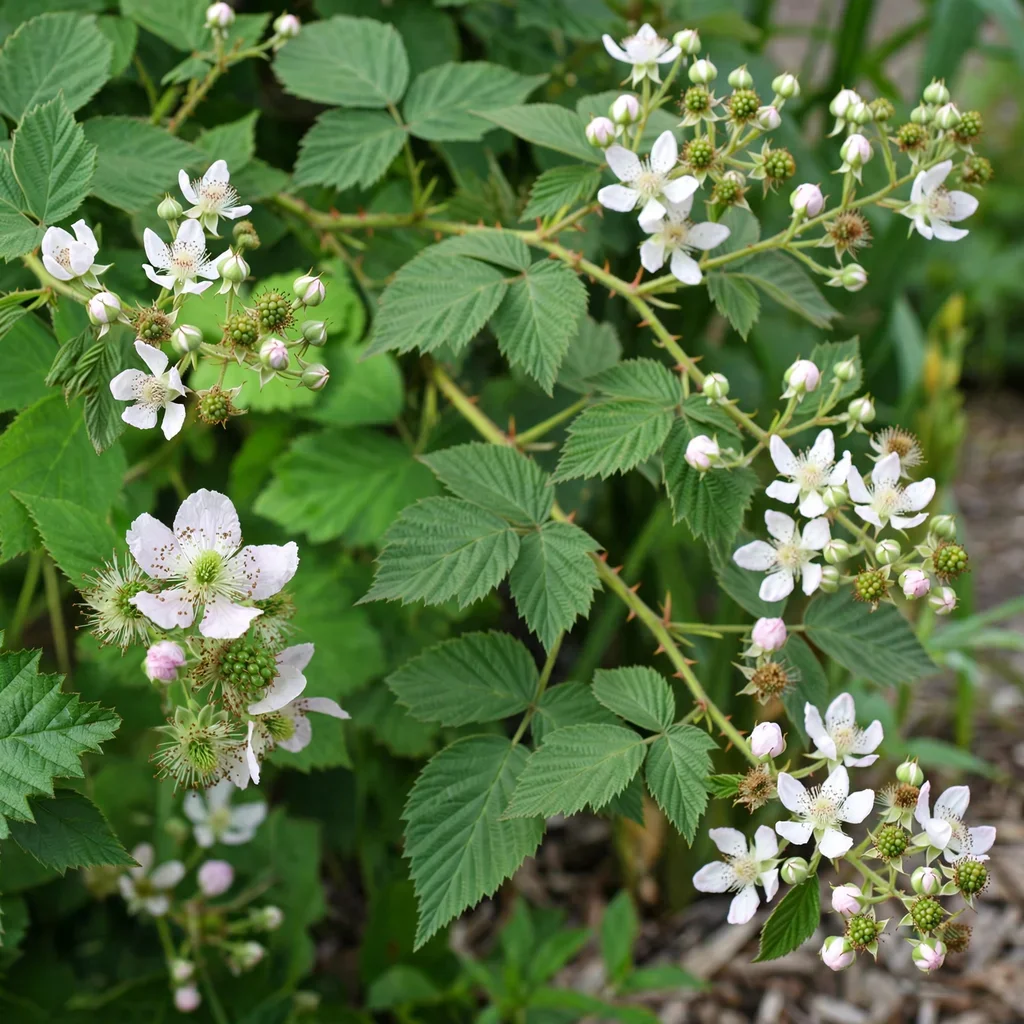
Apache Thornless Blackberry
Rubus fruticosus 'Apache Thornless'
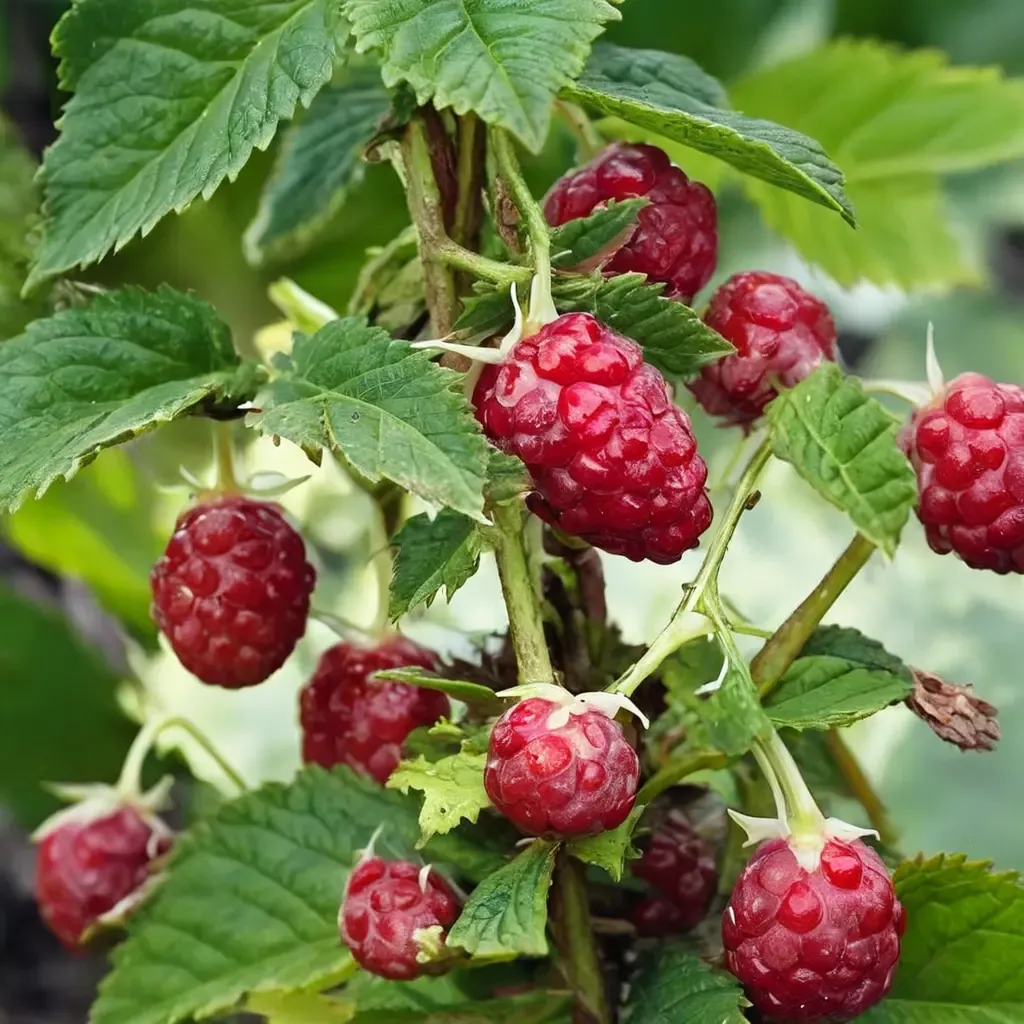
Canby raspberry
Rubus idaeus 'Canby'
Keep exploring
Explore the genus
Hardy in your zone?
Grow Atherton Raspberry with confidence
See it in a design of your actual yard, get zone-matched care reminders, and track it season by season in your garden journal.