The Story
Plant Bio
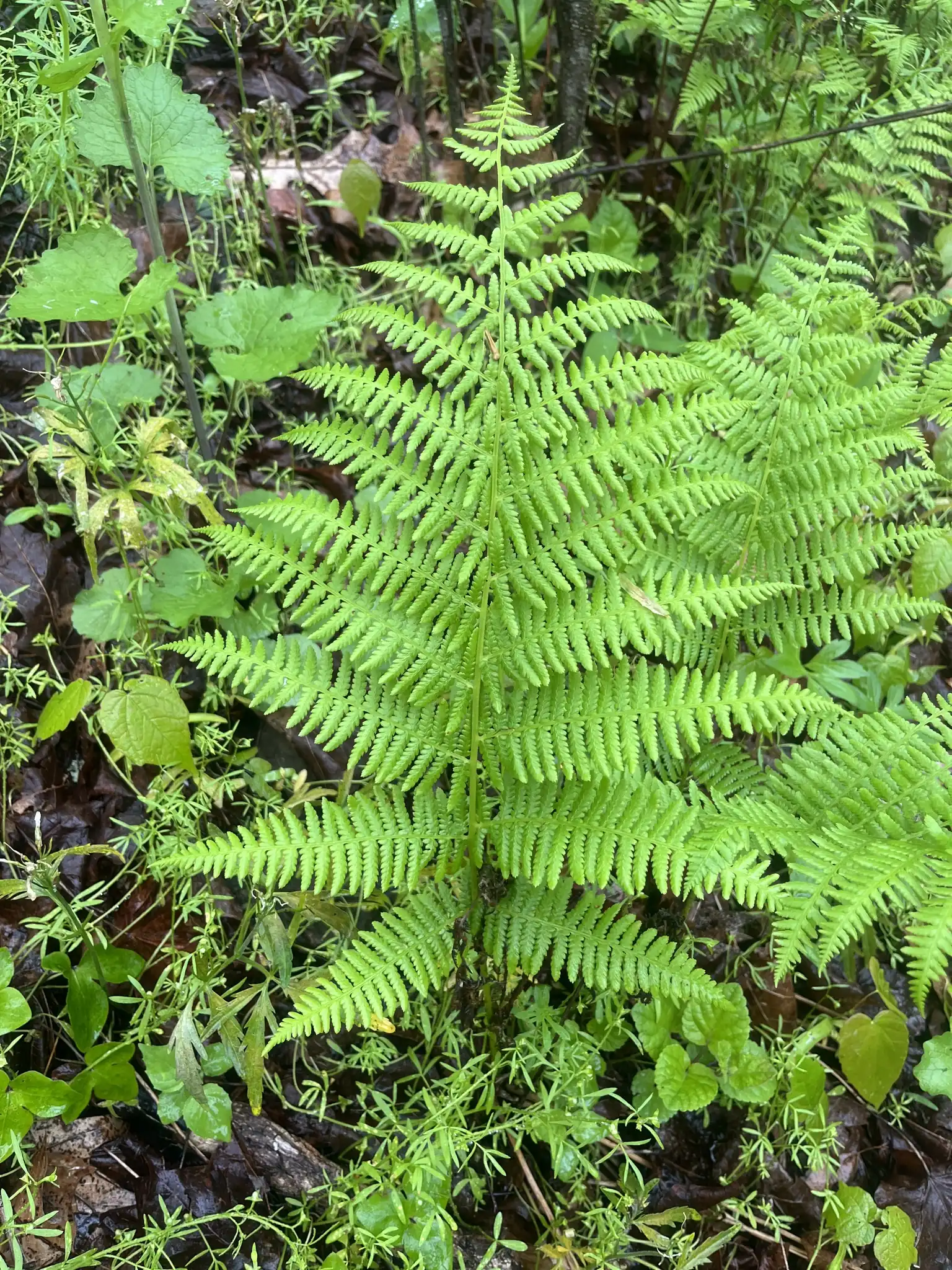
Athyrium angustum, commonly known as northern lady fern, is a deciduous, clumping fern native to North America that forms a vase-shaped crown of delicate, lacy fronds. Its finely divided, bipinnate to tripinnate foliage emerges light green in spring from erect or ascending rhizomes.
This species features green to deep maroon-purple stipes and rachises, offering high natural resistance to browsing deer and rabbits. It adapts exceptionally well to shaded woodland settings and moist soils, standing up to damp conditions better than many related ferns.
Uses & Benefits:
Essentials
At a Glance
Plant Type
Fern
Height
36"
Width
30"
Light
Partial Sun, Shade
Zones
4, 5, 6, 7, 8, 9
Water
Medium to wet
Humidity
Moderate
Lifespan
Perennial
Native To
North America
Toxicity
Non-toxic
Planting
How to Grow
- Select a planting site in partial to full shade with rich, moist, well-draining soil.
- Incorporate compost or leaf mold into the soil before planting to increase organic matter content.
- Set the plant crown exactly flush with the surrounding soil level to prevent crown rot.
- Water thoroughly at installation and maintain consistent soil moisture throughout the first growing season.
- Apply a two-inch layer of organic mulch around the root zone to conserve soil moisture and suppress weeds.
Pro Tip
Cut back old or tattered fronds to ground level in late winter or early spring before new fiddleheads emerge, taking care not to disturb the shallow rhizome crowns.
Keep It Thriving
Care Guide
Do
- Keep soil consistently moist, especially during hot summer weather.
- Plant in light to dense shade to preserve foliage quality.
- Prune dead foliage cleanly in early spring before fresh fiddleheads unfurl.
Don't
- Do not allow the soil to dry out completely in hot or sunnier spots.
- Do not plant the shallow crowns too deeply into the soil.
- Do not step on or compact the ground immediately surrounding the shallow rhizomes.
Seasonal Care Calendar
| Task | Jan | Feb | Mar | Apr | May | Jun | Jul | Aug | Sep | Oct | Nov | Dec |
|---|---|---|---|---|---|---|---|---|---|---|---|---|
| Divide | ||||||||||||
| Mulch | ||||||||||||
| Pest Check | ||||||||||||
| Prune |
Watch Out For
Pests & Diseases
Common Pests
Common Diseases
In the Garden
Landscape Uses & Companions
Landscape Uses
Multiply
Propagation Methods
Good to Know
Common Questions
Northern Lady Fern questions
What zones can Northern Lady Fern grow in?
Northern Lady Fern is hardy in USDA Zones 4–9: in that range it survives winter in the ground. Warmer than Zone 9, winter isn't the problem: it prefers colder winters, and summer heat can shorten its life.
Is Northern Lady Fern deer resistant?
Yes — Northern Lady Fern is rated deer-resistant. Deer typically pass it over, though extreme hunger can override any plant's defenses.
Does Northern Lady Fern need full sun?
Northern Lady Fern does best in part shade.
More Athyrium to compare
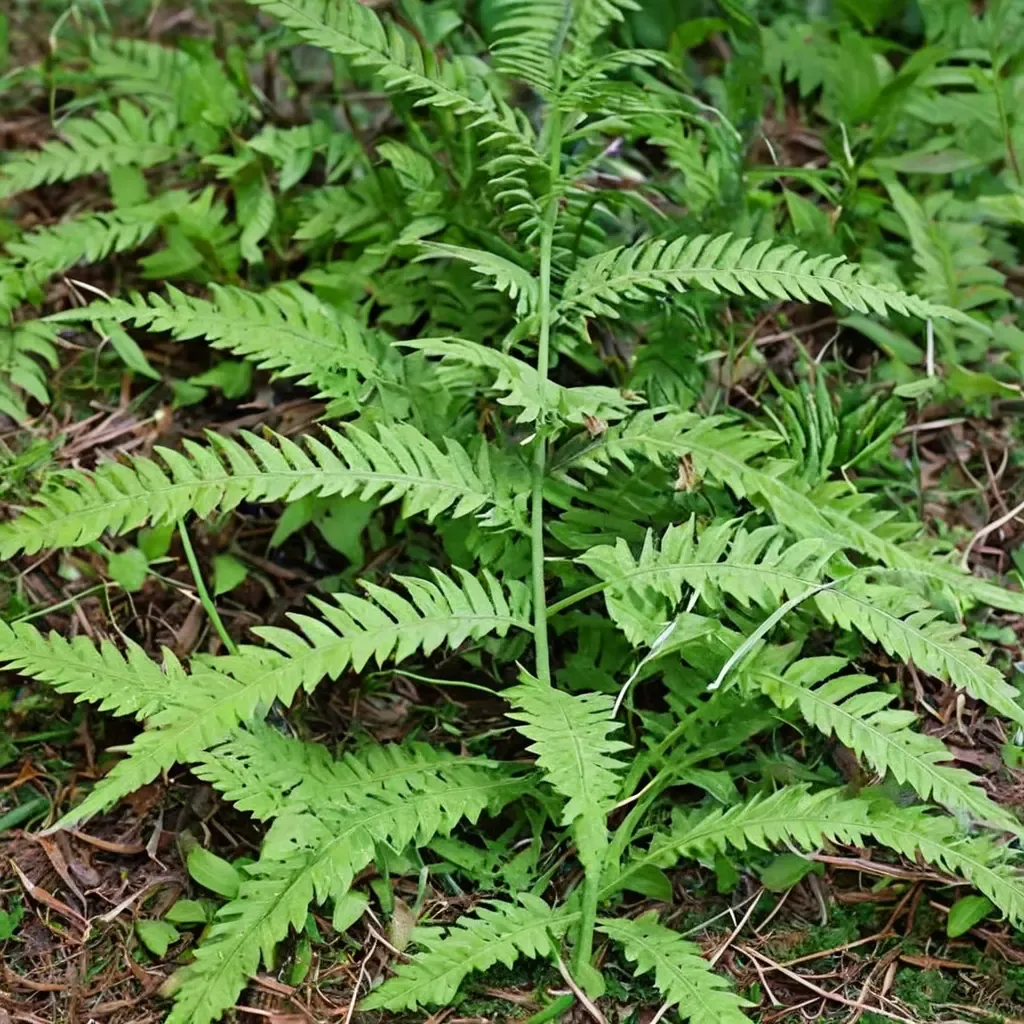
Lady Fern
Athyrium filix-femina
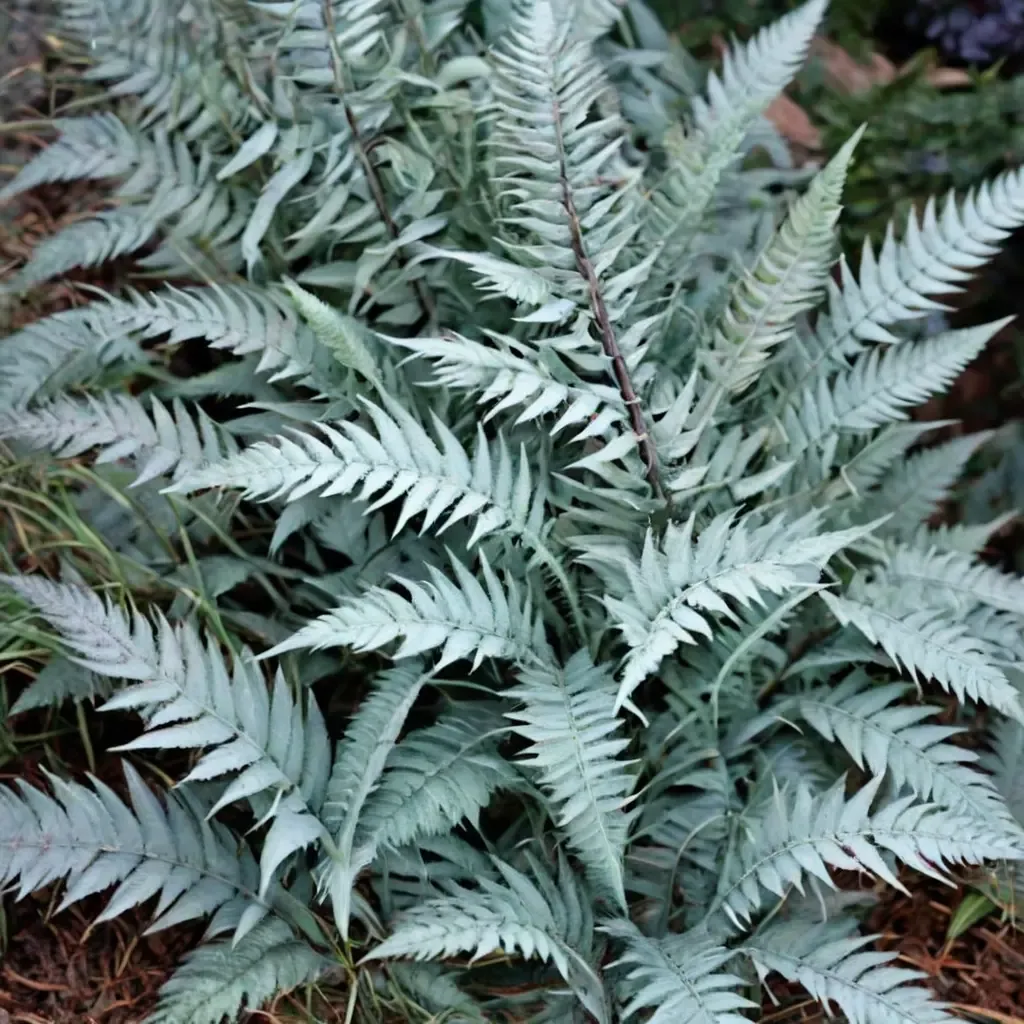
Ghost Fern
Athyrium niponicum 'Ghost'
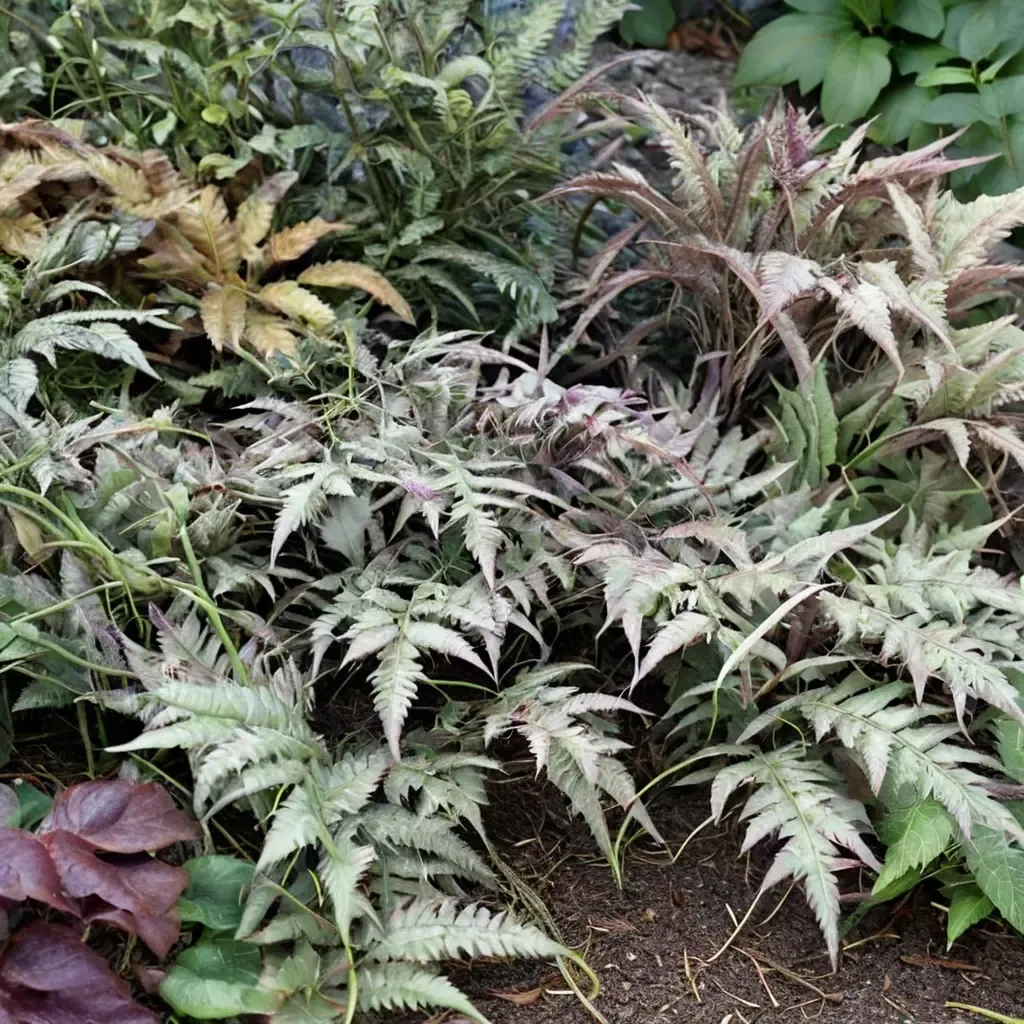
Pictum Japanese Painted Fern
Athyrium niponicum 'Pictum'
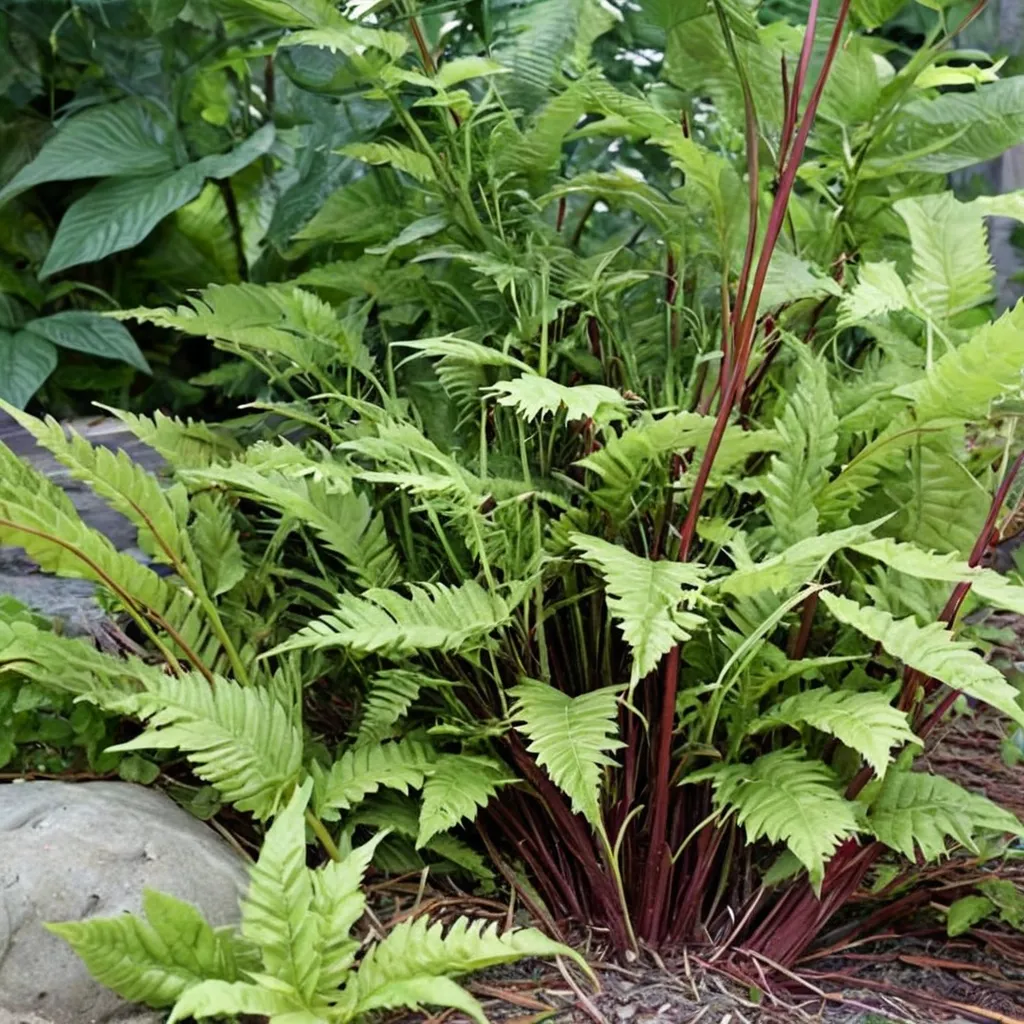
Lady in Red Fern
Athyrium filix-femina 'Lady in Red'
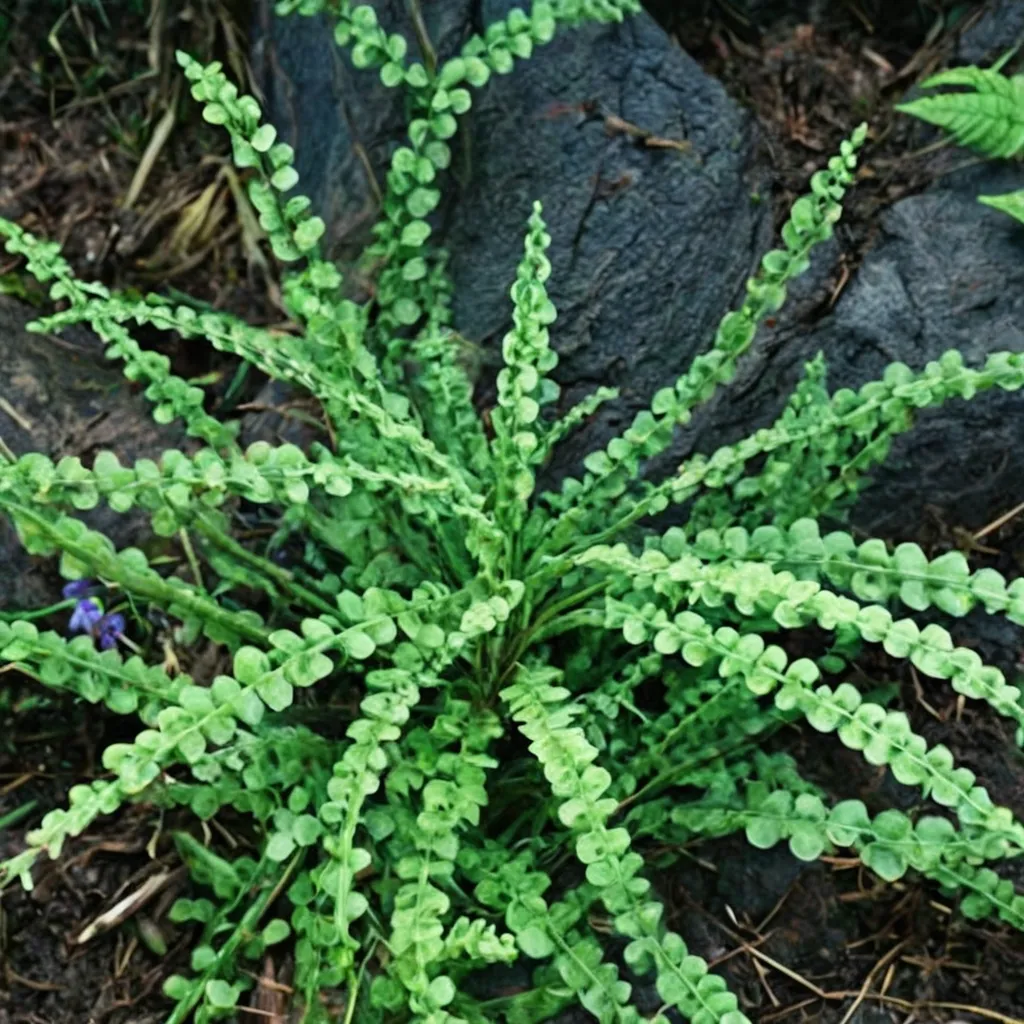
Tatting Fern
Athyrium filix-femina 'Frizelliae'
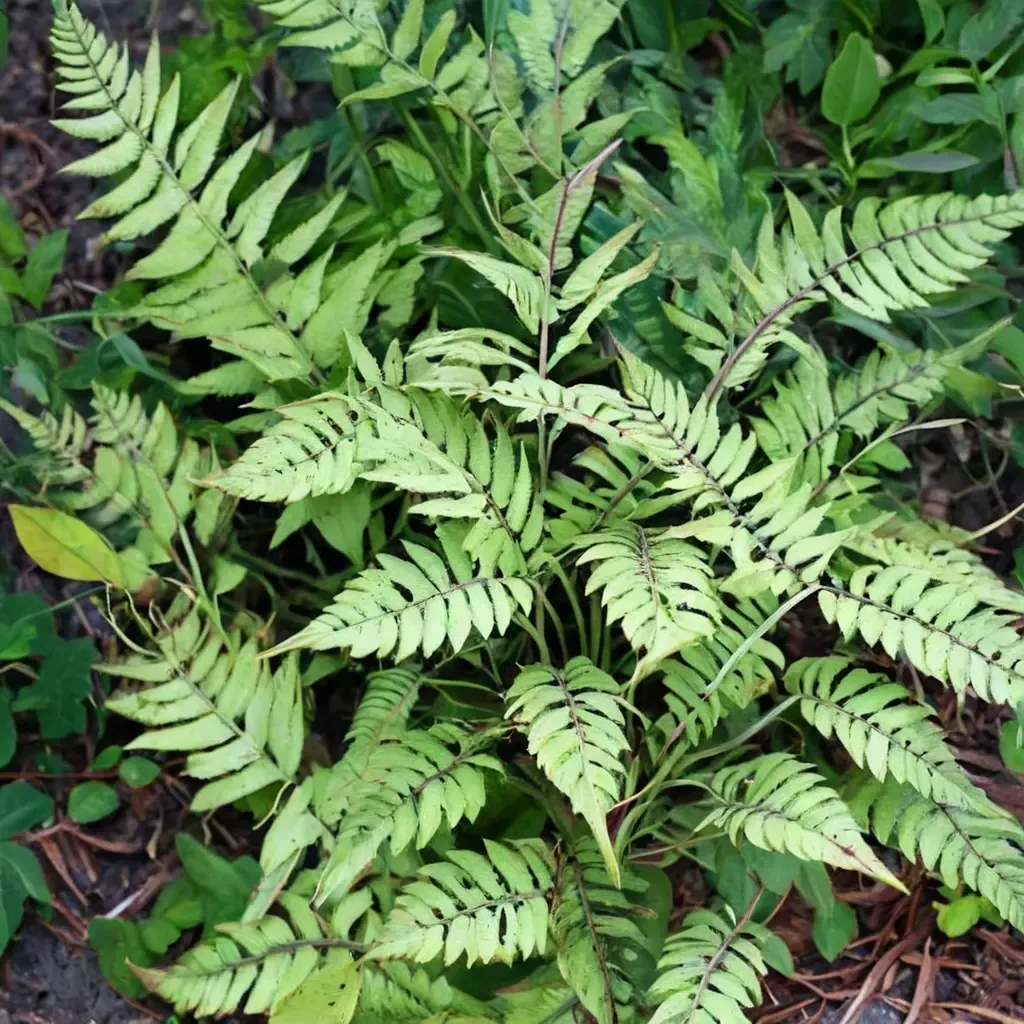
Okanum fern
Athyrium otophorum 'Okanum'
Keep exploring
Explore the genus
Grow Northern Lady Fern with confidence
See it in a design of your actual yard, get zone-matched care reminders, and track it season by season in your garden journal.