The Story
Plant Bio
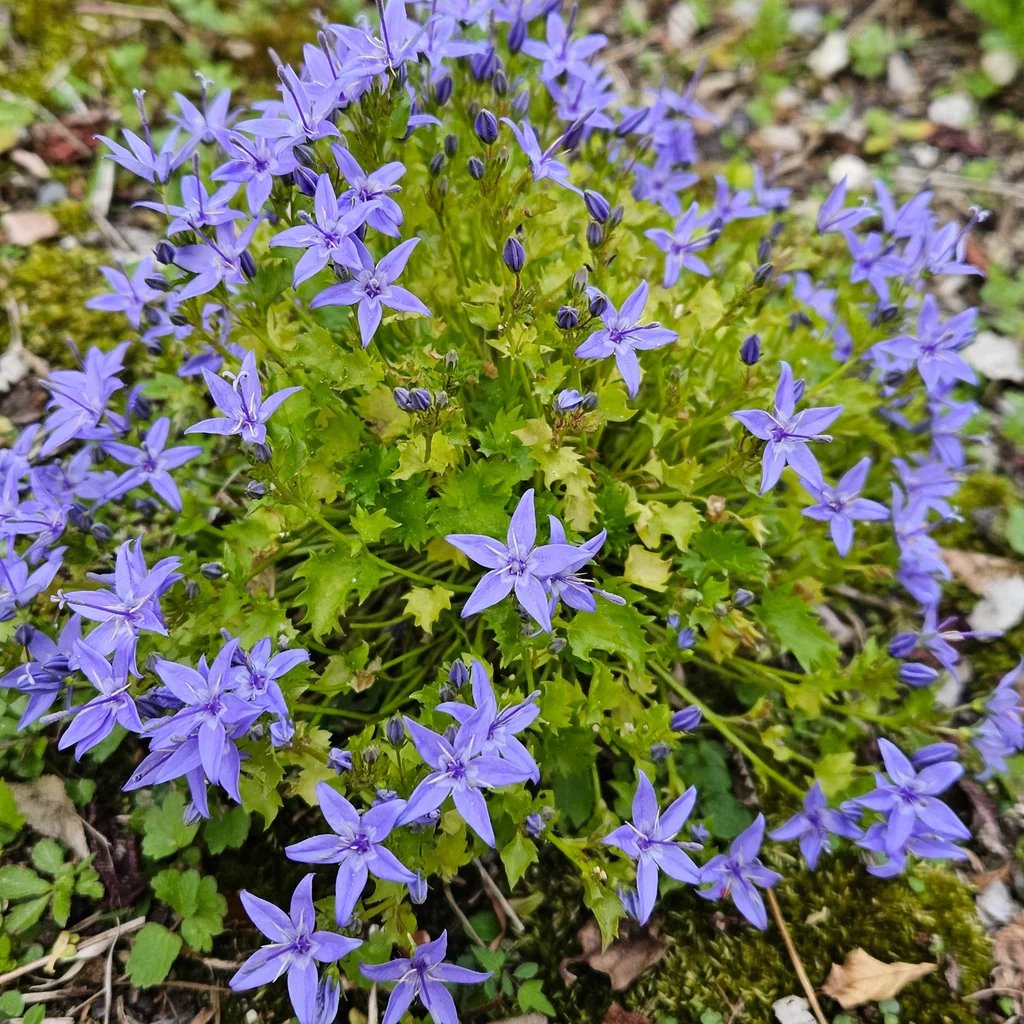
Campanula garganica, the Adriatic bellflower, is a low mat-forming perennial from southeastern Italy and western Greece, reaching 3 to 6 inches high and spreading 12 inches or more by prostrate stems. It carries small oval mid-green leaves that stay evergreen in mild winters and loose axillary clusters of star-shaped blue flowers with a white eye that open together and nearly hide the foliage.
It is distinguished by its tight cushion habit and 1-inch star flowers borne in the leaf axils along the stems rather than in tall upright panicles. Stems root as they spread, so a single plant knits into continuous groundcover for rock walls and troughs and needs regular division to keep it in bounds.
Uses & Benefits:
Essentials
At a Glance
Plant Type
Groundcover
Height
6"
Width
12"
Light
Full Sun, Partial Sun
Zones
4, 5, 6, 7, 8, 9
Water
Medium
Humidity
Average
Lifespan
Perennial
Native To
Southeastern Italy and western Greece
Toxicity
Non-toxic
Bloom period
Late spring – Early summer
In flower about 2 months of the year
Planting
How to Grow
- Plant in spring after hard frost in full sun to part shade, giving gold-leaf forms afternoon shade.
- Set plants in average sandy-loam soil that drains freely, with pH neutral to slightly acidic.
- Space 12 inches apart to allow stems to root and knit, tucking into rock crevices or trough edges.
- Water to keep soil evenly moist but never waterlogged; mulch lightly with gravel to keep crowns dry.
- Shear lightly after the first flush and divide congested mats in spring or fall to control spread.
Pro Tip
Divide the mat every year or two to control spread rather than cutting hard into old stems, and give gold-leaf forms afternoon shade with steady moisture.
Keep It Thriving
Care Guide
Do
- Do plant in a rock wall, trough, or raised edge where water drains away from the crown.
- Do deadhead after bloom to tidy the mat and encourage a second flush.
- Do divide regularly to keep growth dense and in bounds.
- Do watch for slugs in damp weather, especially on gold-leaf forms.
Don't
- Don't plant in heavy clay or low spots that stay wet in winter.
- Don't cut back hard into old leafless stems.
- Don't let the mat dry to dust in summer heat or leave it soggy.
Seasonal Care Calendar
| Task | Jan | Feb | Mar | Apr | May | Jun | Jul | Aug | Sep | Oct | Nov | Dec |
|---|---|---|---|---|---|---|---|---|---|---|---|---|
| Deadhead | ||||||||||||
| Divide | ||||||||||||
| Pest Check | ||||||||||||
| Plant | ||||||||||||
| Spring Cleanup |
Watch Out For
Pests & Diseases
Common Pests
Common Diseases
In the Garden
Landscape Uses & Companions
Landscape Uses
Multiply
Propagation Methods
Good to Know
Common Questions
Adriatic Bellflower questions
What zones can Adriatic Bellflower grow in?
Adriatic Bellflower is hardy in USDA Zones 4–9: in that range it survives winter in the ground. Warmer than Zone 9, winter isn't the problem: it prefers colder winters, and summer heat can shorten its life.
Is Adriatic Bellflower deer resistant?
Yes — Adriatic Bellflower is rated deer-resistant. Deer typically pass it over, though extreme hunger can override any plant's defenses.
When does Adriatic Bellflower bloom?
Adriatic Bellflower typically blooms from late spring to early summer. Exact timing shifts a week or two with your zone — Sow's bloom calendar maps it to your garden.
Does Adriatic Bellflower need full sun?
Adriatic Bellflower does best in full sun to part shade. In hot climates, afternoon shade keeps blooms fresher longer.
More Campanula to compare
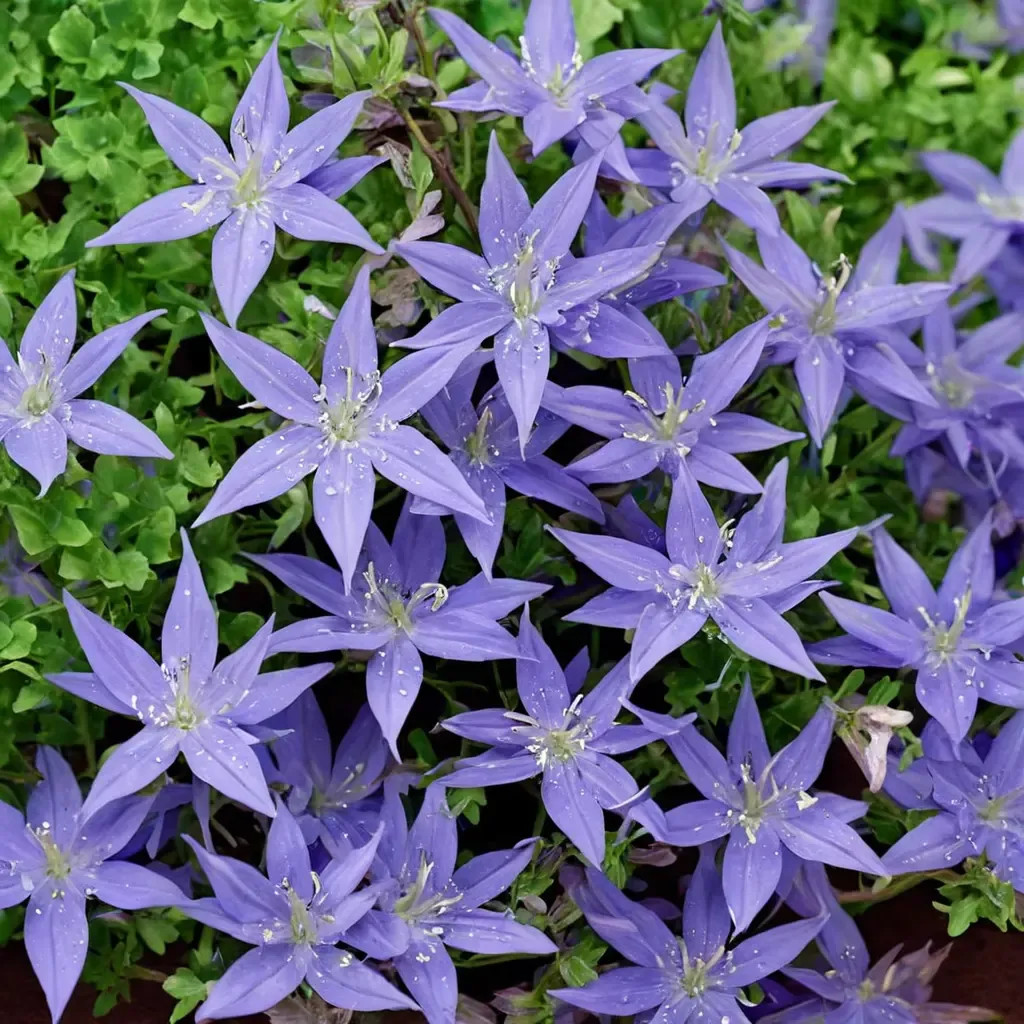
Blue Waterfall Bellflower
Campanula poscharskyana 'Blue Waterfall'
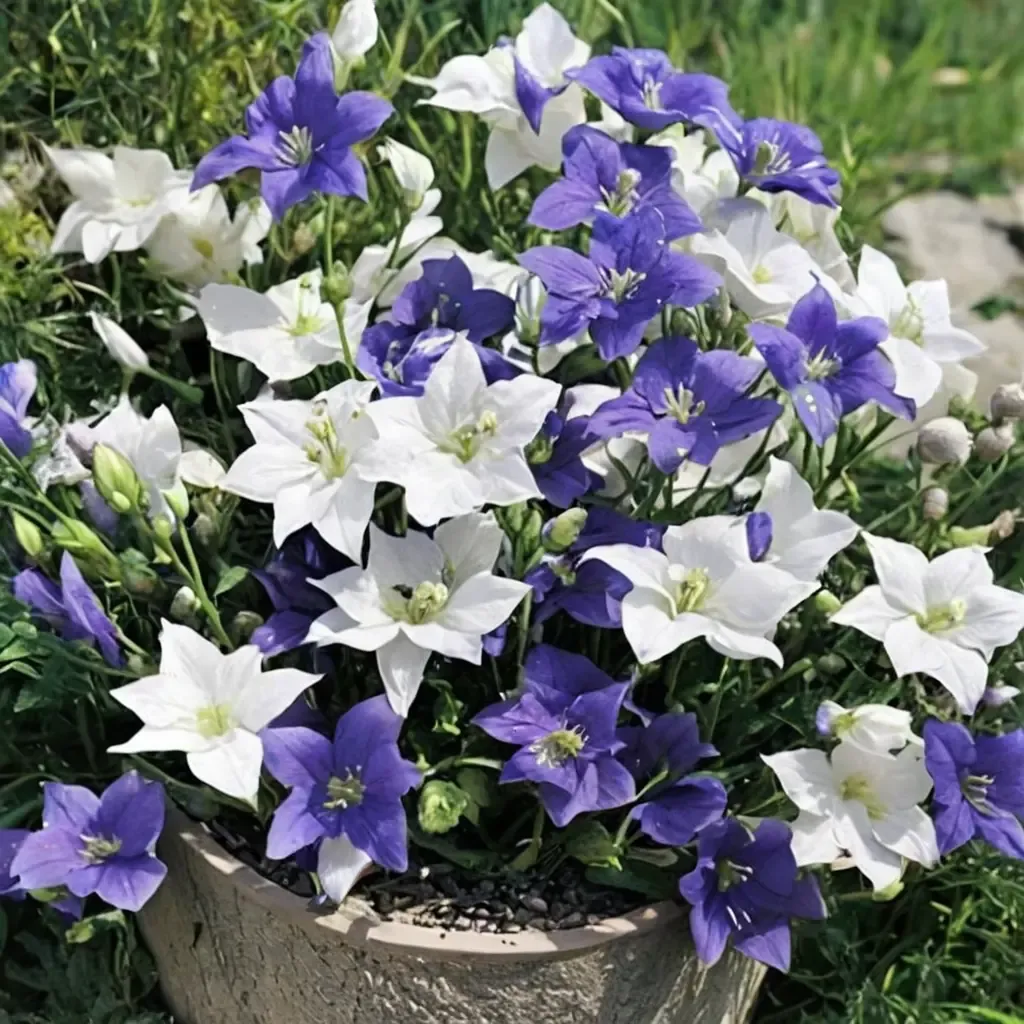
Carpathian Bellflower Mix
Campanula carpatica 'Mix'
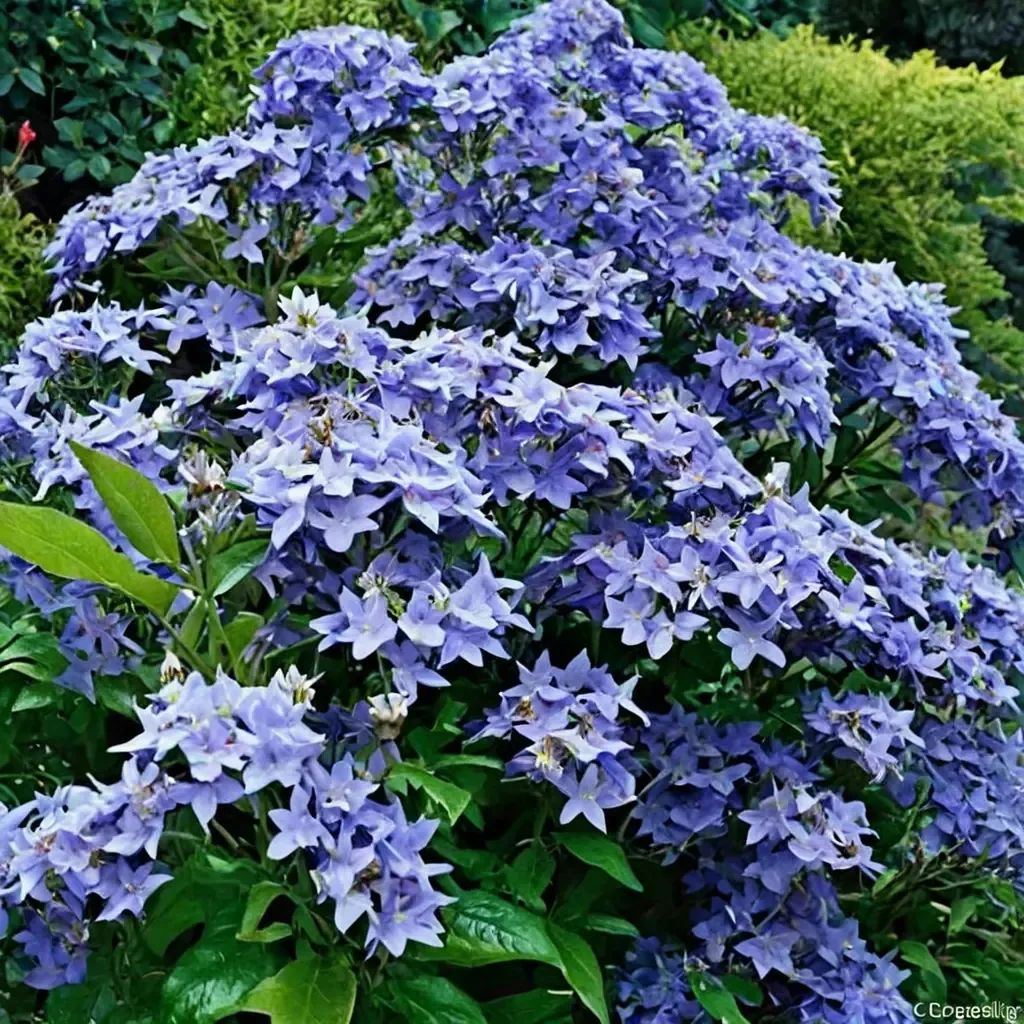
Prichard Milky Bellflower
Campanula lactiflora 'Prichard'
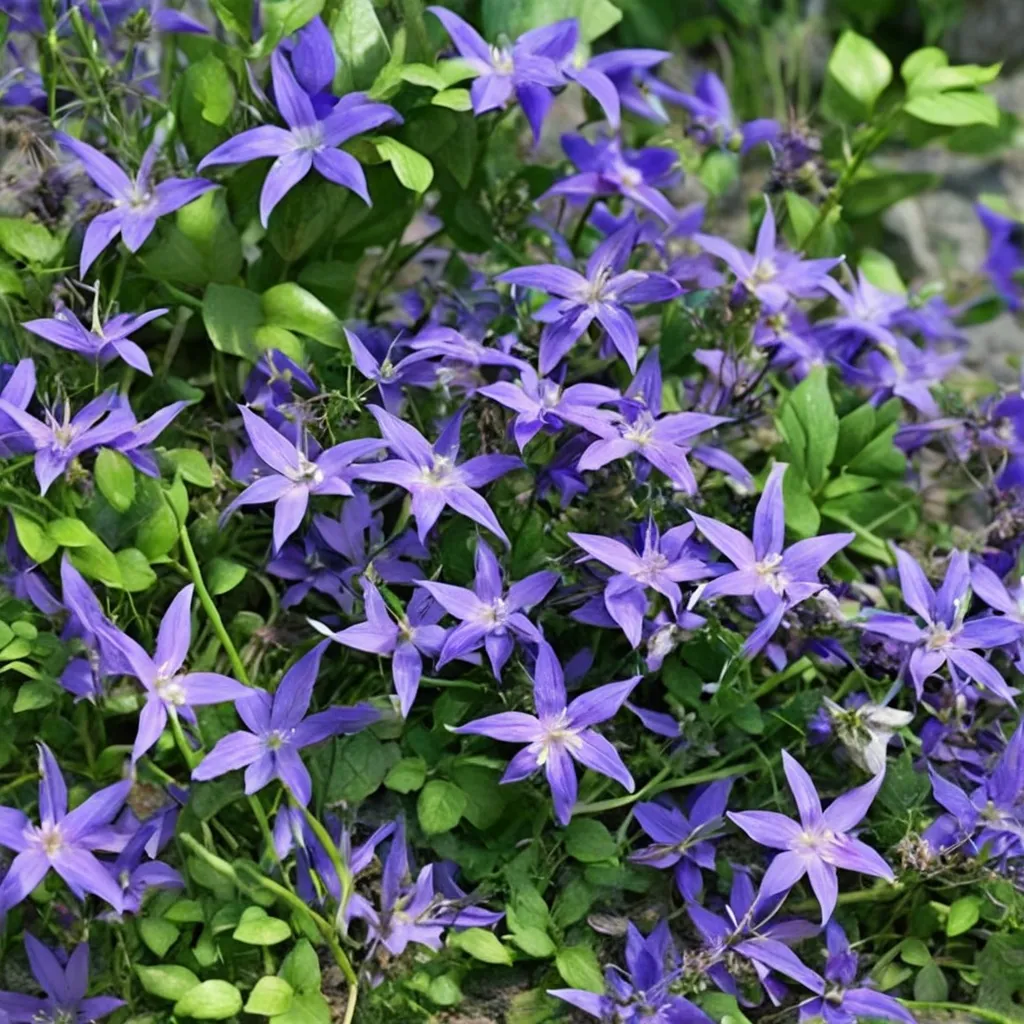
Serrated Bellflower
Campanula poscharskyana 'Stella'
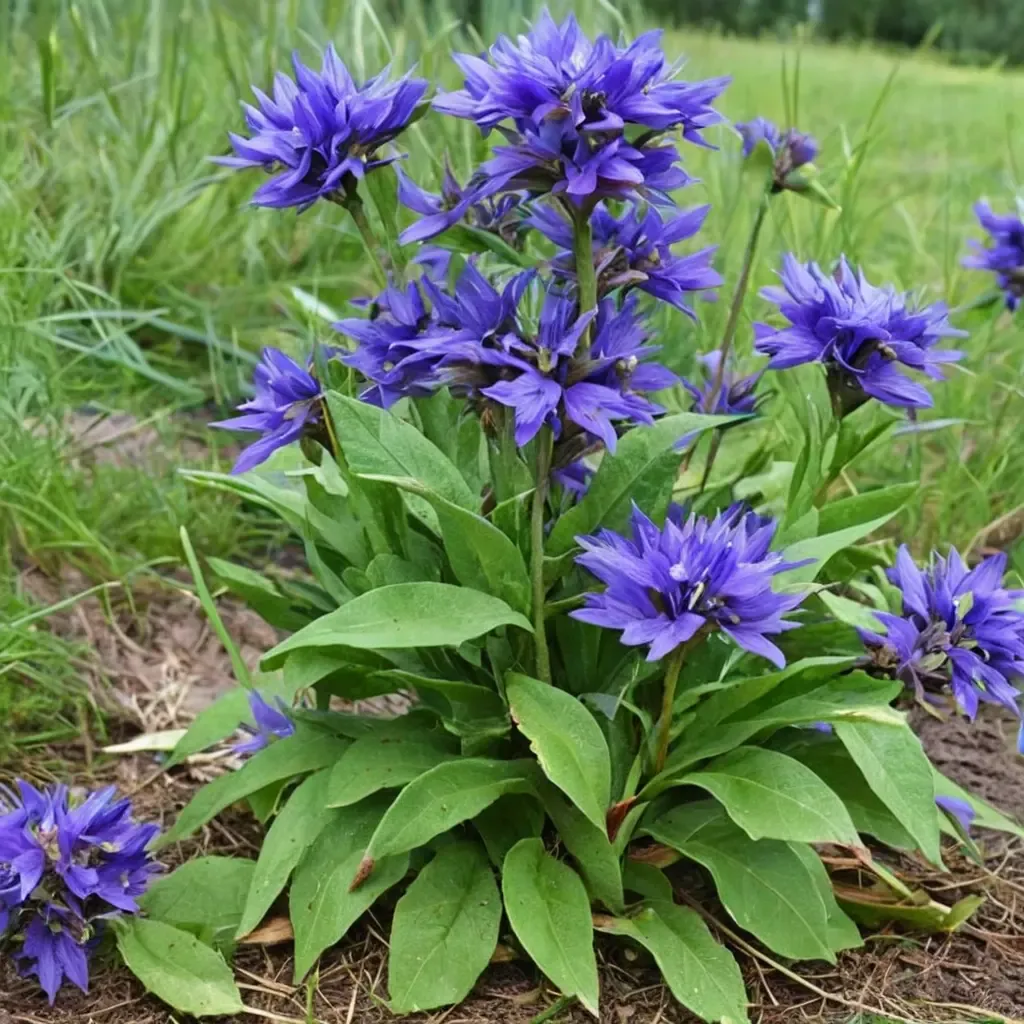
Clustered Bellflower
Campanula glomerata
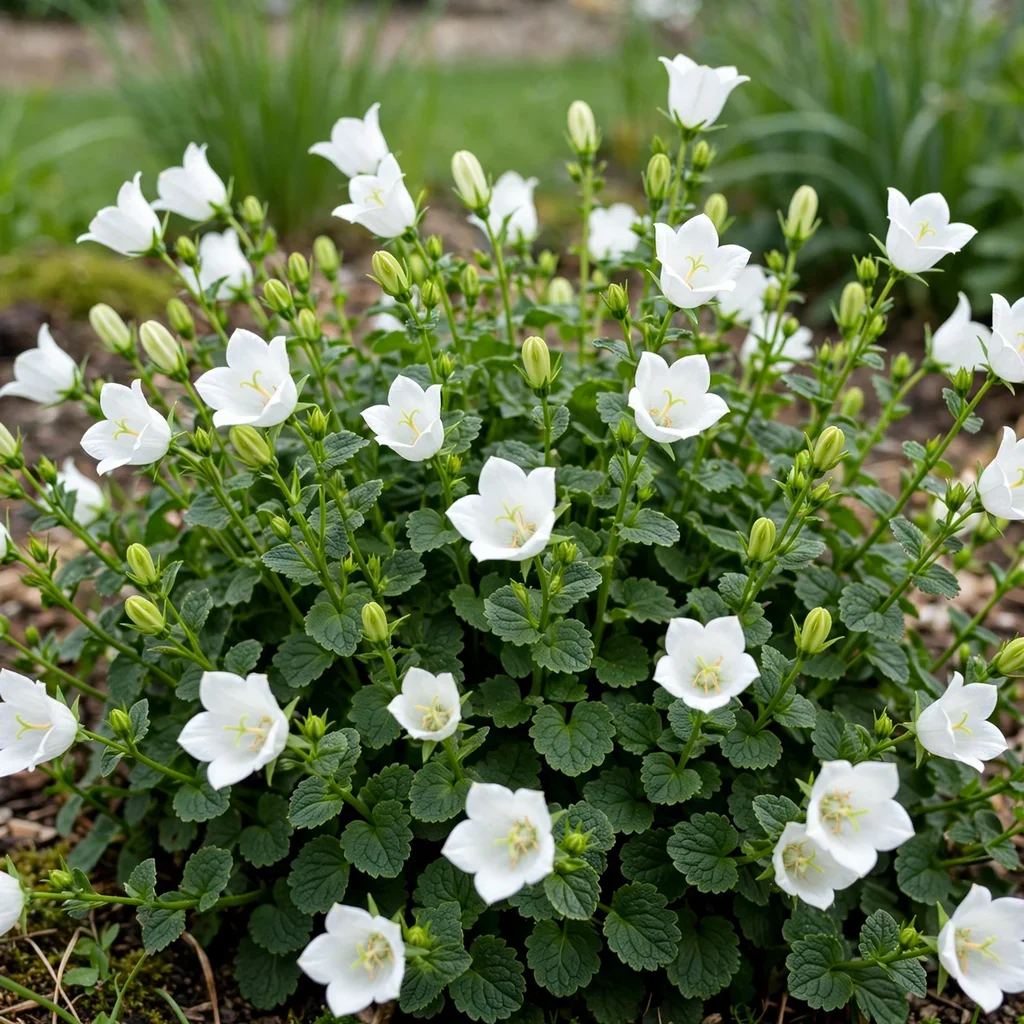
Rapido White Carpathian Bellflower
Campanula rapunculoides 'Rapido White'
Keep exploring
Explore the genus
Grow Adriatic Bellflower with confidence
See it in a design of your actual yard, get zone-matched care reminders, and track it season by season in your garden journal.