The Story
Plant Bio
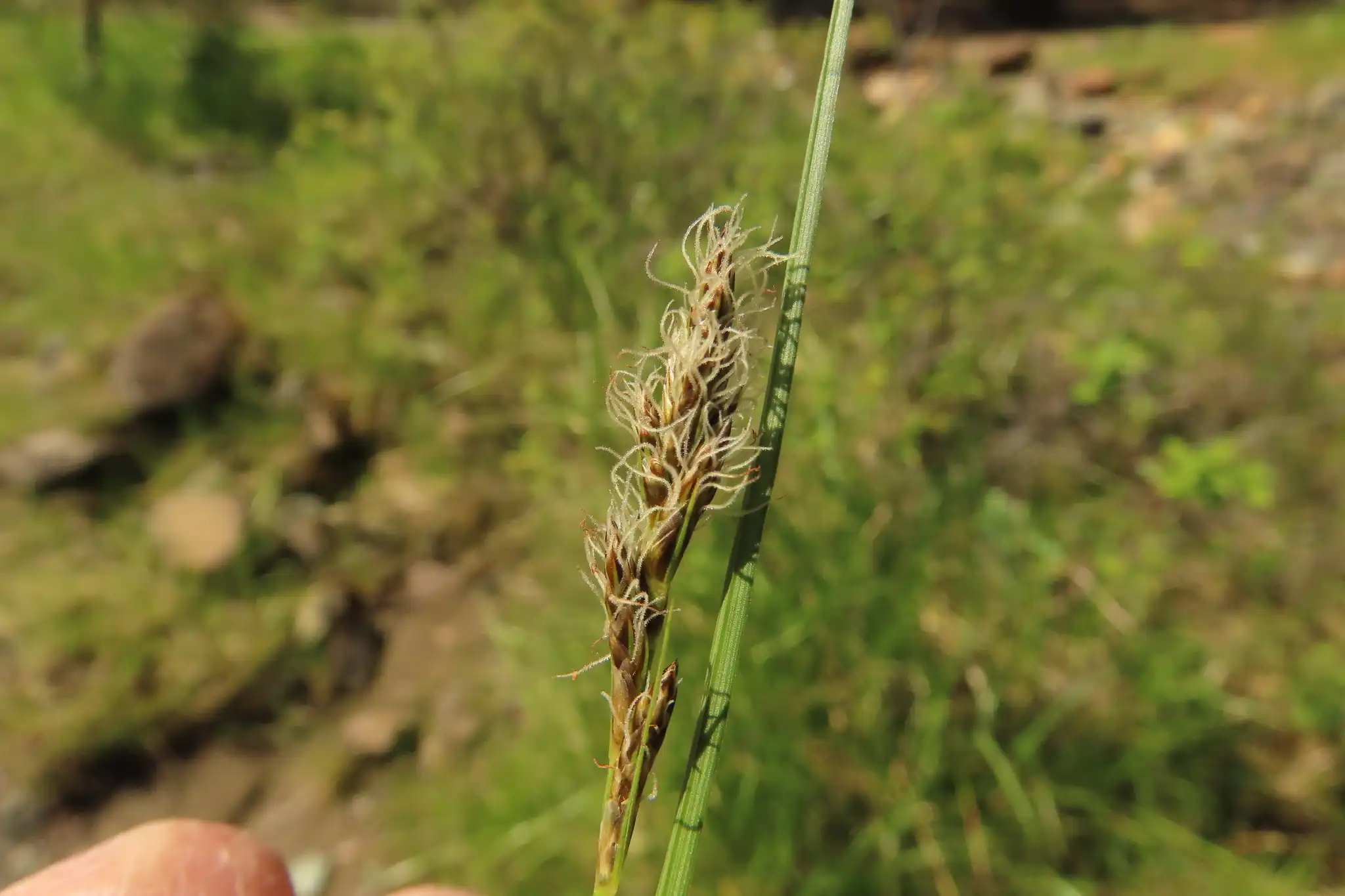
Carex praegracilis is a rhizomatous, grass-like perennial native to North America, forming dense sods from creeping black rhizomes. Its slender, three-angled culms reach up to three feet high and bear narrow green foliage with rough margins.
Unlike the coastal Carex pansa with which it is frequently confused in trade, this species thrives in heavy inland clay, saline soils, and seasonally wet ground. It spreads via creeping runners to form a tough groundcover capable of suppressing weeds and standing up to foot traffic.
Uses & Benefits:
Essentials
At a Glance
Plant Type
Grass
Height
36"
Width
36"
Light
Full Sun, Partial Sun
Zones
4, 5, 6, 7, 8, 9
Water
Moist to dry once established
Humidity
Adaptable
Lifespan
Perennial
Native To
North America
Toxicity
Non-toxic (sharp leaf edges)
Bloom period
Late spring – Early summer
In flower about 2 months of the year
Planting
How to Grow
- Plant plugs or divisions 12 to 18 inches apart in moist to well-draining soil in full sun or light shade.
- Water regularly during the first growing season until rhizomes establish a solid root network.
- Mow or trim foliage to 2–3 inches in late winter to clear dead blades before spring emergence.
- Divide rhizomatous mats in spring or fall to restrict spread or propagate into new areas.
Pro Tip
Mow or cut foliage back to two inches in late winter before new spring growth begins; avoid over-fertilizing, which causes floppy, weak growth and crown rot.
Keep It Thriving
Care Guide
Do
- Mow or cut foliage back in late winter to refresh growth.
- Provide regular moisture during establishment.
- Wear gloves when handling blades to prevent minor cuts from rough leaf edges.
Don't
- Do not over-fertilize, which creates weak foliage prone to lodging and root rot.
- Do not over-water established plantings in poorly drained heavy soils.
- Do not shear repeatedly into low wood during active summer growth.
Seasonal Care Calendar
| Task | Jan | Feb | Mar | Apr | May | Jun | Jul | Aug | Sep | Oct | Nov | Dec |
|---|---|---|---|---|---|---|---|---|---|---|---|---|
| Divide | ||||||||||||
| Fertilize | ||||||||||||
| Prune | ||||||||||||
| Spring Cleanup |
Watch Out For
Pests & Diseases
Common Pests
Common Diseases
In the Garden
Landscape Uses & Companions
Landscape Uses
Multiply
Propagation Methods
Good to Know
Common Questions
Clustered Field Sedge questions
What zones can Clustered Field Sedge grow in?
Clustered Field Sedge is hardy in USDA Zones 4–9. Inside that range it survives winter in the ground; outside it, grow it as an annual or a container plant you protect.
Is Clustered Field Sedge deer resistant?
Yes — Clustered Field Sedge is rated deer-resistant. Deer typically pass it over, though extreme hunger can override any plant's defenses.
When does Clustered Field Sedge bloom?
Clustered Field Sedge typically blooms in late spring through early summer. Exact timing shifts a week or two with your zone — Sow's bloom calendar maps it to your garden.
Does Clustered Field Sedge need full sun?
Clustered Field Sedge does best in full sun to part shade. In hot climates, afternoon shade keeps blooms fresher longer.
Is Clustered Field Sedge drought tolerant?
Yes — once established (usually after the first full season), Clustered Field Sedge handles dry spells with minimal watering. Water deeply its first year to build the root system that makes that possible.
More Carex to compare
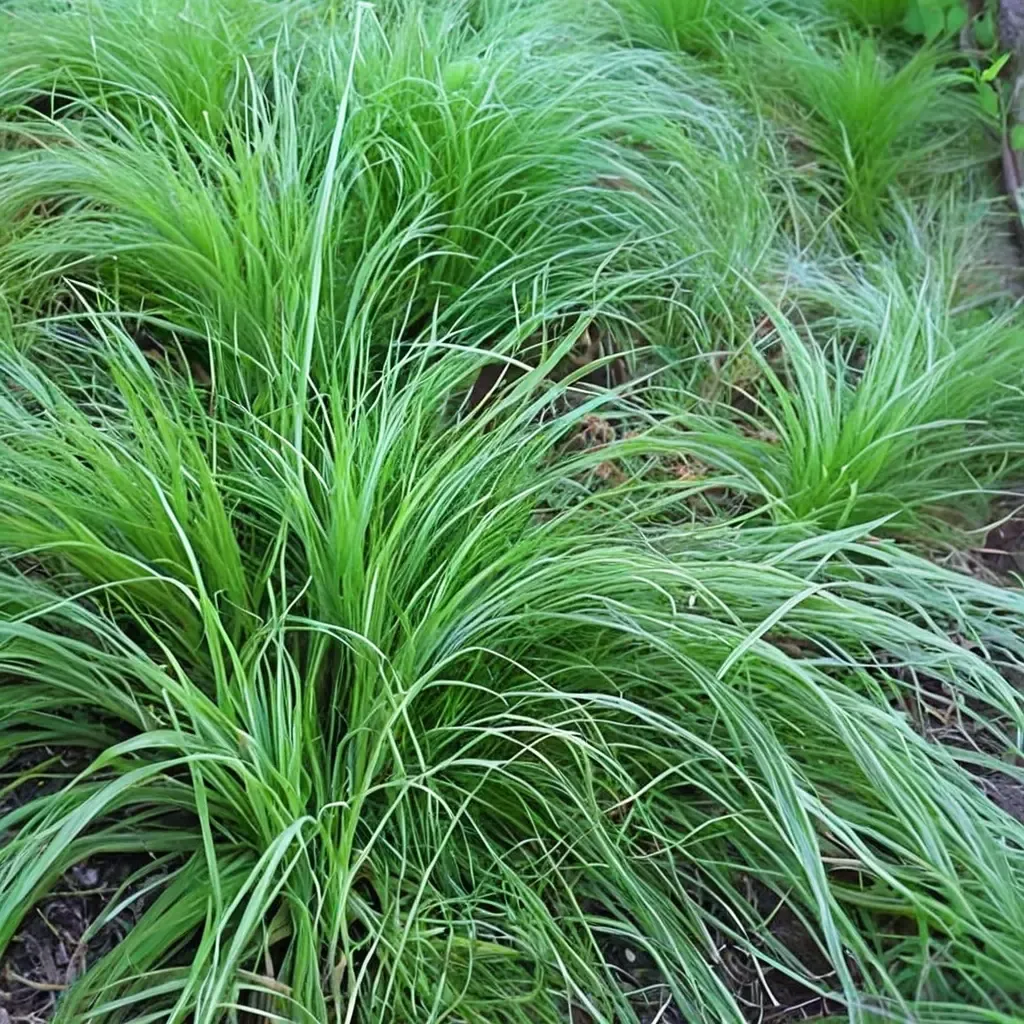
Pennsylvania Sedge
Carex pensylvanica
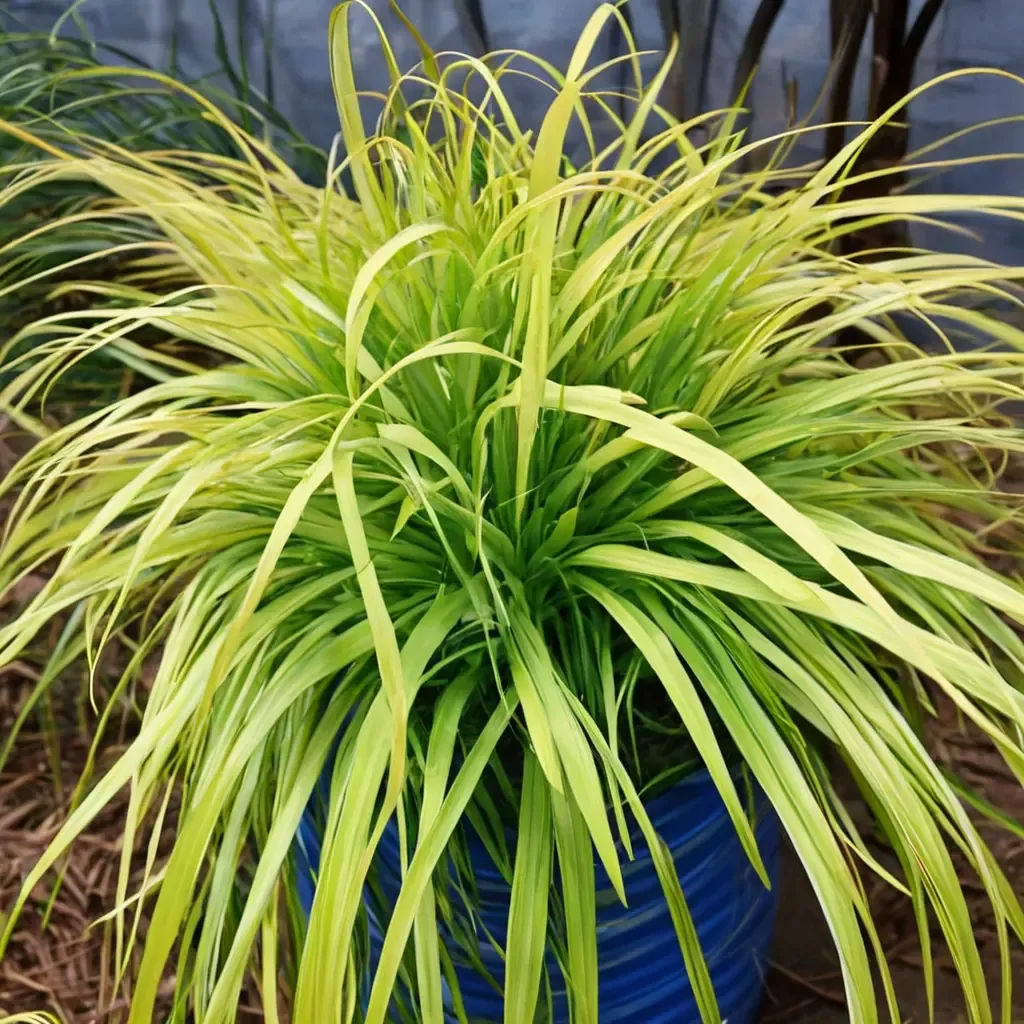
Everillo Sedge
Carex oshimensis 'Everillo'
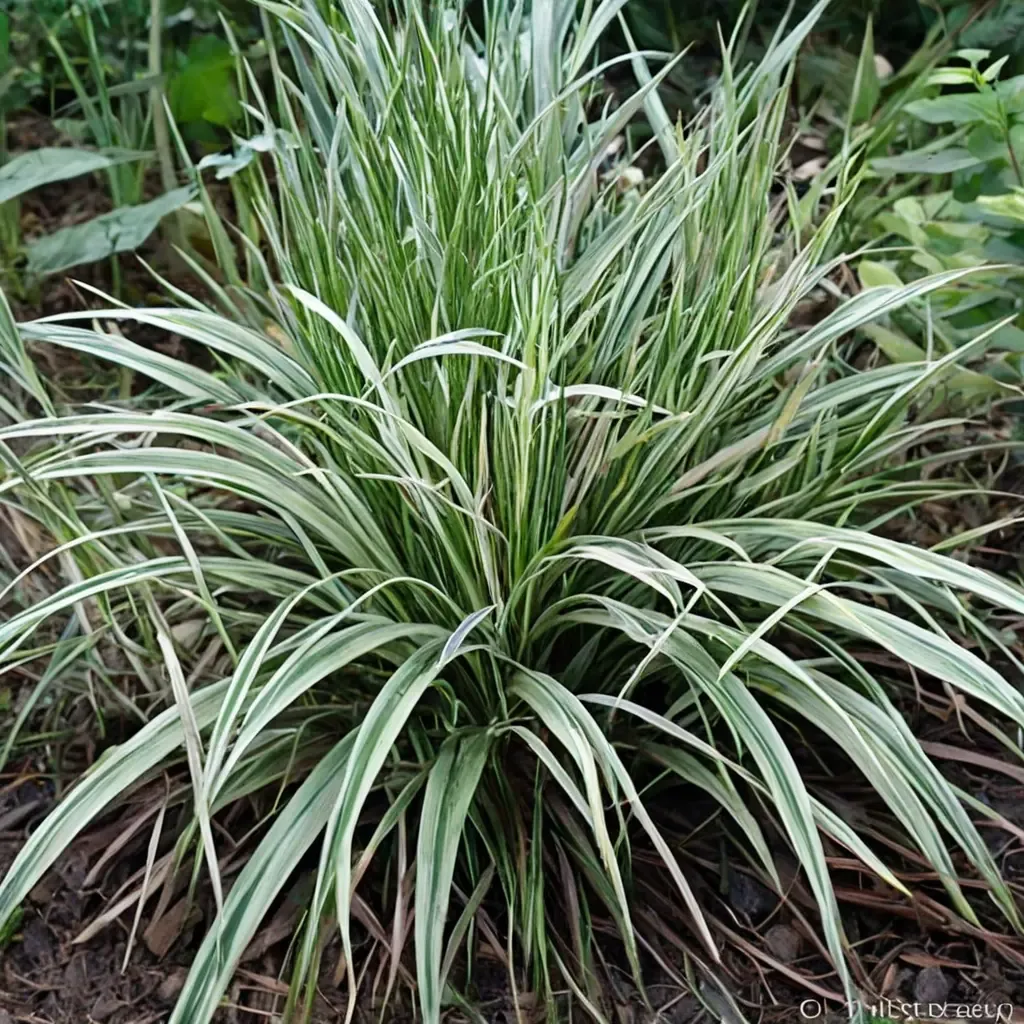
Japanese Sedge
Carex morrowii
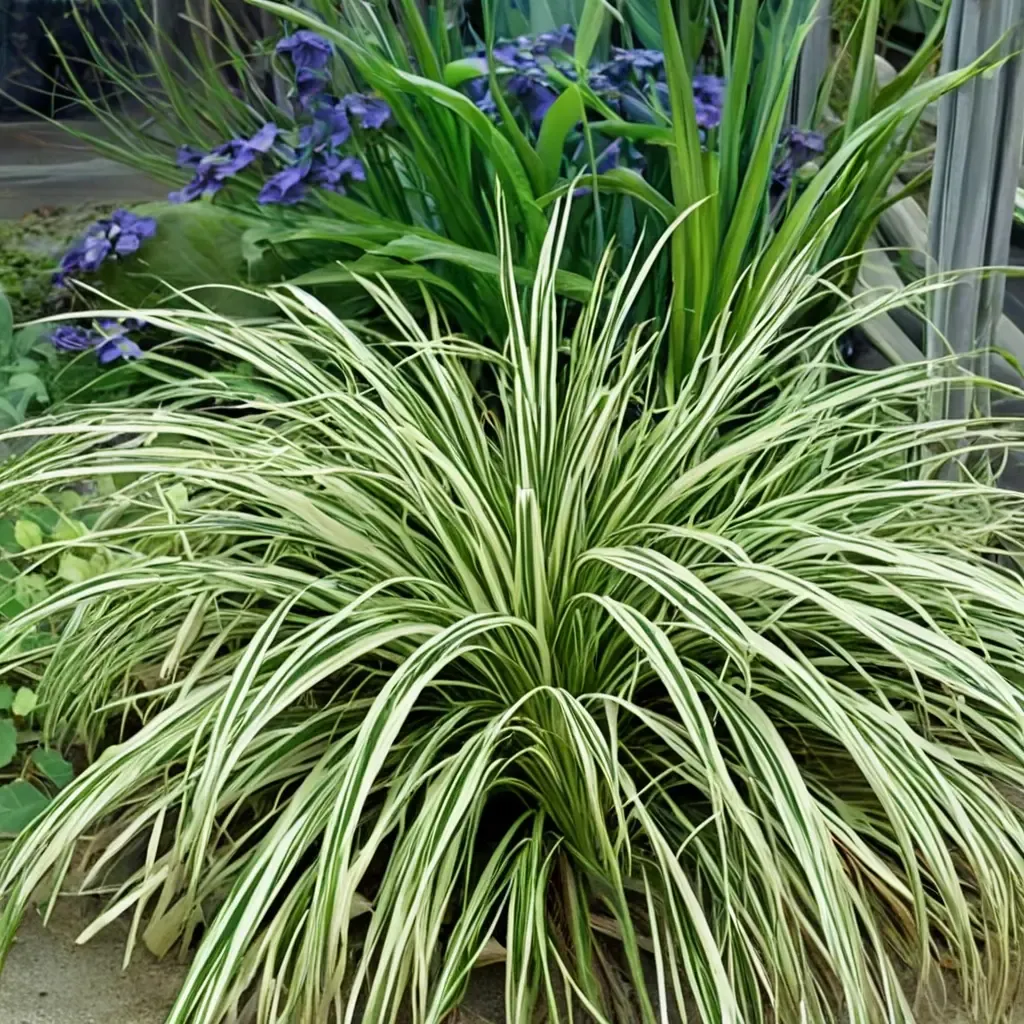
Evergold Japanese Sedge
Carex oshimensis 'Evergold'
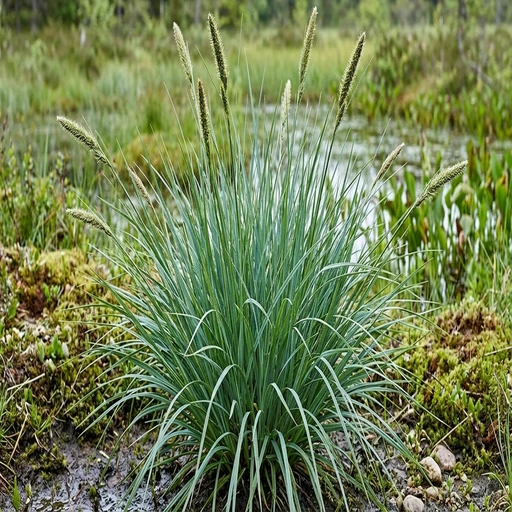
Comosa Sedge
Carex comosa
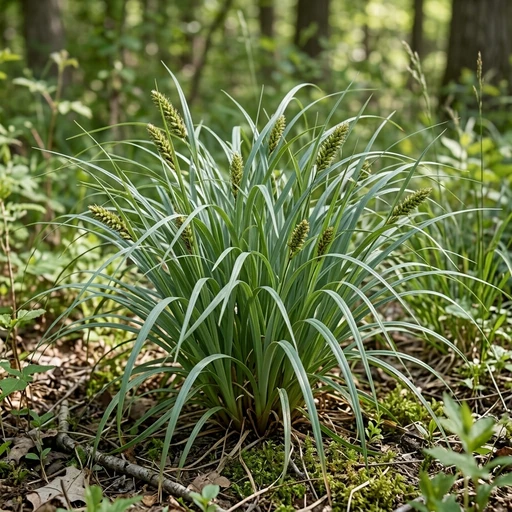
Shortbeak Sedge
Carex brevior
Keep exploring
Explore the genus
Grow Clustered Field Sedge with confidence
See it in a design of your actual yard, get zone-matched care reminders, and track it season by season in your garden journal.