


The Story
Plant Bio
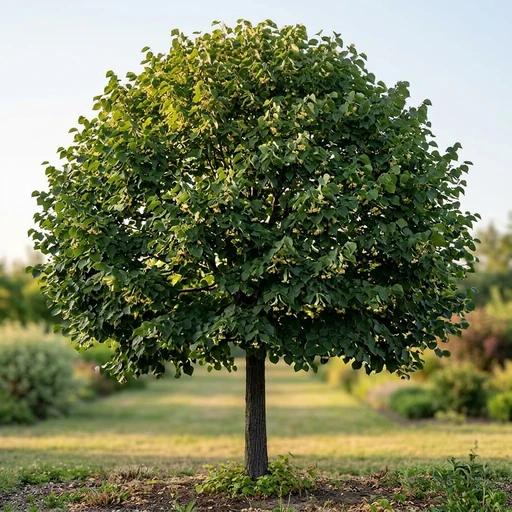
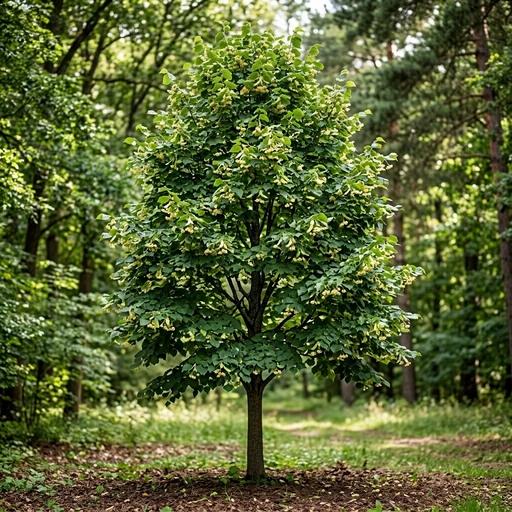
Tilia cordata is a deciduous canopy tree native to Europe and western Asia, widely planted for its symmetrical growth and fragrant summer flowers. The species produces small, heart-shaped leaves with pale undersides and clusters of pale yellow flowers attached to distinctive leafy bracts.
'Greenspire' is a highly uniform cultivar distinguished by its strong central leader and dense, upright-pyramidal to oval crown. It maintains a neat, structured profile with minimal pruning, making it an exceptional choice for formal avenues and urban street plantings.
Uses & Benefits:
Essentials
At a Glance
Plant Type
Tree
Height
600"
Width
420"
Light
Full Sun, Partial Sun
Zones
4, 5, 6, 7
Water
Medium
Humidity
Medium
Lifespan
Long
Native To
Europe and western Asia
Toxicity
Non-toxic
Bloom period
Summer
In flower about 3 months of the year
Marketplace
Where to Buy
Shipping costs Year-round shipping Free shipping
Planting
How to Grow
- Dig a planting hole twice as wide as the root ball and of equal depth, ensuring the root flare sits level with or slightly above the surrounding soil.
- Position the tree in the hole, backfill with native soil without adding soil amendments, and firm gently to eliminate air pockets.
- Water deeply immediately after planting to settle the soil around the root system.
- Apply a three-inch layer of organic mulch over the root zone, keeping it several inches away from the trunk to prevent bark rot.
Pro Tip
Train young trees early to maintain the strong central leader; structural pruning in late winter prevents competing co-dominant stems from weakening the mature canopy.
Keep It Thriving
Care Guide
Do
- Water young trees regularly during the first two growing seasons to establish a deep root system.
- Prune structurally in late winter or early spring while the tree is dormant.
- Protect the lower trunk of young trees with physical guards to prevent rabbit and rodent chewing.
Don't
- Do not plant in coastal areas with heavy salt spray or near roads where high de-icing salt runoff occurs.
- Avoid pruning heavily in late summer, which stimulates tender new growth vulnerable to winter freeze.
- Do not allow young or newly planted trees to experience prolonged soil dryness.
Seasonal Care Calendar
| Task | Jan | Feb | Mar | Apr | May | Jun | Jul | Aug | Sep | Oct | Nov | Dec |
|---|---|---|---|---|---|---|---|---|---|---|---|---|
| Fertilize | ||||||||||||
| Mulch | ||||||||||||
| Pest Check | ||||||||||||
| Prune |
Watch Out For
Pests & Diseases
Common Pests
Common Diseases
In the Garden
Landscape Uses & Companions
Landscape Uses
Multiply
Propagation Methods
Good to Know
Common Questions
Littleleaf Linden questions
What zones can Littleleaf Linden grow in?
Littleleaf Linden is hardy in USDA Zones 4–7. Inside that range it survives winter in the ground; outside it, grow it as an annual or a container plant you protect.
Is Littleleaf Linden deer resistant?
Not reliably. Deer may browse Littleleaf Linden, especially tender spring growth — plan on repellents or fencing where pressure is high.
When does Littleleaf Linden bloom?
Littleleaf Linden typically blooms in summer through summer. Exact timing shifts a week or two with your zone — Sow's bloom calendar maps it to your garden.
Does Littleleaf Linden need full sun?
Littleleaf Linden does best in full sun to part shade. In hot climates, afternoon shade keeps blooms fresher longer.
Is Littleleaf Linden drought tolerant?
Yes — once established (usually after the first full season), Littleleaf Linden handles dry spells with minimal watering. Water deeply its first year to build the root system that makes that possible.
More Tilia to compare
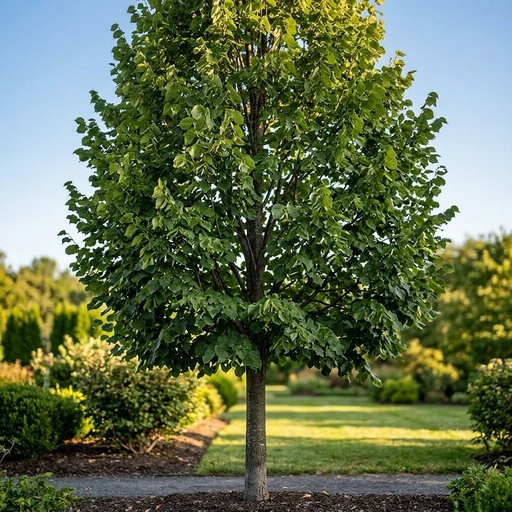
Sentry American Linden
Tilia americana 'Sentry'
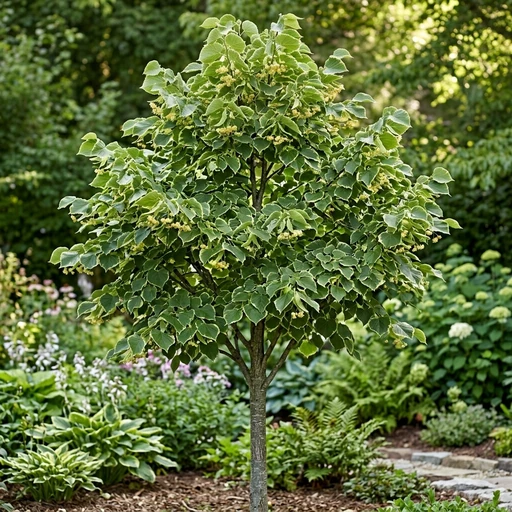
Redmond American Linden
Tilia americana 'Redmond'
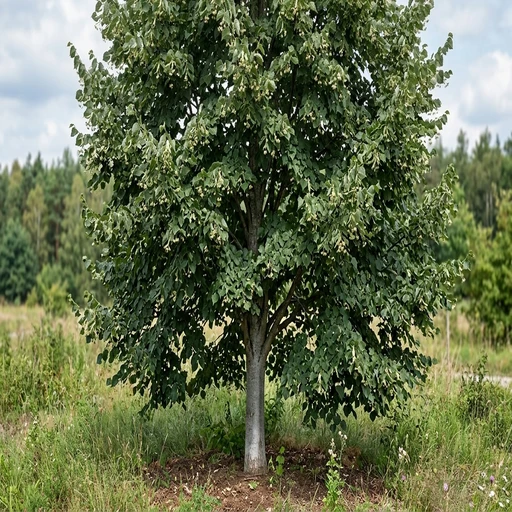
Green Mountain Silver Linden
Tilia tomentosa 'Green Mountain'
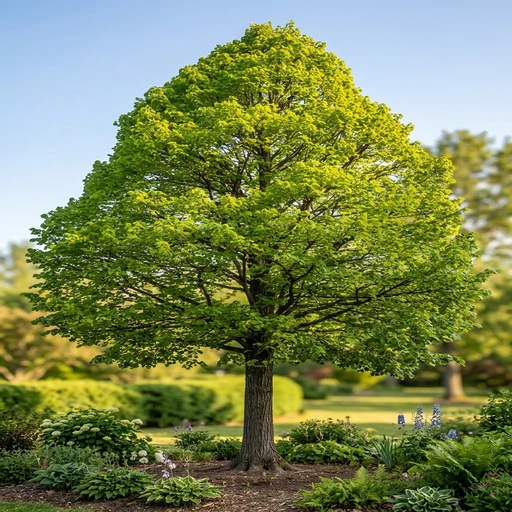
American Linden
Tilia americana
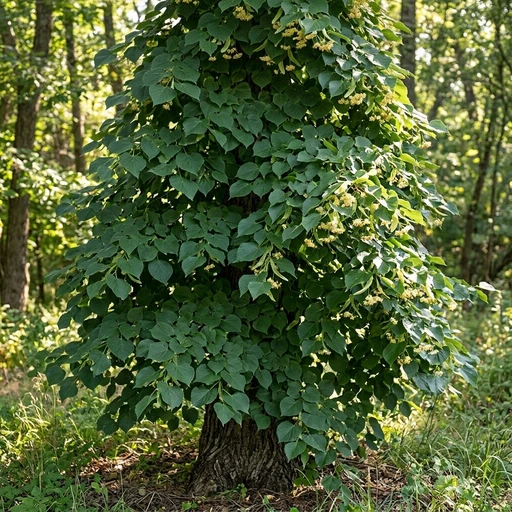
Boulevard American Linden
Tilia americana 'Boulevard'
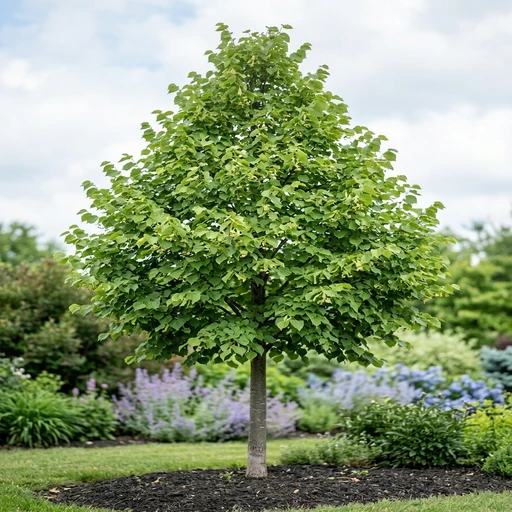
Greenspire Linden
Tilia cordata 'Pni 6025'
Keep exploring
Explore the genus
Hardy in your zone?
Grow Littleleaf Linden with confidence
See it in a design of your actual yard, get zone-matched care reminders, and track it season by season in your garden journal.