The Story
Plant Bio
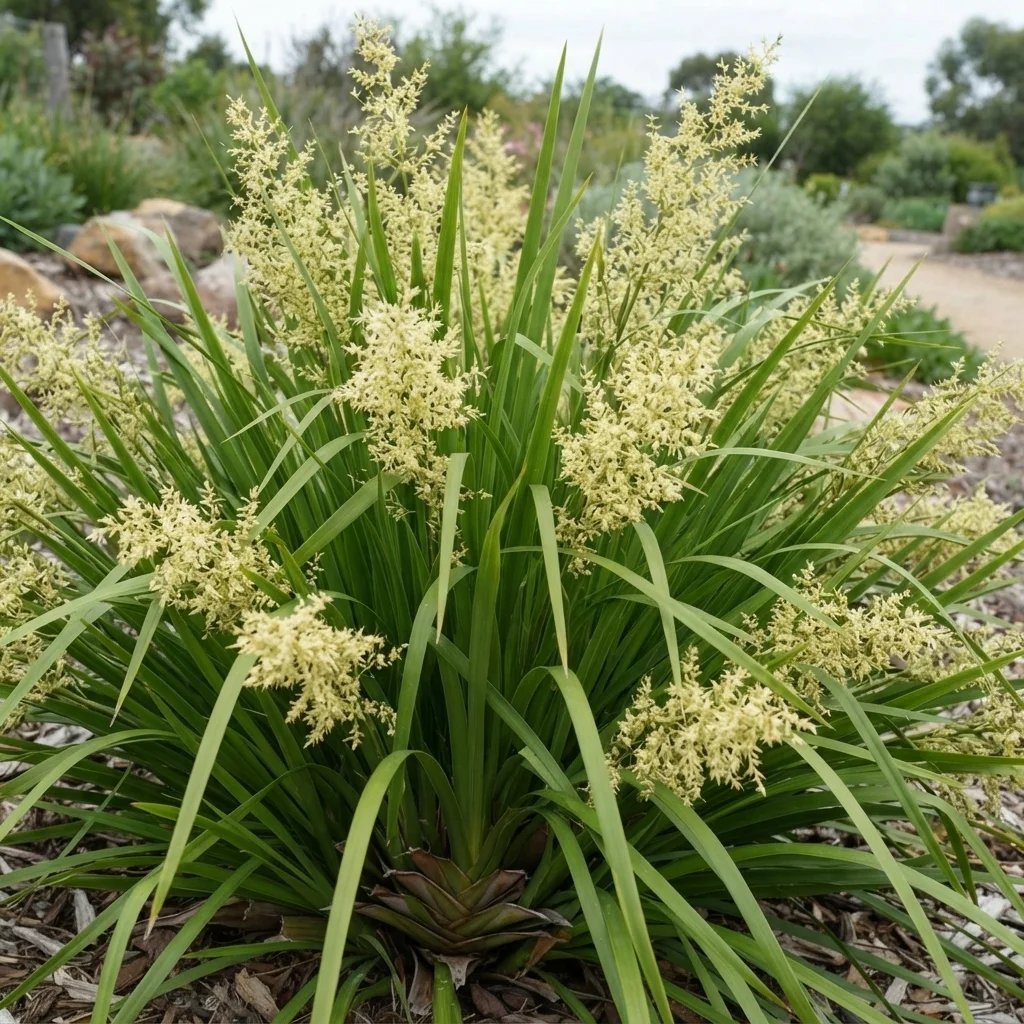
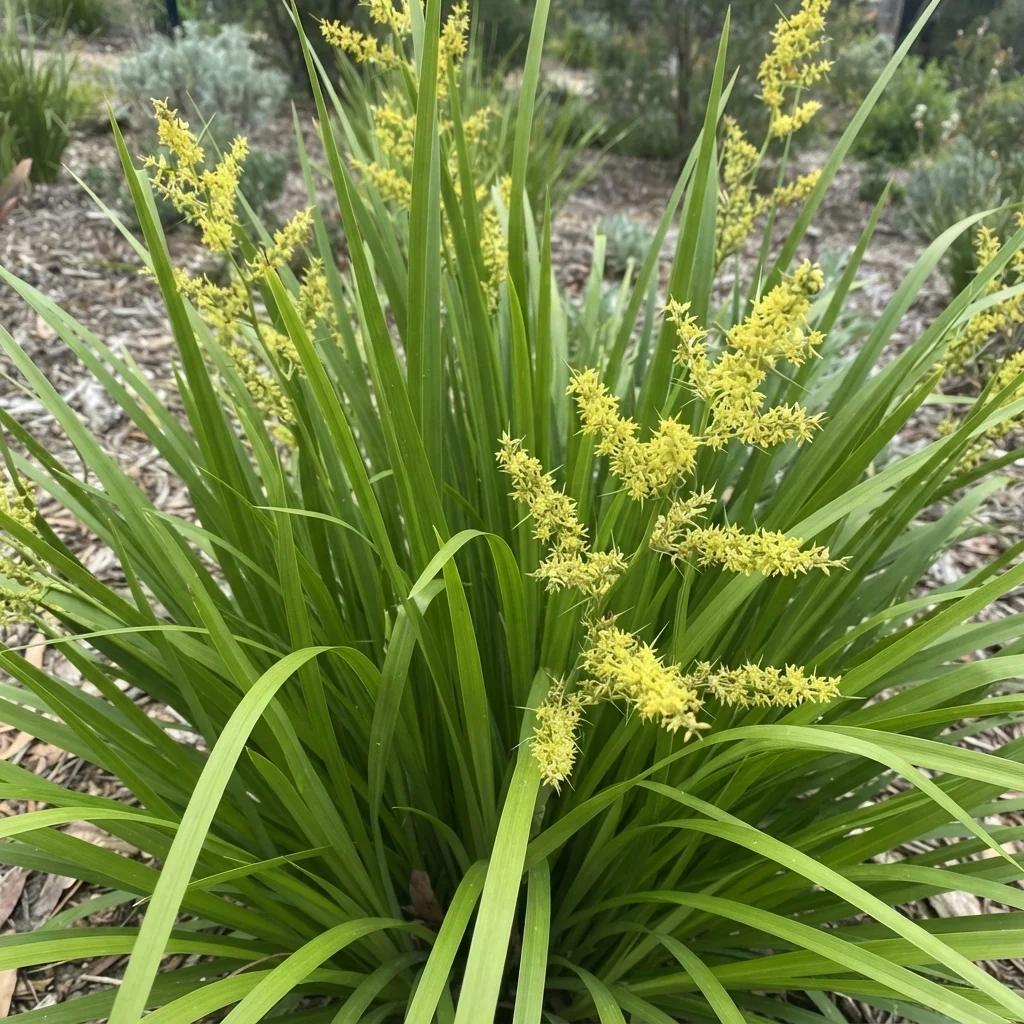
Lomandra hystrix is a robust, evergreen perennial forming dense, clumping tufts of broad, strap-like foliage native to eastern Australian rainforest margins. The species adapts to extreme soil moisture variations, thriving in both saturated rain gardens and dry, shaded understories.
'Katie Belles' is distinguished by its highly fragrant, golden-yellow flower spikes that emerge in spring and extend well beyond the bright green foliage canopy. This cultivar maintains a highly uniform, arching habit reaching up to six feet tall and five feet wide.
Uses & Benefits:
Essentials
At a Glance
Plant Type
Grass
Height
71"
Width
59"
Light
Full Sun, Partial Sun, Shade
Zones
9, 10
Water
Medium to Wet
Humidity
High
Lifespan
Perennial
Native To
Australia
Toxicity
Non-toxic
Bloom period
Spring – Summer
In flower about 6 months of the year
Planting
How to Grow
- Select a planting site in full sun to full shade with moist, well-draining soil or a dedicated rain garden zone.
- Dig a hole twice the width of the root ball and of equal depth, ensuring the crown sits level with the surrounding soil.
- Water thoroughly immediately after planting to settle the soil around the fleshy root system.
- Apply a layer of organic mulch around the base, keeping it clear of the crown to prevent moisture retention against the stems.
Pro Tip
Avoid frequent or severe shearing; cutting back into the old, brown lower stem zones below active growth points prevents regeneration.
Keep It Thriving
Care Guide
Do
- Water regularly during the first growing season to establish a deep, drought-tolerant root system.
- Wear thick gloves when handling or pruning to protect against the sharp, spiny tips of the flower bracts.
- Apply a balanced, slow-release fertilizer in spring to maintain the bright lime-green foliage color.
Don't
- Do not prune the foliage into a tight ball or cut back to the ground annually.
- Do not plant in stagnant, completely undrained sumps where water remains pooled for weeks.
- Do not use heavy overhead shearing tools that shred the leaf tips and leave brown, ragged edges.
Seasonal Care Calendar
| Task | Jan | Feb | Mar | Apr | May | Jun | Jul | Aug | Sep | Oct | Nov | Dec |
|---|---|---|---|---|---|---|---|---|---|---|---|---|
| Divide | ||||||||||||
| Fertilize | ||||||||||||
| Plant | ||||||||||||
| Prune |
Watch Out For
Pests & Diseases
Common Pests
Common Diseases
In the Garden
Landscape Uses & Companions
Landscape Uses
Companion Plants
Multiply
Propagation Methods
Good to Know
Common Questions
Slender Mat Rush questions
What zones can Slender Mat Rush grow in?
Slender Mat Rush is hardy in USDA Zones 9–10. Inside that range it survives winter in the ground; outside it, grow it as an annual or a container plant you protect.
When does Slender Mat Rush bloom?
Slender Mat Rush typically blooms in spring through summer. Exact timing shifts a week or two with your zone — Sow's bloom calendar maps it to your garden.
Does Slender Mat Rush need full sun?
Slender Mat Rush does best in full sun to part shade. In hot climates, afternoon shade keeps blooms fresher longer.
Is Slender Mat Rush drought tolerant?
Yes — once established (usually after the first full season), Slender Mat Rush handles dry spells with minimal watering. Water deeply its first year to build the root system that makes that possible.
More Lomandra to compare
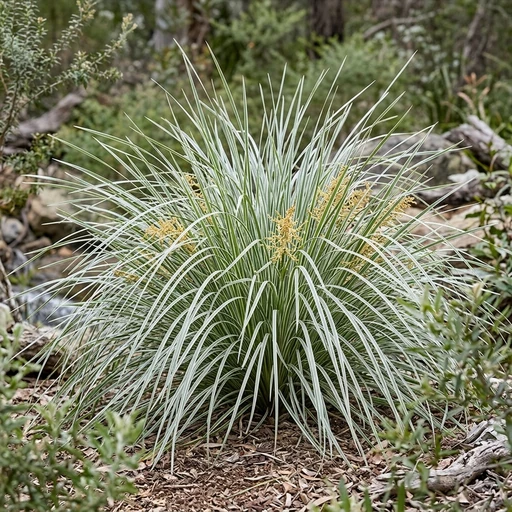
Platinum Beauty Lomandra
Lomandra longifolia 'Platinum Beauty'
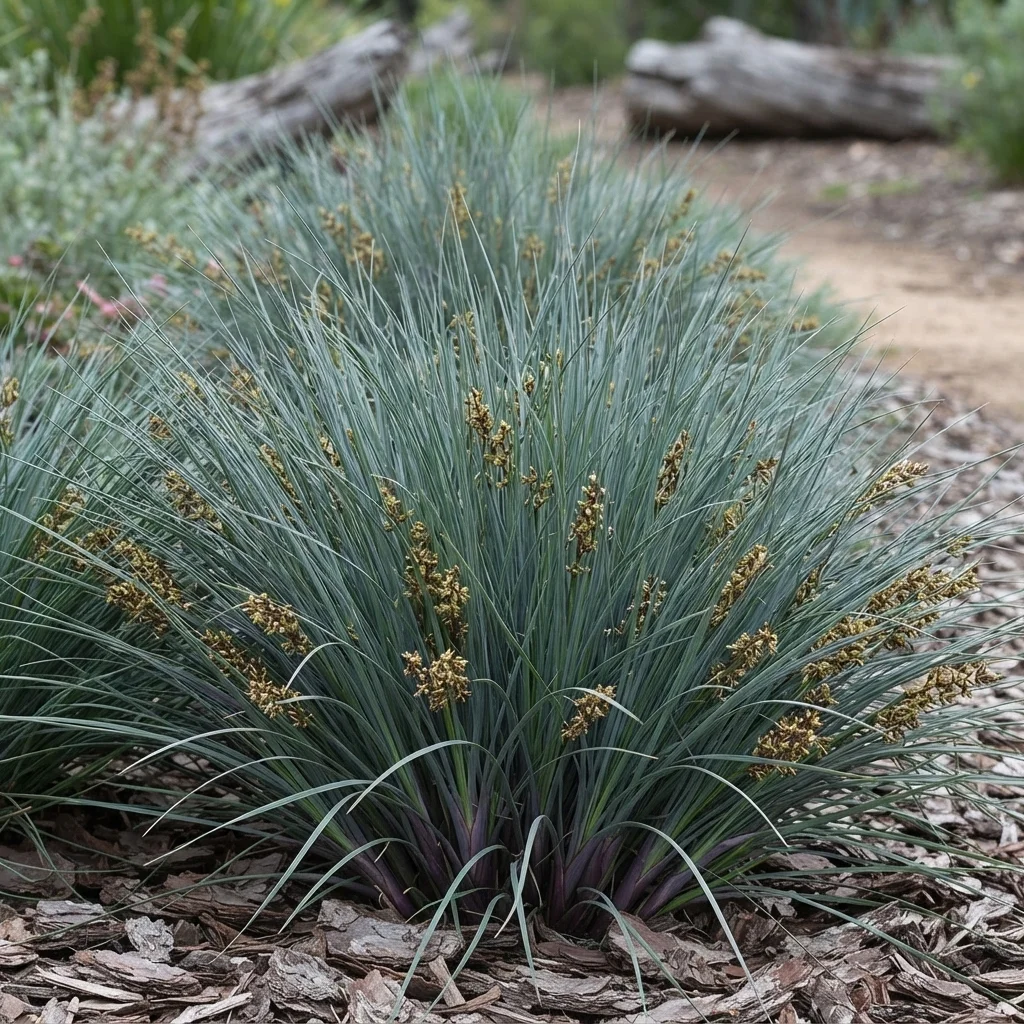
Mat Rush
Lomandra confertifolia 'Wingarra'
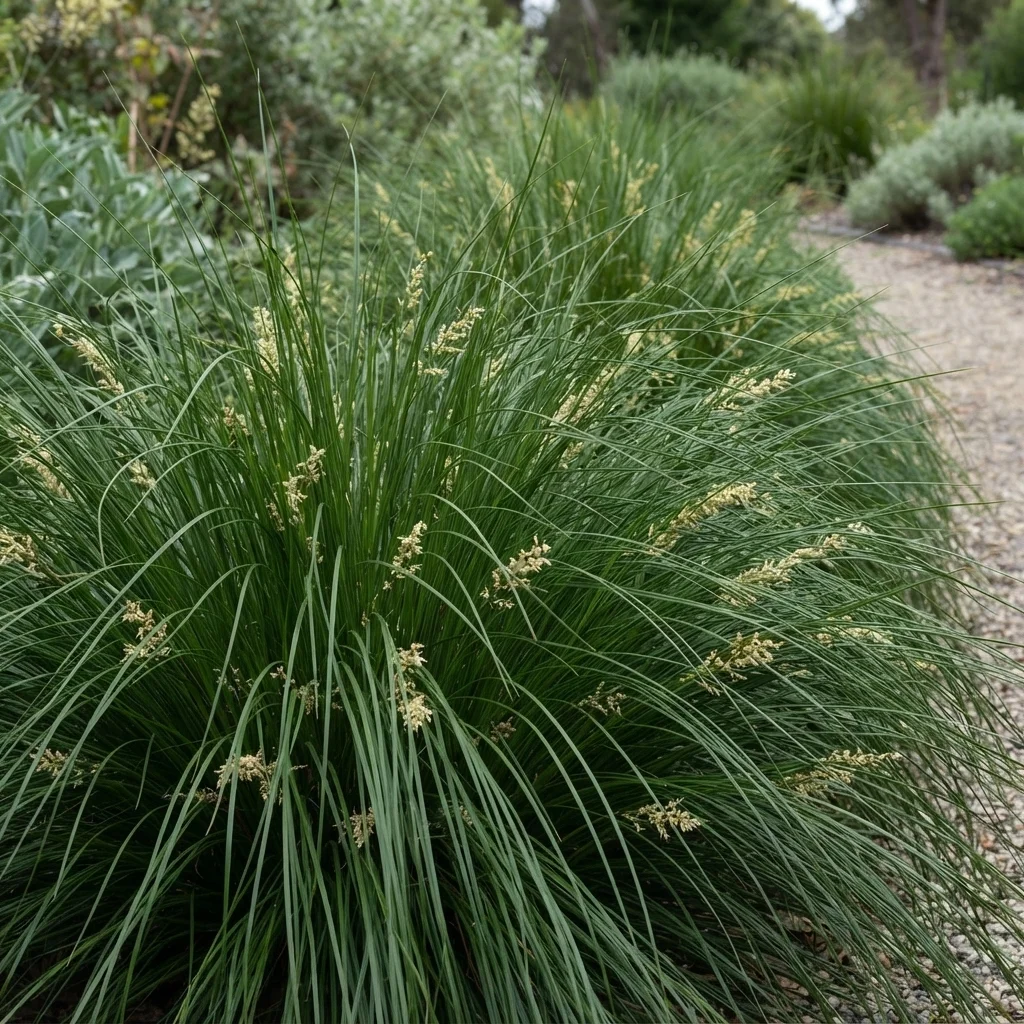
Tanika Mat-rush
Lomandra longifolia 'Tanika'
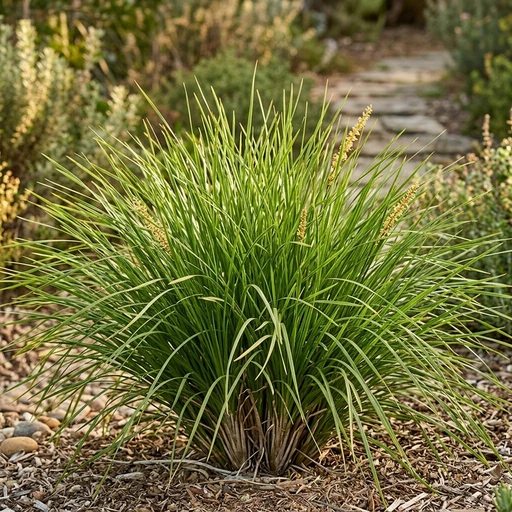
Dwarf Mat Rush
Lomandra longifolia 'Breeze Dwarf Mat Rush'
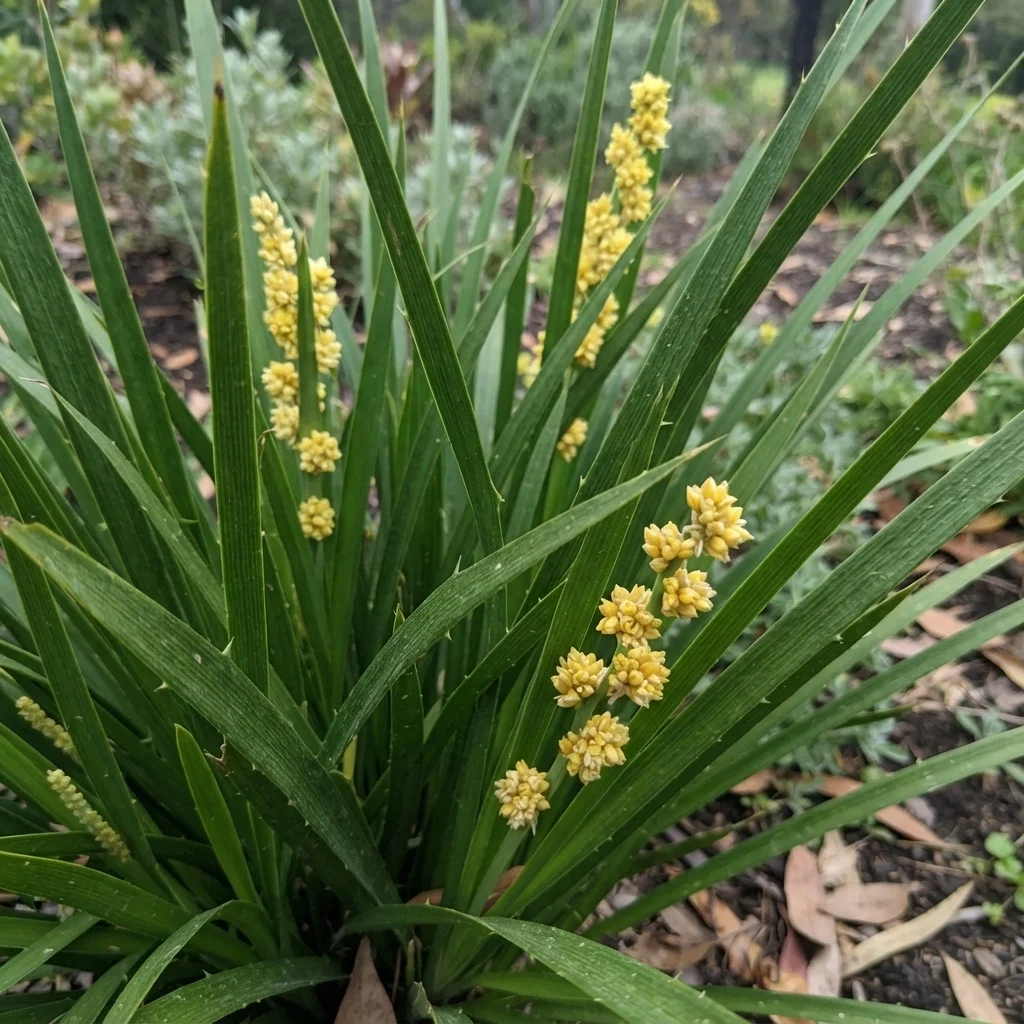
Australian Mat Rush
Lomandra longifolia
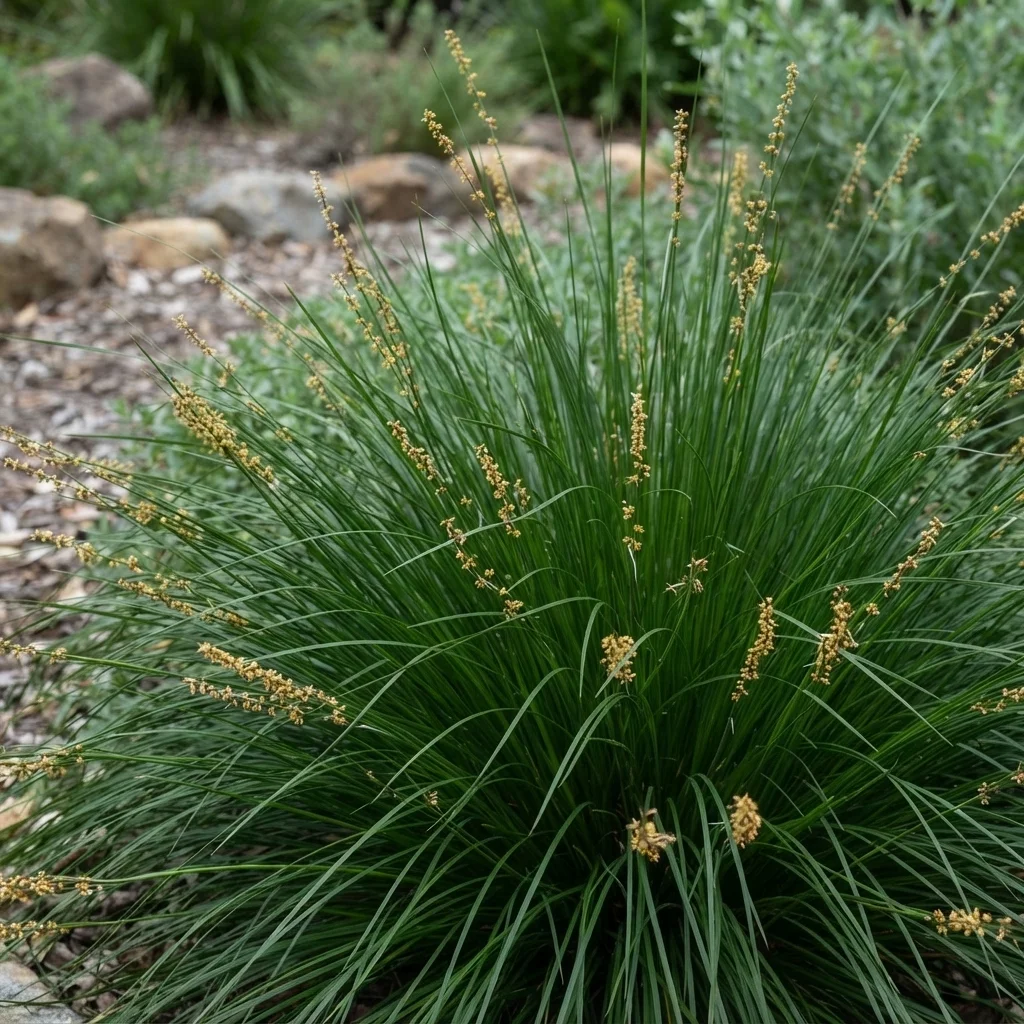
Spiny-headed Mat-rush
Lomandra longifolia 'Verday'
Keep exploring
Explore the genus
Hardy in your zone?
Grow Slender Mat Rush with confidence
See it in a design of your actual yard, get zone-matched care reminders, and track it season by season in your garden journal.