The Story
Plant Bio
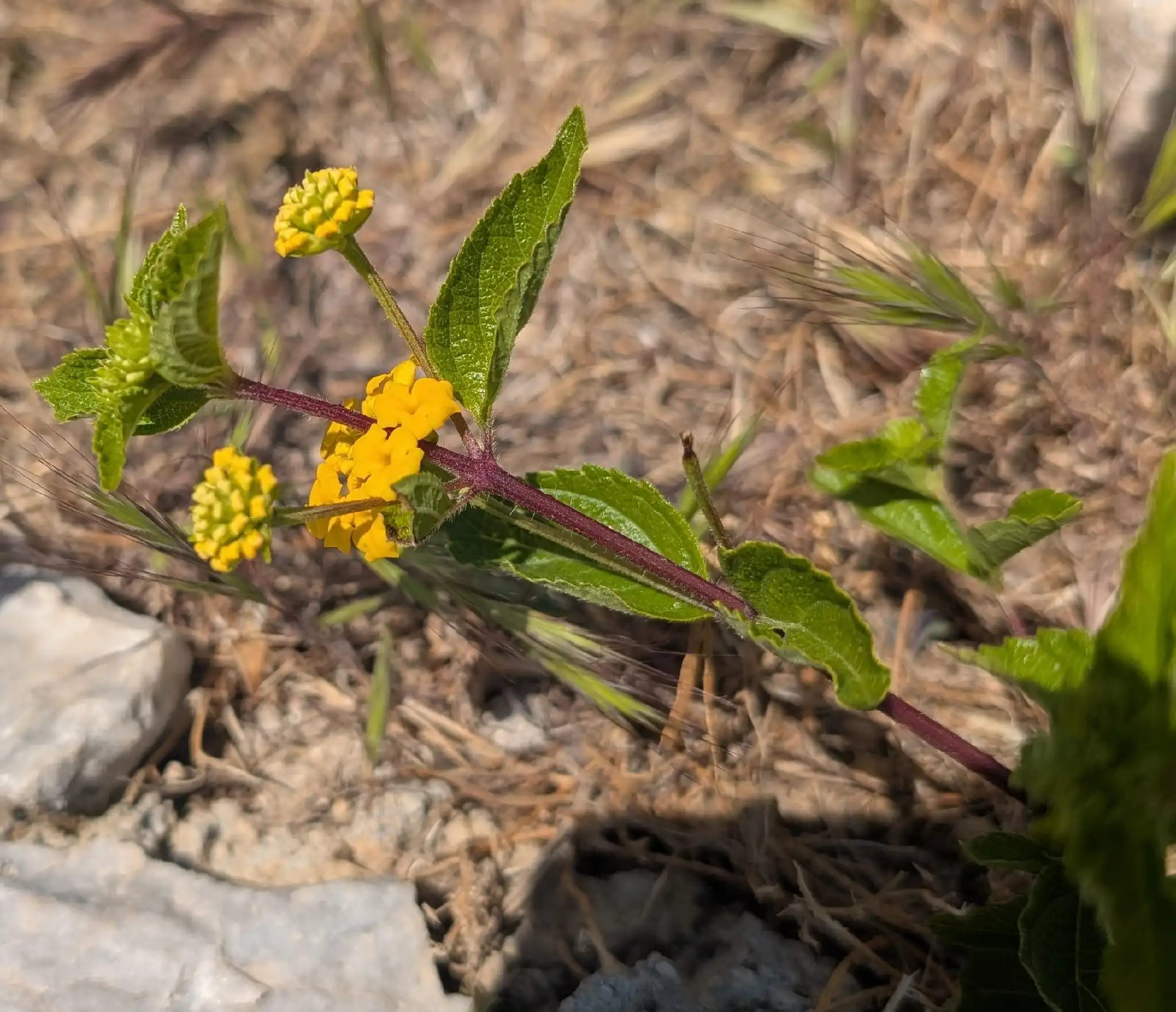
Lantana depressa is a low mounded to trailing evergreen shrublet with prostrate-decumbent stems to 40 inches that spread 36 to 60 inches wide. The small ovate leaves are 1 to 3 cm long with toothed margins, and the dense flat clusters carry small tubular golden-yellow to pale yellow flowers.
Unlike invasive shrub lantana it stays under 2 feet tall and holds its flowers yellow to pale yellow without shifting through orange and pink. The three Florida varieties separate by leaf teeth and range, with Miami-Dade var. depressa carrying 3 to 10 teeth per margin and east-coast var. floridana carrying 10 to 15.
Uses & Benefits:
Essentials
At a Glance
Plant Type
Shrub
Height
24"
Width
59"
Light
Full Sun, Partial Sun
Zones
8, 9, 10
Water
Low
Humidity
Low
Lifespan
Perennial
Native To
Florida, USA
Toxicity
Toxic to people and pets
Bloom period
Spring – Fall
In flower about 9 months of the year
Planting
How to Grow
- Set plants 48 inches apart in full sun to light shade in sandy limestone soil amended with organic matter.
- Plant at the same depth as in the pot and water in to settle the soil.
- Water regularly until rooted, then cut back to average water with sharp drainage.
- Leave spent clusters for birds and shear lightly in early spring to keep the mat dense.
Pro Tip
Plant in lean limy sand in full sun and keep water low once rooted; rich soil and frequent irrigation make leggy stems and fewer flowers.
Keep It Thriving
Care Guide
Do
- Give full sun and alkaline, fast-draining sand or limestone soil above pH 7.2.
- Space plants wide to allow air movement around the low mat.
- Source true species stock to protect wild populations from hybridization.
Don't
- Do not overwater, fertilize heavily, or plant in wet clay or high-humidity beds.
- Do not plant invasive Lantana strigocamara alongside it where cross-pollination can occur.
- Do not allow pets, livestock, or children to chew leaves or green berries.
Seasonal Care Calendar
| Task | Jan | Feb | Mar | Apr | May | Jun | Jul | Aug | Sep | Oct | Nov | Dec |
|---|---|---|---|---|---|---|---|---|---|---|---|---|
| Mulch | ||||||||||||
| Pest Check | ||||||||||||
| Plant | ||||||||||||
| Prune | ||||||||||||
| Winter Prep |
Watch Out For
Pests & Diseases
Common Pests
Common Diseases
In the Garden
Landscape Uses & Companions
Landscape Uses
Multiply
Propagation Methods
Good to Know
Common Questions
Pineland Lantana questions
What zones can Pineland Lantana grow in?
Pineland Lantana is hardy in USDA Zones 8–10: in that range it survives winter in the ground. Colder than Zone 8, grow it in a container you can move to shelter for the winter.
When does Pineland Lantana bloom?
Pineland Lantana typically blooms from spring to fall. Exact timing shifts a week or two with your zone — Sow's bloom calendar maps it to your garden.
Does Pineland Lantana need full sun?
Pineland Lantana does best in full sun to part shade. In hot climates, afternoon shade keeps blooms fresher longer.
Is Pineland Lantana drought tolerant?
Yes — once established (usually after the first full season), Pineland Lantana handles dry spells with minimal watering. Water deeply its first year to build the root system that makes that possible.
More Lantana to compare
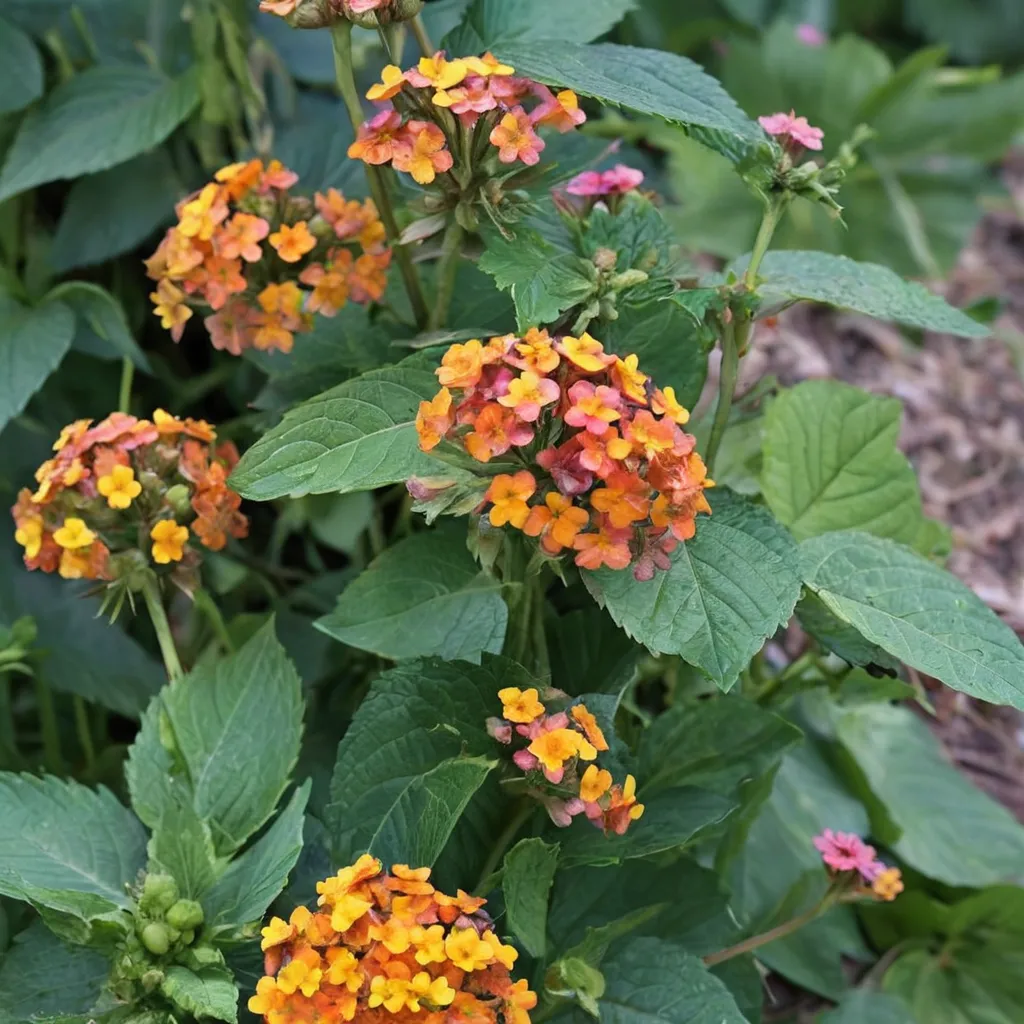
Lantana Miss Huff
Lantana camara 'Miss Huff'
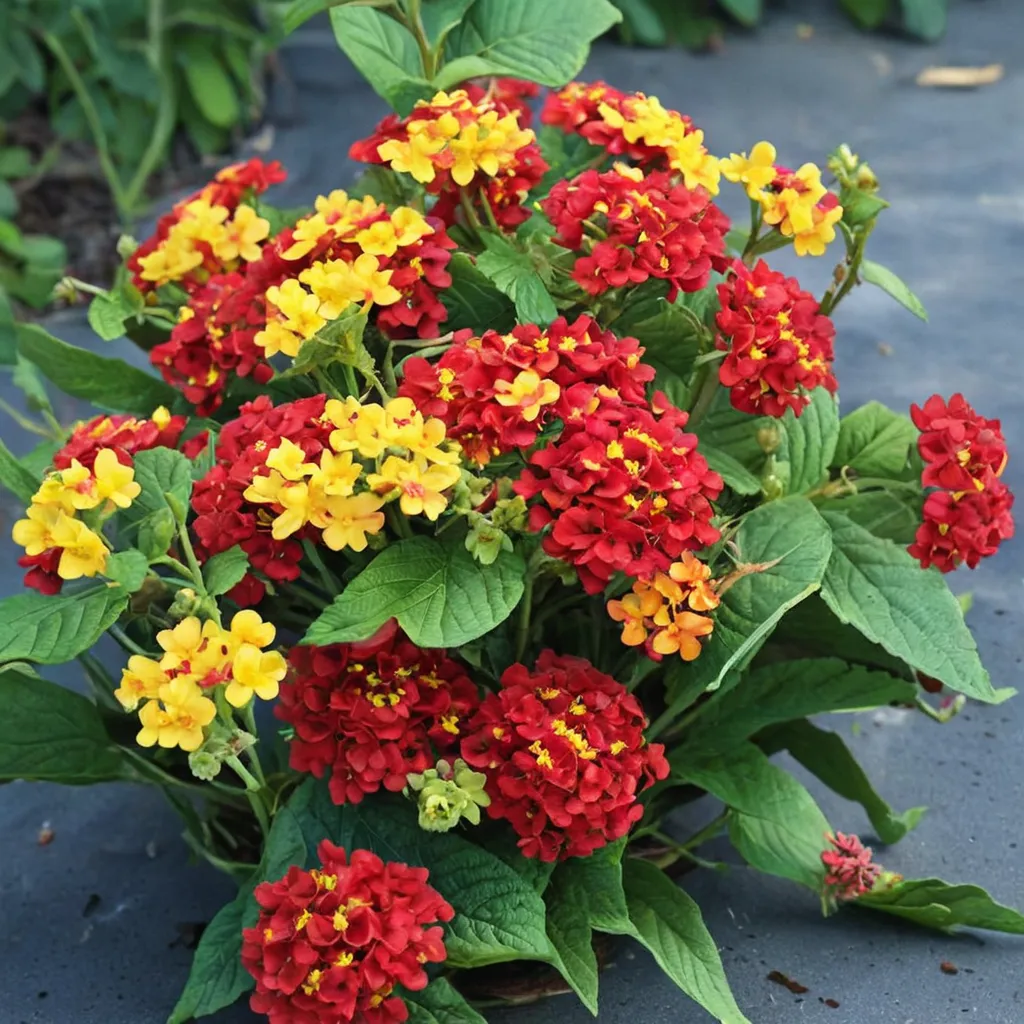
Lantana Luscious Citrus Blend
Lantana camara 'Luscious Citrus Blend'
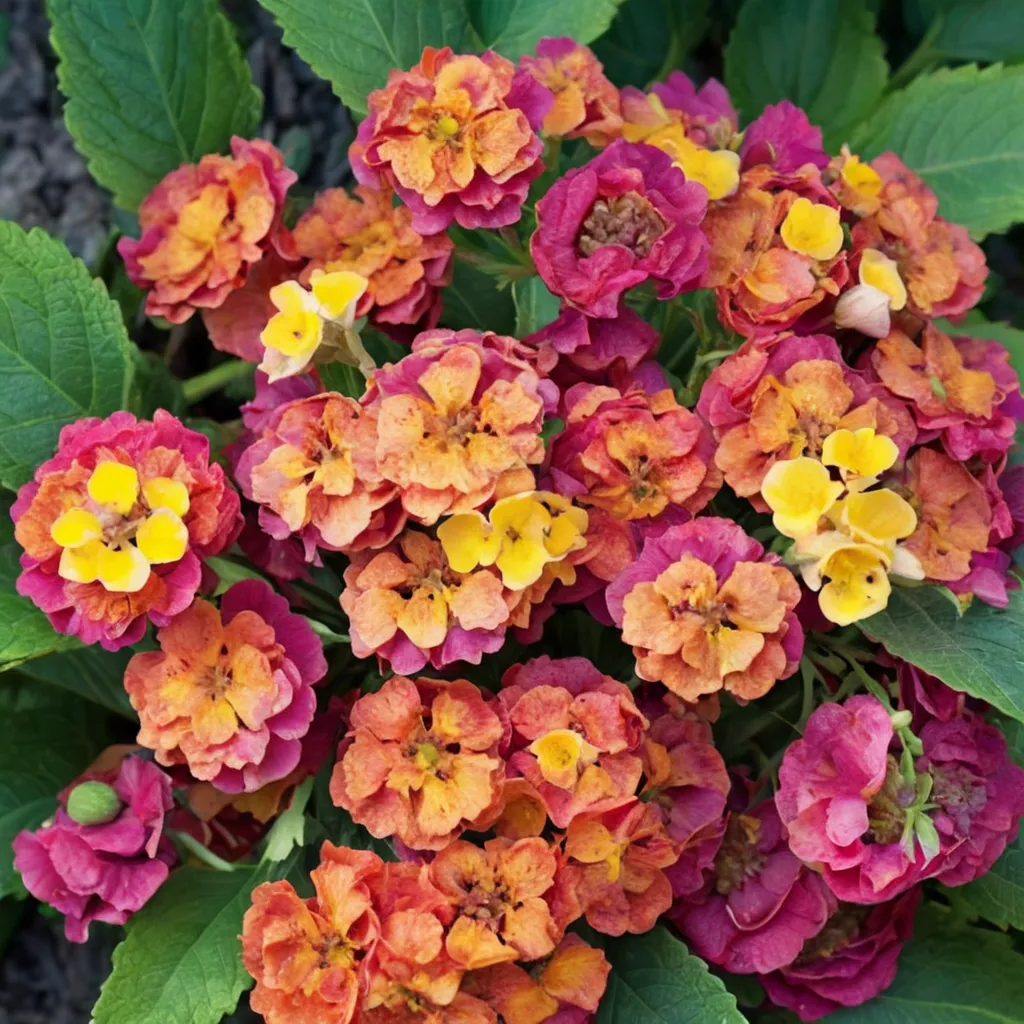
Lantana Cherry Sunrise
Lantana camara 'Cherry Sunrise'
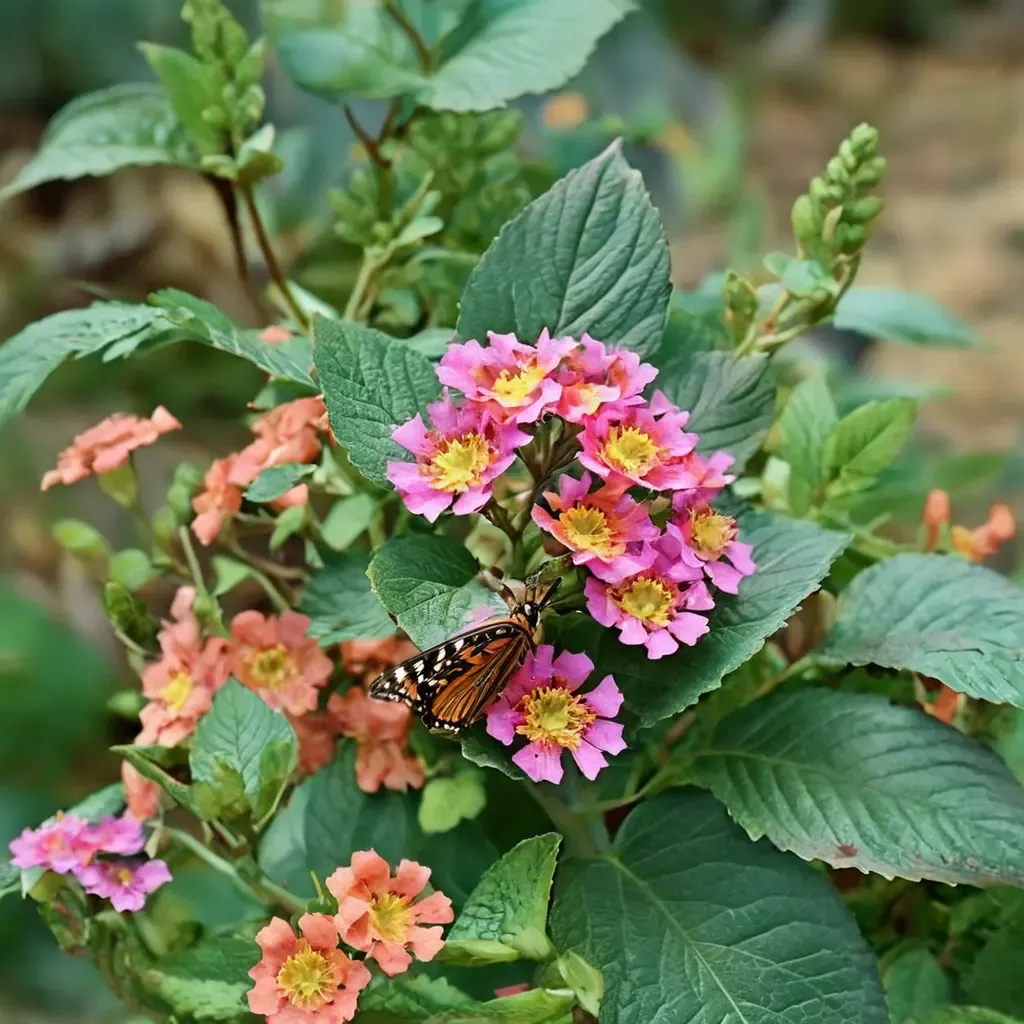
Butterfly Puddler Lantana
Lantana camara 'Butterfly Puddler'
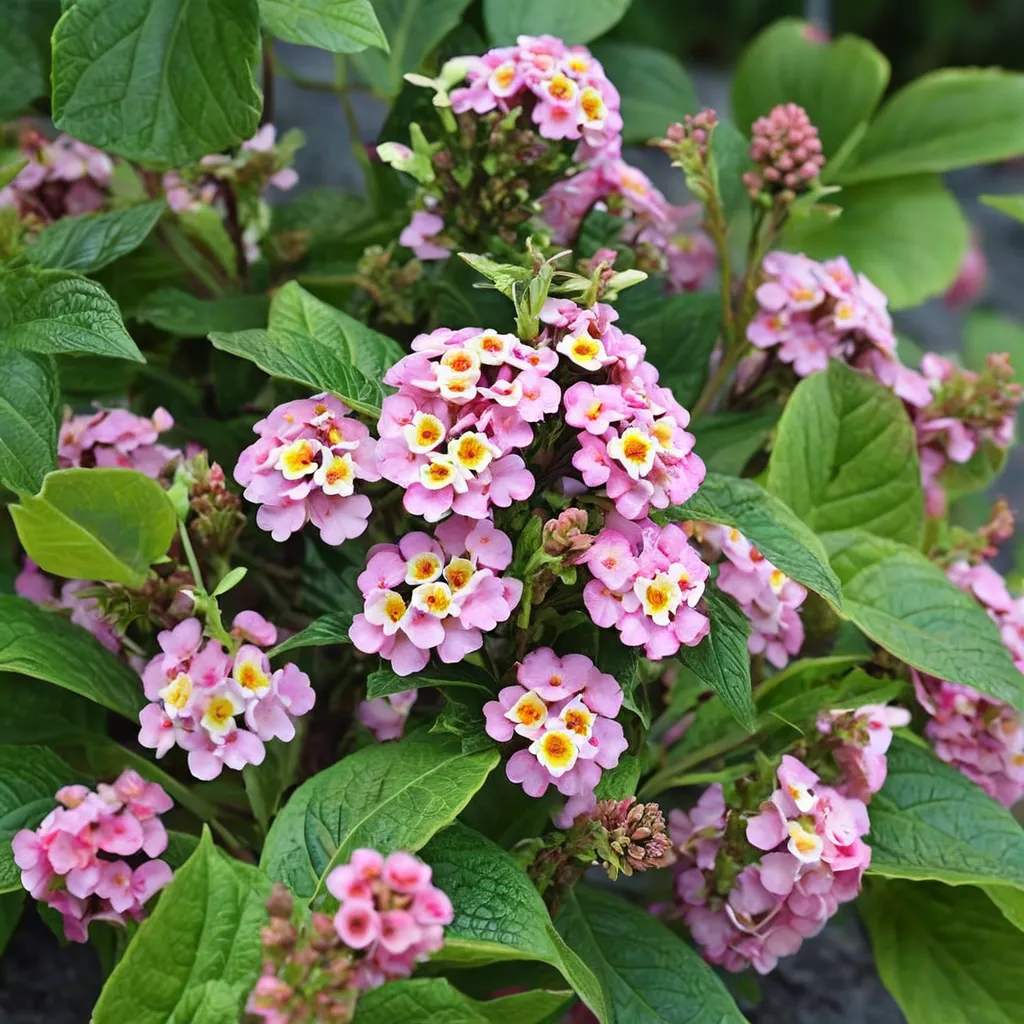
Lantana Camara Luscious Pinkberry Blend
Lantana camara 'Luscious Pinkberry Blend'
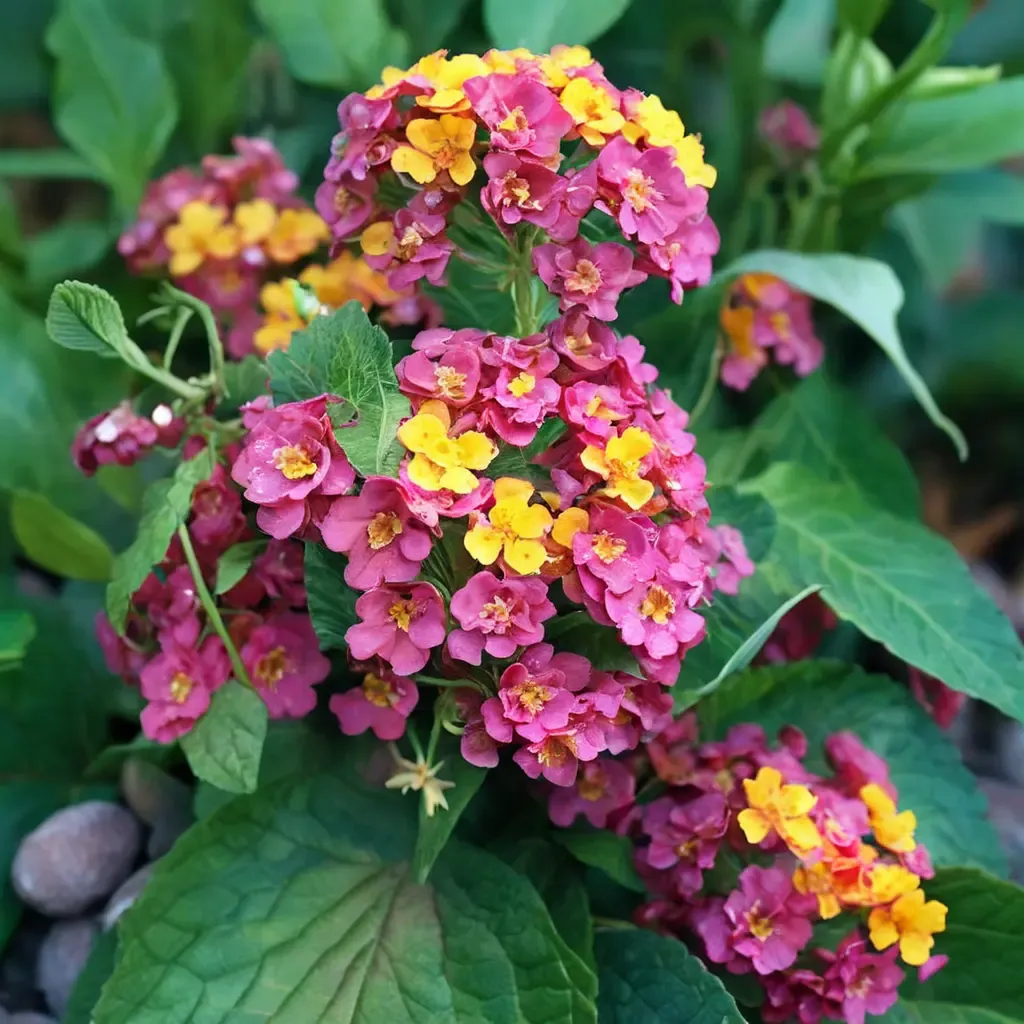
Irene Lantana
Lantana camara 'Irene'
Keep exploring
Explore the genus
Hardy in your zone?
Grow Pineland Lantana with confidence
See it in a design of your actual yard, get zone-matched care reminders, and track it season by season in your garden journal.