The Story
Plant Bio
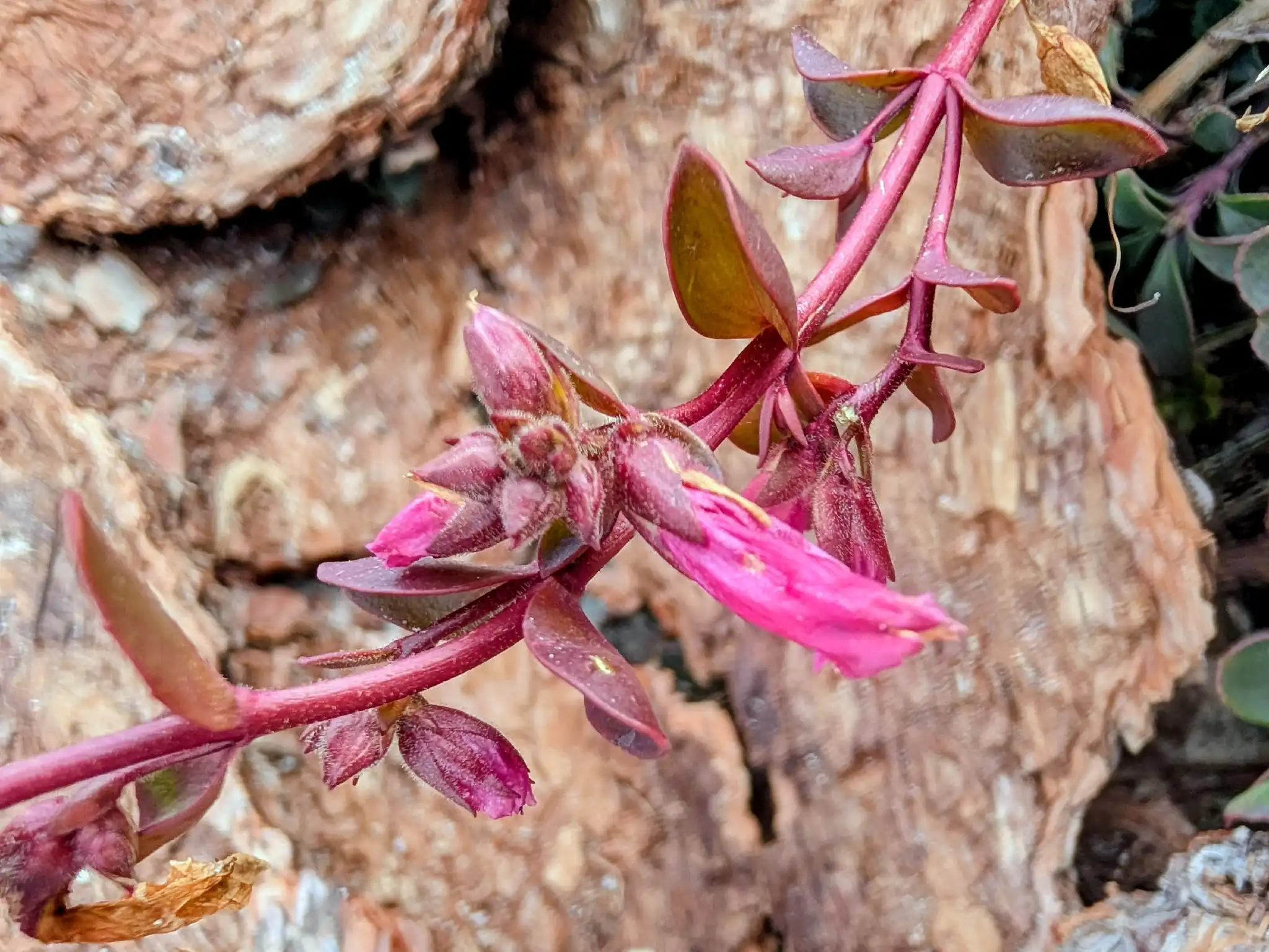
Penstemon newberryi, mountain pride, is an evergreen mat-forming subshrub with a woody base and short erect leafy stems rising from a matted crown. The leaves are broad-elliptic to rounded, dull green and leathery with blunt teeth, and the flowers are tubular beardtongue blooms in short crowded one-sided racemes.
It holds 2 to 8 bright cerise-crimson tubes about an inch long with a pale throat and scarcely spreading lips, the stalks glandular-downy and the young stems with fine spreading hairs. It stays about a foot high and as wide as tall in lean rocky ground, reaching taller in gardens, and check the label because nursery stock is still sold under the mistaken name Penstemon roezlii.
Uses & Benefits:
Essentials
At a Glance
Plant Type
Perennial
Height
12"
Width
12"
Light
Full Sun, Partial Sun
Zones
5, 6, 7, 8, 9
Water
Low
Humidity
Unknown
Lifespan
Perennial
Native To
California, Nevada, Oregon
Toxicity
Unknown
Bloom period
Late spring – Summer
In flower about 4 months of the year
Planting
How to Grow
- Plant in spring in full sun to part shade in lean, rocky soil that drains fast.
- Set the crown slightly high and backfill with grit, leaving no saucer to hold water.
- Water to settle, then water sparingly; once rooted it takes low water.
- Topdress with crushed rock, not rich mulch, to keep the crown dry.
- Leave the evergreen mat intact over winter and remove only spent flower stems.
Pro Tip
Give full sun and sharp rocky drainage and keep the crown dry in winter; wet soil rots the roots and crown faster than cold injures the top.
Keep It Thriving
Care Guide
Do
- Plant in rocky well-drained soil in full sun
- Water at the base and allow soil to dry between waterings
- Give airflow around the mat to limit mildew
Don't
- Do not plant in heavy clay or low wet spots
- Do not overwater or fertilize heavily
- Do not cut back into old leafless woody stems
Seasonal Care Calendar
| Task | Jan | Feb | Mar | Apr | May | Jun | Jul | Aug | Sep | Oct | Nov | Dec |
|---|---|---|---|---|---|---|---|---|---|---|---|---|
| Deadhead | ||||||||||||
| Pest Check | ||||||||||||
| Plant | ||||||||||||
| Propagate |
Watch Out For
Pests & Diseases
Common Pests
Common Diseases
In the Garden
Landscape Uses & Companions
Landscape Uses
Multiply
Propagation Methods
Good to Know
Common Questions
Mountain Pride questions
What zones can Mountain Pride grow in?
Mountain Pride is hardy in USDA Zones 5–9: in that range it survives winter in the ground. Colder than Zone 5, grow it in a container you can move to shelter for the winter, or as an annual. Warmer than Zone 9, winter isn't the problem: it prefers colder winters, and summer heat can shorten its life.
When does Mountain Pride bloom?
Mountain Pride typically blooms from late spring to late summer. Exact timing shifts a week or two with your zone — Sow's bloom calendar maps it to your garden.
Does Mountain Pride need full sun?
Mountain Pride does best in full sun to part shade. In hot climates, afternoon shade keeps blooms fresher longer.
Is Mountain Pride drought tolerant?
Yes — once established (usually after the first full season), Mountain Pride handles dry spells with minimal watering. Water deeply its first year to build the root system that makes that possible.
More Penstemon to compare
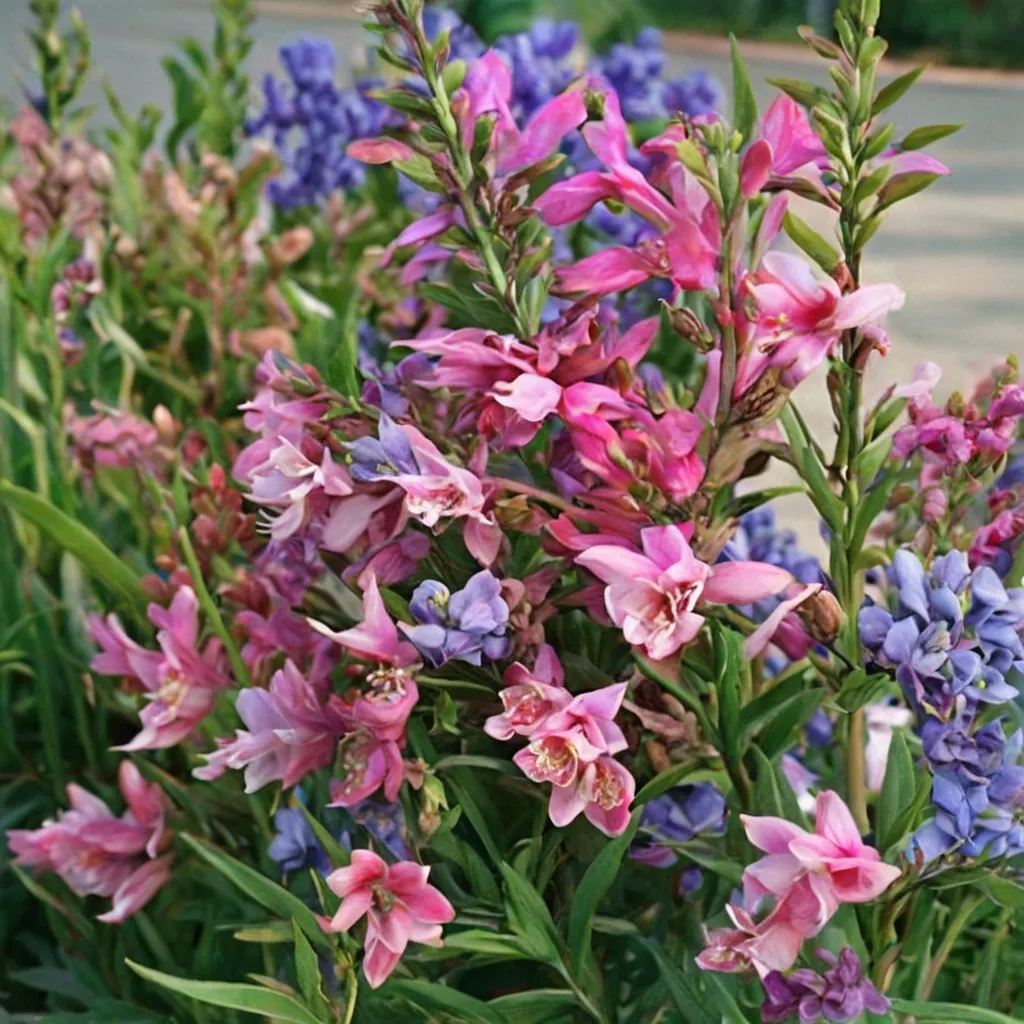
Beardtongue Rondo
Penstemon barbatus 'Rondo'
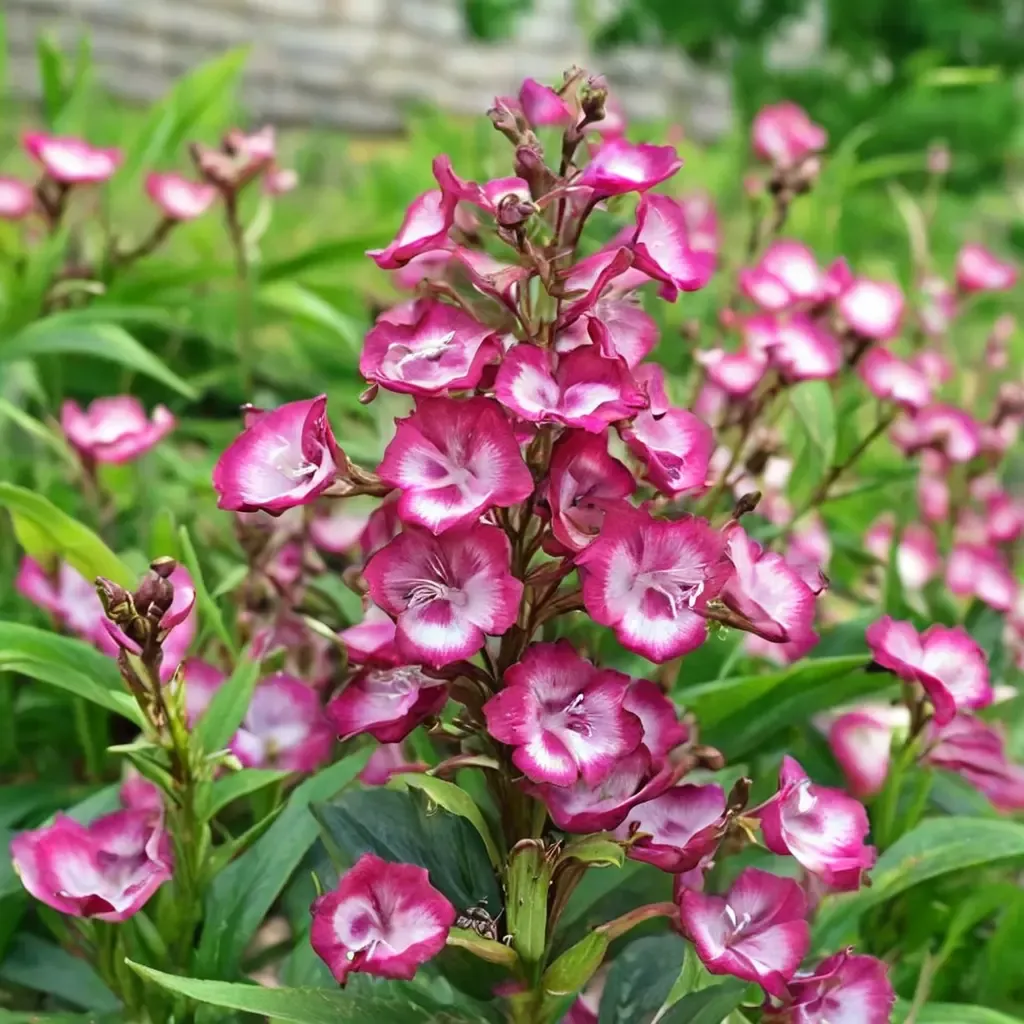
George Home Penstemon
Penstemon digitalis 'George Home'
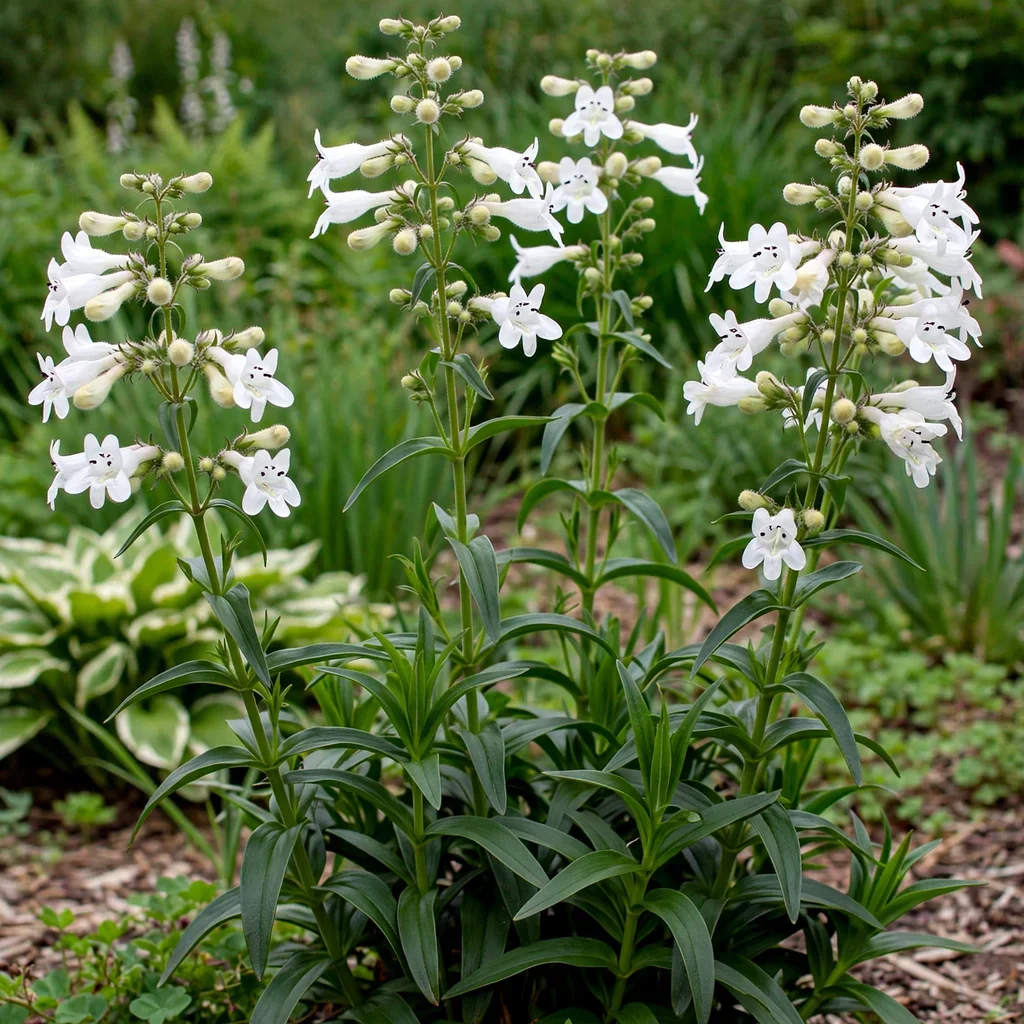
Foxglove Beardtongue
Penstemon digitalis
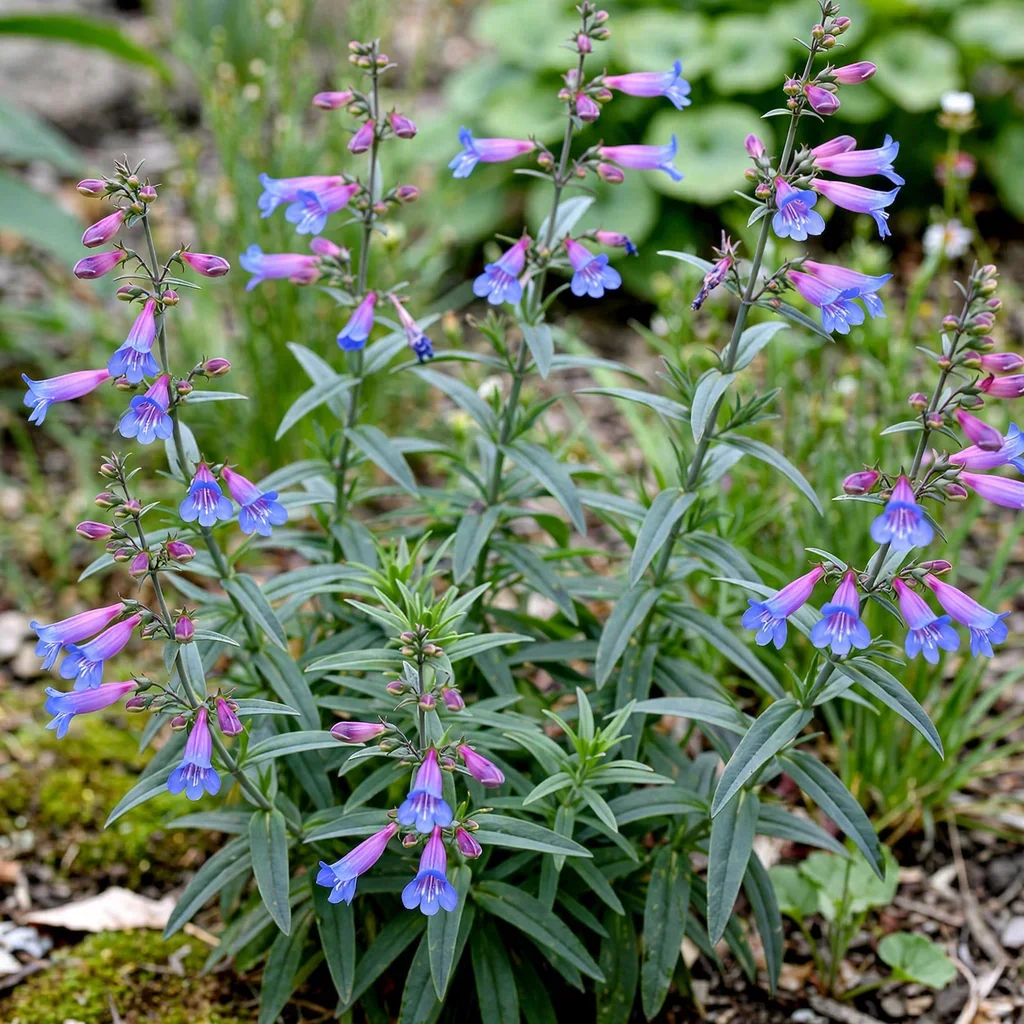
Blue Springs Penstemon
Penstemon heterophyllus 'Blue Springs'
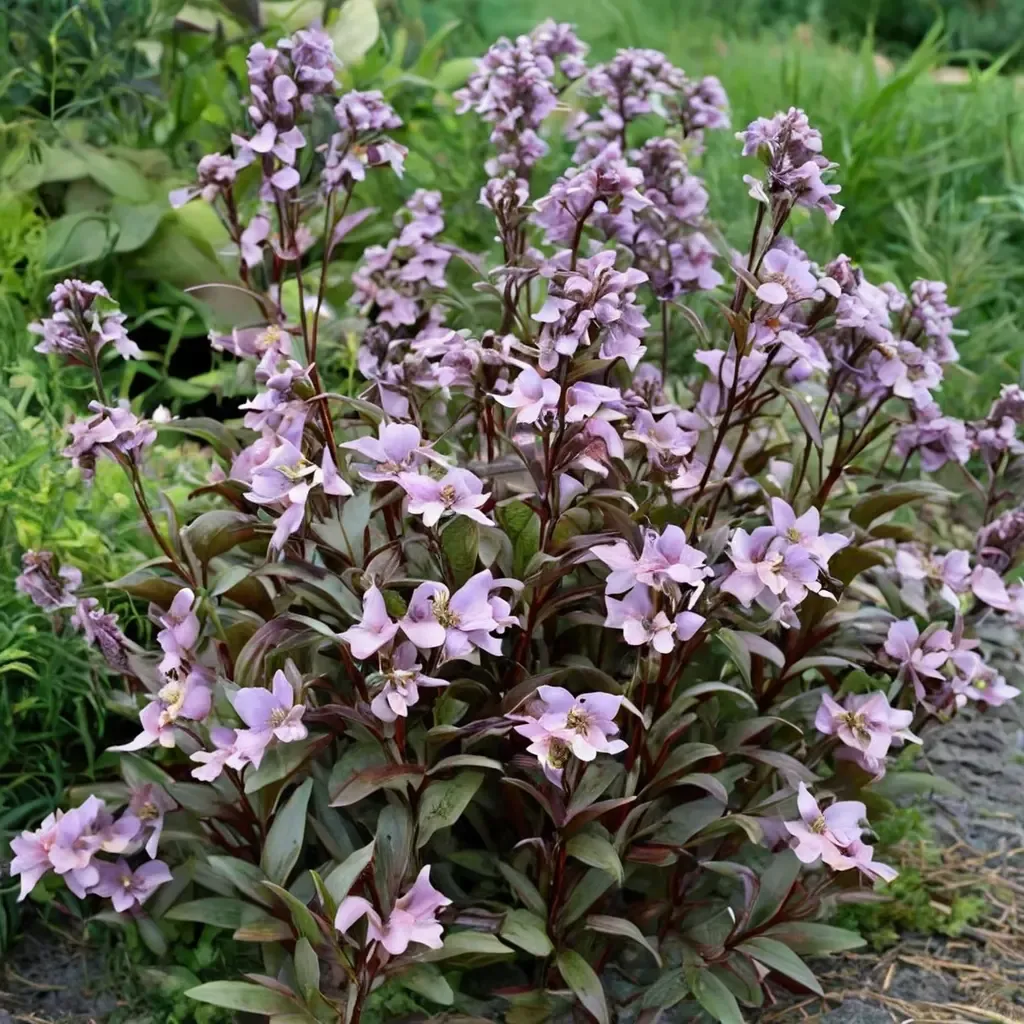
Blackbeard Beardtongue
Penstemon digitalis 'Blackbeard'
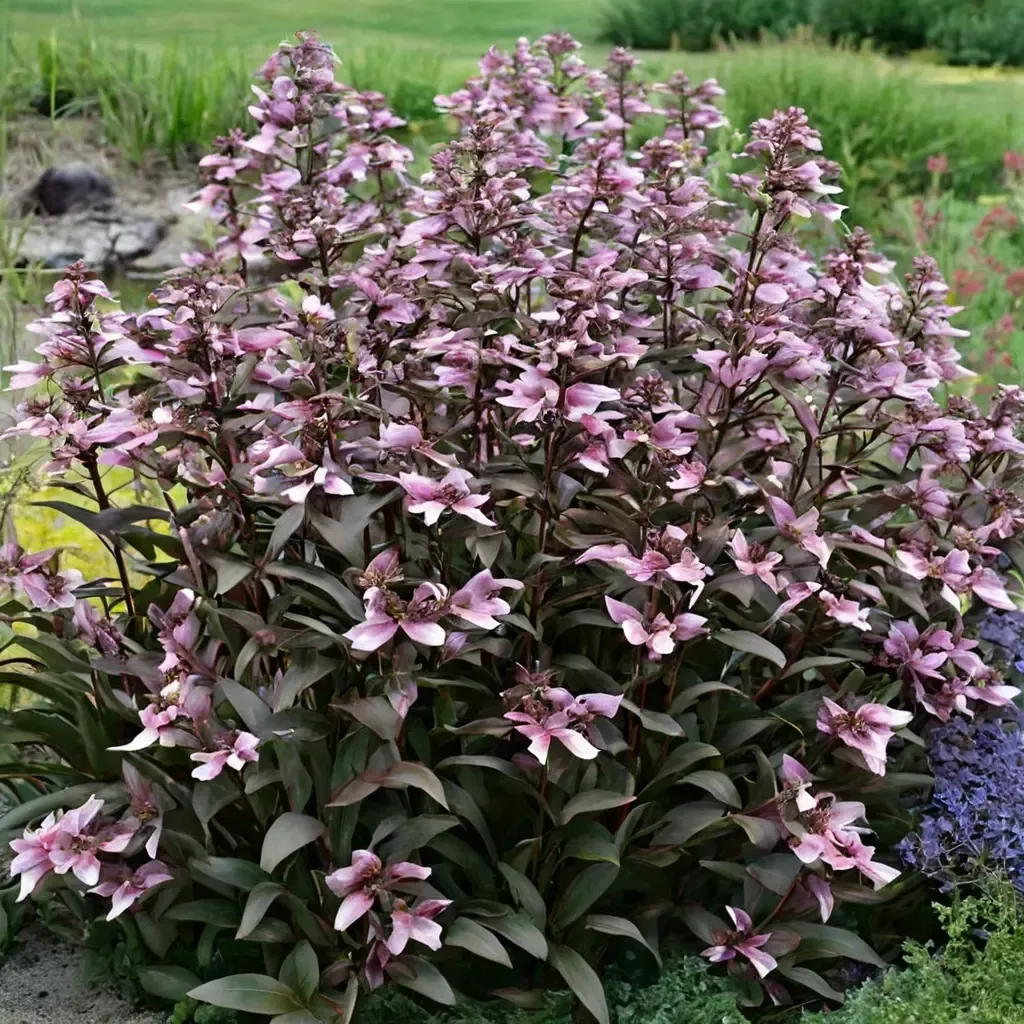
Dark Towers Penstemon
Penstemon digitalis 'Dark Towers'
Keep exploring
Explore the genus
Hardy in your zone?
Grow Mountain Pride with confidence
See it in a design of your actual yard, get zone-matched care reminders, and track it season by season in your garden journal.