The Story
Plant Bio
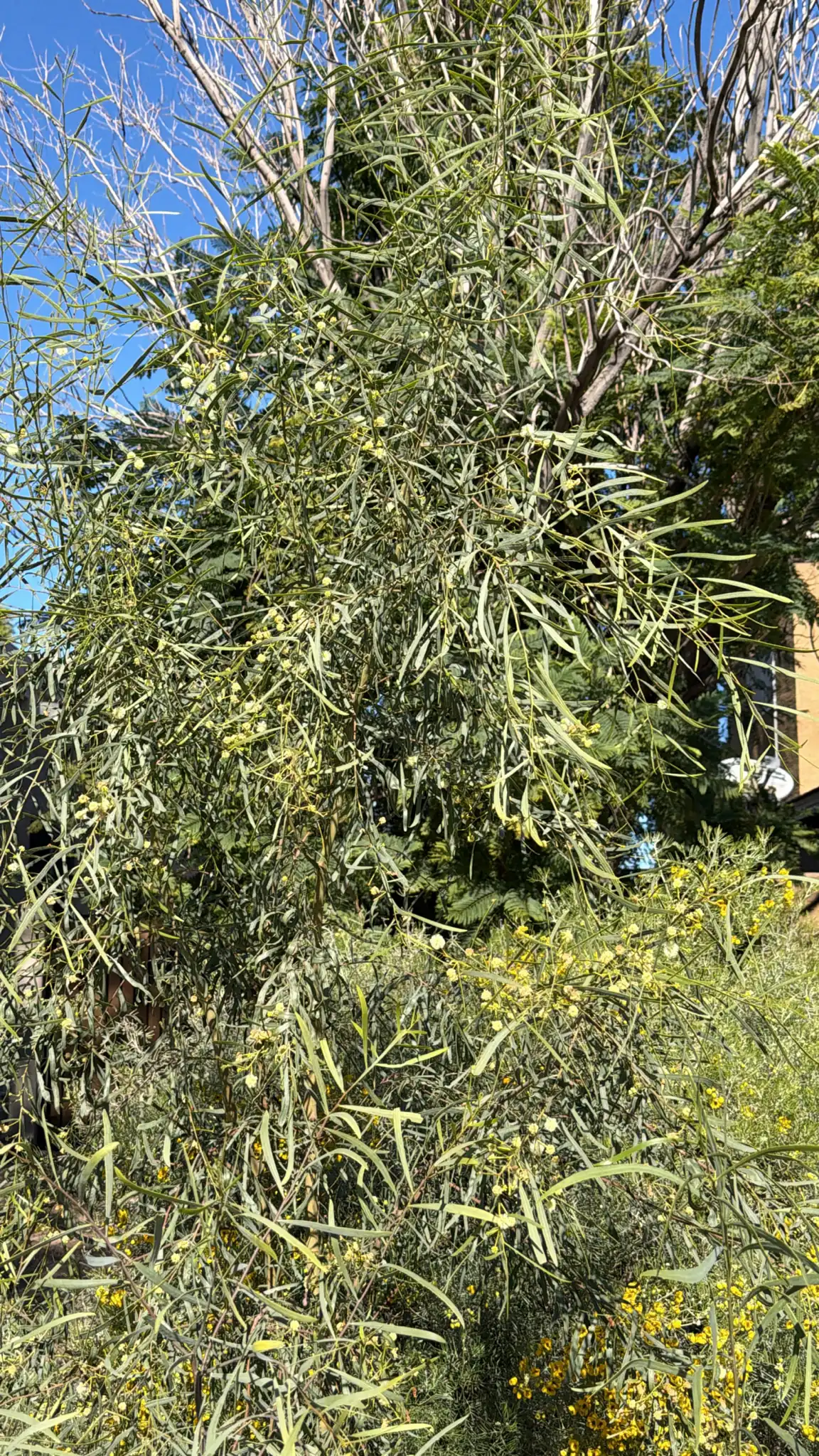
Acacia salicina is an evergreen Australian tree reaching 20 to 40 feet in cultivation, with a single or multi-stemmed frame and long pendulous gray-green to blue-green phyllodes to 8 inches long that form a willow-like canopy. The flowers are tiny globose puffball heads of creamy-white to bright yellow, fragrant and borne in profusion along the stems.
Unlike many wattles it is entirely thornless, with narrow-elliptical phyllodes rather than true leaves and a distinctly weeping habit that reads as a willow from a distance. It suckers freely from the roots and establishes fast on sand, loam, clay or rocky ground, but fails quickly in waterlogged soil where root rot sets in.
Uses & Benefits:
Essentials
At a Glance
Plant Type
Tree
Height
480"
Width
240"
Light
Full Sun, Partial Sun
Zones
7, 8, 9, 10
Water
Low
Humidity
Low
Lifespan
Long-lived tree
Native To
Eastern Australia
Toxicity
Unknown
Bloom period
Late winter – Early winter
In flower about 11 months of the year
Planting
How to Grow
- Plant in full sun in sharply drained native soil, backfilling with the soil you dug out and no rich amendment.
- Set the root crown level with the grade and water deeply once to settle, then let the top several inches dry before watering again.
- Water deeply and infrequently the first summer, then taper to occasional deep soakings; established trees take heat and drought.
- Thin the canopy lightly after flowering to reduce wind breakage and pull root suckers as soon as they appear.
- Keep mulch and irrigation away from the trunk and never leave the tree standing in soggy ground.
Pro Tip
Plant in unamended native soil in full sun and water deeply only after the soil dries; overwatering rots the roots and hard pruning triggers a thicket of suckers.
Keep It Thriving
Care Guide
Do
- Plant in full sun with free air movement
- Water deeply then let soil dry between soakings
- Remove root suckers promptly as they appear
Don't
- Do not overwater or plant where water stands
- Do not prune hard; heavy cuts provoke mass suckering
- Do not amend the backfill with rich compost
Seasonal Care Calendar
| Task | Jan | Feb | Mar | Apr | May | Jun | Jul | Aug | Sep | Oct | Nov | Dec |
|---|---|---|---|---|---|---|---|---|---|---|---|---|
| Fertilize | ||||||||||||
| Pest Check | ||||||||||||
| Plant | ||||||||||||
| Propagate | ||||||||||||
| Prune |
Watch Out For
Pests & Diseases
Common Pests
Common Diseases
In the Garden
Landscape Uses & Companions
Landscape Uses
Multiply
Propagation Methods
Good to Know
Common Questions
Willow Acacia questions
What zones can Willow Acacia grow in?
Willow Acacia is hardy in USDA Zones 7–10: in that range it survives winter in the ground. Colder than Zone 7, winters are too cold for it to survive outdoors.
When does Willow Acacia bloom?
Willow Acacia typically blooms in late winter. Exact timing shifts a week or two with your zone — Sow's bloom calendar maps it to your garden.
Does Willow Acacia need full sun?
Willow Acacia does best in full sun to part shade. In hot climates, afternoon shade keeps blooms fresher longer.
Is Willow Acacia drought tolerant?
Yes — once established (usually after the first full season), Willow Acacia handles dry spells with minimal watering. Water deeply its first year to build the root system that makes that possible.
More Acacia to compare
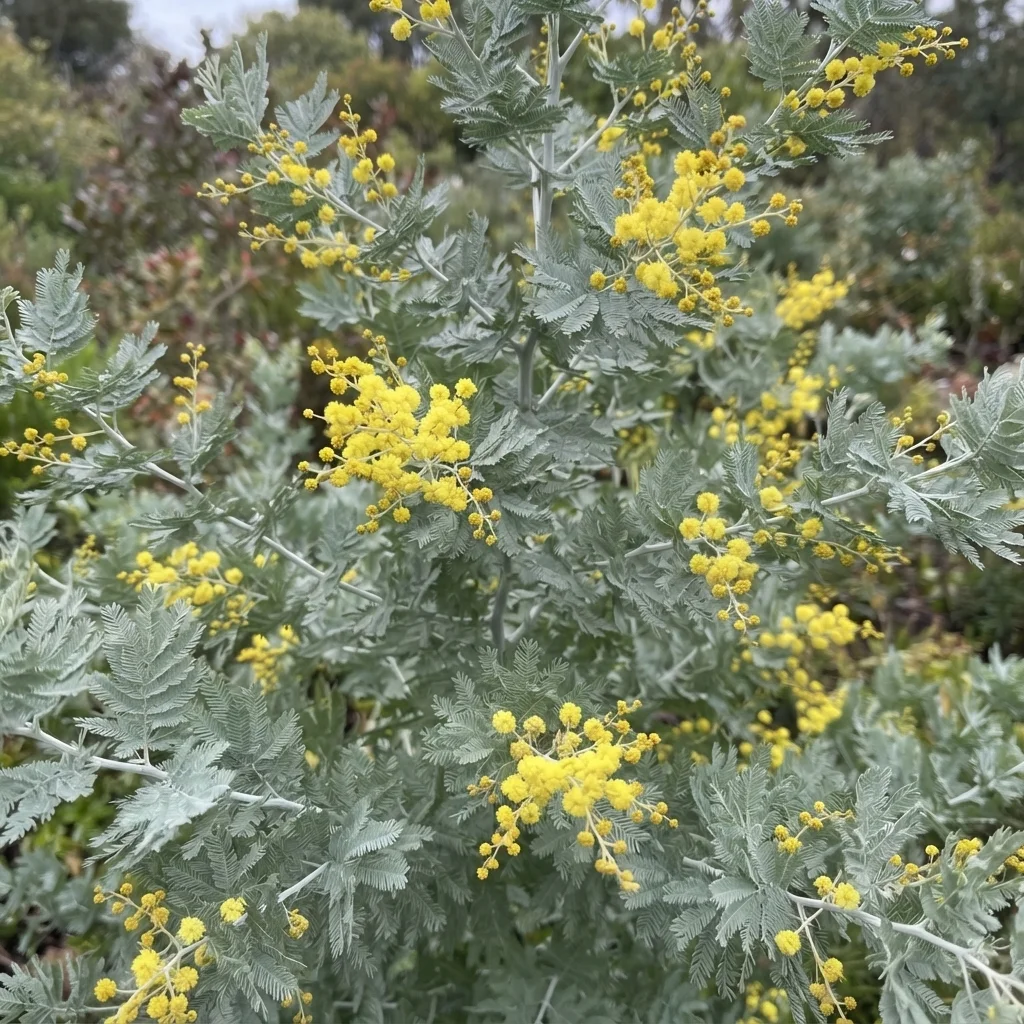
Silver wattle
Acacia dealbata
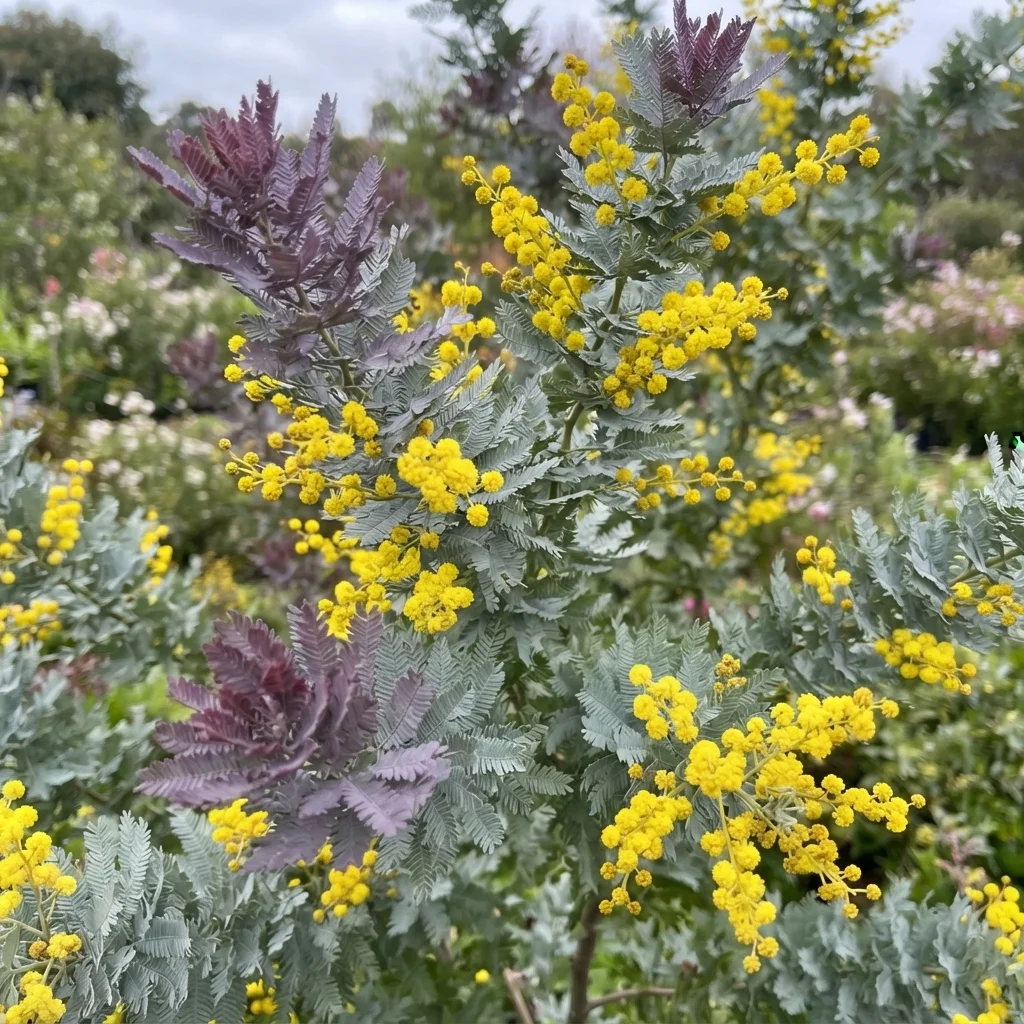
Cootamundra Wattle 'Purpurea'
Acacia baileyana 'Purpurea'
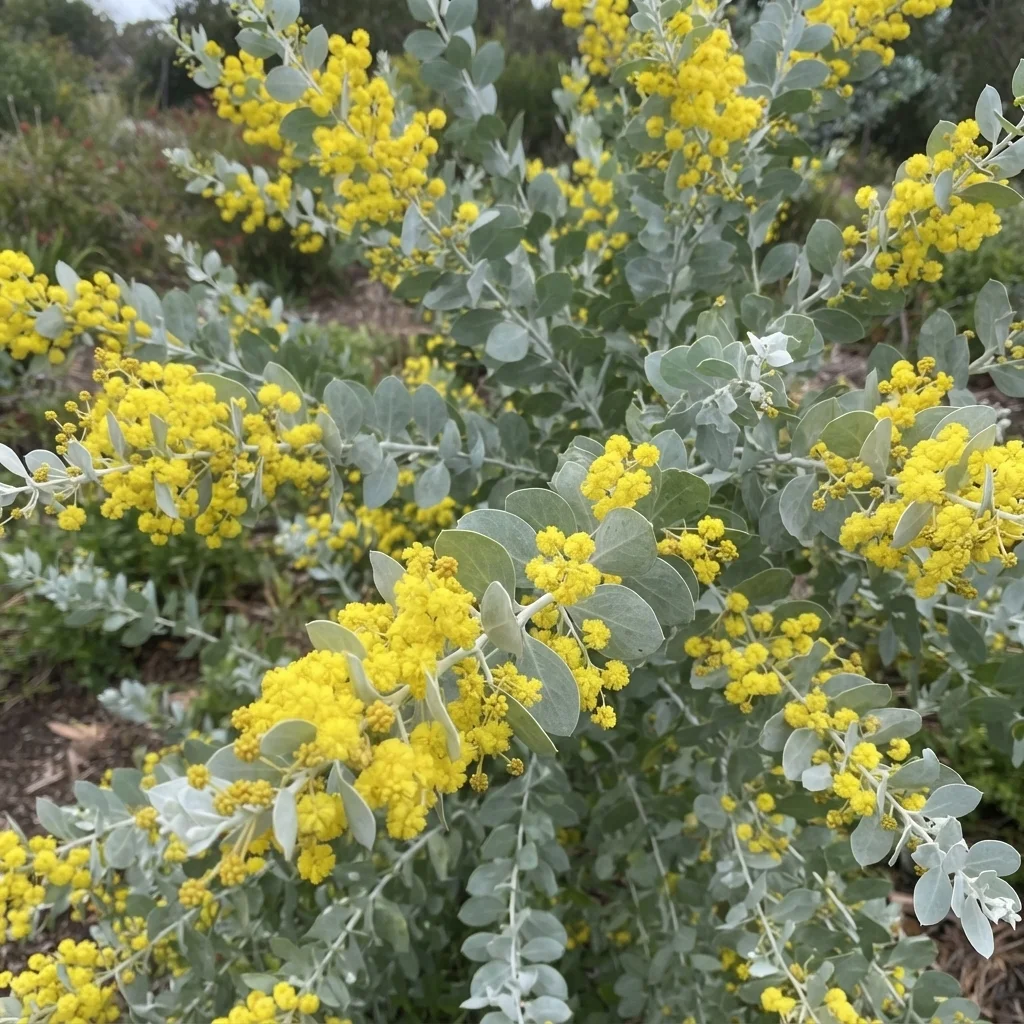
Pearl Acacia
Acacia podalyriifolia
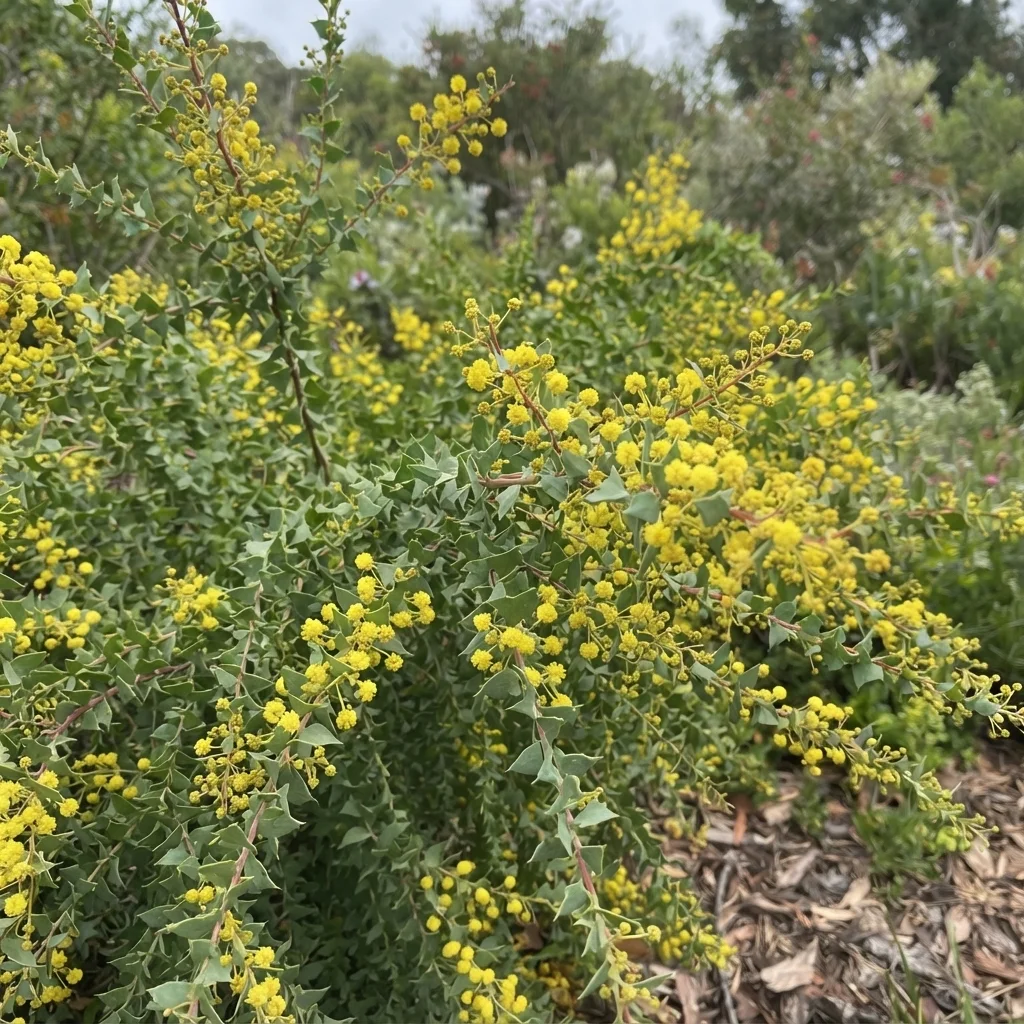
Ovens Wattle
Acacia pravissima
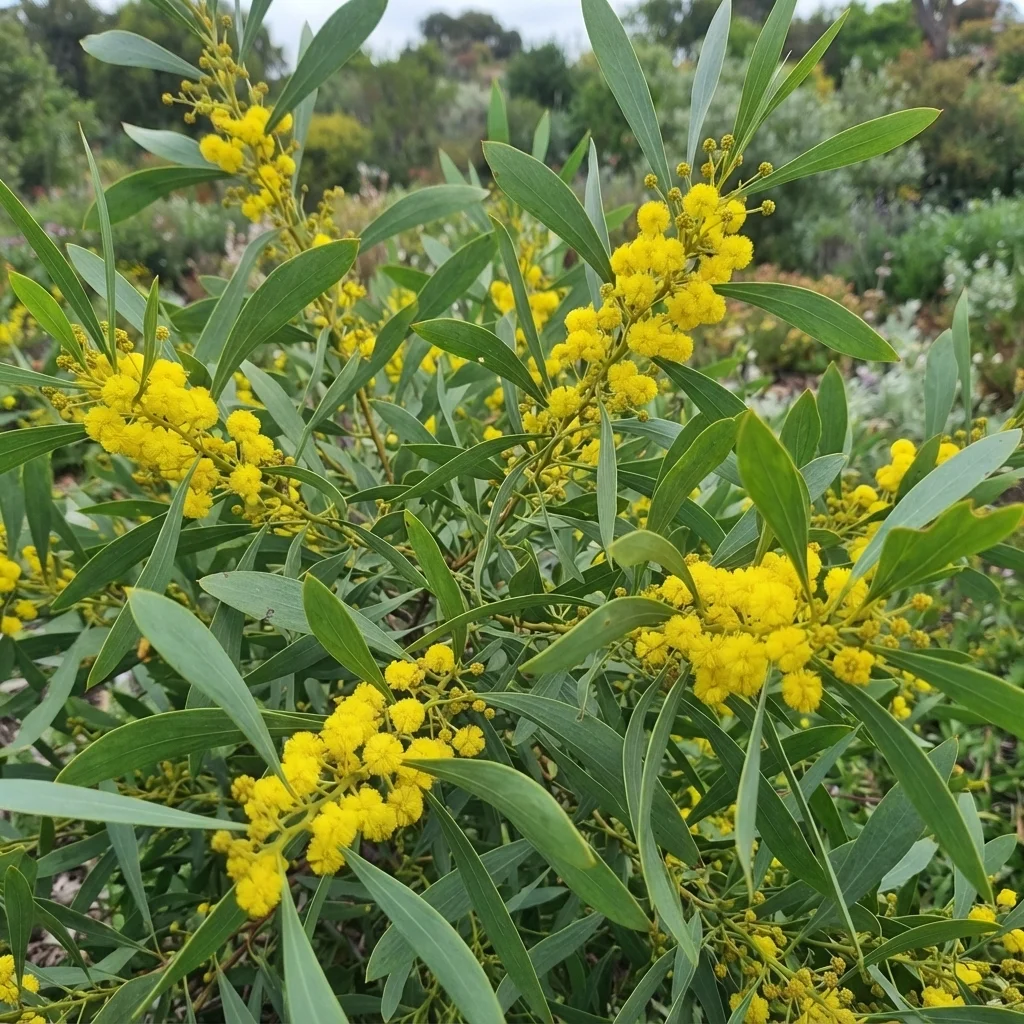
Golden Wreath Wattle
Acacia saligna
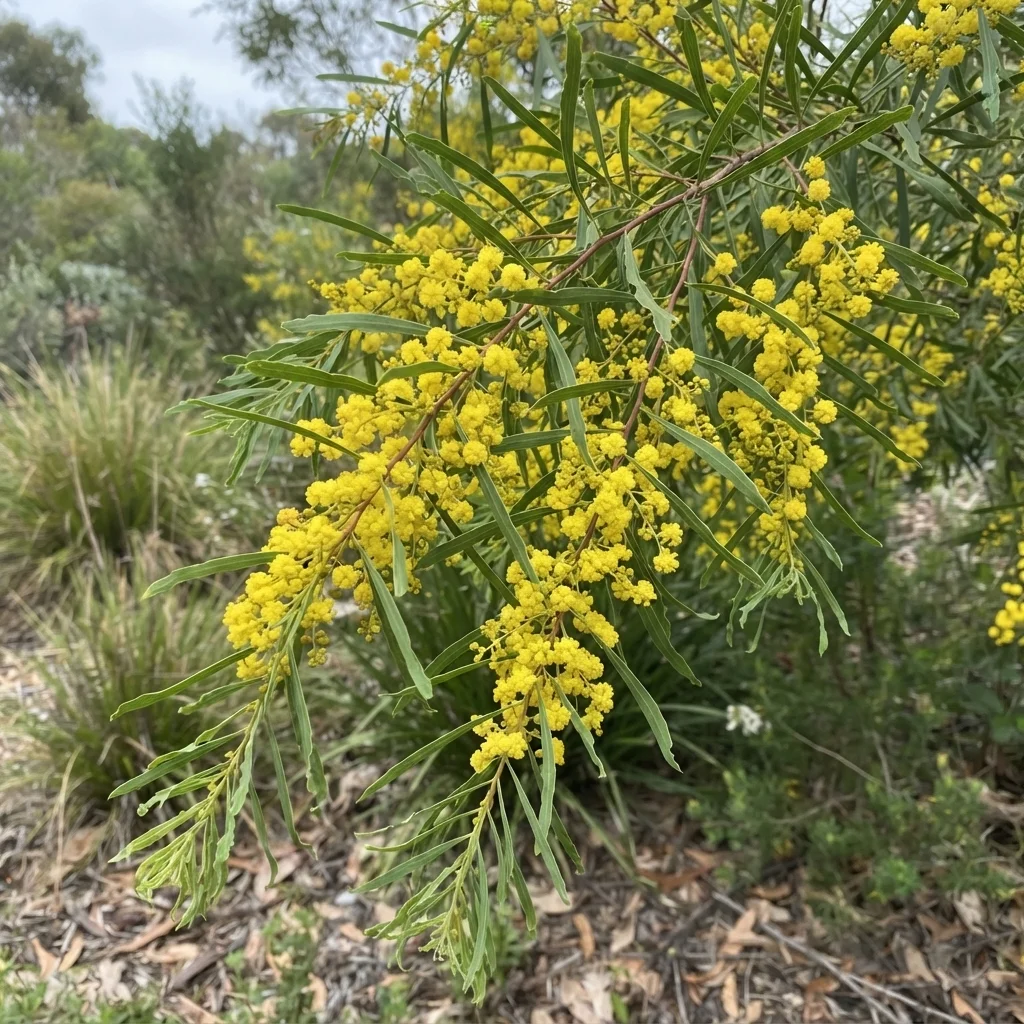
Fringed Wattle
Acacia fimbriata
Keep exploring
Explore the genus
Hardy in your zone?
Grow Willow Acacia with confidence
See it in a design of your actual yard, get zone-matched care reminders, and track it season by season in your garden journal.