The Story
Plant Bio
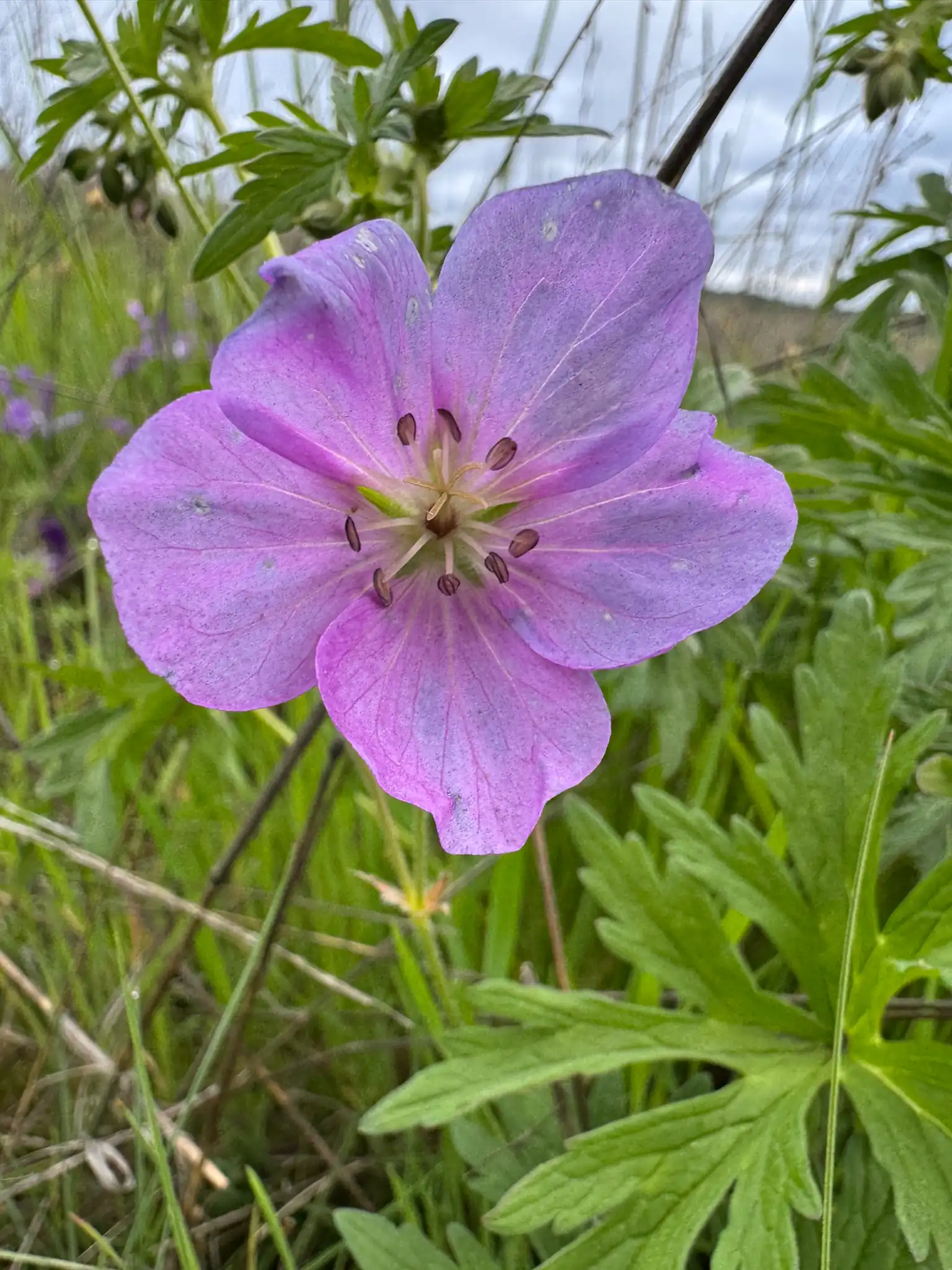
Geranium oreganum is an upright, clump-forming herbaceous perennial native to western North America, reaching sixteen to thirty-two inches in height with deeply divided palmate leaves up to six inches wide. Five-petaled flowers in shades of red-purple to lavender bloom in loose clusters above the foliage from late spring through mid-summer, followed by narrow, beak-like seed capsules.
The deeply segmented light green foliage turns yellow in fall before dying back completely to the crown for winter dormancy. Slender, branching stems display high natural resistance to slug and snail damage compared to other woodland perennials.
Uses & Benefits:
Essentials
At a Glance
Plant Type
Perennial
Height
32"
Width
24"
Light
Full Sun, Partial Sun
Zones
4, 5, 6, 7, 8, 9, 10
Water
Moderate
Humidity
Moderate
Lifespan
Perennial
Native To
Western North America
Toxicity
Non-toxic
Bloom period
Late spring – Mid summer
In flower about 3 months of the year
Planting
How to Grow
- Plant in rich, well-draining soil in full sun to partial shade, amending heavy clay with organic matter to prevent standing water.
- Water regularly during the first growing season until the root system establishes, after which plants tolerate moderate summer dry spells.
- Mulch around the base in spring with compost or bark to conserve soil moisture and protect shallow feeder roots.
- Cut spent flower stems back to basal growth after blooming to encourage fresh foliage and maintain a tidy habit.
Pro Tip
Sow seed only after a minimum ninety-day cold-wet stratification period to break embryo dormancy and achieve uniform germination.
Keep It Thriving
Care Guide
Do
- Provide afternoon shade in hotter inland zones to prevent leaf scorch.
- Ensure soil drains freely to prevent crown rot during winter dormancy.
- Divide mature clumps in early spring just as new growth emerges.
Don't
- Do not cut back into old leafless wood during active mid-summer growth.
- Do not allow soil to remain waterlogged or stagnant around the crown.
- Do not plant seeds without prior cold-wet stratification.
Seasonal Care Calendar
| Task | Jan | Feb | Mar | Apr | May | Jun | Jul | Aug | Sep | Oct | Nov | Dec |
|---|---|---|---|---|---|---|---|---|---|---|---|---|
| Divide | ||||||||||||
| Plant | ||||||||||||
| Propagate | ||||||||||||
| Prune | ||||||||||||
| Spring Cleanup |
Watch Out For
Pests & Diseases
Common Pests
Common Diseases
In the Garden
Landscape Uses & Companions
Landscape Uses
Multiply
Propagation Methods
Good to Know
Common Questions
Oregon Cranesbill questions
What zones can Oregon Cranesbill grow in?
Oregon Cranesbill is hardy in USDA Zones 4–10: in that range it survives winter in the ground.
Is Oregon Cranesbill deer resistant?
Not reliably. Deer may browse Oregon Cranesbill, especially tender spring growth — plan on repellents or fencing where pressure is high.
When does Oregon Cranesbill bloom?
Oregon Cranesbill typically blooms from late spring to mid-summer. Exact timing shifts a week or two with your zone — Sow's bloom calendar maps it to your garden.
Does Oregon Cranesbill need full sun?
Oregon Cranesbill does best in full sun to part shade. In hot climates, afternoon shade keeps blooms fresher longer.
Is Oregon Cranesbill drought tolerant?
Yes — once established (usually after the first full season), Oregon Cranesbill handles dry spells with minimal watering. Water deeply its first year to build the root system that makes that possible.
More Geranium to compare
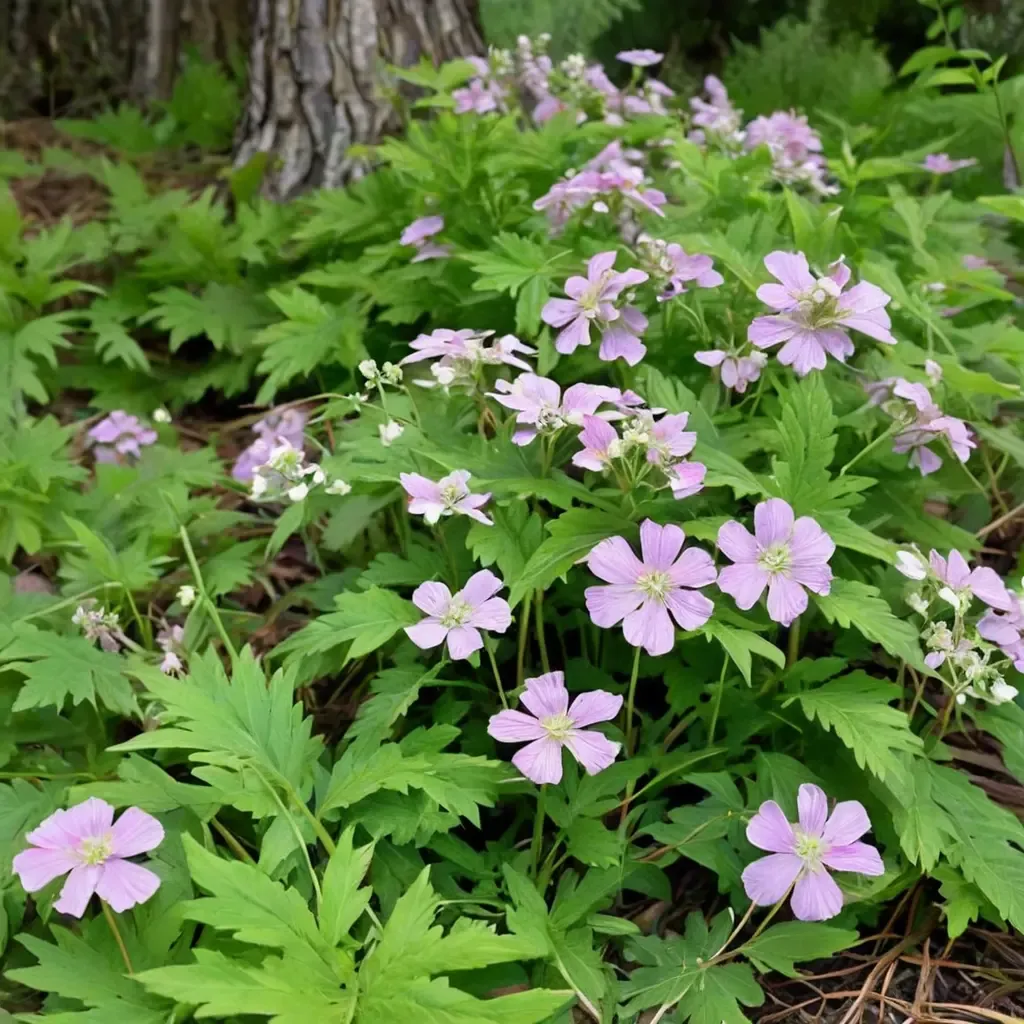
Wild Geranium
Geranium maculatum
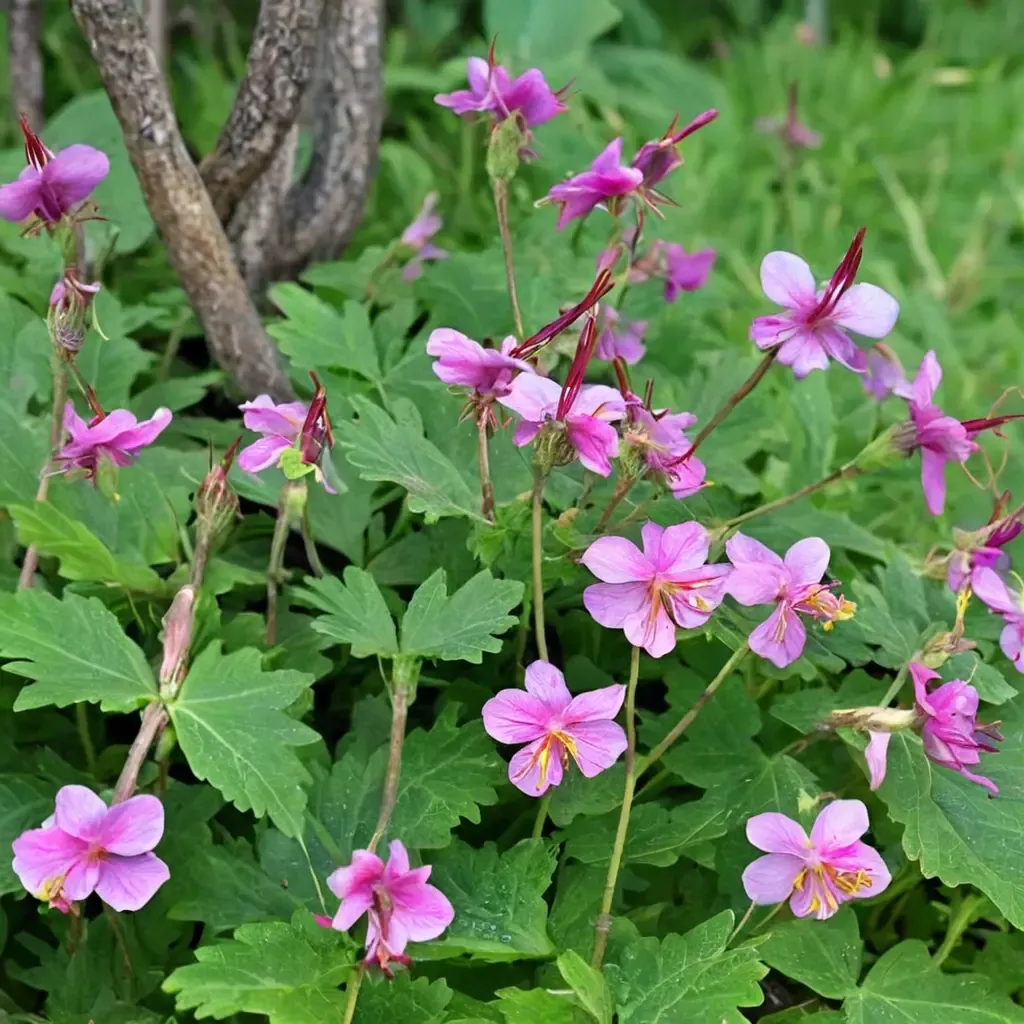
Bigroot Geranium
Geranium macrorrhizum
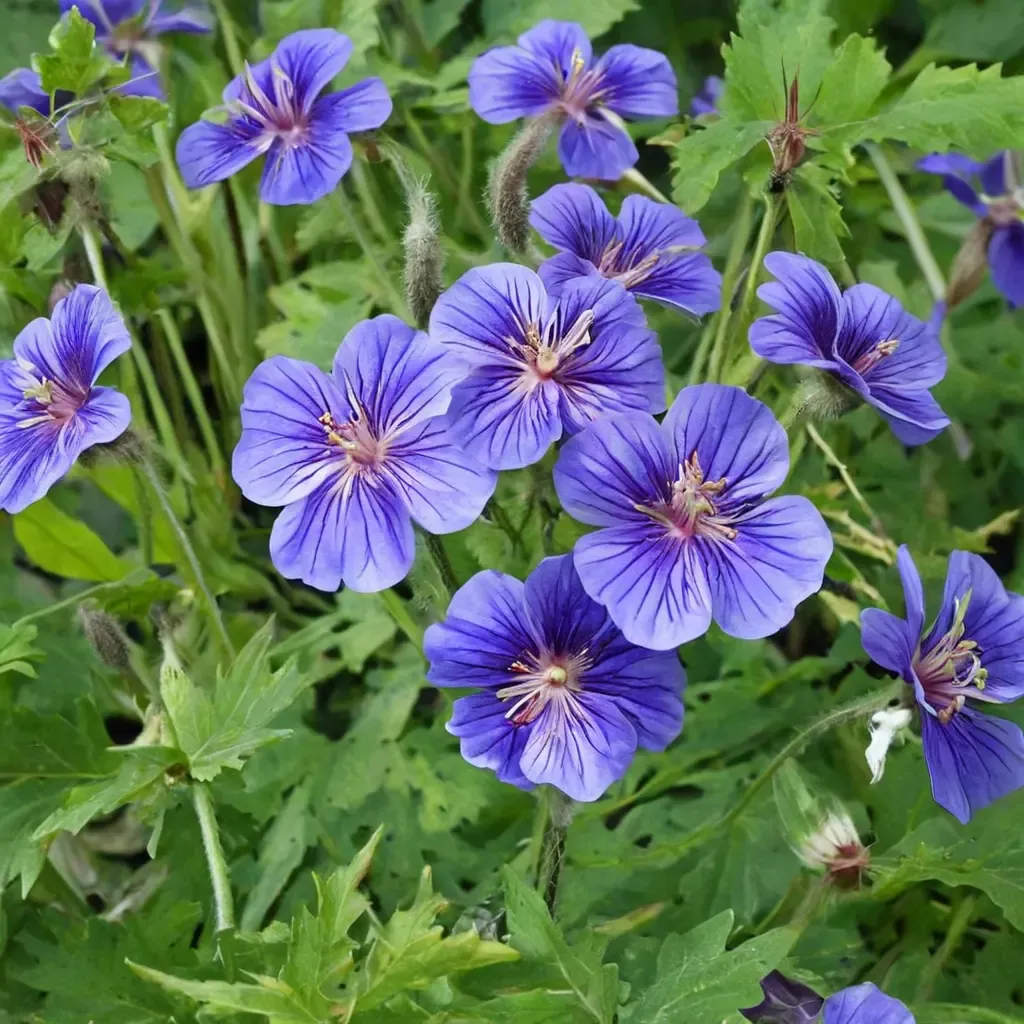
Cranesbill 'Rozanne'
Geranium x magnificum 'Rozanne'
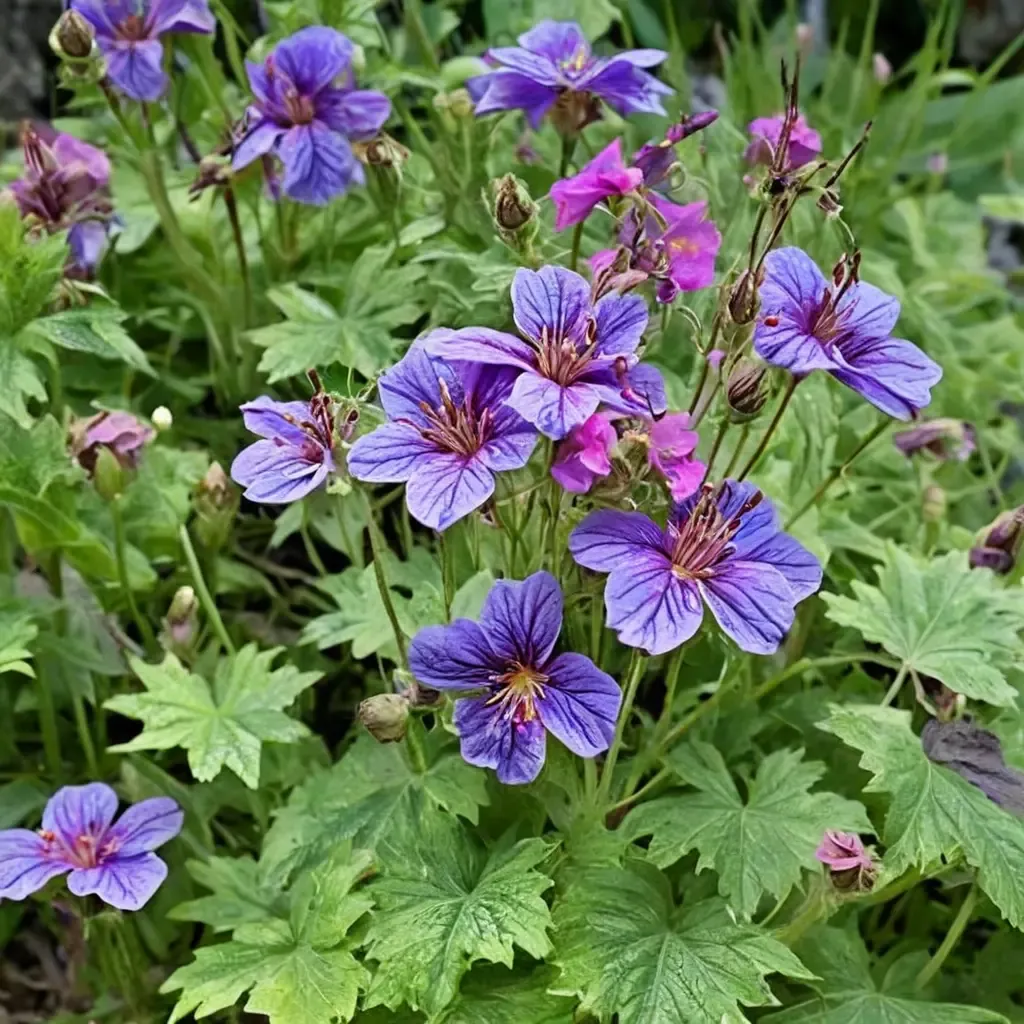
Showy Cranesbill
Geranium x magnificum 'Bevan's Variety'
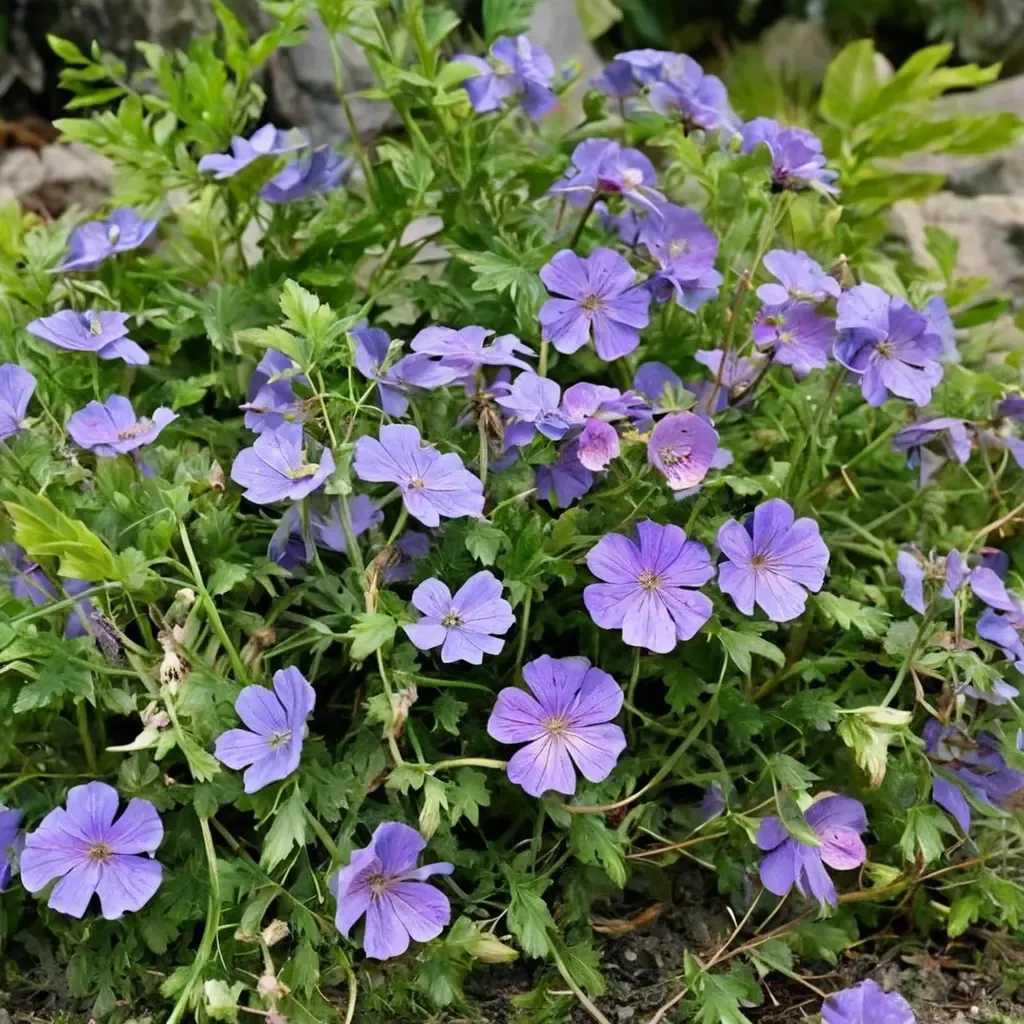
Azure Rush Geranium
Geranium incanum 'Azure Rush'
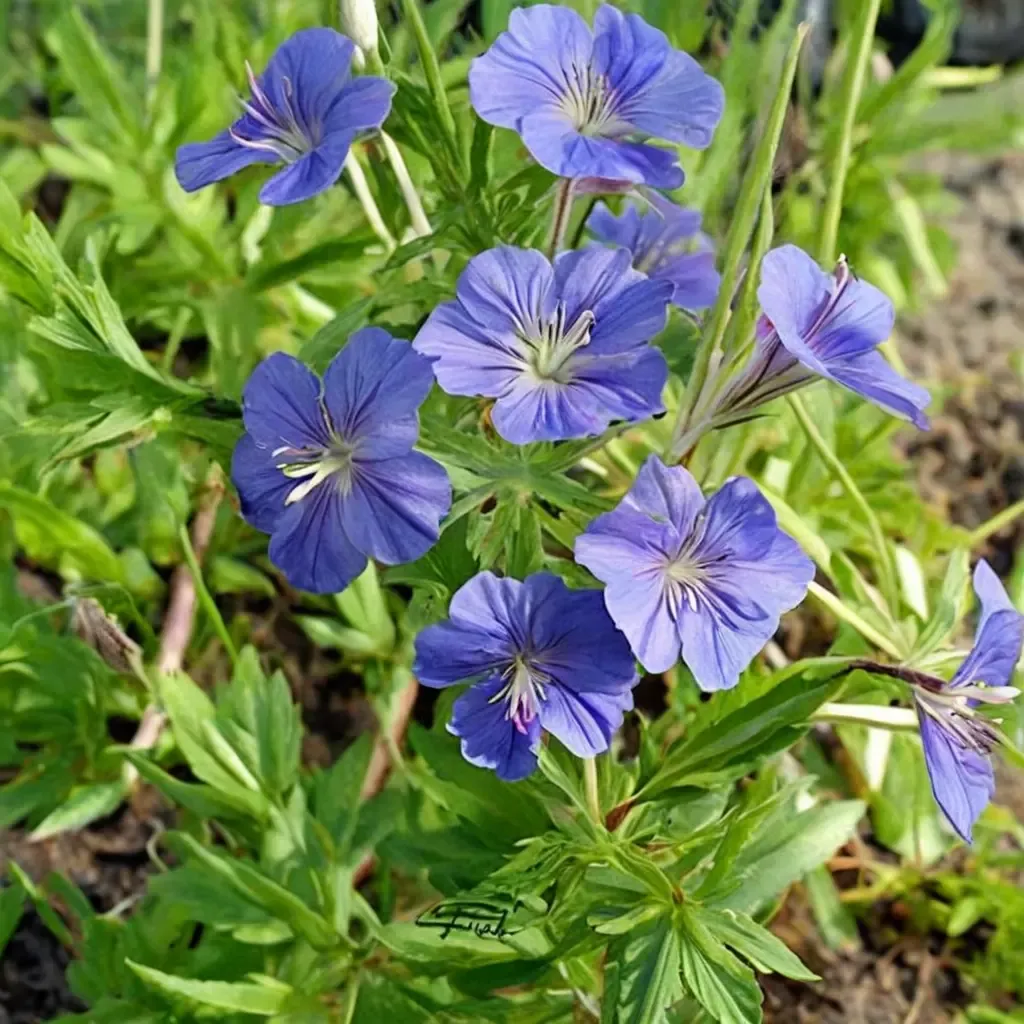
Cranesbill 'Orion'
Geranium maculatum 'Orion'
Keep exploring
Grow Oregon Cranesbill with confidence
See it in a design of your actual yard, get zone-matched care reminders, and track it season by season in your garden journal.