
The Story
Plant Bio
Aster coloradoensis, now placed in Xanthisma, is a long-lived mat-forming perennial from southern Wyoming and south-central Colorado that builds low cushions from branched caudices on a taproot. The plant holds persistent basal rosettes of hairy gray-white leaves with coarsely toothed margins, and sends up several thick hairy stems only a few inches high.
It stays a true alpine, flowering at two to six inches tall with a foot-wide mat rather than growing into a border aster. Each stem carries one solitary head of twenty to thirty-five pink to dark-purple rays around a yellow disk, opening in summer on plants hardy to minus thirty-four degrees.
Uses & Benefits:
Essentials
At a Glance
Plant Type
Perennial
Height
6"
Width
12"
Light
Full Sun
Zones
4, 5, 6, 7, 8, 9
Water
Low
Humidity
Low
Lifespan
Perennial
Native To
Colorado, Wyoming
Toxicity
Unknown
Bloom period
Summer – Early fall
In flower about 4 months of the year
Planting
How to Grow
- Plant in full sun in gravelly, fast-draining lean soil on a slope, crevice, or raised scree.
- Set the crown level with the soil surface and top-dress with gravel to keep rosettes dry.
- Water in once, then water sparingly; allow the soil to dry between waterings.
- Leave the cushion unfertilized and unmulched with organic matter.
Pro Tip
Plant it in lean gravel with sharp drainage and leave it lean; rich soil and steady watering rot the crown and open the mat.
Keep It Thriving
Care Guide
Do
- Give full sun and sharp drainage year-round.
- Use gravel mulch to keep basal rosettes off wet soil.
- Sow fresh seed promptly for best germination.
Don't
- Do not plant in rich border soil or heavy clay.
- Do not overwater or fertilize to push growth.
- Do not cut back into the woody caudex.
- Do not collect plants or seed from wild populations.
Seasonal Care Calendar
| Task | Jan | Feb | Mar | Apr | May | Jun | Jul | Aug | Sep | Oct | Nov | Dec |
|---|---|---|---|---|---|---|---|---|---|---|---|---|
| Deadhead | ||||||||||||
| Plant | ||||||||||||
| Propagate | ||||||||||||
| Spring Cleanup |
Watch Out For
Pests & Diseases
Common Pests
Common Diseases
In the Garden
Landscape Uses & Companions
Landscape Uses
Multiply
Propagation Methods
Good to Know
Common Questions
Colorado Tansyaster questions
What zones can Colorado Tansyaster grow in?
Colorado Tansyaster is hardy in USDA Zones 4–9: in that range it survives winter in the ground. Warmer than Zone 9, winter isn't the problem: it prefers colder winters, and summer heat can shorten its life.
When does Colorado Tansyaster bloom?
Colorado Tansyaster typically blooms from early summer to early fall. Exact timing shifts a week or two with your zone — Sow's bloom calendar maps it to your garden.
Does Colorado Tansyaster need full sun?
Colorado Tansyaster does best in full sun (6+ hours).
More Aster to compare
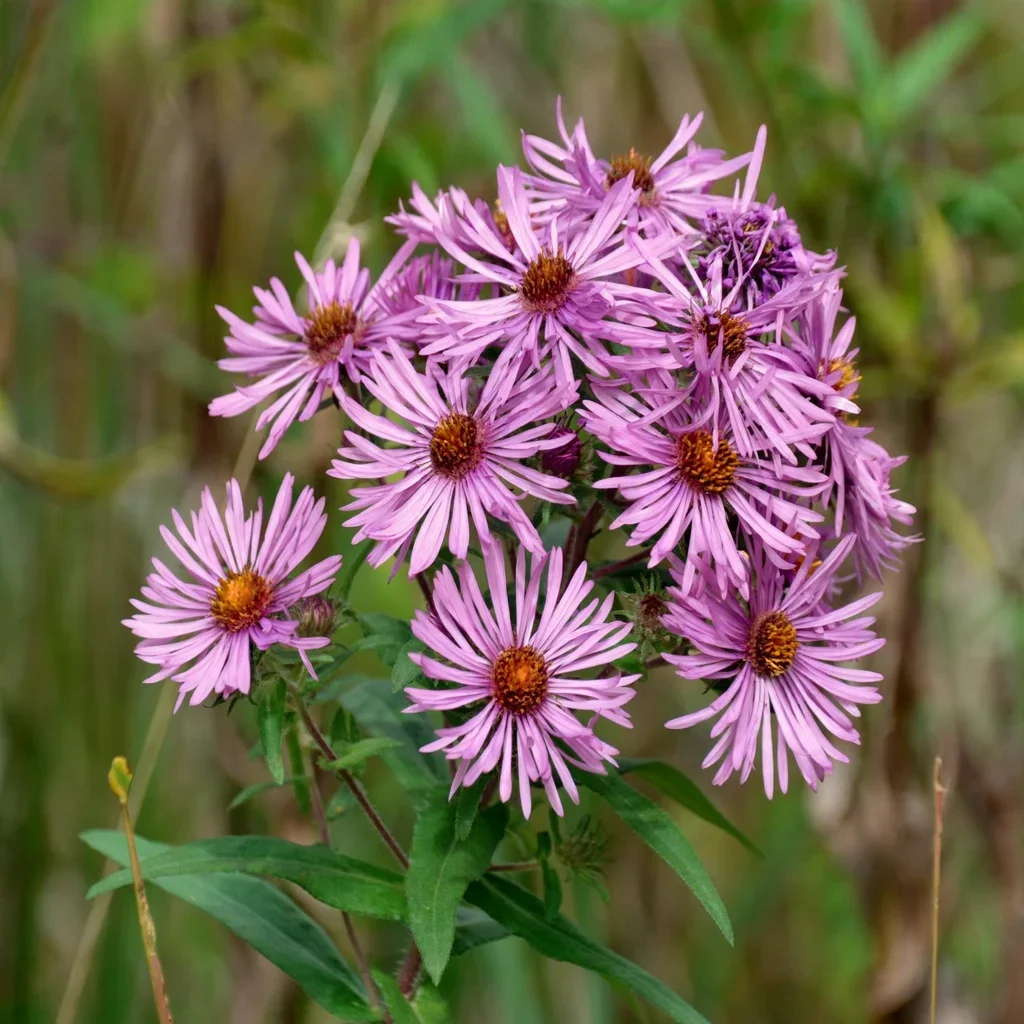
Lou Williams New England Aster
Aster novae-angliae 'Lou Williams'
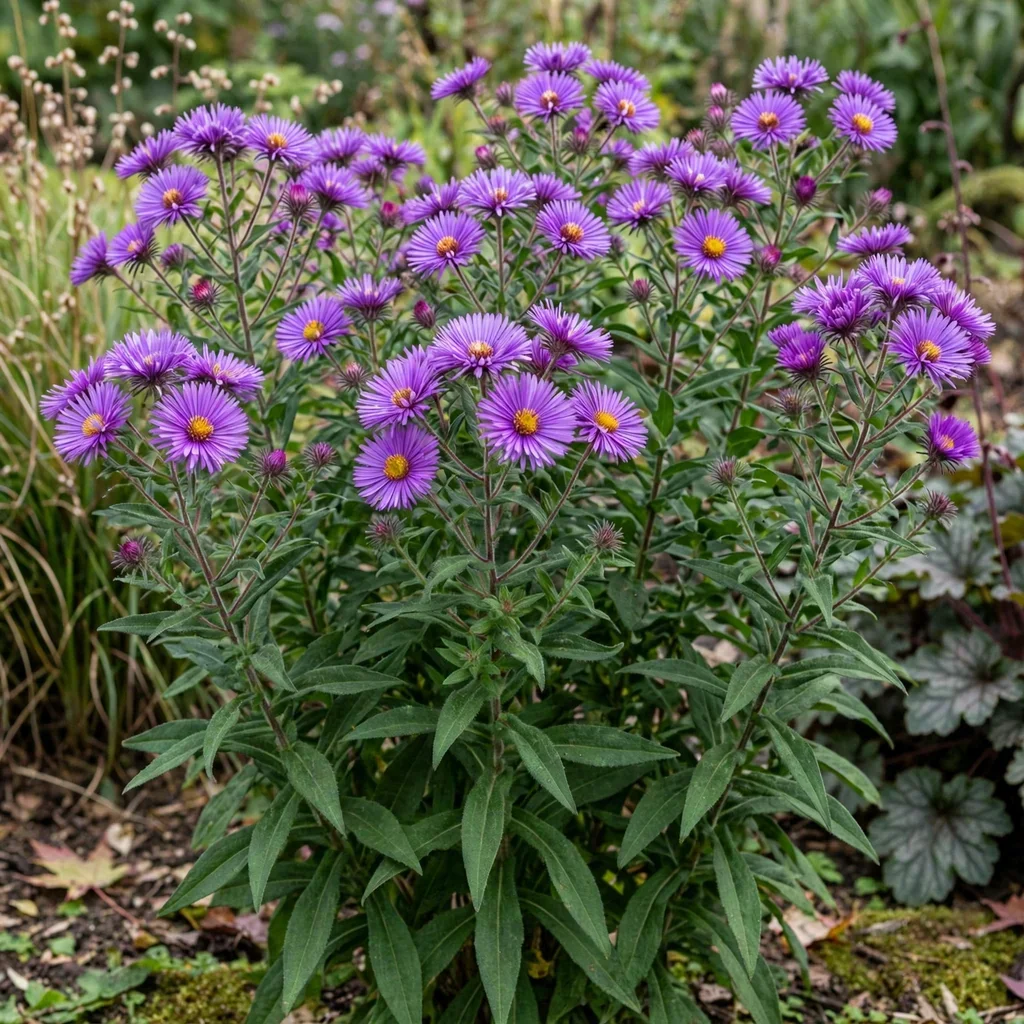
New England Aster 'Violetta'
Aster novae-angliae 'Violetta'
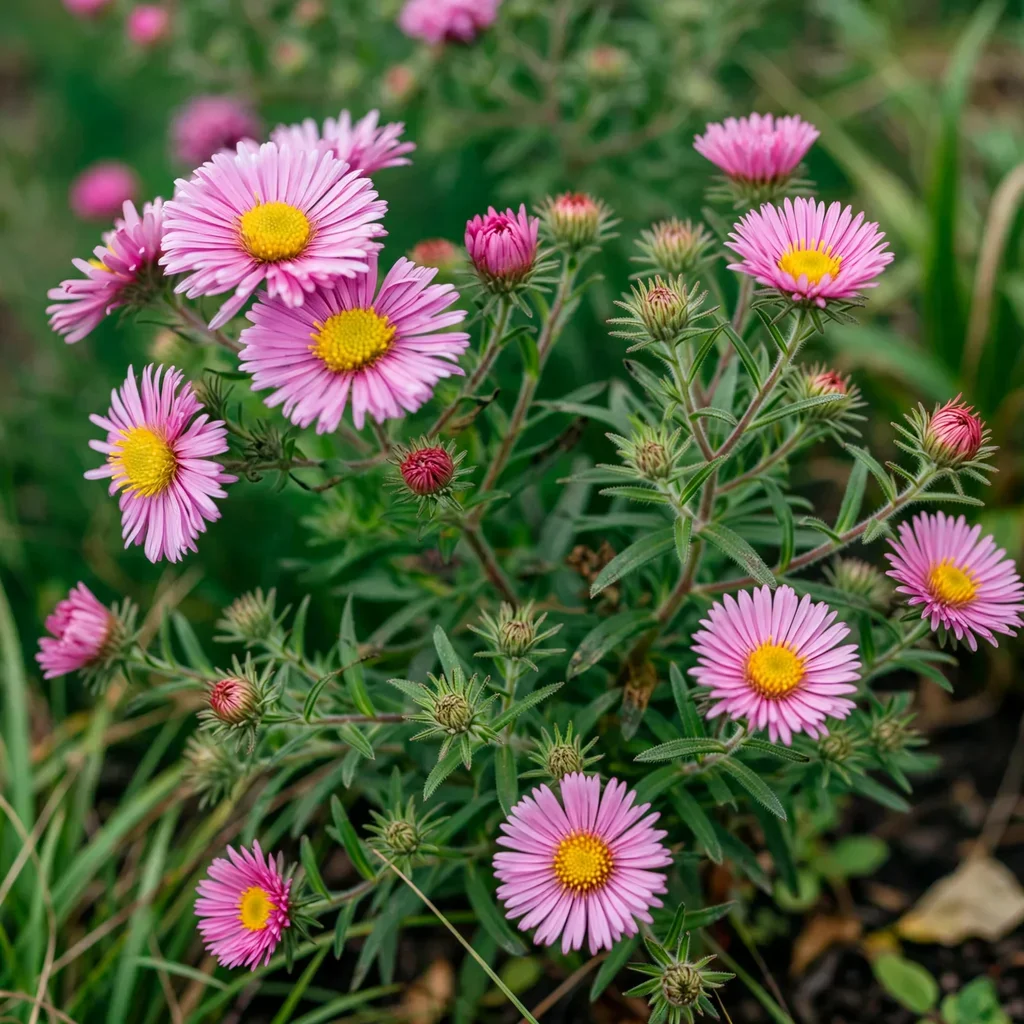
Rosa Sieger New England Aster
Aster novae-angliae 'Rosa Sieger'
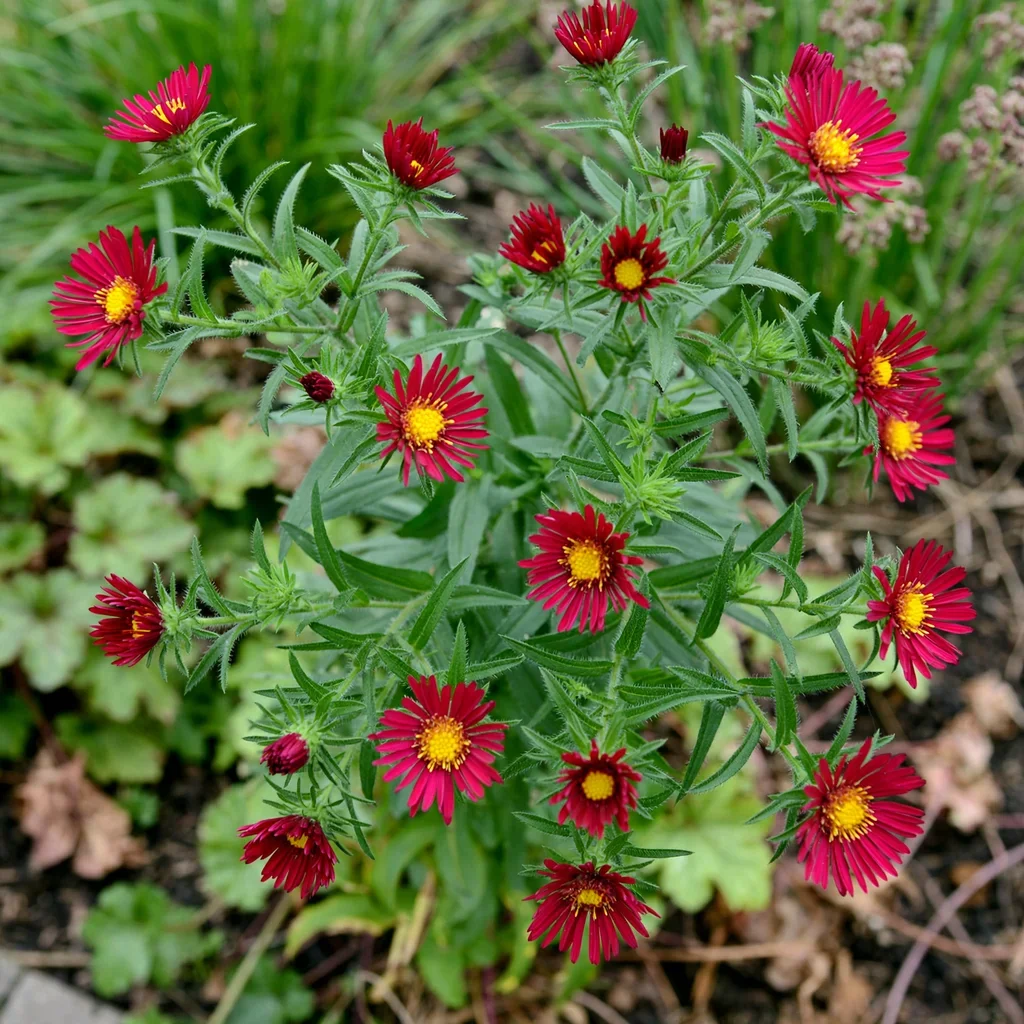
Crimson Brocade New England Aster
Aster x hybrida 'Crimson Brocade'
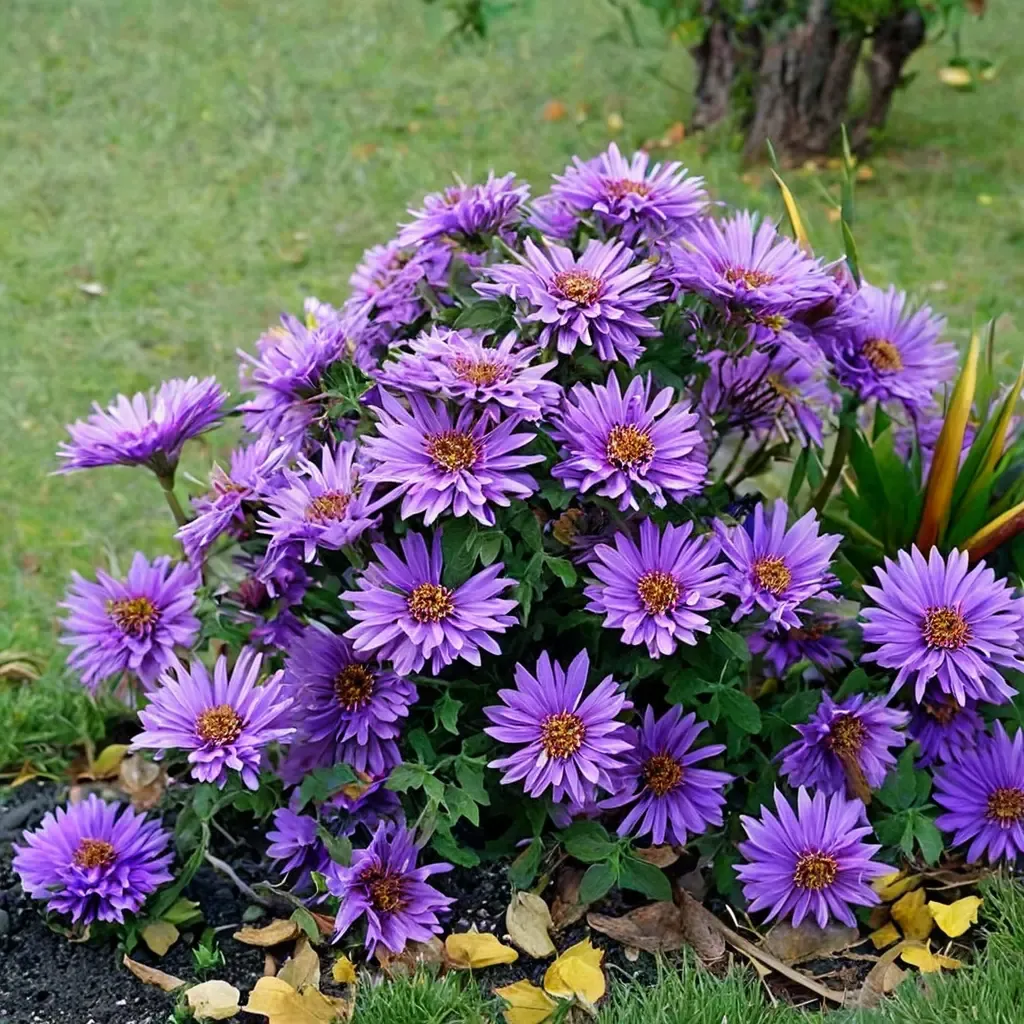
Purple Dome New England Aster
Aster novae-angliae 'Purple Dome'
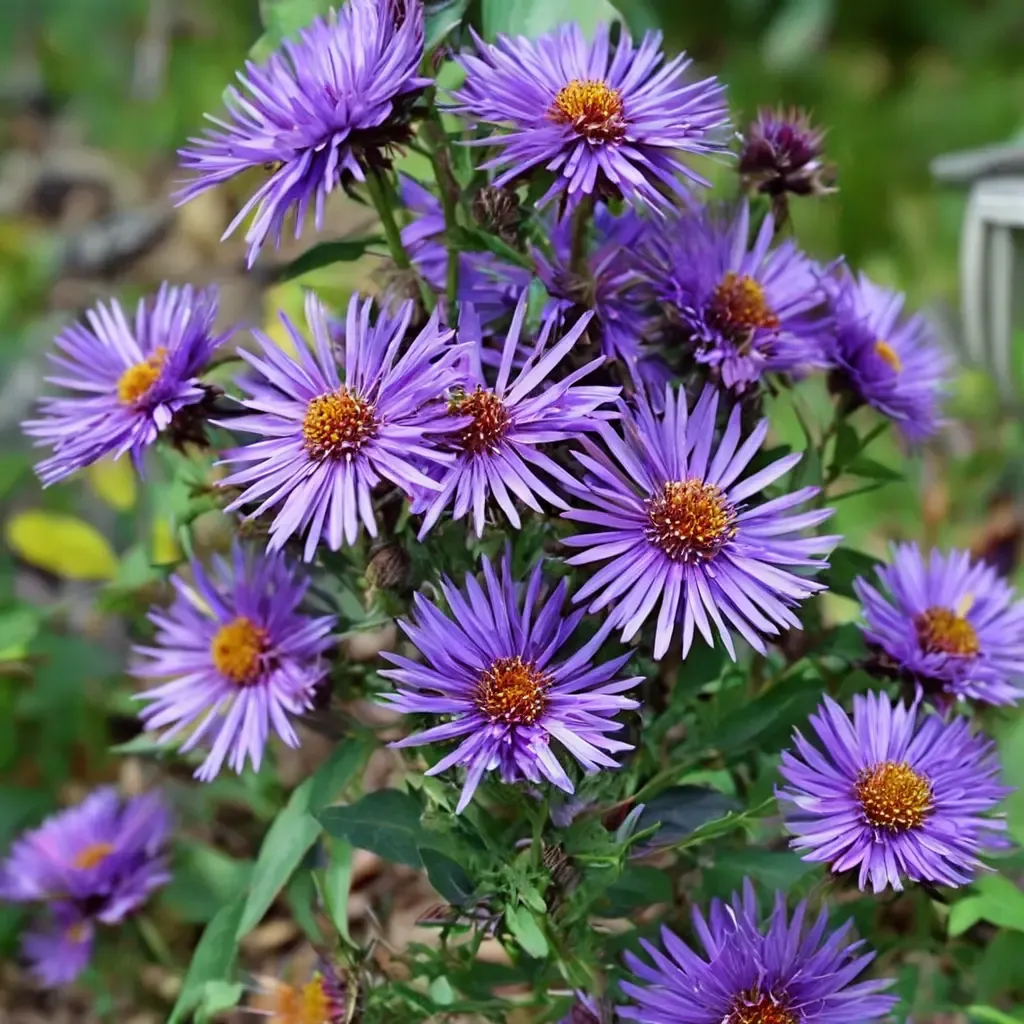
New England Aster
Aster novae-angliae
Keep exploring
Explore the genus
Grow Colorado Tansyaster with confidence
See it in a design of your actual yard, get zone-matched care reminders, and track it season by season in your garden journal.