The Story
Plant Bio
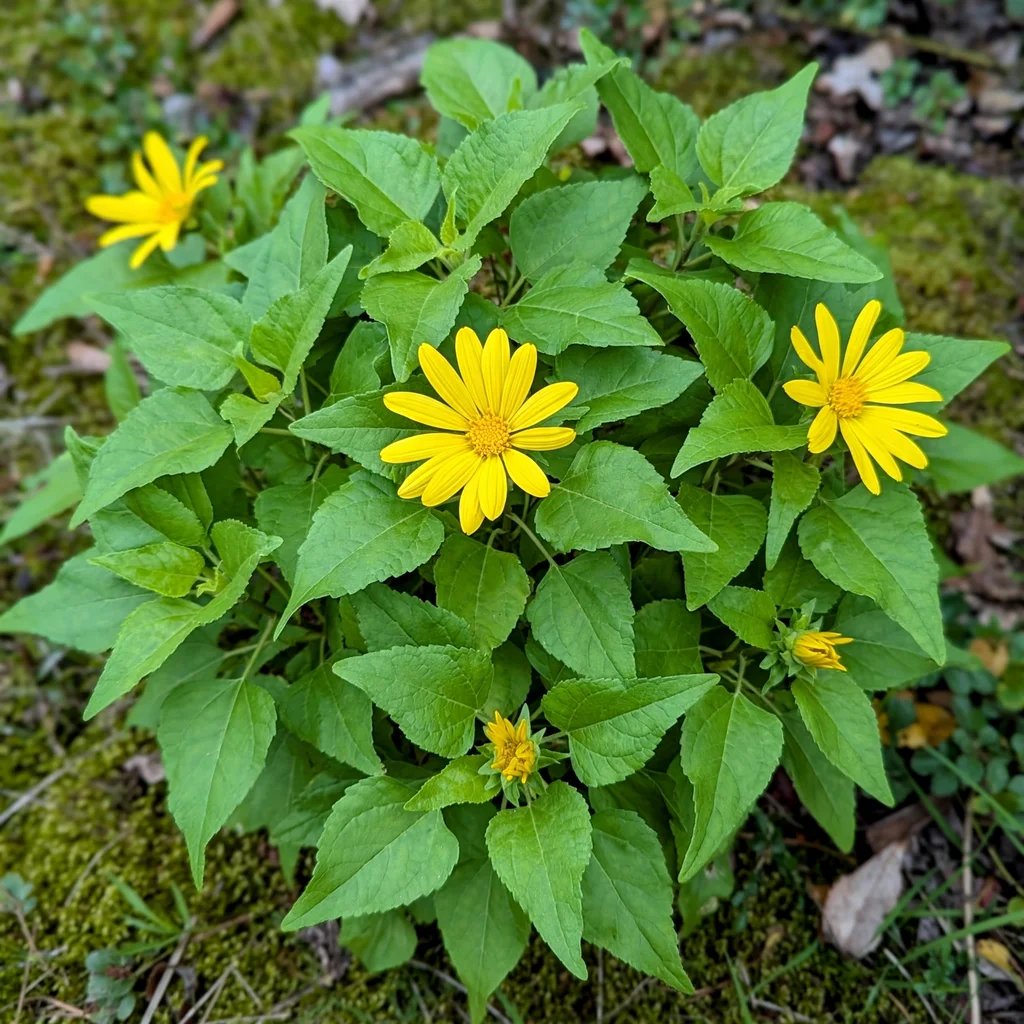
Venegasia carpesioides, commonly known as canyon sunflower, is a fast-growing semi-evergreen subshrub native to moist canyons and coastal slopes of southern California and Baja California. It forms a dense, upright to rounded mound of bright green, heart-shaped leaves topped with bright yellow daisy-like flower heads from late winter into fall.
The bright yellow flower heads reach two inches across with twelve to twenty-one bright ray flowers surrounding a darker yellow-to-brownish central disk. Foliage is semi-drought deciduous, dropping leaves during summer dry spells and resprouting vigorously with winter moisture.
Uses & Benefits:
Essentials
At a Glance
Plant Type
Perennial
Height
71"
Width
59"
Light
Full Sun, Partial Sun, Shade
Zones
9, 10
Water
Low to Moderate
Humidity
Moderate
Lifespan
Perennial
Native To
North America
Toxicity
Non-toxic
Bloom period
Late winter – Fall
In flower about 10 months of the year
Planting
How to Grow
- Plant in bright shade or morning sun inland, or full sun along the immediate coast.
- Set the root crown level with the surrounding soil in sloped clay or moderately well-drained loamy soil.
- Water regularly during the first growing season to establish the root system, then reduce frequency to occasional deep soakings during dry periods.
- Cut back stems in late winter if damaged by frost or to rejuvenate old stems, avoiding bare woody tissue where buds cannot break.
Pro Tip
Prune lightly after flowering or cut back hard in late winter to encourage fresh basal growth, taking care not to cut back into old, dead leafless wood.
Keep It Thriving
Care Guide
Do
- Provide bright shade or morning sun in hot inland locations.
- Allow soil to dry slightly between deep waterings once established.
- Prune back hard in late winter to encourage fresh basal growth.
Don't
- Do not over-water in heavy interior shade during summer heat to avoid root rot.
- Do not cut back into old, dead leafless wood where growth nodes are absent.
- Do not apply heavy fertilizer, as native soils provide adequate nutrients.
Seasonal Care Calendar
| Task | Jan | Feb | Mar | Apr | May | Jun | Jul | Aug | Sep | Oct | Nov | Dec |
|---|---|---|---|---|---|---|---|---|---|---|---|---|
| Deadhead | ||||||||||||
| Mulch | ||||||||||||
| Pest Check | ||||||||||||
| Prune |
Watch Out For
Pests & Diseases
Common Pests
Common Diseases
In the Garden
Landscape Uses & Companions
Landscape Uses
Multiply
Propagation Methods
Good to Know
Common Questions
Canyon Sunflower questions
What zones can Canyon Sunflower grow in?
Canyon Sunflower is hardy in USDA Zones 9–10: in that range it survives winter in the ground. Colder than Zone 9, grow it in a container you can move to shelter for the winter, or as an annual.
Is Canyon Sunflower deer resistant?
Not reliably. Deer may browse Canyon Sunflower, especially tender spring growth — plan on repellents or fencing where pressure is high.
When does Canyon Sunflower bloom?
Canyon Sunflower typically blooms in late winter. Exact timing shifts a week or two with your zone — Sow's bloom calendar maps it to your garden.
Does Canyon Sunflower need full sun?
Canyon Sunflower does best in full sun to part shade. In hot climates, afternoon shade keeps blooms fresher longer.
Is Canyon Sunflower drought tolerant?
Yes — once established (usually after the first full season), Canyon Sunflower handles dry spells with minimal watering. Water deeply its first year to build the root system that makes that possible.
Keep exploring
Explore the genus
Hardy in your zone?
Grow Canyon Sunflower with confidence
See it in a design of your actual yard, get zone-matched care reminders, and track it season by season in your garden journal.