
The Story
Plant Bio
Lobelia dunnii is a long-lived rhizomatous perennial herb with decumbent light green stems 8 to 33 inches long and under one-quarter inch thick that spread across wet rock. The foliage is herbaceous green and plants persist from underground rhizomes, colonizing falls, seeps and damp shaded cliffs.
It forms an upright to sprawling clump about 30 inches tall and 36 inches wide, blooming summer to fall with blue to lavender-purple lobelioid flowers with two small upper petals and three enlarged lower petals. The hairy corolla tube is about one-half to three-quarter inch long and ripens into a dry capsule that sheds seed onto wet rock.
Uses & Benefits:
Essentials
At a Glance
Plant Type
Perennial
Height
30"
Width
36"
Light
Full Sun, Partial Sun, Shade
Zones
8, 9, 10
Water
High
Humidity
Unknown
Lifespan
Perennial
Native To
California, Northern Baja California
Toxicity
Toxic if ingested
Bloom period
Summer – Fall
In flower about 6 months of the year
Planting
How to Grow
- Plant in spring into a shaded seep, waterfall edge, or moist rock crevice with gravelly fast-draining soil.
- Set crowns at soil level with rhizomes just covered and water in deeply to settle soil around roots.
- Mulch lightly with gravel, not bark, to hold moisture while keeping air at the crown.
- Water to keep the root zone evenly wet through summer and fall; do not allow a dry interval.
- Leave fall seed heads if self-sowing is wanted, then clear dead stems in late winter before new shoots emerge.
Pro Tip
Set plants into a constantly damp crevice or seep over gravelly fast-draining soil in partial to full shade and never let the root zone dry; moving seepage suits it, stagnant water rots the crown.
Keep It Thriving
Care Guide
Do
- Keep soil constantly moist with moving moisture and fast drainage.
- Give full sun only where water is constant; give partial to full shade on hot cliffs and walls.
- Divide congested rhizome clumps in spring to renew vigor.
Don't
- Do not let the root zone dry out; top growth collapses when the seep fails.
- Do not plant in heavy stagnant soil or bury crowns under deep organic mulch.
- Do not substitute bedding lobelia culture; this species needs year-round moisture, not summer bedding care.
Seasonal Care Calendar
| Task | Jan | Feb | Mar | Apr | May | Jun | Jul | Aug | Sep | Oct | Nov | Dec |
|---|---|---|---|---|---|---|---|---|---|---|---|---|
| Deadhead | ||||||||||||
| Mulch | ||||||||||||
| Plant | ||||||||||||
| Propagate | ||||||||||||
| Spring Cleanup |
Watch Out For
Pests & Diseases
Common Pests
Common Diseases
In the Garden
Landscape Uses & Companions
Landscape Uses
Companion Plants
Multiply
Propagation Methods
Good to Know
Common Questions
Dunn's Lobelia questions
What zones can Dunn's Lobelia grow in?
Dunn's Lobelia is hardy in USDA Zones 8–10: in that range it survives winter in the ground. Colder than Zone 8, grow it in a container you can move to shelter for the winter, or as an annual.
Is Dunn's Lobelia deer resistant?
Yes — Dunn's Lobelia is rated deer-resistant. Deer typically pass it over, though extreme hunger can override any plant's defenses.
When does Dunn's Lobelia bloom?
Dunn's Lobelia typically blooms from summer to fall. Exact timing shifts a week or two with your zone — Sow's bloom calendar maps it to your garden.
Does Dunn's Lobelia need full sun?
Dunn's Lobelia does best in full sun to part shade. In hot climates, afternoon shade keeps blooms fresher longer.
More Lobelia to compare
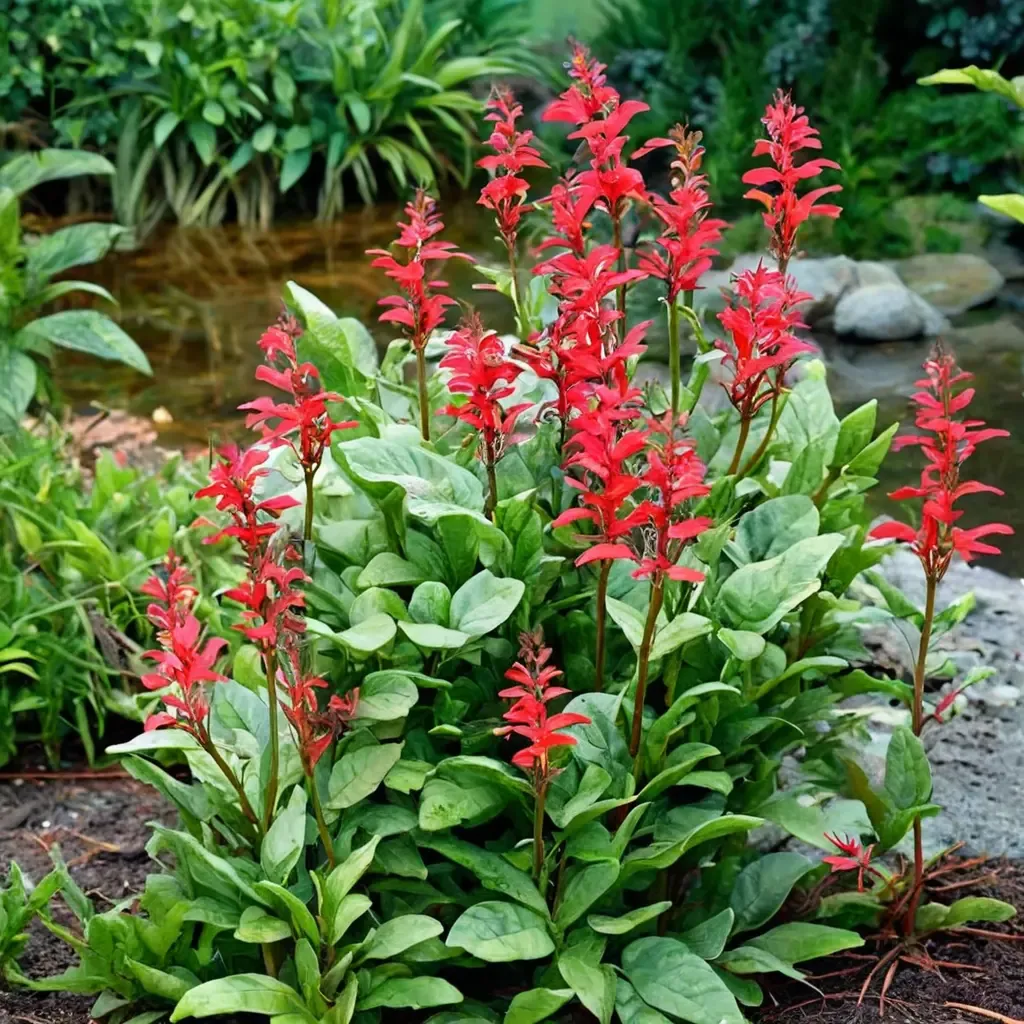
Cardinal Flower
Lobelia cardinalis
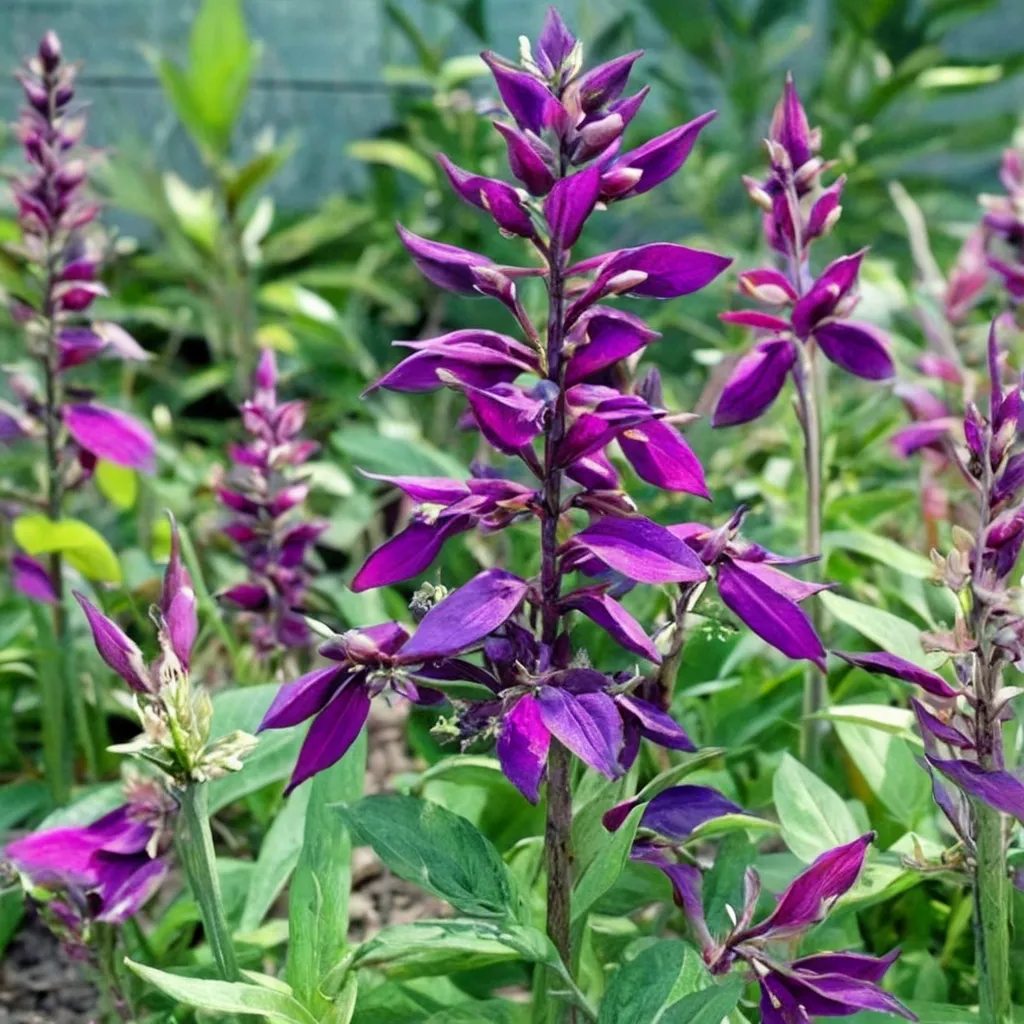
Hybrid Cardinal Flower
Lobelia speciosa 'Compliment Violet'
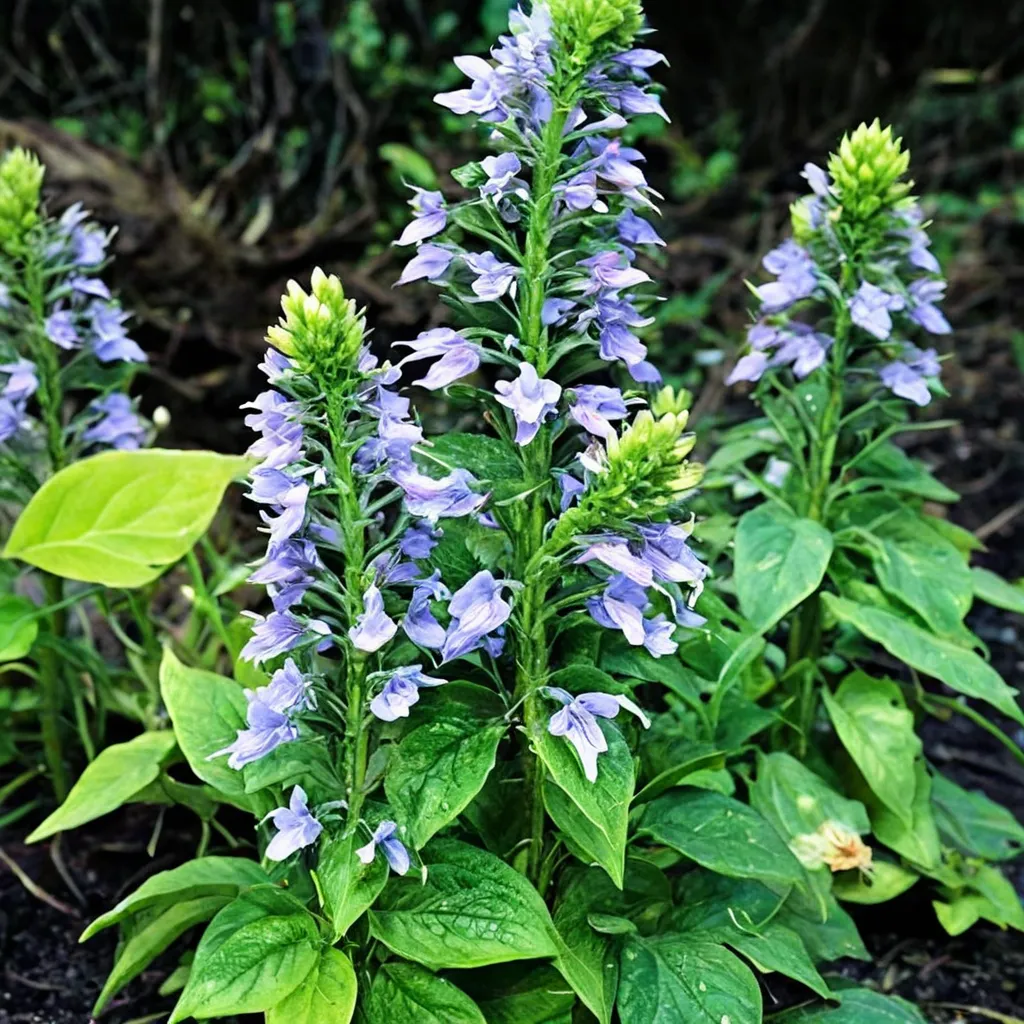
Lilac Candles Great Blue Lobelia
Lobelia siphilitica 'Lilac Candles'
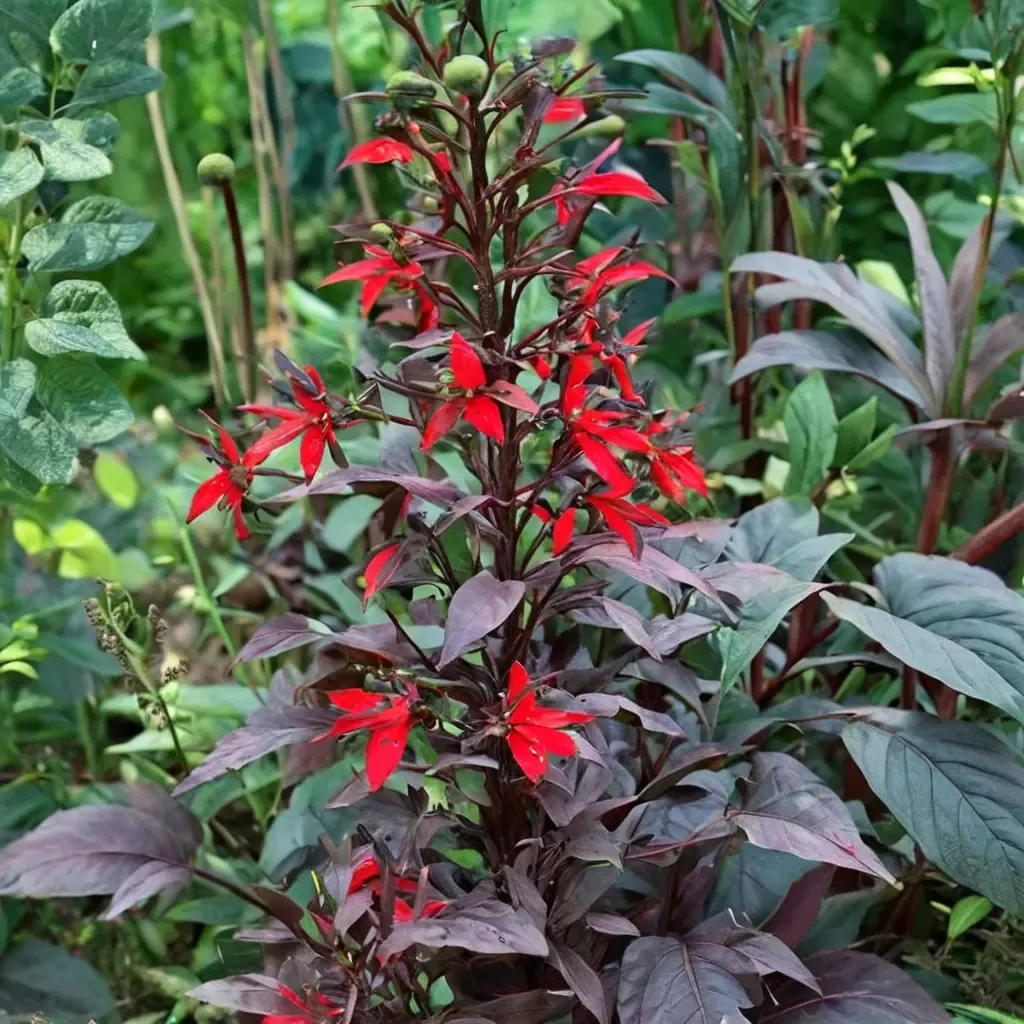
Cardinal Flower 'Black Truffle'
Lobelia cardinalis 'Black Truffle'
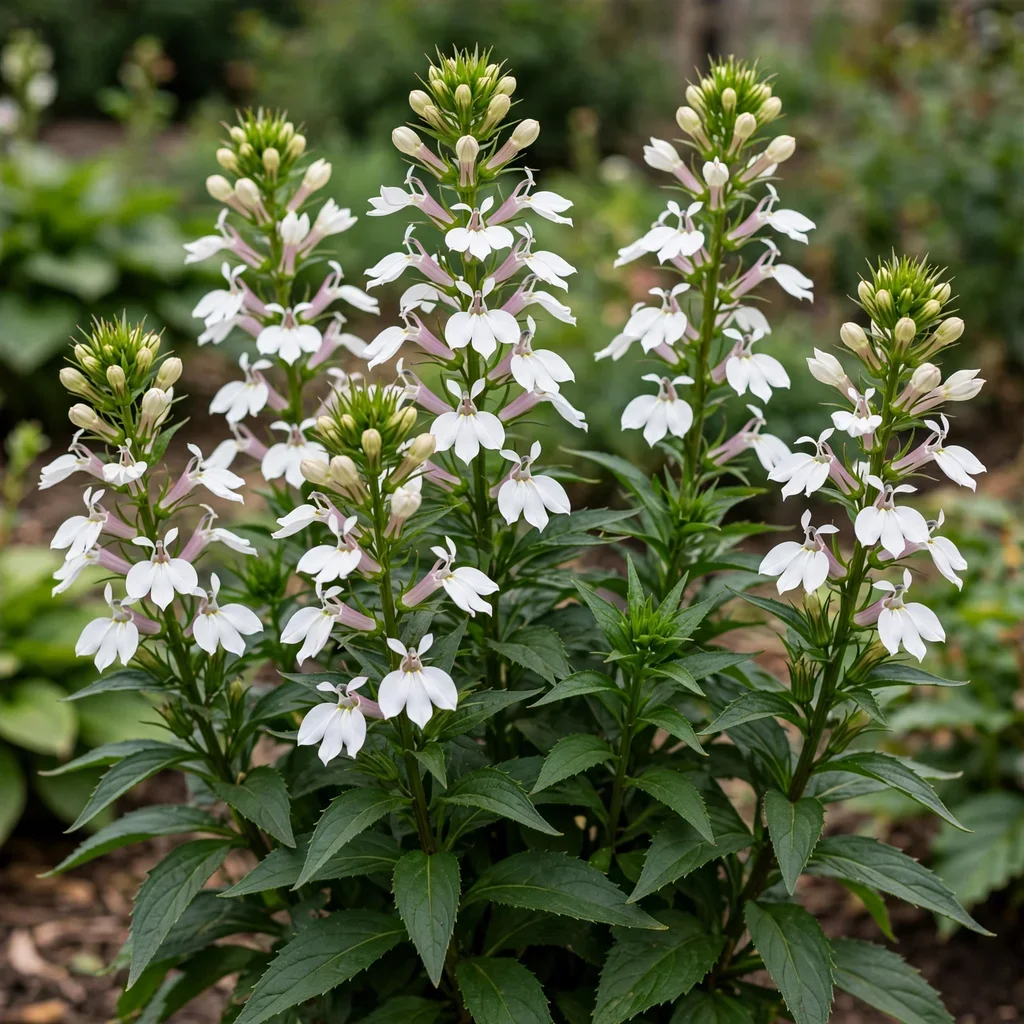
Perrys White Cardinal Flower
Lobelia cardinalis 'Perrys White'
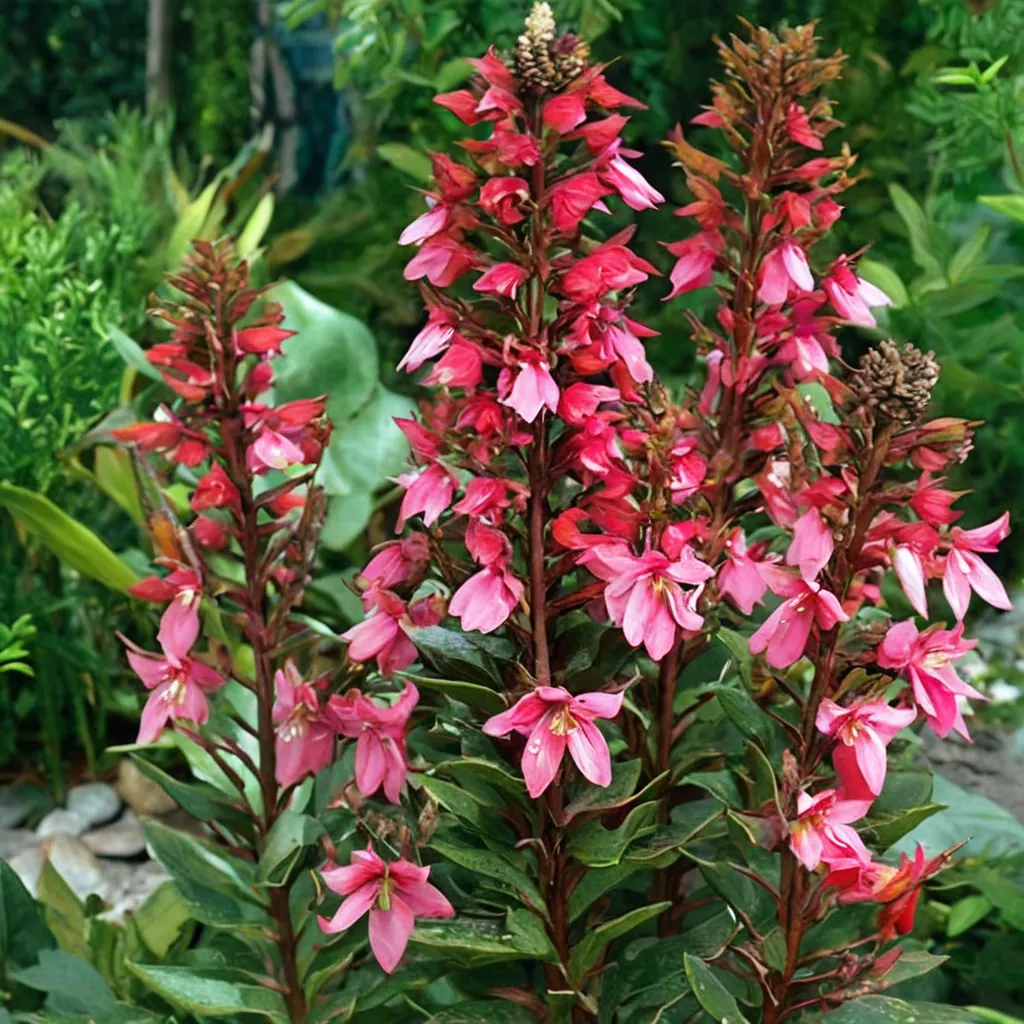
Fan Cinnabar Rose Lobelia
Lobelia speciosa 'Fan Cinnabar Rose'
Keep exploring
Explore the genus
Hardy in your zone?
Grow Dunn's Lobelia with confidence
See it in a design of your actual yard, get zone-matched care reminders, and track it season by season in your garden journal.