Also known as Monkeyflower · 116 saves
Erythranthe
Erythranthe, the genus most gardeners know as monkeyflower. We track 3 varieties; the ones most used by real gardeners.
The 3 most-saved Erythranthe varieties
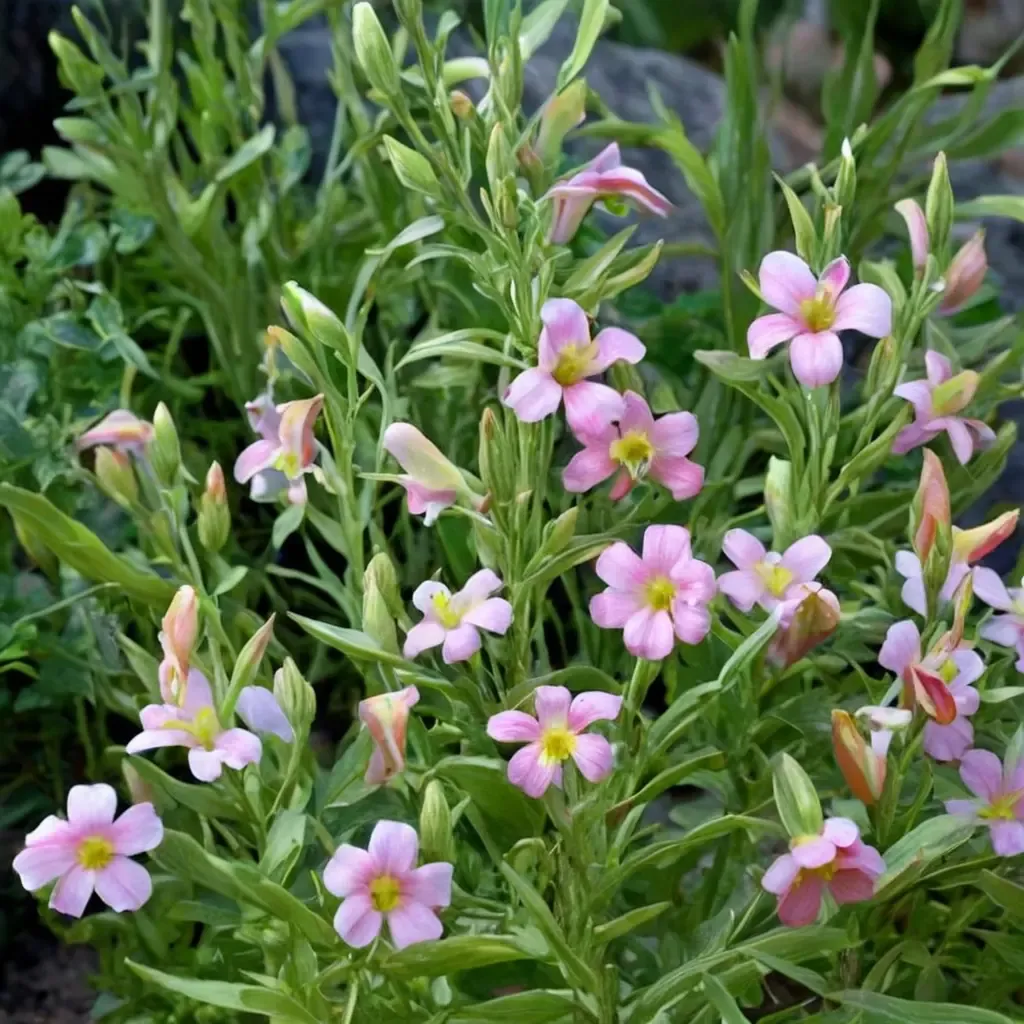
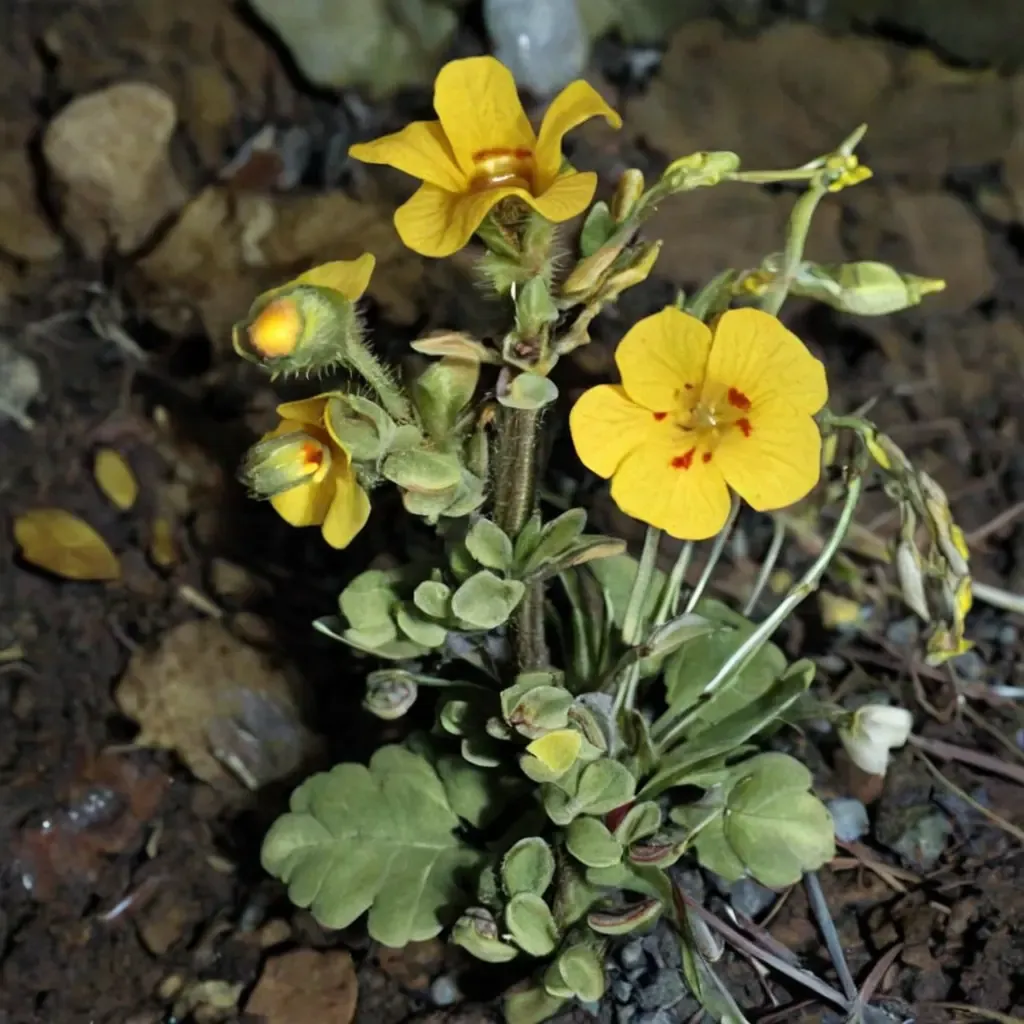
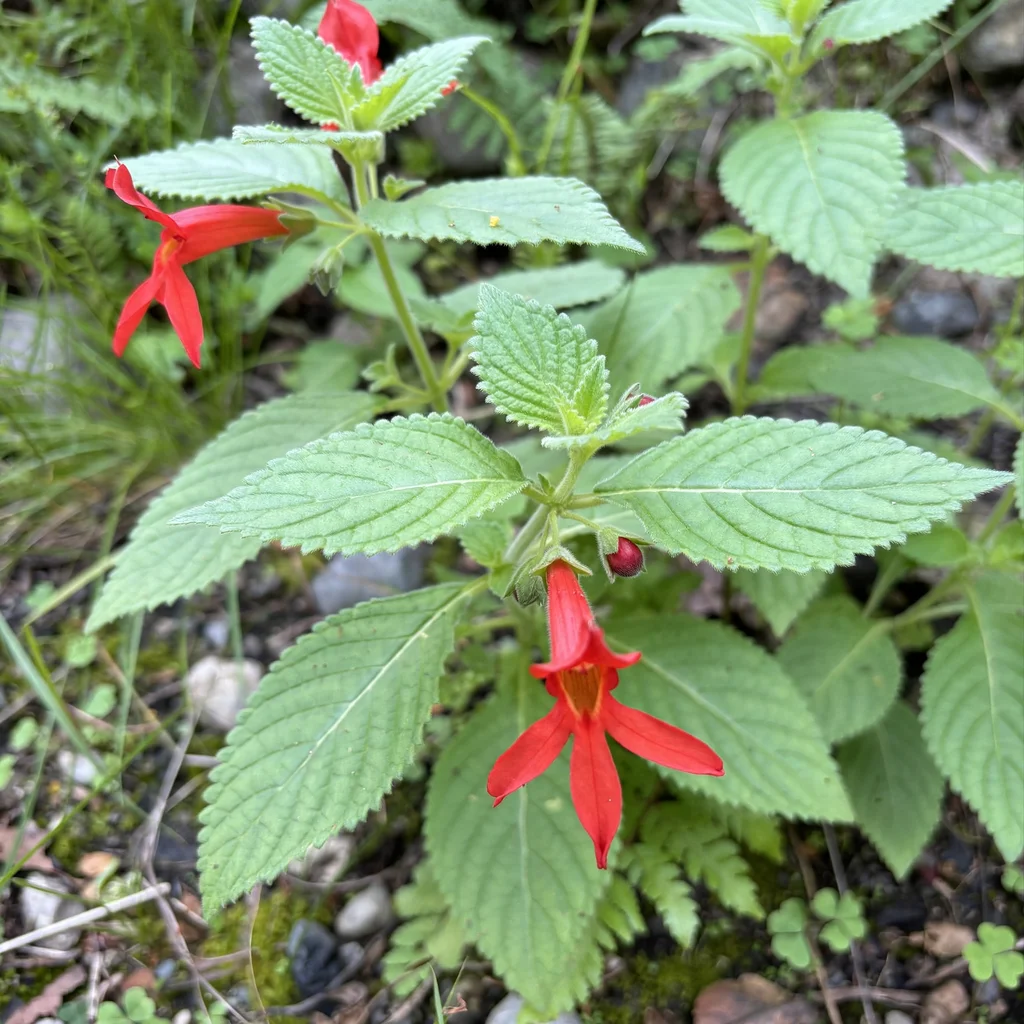
3 species of Erythranthe
Each one is a parent of the varieties above.
Track your Erythranthe in Sow
Save the Erythranthe you grow and get care reminders timed to your zone.
How to grow Erythranthe
Whats common across all Erythranthe varieties in our catalog — drawn from the care records of the 3 most-grown of them.
The Erythranthe year
- DivideApril and October100% of varieties
Divide clumps every 3-4 years to maintain vigor
- MulchApril67% of varieties
Apply thick layer of mulch to retain essential moisture
- PlantApril and October67% of varieties
Plant transplants in spring or early fall in consistently wet soil
- DeadheadJuly and August67% of varieties
Remove spent flowers regularly to encourage continuous blooming
- Spring CleanupMarch67% of varieties
Cut back old stems and dead foliage to the ground before new growth starts


Do
- Water consistently to keep soil moist 🌱
- Prune after flowering to promote bushier growth
- Apply mulch to retain soil moisture and suppress weeds
- Use organic fertilizers to nourish the plants
- Prune after flowering to encourage bushier growth
Avoid
- Avoid overwatering to prevent root rot ❌
- Don’t neglect pruning which encourages healthy growth
- Avoid planting in poorly drained soils
- Don’t fertilize during dormancy
What goes wrong with Erythranthe
| Problem | What you'll see | What to do |
|---|---|---|
| Aphids | Sticky residue and distorted leaves | Spray with insecticidal soap or neem oil |
| Spider mites | Fine webbing on foliage | Use miticides or insecticidal soap |
| Slugs and Snails | Irregular holes chewed into soft young foliage and sticky stem bases. | Hand-pick at night or place iron phosphate bait around the outer perimeter of the wet zone. |
| Powdery mildew | White powder on leaves | Improve air circulation and apply fungicide |
| Root Rot | Foliage blackens and Wilts despite abundance of soil moisture, caused by stagnant warm water. | Ensure continuous water movement in wetland areas or reduce water temperature through partial shade. |
| Powdery Mildew | White powdery patches appearing on leaves during warm, late-summer dry spells. | Increase root hydration immediately and trim severely affected foliage to ground level. |
Making more Erythranthe
Seed
- Sow seeds on moist soil surface in early spring.
- Keep soil moist and maintain temperature around 65-70°F.
- Germination occurs in 2-3 weeks, ready to transplant after seedlings establish.
Cuttings
- Take softwood cuttings in late spring.
- Dip cuttings in rooting hormone and plant in moist potting mix.
- Maintain humidity and keep under indirect light for 6 weeks until roots develop.
Erythranthe questions
How many types of Erythranthe are there?
The Sow catalog tracks 3 distinct Erythranthe varieties. The most popular — ranked by 116 real gardeners — are shown first above.
What zones does Erythranthe grow in?
Across its varieties, Erythranthe covers USDA Zones 4–10. Individual varieties differ — each plant page lists its exact range, and Sow filters the catalog to your zone automatically.
When does Erythranthe bloom?
Most Erythranthe varieties bloom from late spring to late summer.
Which Erythranthe should I choose?
Start from the most-saved varieties above — popularity across thousands of gardens is a strong signal of reliability — then filter by your zone and sun. In the Sow app you can preview any of them in a photo of your actual yard before you buy.