The Story
Plant Bio
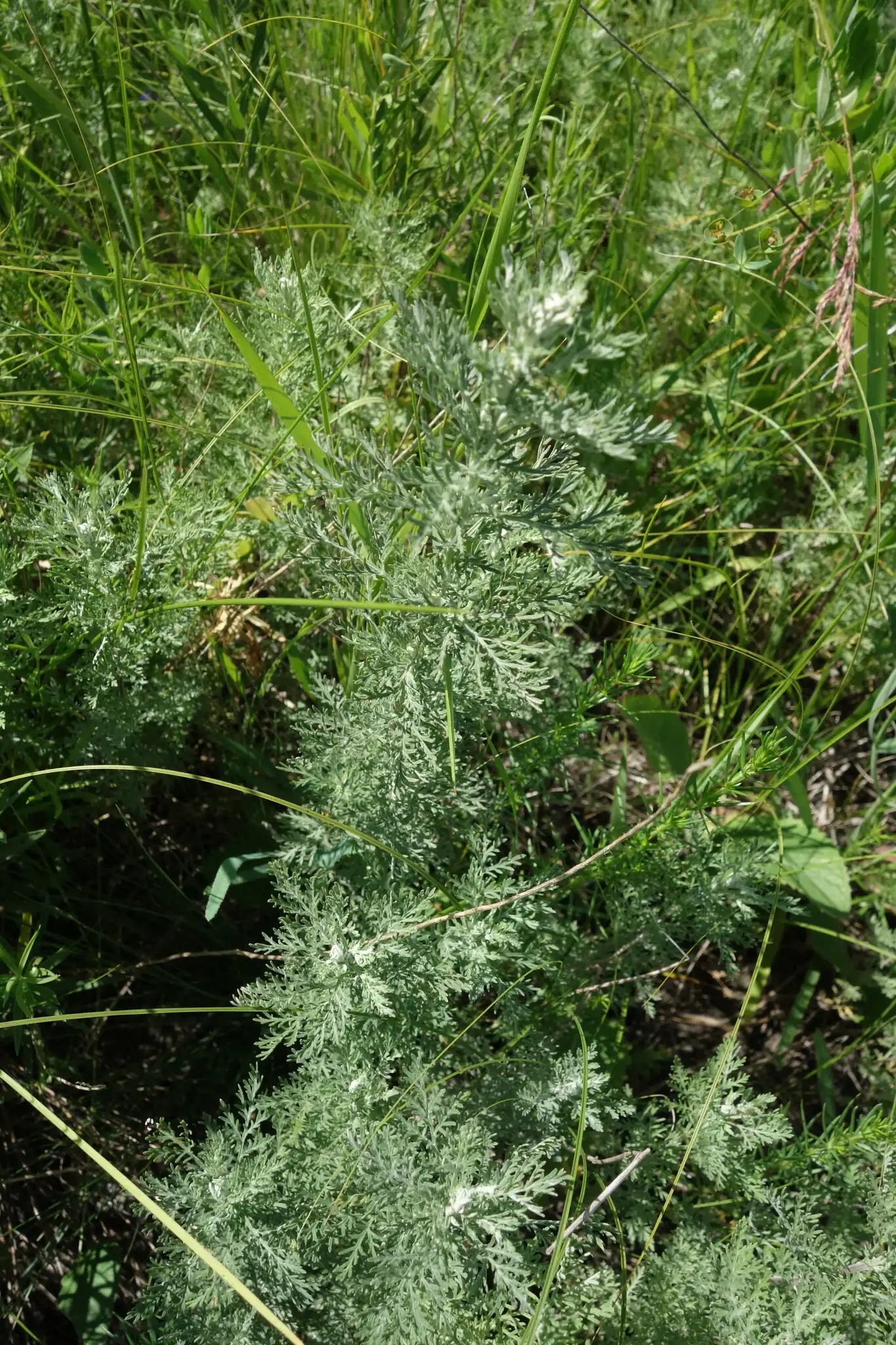
Artemisia pontica, Roman wormwood, is a rhizomatous herbaceous perennial forming a spreading clump of upright stems 18 to 36 inches tall, with finely dissected gray-green to silver-gray leaves. The foliage is highly aromatic when crushed, and the small grayish-yellow flowerheads are borne in branched panicles at the stem tips.
It spreads indefinitely by underground rhizomes to make quick cover in poor dry sun where most perennials stall. Unlike larger shrubby wormwoods, it stays low and feathery and dies back in heavy wet soil rather than tolerating it.
Uses & Benefits:
Essentials
At a Glance
Plant Type
Perennial
Height
24"
Width
36"
Light
Full Sun, Partial Sun
Zones
4, 5, 6, 7, 8, 9
Water
Low
Humidity
Average
Lifespan
Perennial
Native To
Europe and temperate Asia
Toxicity
Unknown
Bloom period
Late summer – Fall
In flower about 4 months of the year
Planting
How to Grow
- Plant in full sun in well-drained, poor to average soil after last frost.
- Space 24 to 36 inches apart or use edging to contain rhizome spread.
- Water to establish, then water sparingly; it prefers dry conditions once rooted.
- Cut back spent flower stems in fall and lift edge pieces if it moves beyond bounds.
Pro Tip
Give it poor, well-drained soil in full sun and contain the rhizomes with edging; rich wet soil causes dieback and floppy spread.
Keep It Thriving
Care Guide
Do
- Do plant in well-drained, sandy or stony soil.
- Do contain rhizomes where quick cover is not wanted.
- Do cut back or divide to keep the clump dense.
Don't
- Don't plant in heavy clay or low wet spots.
- Don't fertilize heavily or overwater.
- Don't let it seed and spread where naturalizing is a concern.
Seasonal Care Calendar
| Task | Jan | Feb | Mar | Apr | May | Jun | Jul | Aug | Sep | Oct | Nov | Dec |
|---|---|---|---|---|---|---|---|---|---|---|---|---|
| Deadhead | ||||||||||||
| Divide | ||||||||||||
| Plant | ||||||||||||
| Prune | ||||||||||||
| Winter Prep |
Watch Out For
Pests & Diseases
Common Pests
Common Diseases
In the Garden
Landscape Uses & Companions
Landscape Uses
Multiply
Propagation Methods
Good to Know
Common Questions
Roman Wormwood questions
What zones can Roman Wormwood grow in?
Roman Wormwood is hardy in USDA Zones 4–9: in that range it survives winter in the ground. Warmer than Zone 9, winter isn't the problem: it prefers colder winters, and summer heat can shorten its life.
When does Roman Wormwood bloom?
Roman Wormwood typically blooms from late summer to late fall. Exact timing shifts a week or two with your zone — Sow's bloom calendar maps it to your garden.
Does Roman Wormwood need full sun?
Roman Wormwood does best in full sun to part shade. In hot climates, afternoon shade keeps blooms fresher longer.
Is Roman Wormwood drought tolerant?
Yes — once established (usually after the first full season), Roman Wormwood handles dry spells with minimal watering. Water deeply its first year to build the root system that makes that possible.
More Artemisia to compare
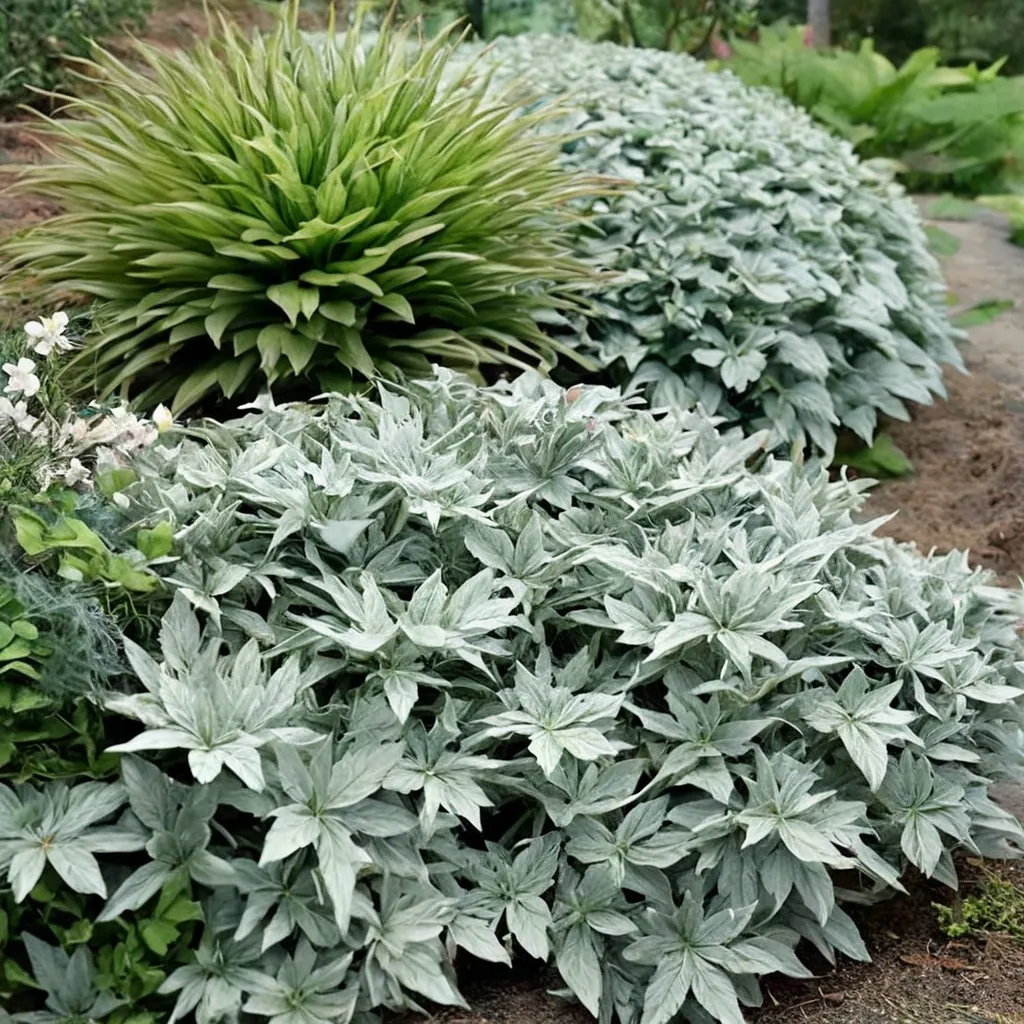
Artemisia Silver Lining
Artemisia x hybrida 'Silver Lining'
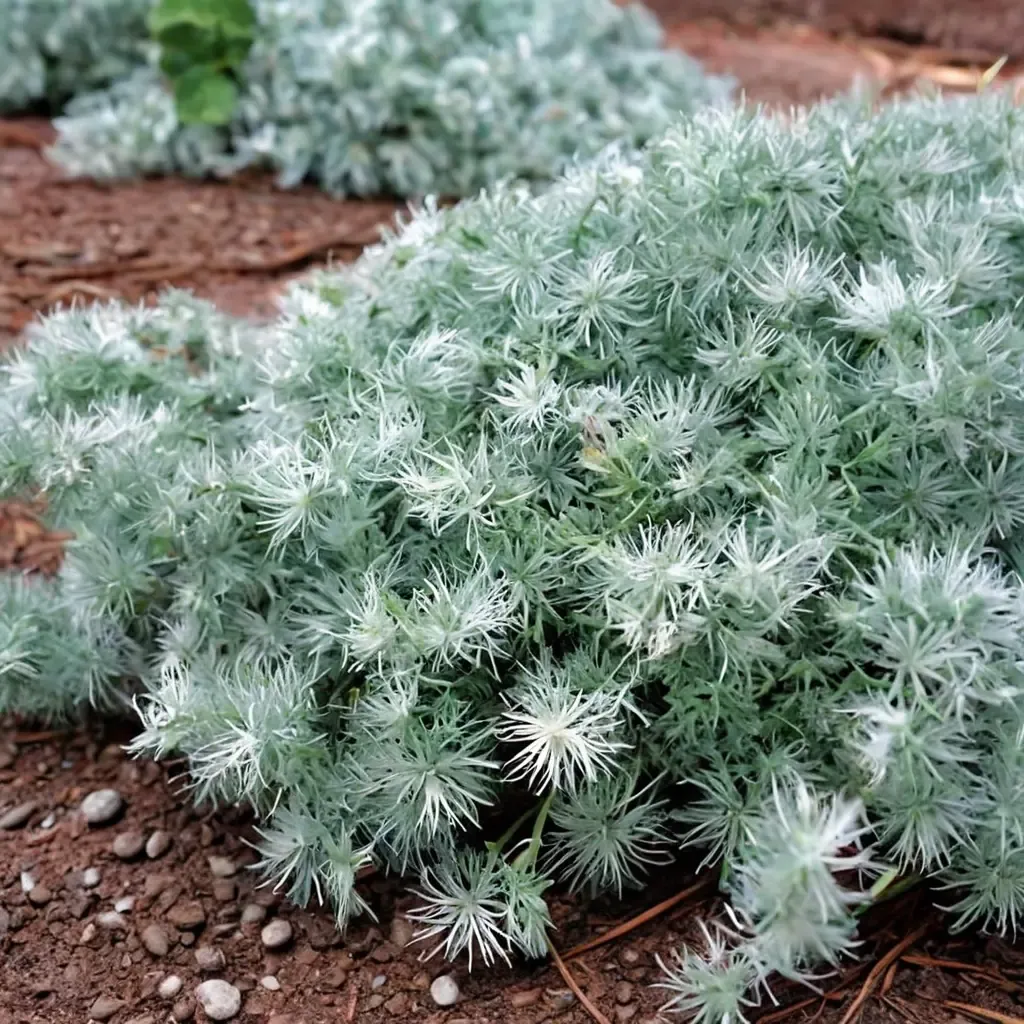
Silver Mound Wormwood
Artemisia schmidtiana 'Silver Mound'
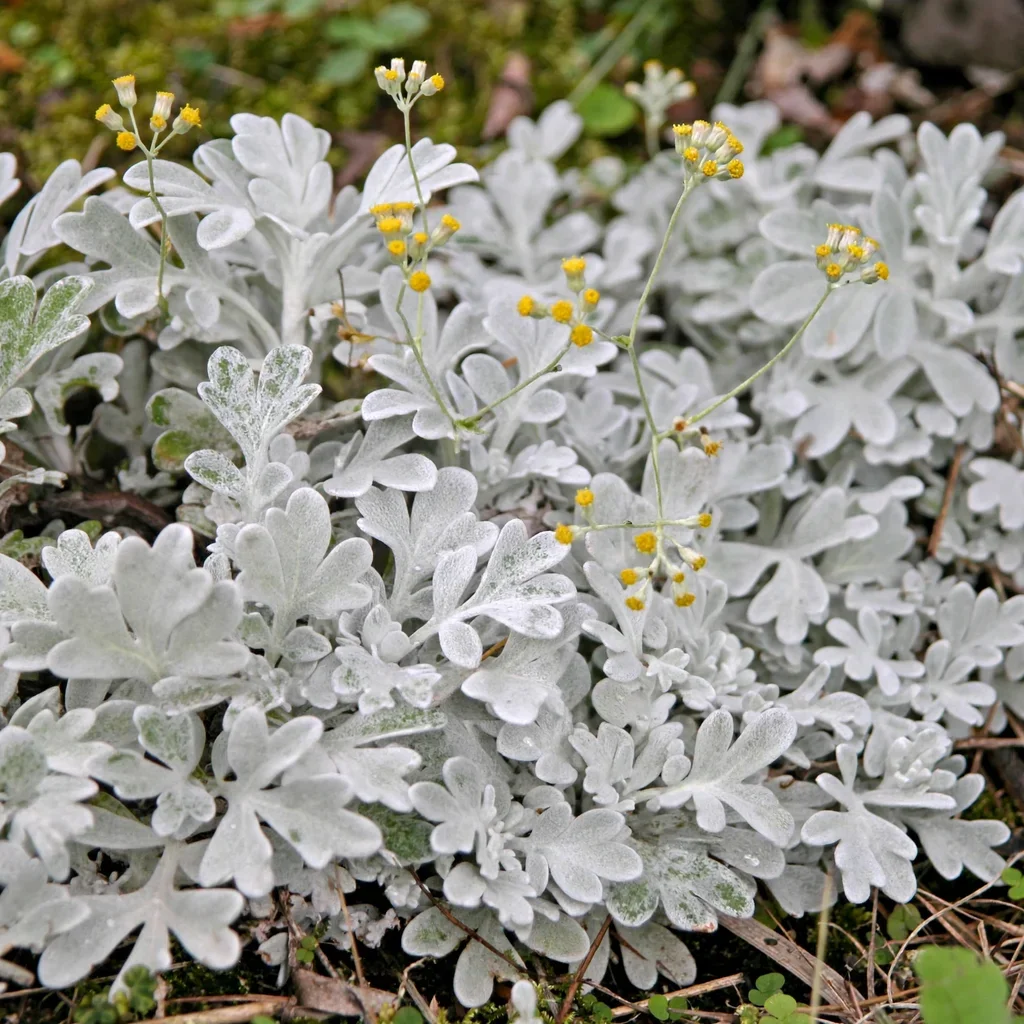
Silver Brocade Beach Wormwood
Artemisia stelleriana 'Silver Brocade'
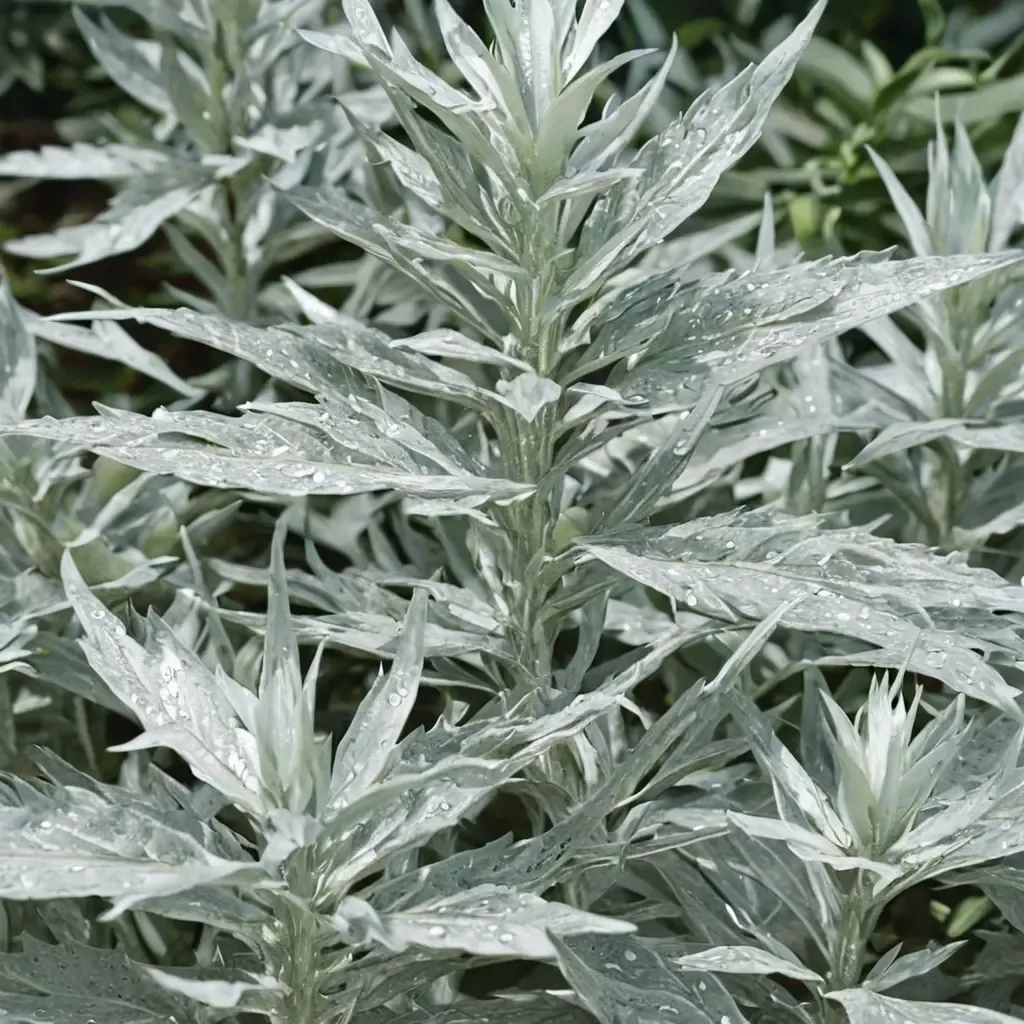
Silver King Artemisia
Artemisia ludoviciana 'Silver King'
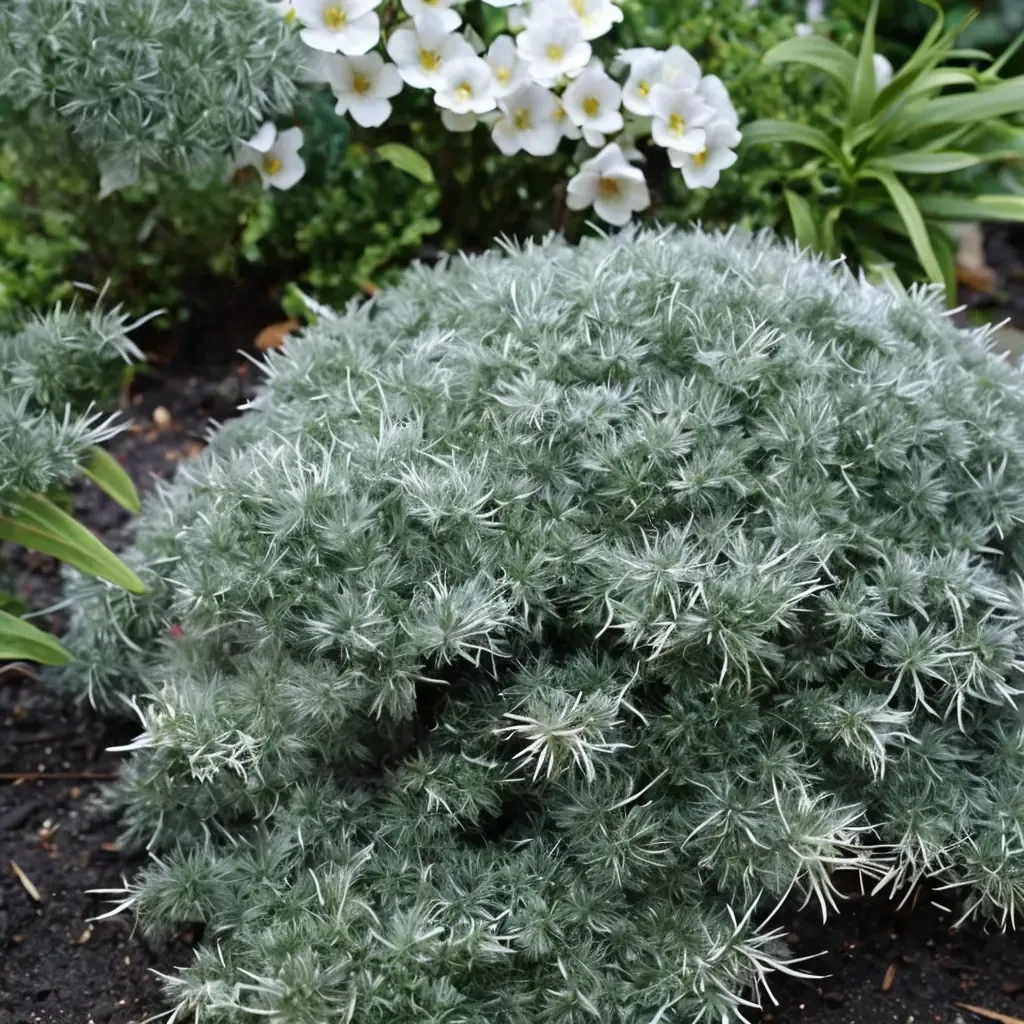
Silver Mound Artemisia
Artemisia schmidtiana 'Nana'
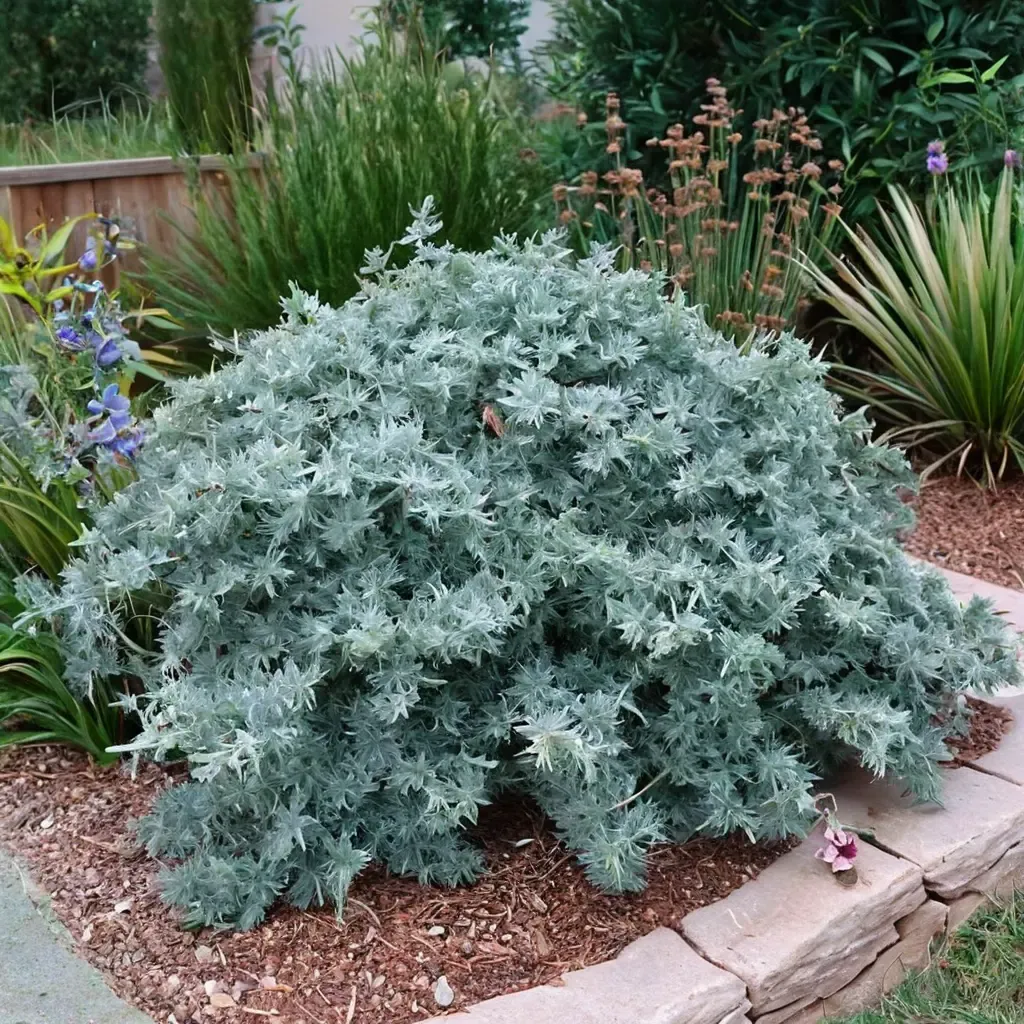
Powis Castle wormwood
Artemisia x hybrida 'Powis Castle'
Keep exploring
Explore the genus
Grow Roman Wormwood with confidence
See it in a design of your actual yard, get zone-matched care reminders, and track it season by season in your garden journal.