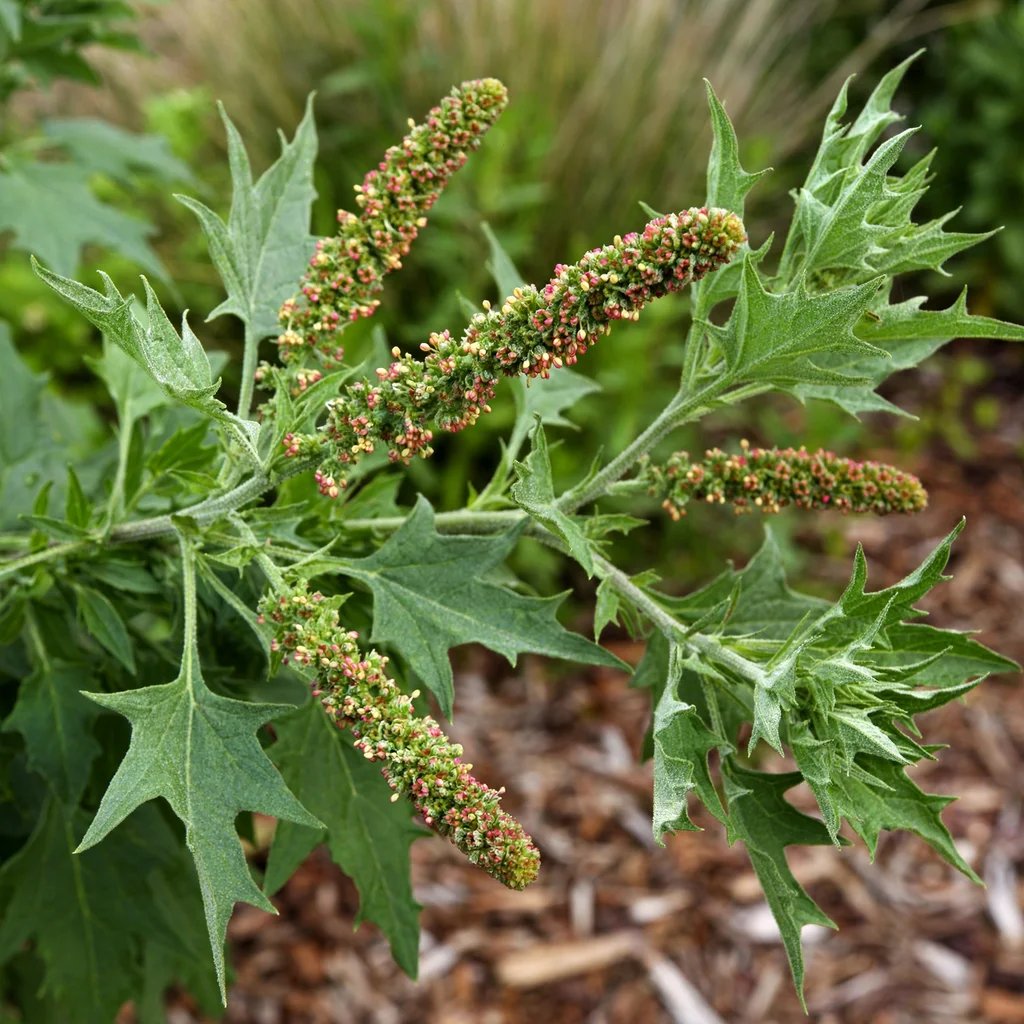
The Story
Plant Bio
Chenopodium californicum, now accepted as Blitum californicum, is a perennial goosefoot from California and Baja California that regrows each spring from a stout fleshy taproot. Stems rise decumbent to erect-ascending from a many-stemmed base, carrying triangular cauline leaves with truncate-cordate bases and sinuate-dentate margins.
This species is distinguished by its soaproot caudex rich in saponins that lathers in water and by foliage that emerges viscid and farinose before turning smooth and nonaromatic. Flowers are inconspicuous greenish wind-pollinated glomerules borne spring to fall, followed by seed that feeds birds while the foliage hosts cutworm and armyworm caterpillars.
Uses & Benefits:
Essentials
At a Glance
Plant Type
Perennial
Height
28"
Width
24"
Light
Full Sun
Zones
7, 8, 9, 10
Water
Low to moderate
Humidity
Low
Lifespan
Perennial
Native To
California and Baja California
Toxicity
Toxic if ingested - saponins and oxalates
Bloom period
Spring – Fall
In flower about 9 months of the year
Planting
How to Grow
- Choose a sunny, well-drained spot in sandy, loamy or clay soil that dries between waterings.
- Set the plant at the same crown depth it grew in the pot, firming soil around the taproot.
- Water in thoroughly to settle soil around the root.
- Water regularly through the first season, then shift to deep infrequent watering.
- Keep mulch pulled back from the crown to prevent rot.
Pro Tip
Water deeply until established, then water deeply and infrequently and let the soil dry between waterings; never leave the crown in wet soil.
Keep It Thriving
Care Guide
Do
- Give abundant bright direct sun all day.
- Provide sharp drainage and allow soil to dry between waterings once established.
- Leave seed heads in place for birds if self-sowing is acceptable.
Don't
- Do not plant in shade or in soil that stays wet.
- Do not overwater; soggy soil causes yellowing and root rot.
- Do not eat leaves or seeds raw without rinsing; they contain saponins and oxalates.
Seasonal Care Calendar
| Task | Jan | Feb | Mar | Apr | May | Jun | Jul | Aug | Sep | Oct | Nov | Dec |
|---|---|---|---|---|---|---|---|---|---|---|---|---|
| Harvest | ||||||||||||
| Pest Check | ||||||||||||
| Plant | ||||||||||||
| Spring Cleanup |
Watch Out For
Pests & Diseases
Common Pests
Common Diseases
In the Garden
Landscape Uses & Companions
Landscape Uses
Multiply
Propagation Methods
Good to Know
Common Questions
California Goosefoot questions
What zones can California Goosefoot grow in?
California Goosefoot is hardy in USDA Zones 7–10: in that range it survives winter in the ground. Colder than Zone 7, grow it in a container you can move to shelter for the winter, or as an annual.
When does California Goosefoot bloom?
California Goosefoot typically blooms from spring to fall. Exact timing shifts a week or two with your zone — Sow's bloom calendar maps it to your garden.
Does California Goosefoot need full sun?
California Goosefoot does best in full sun (6+ hours).
Is California Goosefoot drought tolerant?
Yes — once established (usually after the first full season), California Goosefoot handles dry spells with minimal watering. Water deeply its first year to build the root system that makes that possible.
More Chenopodium to compare
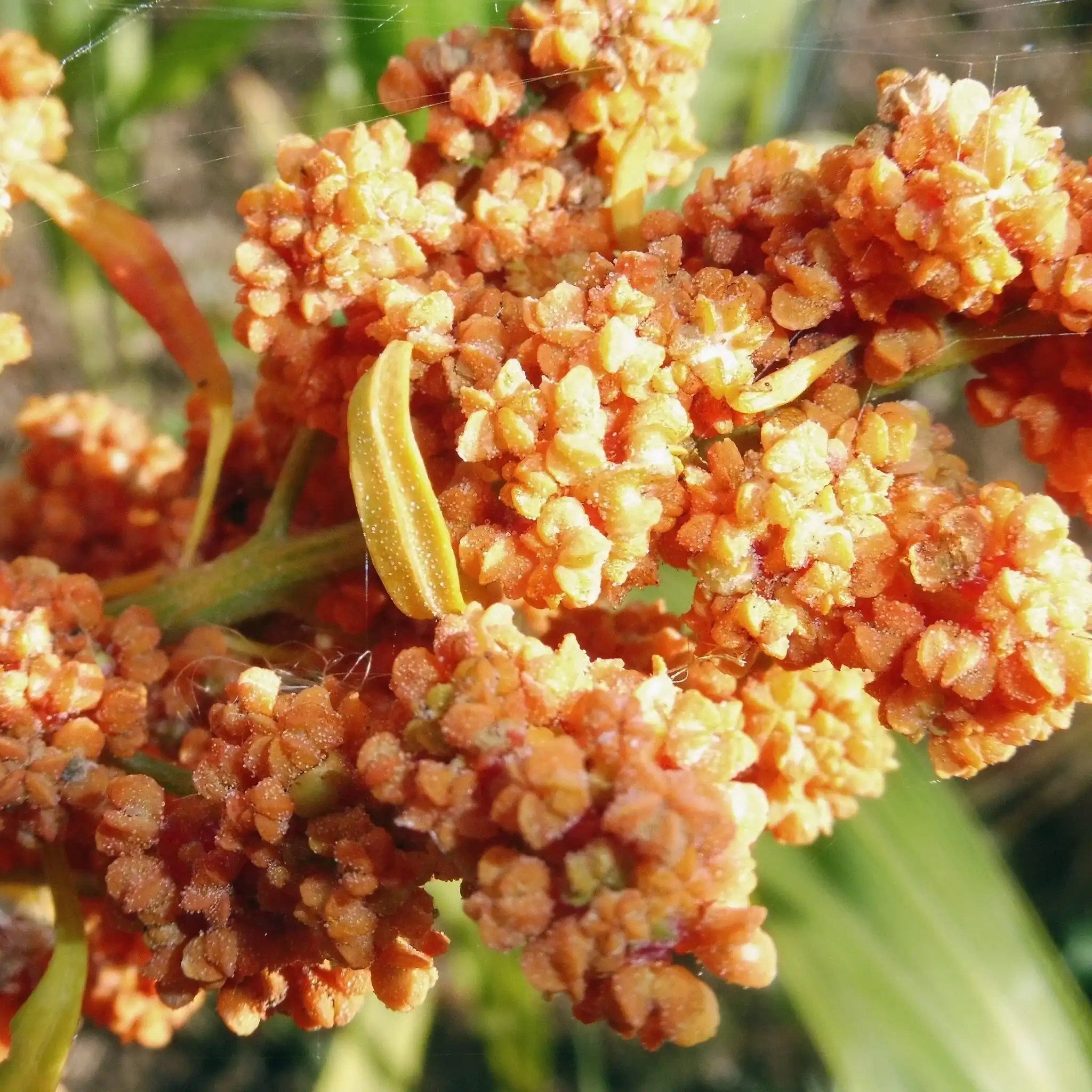
Quinoa
Chenopodium quinoa
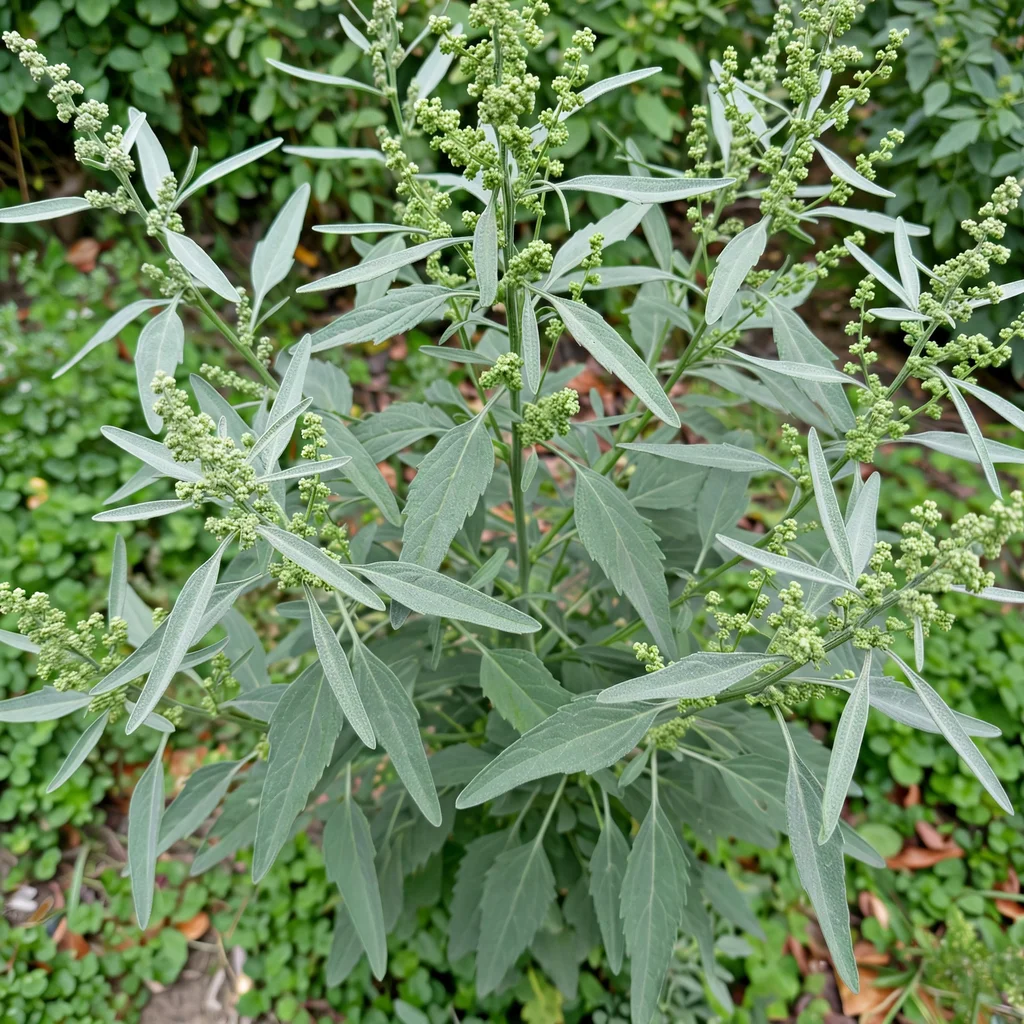
Lamb's Quarters
Chenopodium album
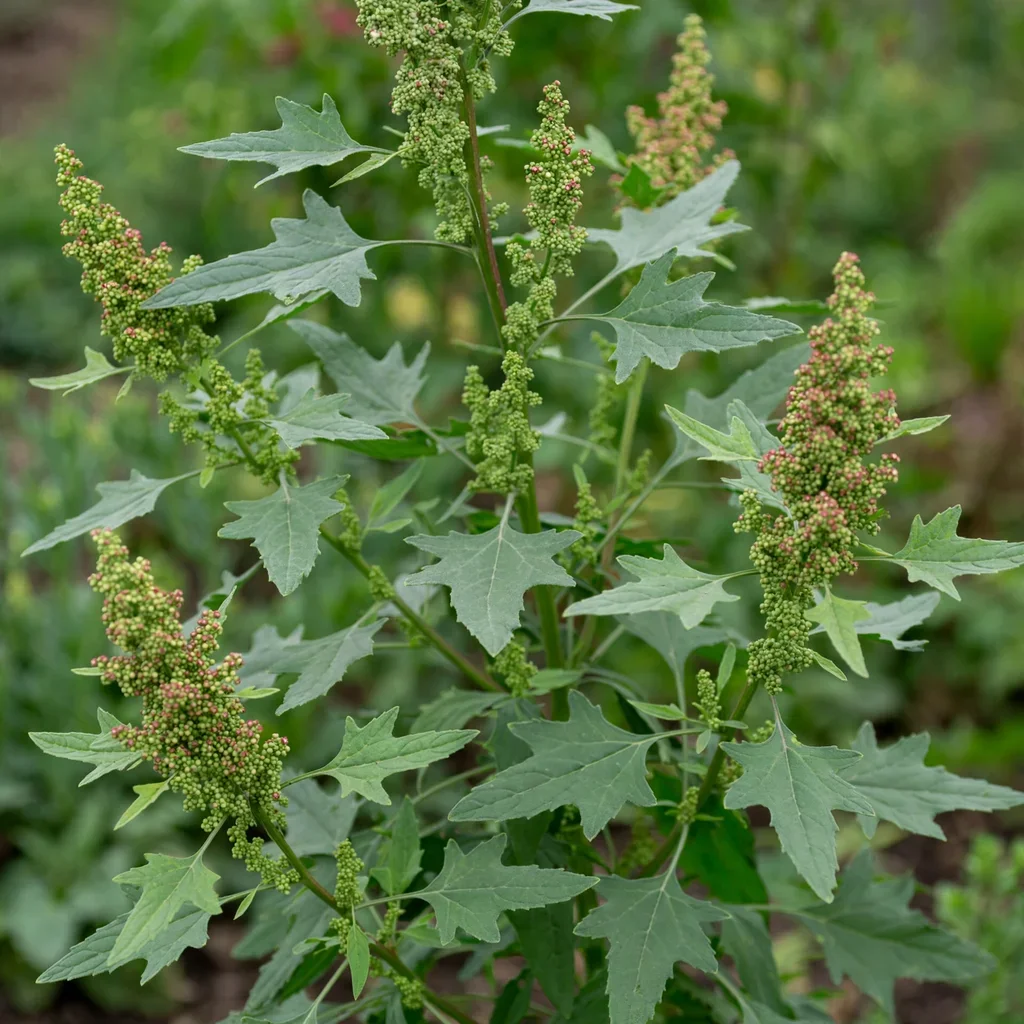
Quinoa Mix
Chenopodium quinoa 'Mix'
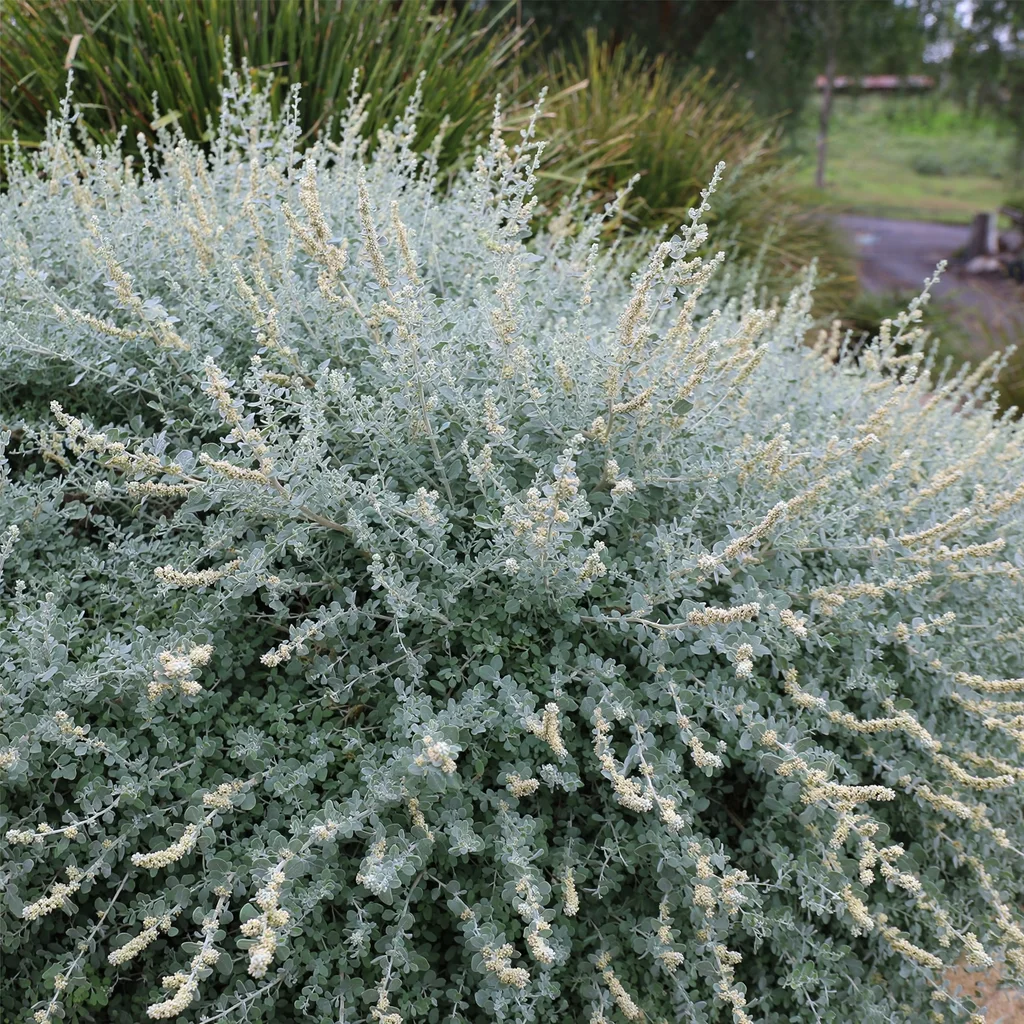
Spiny Saltbush
Chenopodium spinescens 'Aussie Flat Bush'
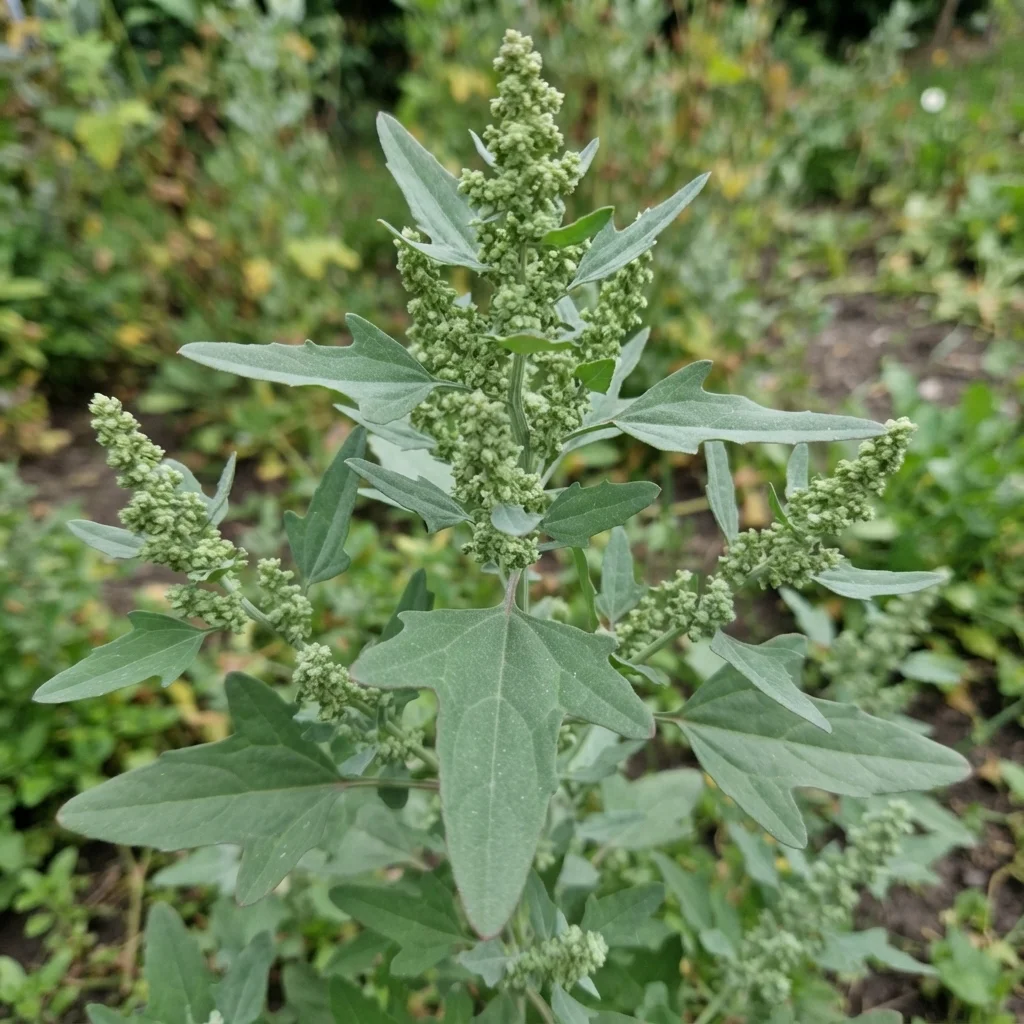
Fig-Leaved Goosefoot
Chenopodium ficifolium
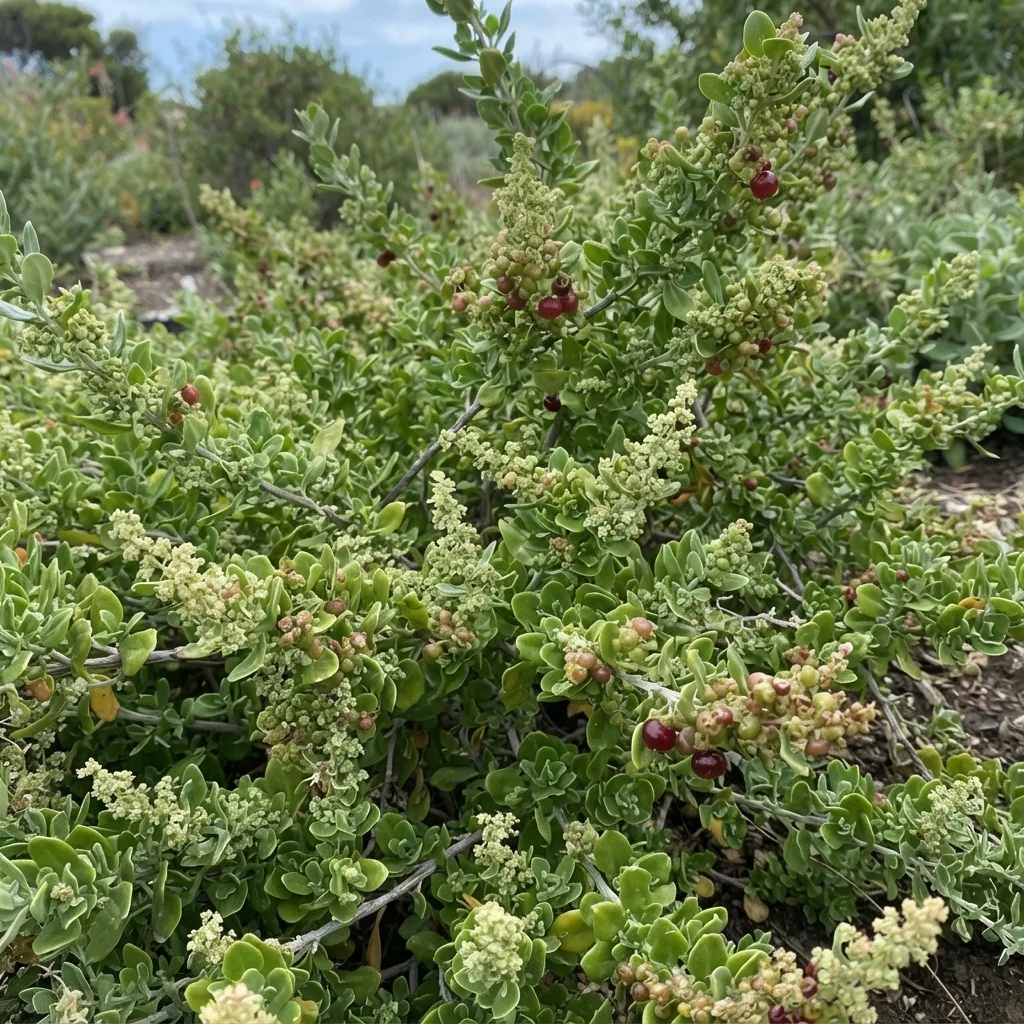
Seaberry saltbush
Chenopodium candolleanum
Keep exploring
Explore the genus
Hardy in your zone?
Grow California Goosefoot with confidence
See it in a design of your actual yard, get zone-matched care reminders, and track it season by season in your garden journal.