The Story
Plant Bio
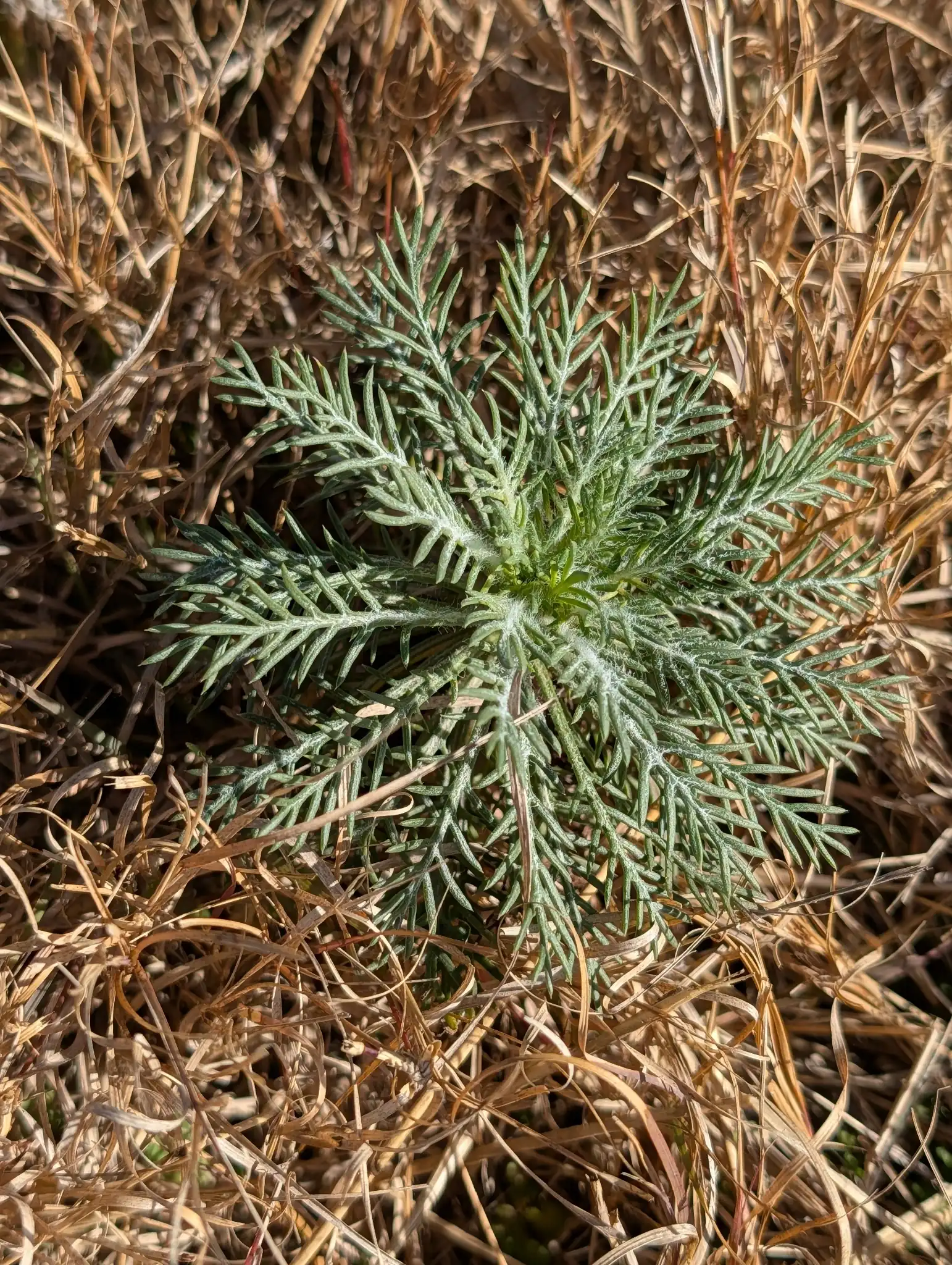
Ipomopsis rubra, the standing cypress, is an erect biennial wildflower from the southeastern United States reaching two to five feet in bloom, with narrow unbranched stems clothed in finely divided fernlike leaves. The flowers are narrow scarlet tubes to 1.5 inches long flaring to five pointed lobes, packed into a dense elongated spike at the stem tip through summer.
The soft threadlike leaf segments read as cypress needles from a distance, but the plant is in the phlox family and carries no woody trunk. Each scarlet tube is dotted yellow-red inside and opens to a five-pointed star, a shape sized for the ruby-throated hummingbird that pollinates it.
Uses & Benefits:
Essentials
At a Glance
Plant Type
Perennial
Height
60"
Width
24"
Light
Full Sun, Partial Sun
Zones
6, 7, 8, 9
Water
Low to medium
Humidity
Low
Lifespan
Biennial
Native To
Southeastern U.S.
Toxicity
Unknown
Bloom period
Summer – Fall
In flower about 6 months of the year
Planting
How to Grow
- Direct sow in fall just below the soil surface where plants are to grow, in full sun and very well-drained sandy soil.
- Or start indoors 6-8 weeks before last frost and set out small rosettes in spring without disturbing the taproot.
- Water to establish, then water rarely once growing; keep the crown dry and never leave soil soggy.
- Leave spent spikes to drop seed in place for next year's rosettes, then pull finished second-year stalks.
Pro Tip
Sow a fresh patch each fall for continuous bloom; first-year rosettes will not flower until their second summer, and wet soil kills faster than drought.
Keep It Thriving
Care Guide
Do
- Plant in full sun with sharp drainage and open air flow
- Allow plants to self-sow where a yearly colony is wanted
- Keep soil on the dry side once established
Don't
- Do not overwater or plant in heavy clay that stays wet
- Do not expect the same crown to return and rebloom like a perennial
- Do not cut all spikes before seed ripens if you want it to persist
Seasonal Care Calendar
| Task | Jan | Feb | Mar | Apr | May | Jun | Jul | Aug | Sep | Oct | Nov | Dec |
|---|---|---|---|---|---|---|---|---|---|---|---|---|
| Deadhead | ||||||||||||
| Pest Check | ||||||||||||
| Plant | ||||||||||||
| Propagate |
Watch Out For
Pests & Diseases
Common Pests
Common Diseases
In the Garden
Landscape Uses & Companions
Landscape Uses
Multiply
Propagation Methods
Good to Know
Common Questions
Standing Cypress questions
What zones can Standing Cypress grow in?
Standing Cypress is hardy in USDA Zones 6–9: in that range it survives winter in the ground. Colder than Zone 6, grow it in a container you can move to shelter for the winter, or as an annual. Warmer than Zone 9, winter isn't the problem: it prefers colder winters, and summer heat can shorten its life.
Is Standing Cypress deer resistant?
Yes — Standing Cypress is rated deer-resistant. Deer typically pass it over, though extreme hunger can override any plant's defenses.
When does Standing Cypress bloom?
Standing Cypress typically blooms from summer to fall. Exact timing shifts a week or two with your zone — Sow's bloom calendar maps it to your garden.
Does Standing Cypress need full sun?
Standing Cypress does best in full sun to part shade. In hot climates, afternoon shade keeps blooms fresher longer.
Is Standing Cypress drought tolerant?
Yes — once established (usually after the first full season), Standing Cypress handles dry spells with minimal watering. Water deeply its first year to build the root system that makes that possible.
Keep exploring
Explore the genus
Hardy in your zone?
Grow Standing Cypress with confidence
See it in a design of your actual yard, get zone-matched care reminders, and track it season by season in your garden journal.