The Story
Plant Bio
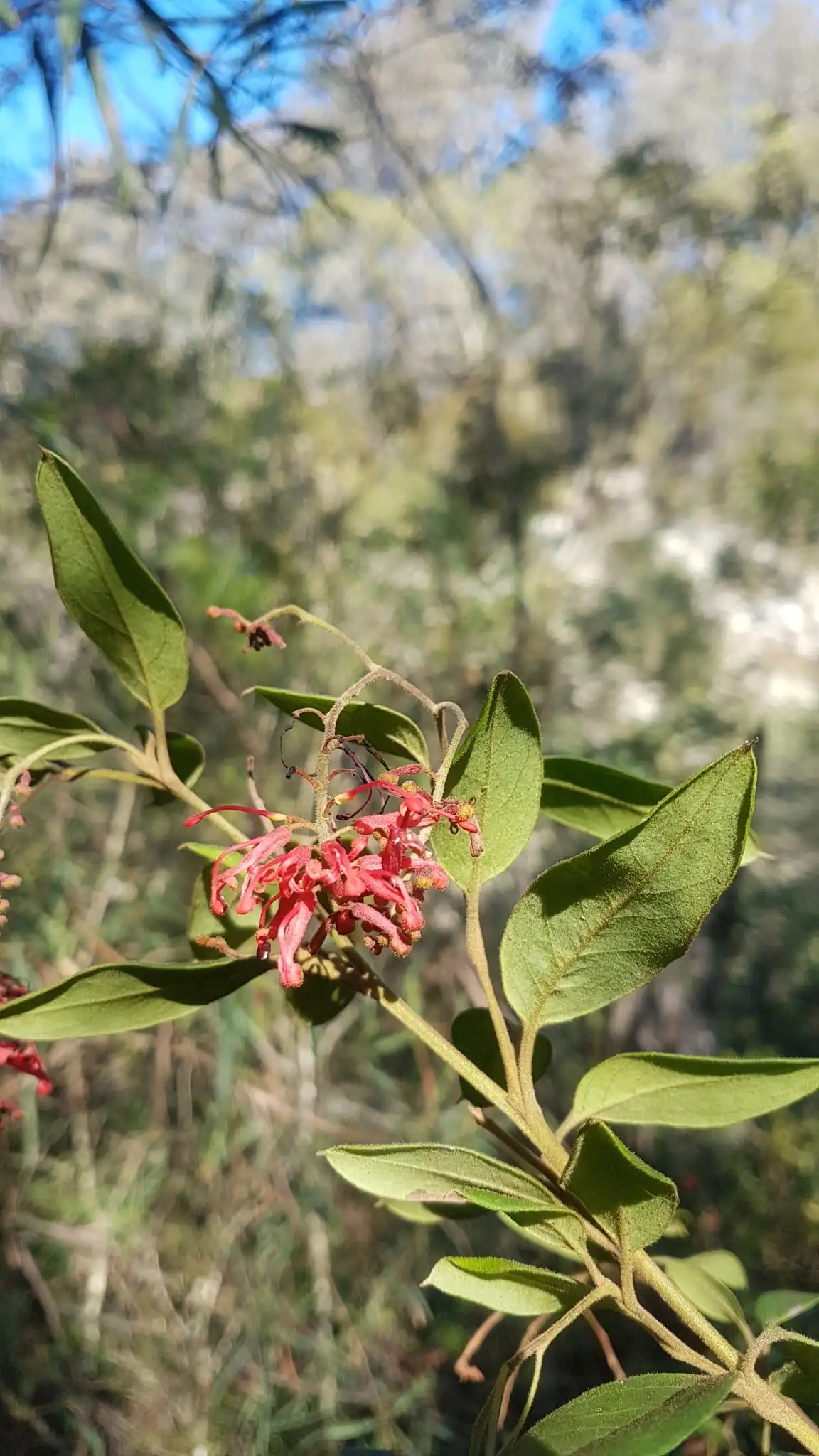
Grevillea rhyolitica is an evergreen Australian shrub reaching four to five feet in cultivation, with elliptic to lance-shaped olive-green leaves that are paler and sparsely hairy beneath. The flowers have no showy petals; the display comes from decurved spider-like clusters of red tubular flowers with hairy perianths and styles about three-quarters of an inch long held out beyond the cluster.
This southeastern New South Wales endemic grows as a dense, more or less erect to spreading bush that holds foliage low, working as a small hedge, specimen or container plant. It blooms heaviest from late spring through summer with repeat flushes through the year in mild climates, the ovoid-globose clusters carried pendent at the shoot tips.
Uses & Benefits:
Essentials
At a Glance
Plant Type
Shrub
Height
60"
Width
54"
Light
Full Sun, Partial Sun
Zones
9, 10
Water
Low
Humidity
Low
Lifespan
Long-lived shrub
Native To
South-eastern New South Wales, Australia
Toxicity
Unknown
Bloom period
Late spring – Summer
In flower about 4 months of the year
Planting
How to Grow
- Plant in spring or early fall in full sun in sharply drained sandy or gravelly loam free of limestone.
- Dig the hole no deeper than the root ball and set the crown slightly high to shed water.
- Water deeply at planting, then water only when the top few inches are dry; established plants need only occasional deep watering.
- Feed at most once in spring with a low-phosphorus slow-release fertilizer for natives, or skip feeding in poor soils.
- Tip-prune lightly after each flower flush to keep the bush dense; never cut back into bare old wood.
Pro Tip
Plant it high in poor, sharply drained soil and leave it alone; hard pruning, frequent fertilizer and frequent water kill it faster than neglect.
Keep It Thriving
Care Guide
Do
- Plant high in sharply drained soil in full sun for best flowering
- Water deeply but infrequently once established
- Tip-prune lightly after each flush to encourage rebloom
Don't
- Do not plant in clay or low spots that stay wet
- Do not use high-phosphorus fertilizers; phosphorus toxicity causes yellowing and death
- Do not shear back into leafless old wood
Seasonal Care Calendar
| Task | Jan | Feb | Mar | Apr | May | Jun | Jul | Aug | Sep | Oct | Nov | Dec |
|---|---|---|---|---|---|---|---|---|---|---|---|---|
| Fertilize | ||||||||||||
| Mulch | ||||||||||||
| Pest Check | ||||||||||||
| Plant | ||||||||||||
| Prune |
Watch Out For
Pests & Diseases
Common Pests
Common Diseases
In the Garden
Landscape Uses & Companions
Landscape Uses
Multiply
Propagation Methods
Good to Know
Common Questions
Deua Flame questions
What zones can Deua Flame grow in?
Deua Flame is hardy in USDA Zones 9–10: in that range it survives winter in the ground. Colder than Zone 9, grow it in a container you can move to shelter for the winter.
When does Deua Flame bloom?
Deua Flame typically blooms from late spring to late summer. Exact timing shifts a week or two with your zone — Sow's bloom calendar maps it to your garden.
Does Deua Flame need full sun?
Deua Flame does best in full sun to part shade. In hot climates, afternoon shade keeps blooms fresher longer.
Is Deua Flame drought tolerant?
Yes — once established (usually after the first full season), Deua Flame handles dry spells with minimal watering. Water deeply its first year to build the root system that makes that possible.
More Grevillea to compare
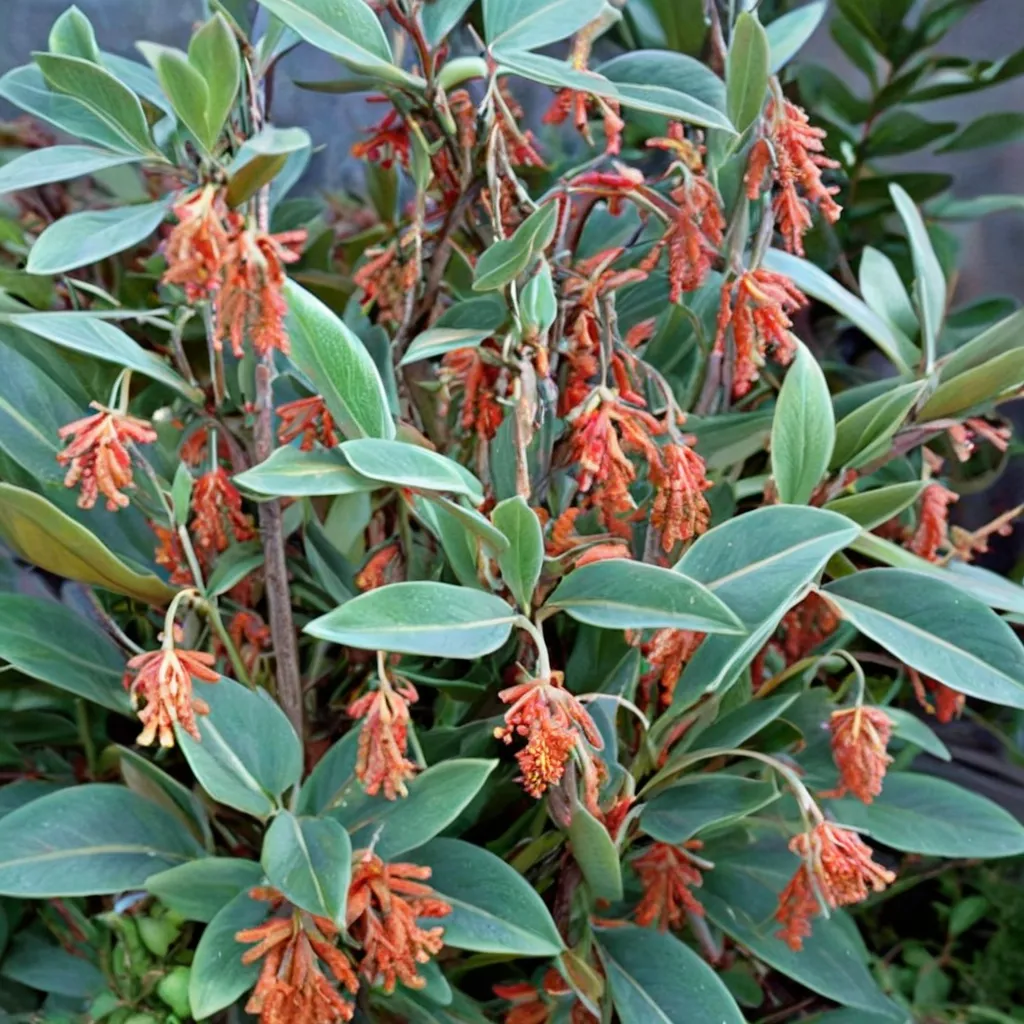
Murray Queen Grevillea
Grevillea victoriae 'Murray Queen'
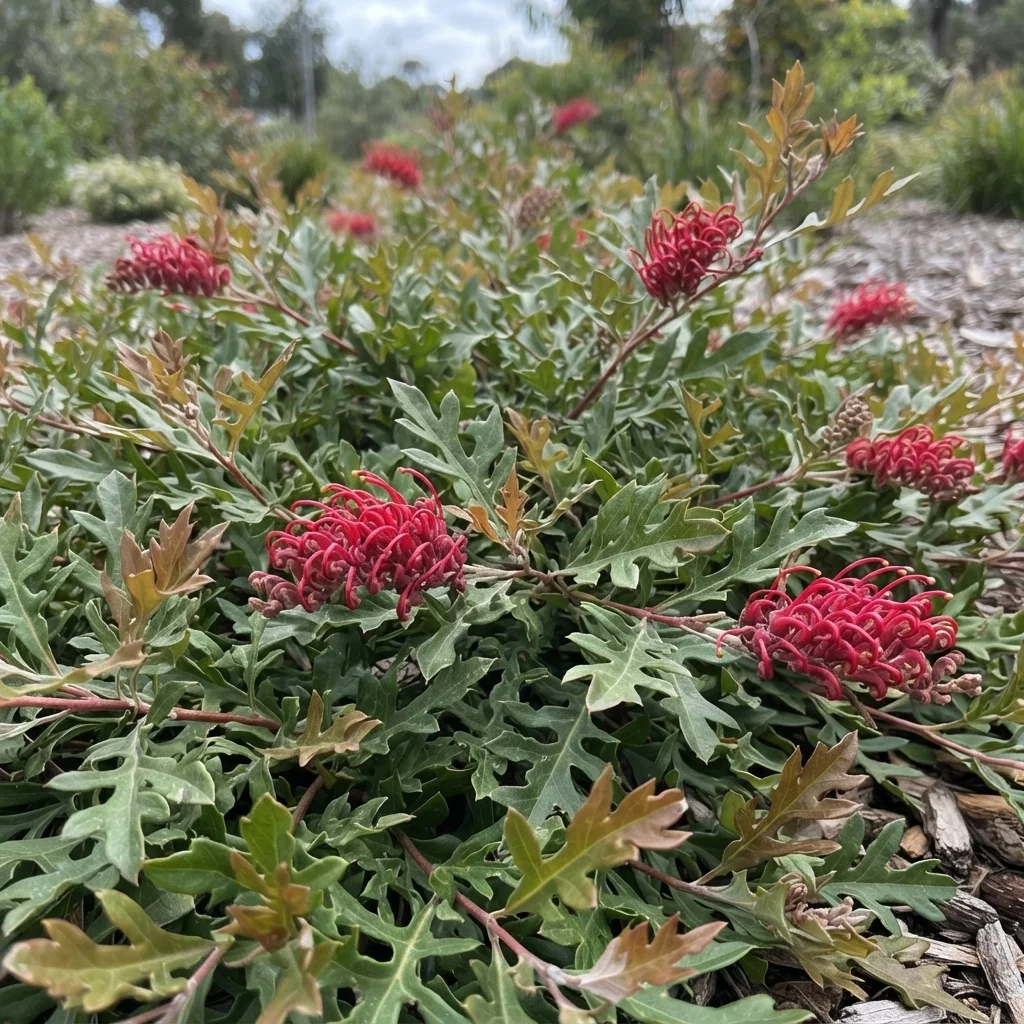
Prostrate Grevillea
Grevillea × gaudichaudii 'Gaudi Chaudi'
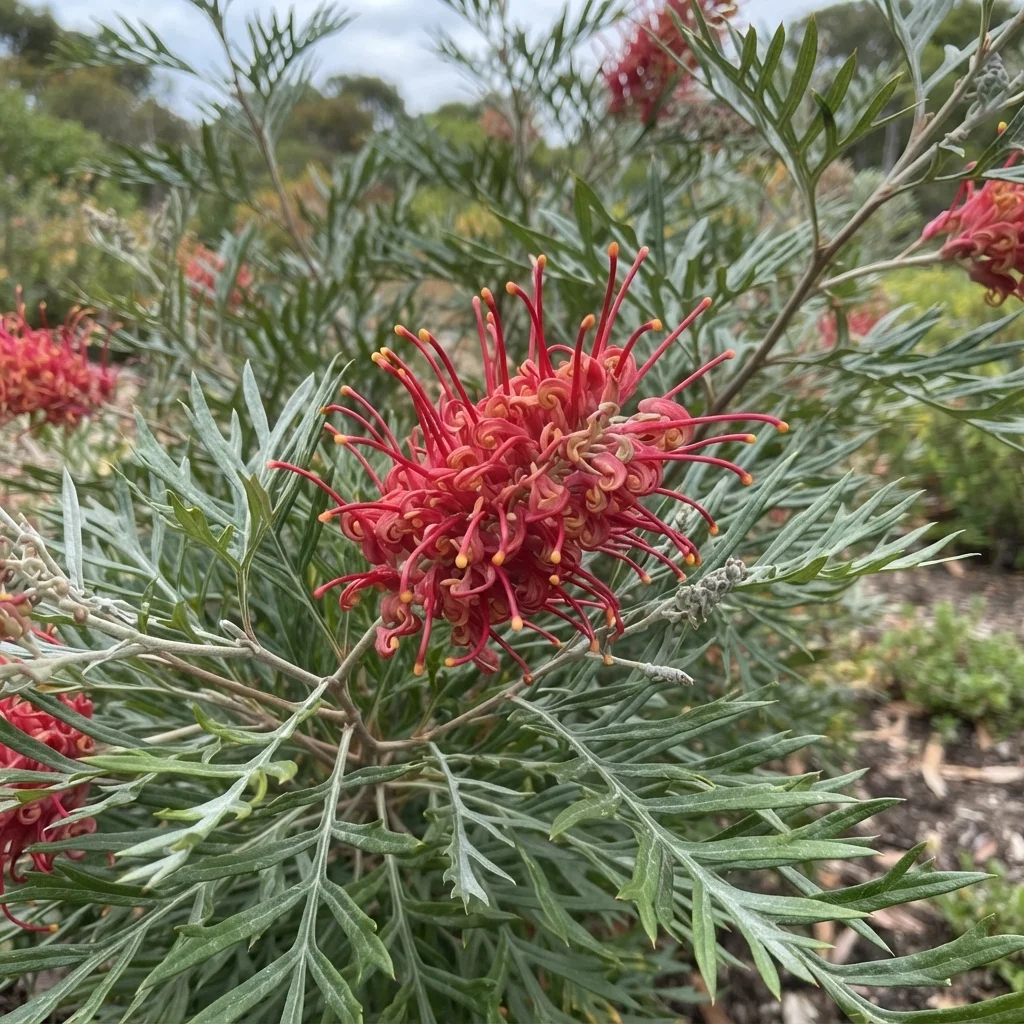
Superb Grevillea
Grevillea x hybrida 'Superb'
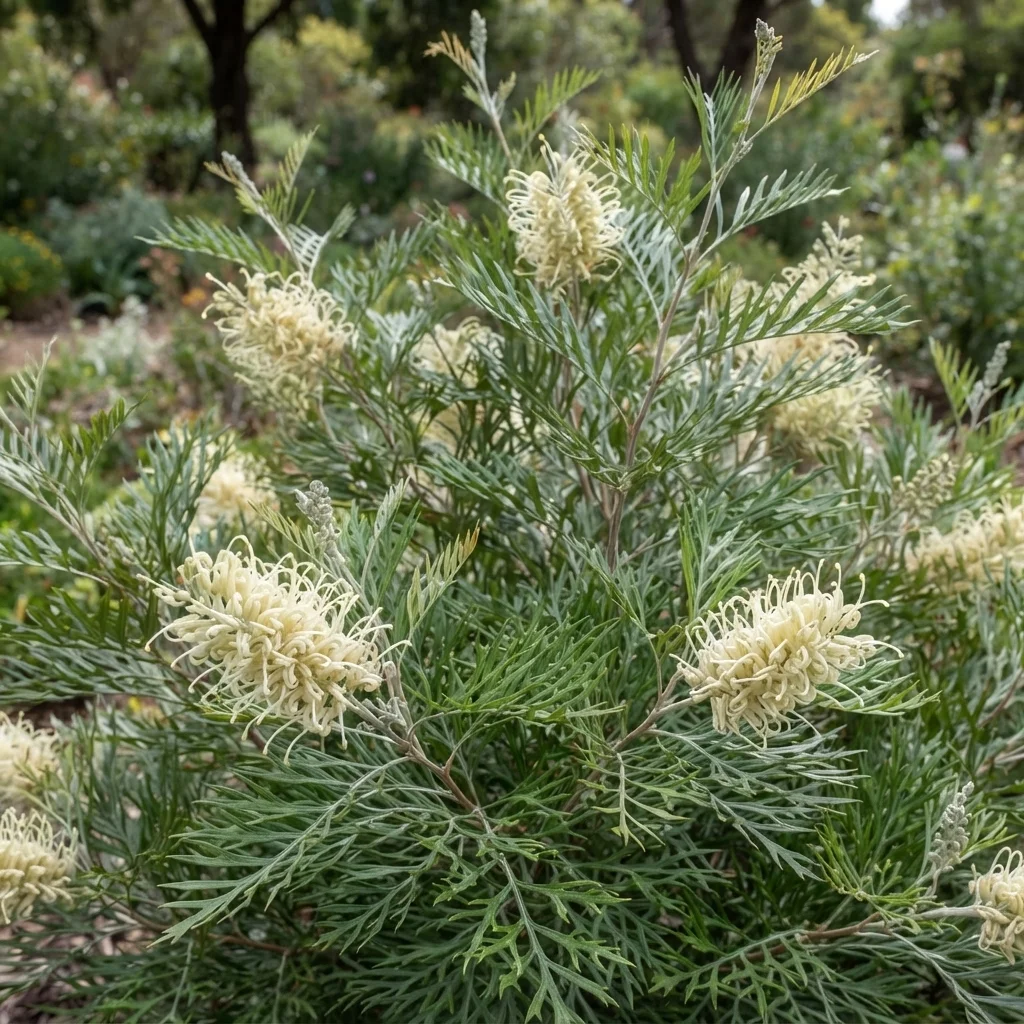
Moonlight Grevillea
Grevillea x hybrida 'Moonlight'
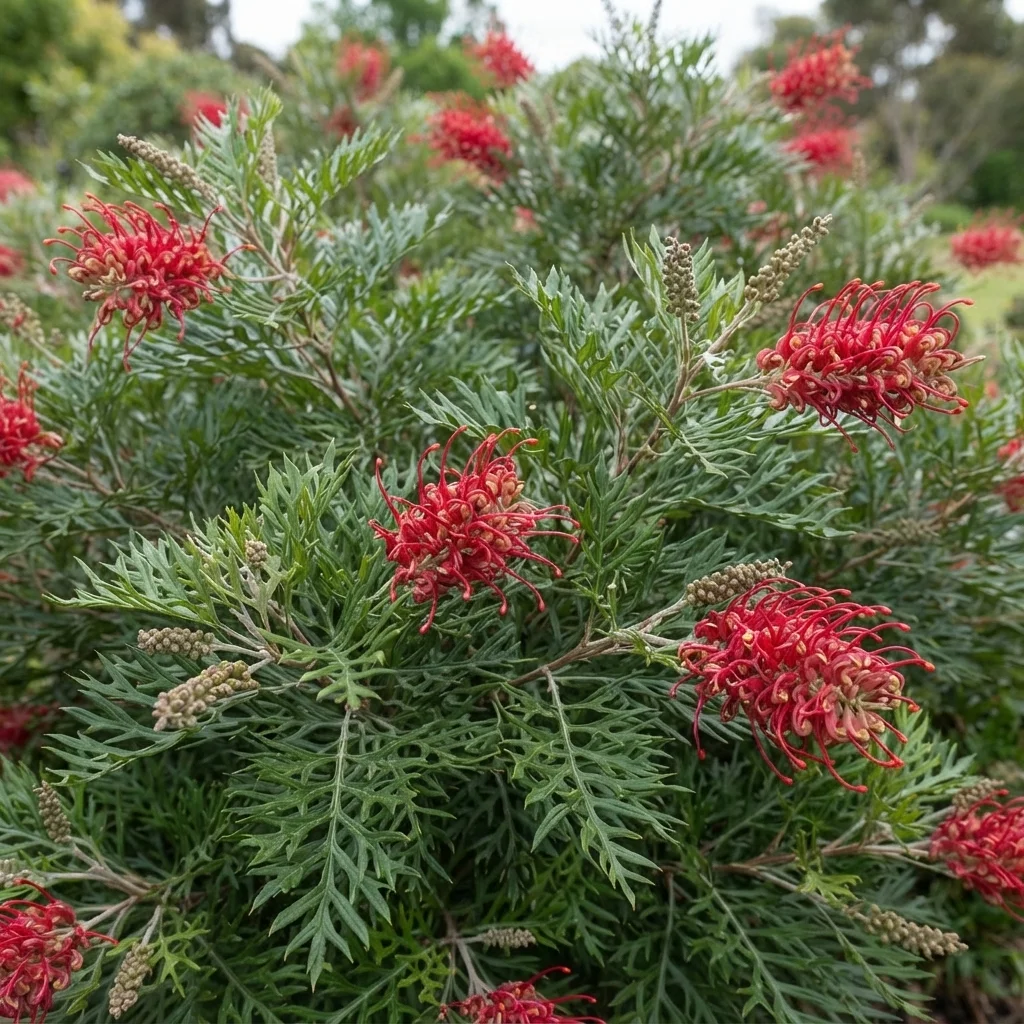
Robyn Gordon Grevillea
Grevillea x hybrida 'Robyn Gordon'
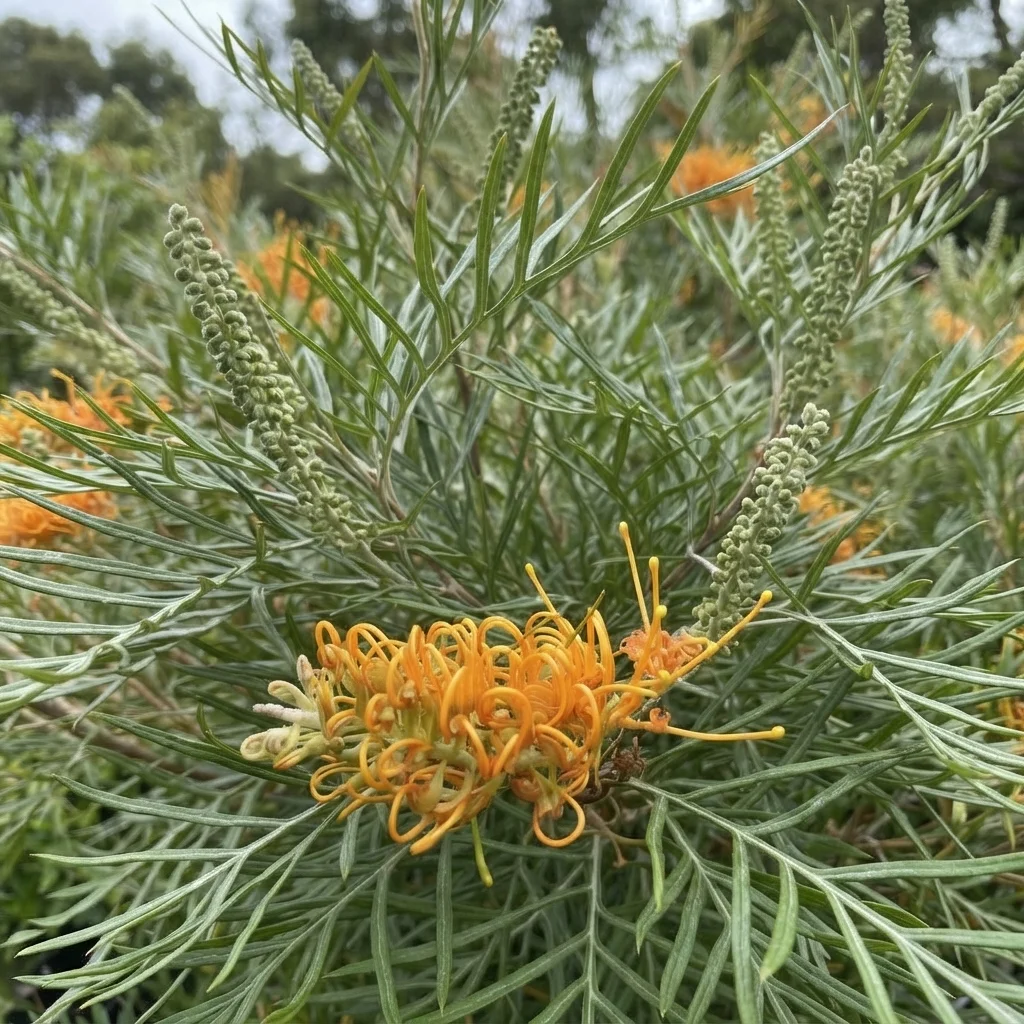
Honey Gem Grevillea
Grevillea x hybrida 'Honey Gem'
Keep exploring
Explore the genus
Hardy in your zone?
Grow Deua Flame with confidence
See it in a design of your actual yard, get zone-matched care reminders, and track it season by season in your garden journal.