The Story
Plant Bio
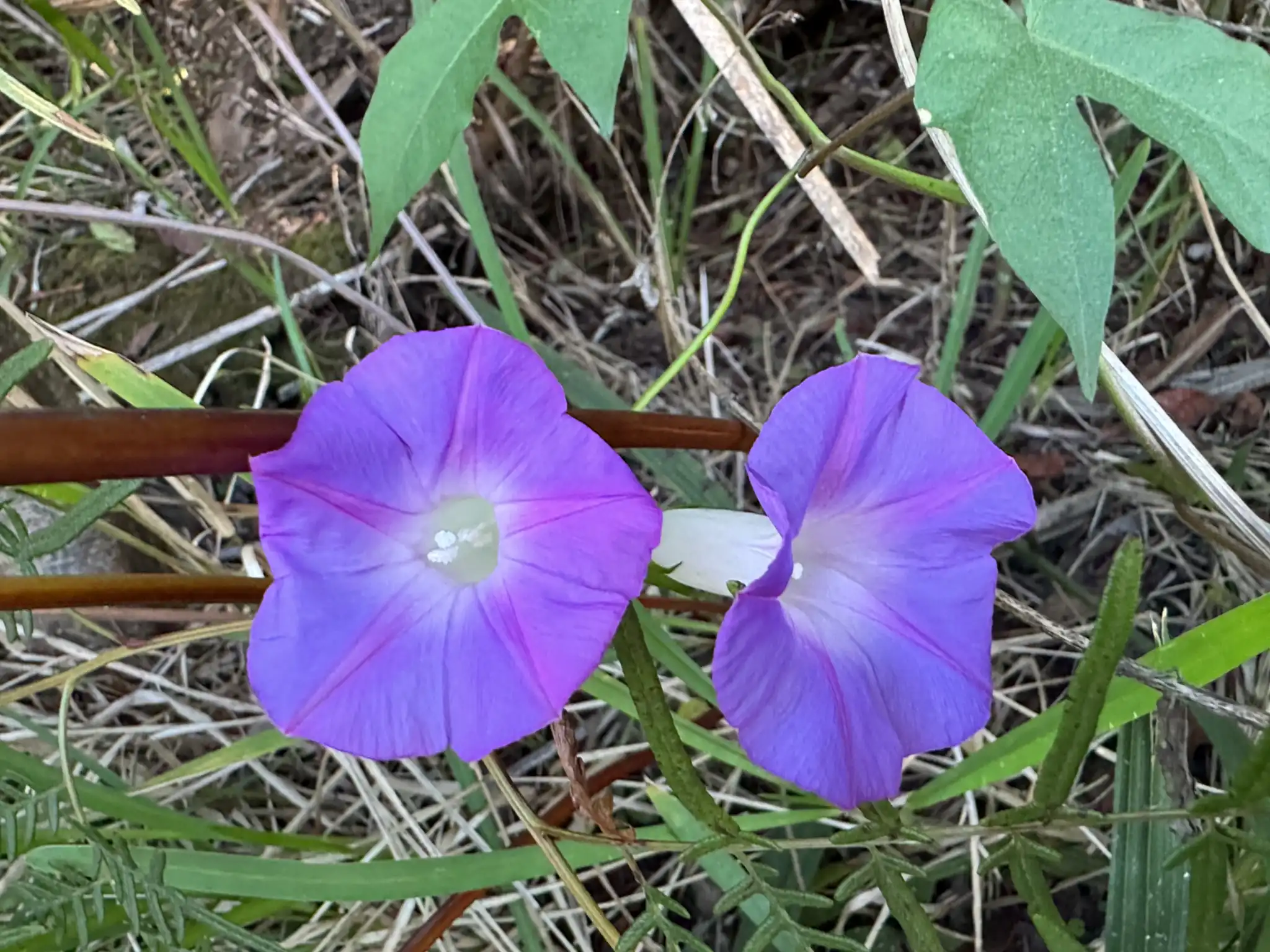
Ipomoea indica, the blue morning glory, is a vigorous evergreen twining vine from tropical America reaching four to fifteen feet in gardens and climbing far higher where established, with broad heart-shaped leaves hairy above and silky beneath on long stalks. The display comes from funnel-shaped violet-blue flowers with paler bands and a darker throat, borne in clusters of three to twelve on long stalks from spring to fall.
Unlike common annual morning glories it persists as a perennial vine that roots where stem nodes touch soil and resprouts from any crown or stem fragment left behind. It is separated from Ipomoea purpurea by its long-attenuate sepals over half an inch long and its large heart-shaped to three- to five-lobed leaves two to seven inches long.
Uses & Benefits:
Essentials
At a Glance
Plant Type
Vine
Height
177"
Width
120"
Light
Full Sun
Zones
8, 9, 10
Water
Moderate
Humidity
High
Lifespan
Perennial
Native To
Tropical America
Toxicity
Toxic to humans and pets
Bloom period
Spring – Fall
In flower about 9 months of the year
Planting
How to Grow
- Plant after frost in full sun in moist, nutrient-rich soil, spacing to allow 6 to 10 feet of vine run.
- Provide a sturdy trellis, fence or arbor at planting; tie young shoots until they begin to twine.
- Water regularly to establish, then water moderately and allow the top few inches to dry between waterings.
- Cut back to control spread and remove frost-damaged top growth in late winter; mulch the crown in zone 8.
Pro Tip
Cut back wandering stems before nodes touch soil; any fragment left on moist ground roots and starts a new plant.
Keep It Thriving
Care Guide
Do
- Do give full sun and steady moisture for best flowering.
- Do train and tie to its support while young.
- Do remove spent stems and stem fragments from the site.
Don't
- Do not let trailing stems lie on soil where nodes can root.
- Do not compost crown, roots or stem pieces; bag and discard them.
- Do not plant where it can climb into trees or escape in mild-winter California.
Seasonal Care Calendar
| Task | Jan | Feb | Mar | Apr | May | Jun | Jul | Aug | Sep | Oct | Nov | Dec |
|---|---|---|---|---|---|---|---|---|---|---|---|---|
| Fertilize | ||||||||||||
| Pest Check | ||||||||||||
| Plant | ||||||||||||
| Prune | ||||||||||||
| Winter Prep |
Watch Out For
Pests & Diseases
Common Pests
Common Diseases
In the Garden
Landscape Uses & Companions
Landscape Uses
Companion Plants
Multiply
Propagation Methods
Good to Know
Common Questions
Blue Morning Glory questions
What zones can Blue Morning Glory grow in?
Blue Morning Glory is hardy in USDA Zones 8–10: in that range it survives winter in the ground. Colder than Zone 8, grow it in a container you can move to shelter for the winter, or as an annual.
Is Blue Morning Glory deer resistant?
Yes — Blue Morning Glory is rated deer-resistant. Deer typically pass it over, though extreme hunger can override any plant's defenses.
When does Blue Morning Glory bloom?
Blue Morning Glory typically blooms from spring to fall. Exact timing shifts a week or two with your zone — Sow's bloom calendar maps it to your garden.
Does Blue Morning Glory need full sun?
Blue Morning Glory does best in full sun (6+ hours).
Is Blue Morning Glory drought tolerant?
Yes — once established (usually after the first full season), Blue Morning Glory handles dry spells with minimal watering. Water deeply its first year to build the root system that makes that possible.
More Ipomoea to compare
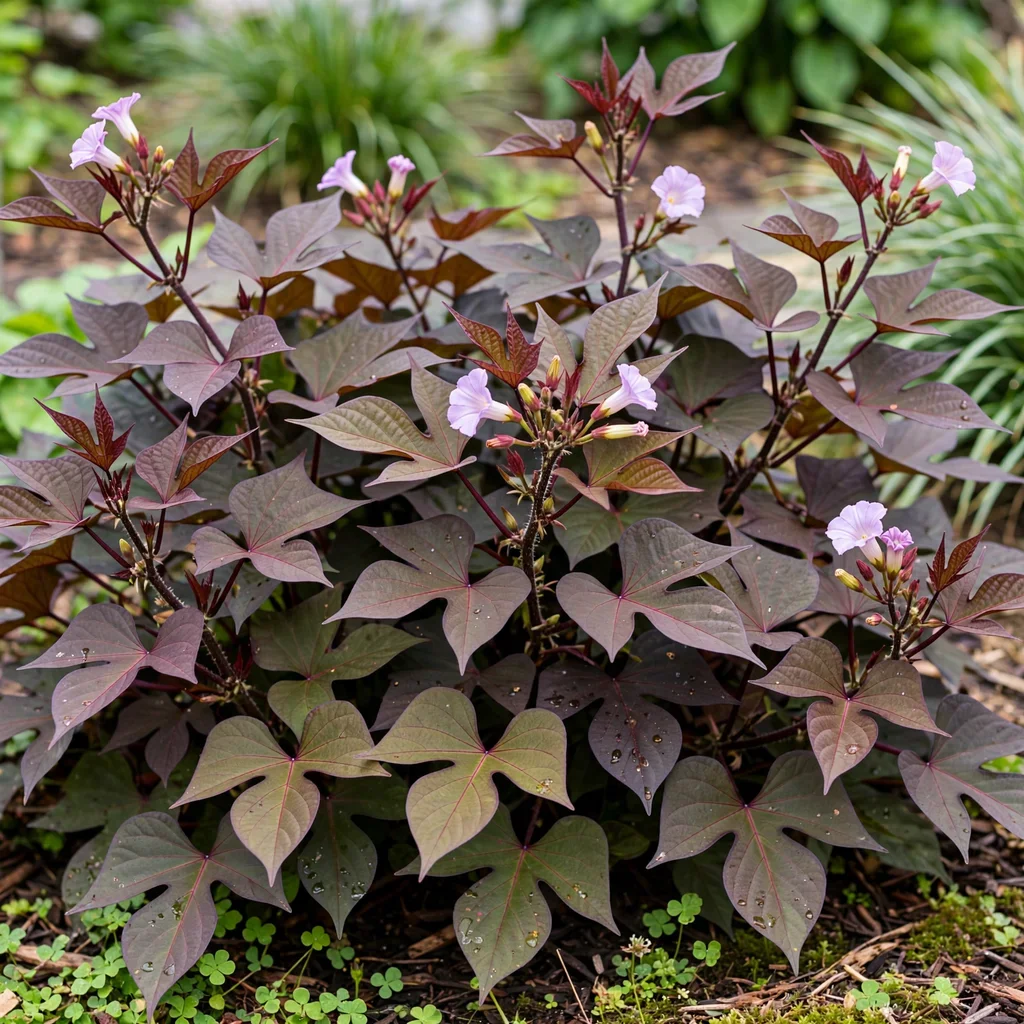
Sweet Potato
Ipomoea batatas 'Sweet Georgia Bronze'
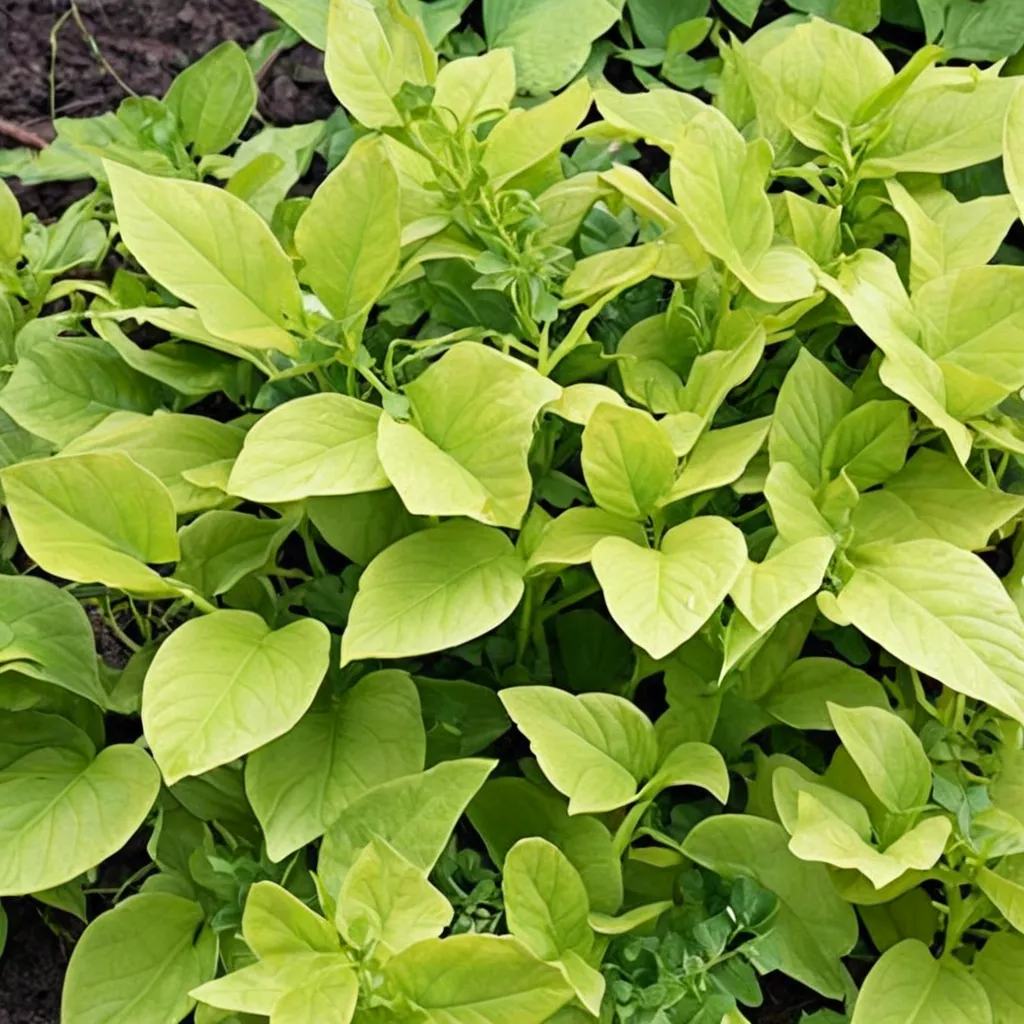
Margarita Sweet Potato Vine
Ipomoea batatas 'Margarita'
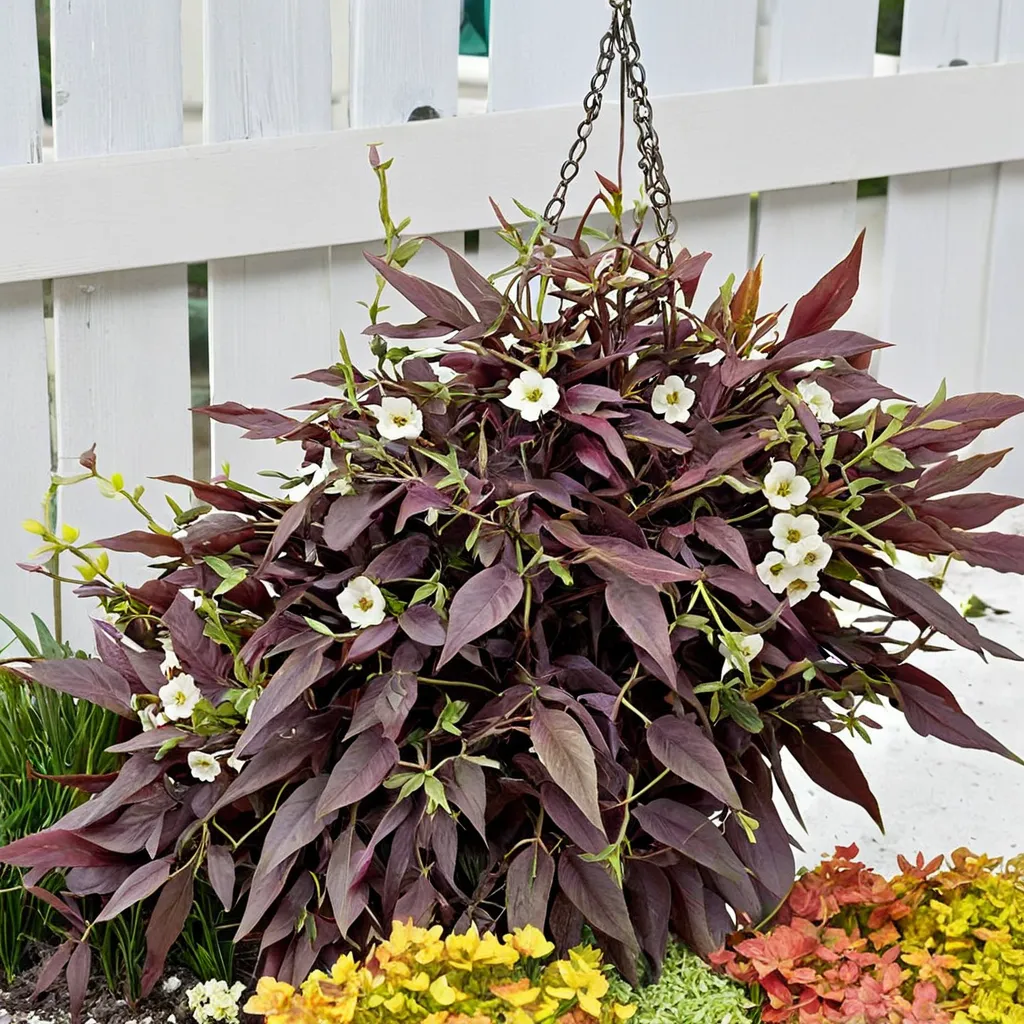
Sweet Caroline Upside Black Coffee Sweet Potato Vine
Ipomoea batatas 'Sweet Caroline Upside Black Coffee'
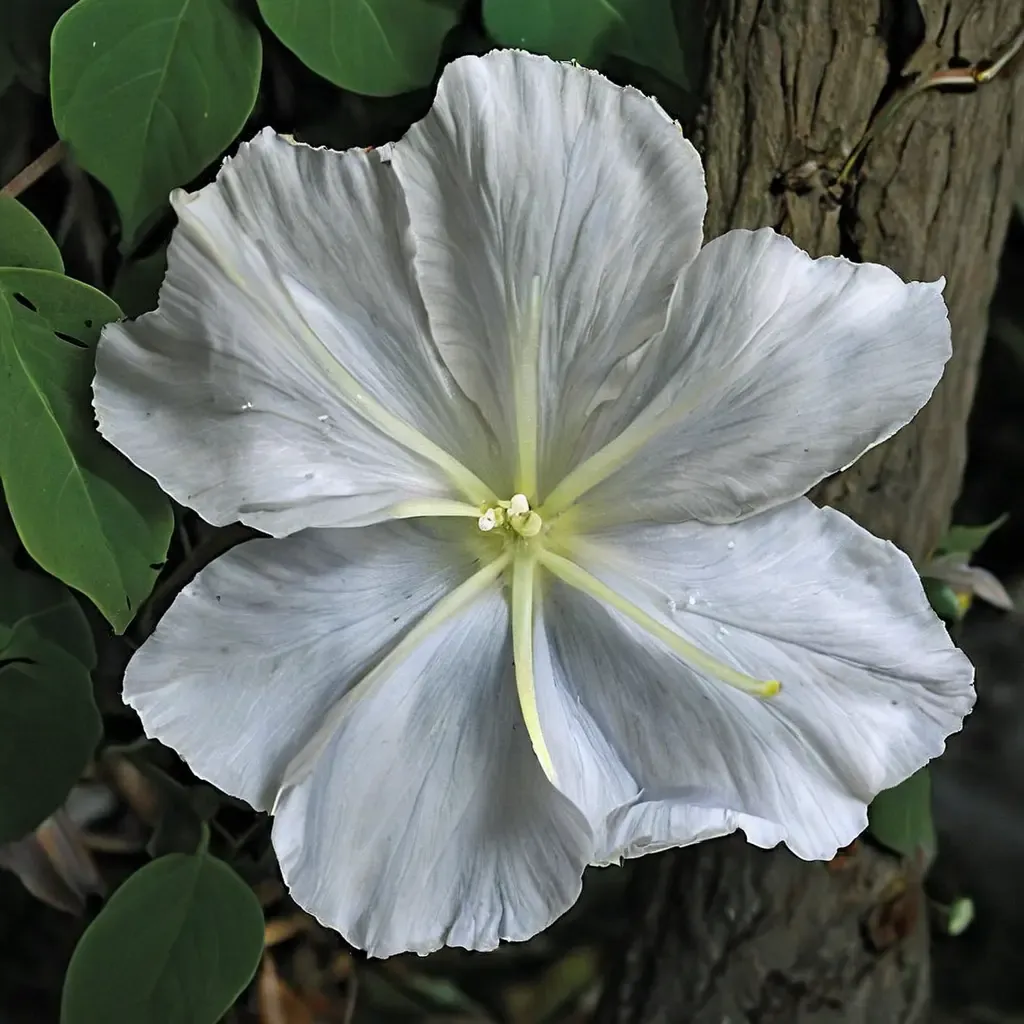
Moonflower
Ipomoea alba
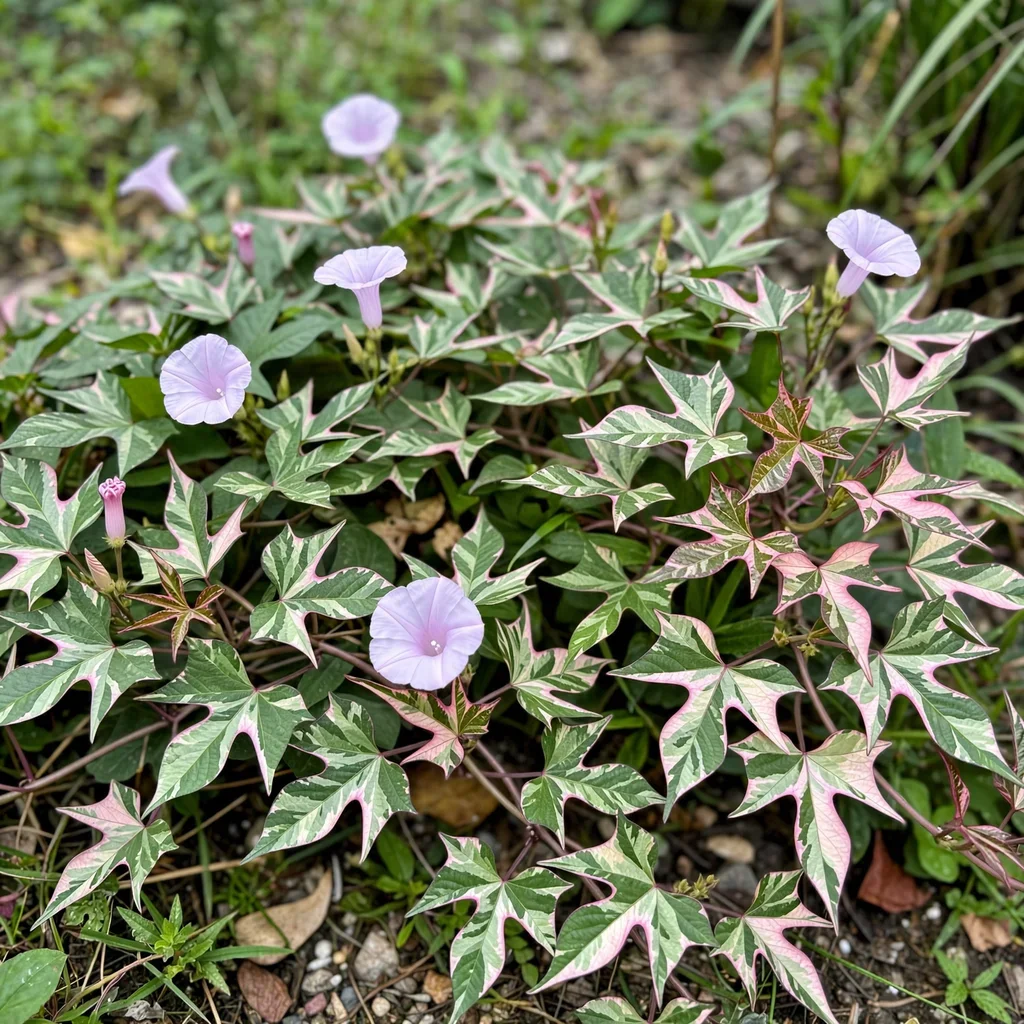
Tricolor Sweet Potato Vine
Ipomoea batatas 'Tricolor'
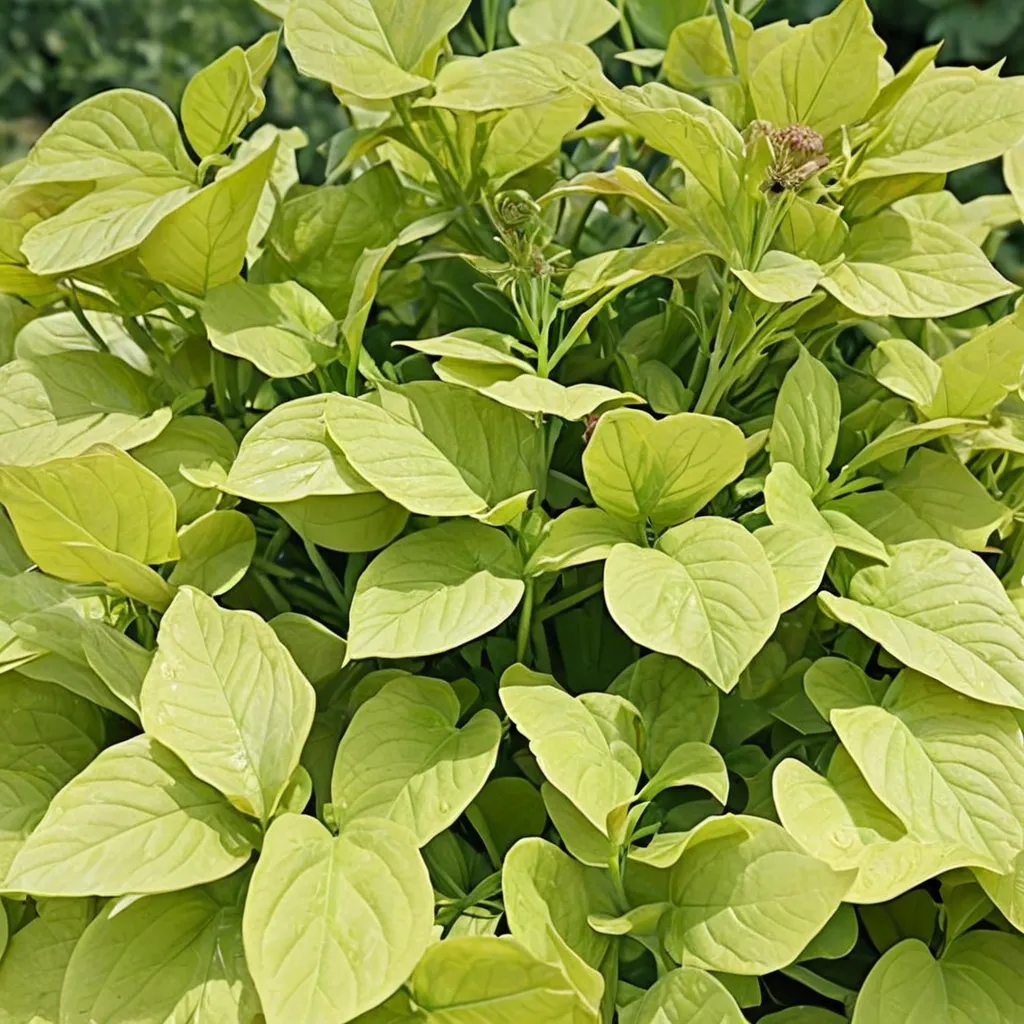
Sweet Potato Vine 'Sweet Caroline Sweetheart Lime'
Ipomoea batatas 'Sweet Caroline Sweetheart Lime'
Keep exploring
Explore the genus
Hardy in your zone?
Grow Blue Morning Glory with confidence
See it in a design of your actual yard, get zone-matched care reminders, and track it season by season in your garden journal.