
The Story
Plant Bio
Delosperma sphalmanthoides is a dwarf mat-forming succulent from shallow sandstone soils in the Komsberg Mountains, forming a low creeping carpet only one to two inches high. The leaves are tiny cylindrical finger-like and glaucous blue-green, packed into dense tufts that store water and close the mat against drying wind.
It is the smallest species in the genus, yet it produces solitary daisy-like magenta to fuchsia-pink flowers about half an inch across that open at midday in spring. Unlike many ice plants it tolerates cold to around minus twenty degrees Fahrenheit when kept dry, failing from wet winter soil rather than from frost.
Uses & Benefits:
Essentials
At a Glance
Plant Type
Groundcover
Height
2"
Width
8"
Light
Full Sun, Partial Sun
Zones
5, 6, 7, 8, 9, 10
Water
Low
Humidity
Low, needs airy site
Lifespan
~20 years
Native To
South Africa (Cape Provinces)
Toxicity
No toxicity found; reported pet safe
Bloom period
Spring – Summer
In flower about 6 months of the year
Planting
How to Grow
- Plant in spring in full sun in gritty sandy soil amended with about 50 percent coarse sand, pumice, or perlite.
- Set the mat at soil level in a raised bed or container with drainage holes; firm lightly and water in once.
- Water regularly through the first season to establish, then water only when the soil is fully dry.
- Feed sparingly or not at all; if growth is pale, apply one dilute cactus fertilizer dose during spring growth.
- Leave spent flowers alone; they disappear naturally and no shearing is needed.
Pro Tip
Water deeply to establish, then keep it lean and dry; most losses come from wet winter soil and heavy grade, not from cold.
Keep It Thriving
Care Guide
Do
- Plant in excellent drainage in a raised bed or container with holes.
- Give full sun with open air flow.
- Water to establish, then water sparingly only when dry.
Don't
- Do not plant in heavy clay or low spots that stay wet in winter.
- Do not overwater or fertilize heavily; rich wet soil rots the crown.
- Do not shear annually; no regular pruning is needed.
Seasonal Care Calendar
| Task | Jan | Feb | Mar | Apr | May | Jun | Jul | Aug | Sep | Oct | Nov | Dec |
|---|---|---|---|---|---|---|---|---|---|---|---|---|
| Fertilize | ||||||||||||
| Pest Check | ||||||||||||
| Plant | ||||||||||||
| Propagate | ||||||||||||
| Winter Prep |
Watch Out For
Pests & Diseases
Common Pests
Common Diseases
In the Garden
Landscape Uses & Companions
Landscape Uses
Multiply
Propagation Methods
Good to Know
Common Questions
Tufted Ice Plant questions
What zones can Tufted Ice Plant grow in?
Tufted Ice Plant is hardy in USDA Zones 5–10: in that range it survives winter in the ground. Colder than Zone 5, grow it in a container you can move to shelter for the winter, or as an annual.
When does Tufted Ice Plant bloom?
Tufted Ice Plant typically blooms from spring to summer. Exact timing shifts a week or two with your zone — Sow's bloom calendar maps it to your garden.
Does Tufted Ice Plant need full sun?
Tufted Ice Plant does best in full sun to part shade. In hot climates, afternoon shade keeps blooms fresher longer.
Is Tufted Ice Plant drought tolerant?
Yes — once established (usually after the first full season), Tufted Ice Plant handles dry spells with minimal watering. Water deeply its first year to build the root system that makes that possible.
More Delosperma to compare
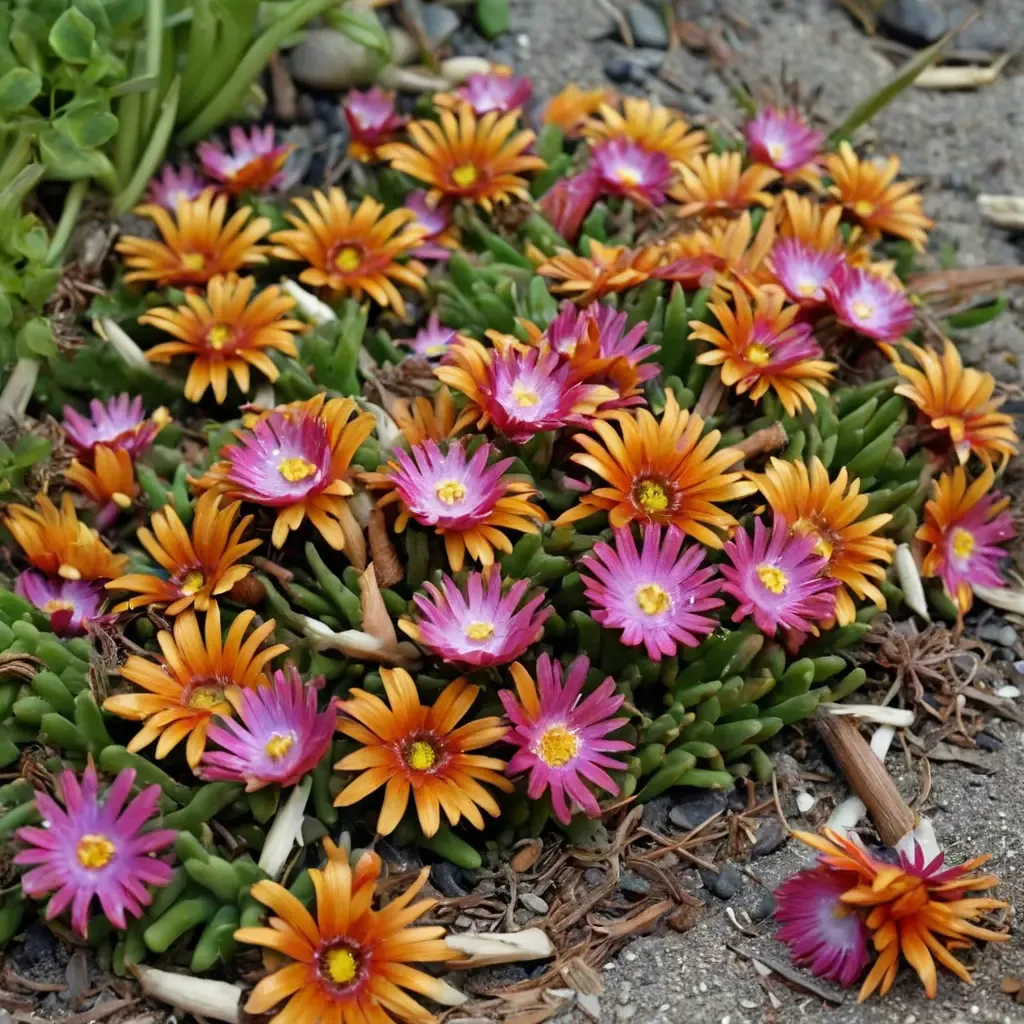
Fire Spinner Ice Plant
Delosperma cooperi 'Fire Spinner'
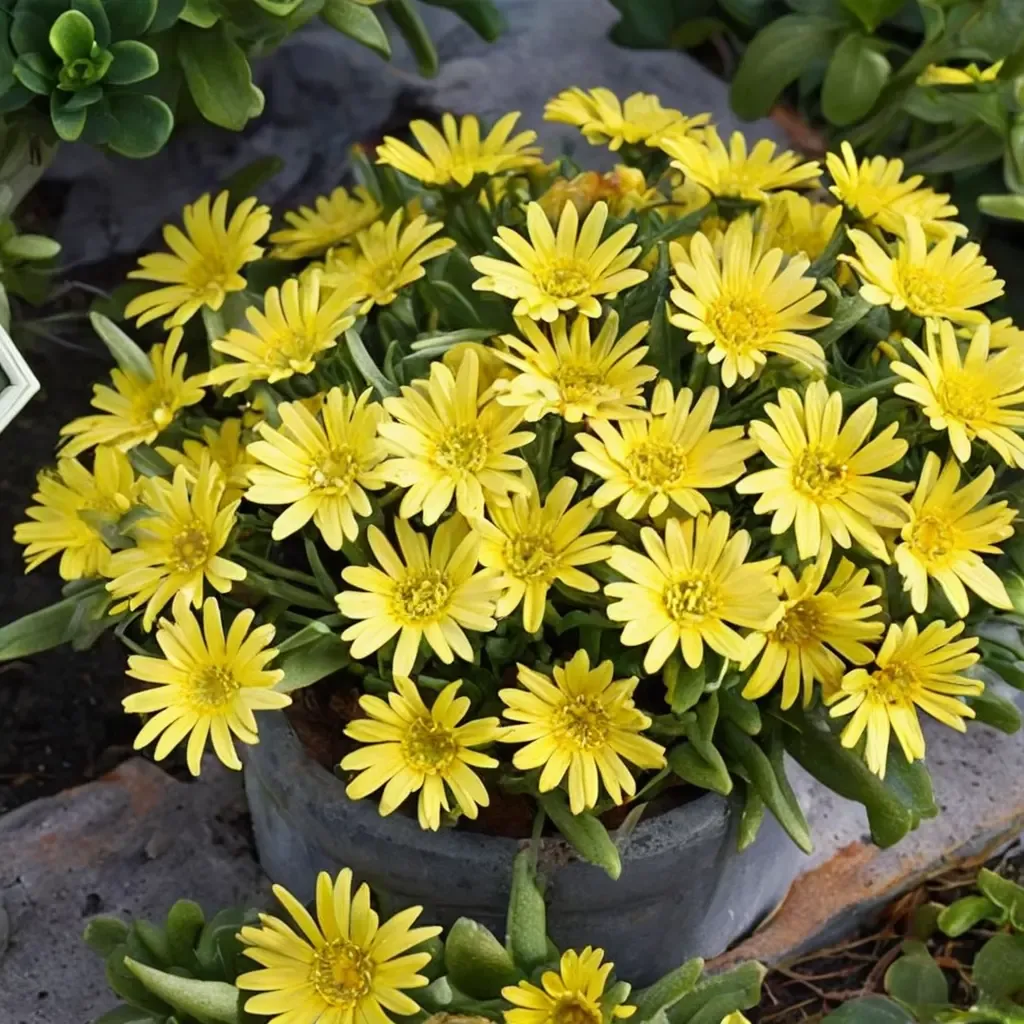
Golden Wonder Ice Plant
Delosperma basuticum 'Golden Wonder'
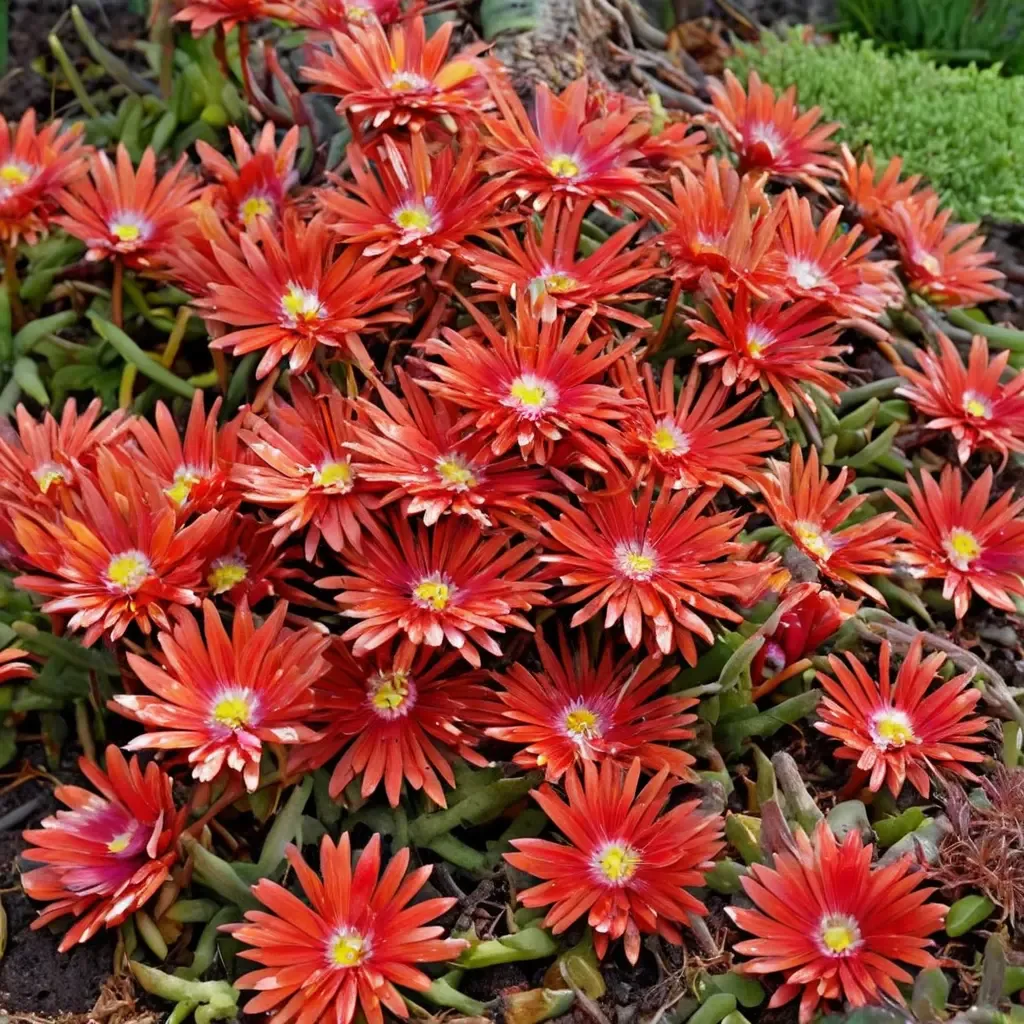
Red Mountain Flame Ice Plant
Delosperma x hybrida 'Red Mountain Flame'
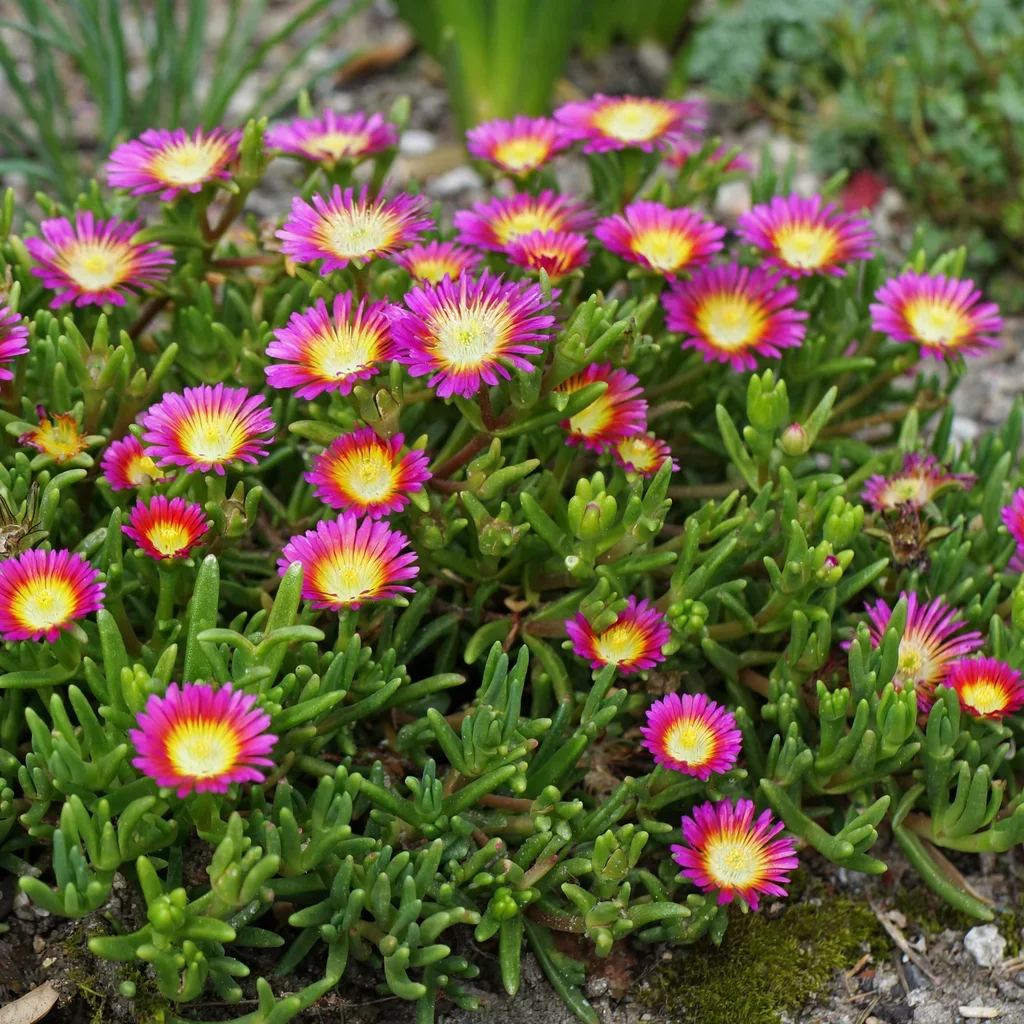
Hot Pink Wonder Ice Plant
Delosperma x hybrida 'Hot Pink Wonder'
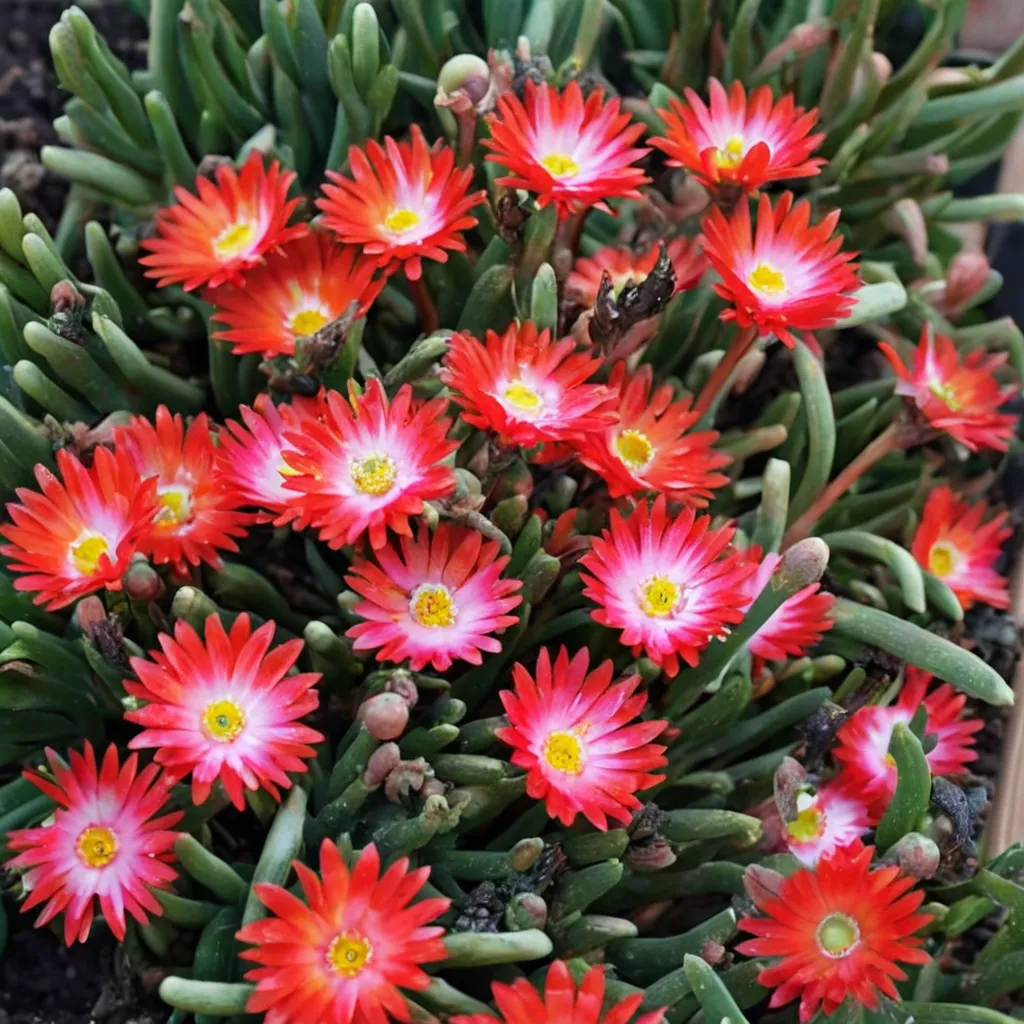
Jewel of Desert Grenade
Delosperma x hybrida 'Jewel of Desert Grenade'
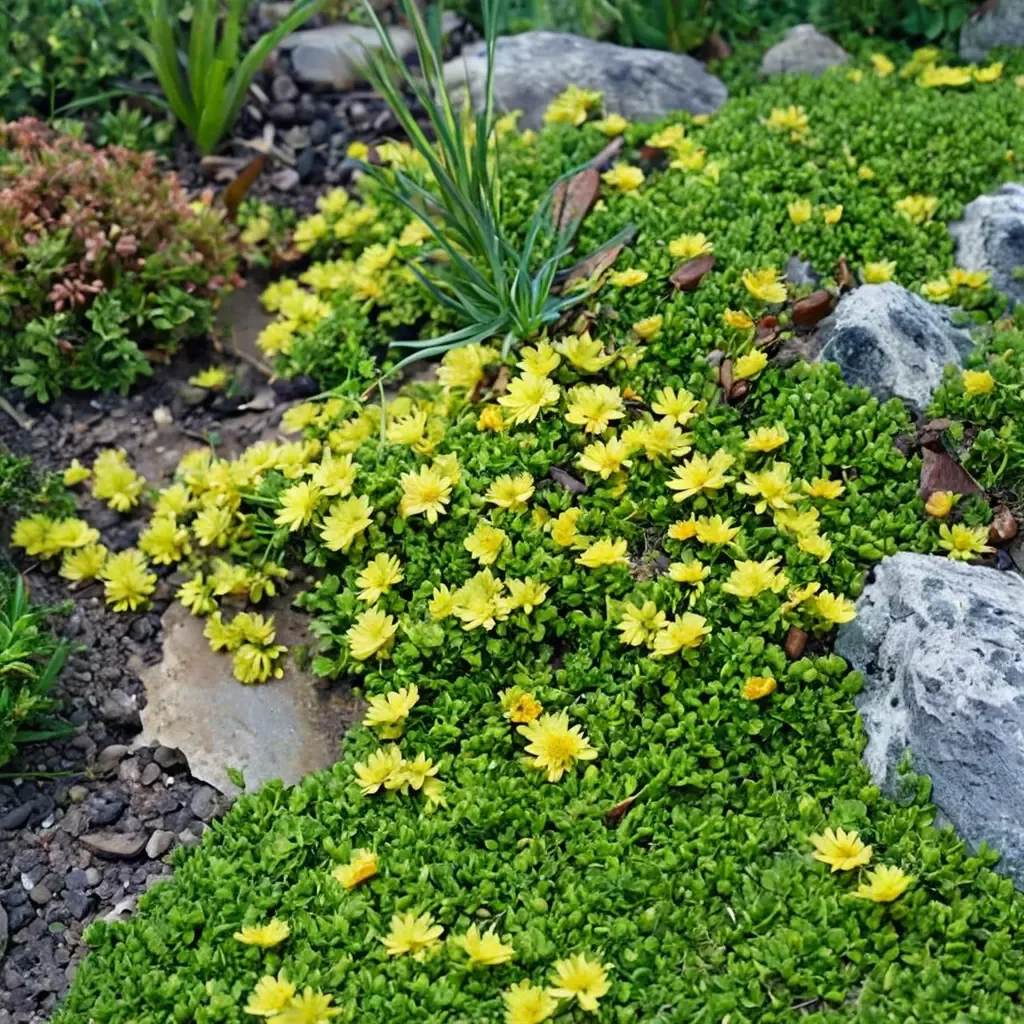
Hardy Yellow Ice Plant
Delosperma nubigenum 'Hardy Yellow Ice Plant'
Keep exploring
Explore the genus
Grow Tufted Ice Plant with confidence
See it in a design of your actual yard, get zone-matched care reminders, and track it season by season in your garden journal.