The Story
Plant Bio
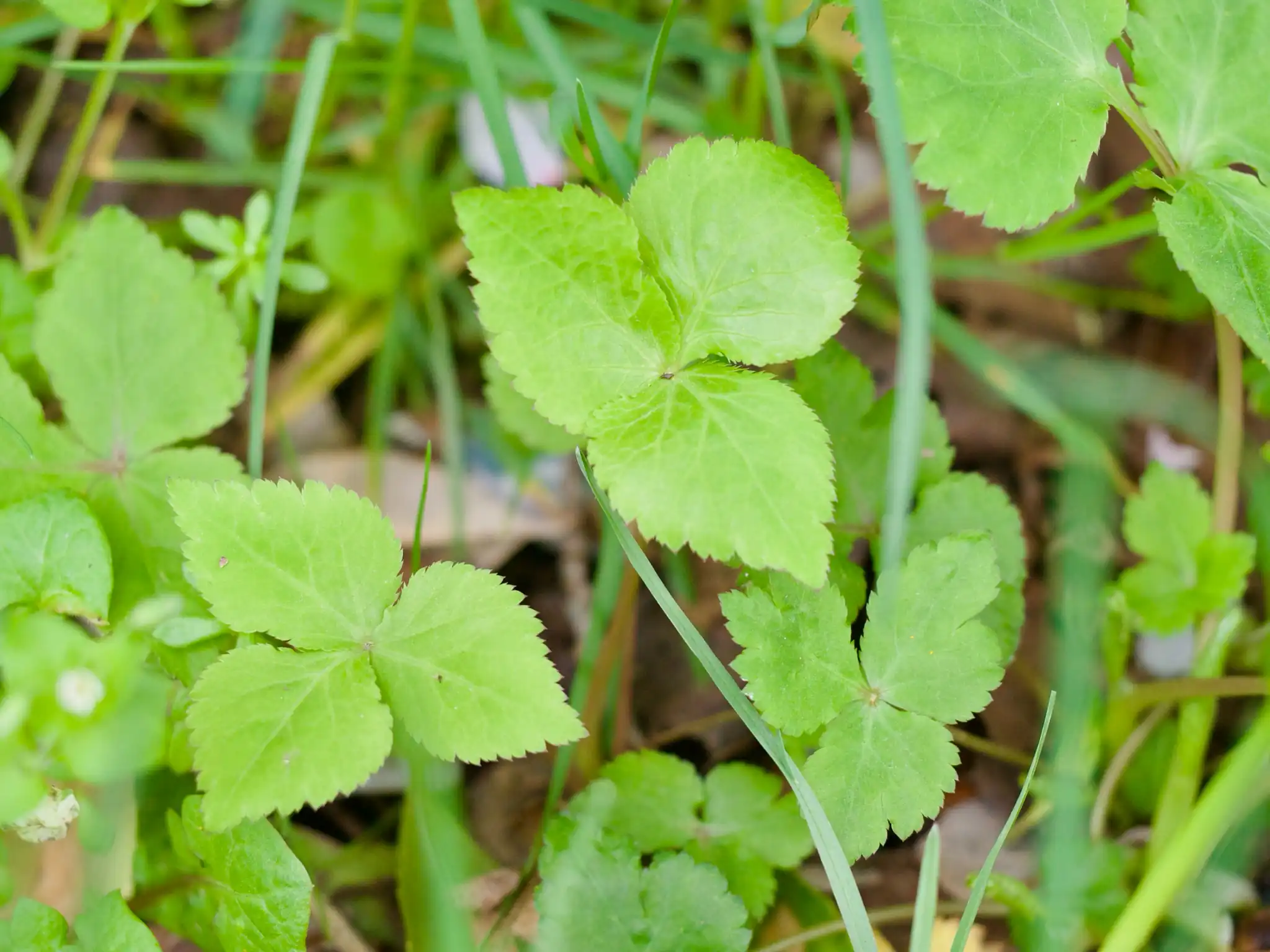
Cryptotaenia japonica, the Japanese parsley, is a clump-forming herbaceous perennial from moist East Asian woodlands, reaching 18 to 39 inches tall on upright branching stems from thick roots. The long-stalked leaves are ternate with three toothed ovate leaflets that read as flat-leaved parsley, topped by small star-shaped white flowers in compound umbels.
Unlike the North American Cryptotaenia canadensis, this species is an East Asian culinary herb grown for fresh stems and leaves with a parsley-celery flavor. The garden purple form sold as f. atropurpurea opens bronze-purple and holds color best in cool shade with steady moisture.
Uses & Benefits:
Essentials
At a Glance
Plant Type
Perennial
Height
39"
Width
24"
Light
Partial Sun, Shade
Zones
4, 5, 6, 7, 8, 9
Water
High - evenly moist
Humidity
Unknown
Lifespan
Perennial
Native To
Eastern Asia
Toxicity
Toxic in large quantities; skin irritant with repeated contact
Bloom period
Summer
In flower about 3 months of the year
Planting
How to Grow
- Plant in part shade to full shade in humus-rich soil that stays evenly moist but drains.
- Water to keep the root zone consistently moist; do not let plants dry out in summer.
- Harvest outer leaves and stems as needed, working from the outside of the clump inward.
- Remove flower stems and seedheads if self-seeding is not wanted, and divide clumps every 2-3 years to renew vigor.
Pro Tip
Harvest outer leaves regularly and cut seedheads before they ripen; plants reseed freely and stall in dry sun.
Keep It Thriving
Care Guide
Do
- Grow in moist shade, ideally under trees where soil stays cool.
- Mulch lightly with leaf mold to hold moisture.
- Protect seedlings from slugs and check leaf undersides early.
Don't
- Do not plant in hot sun or dry soil where foliage scorches and collapses.
- Do not leave soil waterlogged; crowns rot in standing water.
- Do not eat large quantities; culinary amounts only if you have parsley-celery allergy.
Seasonal Care Calendar
| Task | Jan | Feb | Mar | Apr | May | Jun | Jul | Aug | Sep | Oct | Nov | Dec |
|---|---|---|---|---|---|---|---|---|---|---|---|---|
| Deadhead | ||||||||||||
| Divide | ||||||||||||
| Harvest | ||||||||||||
| Pest Check | ||||||||||||
| Plant |
Watch Out For
Pests & Diseases
Common Pests
Common Diseases
In the Garden
Landscape Uses & Companions
Landscape Uses
Companion Plants
Multiply
Propagation Methods
Good to Know
Common Questions
Japanese Parsley questions
What zones can Japanese Parsley grow in?
Japanese Parsley is hardy in USDA Zones 4–9: in that range it survives winter in the ground. Warmer than Zone 9, winter isn't the problem: it prefers colder winters, and summer heat can shorten its life.
When does Japanese Parsley bloom?
Japanese Parsley typically blooms in summer. Exact timing shifts a week or two with your zone — Sow's bloom calendar maps it to your garden.
Does Japanese Parsley need full sun?
Japanese Parsley does best in part shade.
Keep exploring
Explore the genus
Grow Japanese Parsley with confidence
See it in a design of your actual yard, get zone-matched care reminders, and track it season by season in your garden journal.