The Story
Plant Bio
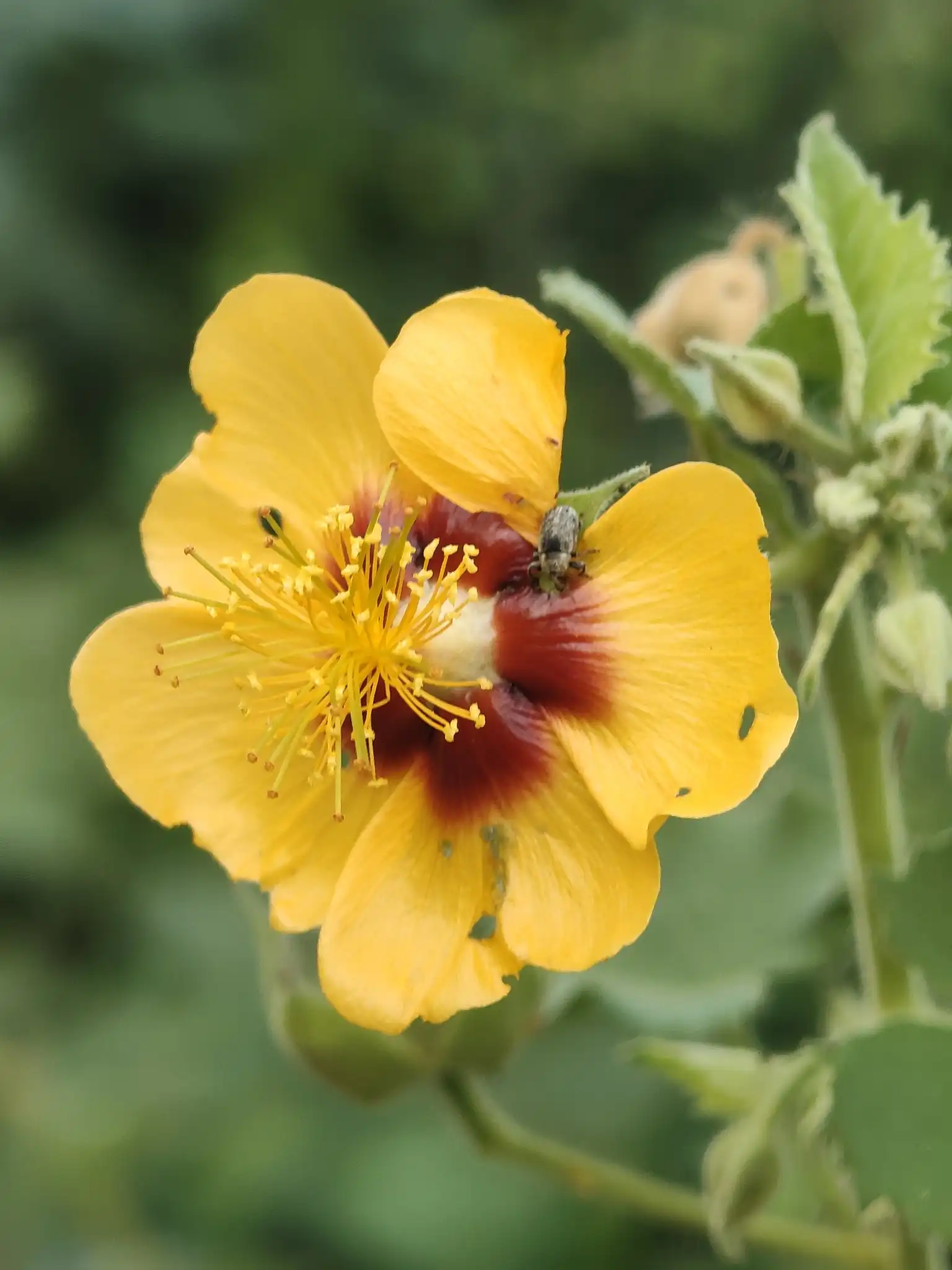
Abutilon hirtum, the Florida Keys Indian mallow, is an erect perennial subshrub to about five feet, with ascending stems that turn woody at the base and persist. The leaves are ovate-cordate to about four inches, dark to grayish-green and stellate-hairy, with small subulate stipules that fall early.
The whole plant carries long spreading stellate hairs on stems, petioles and calyces, and the caducous subulate stipules help separate it from the closely similar Abutilon indicum, Abutilon graveolens and Abutilon theophrasti. Flowers stand solitary or paired in the leaf axils on pedicels one to two times the petiole length, with five uniform yellow to yellowish-orange obovate petals about six-tenths of an inch long, sometimes orange with a purple center.
Uses & Benefits:
Essentials
At a Glance
Plant Type
Shrub
Height
60"
Width
36"
Light
Full Sun, Partial Sun
Zones
9, 10
Water
Medium
Humidity
Unknown
Lifespan
Perennial subshrub
Native To
Old World tropics - Africa, Asia and Middle East
Toxicity
Unknown
Bloom period
Summer – Fall
In flower about 6 months of the year
Planting
How to Grow
- Choose an open spot in full sun to very light shade with moist well-draining loam or sand.
- Plant at the same depth as in the pot and water in deeply to settle the soil.
- Water to keep soil evenly moist during establishment, then allow the surface to dry between waterings.
- Leave the woody base intact and remove only dead stems; no feeding or pruning schedule is documented for this species.
Pro Tip
Site in bright direct sun in moist but free-draining loam or sand and leave old woody stems alone, since regrowth from bare wood is undocumented.
Keep It Thriving
Care Guide
Do
- Give full sun and moist well-draining soil.
- Check shoot tips for aphids through summer.
- Confirm identity against Abutilon indicum and Abutilon permolle before planting.
Don't
- Do not cut back into old leafless wood.
- Do not plant as a native Florida wildflower; it is naturalized, not native.
- Do not assume edibility or medicinal safety; toxicity is undocumented.
Seasonal Care Calendar
| Task | Jan | Feb | Mar | Apr | May | Jun | Jul | Aug | Sep | Oct | Nov | Dec |
|---|---|---|---|---|---|---|---|---|---|---|---|---|
| Mulch | ||||||||||||
| Pest Check | ||||||||||||
| Plant | ||||||||||||
| Prune |
Watch Out For
Pests & Diseases
Common Pests
In the Garden
Landscape Uses & Companions
Landscape Uses
Multiply
Propagation Methods
Good to Know
Common Questions
Florida Keys Indian Mallow questions
What zones can Florida Keys Indian Mallow grow in?
Florida Keys Indian Mallow is hardy in USDA Zones 9–10: in that range it survives winter in the ground. Colder than Zone 9, grow it in a container you can move to shelter for the winter.
When does Florida Keys Indian Mallow bloom?
Florida Keys Indian Mallow typically blooms from summer to fall. Exact timing shifts a week or two with your zone — Sow's bloom calendar maps it to your garden.
Does Florida Keys Indian Mallow need full sun?
Florida Keys Indian Mallow does best in full sun to part shade. In hot climates, afternoon shade keeps blooms fresher longer.
More Abutilon to compare
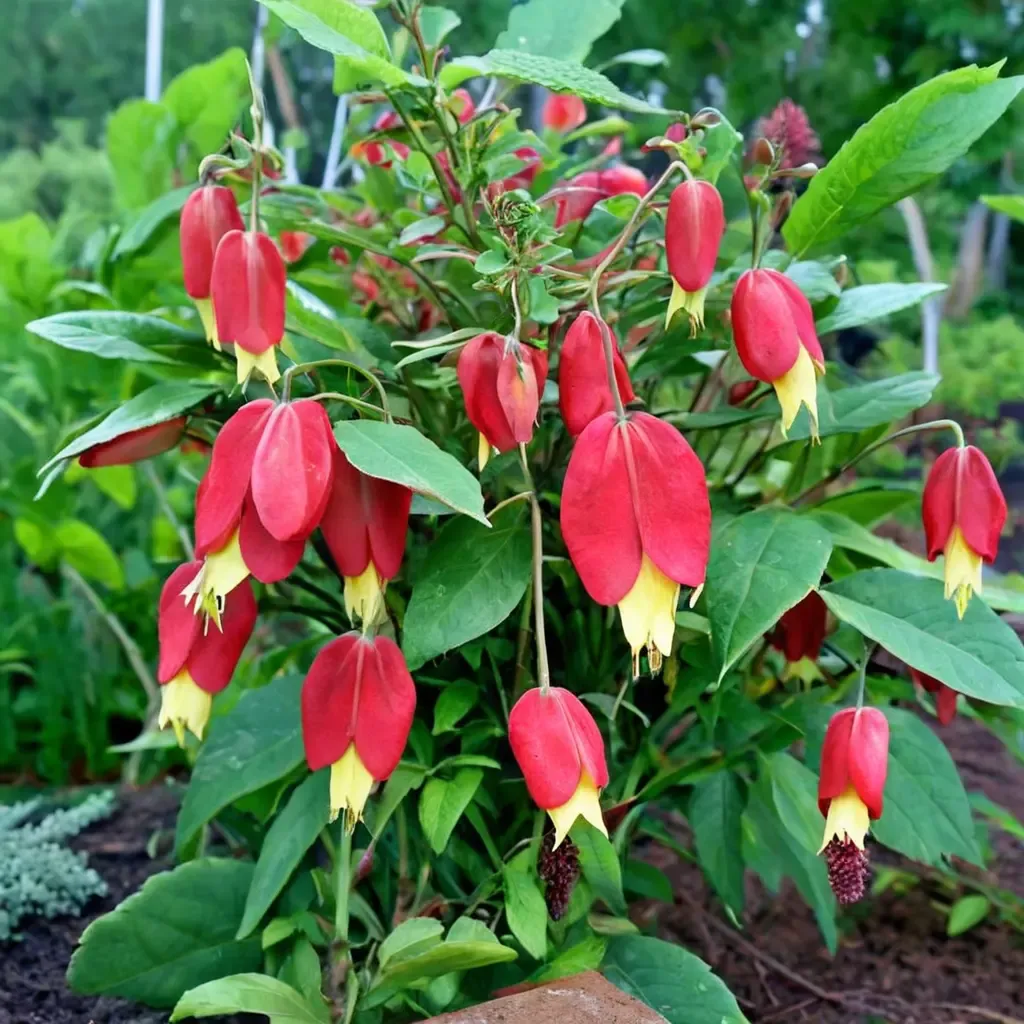
Brazilian Bellflower Chinese Lantern
Abutilon megapotamicum
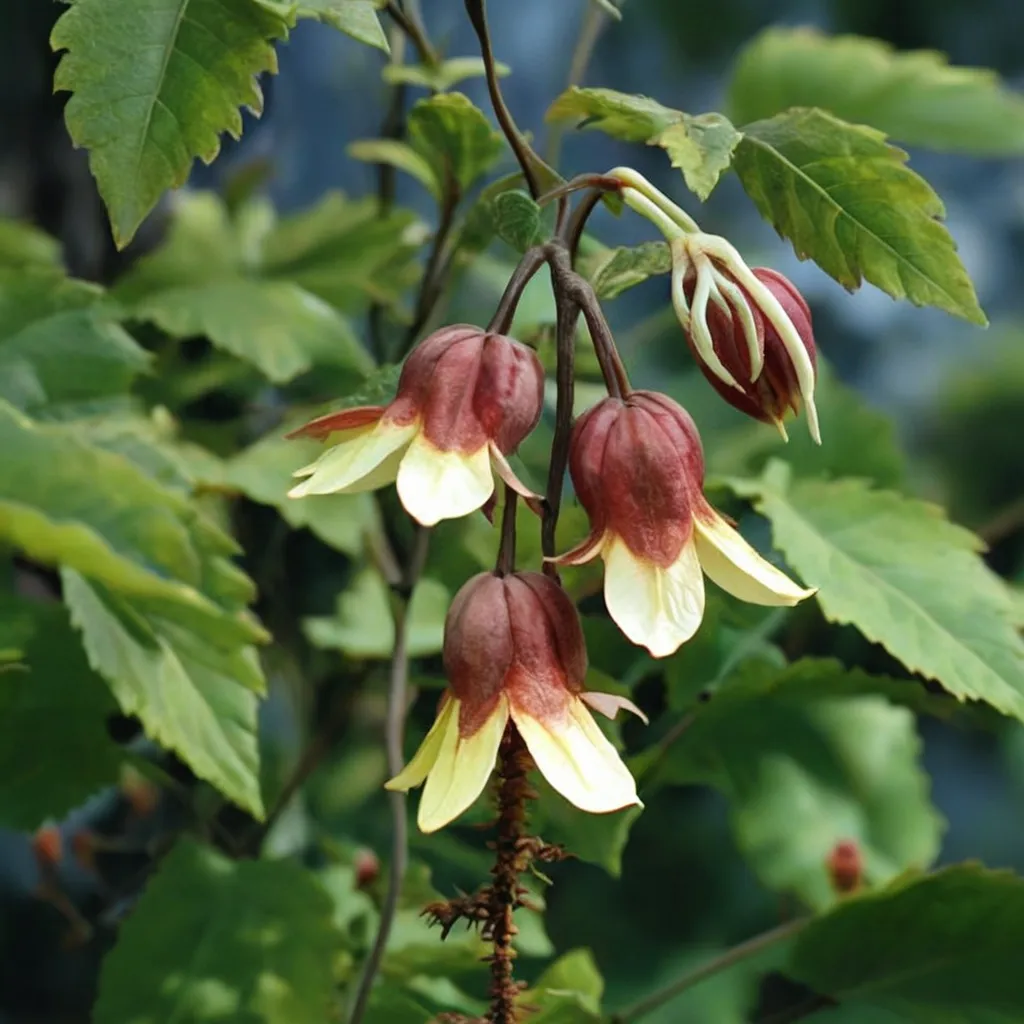
Trailing Abutilon
Abutilon megapotamicum 'Ines'
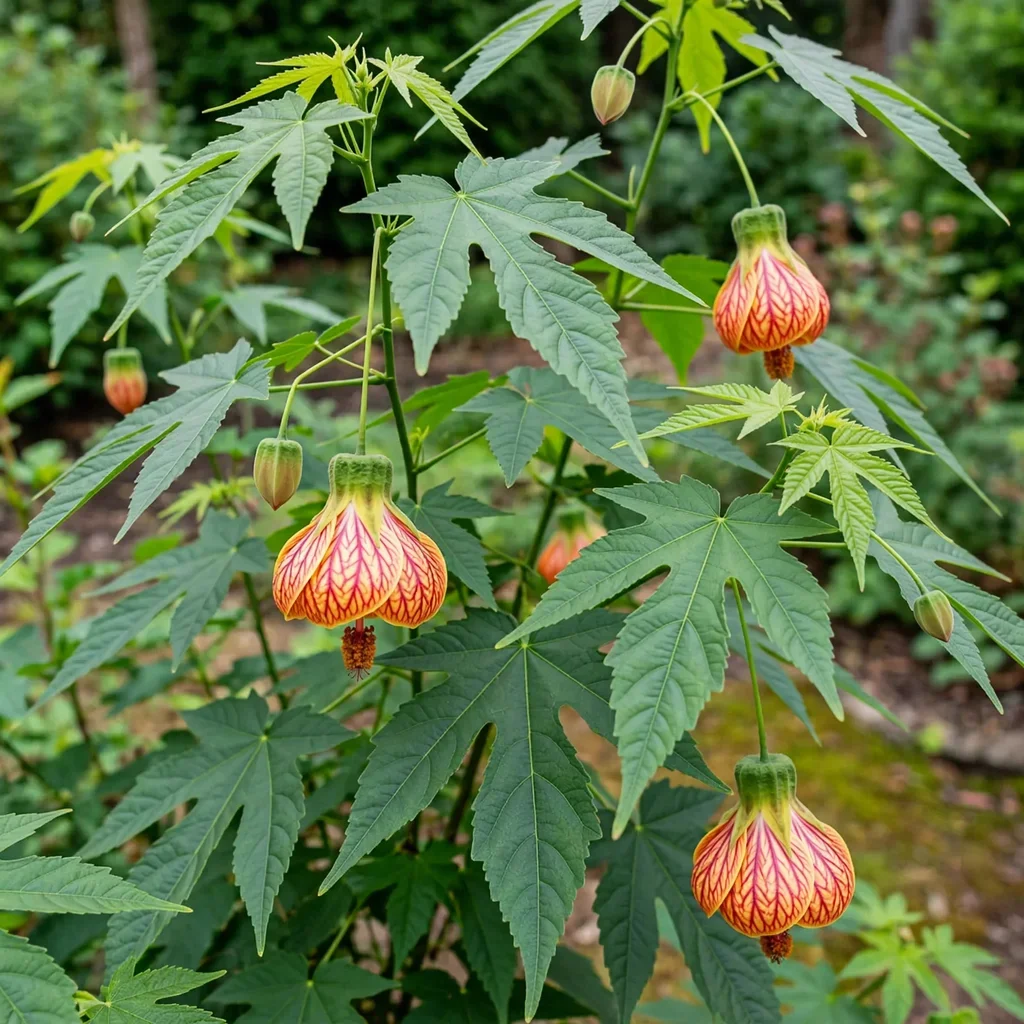
Redvein Abutilon
Abutilon striatum
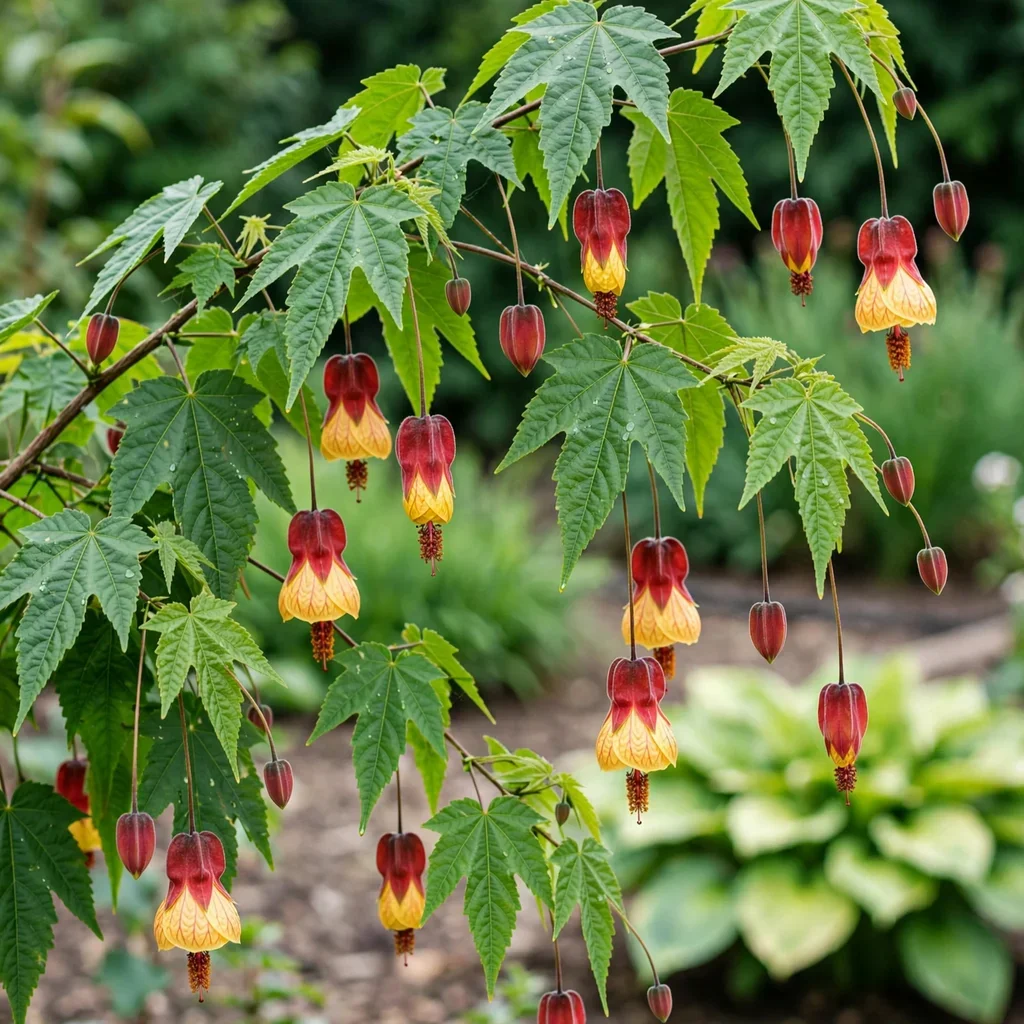
Voodoo Trailing Abutilon
Abutilon megapotamicum 'Voodoo'
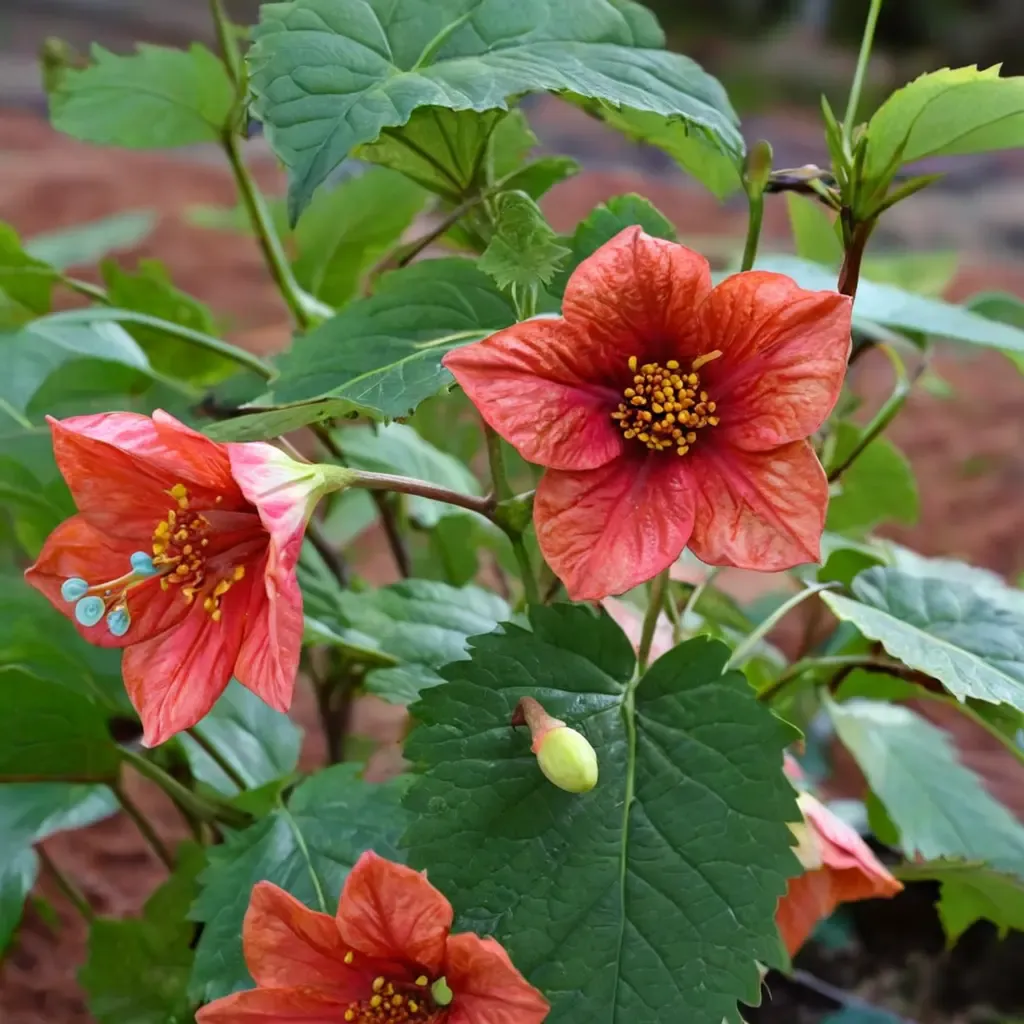
David's Red Flowering Maple
Abutilon x hybridum 'David's Red'
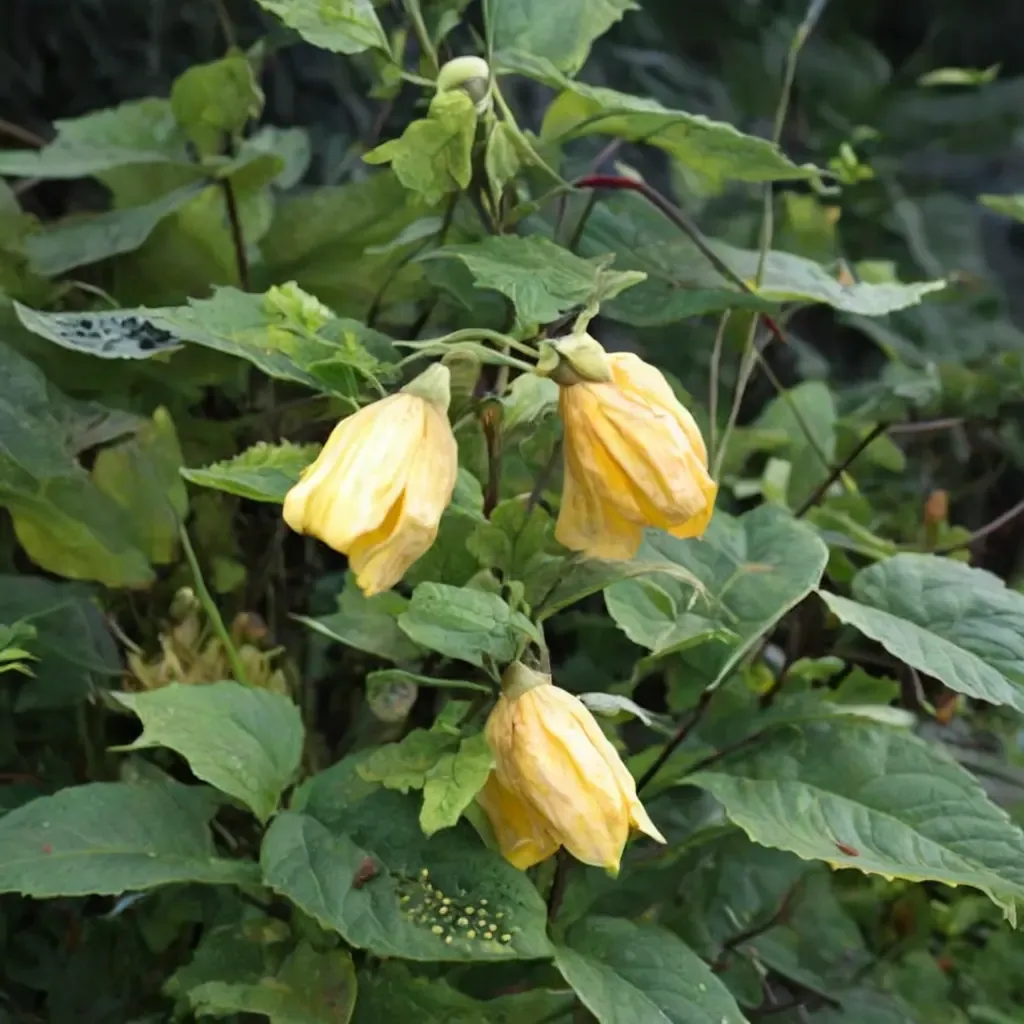
Canary Bird Trailing Abutilon
Abutilon megapotamicum 'Canary Bird'
Keep exploring
Explore the genus
Hardy in your zone?
Grow Florida Keys Indian Mallow with confidence
See it in a design of your actual yard, get zone-matched care reminders, and track it season by season in your garden journal.