The Story
Plant Bio
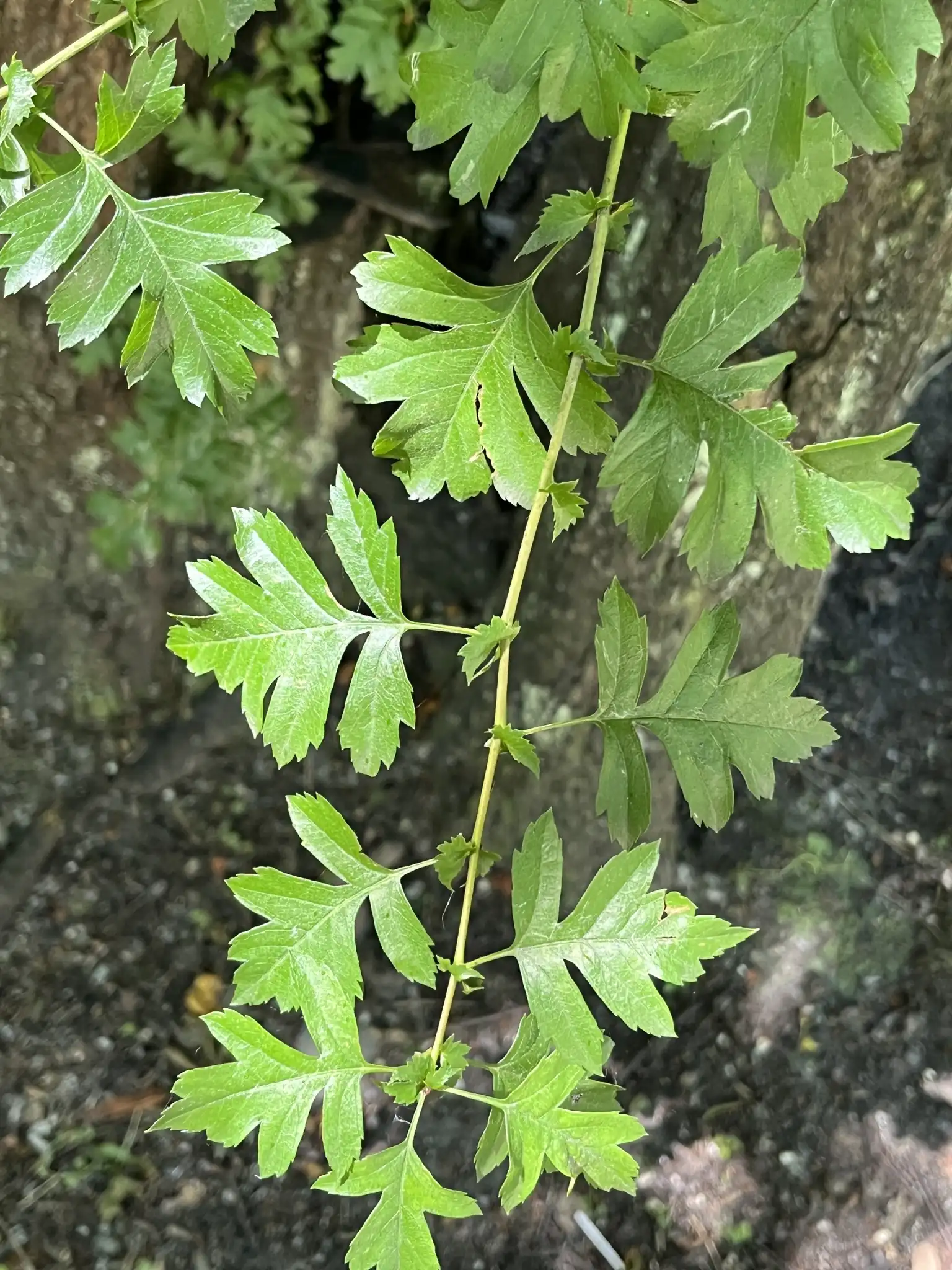
Crataegus monogyna is a deciduous, thorny small tree or large shrub native to Europe, western Asia, and northwestern Africa, characterized by twisted woody stems and a dense, rounded crown. The deeply lobed, dark green leaves emerge bright pale green in spring and turn yellow-orange in fall, accompanied by flat-topped clusters of white, single-styled flowers that mature into small red pome fruits.
This species is distinguished by its rigid, thorny branches that provide exceptional nesting cover for birds, though the sharp spines demand careful placement away from high-traffic paths. It adapts readily to diverse soil types, including heavy clay, and exhibits high tolerance to severe frosts and maritime salt spray.
Uses & Benefits:
Essentials
At a Glance
Plant Type
Tree
Height
393"
Width
236"
Light
Full Sun, Partial Sun
Zones
4, 5, 6, 7, 8
Water
Low to moderate
Humidity
Moderate
Lifespan
Multi-decade
Native To
Europe, northwestern Africa, western Asia
Toxicity
Seeds are toxic if ingested
Bloom period
Late spring – Early summer
In flower about 2 months of the year
Planting
How to Grow
- Select a planting site in full sun to partial shade with well-drained soil, though the plant tolerates occasional dampness once established.
- Dig a hole twice as wide as the root ball and of equal depth, backfilling with native soil without adding soil amendments.
- Water deeply at planting and maintain consistent moisture during the first growing season to establish a deep root system.
- Apply a thick layer of organic mulch around the base to retain moisture, keeping the mulch several inches away from the trunk to prevent rot.
Pro Tip
Prune minimally in late winter to preserve the natural structure, as shearing outside this window or cutting heavily into old, leafless wood severely reduces subsequent flower and fruit production.
Keep It Thriving
Care Guide
Do
- Prune in late winter to remove dead, diseased, or crossing branches.
- Install physical tree guards or fencing to protect young trunks from rabbit and deer browsing.
- Sterilize pruning tools with a disinfectant between cuts to prevent the spread of fire blight.
Don't
- Do not prune heavily into old, leafless wood unless attempting to rejuvenate a young, neglected specimen.
- Do not apply high-nitrogen fertilizers, which stimulate soft vegetative growth that is highly susceptible to fire blight.
- Do not plant near eastern red cedars to minimize the risk of cedar-hawthorn rust transmission.
Seasonal Care Calendar
| Task | Jan | Feb | Mar | Apr | May | Jun | Jul | Aug | Sep | Oct | Nov | Dec |
|---|---|---|---|---|---|---|---|---|---|---|---|---|
| Pest Check | ||||||||||||
| Prune | ||||||||||||
| Spray | ||||||||||||
| Winter Prep |
Watch Out For
Pests & Diseases
Common Pests
Common Diseases
In the Garden
Landscape Uses & Companions
Landscape Uses
Companion Plants
Multiply
Propagation Methods
Good to Know
Common Questions
Common Hawthorn questions
What zones can Common Hawthorn grow in?
Common Hawthorn is hardy in USDA Zones 4–8. Inside that range it survives winter in the ground; outside it, grow it as an annual or a container plant you protect.
Is Common Hawthorn deer resistant?
Not reliably. Deer may browse Common Hawthorn, especially tender spring growth — plan on repellents or fencing where pressure is high.
When does Common Hawthorn bloom?
Common Hawthorn typically blooms in late spring through early summer. Exact timing shifts a week or two with your zone — Sow's bloom calendar maps it to your garden.
Does Common Hawthorn need full sun?
Common Hawthorn does best in full sun to part shade. In hot climates, afternoon shade keeps blooms fresher longer.
Is Common Hawthorn drought tolerant?
Yes — once established (usually after the first full season), Common Hawthorn handles dry spells with minimal watering. Water deeply its first year to build the root system that makes that possible.
More Crataegus to compare
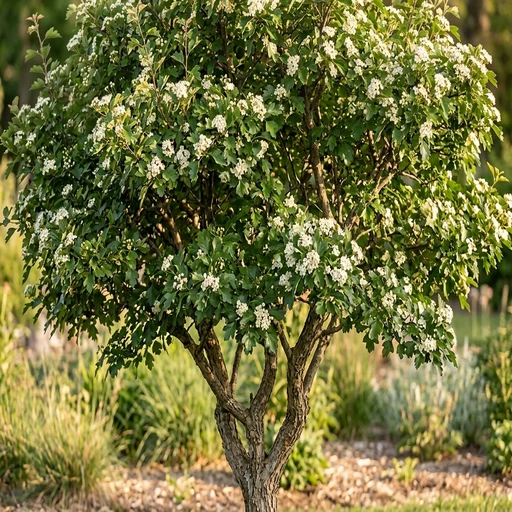
Washington Hawthorn
Crataegus phaenopyrum
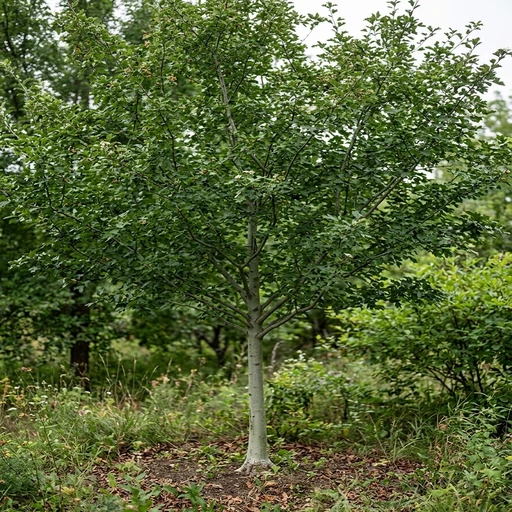
Winter King Hawthorn
Crataegus viridis 'Winter King'
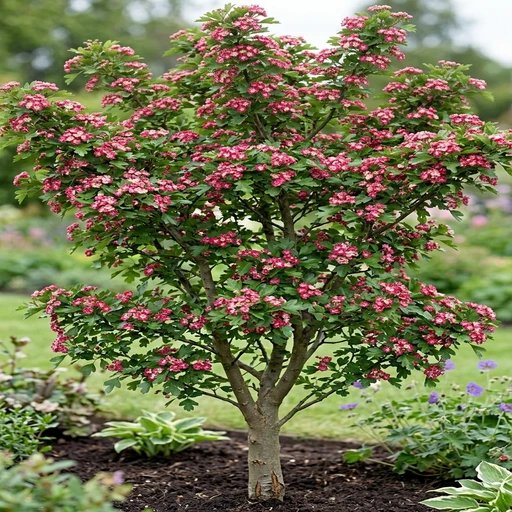
Crimson Cloud English Hawthorn
Crataegus laevigata 'Crimson Cloud'
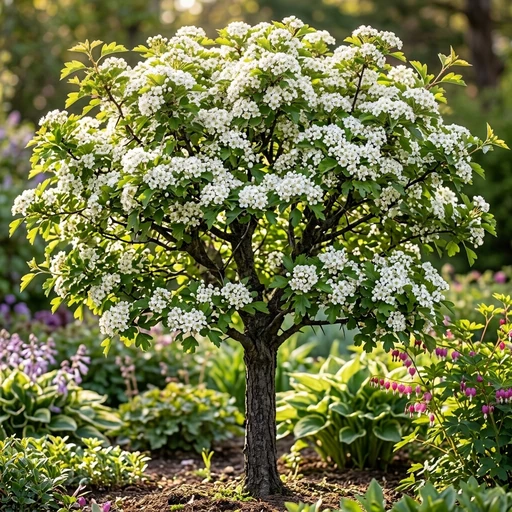
Crusader Hawthorn
Crataegus crus-galli 'Cruzam'
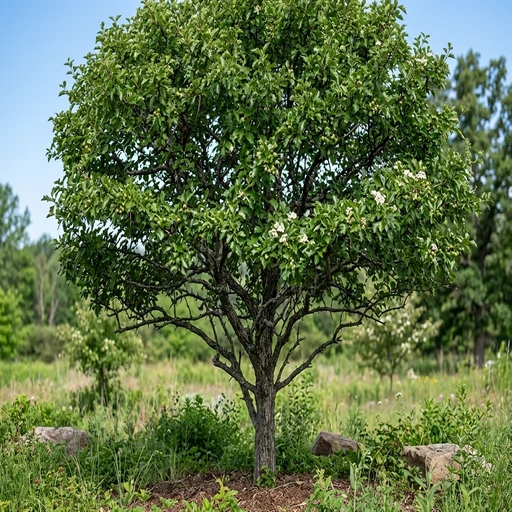
Cockspur Hawthorn
Crataegus crus-galli
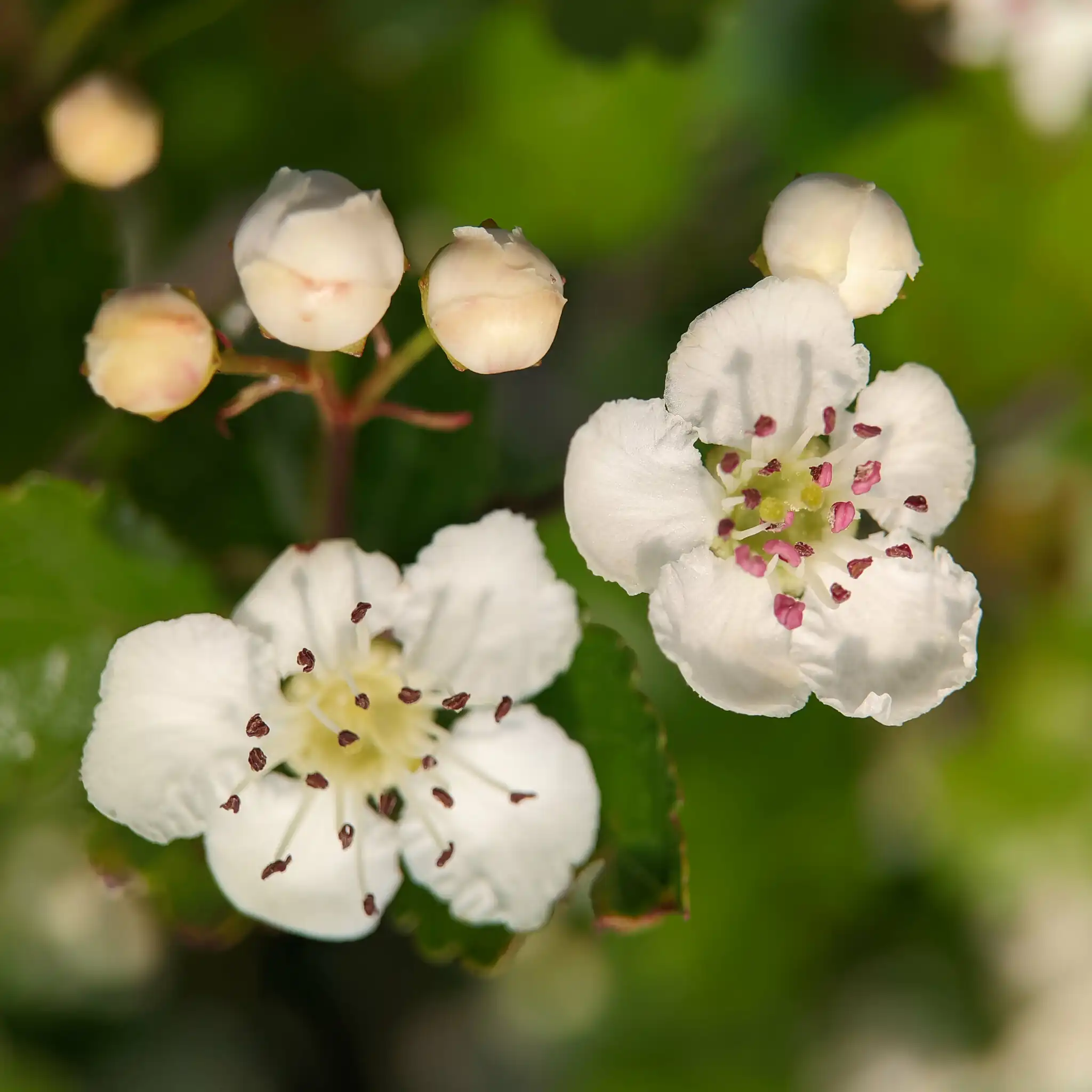
English Hawthorn
Crataegus laevigata
Keep exploring
Explore the genus
Hardy in your zone?
Grow Common Hawthorn with confidence
See it in a design of your actual yard, get zone-matched care reminders, and track it season by season in your garden journal.