1 named cultivar

The Story
Plant Bio
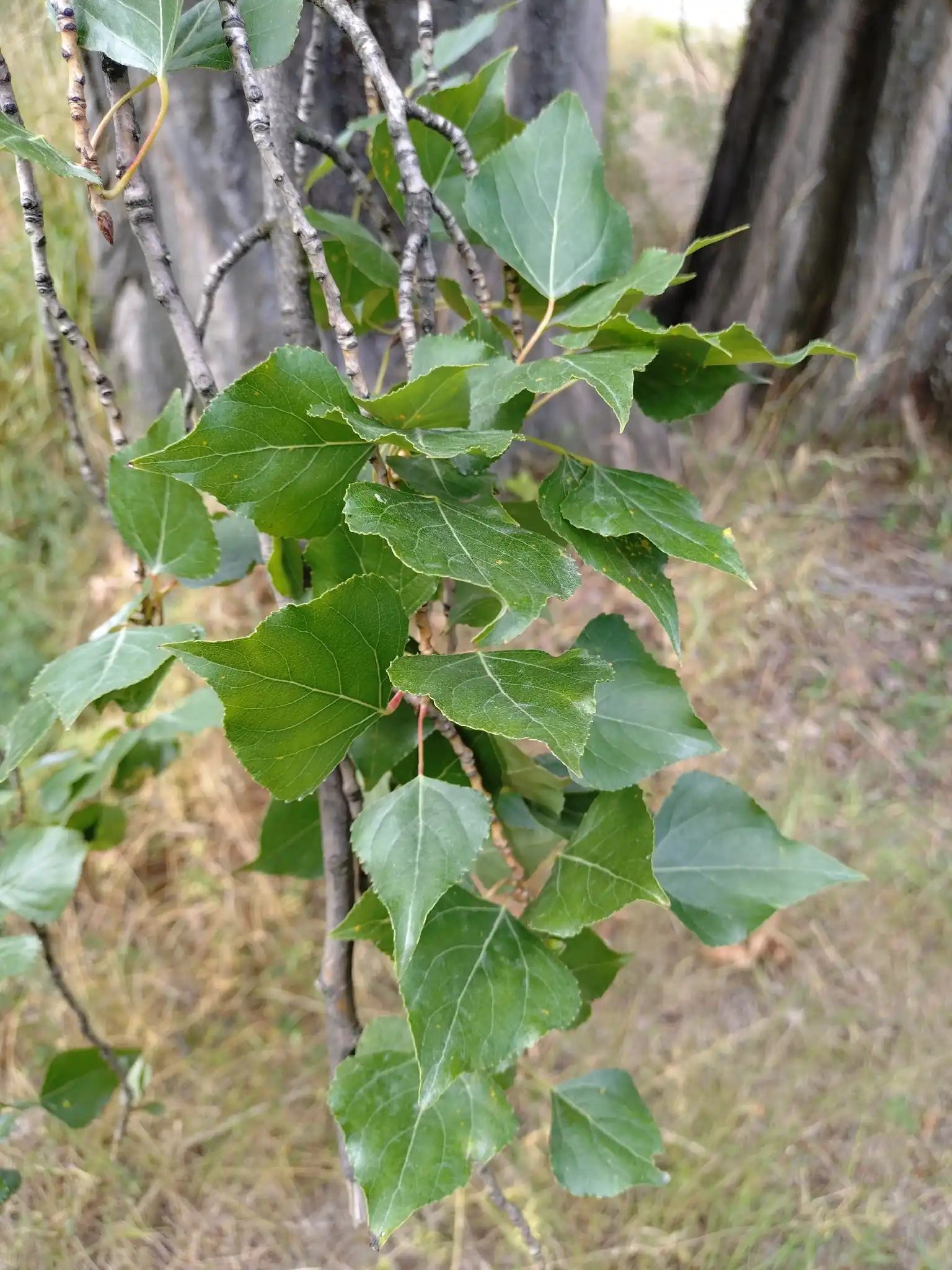
Populus nigra, the black poplar, is a large deciduous tree developing a wide, rounded, irregular crown and heavily fissured, gnarled bark at maturity. The triangular to diamond-shaped leaves emerge glossy dark green before turning yellow in fall, accompanied by pendulous greenish-yellow catkins in late winter.
While the wild species forms a broad canopy, the cultivar 'Italica' is distinguished by an exceedingly narrow, tightly columnar, fastigiate habit with upward-bending branches. This fast-growing form is historically favored for windbreaks but remains highly susceptible to canker diseases.
Uses & Benefits:
Essentials
At a Glance
Plant Type
Tree
Height
1180"
Width
780"
Light
Full Sun
Zones
4, 5, 6, 7, 8, 9, 10
Water
Moderate
Humidity
Moderate
Lifespan
20-30 years
Native To
Europe to Central Asia and Northwest Africa
Toxicity
Non-toxic
Planting
How to Grow
- Select a site in full sun with deep, moist, well-drained soil, ensuring ample clearance from underground pipes and hardscapes.
- Dig a hole twice as wide as the root ball and of equal depth, placing the tree so the root flare sits level with the surrounding soil.
- Backfill with native soil, tamp lightly to remove air pockets, and water thoroughly to settle the ground.
- Apply a thick layer of organic mulch over the root zone to retain moisture, keeping it several inches away from the trunk.
Pro Tip
Never plant this tree near foundations, driveways, or septic lines; the aggressive, shallow root system actively lifts concrete and invades plumbing.
Keep It Thriving
Care Guide
Do
- Water deeply during extended dry spells to prevent drought stress and minimize susceptibility to canker.
- Prune out dead, damaged, or diseased wood in late winter while the tree is dormant.
- Clear fallen leaves and twigs in fall to reduce the overwintering spore load of leaf spot diseases.
Don't
- Do not prune heavily into old, leafless wood, as the tree responds poorly to severe structural cuts.
- Do not top the tree, which encourages weak, brittle branch attachments and introduces decay.
- Do not plant near septic systems, drainage fields, or paved surfaces due to invasive root suckering.
Seasonal Care Calendar
| Task | Jan | Feb | Mar | Apr | May | Jun | Jul | Aug | Sep | Oct | Nov | Dec |
|---|---|---|---|---|---|---|---|---|---|---|---|---|
| Pest Check | ||||||||||||
| Prune | ||||||||||||
| Spring Cleanup | ||||||||||||
| Winter Prep |
Watch Out For
Pests & Diseases
Common Pests
Common Diseases
In the Garden
Landscape Uses & Companions
Landscape Uses
Companion Plants
Multiply
Propagation Methods
Good to Know
Common Questions
Black Poplar questions
What zones can Black Poplar grow in?
Black Poplar is hardy in USDA Zones 4–10. Inside that range it survives winter in the ground; outside it, grow it as an annual or a container plant you protect.
Is Black Poplar deer resistant?
Not reliably. Deer may browse Black Poplar, especially tender spring growth — plan on repellents or fencing where pressure is high.
When does Black Poplar bloom?
Black Poplar typically blooms in late winter through early spring. Exact timing shifts a week or two with your zone — Sow's bloom calendar maps it to your garden.
Does Black Poplar need full sun?
Black Poplar does best in full sun (6+ hours).
More Populus to compare
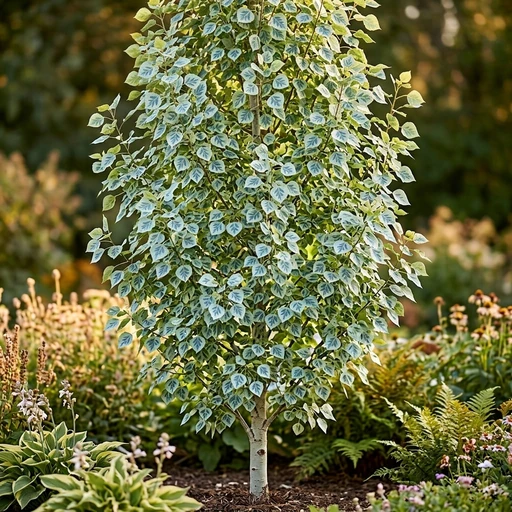
Summer Shimmer Aspen
Populus tremuloides 'Klaus Select'
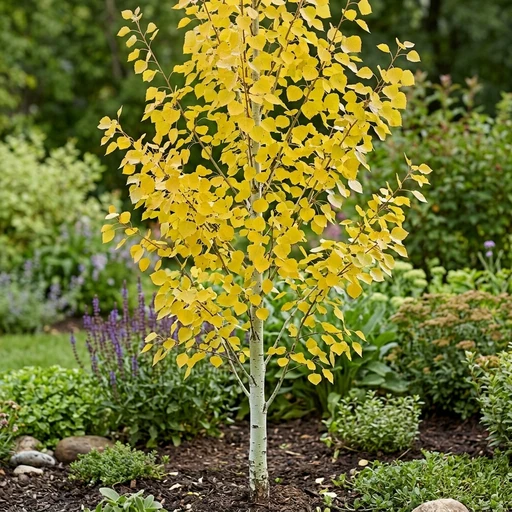
Prairie Gold Quaking Aspen
Populus tremuloides 'Prairie Gold'
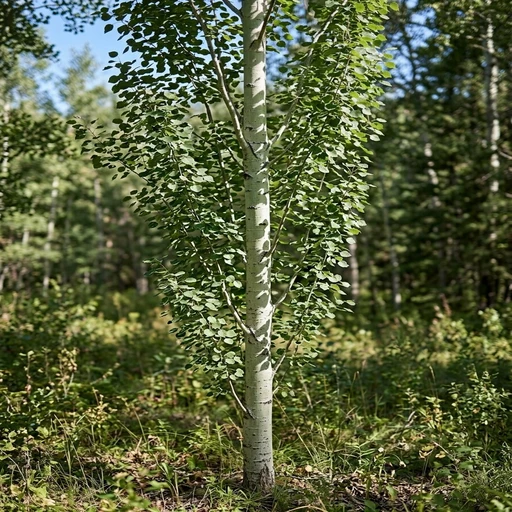
Mountain Sentinel Aspen
Populus tremuloides 'Mountain Sentinel'
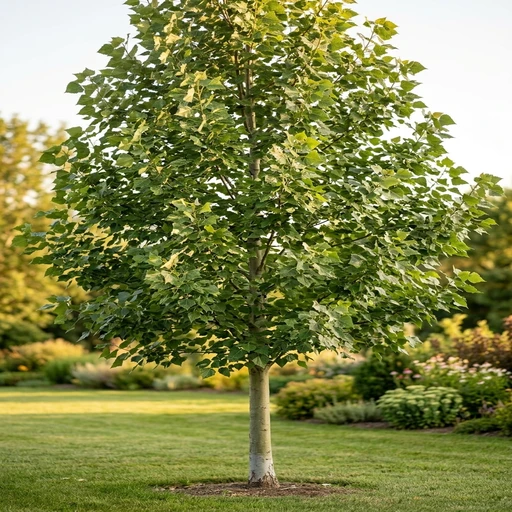
Siouxland Cottonless Poplar
Populus deltoides 'Siouxland'
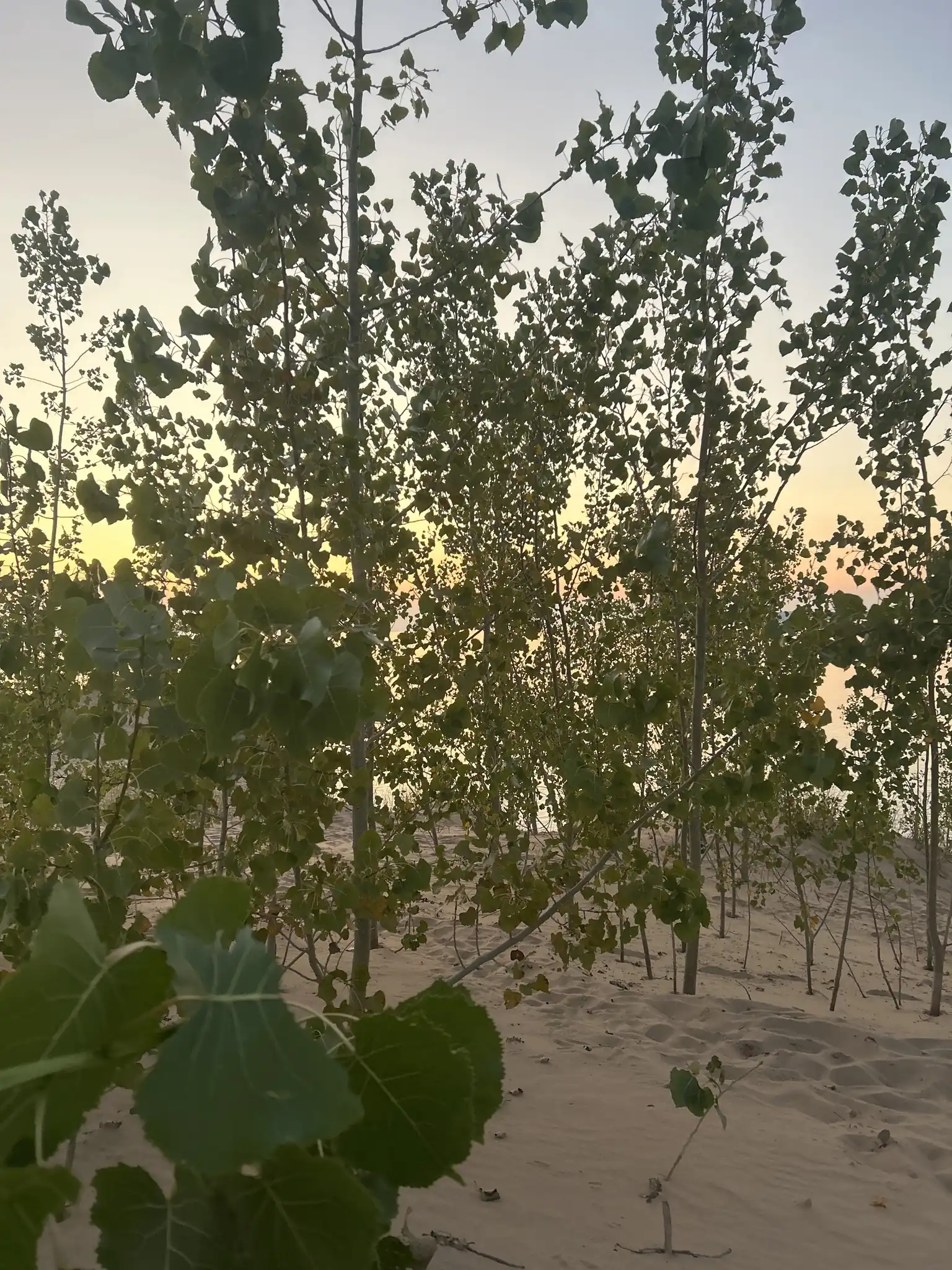
Eastern Cottonwood
Populus deltoides
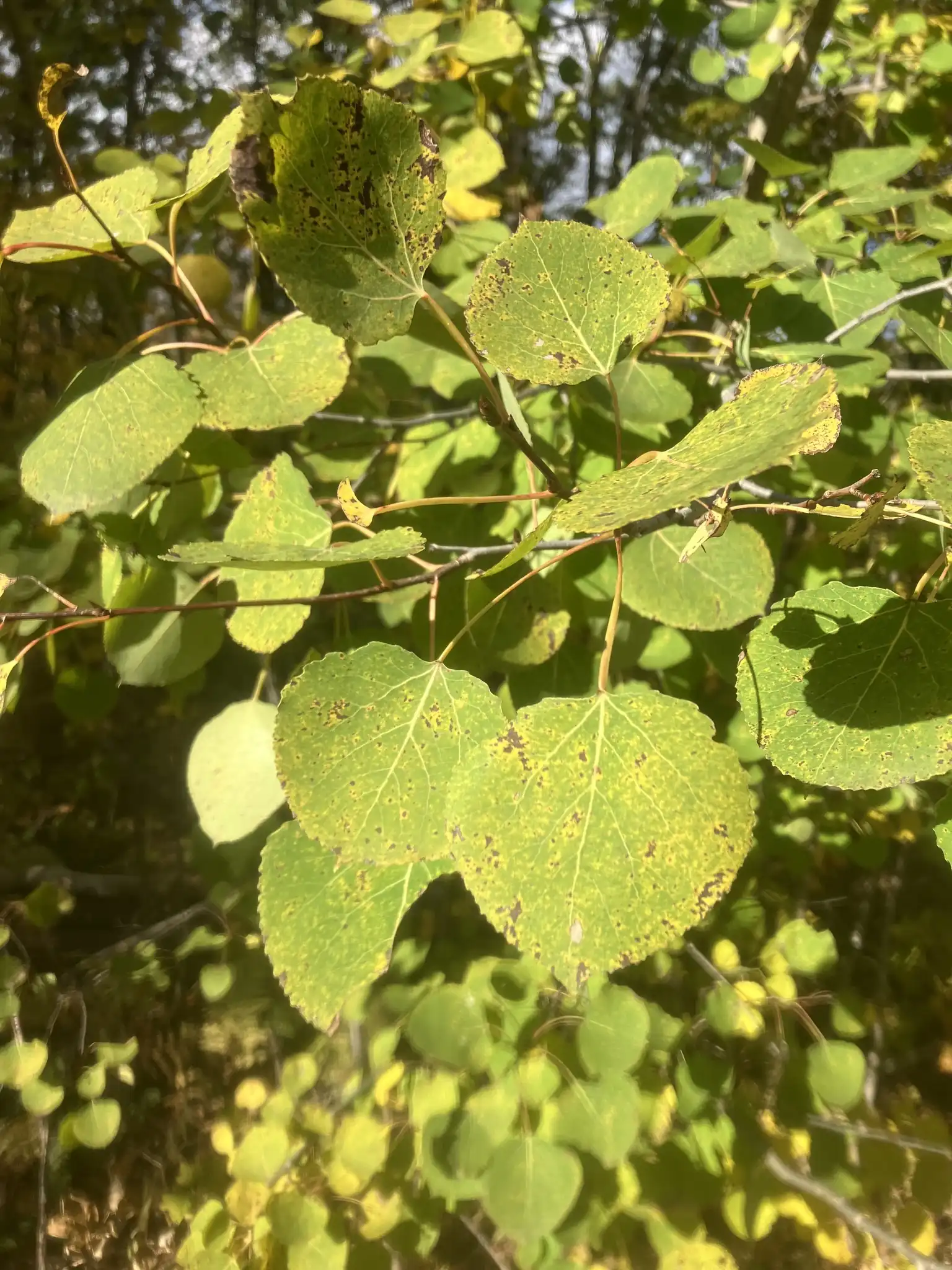
Quaking Aspen
Populus tremuloides
Keep exploring
Explore the genus
Grow Black Poplar with confidence
See it in a design of your actual yard, get zone-matched care reminders, and track it season by season in your garden journal.