
Species
 Populus nigraBlack Poplar
The Story
Plant Bio
Populus nigra, native to Eurasia, is a fast-growing deciduous tree that colonizes moist alluvial soils and riverbanks. The species develops a broad, spreading crown with deeply furrowed dark bark and triangular, glossy green leaves that turn yellow before dropping in fall.
'Italica' is a male clone originating in 17th-century Italy, distinguished by an extremely narrow, columnar habit with branches growing almost parallel to the trunk. It produces drooping red male catkins in late winter before the leaves emerge, but does not set seed.
Uses & Benefits:
Essentials
At a Glance
Plant Type
Tree
Height
1181"
Width
177"
Light
Full Sun
Zones
4, 5, 6, 7, 8, 9
Water
Medium to wet
Humidity
Moderate
Lifespan
Short (15-20 years)
Native To
Eurasia
Toxicity
Non-toxic
Bloom period
Late winter – Early spring
In flower about 2 months of the year
Planting
How to Grow
- Select a planting site in full sun, well away from pipes, septic lines, and building foundations.
- Dig a hole twice the width of the root ball and plant at the same depth as the container.
- Water deeply twice a week during the first summer to establish a resilient root system.
- Prune out dead or damaged limbs in late winter to maintain a clean, upright silhouette.
Pro Tip
Never top Lombardy poplars; cutting the central leader destroys the columnar form and triggers weak, chaotic epicormic shoots that break easily in high winds.
Keep It Thriving
Care Guide
Do
- Plant in full sun to maintain dense, tight foliage along the upright branches.
- Clear fallen leaves and catkins seasonally to reduce the spread of foliar fungal pathogens.
- Provide deep, occasional watering during prolonged dry spells to prevent inner-canopy leaf drop.
Don't
- Do not plant near underground pipes, septic fields, or building foundations due to invasive, moisture-seeking roots.
- Never top the tree, as this ruins the fastigiate form and creates structurally weak epicormic growth.
- Do not apply high-nitrogen fertilizers, which accelerate weak wood growth and increase susceptibility to cankers.
Seasonal Care Calendar
| Task | Jan | Feb | Mar | Apr | May | Jun | Jul | Aug | Sep | Oct | Nov | Dec |
|---|---|---|---|---|---|---|---|---|---|---|---|---|
| Pest Check | ||||||||||||
| Propagate | ||||||||||||
| Prune | ||||||||||||
| Spring Cleanup |
Watch Out For
Pests & Diseases
Common Pests
Common Diseases
In the Garden
Landscape Uses & Companions
Landscape Uses
Companion Plants
Multiply
Propagation Methods
Good to Know
Common Questions
Lombardy Poplar questions
What zones can Lombardy Poplar grow in?
Lombardy Poplar is hardy in USDA Zones 4–9. Inside that range it survives winter in the ground; outside it, grow it as an annual or a container plant you protect.
Is Lombardy Poplar deer resistant?
Not reliably. Deer may browse Lombardy Poplar, especially tender spring growth — plan on repellents or fencing where pressure is high.
When does Lombardy Poplar bloom?
Lombardy Poplar typically blooms in late winter through early spring. Exact timing shifts a week or two with your zone — Sow's bloom calendar maps it to your garden.
Does Lombardy Poplar need full sun?
Lombardy Poplar does best in full sun (6+ hours).
Is Lombardy Poplar drought tolerant?
Yes — once established (usually after the first full season), Lombardy Poplar handles dry spells with minimal watering. Water deeply its first year to build the root system that makes that possible.
More Populus to compare
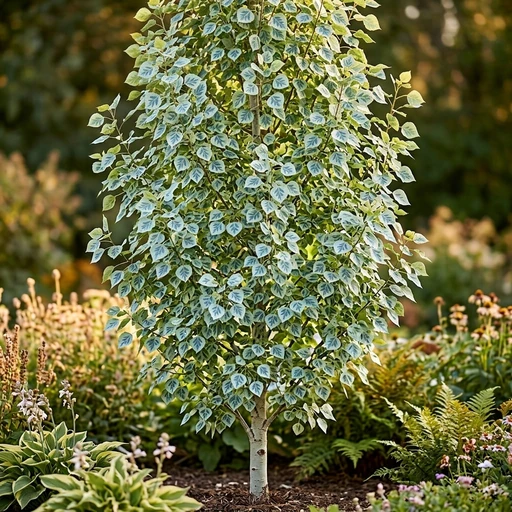
Summer Shimmer Aspen
Populus tremuloides 'Klaus Select'
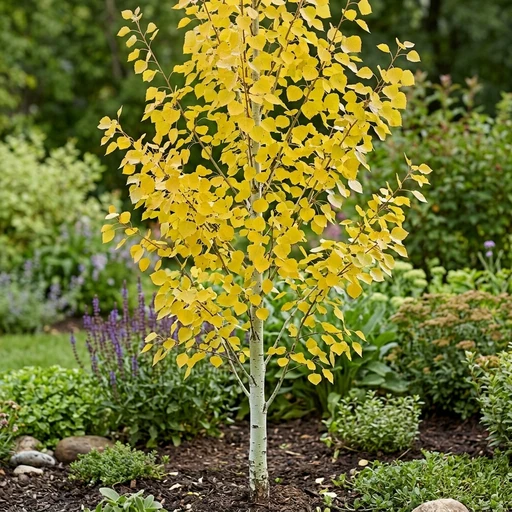
Prairie Gold Quaking Aspen
Populus tremuloides 'Prairie Gold'
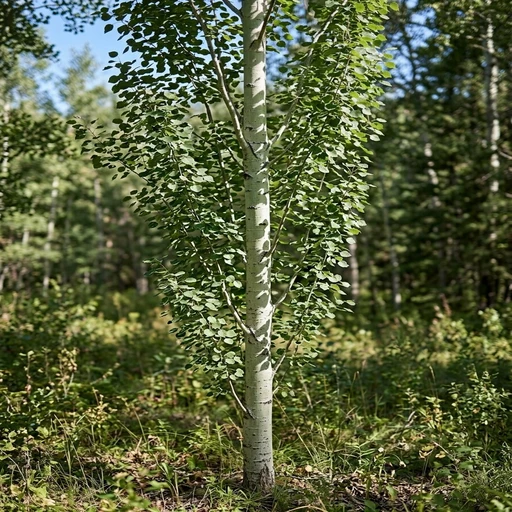
Mountain Sentinel Aspen
Populus tremuloides 'Mountain Sentinel'
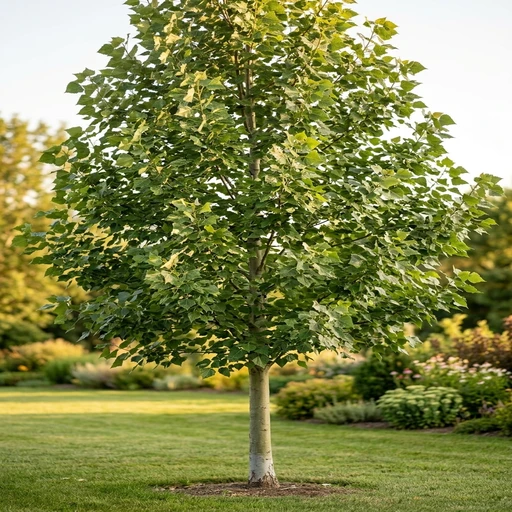
Siouxland Cottonless Poplar
Populus deltoides 'Siouxland'
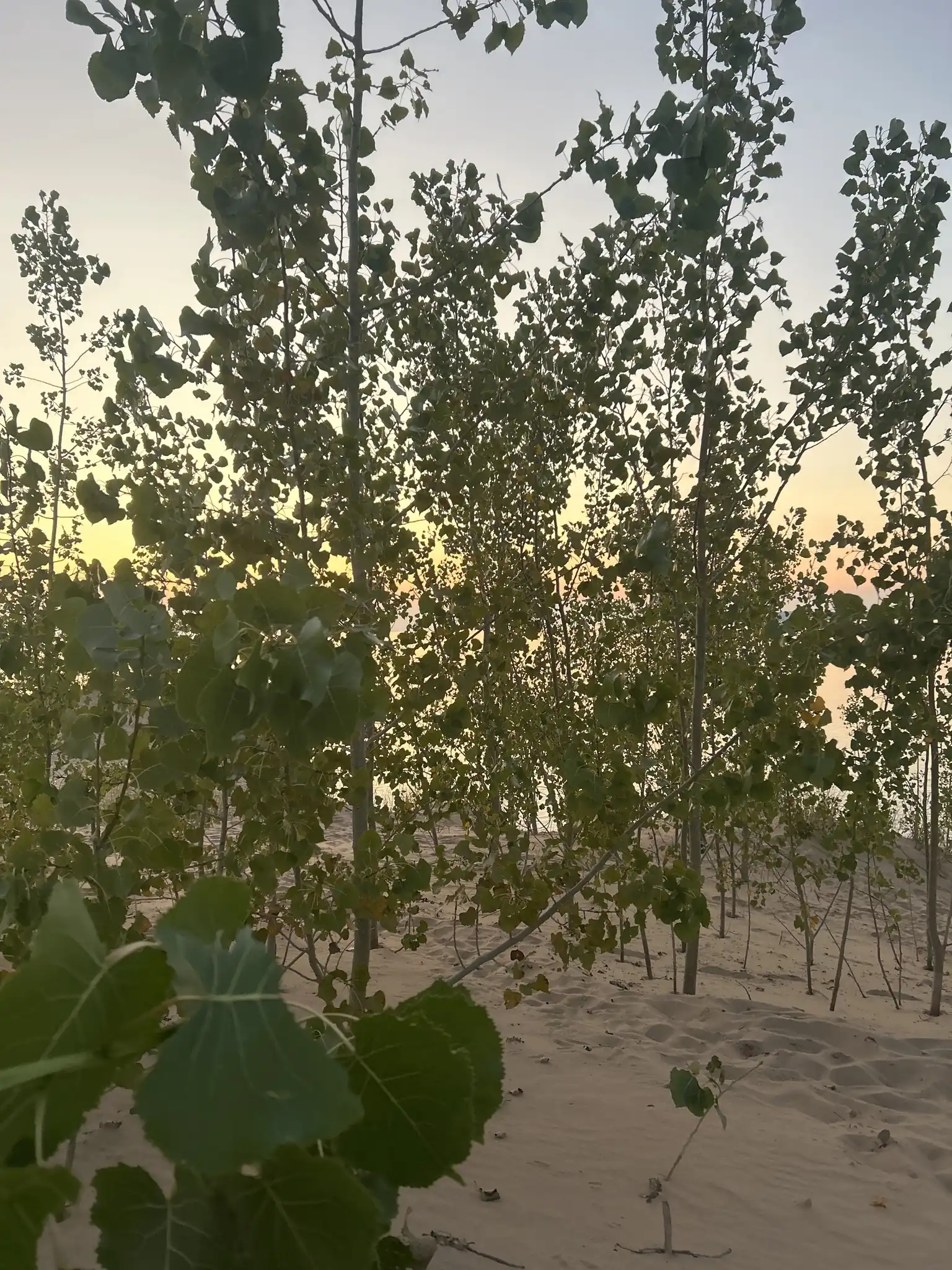
Eastern Cottonwood
Populus deltoides
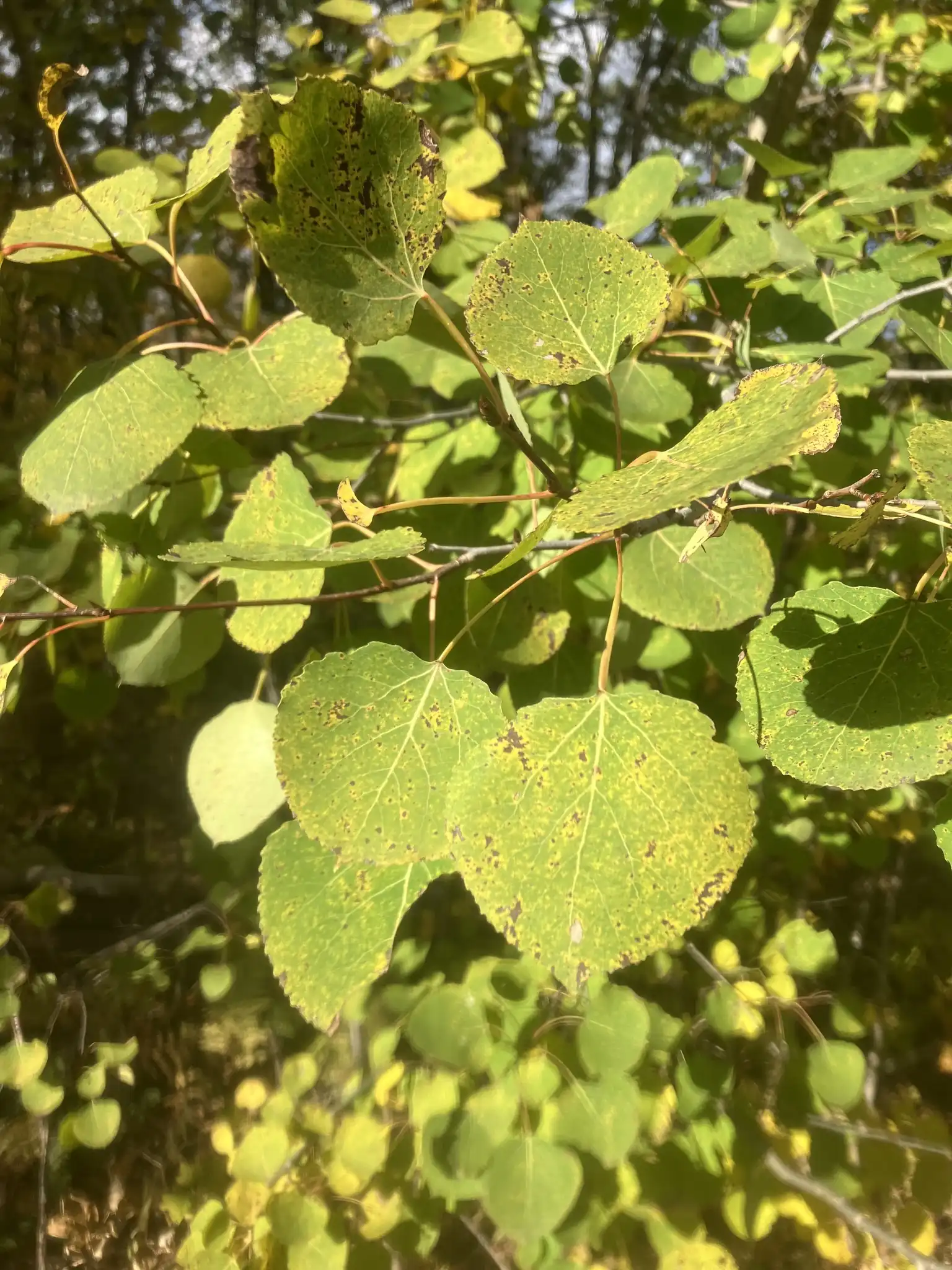
Quaking Aspen
Populus tremuloides
Keep exploring
Explore the genus
Grow Lombardy Poplar with confidence
See it in a design of your actual yard, get zone-matched care reminders, and track it season by season in your garden journal.