The Story
Plant Bio
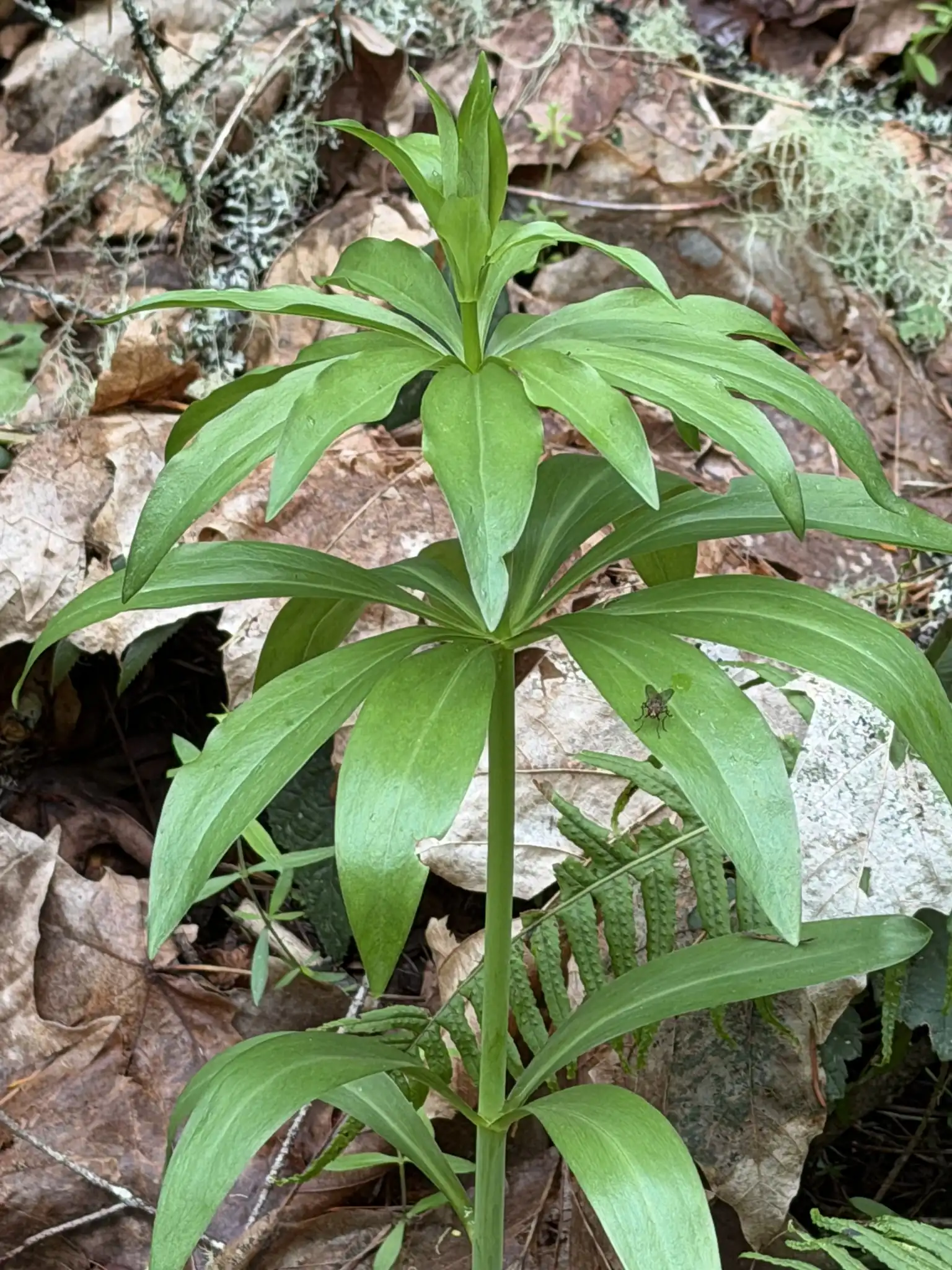
Lilium columbianum is an erect herbaceous perennial growing from an ovoid fleshy-scaled white bulb, native to western North American light woodlands and openings. Its upper stems bear distinct whorls of lanceolate foliage topped in summer by terminal racemes of bright yellowish-orange to reddish-orange Turk's-cap flowers.
The reflexed tepals curve sharply backward to expose dense dark maroon speckles near the center and hanging stamens. Individual established stems can carry up to twenty nodding blossoms, offering high visual value in native woodland plantings.
Uses & Benefits:
Essentials
At a Glance
Plant Type
Bulb Corm Tuber
Height
48"
Width
18"
Light
Full Sun, Partial Sun
Zones
5, 6, 7, 8, 9
Water
Moderate
Humidity
Moderate
Lifespan
Perennial
Native To
Western North America
Toxicity
Toxic if ingested in large amounts
Bloom period
Mid summer – Late summer
In flower about 2 months of the year
Planting
How to Grow
- Select a planting site receiving full sun to light woodland shade with humus-rich, well-draining soil.
- Plant fleshy bulbs roughly 4 to 6 inches deep to keep root zones cool during summer.
- Water regularly during active growth to maintain light moisture without saturating the soil.
- Leave stems intact after blooming until they completely turn brown and dry out in fall.
Pro Tip
Never cut down green stems after flowering; allow foliage to die back naturally in fall so nutrients return to the subterranean bulb.
Keep It Thriving
Care Guide
Do
- Plant bulbs immediately after purchase to prevent scales from drying out
- Apply organic leaf mulch to keep soil cool and consistently moist
Don't
- Do not prune green post-bloom stalks before they yellow completely
- Do not plant in heavy, waterlogged clay that causes fatal bulb rot
Seasonal Care Calendar
| Task | Jan | Feb | Mar | Apr | May | Jun | Jul | Aug | Sep | Oct | Nov | Dec |
|---|---|---|---|---|---|---|---|---|---|---|---|---|
| Fertilize | ||||||||||||
| Pest Check | ||||||||||||
| Plant | ||||||||||||
| Propagate | ||||||||||||
| Spring Cleanup |
Watch Out For
Pests & Diseases
Common Pests
Common Diseases
In the Garden
Landscape Uses & Companions
Landscape Uses
Companion Plants
Multiply
Propagation Methods
Good to Know
Common Questions
Columbia Lily questions
What zones can Columbia Lily grow in?
Columbia Lily is hardy in USDA Zones 5–9: in that range it survives winter in the ground. Colder than Zone 5, grow it in a container you can move to shelter for the winter, or as an annual. Warmer than Zone 9, winter isn't the problem: it prefers colder winters, and summer heat can shorten its life.
Is Columbia Lily deer resistant?
Not reliably. Deer may browse Columbia Lily, especially tender spring growth — plan on repellents or fencing where pressure is high.
When does Columbia Lily bloom?
Columbia Lily typically blooms in mid- to late summer. Exact timing shifts a week or two with your zone — Sow's bloom calendar maps it to your garden.
Does Columbia Lily need full sun?
Columbia Lily does best in full sun to part shade. In hot climates, afternoon shade keeps blooms fresher longer.
More Lilium to compare
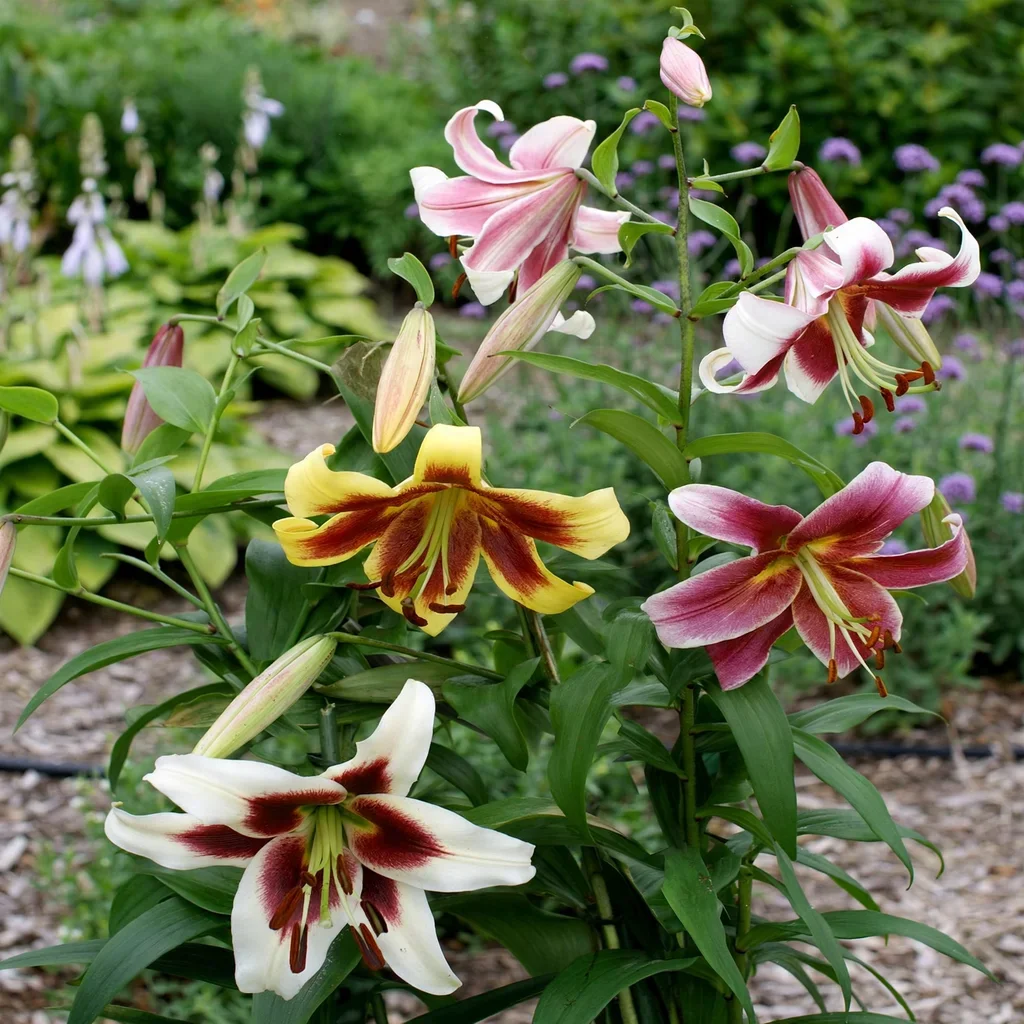
Tree Lily
Lilium x hybrida 'Tree Mix'
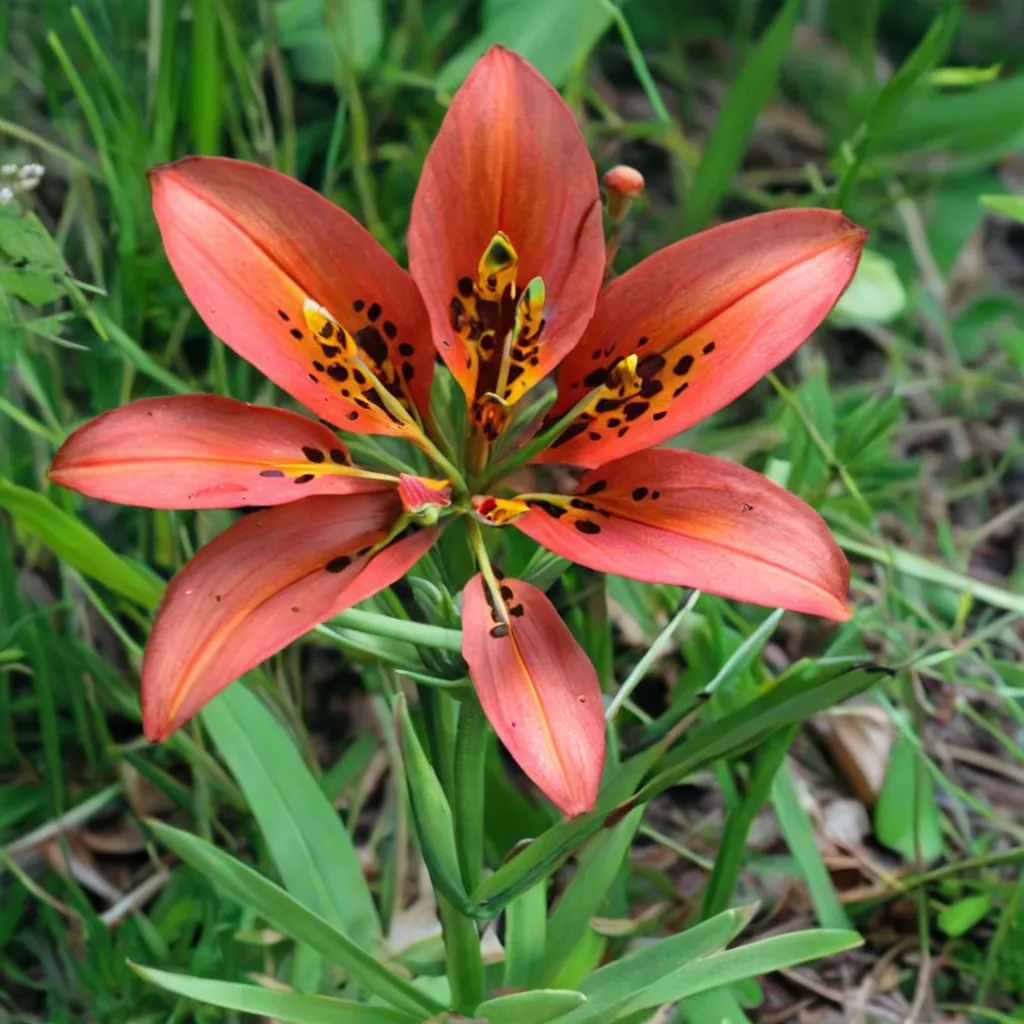
Wood Lily
Lilium philadelphicum
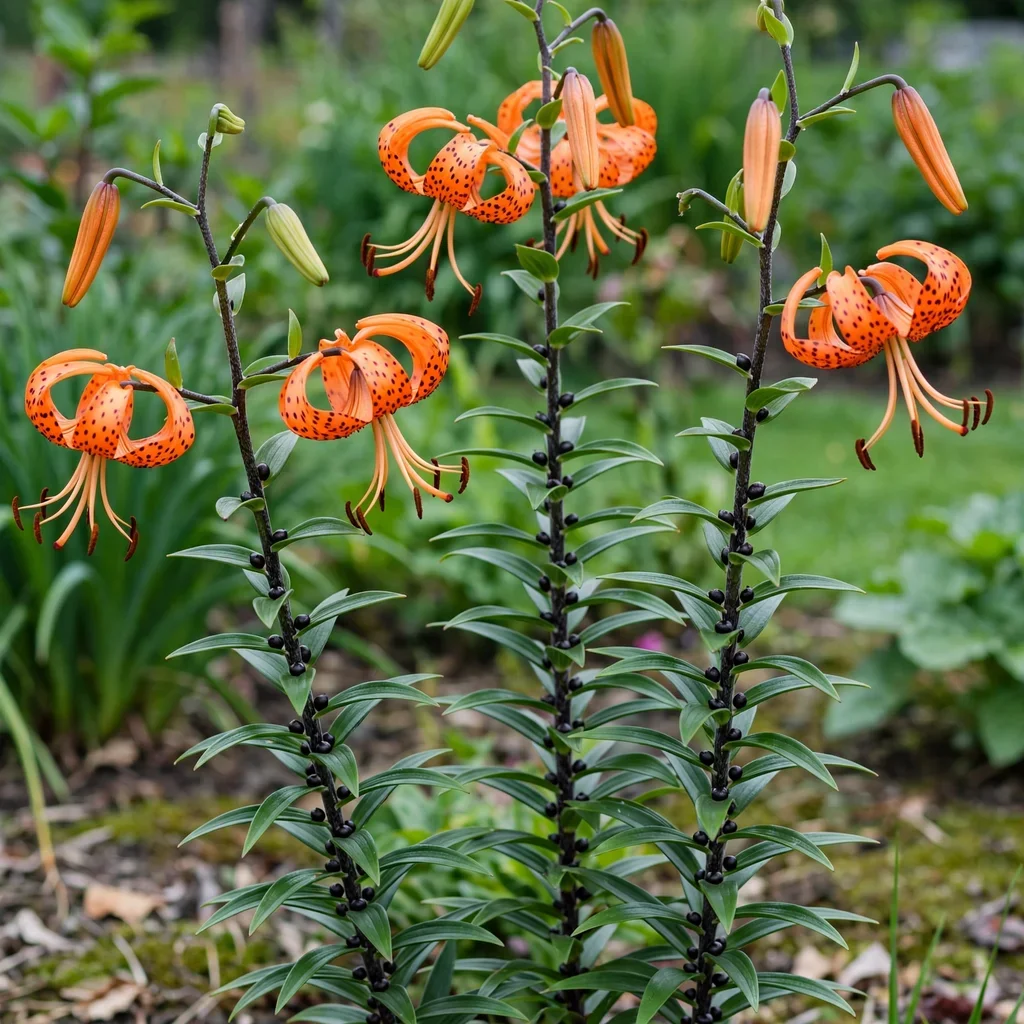
Tiger Lily
Lilium lancifolium
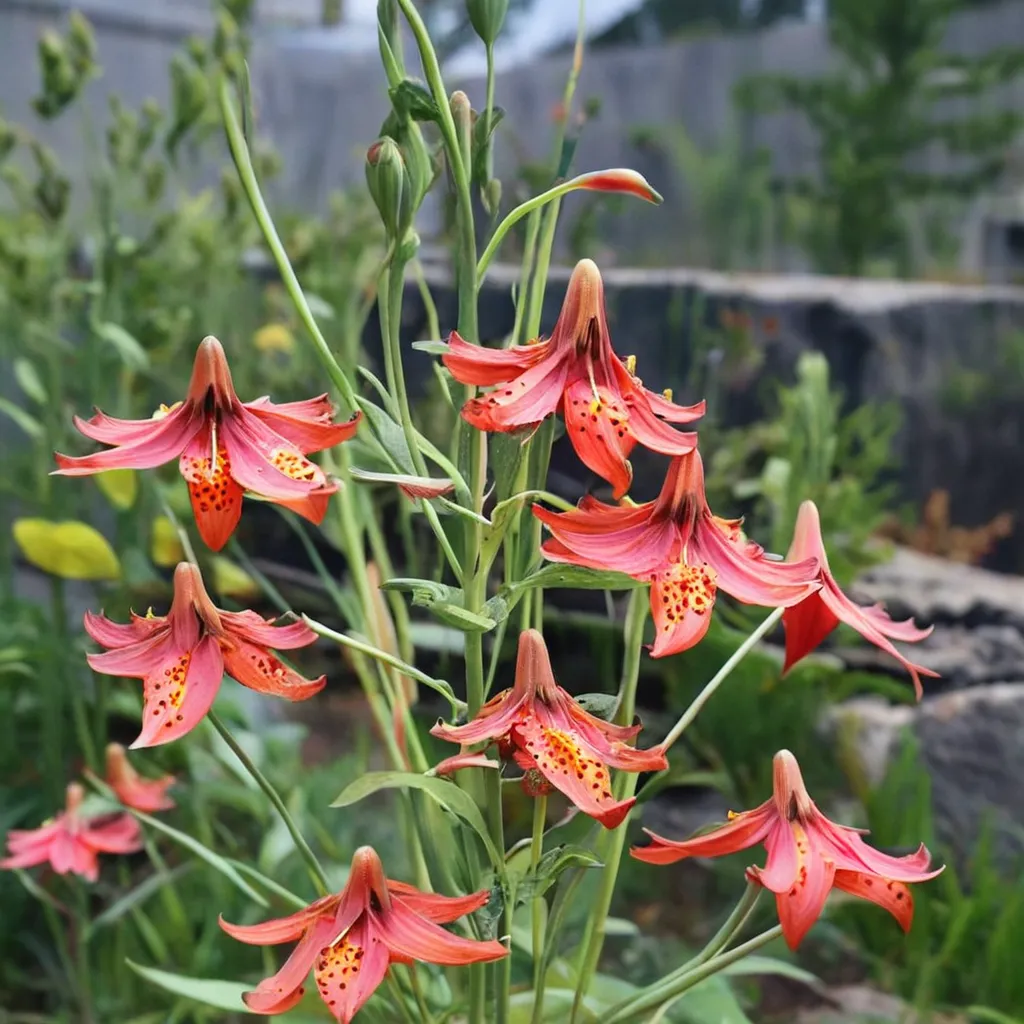
Canada Lily 'Reverend Walker'
Lilium canadense 'Reverend Walker'
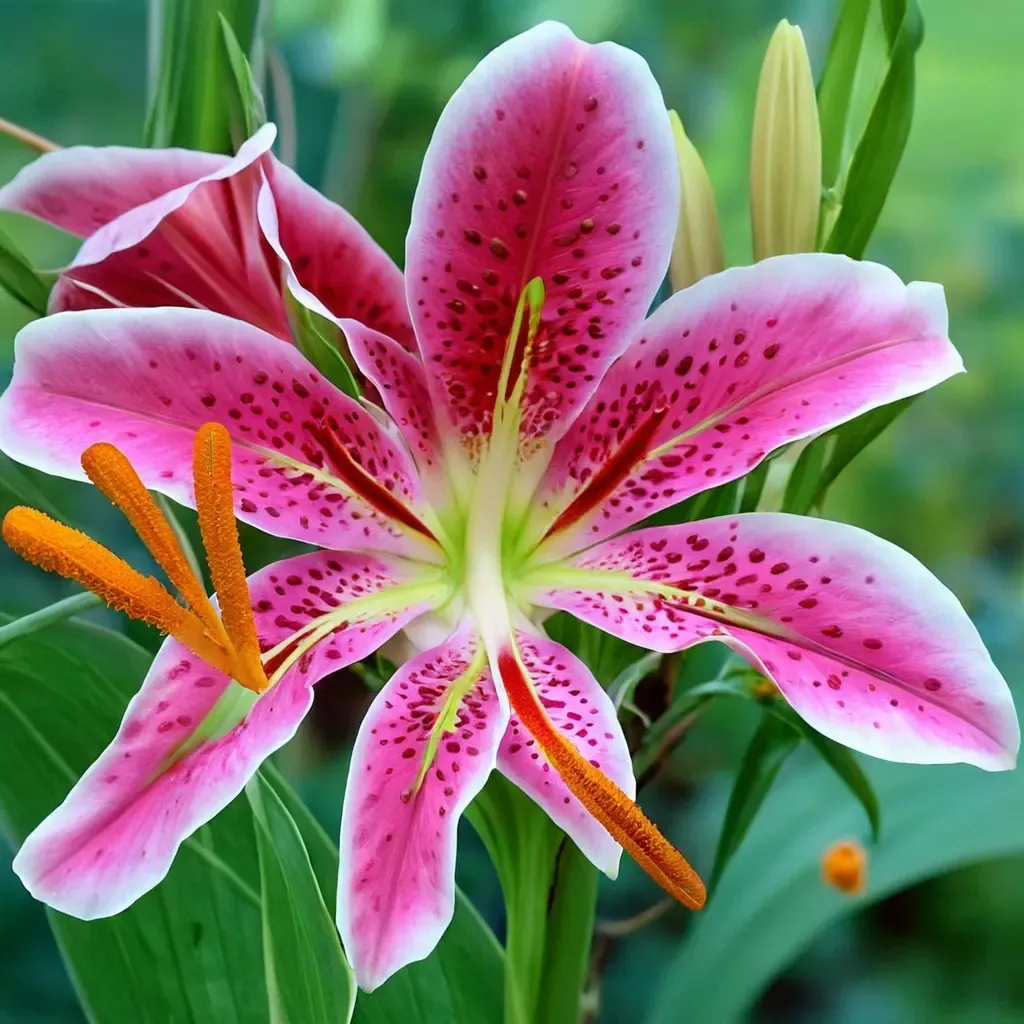
Stargazer Lily
Lilium lancifolium 'Stargazer'
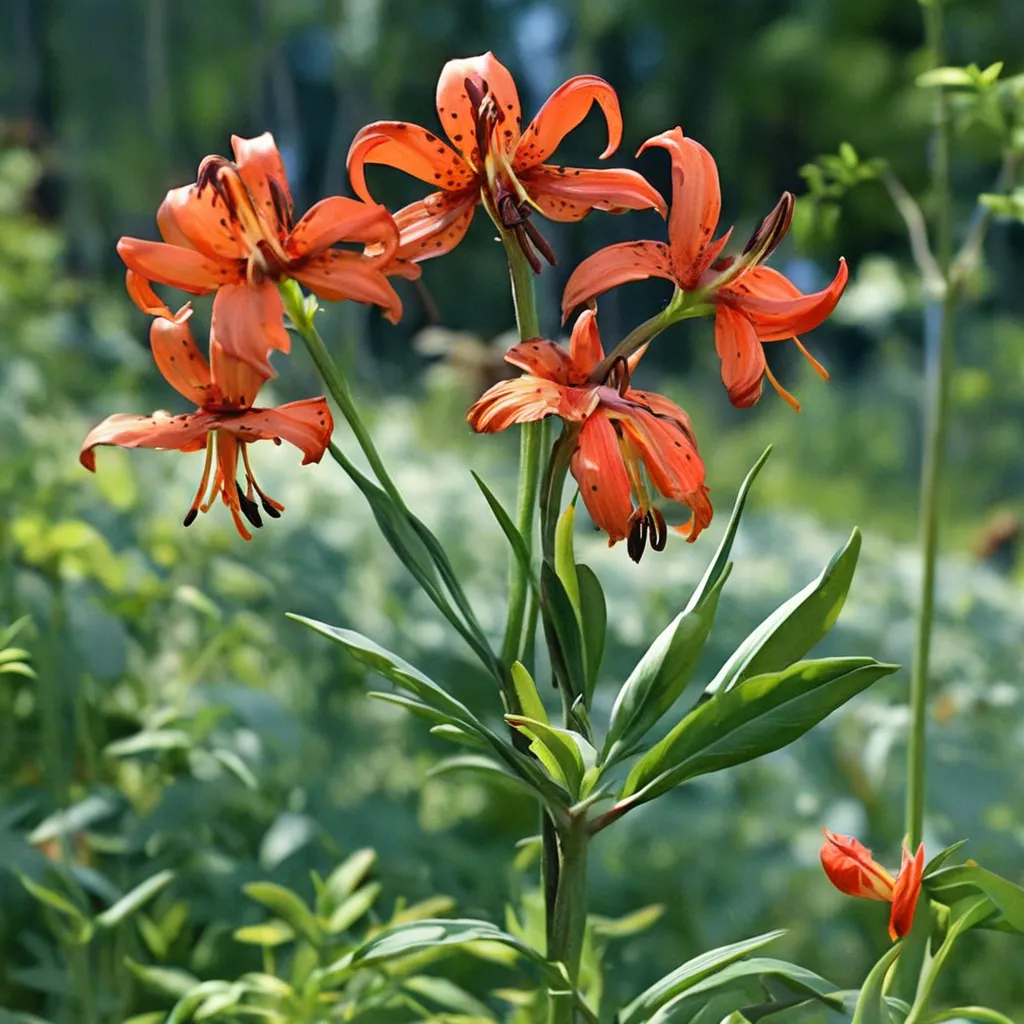
Michigan Lily
Lilium michiganense
Keep exploring
Explore the genus
Hardy in your zone?
Grow Columbia Lily with confidence
See it in a design of your actual yard, get zone-matched care reminders, and track it season by season in your garden journal.