The Story
Plant Bio
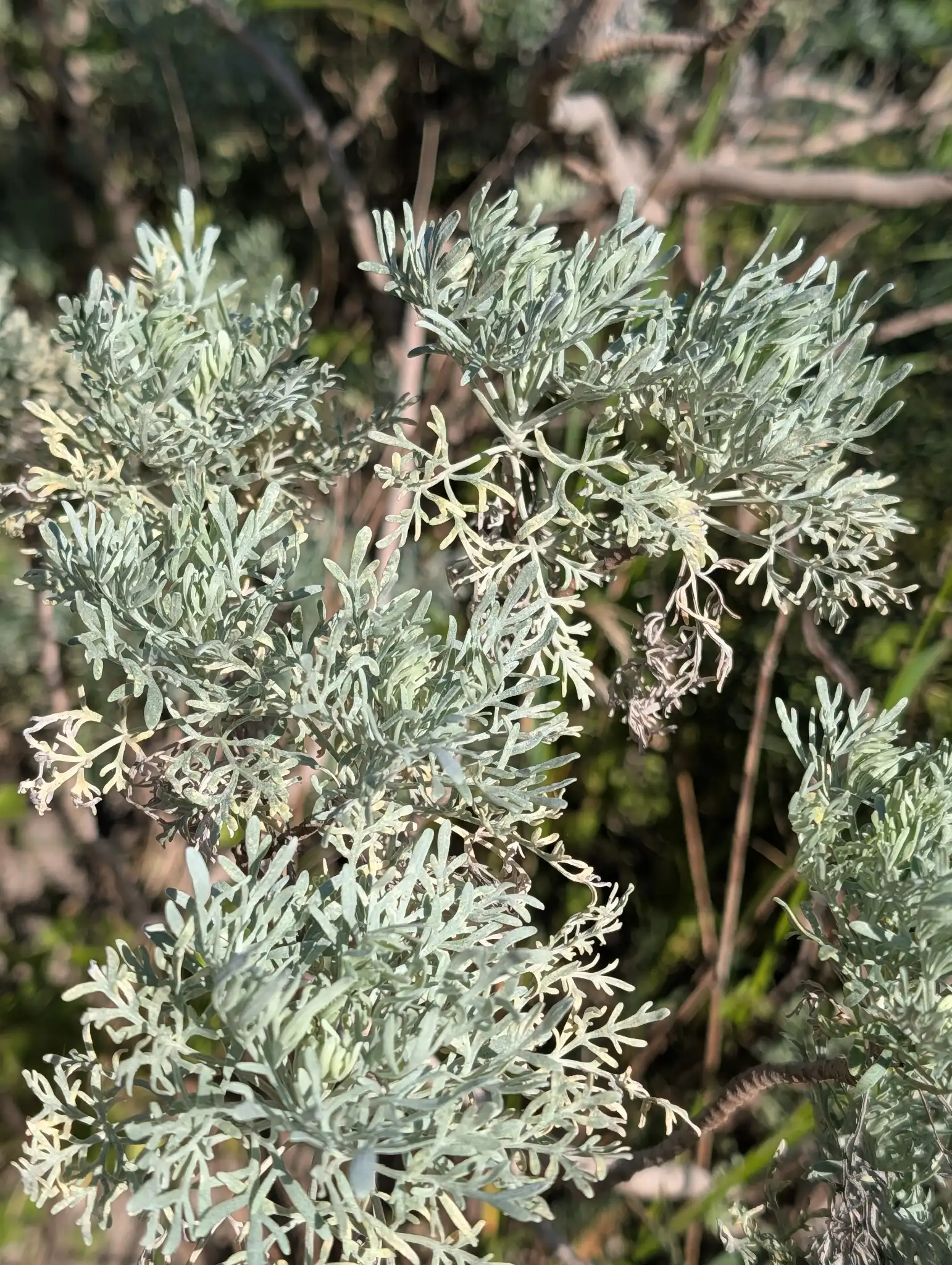
Artemisia arborescens, the tree wormwood, is a fast-growing evergreen subshrub from the Mediterranean basin with woody-based stems forming a bushy spreading mound. The soft finely divided leaves are silvery gray-green and strongly aromatic, and the plant holds its foliage through winter rather than dying back.
It reaches to six feet tall and eight feet wide, larger and woodier than the Powis Castle hybrid it is often confused with. The small dull yellow heads in branched panicles from spring to fall are inconspicuous; the plant is grown for its silver feathery foliage, not its bloom.
Uses & Benefits:
Essentials
At a Glance
Plant Type
Shrub
Height
71"
Width
94"
Light
Full Sun
Zones
5, 6, 7, 8, 9, 10
Water
Low
Humidity
Low
Lifespan
Evergreen shrub
Native To
Mediterranean Basin
Toxicity
Skin irritant; allergenic pollen possible
Bloom period
Spring – Fall
In flower about 9 months of the year
Planting
How to Grow
- Set in full sun in a bright open spot sheltered from harsh wind.
- Plant in poor to moderately fertile sandy or loam soil that drains very sharply, neutral to slightly alkaline.
- Water to establish, then water sparingly; keep soil dry to medium once rooted.
- Do not fertilize; it thrives in poor soils and soft rich growth rots in winter.
- In mid to late spring, shorten to the lowest live shoots leaving 12 to 18 inches of budded stem.
Pro Tip
Plant in very well-drained poor soil and never cut stems to the ground or into old leafless wood; prune back to the lowest new shoots in mid to late spring.
Keep It Thriving
Care Guide
Do
- Give full sun and sharp drainage
- Prune in mid to late spring to live buds
- Shear lightly in summer only to shape
Don't
- Do not plant in heavy wet clay
- Do not cut stems to the ground or into old leafless wood
- Do not fertilize or overwater
Seasonal Care Calendar
| Task | Jan | Feb | Mar | Apr | May | Jun | Jul | Aug | Sep | Oct | Nov | Dec |
|---|---|---|---|---|---|---|---|---|---|---|---|---|
| Pest Check | ||||||||||||
| Plant | ||||||||||||
| Propagate | ||||||||||||
| Prune | ||||||||||||
| Winter Prep |
Watch Out For
Pests & Diseases
Common Pests
Common Diseases
In the Garden
Landscape Uses & Companions
Landscape Uses
Multiply
Propagation Methods
Good to Know
Common Questions
Tree Wormwood questions
What zones can Tree Wormwood grow in?
Tree Wormwood is hardy in USDA Zones 5–10: in that range it survives winter in the ground. Colder than Zone 5, grow it in a container you can move to shelter for the winter.
When does Tree Wormwood bloom?
Tree Wormwood typically blooms from spring to fall. Exact timing shifts a week or two with your zone — Sow's bloom calendar maps it to your garden.
Does Tree Wormwood need full sun?
Tree Wormwood does best in full sun (6+ hours).
Is Tree Wormwood drought tolerant?
Yes — once established (usually after the first full season), Tree Wormwood handles dry spells with minimal watering. Water deeply its first year to build the root system that makes that possible.
More Artemisia to compare
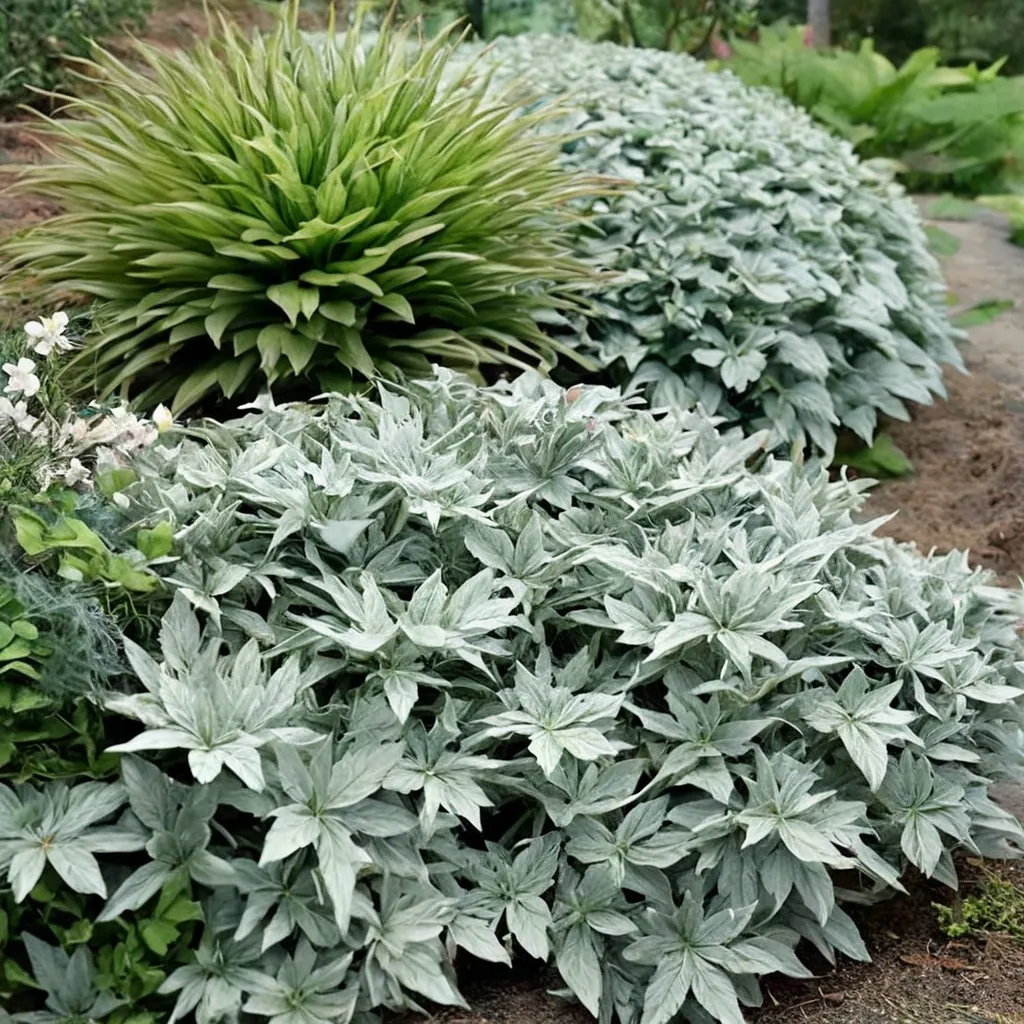
Artemisia Silver Lining
Artemisia x hybrida 'Silver Lining'
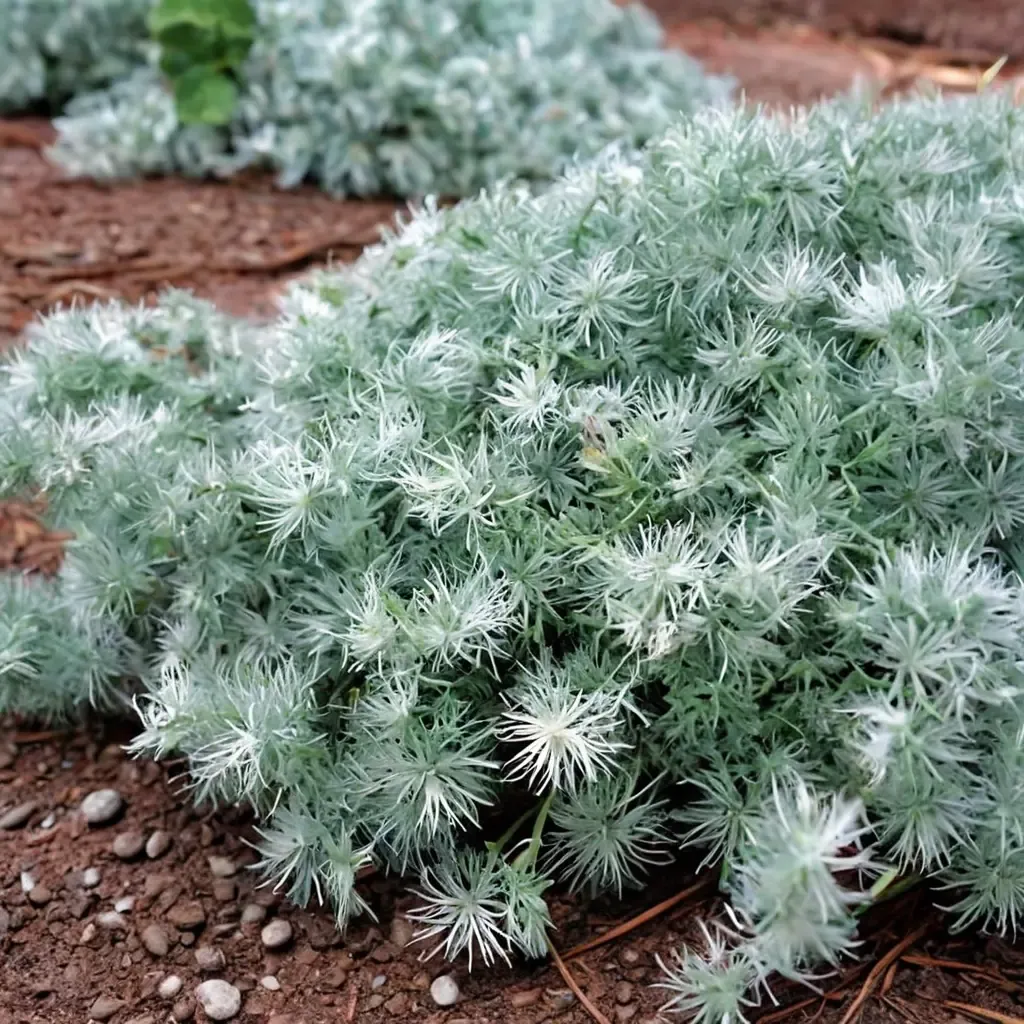
Silver Mound Wormwood
Artemisia schmidtiana 'Silver Mound'
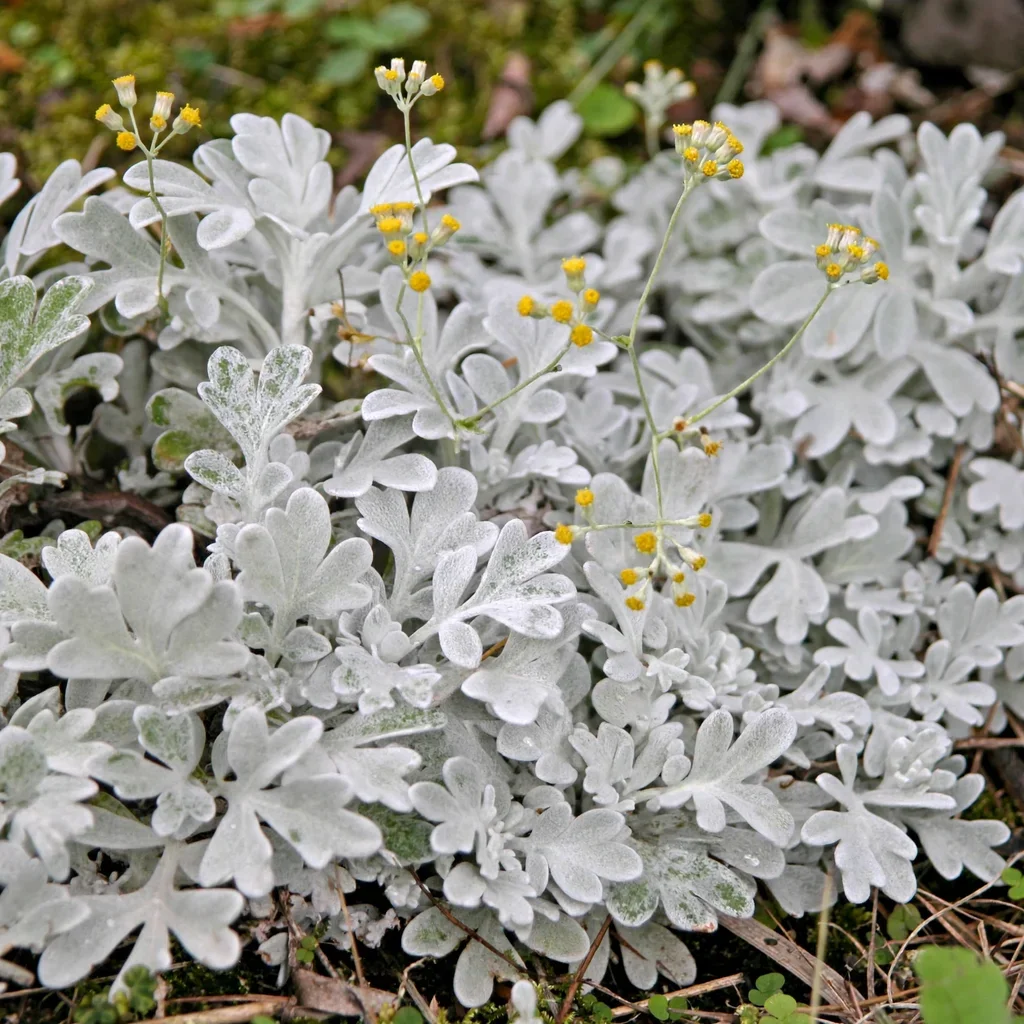
Silver Brocade Beach Wormwood
Artemisia stelleriana 'Silver Brocade'
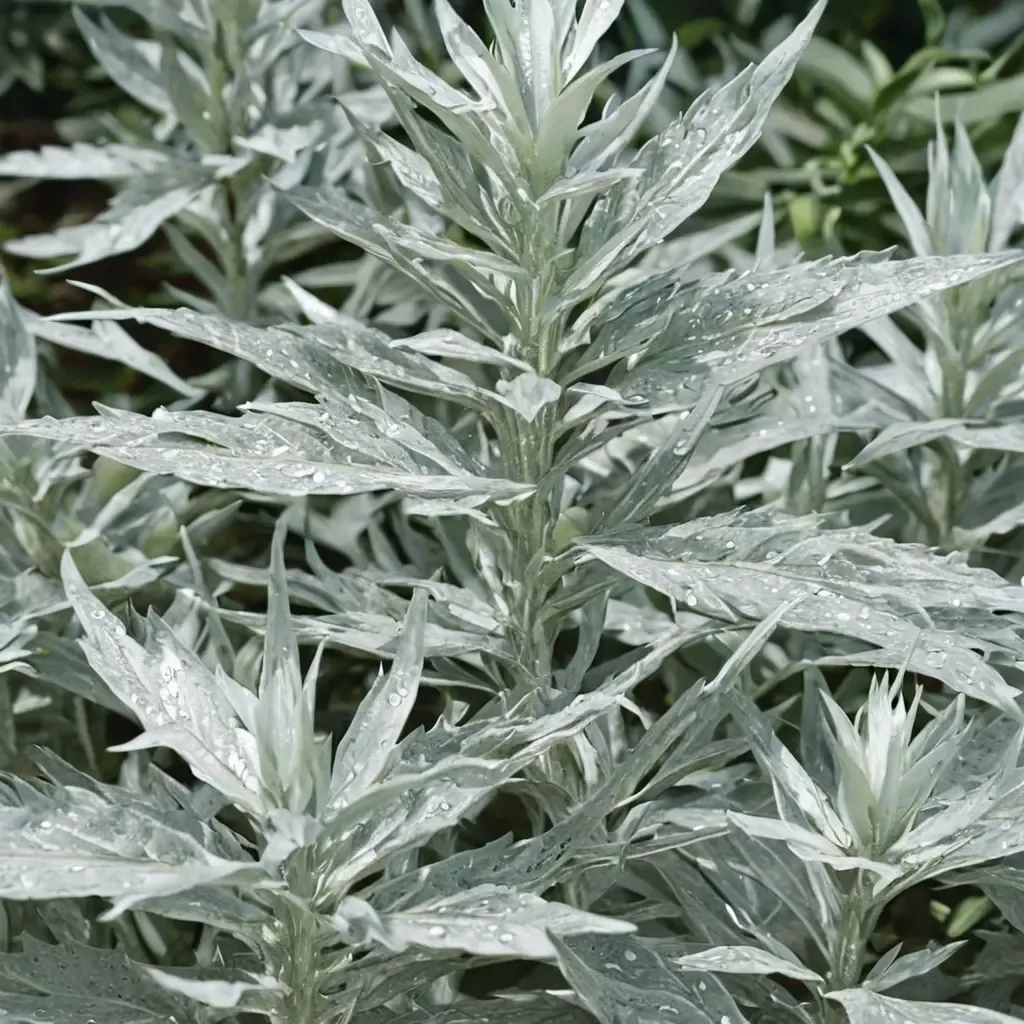
Silver King Artemisia
Artemisia ludoviciana 'Silver King'
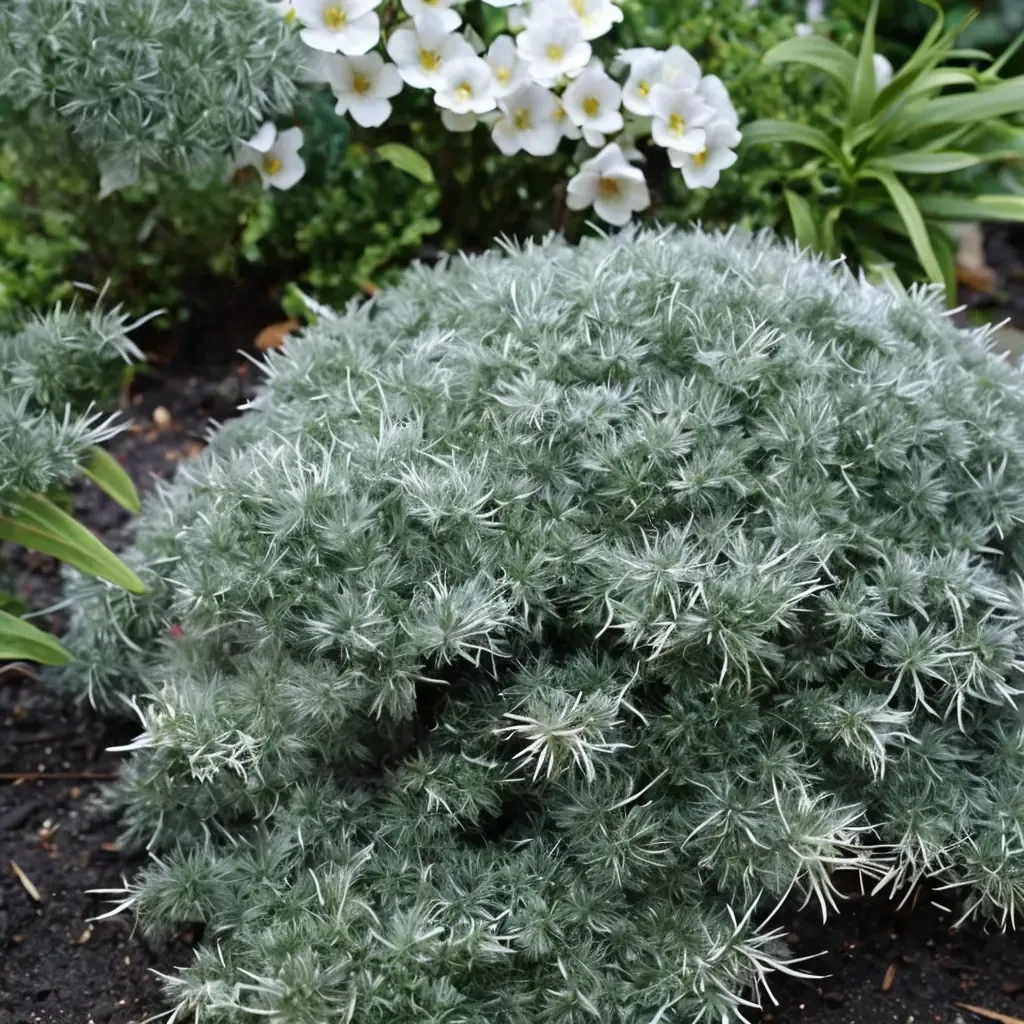
Silver Mound Artemisia
Artemisia schmidtiana 'Nana'
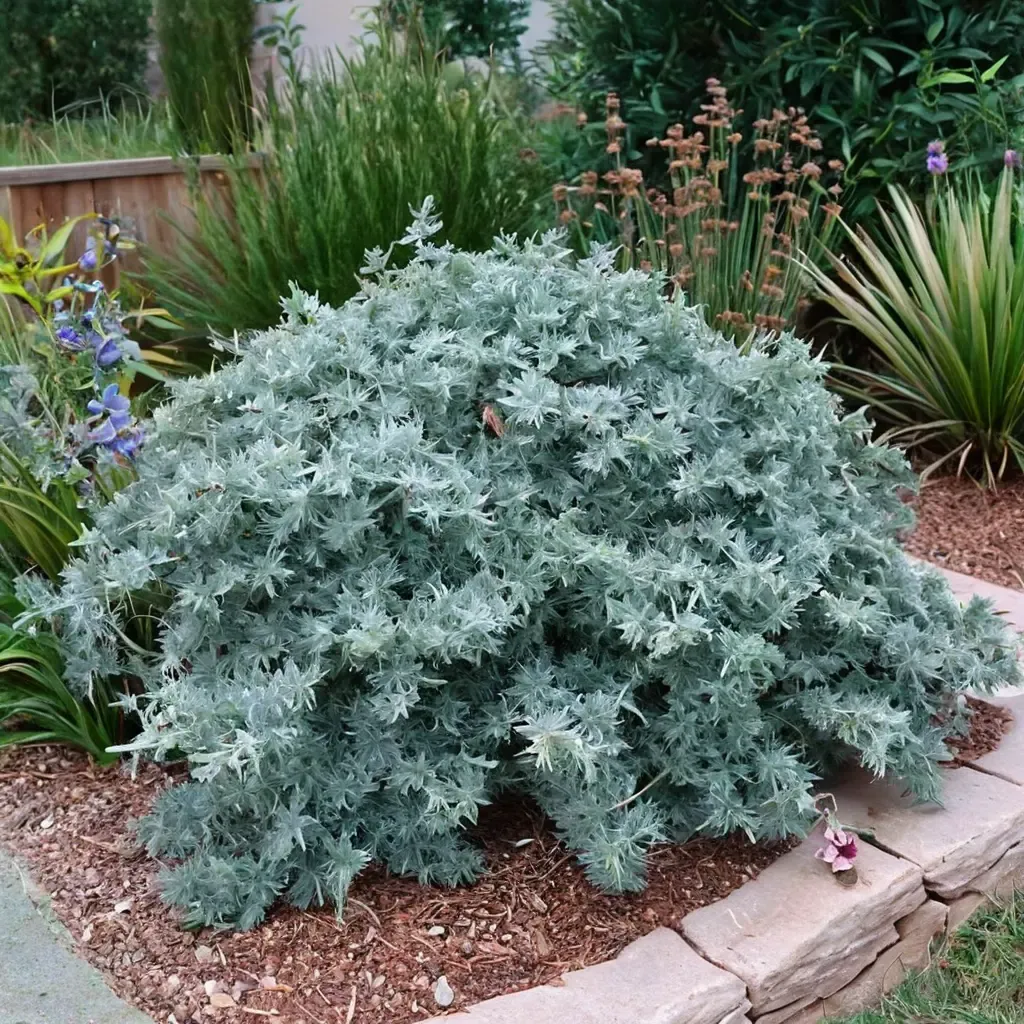
Powis Castle wormwood
Artemisia x hybrida 'Powis Castle'
Keep exploring
Explore the genus
Grow Tree Wormwood with confidence
See it in a design of your actual yard, get zone-matched care reminders, and track it season by season in your garden journal.